Parent, educator and advocate @AToddLegacy #Caring4others with awareness on internet safety, mental health and online exploitation. info@amandatoddlegacy.org
Joined December 2008
- Tweets 13,080
- Following 3,520
- Followers 6,498
- Likes 3,723
Photos and videos
Pinned Tweet

19 Jan 2017
Amanda's You Tube Video - "My story: Struggling, bullying, suicide, self harm"
youtube.com/watch?v=vOHXGNx-… @AToddLegacy
29
127
283
Carol Todd retweeted

May 25
Dr. Becky Kennedy flipped how I think about kids’ meltdowns and frustration
She says true resilience isn’t avoiding hard things, it’s learning to tolerate them. When your toddler is losing it over a puzzle and begging “do it for me,” that’s actually your Super Bowl moment as a parent. Those are the times you’re wiring their nervous system for how they’ll handle life later.
Her line that stuck with me: “A parent’s words become a child’s self-talk.”
This one really made me pause. I’ve jumped in too fast to fix frustration instead of sitting with it. Being the “dimmer switch” for big emotions instead of the off switch feels like such a better approach.
We’re not raising kids for an easy life. We’re raising them to handle a hard one. The small moments of tolerated discomfort build real strength.
Have you caught yourself rescuing your kid from frustration too quickly, or are you learning to sit with it?
18
123
950
100,155
Carol Todd retweeted

May 3
𝐁𝐑𝐀𝐈𝐍 𝐒𝐂𝐀𝐍𝐒: 𝐊𝐈𝐃𝐒 𝐎𝐍 𝐒𝐂𝐑𝐄𝐄𝐍𝐒 𝐀𝐑𝐄 𝐃𝐄𝐕𝐄𝐋𝐎𝐏𝐈𝐍𝐆 𝐄𝐀𝐑𝐋𝐘 𝐃𝐄𝐌𝐄𝐍𝐓𝐈𝐀.
60 Minutes Australia put up the brain scans of toddlers and teenagers and showed the country what every parent already suspected. 𝐓𝐡𝐞𝐫𝐞 𝐢𝐬 𝐚 𝐧𝐞𝐰 𝐭𝐞𝐫𝐦 𝐟𝐨𝐫 𝐢𝐭: 𝐝𝐢𝐠𝐢𝐭𝐚𝐥 𝐝𝐞𝐦𝐞𝐧𝐭𝐢𝐚. Two-year-olds on devices three hours a day already show abnormal white-matter development. Teens on screens six-to-eight hours a day show patterns that mirror early Alzheimer’s.
“𝘖𝘶𝘳 𝘱𝘩𝘰𝘯𝘦𝘴 𝘢𝘳𝘦 𝘮𝘢𝘬𝘪𝘯𝘨 𝘶𝘴 𝘭𝘦𝘴𝘴 𝘪𝘯𝘵𝘦𝘭𝘭𝘪𝘨𝘦𝘯𝘵, 𝘮𝘢𝘬𝘪𝘯𝘨 𝘶𝘴 𝘥𝘶𝘮𝘣𝘦𝘳. 𝘛𝘩𝘦𝘳𝘦’𝘴 𝘢 𝘯𝘦𝘸 𝘵𝘦𝘳𝘮 𝘧𝘰𝘳 𝘪𝘵: 𝘥𝘪𝘨𝘪𝘵𝘢𝘭 𝘥𝘦𝘮𝘦𝘯𝘵𝘪𝘢. 𝘞𝘩𝘢𝘵’𝘴 𝘳𝘦𝘢𝘭𝘭𝘺 𝘧𝘳𝘪𝘨𝘩𝘵𝘦𝘯𝘪𝘯𝘨 𝘪𝘴 𝘵𝘩𝘢𝘵 𝘵𝘩𝘦 𝘦𝘷𝘪𝘥𝘦𝘯𝘤𝘦 𝘴𝘶𝘨𝘨𝘦𝘴𝘵𝘴 𝘣𝘳𝘢𝘪𝘯 𝘥𝘢𝘮𝘢𝘨𝘦 𝘪𝘴 𝘴𝘵𝘢𝘳𝘵𝘪𝘯𝘨 𝘵𝘰 𝘰𝘤𝘤𝘶𝘳 𝘪𝘯 𝘤𝘩𝘪𝘭𝘥𝘳𝘦𝘯 𝘢𝘴 𝘺𝘰𝘶𝘯𝘨 𝘢𝘴 𝘵𝘸𝘰. 𝘛𝘩𝘦 𝘴𝘤𝘢𝘯 𝘰𝘧 𝘵𝘩𝘪𝘴 𝘤𝘩𝘪𝘭𝘥, 𝘸𝘩𝘰 𝘴𝘱𝘦𝘯𝘵 𝘶𝘱 𝘵𝘰 𝘵𝘩𝘳𝘦𝘦 𝘩𝘰𝘶𝘳𝘴 𝘢 𝘥𝘢𝘺 𝘰𝘯 𝘢 𝘥𝘦𝘷𝘪𝘤𝘦, 𝘴𝘩𝘰𝘸𝘴 𝘴𝘪𝘨𝘯𝘪𝘧𝘪𝘤𝘢𝘯𝘵 𝘥𝘦𝘵𝘦𝘳𝘪𝘰𝘳𝘢𝘵𝘪𝘰𝘯.”
The pediatric neurologist on screen narrating the scans: “𝘛𝘩𝘦 𝘮𝘰𝘳𝘦 𝘵𝘪𝘮𝘦 𝘢 𝘵𝘸𝘰-𝘵𝘰-𝘧𝘪𝘷𝘦-𝘺𝘦𝘢𝘳-𝘰𝘭𝘥 𝘪𝘴 𝘰𝘯 𝘢 𝘥𝘦𝘷𝘪𝘤𝘦, 𝘵𝘩𝘦 𝘮𝘰𝘳𝘦 𝘢𝘣𝘯𝘰𝘳𝘮𝘢𝘭 𝘵𝘩𝘰𝘴𝘦 𝘸𝘩𝘪𝘵𝘦-𝘮𝘢𝘵𝘵𝘦𝘳 𝘵𝘳𝘢𝘤𝘬𝘴 𝘢𝘳𝘦 𝘥𝘦𝘷𝘦𝘭𝘰𝘱𝘪𝘯𝘨 𝘪𝘯 𝘵𝘩𝘦𝘪𝘳 𝘣𝘳𝘢𝘪𝘯𝘴. 𝘗𝘢𝘳𝘵𝘴 𝘰𝘧 𝘵𝘩𝘦𝘪𝘳 𝘣𝘳𝘢𝘪𝘯 𝘢𝘵 𝘵𝘩𝘪𝘴 𝘺𝘰𝘶𝘯𝘨 𝘢𝘨𝘦 𝘢𝘳𝘦 𝘢𝘤𝘵𝘶𝘢𝘭𝘭𝘺 𝘴𝘩𝘳𝘪𝘯𝘬𝘪𝘯𝘨.”
The teen scan was worse: “𝘛𝘩𝘦 𝘩𝘰𝘭𝘦𝘴, 𝘪𝘧 𝘺𝘰𝘶 𝘭𝘪𝘬𝘦, 𝘰𝘳 𝘵𝘩𝘦 𝘳𝘪𝘥𝘨𝘦𝘴 𝘵𝘩𝘢𝘵 𝘸𝘦 𝘢𝘤𝘵𝘶𝘢𝘭𝘭𝘺 𝘴𝘦𝘦, 𝘢𝘳𝘦 𝘴𝘭𝘪𝘨𝘩𝘵𝘭𝘺 𝘸𝘪𝘥𝘦𝘳 𝘪𝘯 𝘵𝘦𝘦𝘯𝘢𝘨𝘦𝘳𝘴. 𝘛𝘩𝘢𝘵’𝘴 𝘵𝘩𝘦 𝘴𝘢𝘮𝘦 𝘴𝘰𝘳𝘵 𝘰𝘧 𝘵𝘩𝘪𝘯𝘨 𝘸𝘦 𝘴𝘦𝘦 𝘪𝘯 𝘦𝘢𝘳𝘭𝘺-𝘰𝘯𝘴𝘦𝘵 𝘥𝘦𝘮𝘦𝘯𝘵𝘪𝘢.” 𝐀𝐬𝐤𝐞𝐝 𝐢𝐟 𝐬𝐡𝐞 𝐰𝐚𝐬 𝐫𝐞𝐚𝐥𝐥𝐲 𝐬𝐞𝐞𝐢𝐧𝐠 𝐝𝐞𝐦𝐞𝐧𝐭𝐢𝐚 𝐬𝐢𝐠𝐧𝐬 𝐢𝐧 𝐭𝐞𝐞𝐧𝐚𝐠𝐞𝐫𝐬, 𝐭𝐡𝐞 𝐚𝐧𝐬𝐰𝐞𝐫 𝐰𝐚𝐬 𝐲𝐞𝐬.
Add the larger trend: 𝐭𝐡𝐞 𝐟𝐢𝐫𝐬𝐭 𝐈𝐐 𝐝𝐫𝐨𝐩𝐬 𝐢𝐧 𝐫𝐞𝐜𝐨𝐫𝐝𝐞𝐝 𝐡𝐮𝐦𝐚𝐧 𝐡𝐢𝐬𝐭𝐨𝐫𝐲 (the Flynn Effect reversed in 2019) and an estimated 𝟒𝟎𝟎% 𝐫𝐢𝐬𝐞 𝐢𝐧 𝐞𝐚𝐫𝐥𝐲-𝐨𝐧𝐬𝐞𝐭 𝐝𝐞𝐦𝐞𝐧𝐭𝐢𝐚 𝐚𝐦𝐨𝐧𝐠 𝟑𝟓-𝟒𝟒 𝐲𝐞𝐚𝐫 𝐨𝐥𝐝𝐬. Correlation, not proven causation. But the major new variable in this generation is the device.
𝐖𝐞 𝐚𝐫𝐞 𝐫𝐮𝐧𝐧𝐢𝐧𝐠 𝐚 𝐛𝐫𝐚𝐢𝐧 𝐞𝐱𝐩𝐞𝐫𝐢𝐦𝐞𝐧𝐭 𝐨𝐧 𝐭𝐡𝐞 𝐧𝐞𝐱𝐭 𝐠𝐞𝐧𝐞𝐫𝐚𝐭𝐢𝐨𝐧 𝐢𝐧 𝐫𝐞𝐚𝐥 𝐭𝐢𝐦𝐞. 𝐓𝐡𝐞 𝐬𝐜𝐚𝐧𝐬 𝐚𝐫𝐞 𝐚𝐛𝐧𝐨𝐫𝐦𝐚𝐥. 𝐓𝐡𝐞 𝐈𝐐 𝐝𝐚𝐭𝐚 𝐢𝐬 𝐜𝐨𝐥𝐥𝐚𝐩𝐬𝐢𝐧𝐠. 𝐓𝐡𝐞 𝐜𝐨𝐠𝐧𝐢𝐭𝐢𝐯𝐞 𝐦𝐚𝐫𝐤𝐞𝐫𝐬 𝐢𝐧 𝟑𝟓-𝐲𝐞𝐚𝐫-𝐨𝐥𝐝𝐬 𝐥𝐨𝐨𝐤 𝐥𝐢𝐤𝐞 𝐞𝐚𝐫𝐥𝐲 𝐀𝐥𝐳𝐡𝐞𝐢𝐦𝐞𝐫’𝐬. 𝐓𝐚𝐤𝐞 𝐭𝐡𝐞 𝐢𝐏𝐚𝐝 𝐚𝐰𝐚𝐲. 𝐇𝐚𝐧𝐝 𝐭𝐡𝐞 𝐤𝐢𝐝 𝐚 𝐛𝐨𝐨𝐤. 𝐓𝐡𝐞 𝐝𝐚𝐦𝐚𝐠𝐞 𝐰𝐞 𝐡𝐚𝐯𝐞 𝐚𝐥𝐫𝐞𝐚𝐝𝐲 𝐝𝐨𝐧𝐞 𝐰𝐢𝐥𝐥 𝐭𝐚𝐤𝐞 𝐚 𝐠𝐞𝐧𝐞𝐫𝐚𝐭𝐢𝐨𝐧 𝐭𝐨 𝐫𝐞𝐩𝐚𝐢𝐫.
𝘝𝘪𝘥𝘦𝘰 𝘧𝘳𝘰𝘮 @𝘯𝘦𝘸𝘴𝘵𝘢𝘳𝘵_2024 (60 𝘔𝘪𝘯𝘶𝘵𝘦𝘴 𝘈𝘶𝘴𝘵𝘳𝘢𝘭𝘪𝘢).
2
28
53
7,177
Carol Todd retweeted

May 4
Parenting is hard etc but I’m sorry if you’re allowing your toddler 2-3 hours of screen time per day you actually are failing them and you’re failing as a parent. This past week I saw at least a dozen toddlers running around with devices, some with phones clipped to their strollers(!). Your toddler has only been in the world for a short time. It’s still very interesting to them if you let them look up at it.
May 3

Brain scans are revealing early dementia-like changes in kids and teens from heavy screen use.
60 Minutes Australia reported toddlers spending just 2–3 hours daily on devices already show abnormal white matter development. Teens averaging 6–8 hours display widened brain ridges and thinning in key areas — patterns that mirror early Alzheimer’s.
Excessive screens appear to weaken neural pathways that normally strengthen through real-world movement, play, and face-to-face interaction.
We’re also seeing the first IQ drops in recorded history, plus a nearly 400% rise in early-onset dementia signs among 35–44 year olds. Correlation, not proven causation — but devices are the major new variable.
This is one of those reports that makes you rethink default habits. The convenience of screens is undeniable, but the potential long-term brain impacts on developing kids are hard to ignore.
We may be unintentionally running a massive experiment on the next generation’s cognitive health.
Are we underestimating the risks of heavy screen time, or is this concern overblown?
109
486
4,140
1,512,226
Carol Todd retweeted

Mar 8
This, right here, is the canary in the coal mine for higher education. For my upper-level in-person teaching, I've switched to in-class, no-device, open notes essay exams. Online humanities courses at any significant scale are dead, and publicly available LLMs are the reason. Our fundamental skills -- reading, writing, reasoning, remembering -- are decaying at an alarming rate. We are losing a generation, and when that generation is grown, there will be virtually no one left to teach basic skills to the next.
I love the good things that generative AI can do. Some of them are absolutely amazing. I use these tools to create projects that I think will be groundbreaking. But we are facing an extinction event for higher education.
And with the best will in the world, my colleagues don't have a plan. They mill around, acknowledging that, yes, there are problems, and opining that perhaps we should move to in-class exercises that incorporate AI and ask students to think about the outputs. There is no coherent university-wide policy. There is no movement to recover the lost tools of learning.
I mention memory palaces, but most of my colleagues have never heard of them. Those who have think that I'm trying to be clever, recommending going backward in order to go forward. How quaint! It does not occur to them that training young people in such skills might become a lynchpin of civilizational survival.
Intensive reading, effortful study, deep learning -- a few individuals will always gravitate toward these things. But at scale, all of this is dying. We are drowning ourselves face-down in the shallows.
φάσκοντες εἶναι σοφοὶ ἐμωράνθησαν

I just gave a closed-book, pen-and-paper midterm exam in my 300-level course at UBC with 100 students. All exams were graded by an experienced graduate-level TA according to a rubric.
*** The average was 64/100.***
My class averages at UBC are usually 80-85.
Context:
• This was the first midterm, covering ONLY 4 weeks of material.
• Students had a list of possible questions in advance: no surprise questions.
• Questions included (a) 3 concept definitions, (b) 3 paragraph-long questions, and (c) a 1.5-page essay.
• I have taught this class multiple times. Nothing in my teaching style changed this semester.
• We read entire paragraphs of text in class, so students don't have to do something on their own that wasn't covered during the lecture.
• Students take a 10-question multiple-choice quiz at the end of every class (30% of the final grade).
• Attendance is 95-99% every class. Attention during lectures and participation in pair-work activities are very high → anticipating the end-of-class quiz.
*** But unfortunately, I suspect many students are not reading the material on the syllabus. They are asking LLMs to summarize it instead.***
After the midterm, students reported:
• They thought they knew concept definitions but couldn't produce them on paper.
• They thought they understood the arguments but struggled to connect them or identify points of agreement and disagreement.
My view:
It might be “cool” or “innovative” to teach students to summarize readings with ChatGPT or write essays with Claude. But we may be doing them a disservice: reducing their ability to retain material, think creatively, and reason from what they know. If you only read what AI has summarized for you, you don’t truly "know" the material.
Moving forward:
We have a second midterm coming up. I don't know how to convey to students that the best way to do better on the exam is to rely on and improve their own reading skills.
51
105
631
141,546
Carol Todd retweeted

Jan 14
“When I am gone, do not fear my memory. Do not be afraid to speak my name or look through old photographs. Do not be scared to play old videos so that you might hear my voice and see me laughing. Do not be wary of visiting my favourite places or eating my favourite foods or singing along to my favourite songs.
I know it will hurt. Those memories will remind you that I am gone. They will stab at you like a knife in an open, gaping wound. Raw, excruciating pain.
But after a while the knife will become less sharp, the wound will become less open and the pain will become less raw. And those memories will remind you that I was here. That I lived.
Do not reduce my life to my death. Speak my name, hear my voice, sing my favourite songs and visit my favourite places. Because that’s how I can stay alive a little. Right here with you.” 🧡
Memories are the legacy of love.
Wonderfully written by
Becky Hemsley ❤️
Artwork by
Amanda Cass ❤️

51
321
1,643
47,015
Carol Todd retweeted

The British Columbia government has dropped its threshold for its homeowner grant program for the first time in six years as assessed values for homes fall in the province’s Lower Mainland. vancouver.citynews.ca/2026/0…
6
3
5,995
Carol Todd retweeted

21 Nov 2025
"My name's Raymond. I'm 73. I work the parking lot at St. Joseph's Hospital. Minimum wage, orange vest, a whistle I barely use. Most people don't even look at me. I'm just the old man waving cars into spaces.
But I see everything.
Like the black sedan that circled the lot every morning at 6 a.m. for three weeks. Young man driving, grandmother in the passenger seat. Chemotherapy, I figured. He'd drop her at the entrance, then spend 20 minutes hunting for parking, missing her appointments.
One morning, I stopped him. "What time tomorrow?"
"6:15," he said, confused.
"Space A-7 will be empty. I'll save it."
He blinked. "You... you can do that?"
"I can now," I said.
Next morning, I stood in A-7, holding my ground as cars circled angrily. When his sedan pulled up, I moved. He rolled down his window, speechless. "Why?"
"Because she needs you in there with her," I said. "Not out here stressing."
He cried. Right there in the parking lot.
Word spread quietly. A father with a sick baby asked if I could help. A woman visiting her dying husband. I started arriving at 5 a.m., notebook in hand, tracking who needed what. Saved spots became sacred. People stopped honking. They waited. Because they knew someone else was fighting something bigger than traffic.
But here's what changed everything, A businessman in a Mercedes screamed at me one morning. "I'm not sick! I need that spot for a meeting!"
"Then walk," I said calmly. "That space is for someone whose hands are shaking too hard to grip a steering wheel."
He sped off, furious. But a woman behind him got out of her car and hugged me. "My son has leukemia," she sobbed. "Thank you for seeing us."
The hospital tried to stop me. "Liability issues," they said. But then families started writing letters. Dozens. "Raymond made the worst days bearable." "He gave us one less thing to break over."
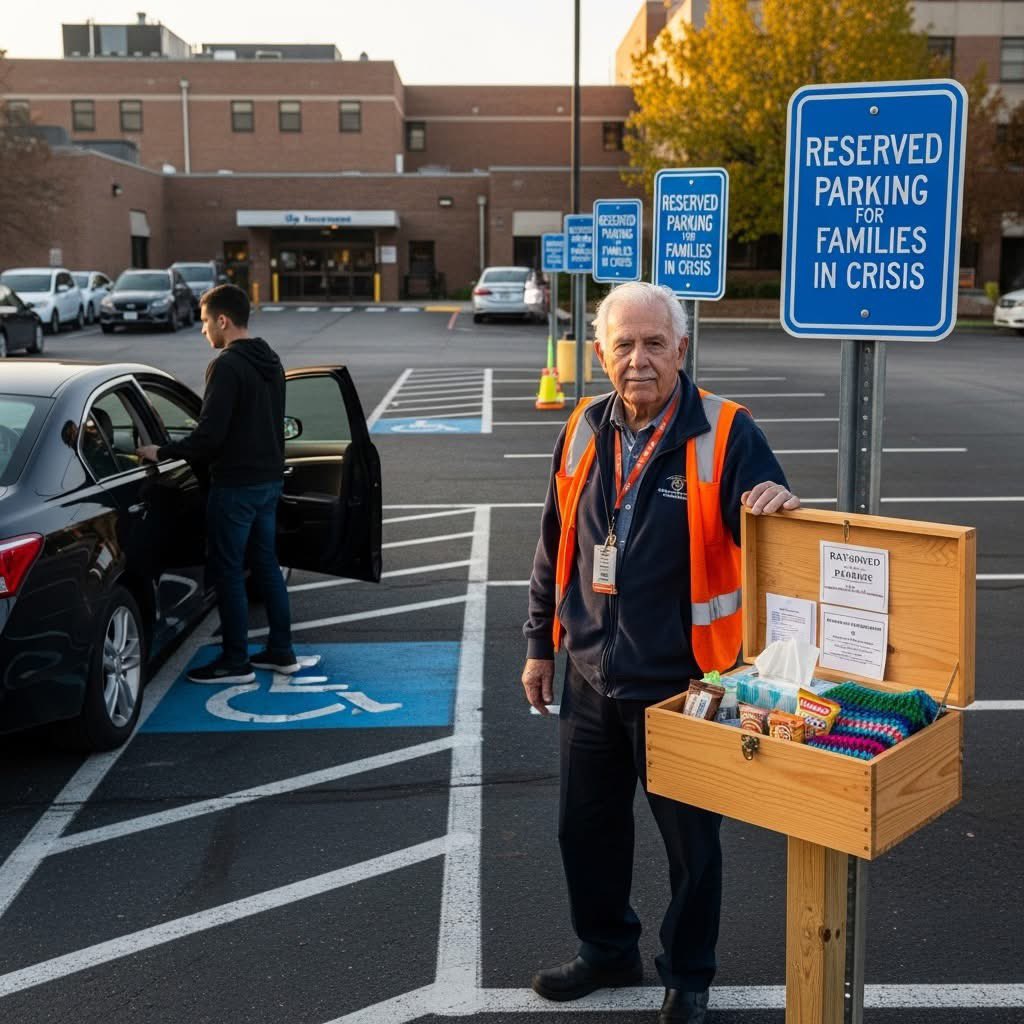
Last month, they made it official. "Reserved Parking for Families in Crisis." Ten spots, marked with blue signs. And they asked me to manage it.
But the best part? A man I'd helped two years ago, his mother survived, came back. He's a carpenter. Built a small wooden box, mounted it by the reserved spaces. Inside? Prayer cards, tissues, breath mints, and a note,
"Take what you need. You're not alone. -Raymond & Friends"
People leave things now. Granola bars. Phone chargers. Yesterday, someone left a hand-knitted blanket.
I'm 73. I direct traffic in a hospital parking lot. But I've learned this: Healing doesn't just happen in operating rooms. Sometimes it starts in a parking space. When someone says, "I see your crisis. Let me carry this one small piece."
So pay attention. At the grocery checkout, the coffee line, wherever you are. Someone's drowning in the little things while fighting the big ones.
Hold a door. Save a spot. Carry the weight no one else sees.
It's not glamorous. But it's everything."
Let this story reach more hearts....
Credit: Mary Nelson
3,766
29,487
137,551
6,603,098
Carol Todd retweeted

30 Oct 2025
Woohoo 🎉
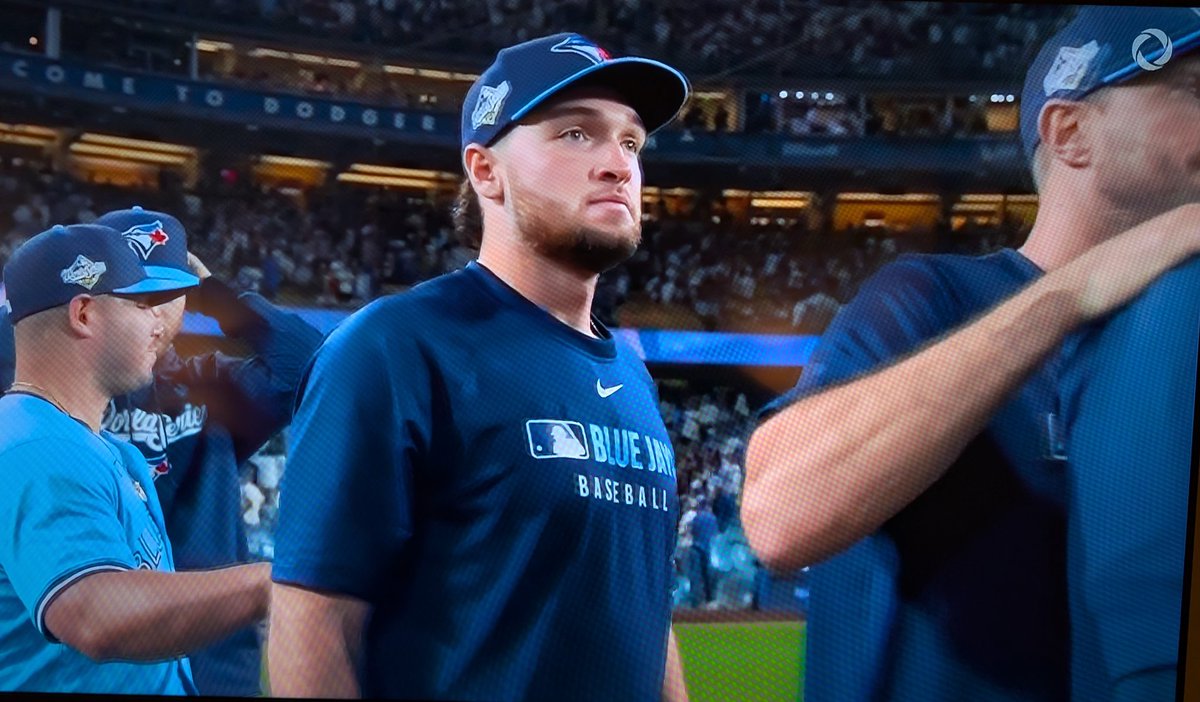
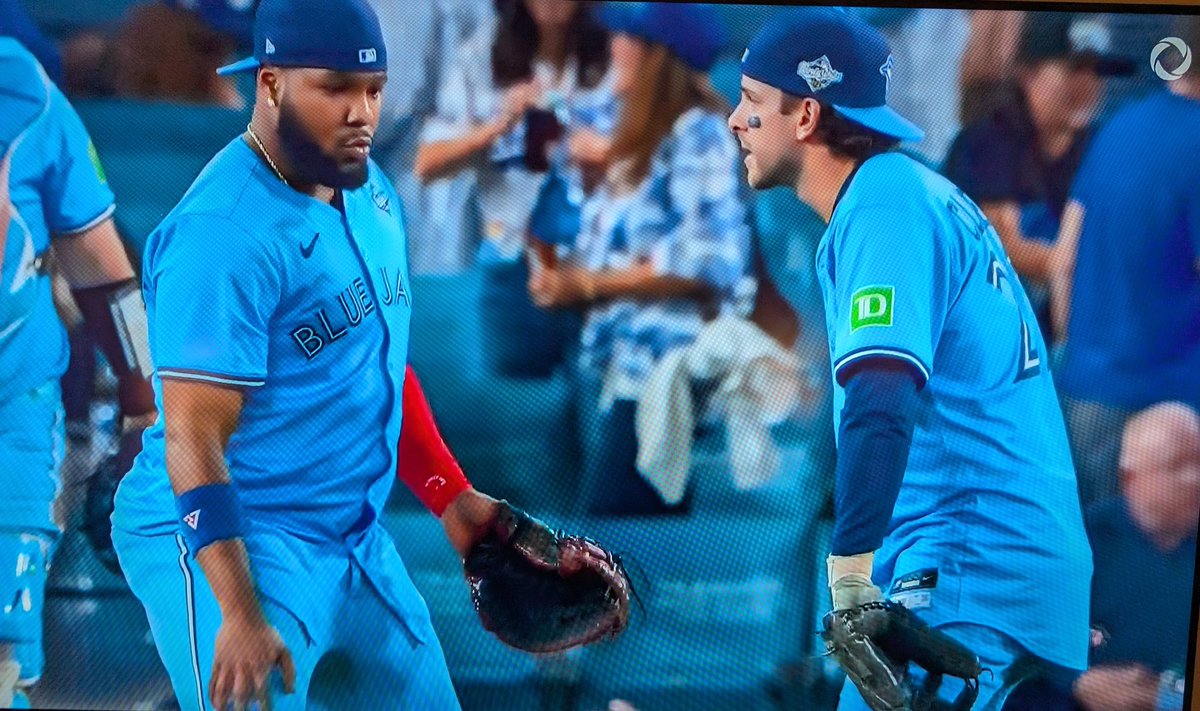
THE BLUE JAYS WIN!
CANADA'S TEAM is now 1 win away from bringing the World Series back to CANADA 🇨🇦 🇨🇦🇨🇦🇨🇦🇨🇦🇨🇦🇨🇦
#BlueJays #WANTITALL
9
44
372
6,634
Carol Todd retweeted

30 Oct 2025
ONE OF THE MOST DOMINANT STARTS IN #WORLDSERIES HISTORY!

342
4,737
33,356
686,292
Carol Todd retweeted

12 Oct 2025
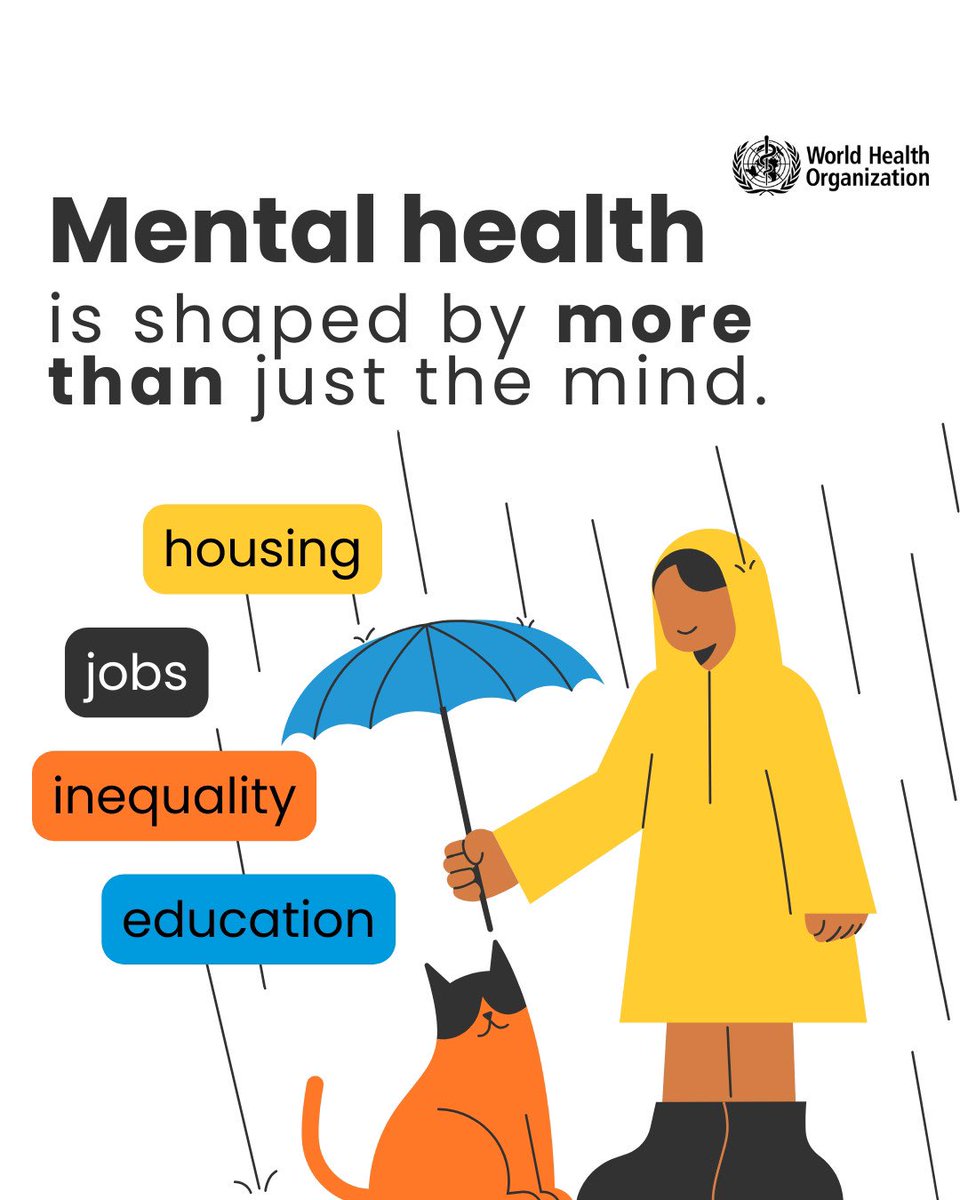
#MentalHealth is shaped by more than just the mind. Social factors like poverty & housing also affect mental health.
WHO mental health guidance provides all countries with practical tools to strengthen policies & services, ensures people with lived experience have a voice & promotes rights-based care bit.ly/470TLDF
59
463
912
67,724
11 Oct 2025
This podcast series is a must listen. As caring humans, we are responsible for learning as much as we can about the digital world to understand better an to have constructive conversations with our children. @AToddLegacy @Safety_Canada @NCMEC @CanadianPM @CdnChildProtect
28 Sep 2025

Apple Podcasts:podcasts.apple.com/ca/podcas…
Spotify: open.spotify.com/show/3Yr9NT…
Toronto Star: thestar.com/podcasts/left-to…
302
Carol Todd retweeted

30 Sep 2025
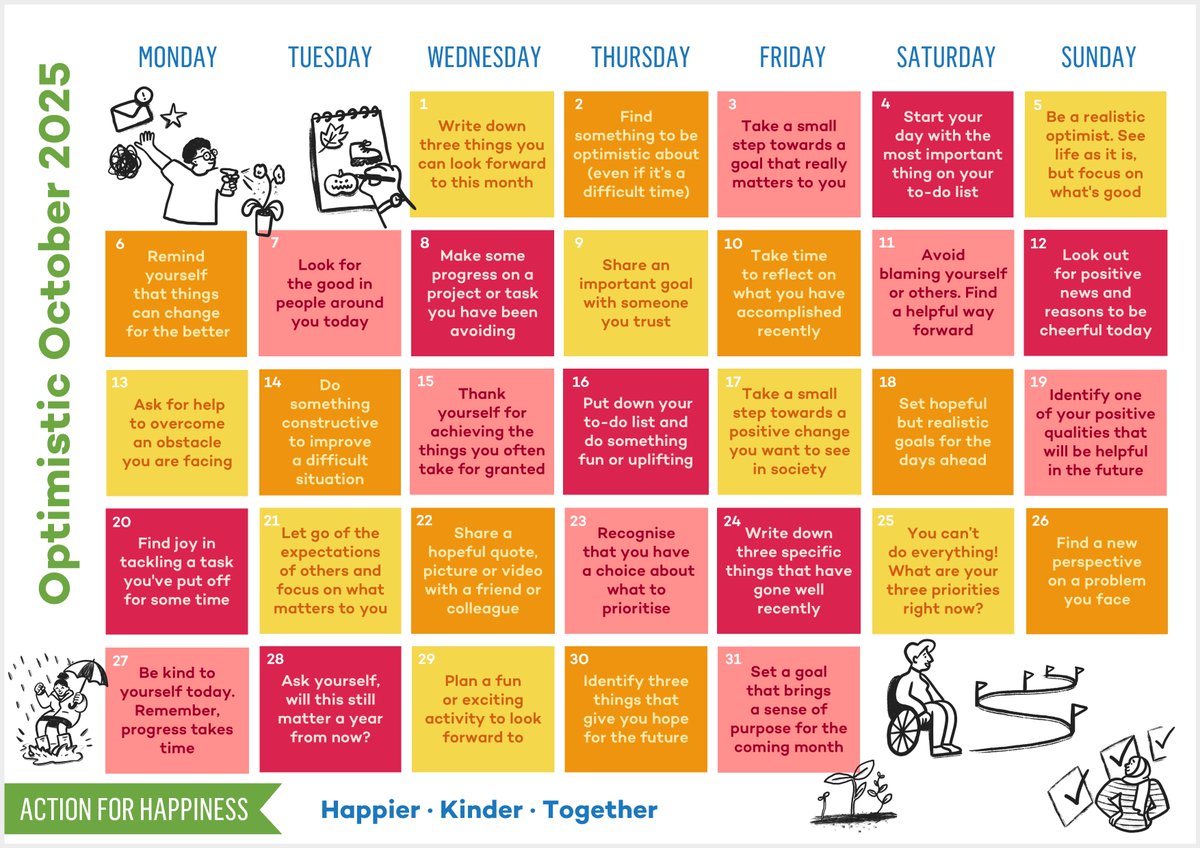
When the world feels uncertain, it's helpful to stay hopeful. Join us for #OptimisticOctober and find ways to keep moving forward and helps others do the same
🗓️ Get your action calendar actionforhappiness.org/optim…
✅ Join the optimism challenge actionforhappiness.org/octob…
3
226
370
36,560
Carol Todd retweeted

6 Oct 2025
ICYMI: CBC's Marketplace talks to Canadian families whose children were sextorted and died by suicide. An important, but heartbreaking watch.
youtube.com/watch?v=QEdu229Q…
2
5
588
Carol Todd retweeted

11 Jul 2025
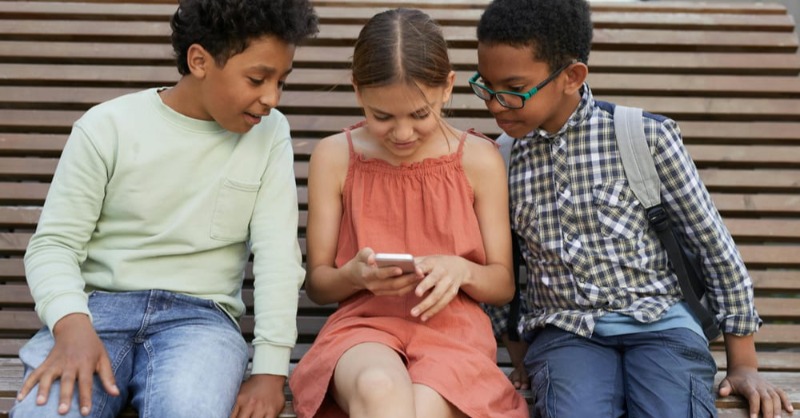
TikTok and Roblox added new safety tools. 📱
You can now block games, set time away, and manage friends.
See how these features help protect your family online.
25
55
269
1,326,550
12 Mar 2025
An 18,000% increase: Sextortion is targeting and killing teenagers | The Pointer thepointer.com/article/2025-…
1
5
592
Carol Todd retweeted

9 Mar 2025
Saw this on Linked In…powerful….
We will never forget.
"Dear 77,301,997 Americans who voted for Trump,
Being Canadian has never been about shouting the loudest. We don’t pound our chests or demand attention. We are sometimes like the quiet kid on the playground, just wanting to get along with others. We hold doors, say sorry even when it’s not our fault, and shovel our neighbour’s driveway just because it’s the right thing to do. We believe in fairness, decency, and looking out for one another.
We are the world’s greatest neighbour… and yes, our spelling is the correct one. We show up. In the words of our Prime Minister on Saturday night, “from the beaches of Normandy to the mountains of the Korean Peninsula, from the fields of Flanders to the streets of Kandahar, we have fought and died alongside you during your darkest hours. During the summer of 2005, when Hurricane Katrina ravaged your great city of New Orleans, or mere weeks ago, when we sent water bombers to tackle the wildfires in California, and during the day the world stood still — Sept. 11, 2001 — when we provided refuge to stranded passengers and planes, we were always there, standing with you”.
And yet, here we are – watching your president, a man who built his legacy on bullying, turn his sights on us. He mocks us, belittles us, and treats us like some inconvenience rather than the ally who has stood by you through thick and thin.
It’s easy to mistake our politeness for passivity, or our kindness for weakness. But here’s the thing about the quiet kid on the playground: push that kid far enough, and that kid pushes back.
Canada has never needed to boast about its strength. We just prove it. On battlefields. In boardrooms. On the ice. So, if you think you can push us around and take us for granted – think again. You think we will become your “cherished 51st state” – think again. Underestimate us… that will be fun. Because the quiet kid? The quiet kid remembers. And when the quiet kid finally stands up, the whole playground takes notice.
Now we are pissed.
Sincerely,
Canada"

1,301
6,300
22,759
796,186
Carol Todd retweeted

6 Mar 2025
Good to have you back.
4,791
11,289
62,779
3,780,474
Carol Todd retweeted

27 Feb 2025
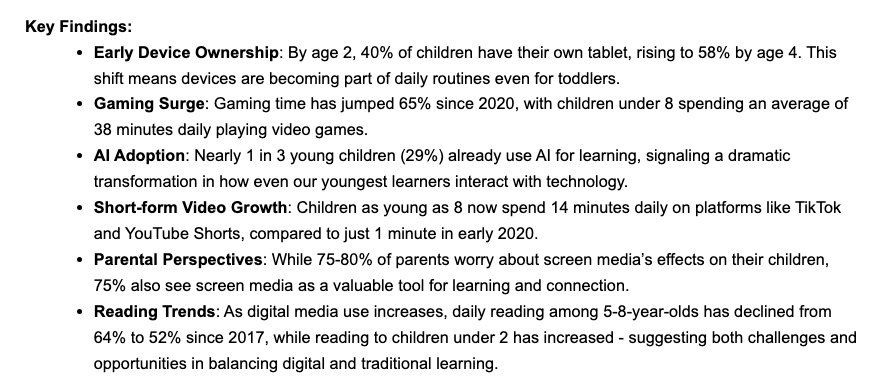
Stunning new findings on device use by young children: 40% of two-year-olds now have their own tablet. From @CommonSense.
We have to roll back the phone-based childhood now. An iPad is not a babysitter, it is an experience blocker.
commonsensemedia.org/sites/d…
65
374
1,645
159,549
Carol Todd retweeted

14 Feb 2025
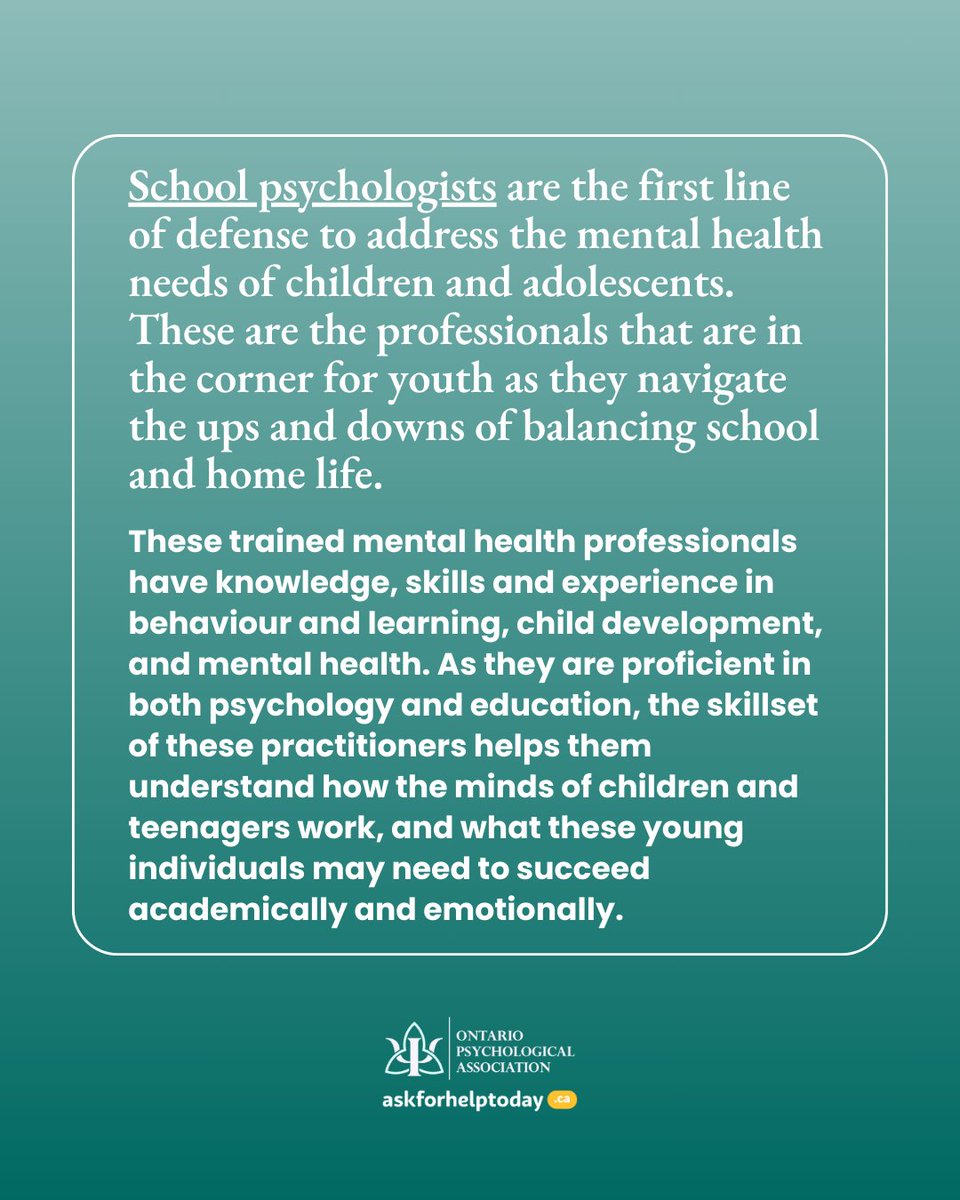
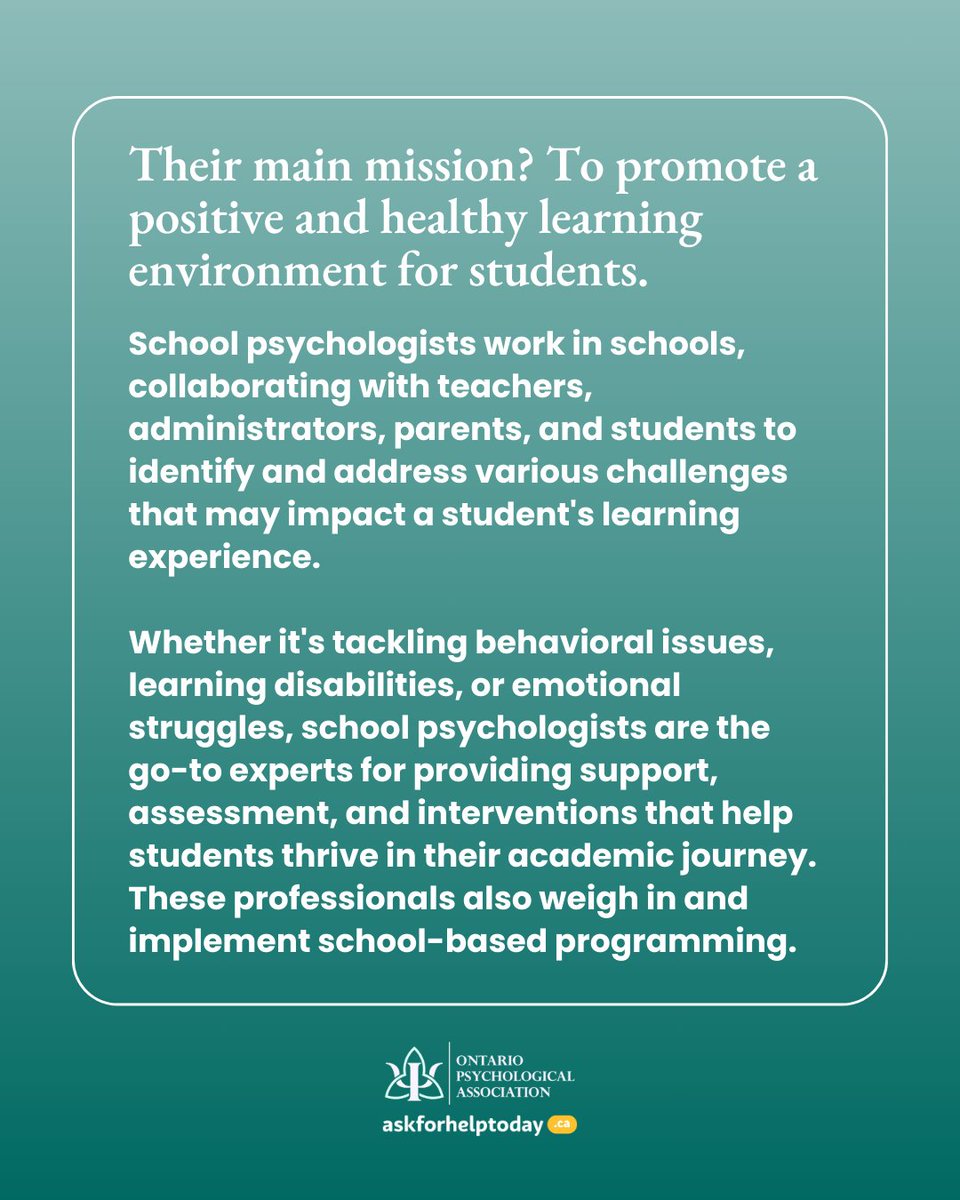
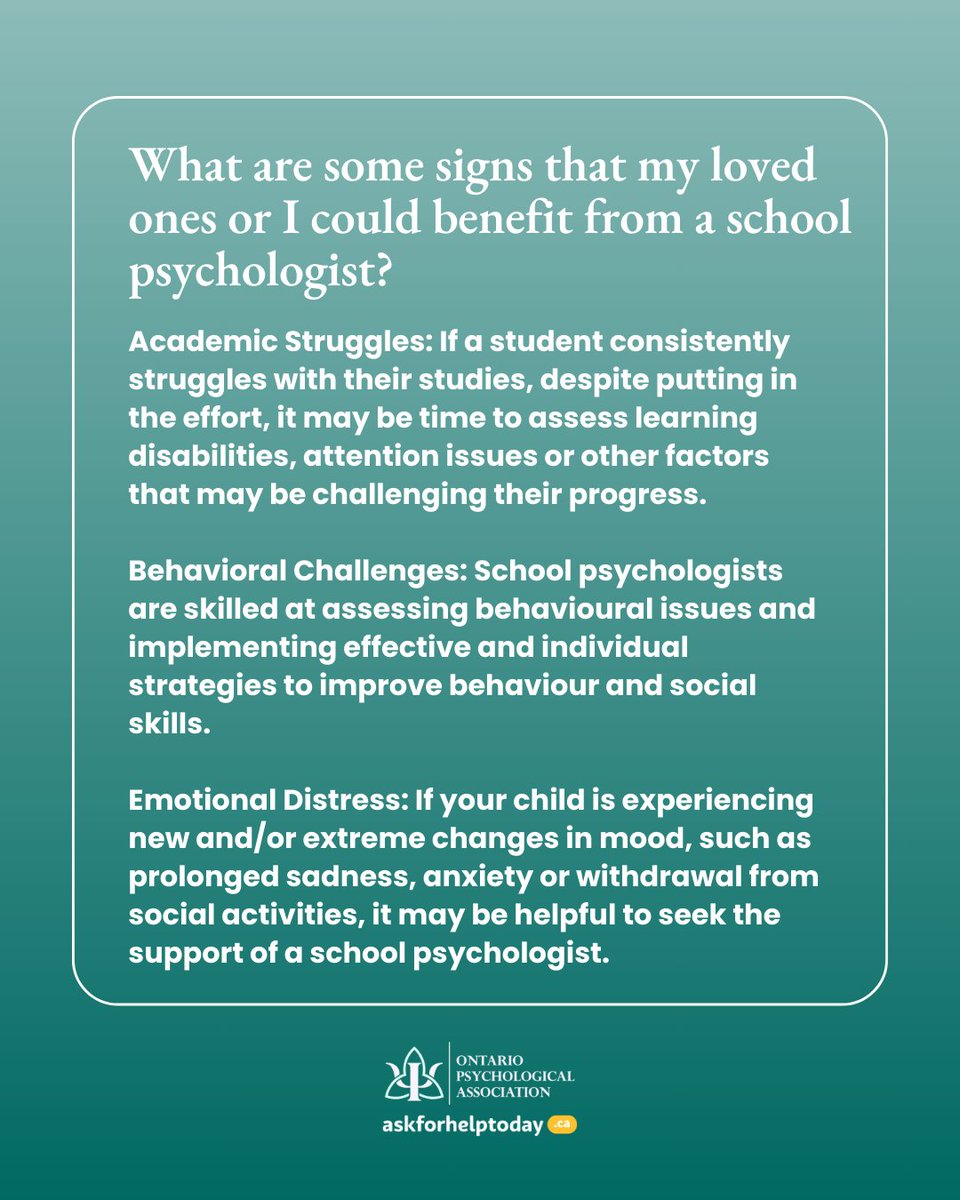
If you or a loved one are facing challenges in a school environment, don’t hesitate to connect with the OPA for the support of a school psychologist. Visit AskForHelpToday.ca to find the right professional for you.
#schoolpsychology #schoolpsychologist #psychologymonth
3
5
535