Looking forward to #AAS248 next week…and our #IPAC40 PARTY! 🥂🥳
We're celebrating 40 years of IPAC with food, drinks, activities, and merch! Join us on Wednesday, June 17 @ 6:30-8:00 p.m.
More details here: ipac.caltech.edu/page/aas248
ALT This image is a digital flyer for IPAC's 40th anniversary celebration happening on Wednesday, June 17 at the Pasadena Convention Center during the 248th meeting of the American Astronomical Society. The image says "Join us as we celebrate 40 Years of IPAC!"
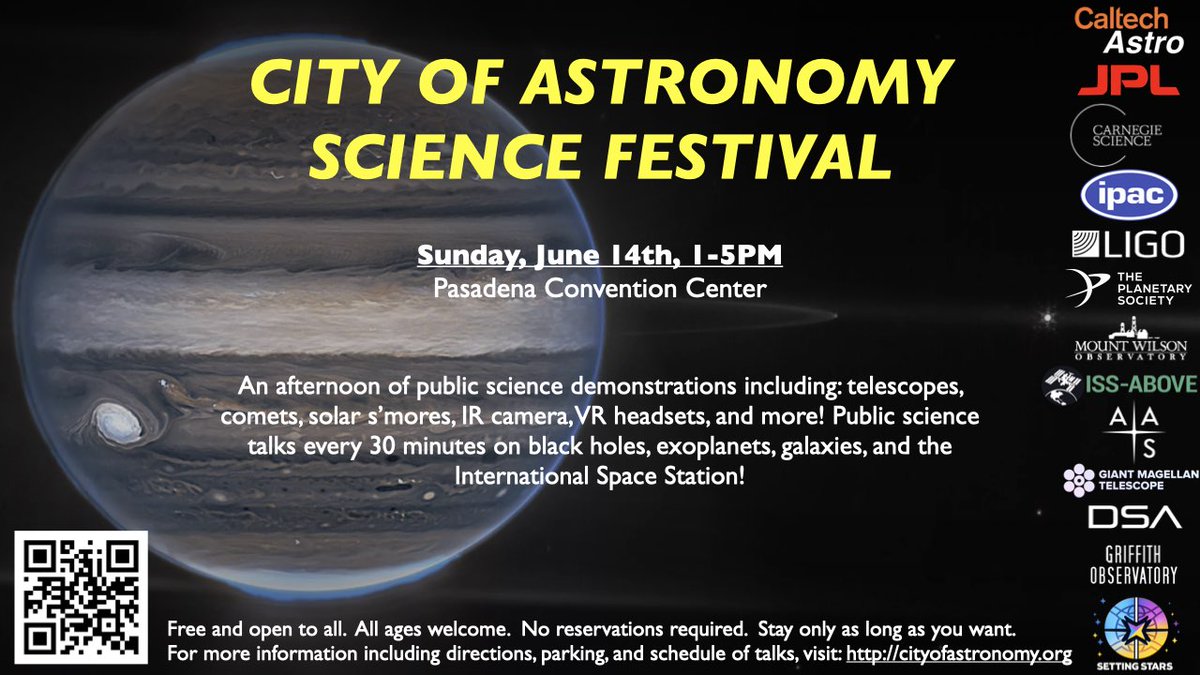
Join us for a FREE afternoon of science demonstrations, solar telescopes, and public-level presentations on black holes, exoplanets, galaxies, and more. Come learn about space with scientists from Caltech, NASA JPL, Carnegie, LIGO, etc. More info at:
cityofastronomy.org/
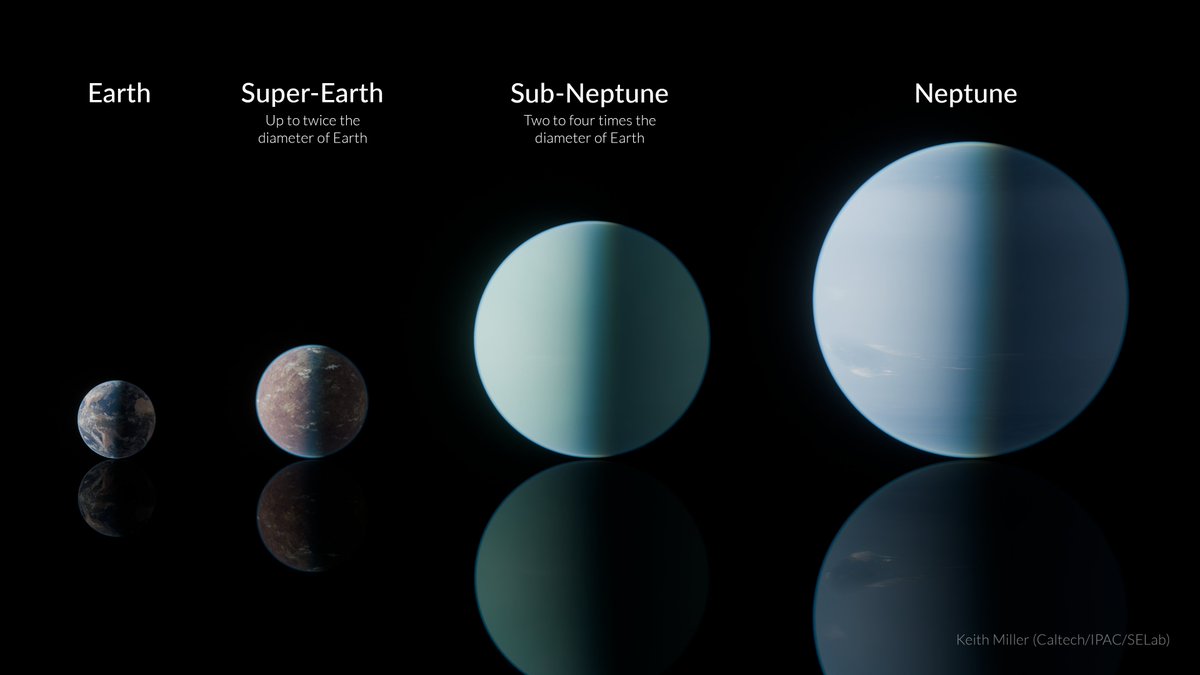
The most common types of exoplanets are oddly missing from our own solar system 🤔
Scaling K2, an ongoing project at @NExScI_IPAC, is diving into this enigma:
ipac.caltech.edu/news/findin…
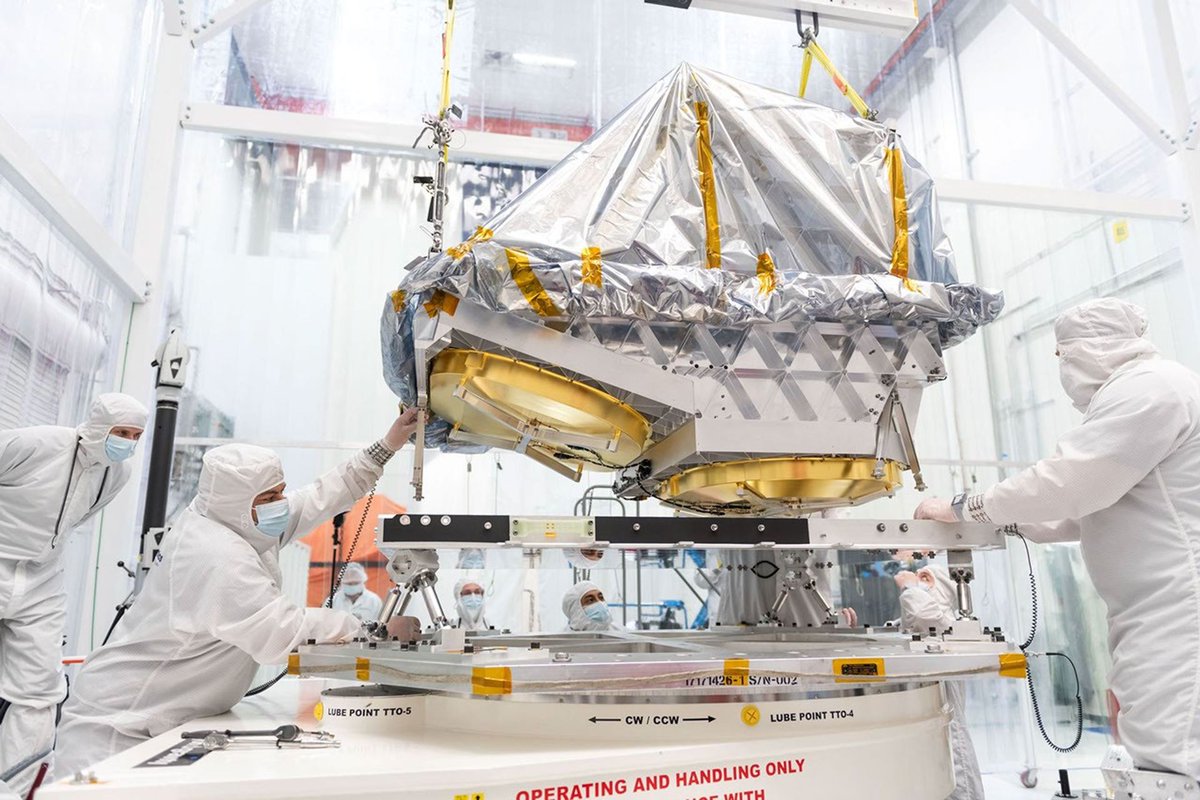
The Near-Earth Object (NEO) Surveyor — NASA’s first infrared space telescope purposely designed to discover potentially hazardous asteroids and comets — is undergoing integration and testing. 🔨 ⚙️ 🔧
ipac.caltech.edu/news/nasa-s…
The mission data will go to the NEO Surveyor Survey Data Center at Caltech IPAC. Responsible for processing and calibrating the huge number of observations that the spacecraft delivers, the center will also produce images and source catalogs for archiving at @NASA_IRSA
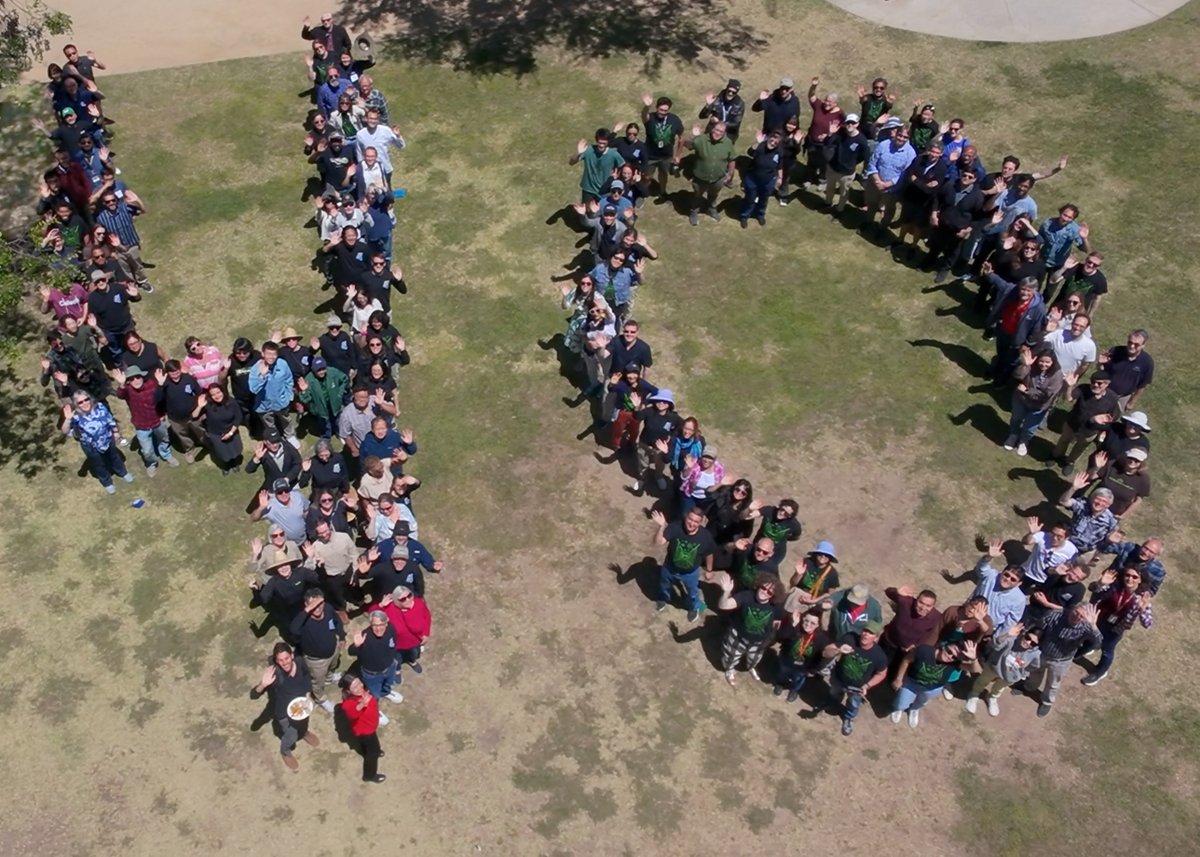
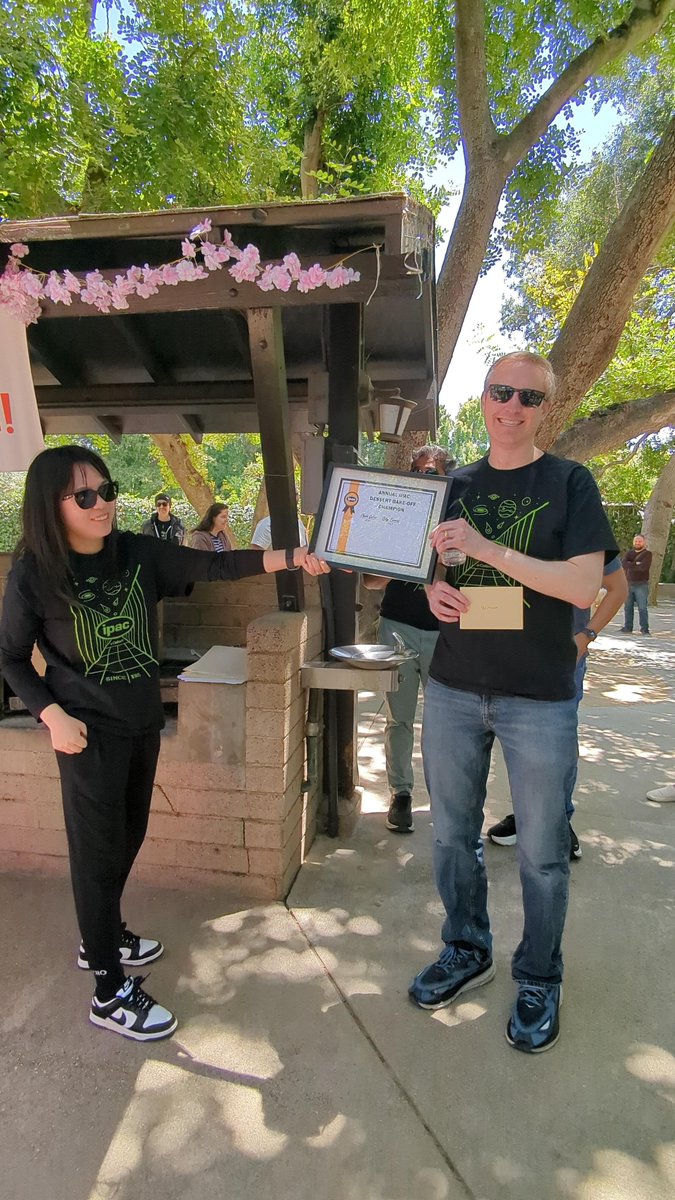
IPAC Annual Picnic: 40th Anniversary Edition ✨
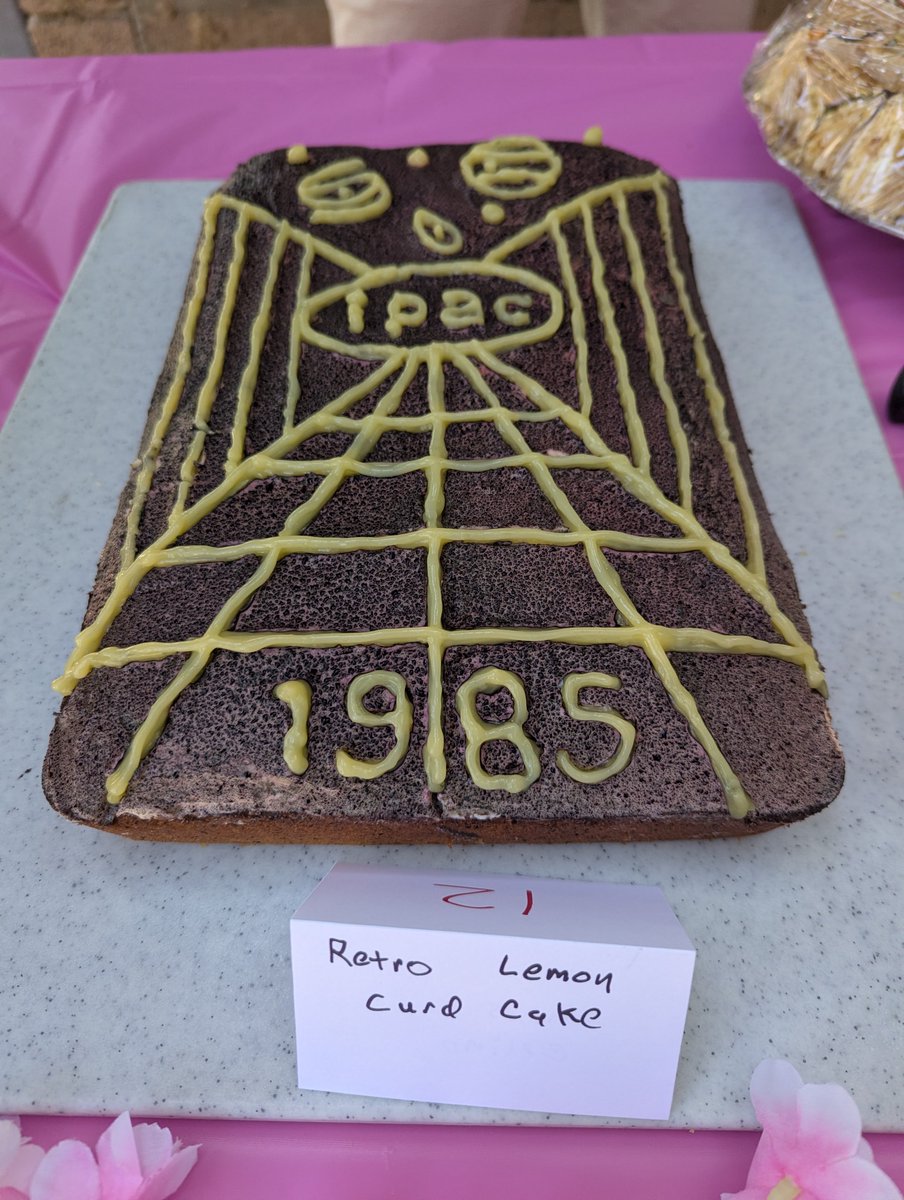
The dessert bake-off during the picnic is IPAC’s sweetest tradition 🍰
Kevin Hardegree-Ullman’s “#ipac40 Cosmic Brownies” won first place, and Chris Gelino’s “Retro Lemon Curd Cake” won the people’s choice award!
NASA's SPHEREx mission is mapping 'interstellar glaciers' across our galaxy, and these icy regions may be the origins of glaciers—and all water—on Earth 💧
spherex.caltech.edu/news/int…
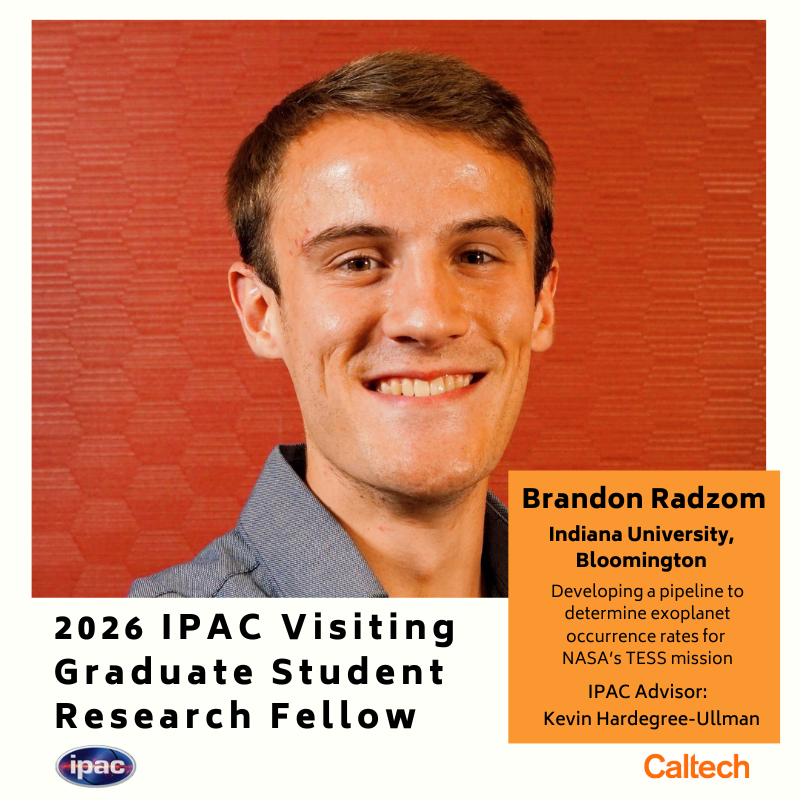
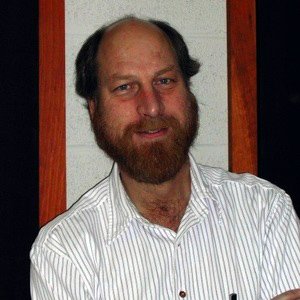
Say hello to Brandon Radzom (@LilSarcadzom) from @IUBloomington, who joins us as a 2026 Visiting Graduate Student Research Fellow!
Brandon is working with IPAC's Kevin Hardegree-Ullman to learn more about the most common types of exoplanets in our galaxy. 🛰️🪐#VGSRF
ALT This image contains a headshot of Brandon Radzom, a graduate student at Indiana University in Bloomington who is participating in the 2026 IPAC Visiting Graduate Student Research Fellowship. He is working on developing a pipeline to determine exoplanet occurrence rates for NASA's TESS mission. His advisor during his fellowship is Kevin Hardegree-Ullman. The headshot image shows a young white man with short, brown hair wearing a medium-gray collared shirt.
📢 WE’VE GOT BIG NEWS!
The Nancy Grace Roman Space Telescope is on track to launch in early September of this year. #ICYMI@NASAAdmin announced last week that Roman is eight months ahead of schedule and under budget!
Learn more about the observatory and how we got here: nasa.gov/Roman
Make sure to follow the mission on social media accounts to stay up to date.
Ready to scale your science?☁️🔭
Join our #AAS248 workshop on Fornax, NASA’s new cloud-based astrophysics science platform!
🔹Sunday, June 14 | 2–4 PM
🔹Access & analyze NASA astrophysics data in the cloud
🔹Explore HATS/Parquet workflows
👉Register by 5/21 and add the workshop
The Visiting Graduate Student Research Fellows have landed! 🚀🔭
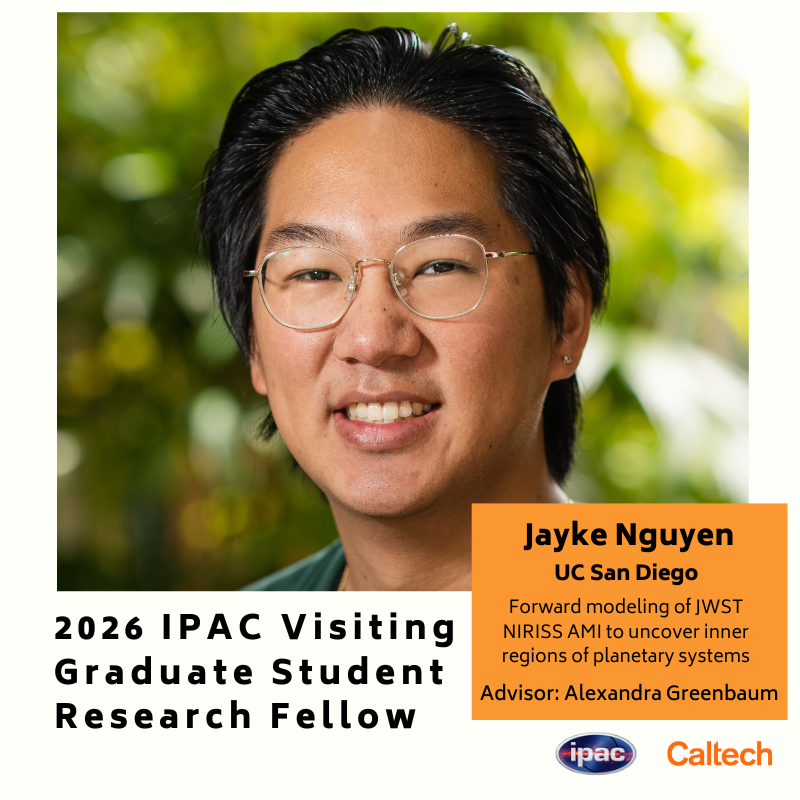
@AstroJayke joins us in Pasadena to work on the forward modeling of JWST's aperture mask interferometry (AMI) mode to uncover the inner regions of planetary systems. 🪐🪐🪐🛰️
More on #VGSRF: ipac.caltech.edu/page/gradua…
ALT This image contains a headshot of Jayke Nguyen a graduate student at the University of California in San Diego who is participating in the 2026 IPAC Visiting Graduate Student Research Fellowship. He is working on forward modeling of JWST NIRISS's aperture mask interferometry mode to uncover inner regions of planetary systems. His advisor during his fellowship is Alexandra Greenbaum. The headshot image shows a young Asian man with short, black hair and wire-rimmed glasses.
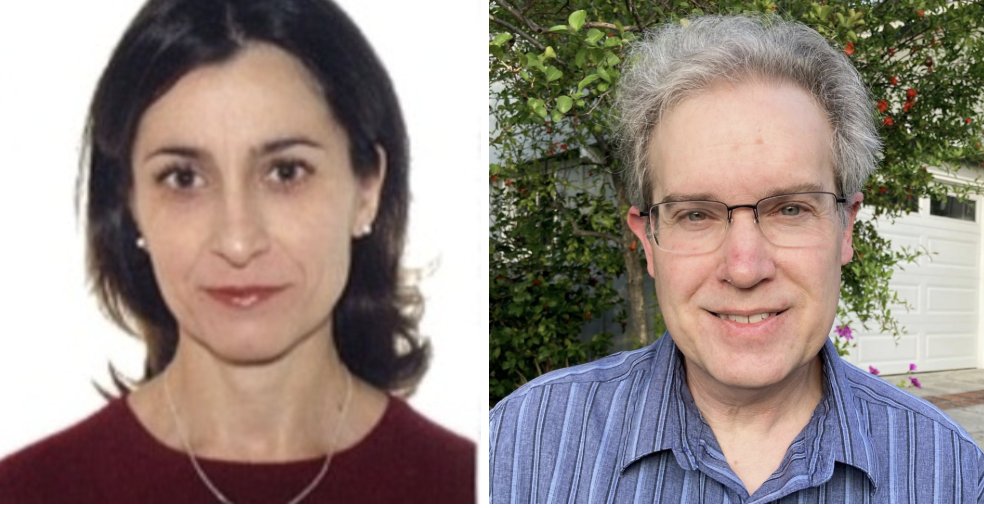
We're proud to name Harry Teplitz as IPAC’s new Head of Science Staff and Roberta Paladini as Deputy Head!👏
They will lead our scientific community by advocating for research, mentoring staff, and fostering career growth across the center.
Details: ipac.caltech.edu/news/harry-…
ALT This is a composite image of two headshots: on the left is a headshot of Roberta Paladini, a white woman with short, dark hair wearing a chain necklace, white pearl earrings and a burgundy shirt; on the right is Harry Teplitz, a white man with short, gray and black hair and wearing eye glasses and a striped, indigo shirt.

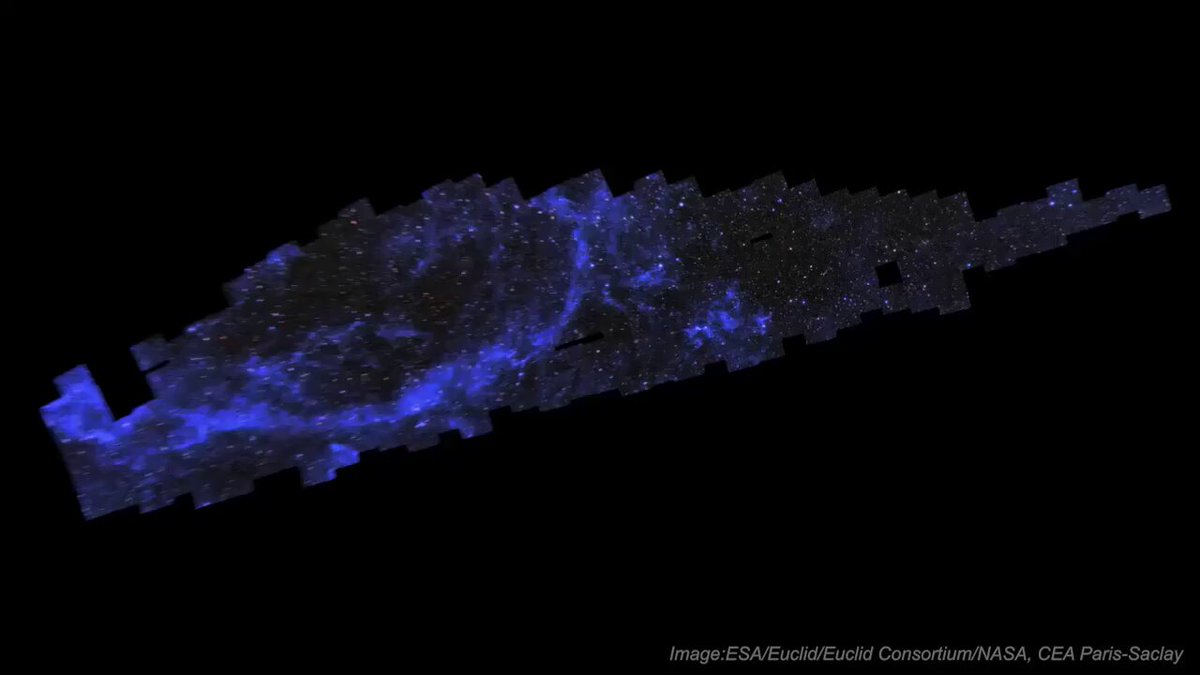
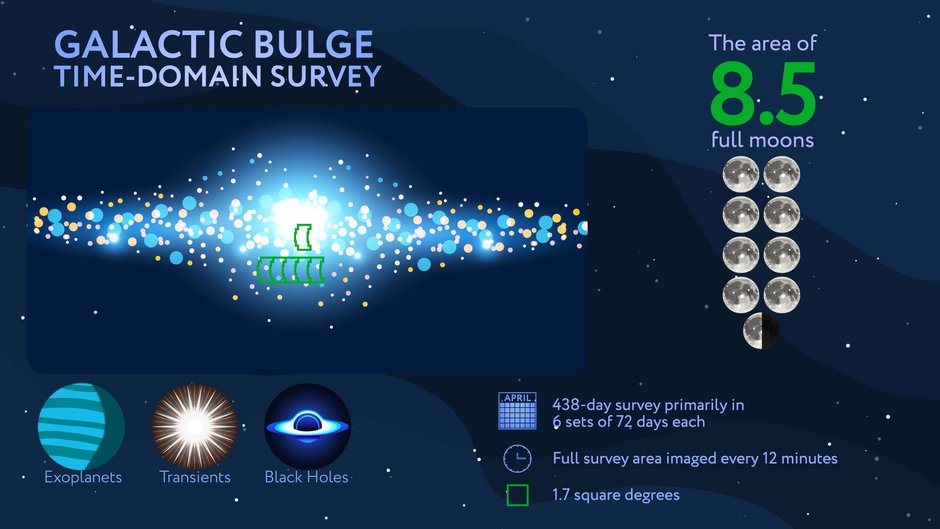
How do you explore the most crowded area of the Milky Way? With precision and persistence 🔎
@NASARoman is gearing up to study this region with the Galactic Bulge Time-Domain Survey. Read more about Roman's observing plans & IPAC's role here: roman.ipac.caltech.edu/news/…
Caltech and NASA JPL scientists are tracking Artemis II on its way to the Moon. These images were taken using the Hale Telescope at Palomar Observatory, one of the largest telescopes in the world.
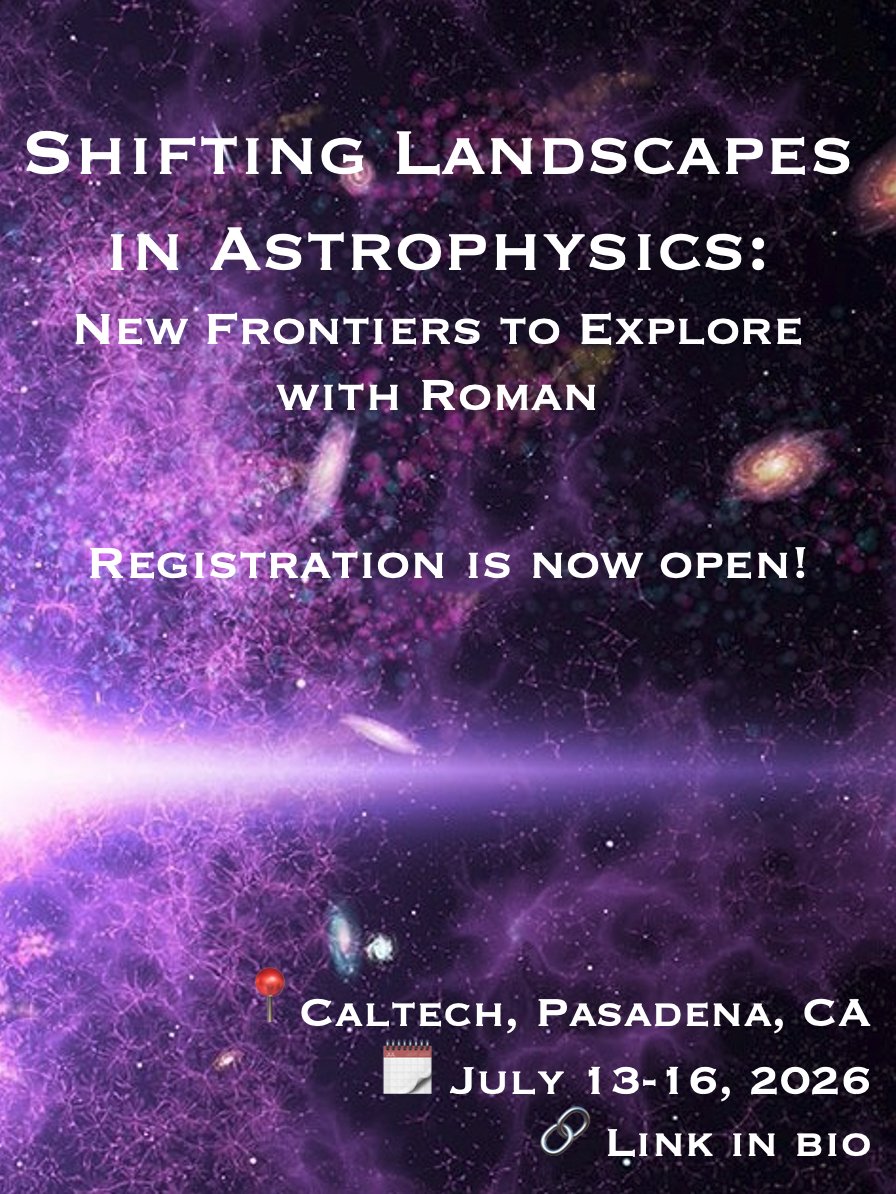
🚀 This year’s Roman Science Conference registration is now OPEN!
🛰️”Shifting Landscapes in Astrophysics: New Frontiers to Explore with Roman” — from exoplanets to galaxy evolution and cosmology!
🗓️ July 13-16
📍 Caltech, Pasadena, CA
🔗 bit.ly/46D1Vmt
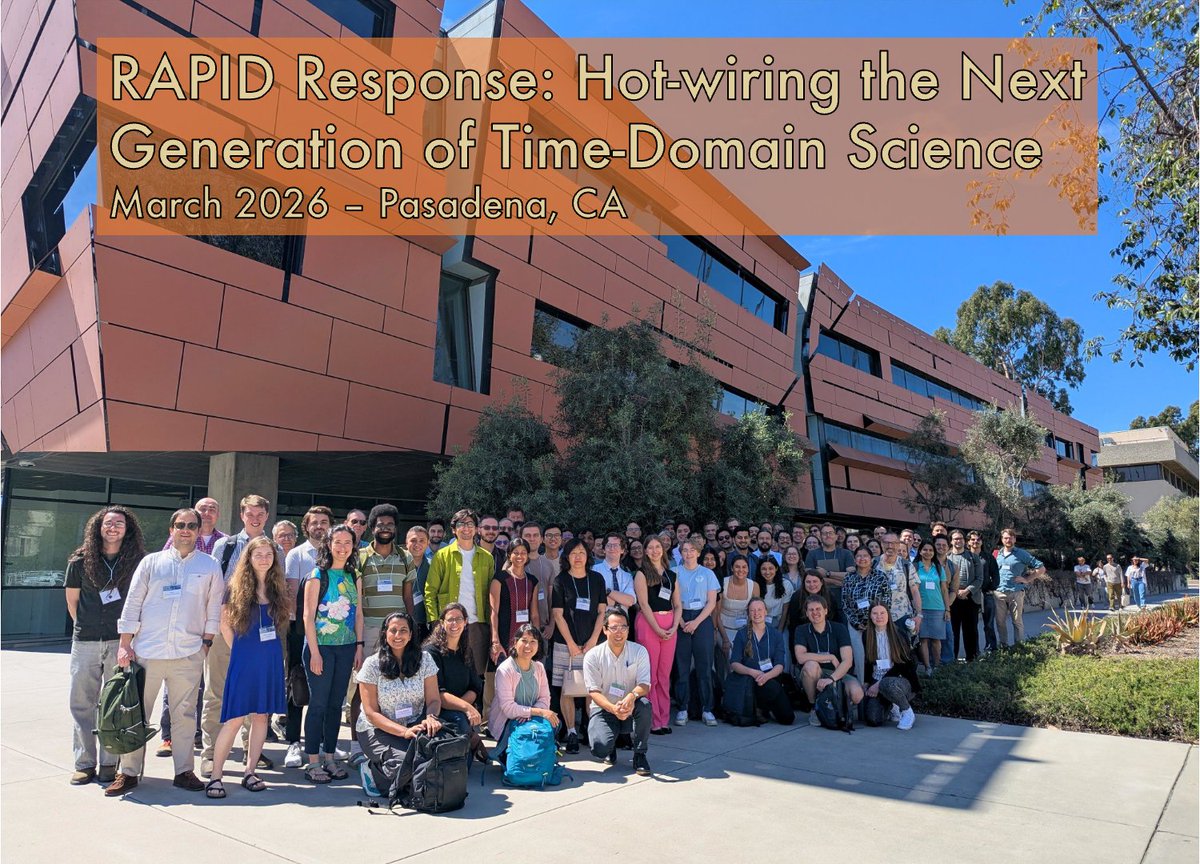
Last week in Pasadena: RAPID Response - Hot-Wiring 2026
We brought together the time-domain community for deep dives into next-gen surveys and AI-driven discovery.
A productive week filled with lively discussions and new collaborations.
All talks: bit.ly/4lXmnVi
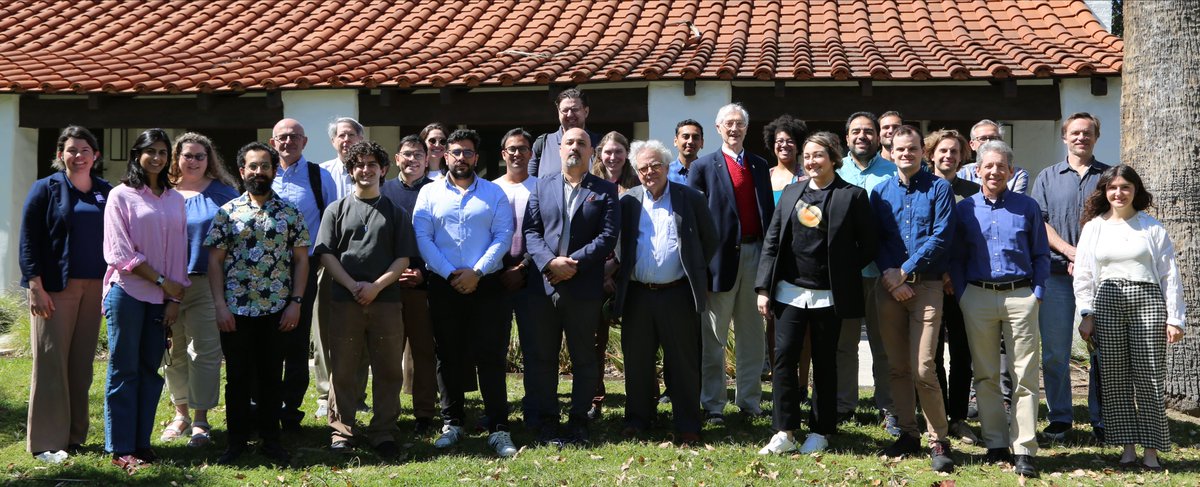
This topic was the subject of a recent KISS study where world-leading scientists and technologists convened at Caltech for in-depth technical discussions to develop these ideas further.
Read more on the KISS website and stay tuned for the final report: kiss.caltech.edu/workshops/h…
ALT Hybrid study participants pose for a group photo in front of the Tolman Bacher House
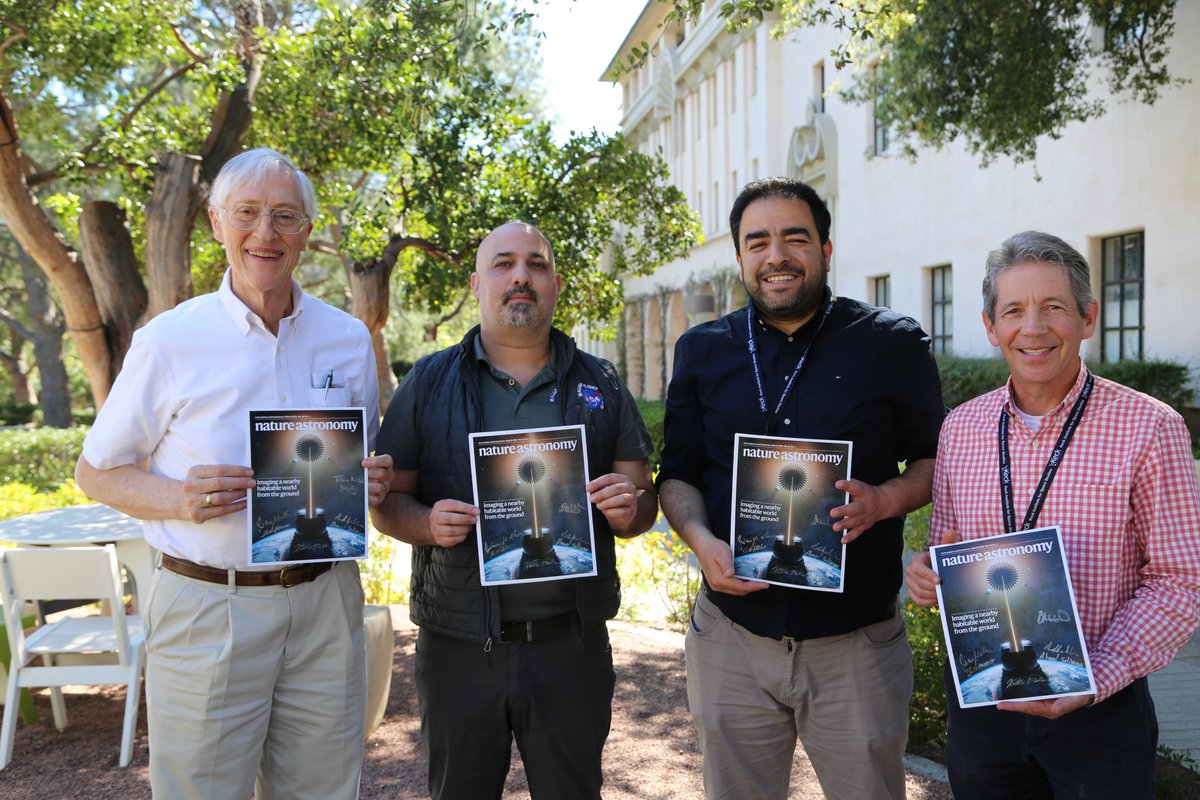
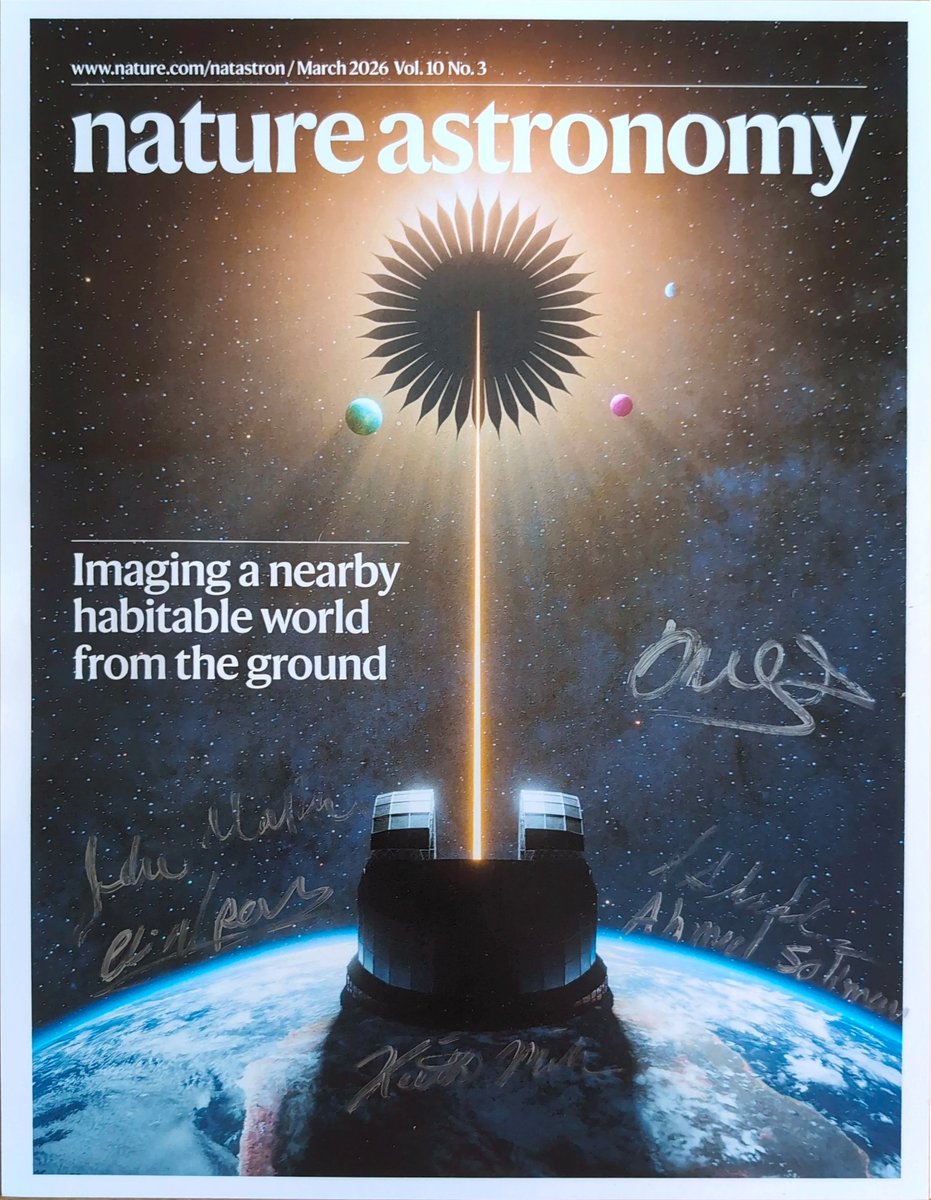
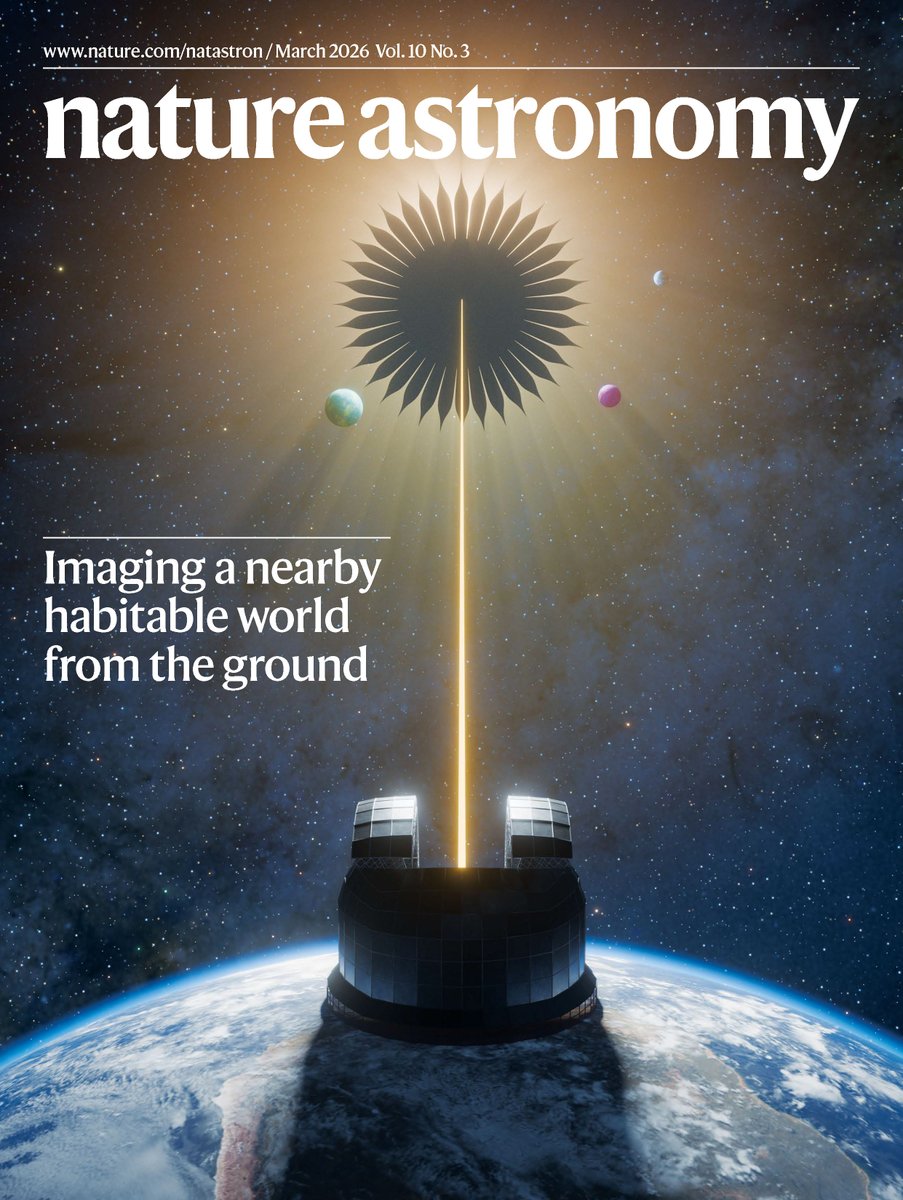
ALT John Mather, Eliad Peretz, Ahmed Soliman, and Stuart Shaklan pose for a photo each holding a copy of the Nature Astonomy March cover
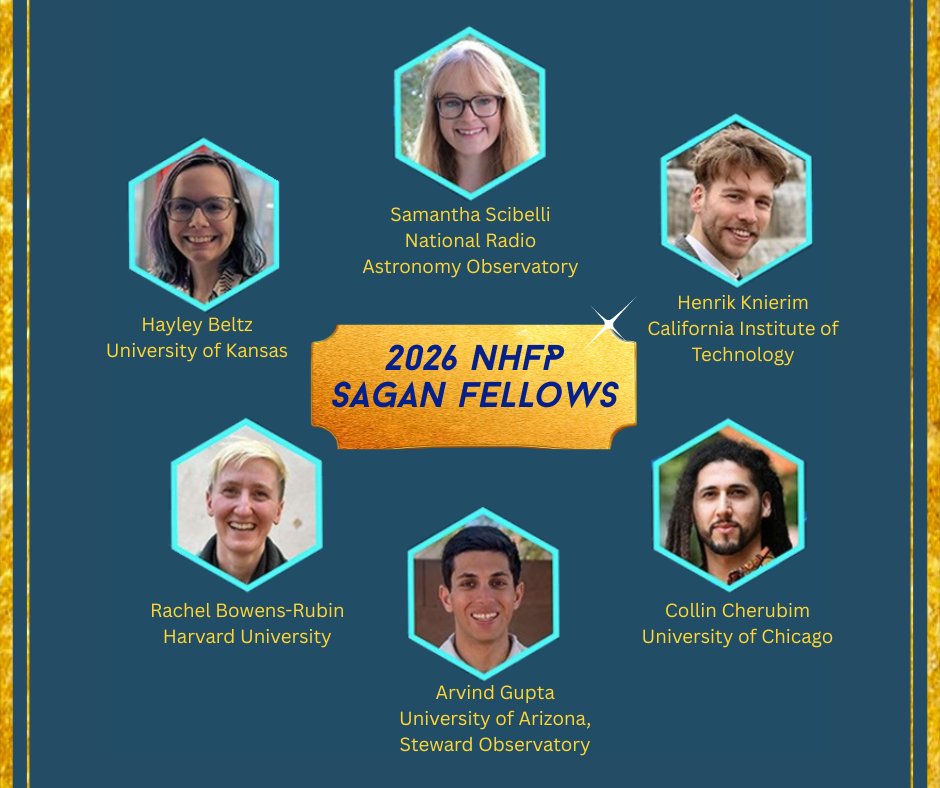
Meet the #NHFP Sagan Fellows! 👋👋👋
NExScI is thrilled to welcome six trailblazers in exoplanet science joining the NASA Hubble Fellowship Program. Their research tackles the scientific question, "Are we alone?" 🪐✨
Get to know them and their research: stsci.edu/stsci-research/fel…
ALT This image contains headshots of each of the six Sagan Fellows; the headshots are enclosed in a hexagonal shape with a light-blue border. From the top and going clockwise, the Fellows and their affiliations are: Samantha Scibelli, National Radio Astronomy Observatory; Henrik Knierim, California Institute of Technology; Collin Cherubim, University of Chicago; Arvind Gupta, University of Arizona, Steward Observatory; Rachel Bowens-Rubin, Harvard University; Hayley Beltz, University of Kansas. In the image center, there is text that says 2026 NHFP Sagan Fellows.
Congrats to the #NHFP class of 2026!
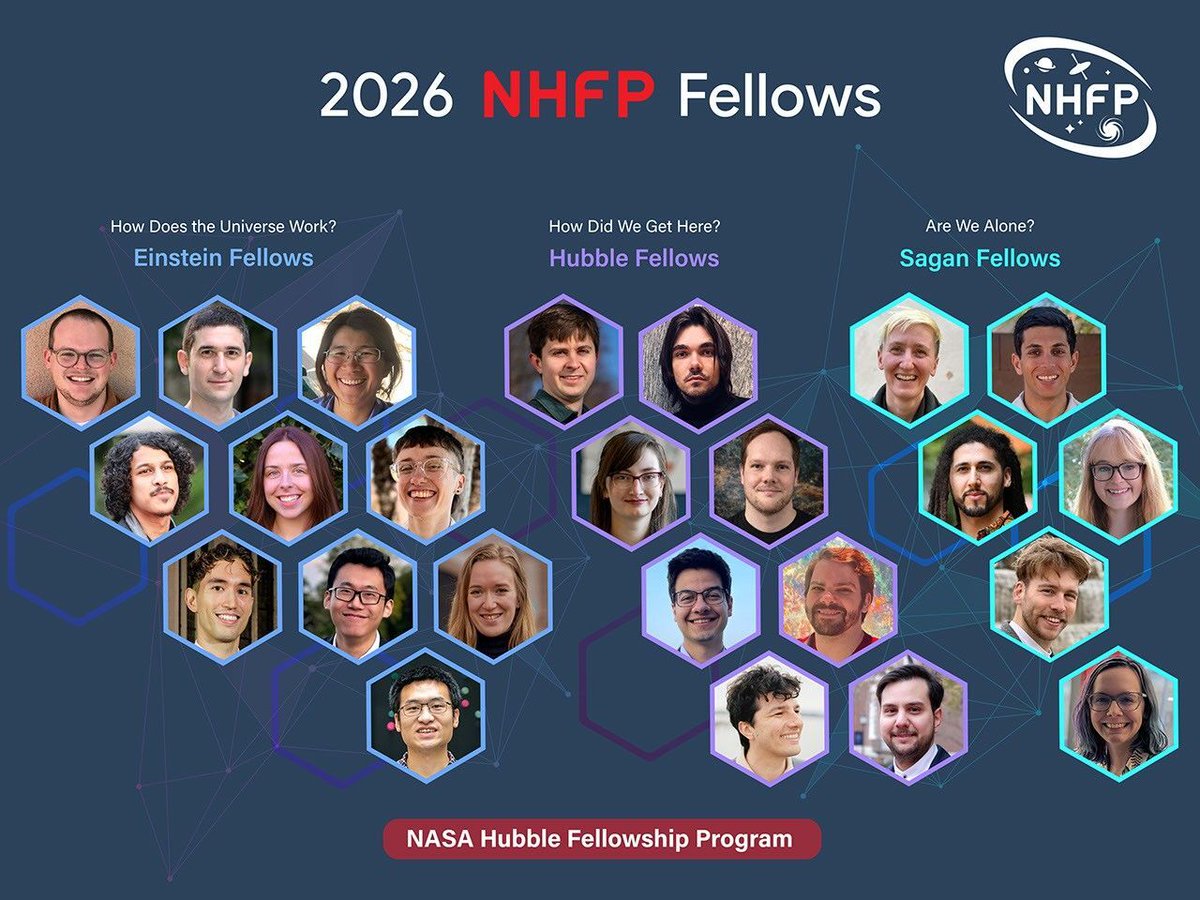
These 24 early-career scientists have been selected for the 2026 NASA Hubble Fellowship Program! Einstein, Hubble, and Sagan fellows represent the next generation of leaders in astrophysics.🌟go.nasa.gov/47lUaBA
ALT The class of 2026 NHFP Fellows is shown in this photo montage. The Einstein Fellows appear in the blue hexagons, the Hubble Fellows in the purple hexagons, and the Sagan Fellows in the teal hexagons.
Artwork: NASA, ESA, Joyce Kang (STScI)