
Joined March 2011
- Tweets 700
- Following 186
- Followers 586
- Likes 1,174
154 Photos and videos
Pieter Meysman retweeted

21 Oct 2025
A new research article was published in ImmunoInformatics
👇
Where single-cell transcriptomics fails T cells: The misuse of unsupervised clustering for T-cell annotation
sciencedirect.com/science/ar… @chevaliersf
4
8
278

29 Oct 2025
How can #AI help decode our #immune systems and help for next generation #diagnostics? Here is a technical overview from the @airr_community diagnostics working group on where we currently are on this challenge: doi.org/10.1016/j.immuno.202…
53
26 Sep 2025
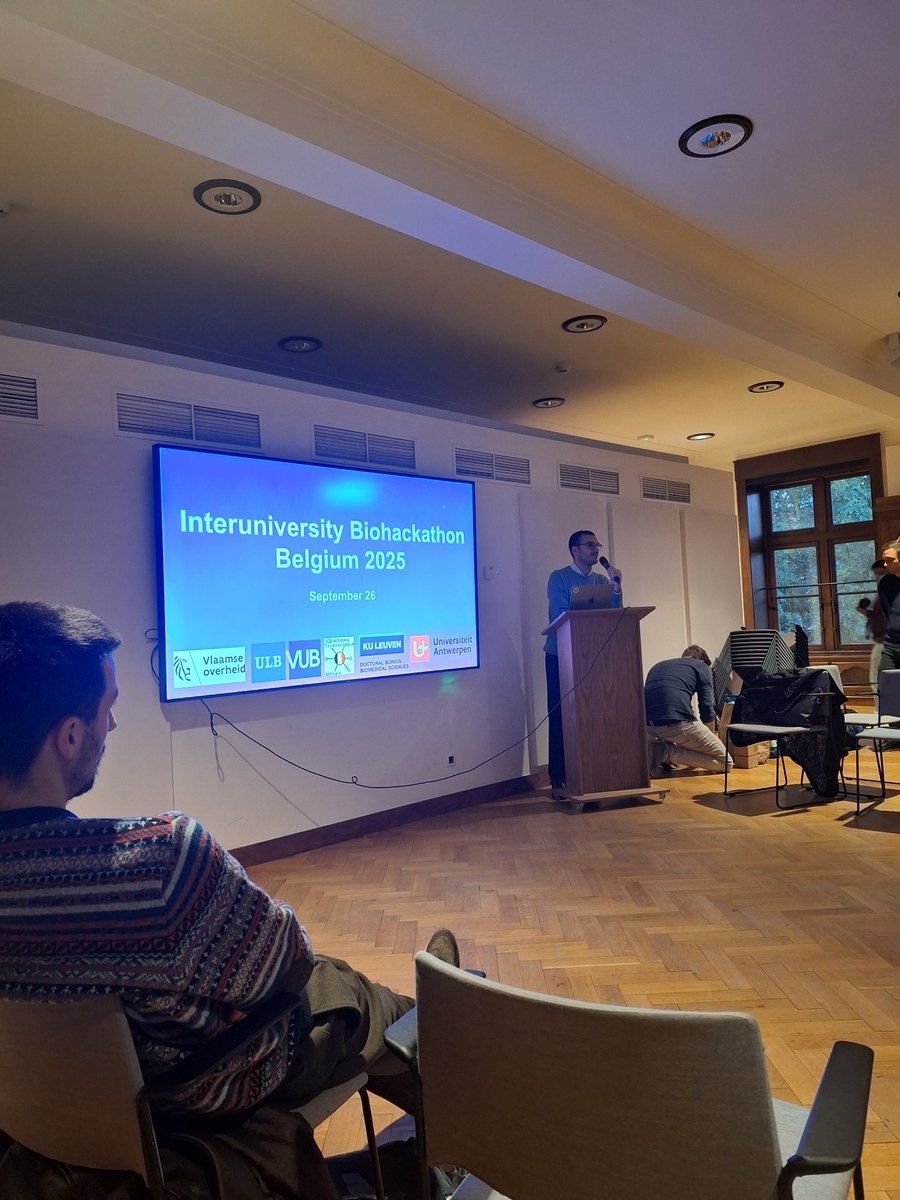
Very proud to have been a jury member at the newly revived @RSGBelgium hackathon! Exciting to see so many people giving their best efforts tackling challenging #bioinformatics problems. @iscbsc
60
21 Jul 2025
The AIRR Diagnostics WG commentary is now available, wherein our members discuss both the challenges of current #AIRR-based #diagnostics, as well as the future directions that we see the field going into! #Immunology #tcr #bcr
18 Jul 2025

A new article was published in ImmunoInformatics
👇
Challenges and Future Directions of AIRR-seq-Based Diagnostics
sciencedirect.com/science/ar…
@UlrikStervbo @chevaliersf
1
6
269
27 May 2025
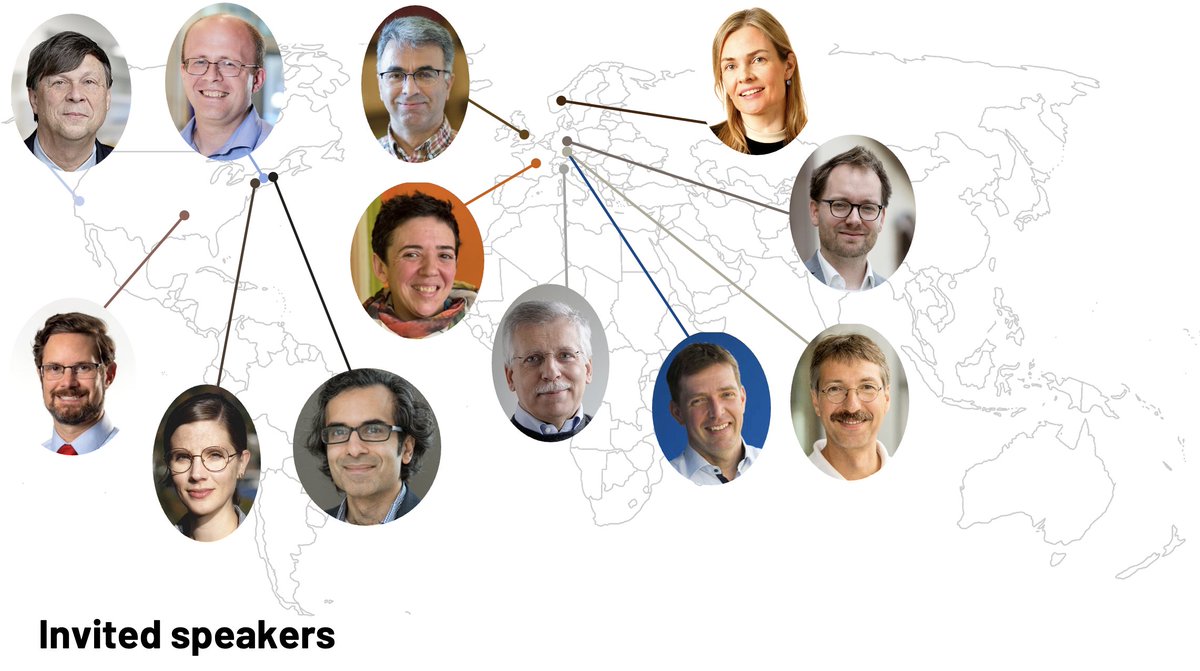
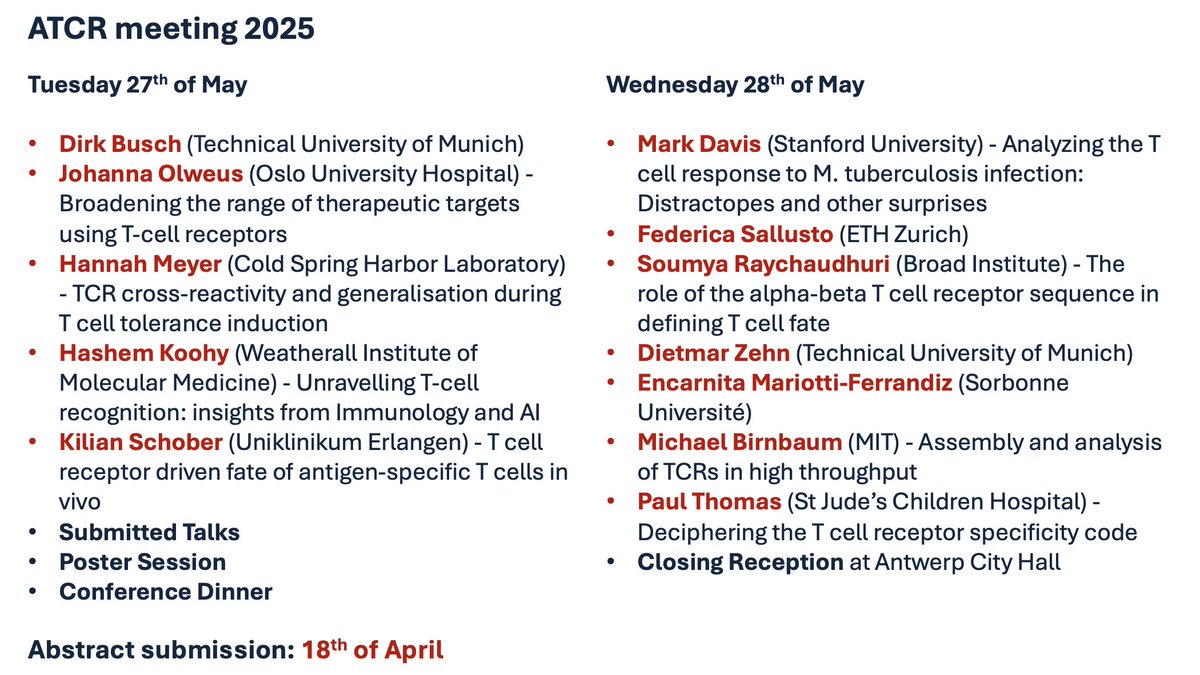
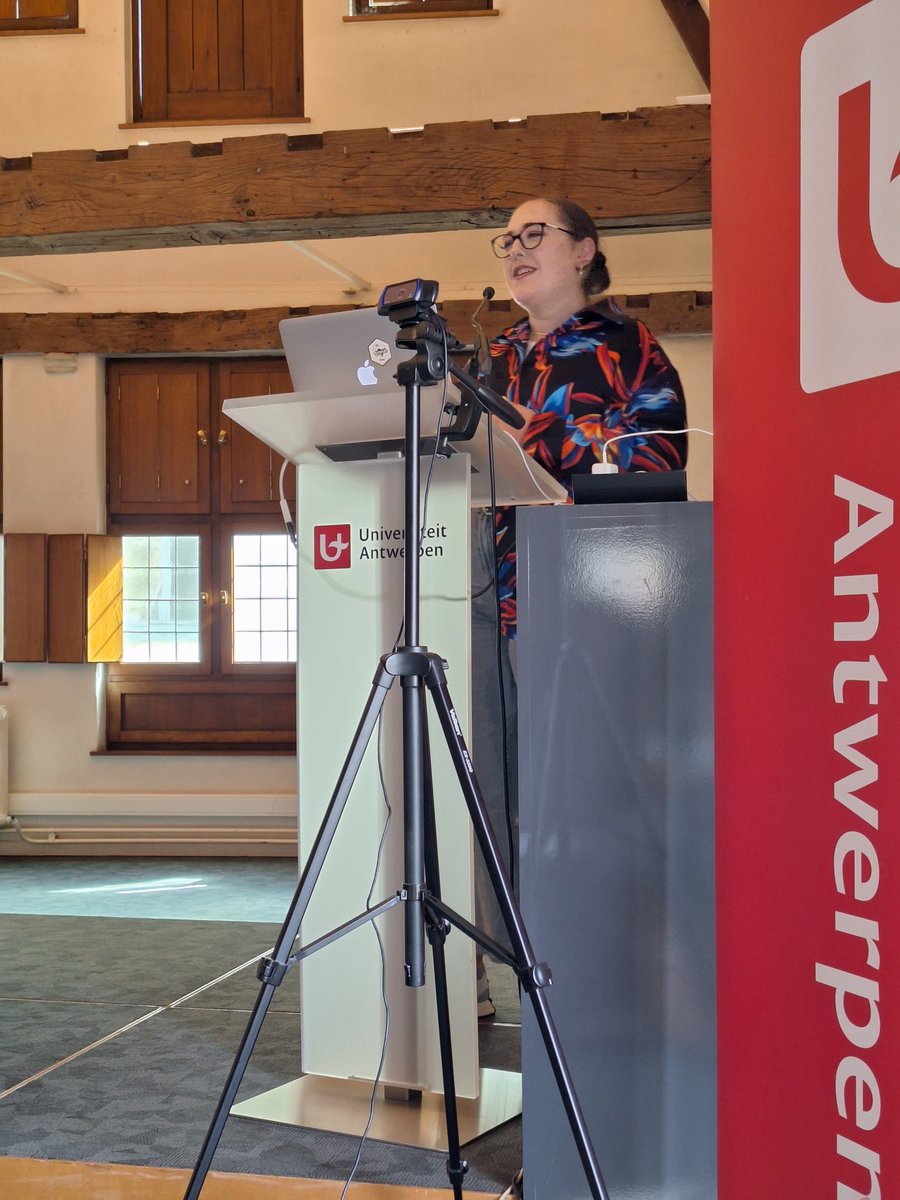
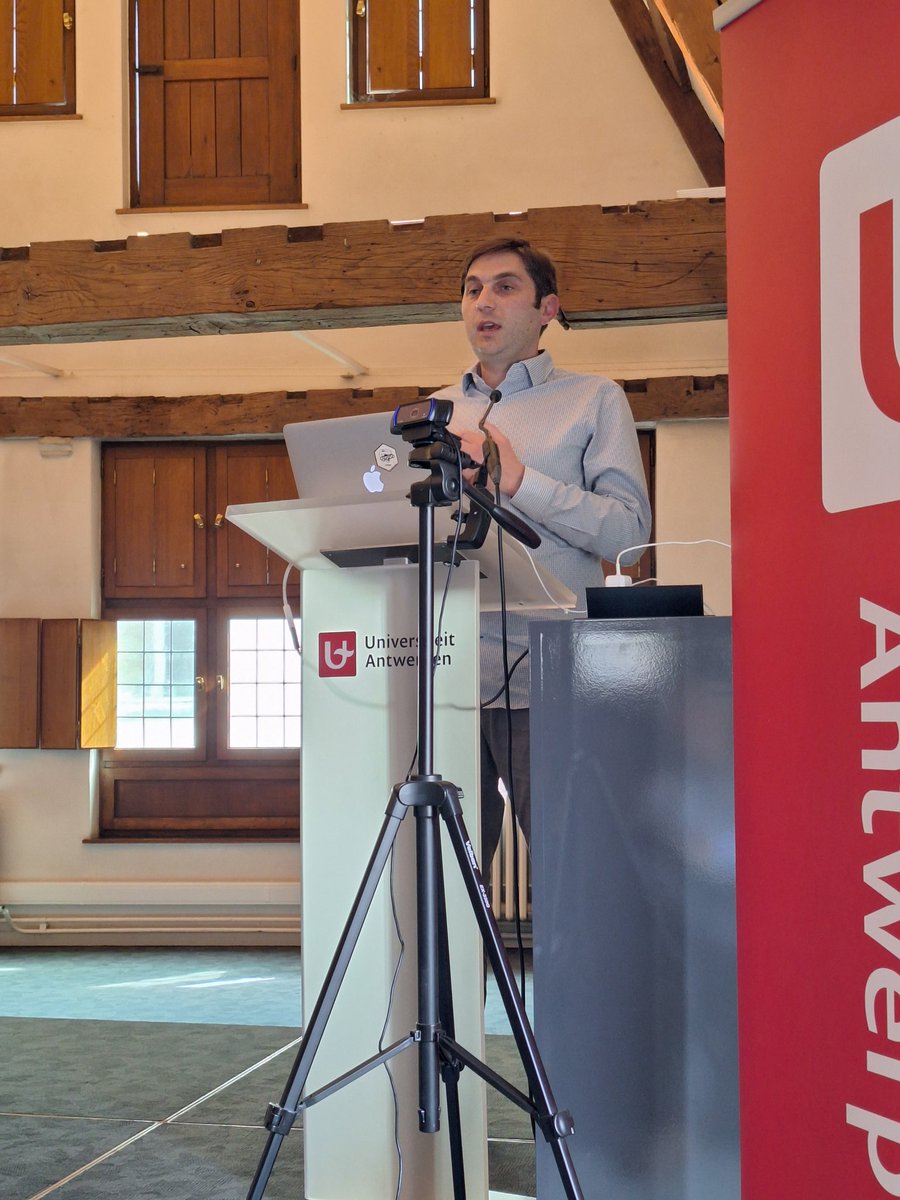
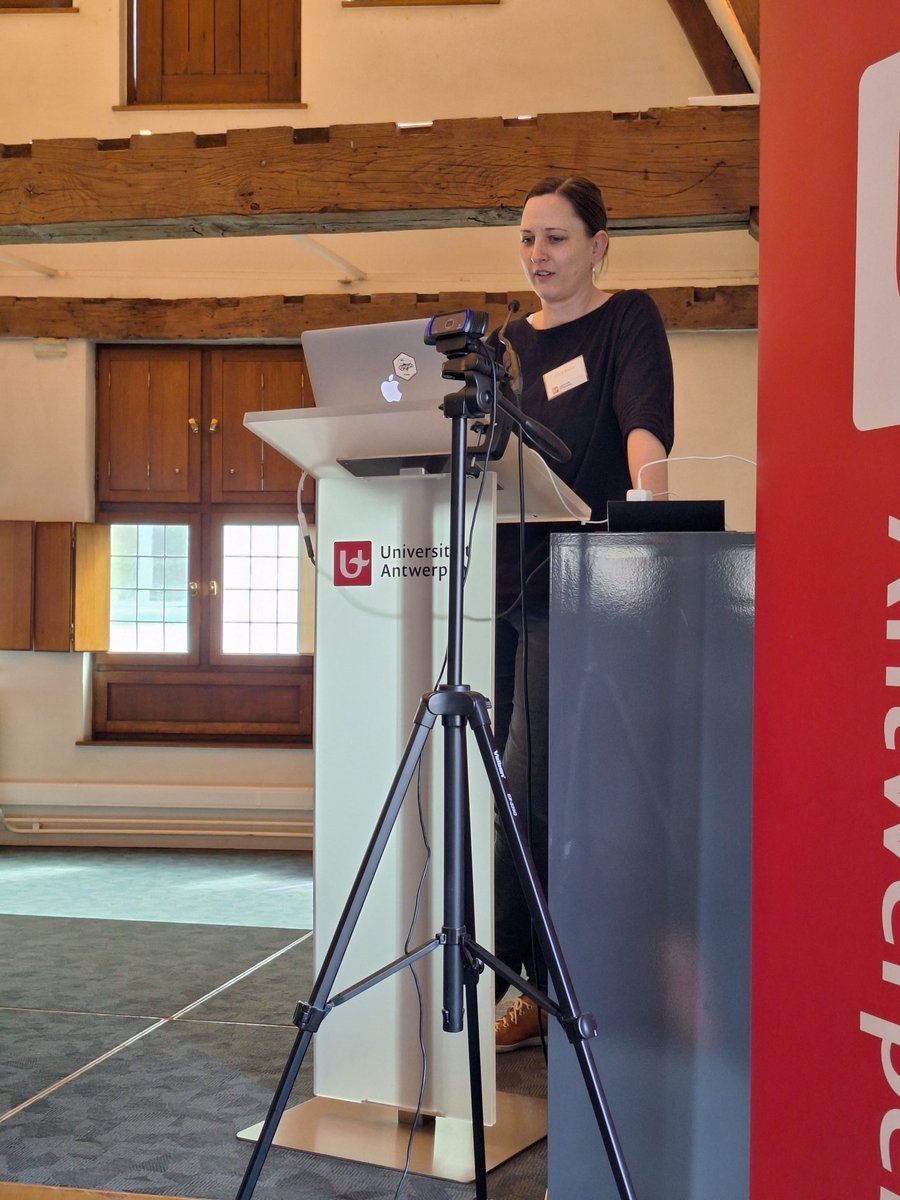
Ready to start the #ATCR25 meeting celebrating 10 years of the AUDACIS consortium with this amazing line-up of speakers!
1
1
3
301
27 May 2025
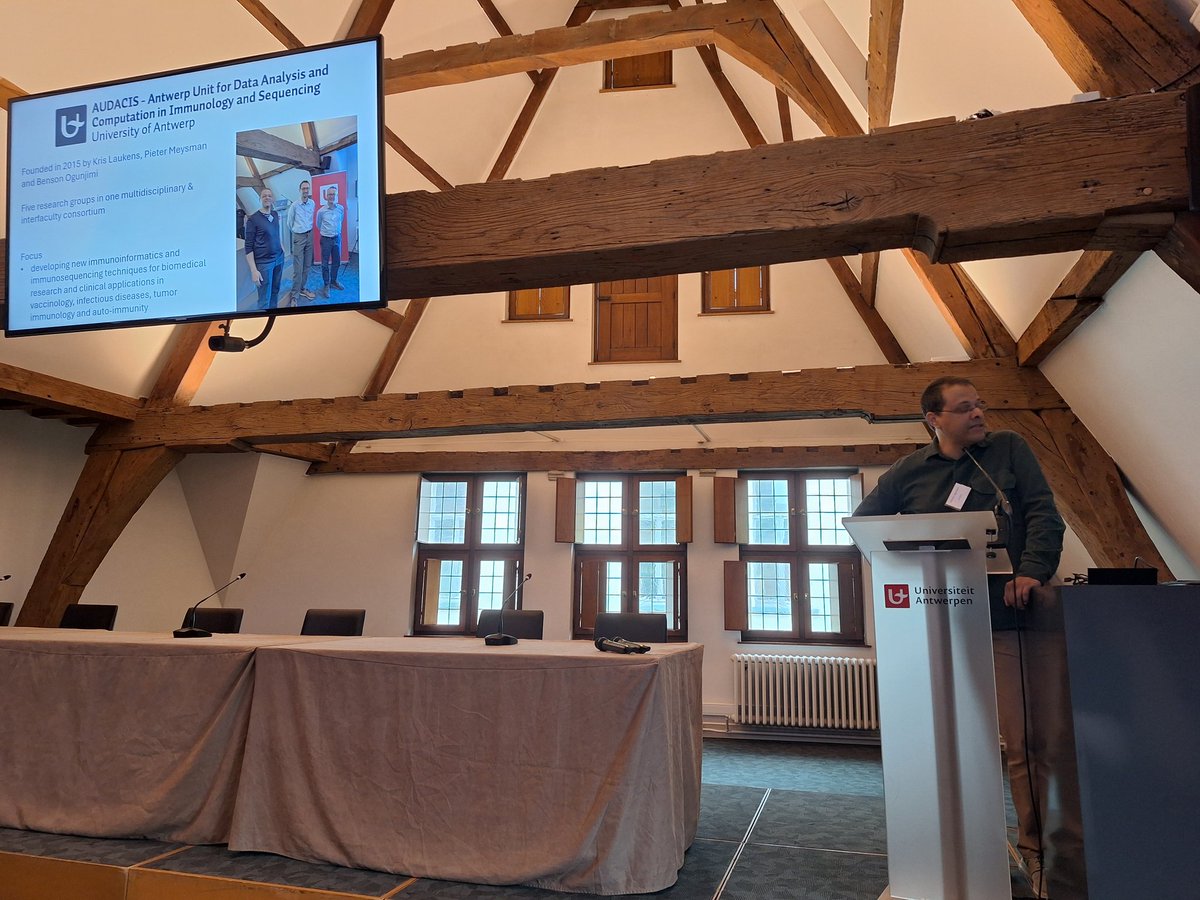
Benson Ogunjimi opening the #ATCR25 conference, explaining the history of the meeting and the consortium.
2
163
6 May 2025
#ATCR25 acceptance notifications just went out! We had 76 abstracts of very high quality, but could only accept 8! for short talks (so 10%). Huge thanks to our review committee for making though decisions. Really excited where the #TCR field is going based on the abstracts I saw!
1
4
1,216
14 Apr 2025
#Abstract submission deadline for #ATCR2025 is this Friday!
We are again very grateful to have such a strong lineup of #Tcell receptor experts joining us in Antwerp. Currently at 80% capacity so do not wait to register.
uantwerpen.be/atcr2025
5
5
311
17 Apr 2025
Extended to next week Tuesday because as some people pointed out, it is a holiday weekend!
142
Pieter Meysman retweeted

15 Jul 2021
RT register to participate in the ISCB Wikipedia @iscb_scs Hackathon. A great opportunity to enrich #Bioinformatics articles.
Free registration for @iscb_scs and #ISMB attendees.
Details👇🏼 bit.ly/3Bf8kD5 🙏🏼 💻🎉. @i_am_kilpatrick
12 Jul 2021

Participate in @iscb Wikipedia @iscb_scs hosted virtual Hackathon during #ISMB2021 . Open to all @iscb_scs & ISMB attendees.
📅: 23 July 2021
Any question: ask organisers @propicee @i_am_kilpatrick @LonnieRWelch.
Hackathon and registration Details:iscb.org/ismbeccb2021-progra…
4
21
26
Pieter Meysman retweeted

3 Mar 2025
The IMMREP25 TCR specificity prediction challenge is now live on Kaggle!
Get involved:
kaggle.com/competitions/immr…
Huge thanks to:
Matthew Noakes, Damon May, @EveRichardson20 @bpeters @AdaptiveBiotech @iedb_ @airr_community
14
20
1,172
20 Jan 2025
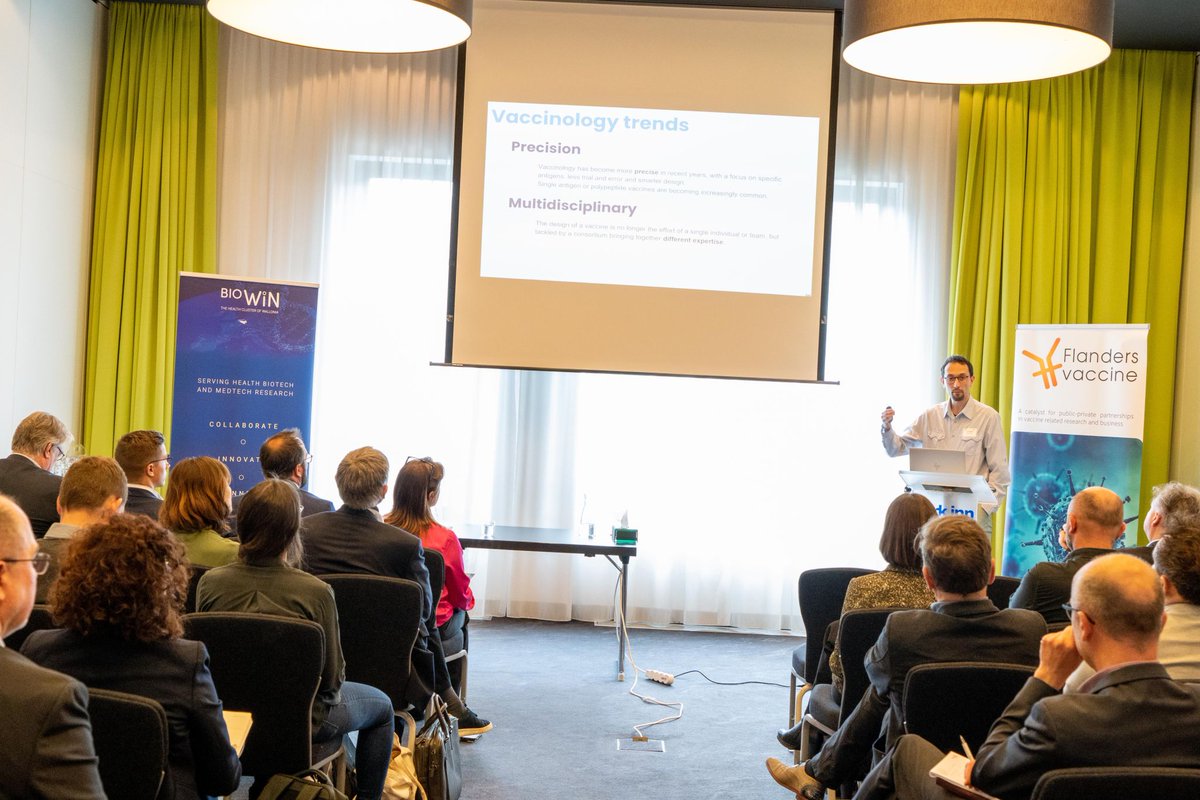
Registration and abstract submission to #ATCR2025 are now open! Join world-renowned experts to discuss everything #Tcellreceptor related. #immunology @airr_community @biominaBE
uantwerpen.be/atcr2025
4
5
886
13 Dec 2024
Very excited that today @FWOVlaanderen granted my two #immunology #AI research projects:
* One on modelling #Tcells after #vaccination with my good friend Benson Ogunjimi
* One on mapping the human #MHC presentation space with the ever talented Wout Bittremieux
1
5
334
12 Dec 2024
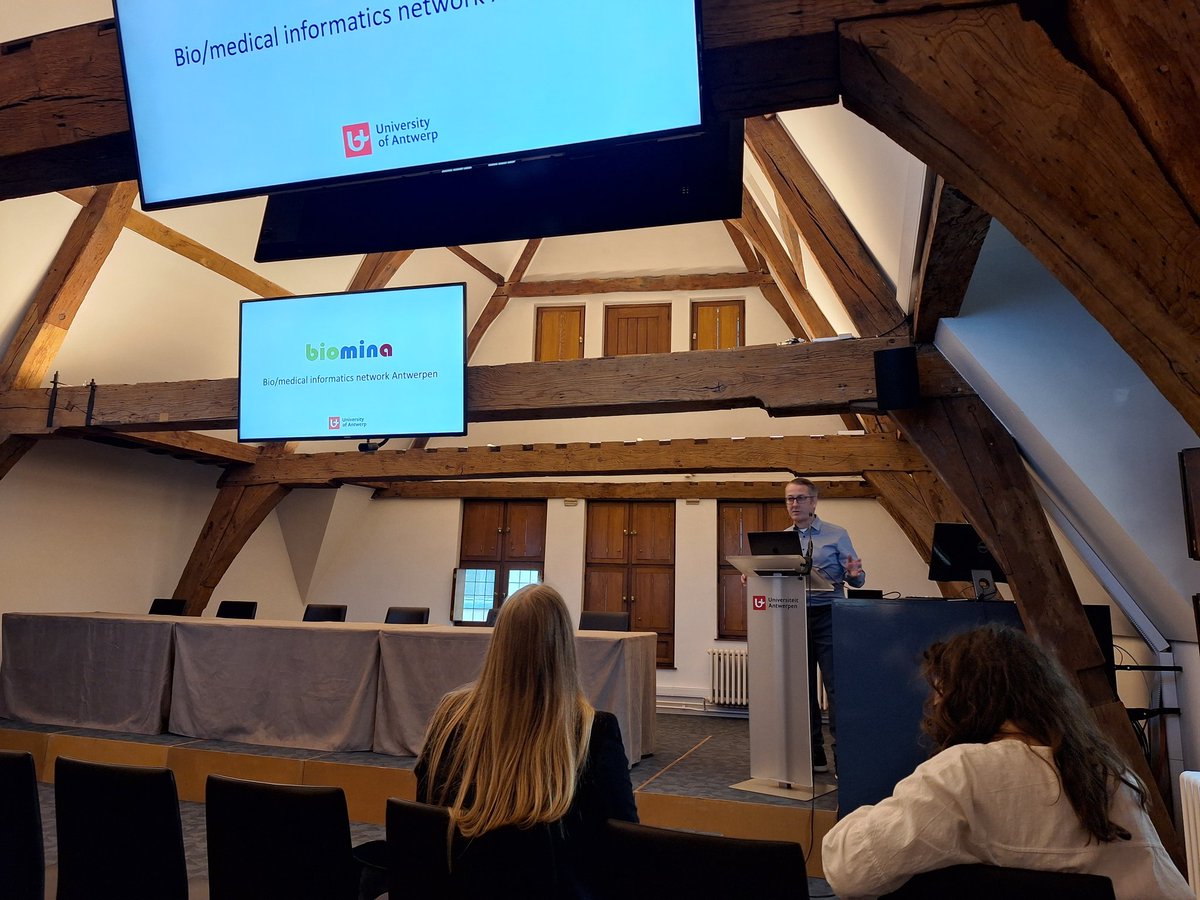
The annual gathering of #Antwerp bioinformatics at the @biominaBE Research Day, kicked off by @KrisLaukens . Always amazing to see the varied #bioinformatics applications, from fish genomics to clinical biomarkers!
2
7
363
Pieter Meysman retweeted

7 Dec 2024
Unlocking the secrets of our immune system is like discovering hidden treasures in a library, where each book holds the key to better health.
@chevaliersf @kerry_mullan @cziscience
@ELIXIRnodeBE @ScienceAdvances
doi.org/10.1126/sciadv.adr31…
3
7
381
Pieter Meysman retweeted

3 Dec 2024
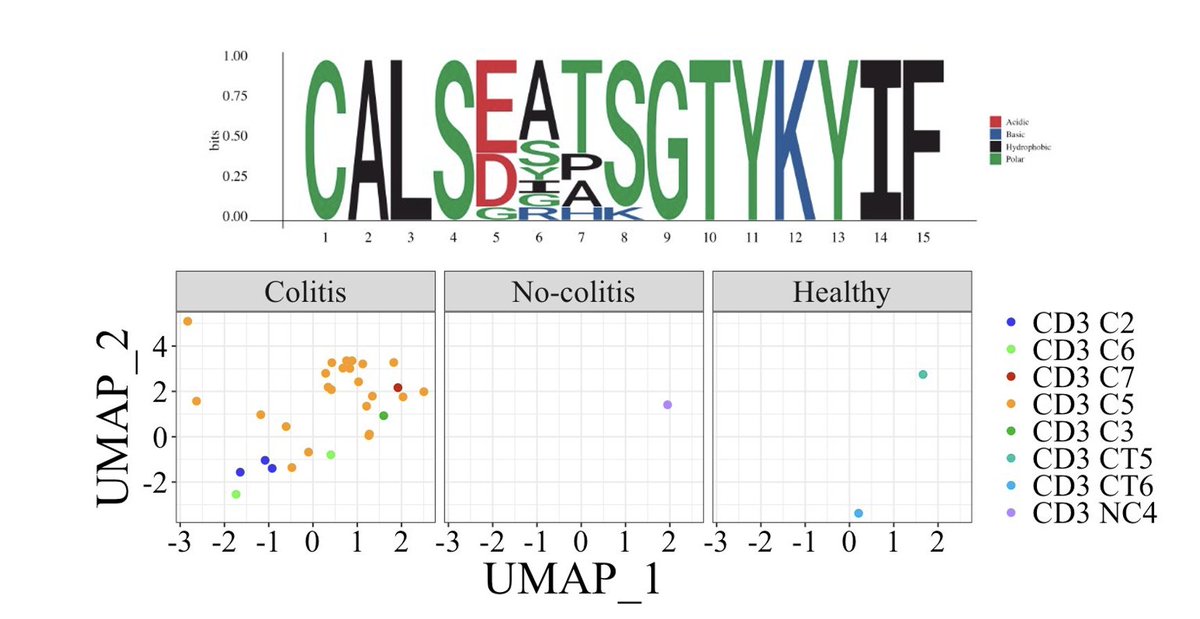
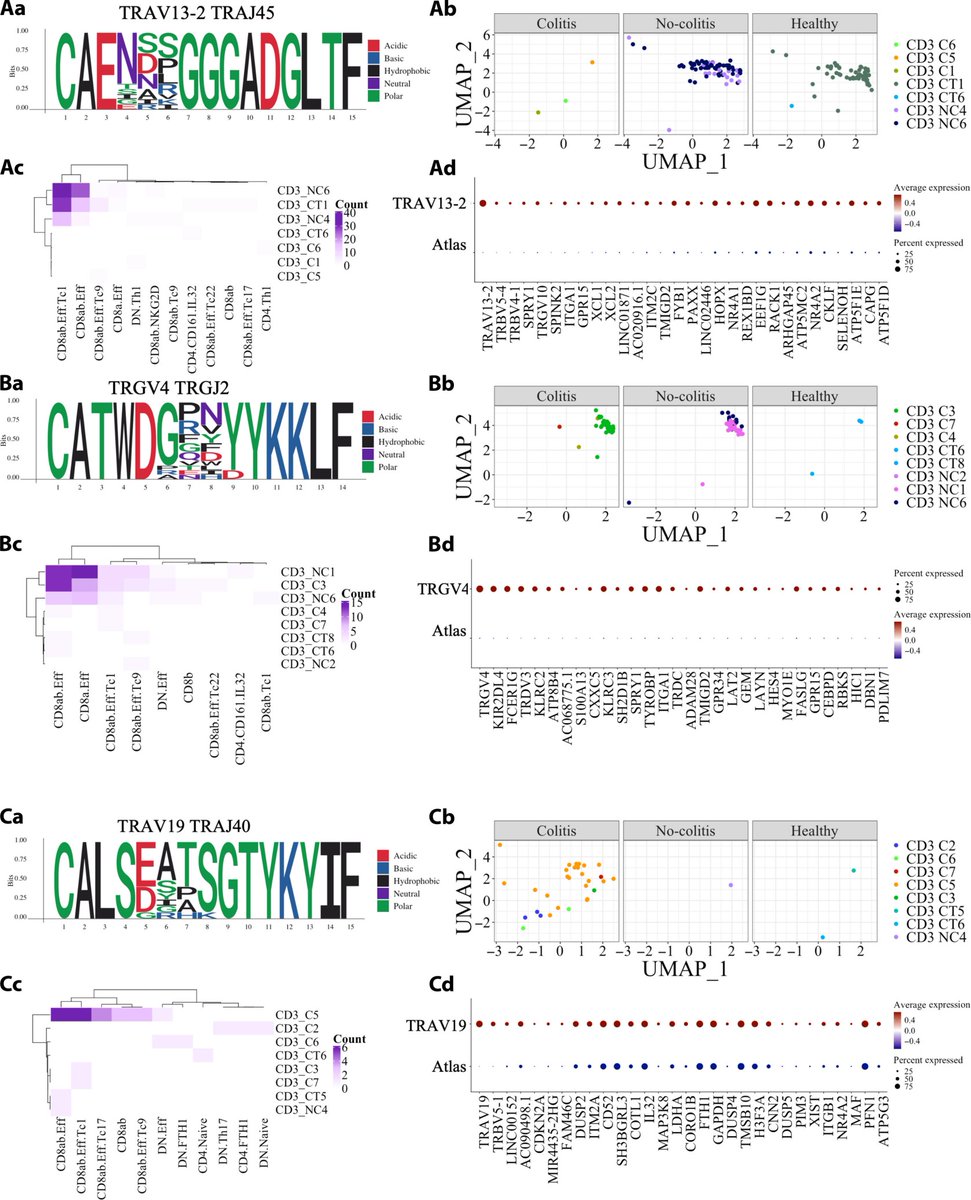
A new paper, led by @kerry_mullan from Pieter Meysman’s (@chevaliersf) group, advocates for a TCR-centric approach to analyzing scRNA data from T cells. One highlight is the identification of melanoma- and colitis-specific TCR clusters. | @ScienceAdvances doi.org/10.1126/sciadv.adr31…
6
29
1,210
2 Dec 2024
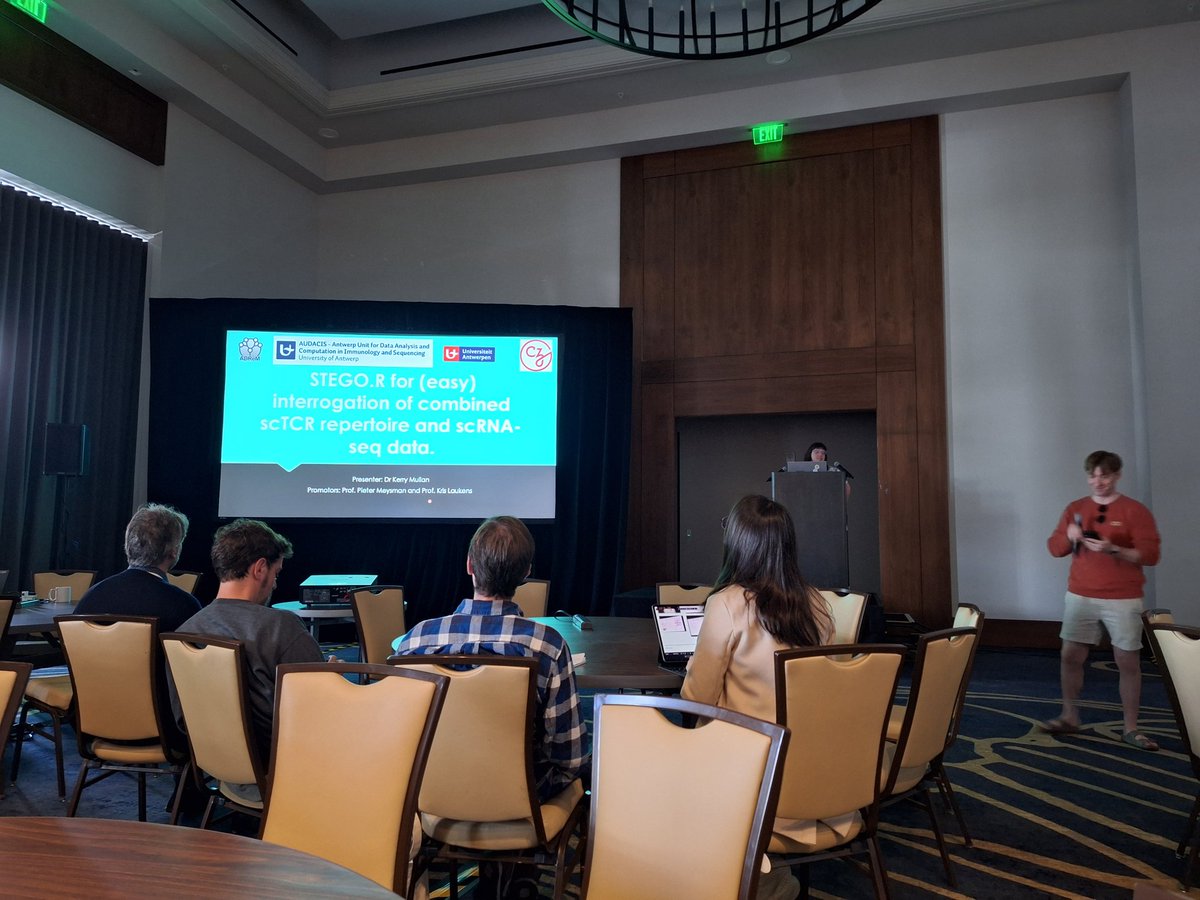
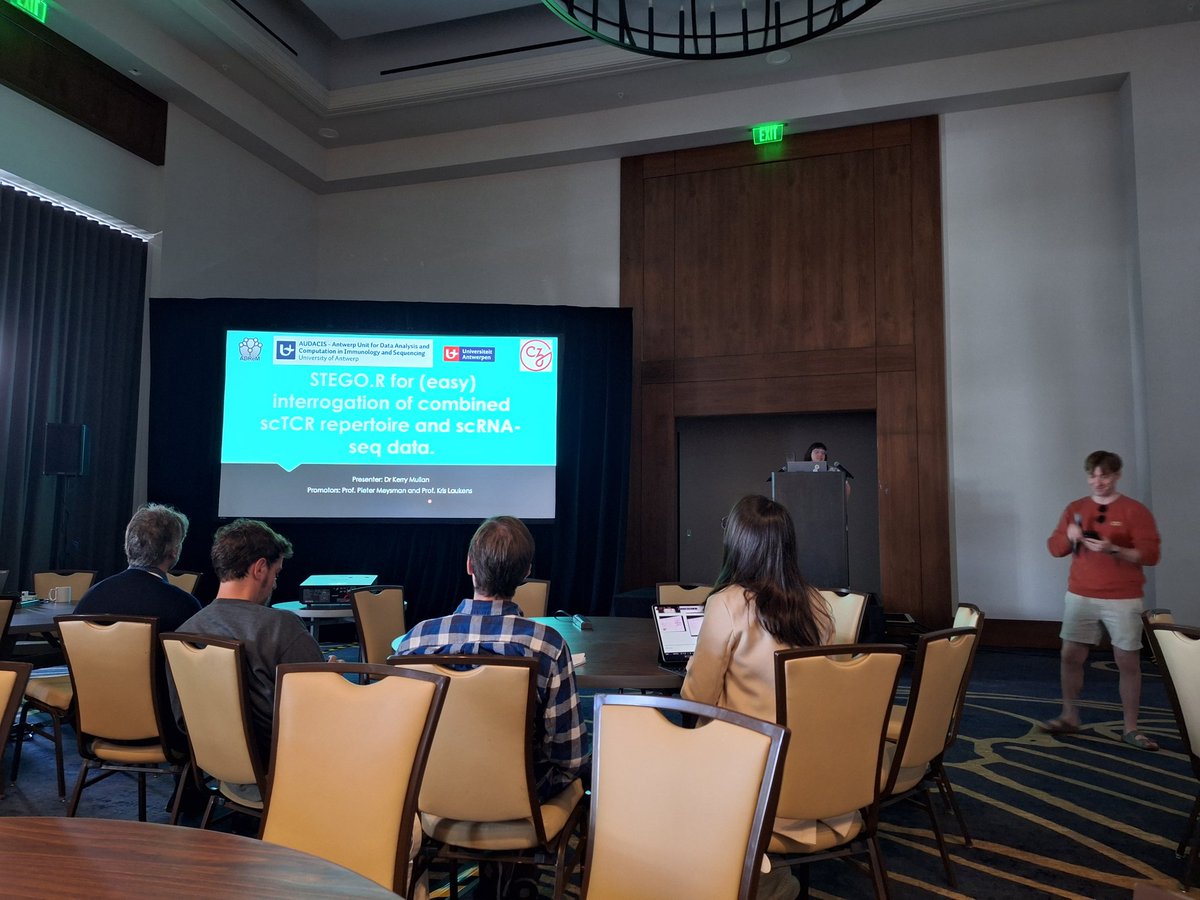
Massive effort by @kerry_mullan to recontextualize
data is now out in Science Advances! We developed a new system STEGO to do a TCR-first analysis, and reanalyzed 12 studies and more than 500 000 individual T-cells. Supported by @cziscience @ELIXIRnodeBE
doi.org/10.1126/sciadv.adr31…
4
10
47
3,072
2 Dec 2024
We have kept building on the data set, and a larger version including annotations is available on Zenodo as a T-cell atlas.
zenodo.org/records/12606320
1
85
2 Dec 2024
This is the first time we have been forced to include an 'Extended Discussion' section in the supplementals because there was just so much that we found. Rather than splitting it over a dozen smaller papers, we opted to put everything into one for a complete story.
2
56
2 Dec 2024
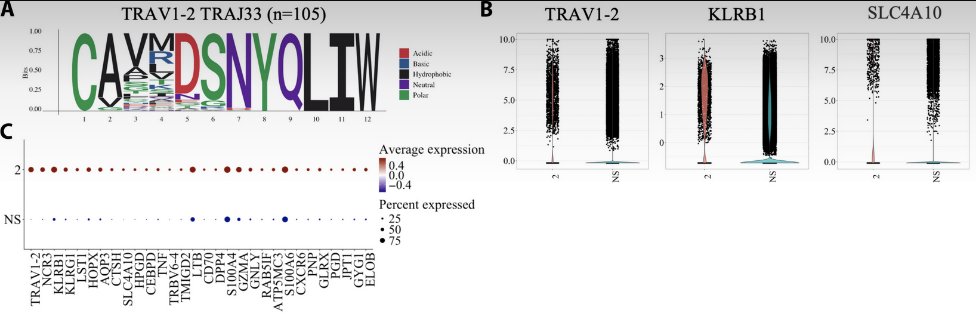
Taking all the data together, we also find interesting patterns that occur across studies and individuals. One of them is very clearly MAIT cells, which appear nearly everywhere.
1
1
44
2 Dec 2024
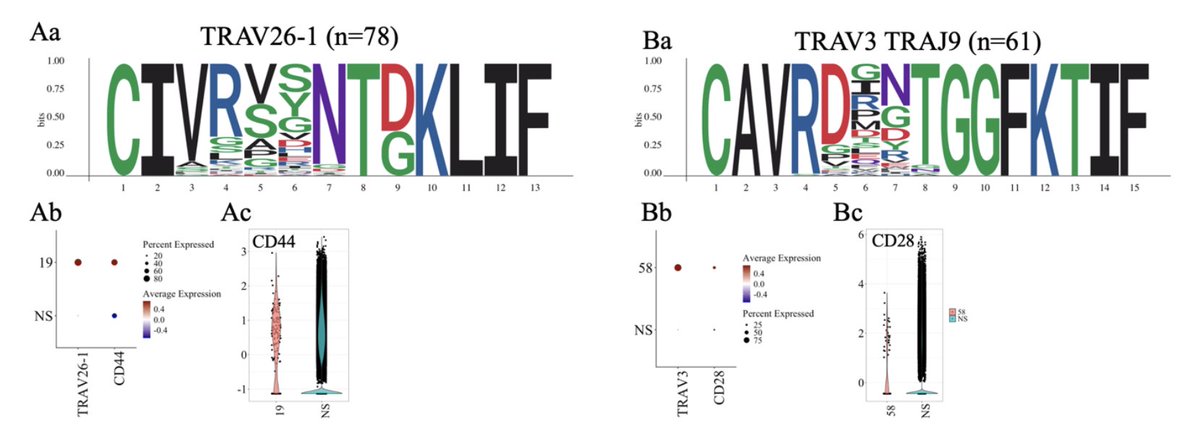
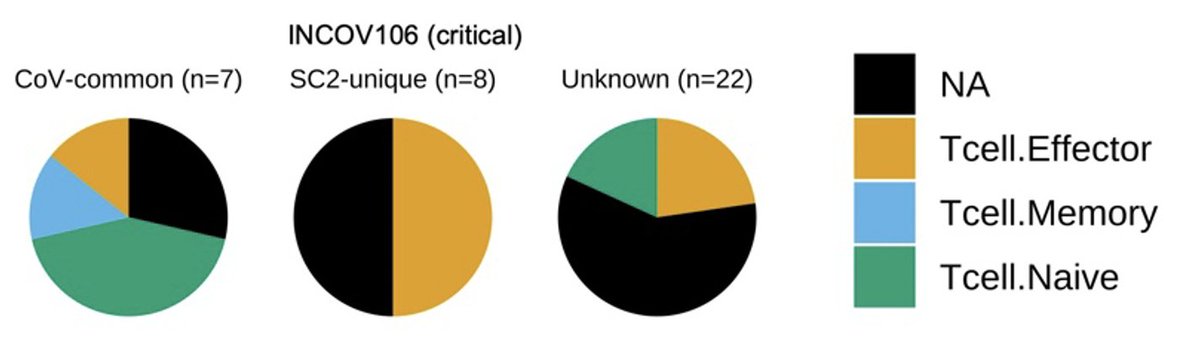
But we also find two other TCRalpha patterns across many individuals that we weren't able to explain. They are clearly enriched compared to the background, but functionally look like any other T-cell (or a mix).
2
45