
People mock what they don’t understand.
Joined October 2021
- Tweets 2,087
- Following 1,150
- Followers 1,980
- Likes 11,645
447 Photos and videos


Apr 9
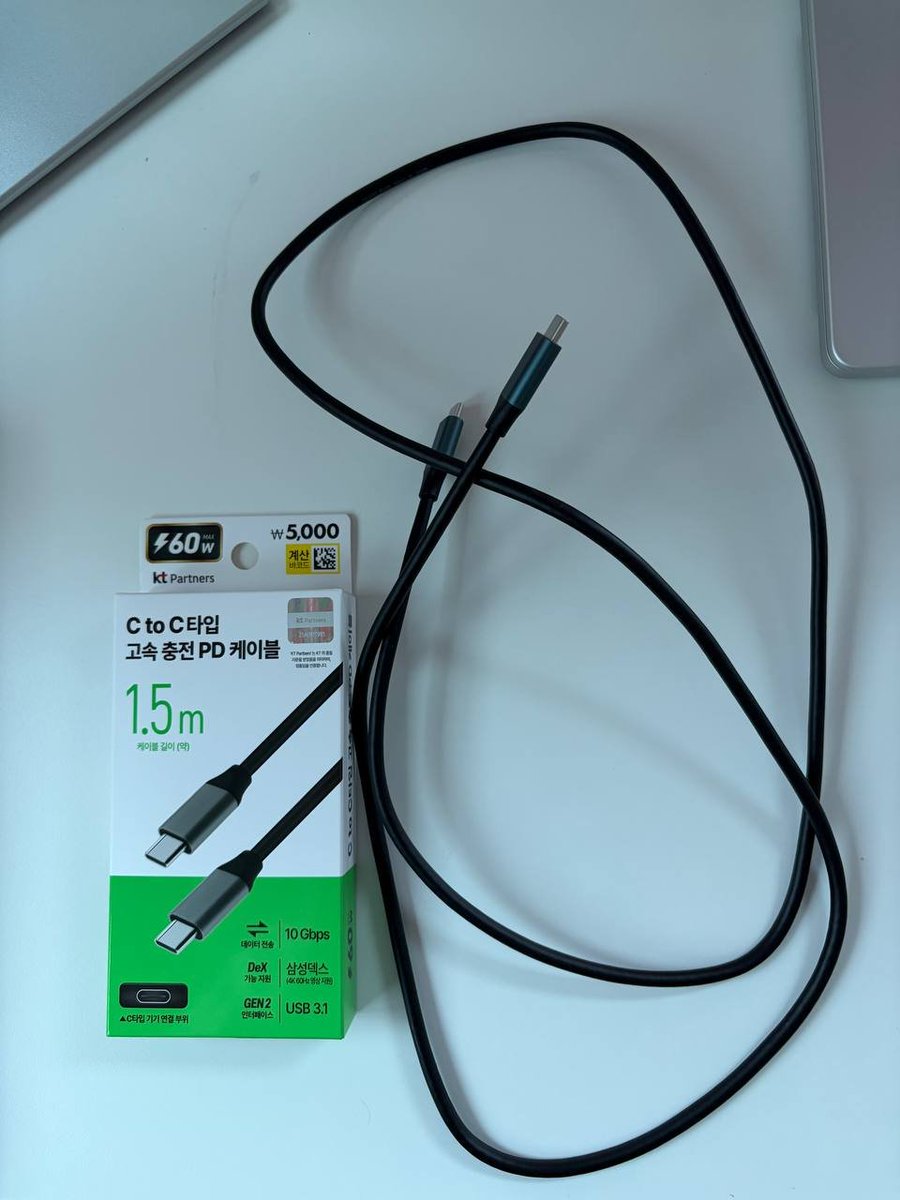
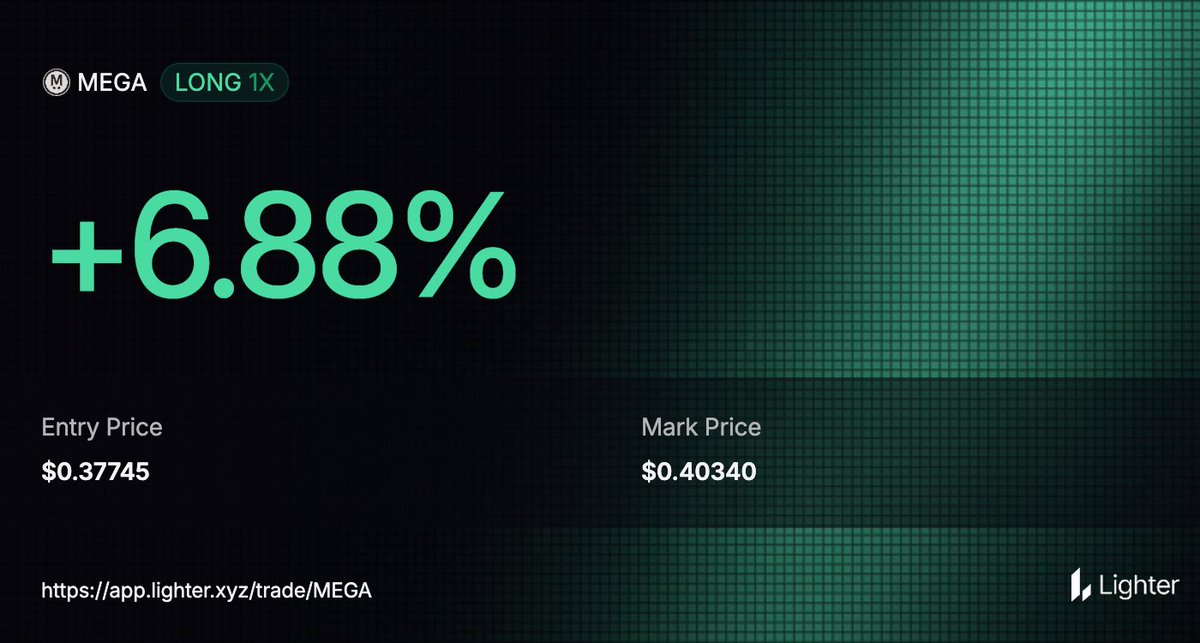
말도 안되는 가성비라고 생각해 풀매수를 권해봄
요약: 고스펙 USB C to C 케이블이 5천원. USB 3.1 Gen2, 10Gbps, 60W PD, 1.5m, 비슷한 스펙 시중 중소브랜드 대비 30~50% 저렴.
저는 다이소와 코스트코에서 물건을 사는걸 좋아합니다. 입점한 제품들이 퀄리티가 좋아요. 다이소와 코스트코는 입점 경쟁이 치열하기에 제품 품질에 문제가 있다면 입점조차 어렵습니다. 또한 입점하는 것 만으로 압도적인 판매가 가능하기에 협상에서 업체가 마진율을 다른곳에 비해 낮춰서 입점하기에 소비자는 더욱 합리적인 가격에 제품을 구입할 수 있습니다. 제품의 퀄리티와 가성비를 동시에 잡을 수 있다는 점이 제가 코스트코와 다이소에서 물건 사는걸 선호하는 이유입니다.
최근 엄청 만족한 제품이 있어 여러분에게 추천드리려고 합니다.
5천원짜리 USB C to C 케이블인데요. 같은 C to C 케이블이라도 스펙들이 천차만별이라 기기를 연결했는데 작동을 안하거나, 충전이 느리거나 해서 곤란했던 경험들이 있으실텐데요. 이 케이블 스펙이면 고속충전 뿐만 아니라 대부분 전자기기 호환이 가능한 고스펙의 케이블이에요. 길이도 1.5m라 개인적으로 가장 선호하고 적절한 길이입니다. 무엇보다도 동일 스펙의 케이블을 다른 곳에서 구하려면 최소 7천원부터 만원을 넘어가는 경우도 많고 배송비도 붙게되는데 거의 반값이라고 볼 수 있습니다.
주변 다이소 매장 지나갈때 한번씩 둘러보시고 찾게되면 득템하세요! 저는 다이소몰에서 3만원 이상 구매하면 무료 배송 가능하여 6개 풀매수 주문했습니다.
daisomall.co.kr/pd/pdr/SCR_P… 1개만 사도 배송비 포함 8천원이에요! 6개 주문해서 주변에 선물해도 되고! ㅎㅎ
3
381
Mar 11
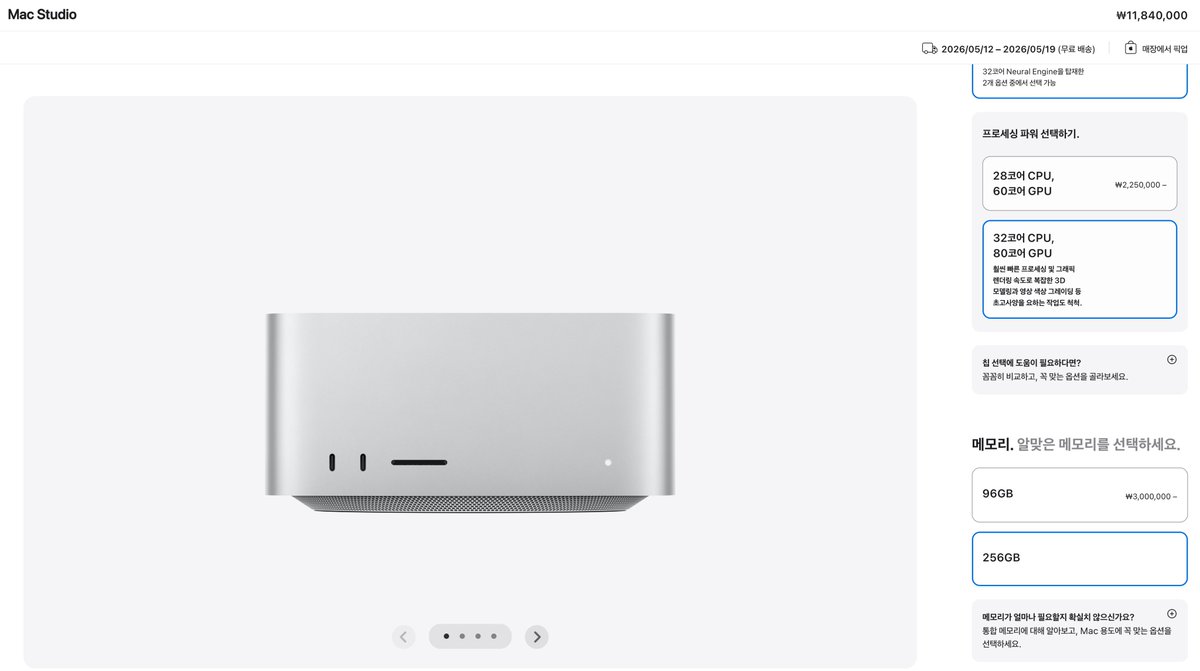
맥 스튜디오 M3 Ultra 스토어 구입창에서 RAM 512GB 옵션이 아예 사라졌습니다. 맥 스튜디오 M5 Ultra 때 RAM 768GB 이상으로 출시되기를 기대했는데 어쩌면 어려울 수도 있겠군요 ㅠㅠ
1
5
344
Feb 12
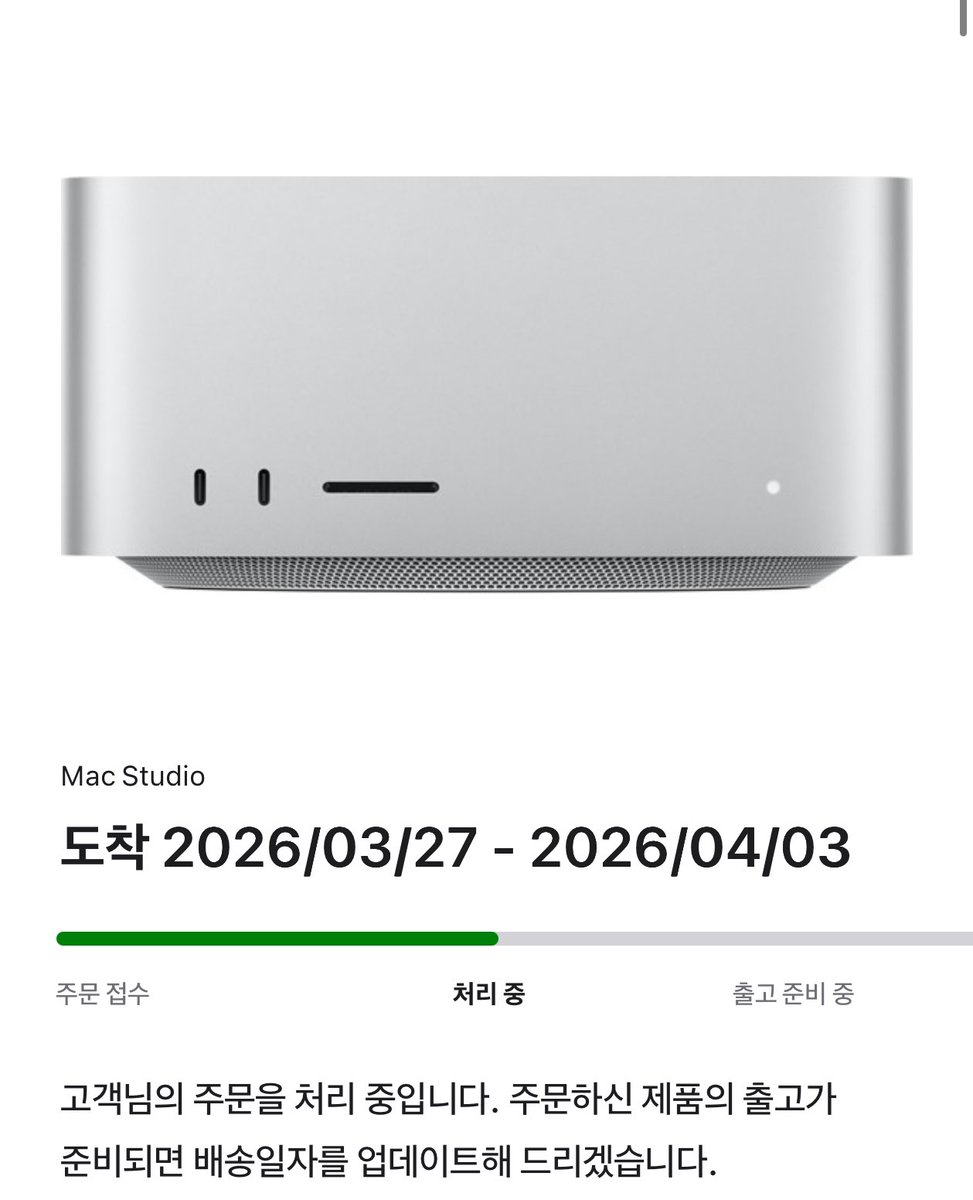
이제 맥스튜디오 (M3 ULTRA, RAM 512GB 기준) 주문시 배송까지 6주~8주 정도 소요됩니다. 맥스튜디오 붐은 온다...
1
309
Jan 29
간밤 월드코인 급등 이유
샘 알트먼의 오픈AI가 온라인 봇 퇴치를 위해 생체 인식 소셜 네트워크를 검토중이라고 전해짐 - 포브스 보도
forbes.com/sites/annatong/20…
오픈AI는 관련하여 논평을 거부
1
248
Jan 22
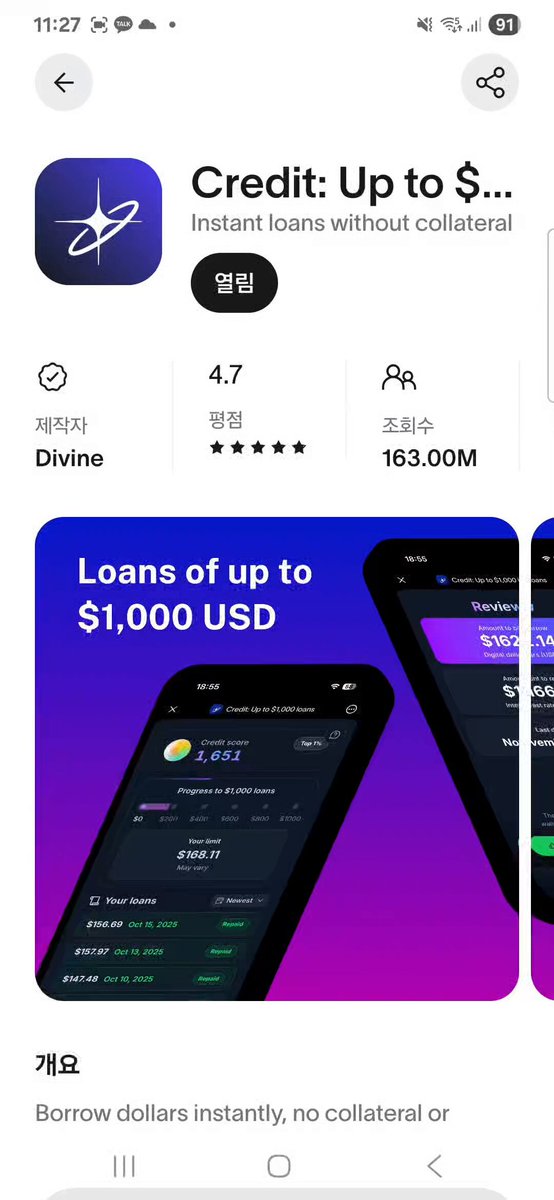
월드코인(@worldcoin)의 새로운 시도: 담보 없는 신용 대출
최근에 월드코인의 모바일 지갑 월드앱에서 신용 대출 서비스가 출시했습니다. Credit이라는 이름의 이 앱 (은 “최대 $1,000까지 담보 없이 즉시 대출”을 슬로건으로 합니다. 말 그대로 담보나 복잡한 서류 없이 최대 1,000달러까지 스테이블코인 대출을 해준다는 혁신적인 시도인데요. (운용사 @DivineResearch)
(직접 앱이 어떻게 작동하는지, 화면은 어떤지, 대출은 어떤 형태로 진행되는지 영상에서 확인하실 수 있습니다)
이미 데이터 기반 핀테크로 성공을 거둔 브라질의 Nubank, 미국의 Chime, 미국에서 BNPL(Buy now Pay Later) 모델을 채용한 Affirm 같은 기업과 제품들이 신용이 낮거나 은행 계좌가 없던 저소득층, 프리랜서, 시간제 근로자를 대상으로 무담보 대출과 신용카드 사업으로 충분히 성공할 수 있다는걸 증명했기 때문에 저는 월드의 Credit 사업 또한 허무맹랑하지 않다고 보고 있습니다.
특히 월드앱의 대부분의 사용자가 아르헨티나, 콜롬비아 등 경제가 어려운 저소득국가라는 점에서 실 수요가 폭발적으로 생겨날 것 같아요. (이것이 월드앱의 홍채 인식을 더욱 가속할수도?!)
재밌었던 점은 만약 스테이블을 빌리고 채무를 이행하지 않으면 앞으로 미래에 받기로 예정된 $WLD를 압류하고 몇몇 월드 앱의 미니 앱이 사용 불가능할 수 있다고 명시해둔 내용입니다.
그래서 직접 대출을 받으러 들어가봤는데! 지금은 최대 0.5달러밖에 안빌려지네요...? ㅠ 요걸 착실하게 빌리고 또 갚으면 점점 신용이 좋아져 더 많은 돈을 빌릴 수 있다고 합니다!
이자는 1일 빌리면 1%(연이율 1% 아니고 하루 1%, 그럼 연 365%..?), 30일을 빌리면 3.3% 정도(연 40% 정도?)입니다. 이 모델 자체가 잦은 채무불이행은 고금리 수익으로 메운다는 전략도 있으니 충분히 인정할만한 것 같고 완전 무담보인만큼 많은 신용에 어려움이 있는 사람들이 유용하게 쓸 수 있을 것 같습니다.
다만 초기 한도는 좀 더 솔찬하게 쓸 수 있도록 늘어났으면 좋겠네요! 0.5불이라니 너무 보수적으로 시작하는 느낌이에요 ㅎㅎ 채무를 제대로 이행하면 얼마나 빠르게 대출한도가 올라갈지는 모르겠지만, 사람들에게 정말로 필요한 제품이 세상에 나온 만큼 월드코인과 월드 앱의 행보가 더욱 기대됩니다.
Vault에 직접 스테이블을 공급하고 대시보드도 볼 수 있네요.
credit.cash
1
2
399
Jan 21
Yesterday I rebuilt my portfolio from scratch.
And I did it in a way that would’ve sounded almost unthinkable to me not long ago.
Before
60%: WBTC cbBTC deposited on YieldBasis
20%: XAUT (Tether Gold)
10%: USDT
10%: KRW
After
80%: XAUT (Tether Gold)
10%: USDT
10%: KRW
In one sentence: I sold all my Bitcoin exposure—including the BTC I was earning yield on—and I bought gold. A lot of gold.
It wasn’t a clean trade. Most of that BTC was accumulated around $100–105k, so realizing the loss hurt. The only consolation is that the yield quietly did its job—my BTC balance had grown by roughly ~4%, which softened part of the damage. Still, it was the kind of decision you make with a tight jaw, not a victory lap.
So why make such a large, aggressive pivot?
Because Bitcoin stopped feeling like the asset I originally bought.
I didn’t hold BTC because I enjoyed volatility. I held it because I distrusted fiat—and my thesis was simple:
If confidence in government money erodes, a scarce, non-sovereign asset should shine.
But 2025 humbled me.
Even as faith in fiat wobbled, Bitcoin’s USD price didn’t surge in the way a “pure hedge” narrative would suggest. Meanwhile, gold—an old, imperfect, deeply human hedge—delivered far better performance.
That gap matters. Because markets don’t reward the story you believe. They reward the behavior the world actually exhibits.
I can call Bitcoin a hedge all day. But if the broader world treats it like a high-beta, risk-on asset—closer to tech sentiment than to crisis insurance—then in stress it won’t protect you the way you expect.
A hedge is not just an idea.
It’s a social contract.
If the crowd doesn’t sign it, it doesn’t exist.
At the same time, another concern moved from the margins to the center of my thinking: energy.
AI is turning electricity into intelligence. Data centers are becoming the new factories, and compute is becoming a form of national infrastructure. In a world where power can become a strategic bottleneck, I started asking a harder question about Bitcoin:
What does it mean to hold an asset whose security budget is ultimately paid in energy—while mining difficulty continues to rise—at the exact moment energy becomes more contested?
I’m not saying Bitcoin disappears.
I’m saying my confidence in it as my primary crisis hedge fell.
While that confidence was eroding, gold was quietly getting a software upgrade.
For most of history, gold’s biggest weakness wasn’t its value—it was its friction. It’s heavy. It’s expensive to store. Slow to move. Annoying to divide. That friction was the tax you paid to hold something nobody could print.
Tokenized gold—XAUT and PAXG—reduces that tax.
Suddenly, “buying gold” can be as simple as a few taps on an exchange, with liquid markets and on-chain settlement. In Korea, access is improving quickly (with major exchanges carrying products like XAUT), and globally the rails are only getting smoother. When access friction drops, demand can scale—not because people become romantics about gold, but because it becomes effortless to own.
Of course, tokenization doesn’t erase risk—it transforms it. You trade the friction of physical handling for issuer/custody structures and counterparty assumptions. I’m making that trade intentionally, because what I’m optimizing for right now is not purity—it’s survivability and optionality.
Then there’s the macro layer: geopolitics.
Since the start of Trump’s second term, the world feels more transactional—less “rules-based,” more “deal-based.” When leaders talk seriously about acquiring strategic territories—Greenland, Panama, even Canada—I don’t hear comedy. I hear signal:
The map is back on the negotiating table.
And in my view, AI makes that signal louder.
The data center race isn’t only about GPUs. It’s about cold air, water, land, resources, and stable connectivity. Cooling costs are enormous; cold climates are an advantage. Water demand is staggering. Land requirements are vast. Proximity to the US and Europe—and the ability to run fiber reliably—matters. Add raw materials and strategic minerals, and places like Canada and Greenland start looking less like “remote geography” and more like strategic infrastructure.
If competition hardens, the chance of coercion, disruption, or even conflict rises. And in moments like that, capital doesn’t flee to the cleverest narrative.
It flees to the most widely recognized refuge.
That’s what tipped me.
In the future scenario that played out in my head yesterday—call it analysis, call it paranoia—Bitcoin did not feel like the asset people would run to first. Gold did. So I sold BTC and I bought XAUT.
Yes, 80% gold looks eccentric. It is.
But “weird” is not the same as “wrong.”
In a world I can’t model neatly with spreadsheets, I want at least one holding that has survived every empire, every currency regime, and every technological revolution—not because it promises excitement, but because it promises endurance.
This isn’t financial advice.
Just a personal report on how my map of risk changed—
and why, for now, I chose an anchor over a sail.
2
201
Jan 20
이번에 57만원을 쓰면서 프리미엄을 플러스를 결제한 이유 중 하나는 제가 원하던 핸들을 획득하기 위함이었습니다. 앞으로 X가 핸들 마켓이 열리면 매출이 폭발적으로 증가할 것을 기대중입니다.
I just got @contextor from the X Handle Marketplace! Get your own at handles.x.com
3
206
Jan 15
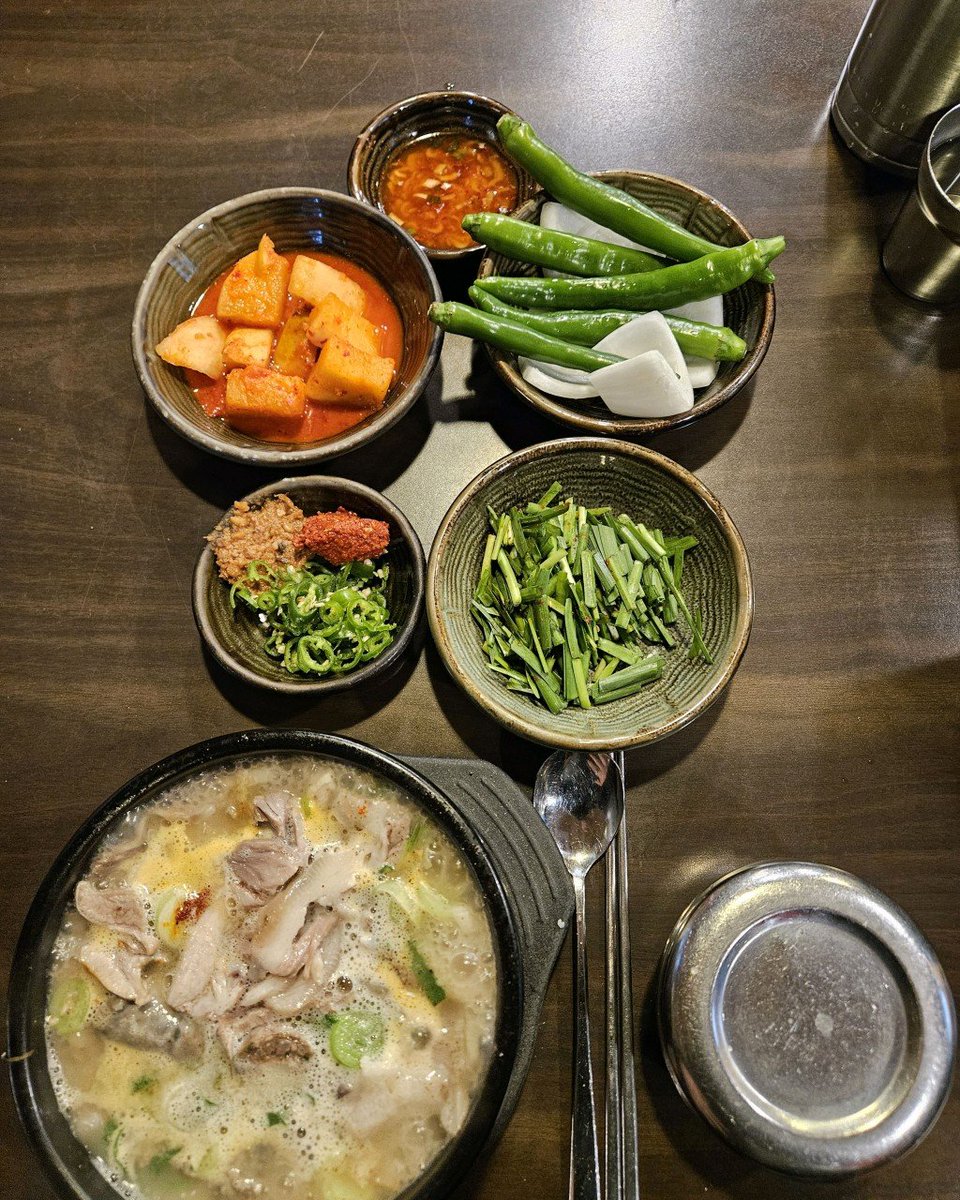
오늘 @0xMiden 을 음식으로 비유하면 무엇일까 생각했을때 선릉역의 농민백암순대 본점에 가까운 것 같다. 대구 사람으로 2017년에 상경했을 때 돼지국밥에 대한 프라이드가 있었고 2017년 당시에 서울의 돼지국밥집들 퀄리티에 대한 불만이 있었다. (지금과 같이 돼지국밥집이 많지도 않았음)
그때 순대국밥은 개인적으로 취향이 아니라고 취급도 안했음... 하지만 그때 회사 선배를 따라 농민백암순대 본점의 순대국밥을 처음 맛보고 내 상식을 파괴했다. '순대국밥은 돼지국밥을 절대 이길 수 없다'는 내 관념을 깨트려버렸고 내가 살면서 먹은 국밥 중에서 손에 꼽을 정도의 맛이었다. @0xMiden 이 농민백암순대에 비슷하다고 말하는 이유는 지금까지의 내 고정관념 상식을 깨트릴 수 있는 프로젝트가 될 것이라고 생각하기 때문임.
국밥은 뻘개야한다 라고 주장하는 맛과 멋의 도시 출신 @churu_pls 님의 주장을 유일하게 인정할 수 있는 집이 농민백암순대 본점이다.
12
1
15
564
Jan 12
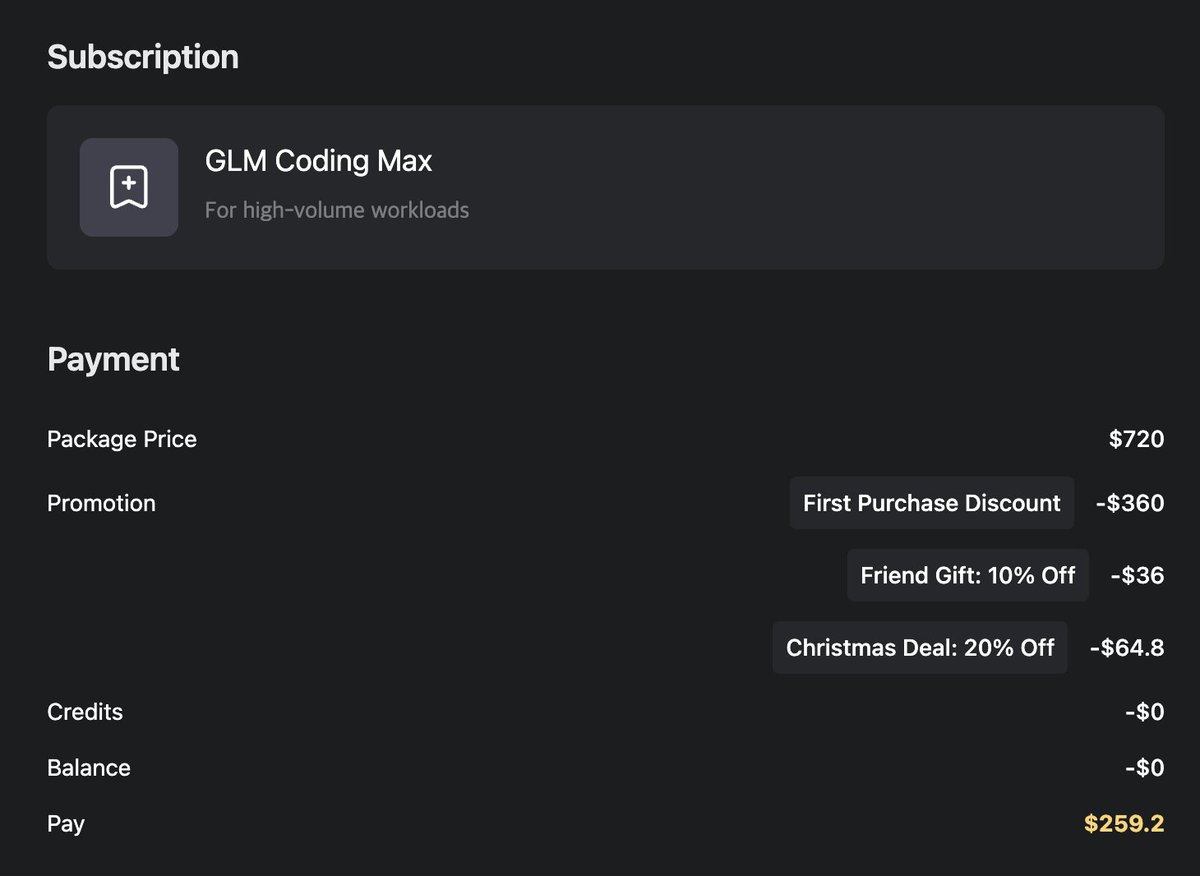
끌로드 코드, 안티그래비티, 코덱스 토큰도 다 못쓰면서 무슨 또 구독이냐고 스스로 반문하지만 여러 모델을 써보고 토큰을 가능한 아낌없이 많이 쓰는 경험이 중요하다고 생각하여 냅다 질렀습니다! 레퍼럴 구매시 10% 추가 할인으로 총 64% 할인된 금액에 구매 가능합니다!
z.ai/subscribe?ic=DWBL7ASTBO
12
18
321
Jan 11
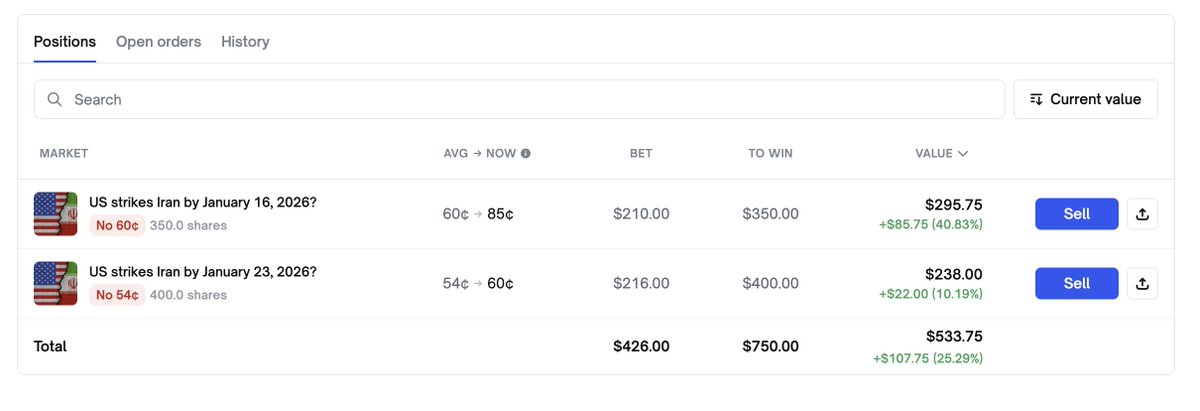
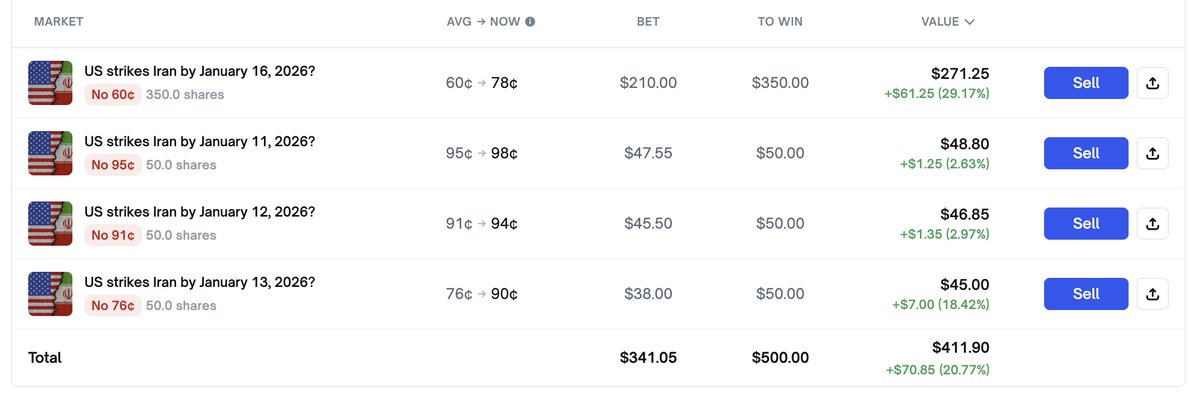
뉴욕타임즈 보도를 통해서 미국이 이란을 공격할 것인지에 대해서 다양한 의견이 나오고 있음. 폴리마켓을 시작으로 다양한 예측시장이 나옴에 따라서 거래량 또한 올라가고 있는 상황.
개인적으로 이럴때 시장은 극단적인 블랙스완에 치우친다고 생각하고 저는 '아무일도 일어나지 않는다'에 투자하는 것이 의외로 확률 높은 전략이 될 수 있다고 생각합니다. 국가간의 전쟁은 쉽게 일어나지 않으며 그 가능성 또한 매우 낮습니다. 미국이 이란을 직접 공격하는 것은 생각보다 엄청난 규모의 일이기 때문에 명분이 생겼다고 할 지언정 쉽게 결정을 내리지 못할 것이라고 생각하고 있음.
3
4
189
Jan 10
어제 X Premium 를 결제한 뒤 SuperGrok을 결제하여 한국에서 인사이트 있는 글을 정리해 보았습니다. 최신 글로 검색해달라고 했더니 정말 1~2시간 내 올라온 글을 쫙 정리해주는 Grok의 클래스!
@lmslms1004 님의 X-ray 관련 글 x.com/lmslms1004/status/2009…
@ddakbbam1 님의 @0xPolygon 관련 글
x.com/ddakbbam1/status/20099…
@456girls 님의 @Kingbit 님 글에 대한 코멘트
x.com/456girls/status/200994…
@raymanyapper 님의 @Tanaka_L2 글 번역과 분석
x.com/raymanyapper/status/20…
@dd8470 님의 @Kindred_AI 관련 분석
x.com/dd8470/status/20098844…
질문 프롬프트 자체는 @MemeMax_Fi 관련 분석글을 소개해달라고 했지만 해시태그를 하지 않아서 그런지 정확하게 답이 나오지 않아서 다음부터 Grok을 쓸 때는 확실하게 어떤 프로젝트인지 태그하는게 훨씬 더 좋은 결과물을 가져올 수 있을 것 같습니다!
x.com/i/grok/share/qdQ8oxcF8…
5
9
329
Jan 8
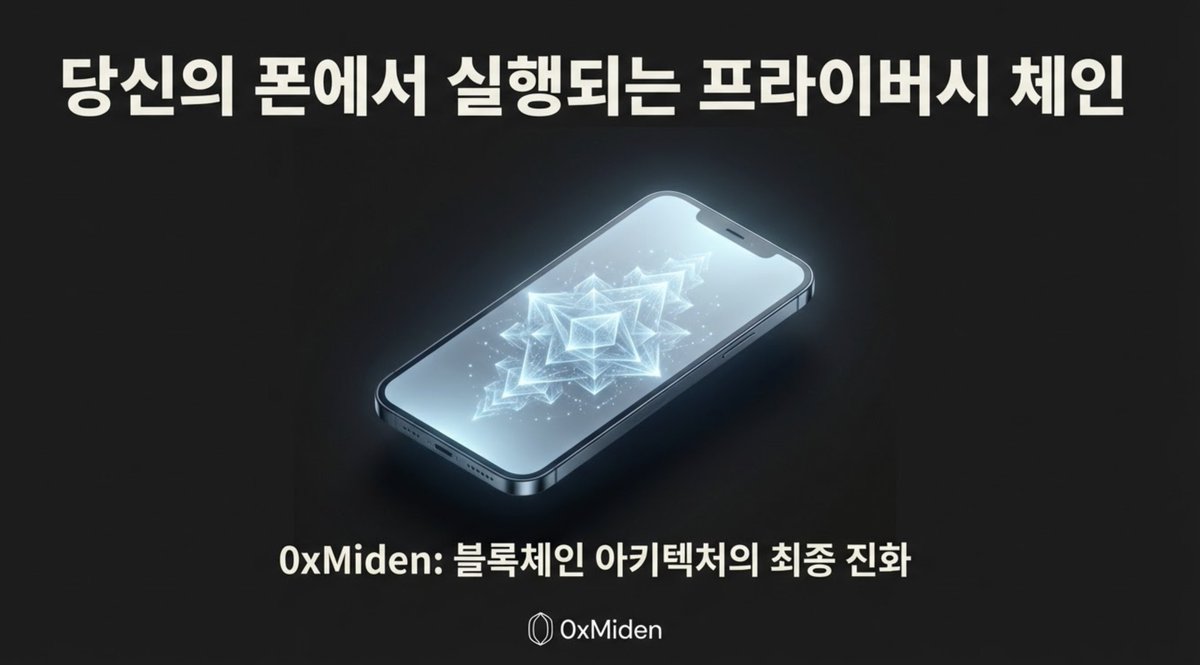
오랜만에 크립토 플젝인 @0xmiden 에 흥미를 느낌. 기존 블록체인과 달리 Miden은 사용자의 기기(스마트폰 등)가 직접 연산을 수행하고 결과만 블록체인에 전송하기 때문입니다. 스마트폰에서 스마트 컨트랙트를 실행하고, 그 실행이 올바르다는 것을 증명하는 영지식 증명을 생성함. 프리미엄끝남ㅠ
21
2
25
641
10 Dec 2025
[$WET을 매수한 이유] 💦💦
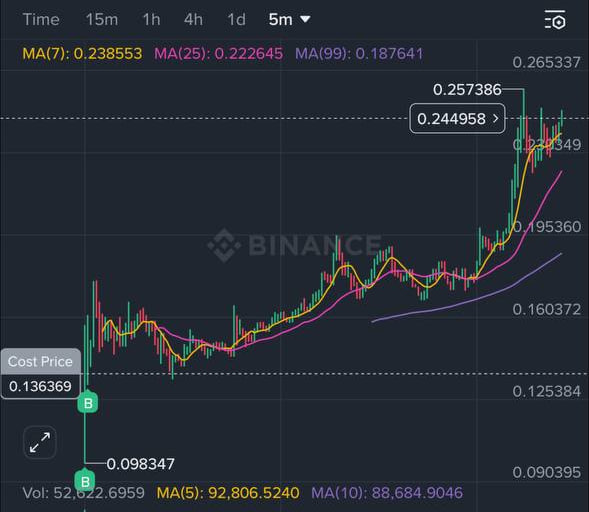
한 달 넘게 바낸알파 거래량만 채우고 거래소 이벤트만 함. 전체 장이 혼란스럽고 어려워 아예 매매에서 손 떼려고 부던히 노력했고 11월 중순이 되어서야 매매중독을 자제할 수 있게 되었음. 개인적으로도 추석 이후 신체건강 정신건강이 많이 망가져서 회복에 전념했음.
하지만 어제 $WET은 0.1 근처에서 가격이 시작한걸 보고 사야겠다는 생각이 컸는데 결과가 좋게 나와줌. 요즘 포스팅이 뜸했는데 어떻게 매수를 결심하게 됐는지 과정을 공유하면 여러분에게 조금이나마 도움이 되지 않을까 하여 포스팅해봅니다.
지난 10월에 메테오라가 TGE 이후 500m 아래로 떨어질 때 많은 사람들이 메테오라 매수를 고려하는 것을 보고 열심히 리서치를 진행했는데 그때 HumidiFi의 존재를 알게되었음. 토큰이 아직 나오지 않았고 곧 나온다는 정보도 알게됨.
이후 디파이라마에서 HumidiFi가 볼륨 1위를 차지하고 있는 프로토콜이라는걸 알게되었고 '나도 여기에 유동성 공급 해볼까?' 했는데 개인은 할 수 없는 걸 경험하고 프라이빗이라는 걸 알게됨. 토크노믹스를 보진 않았고 퍼블릭 세일도 참여하지 않았다. 다만 69m 세일은 생각보다 저렴하네~ 생각했고 바낸 알파로 200개 클레임을 하면서 아무리 그래도 이 정도 위치의 프로젝트가 FDV 100M~150M은 너무 저렴한거 아니야? 떨어져도 100M 정도는 회복해줄 수 있지 않을까? 오히려 바낸 등 대규모 거래소 상장이 충분히 가능하지 않을까? 라는 생각 하에 0.11~0.14에서 공격적으로 매수함. 아직 안팔았지만 오랜만에 큰 수익이 나와서 기쁘다.
매도는 평단 2배에서 절반 문백하고 거래소 상장과 같은 이벤트에서 슈팅 나올 때 전부 정리할 것 같습니다.
55
67
883
28 Nov 2025
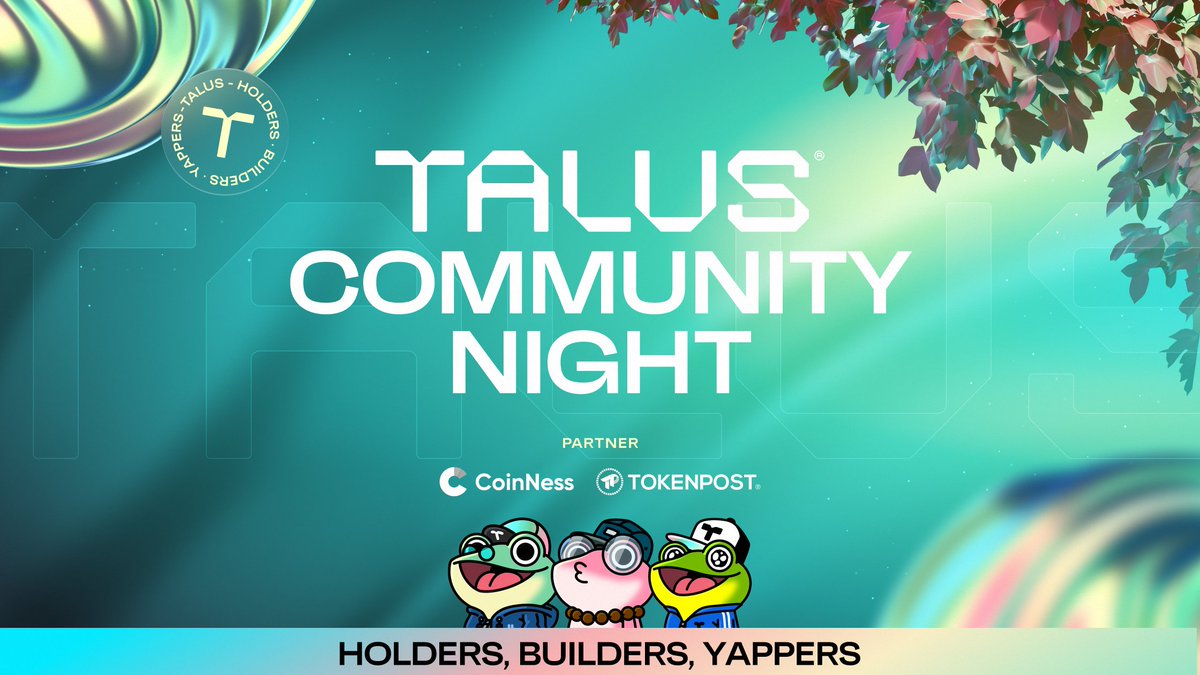
탈루스가 드디어 한국에 다시 옵니다! 무조건 방문하여 @Dave_GMI 가 이야기하는 탈루스가 만들어갈 AI 인프라 네트워크의 미래를 직접 들어보고 확인하겠습니다!
27 Nov 2025

1/3 Seoul, get ready! 🇰🇷
We're hosting Talus in Seoul: Community Night with media partners @coinness_kr @tokenpostkr
Join us Dec 2nd for this exclusive event to celebrate our community & recap 2025, including: AI insights, alpha, merch, a panel, drinks & a raffle 🐸
65
2
82
1,170
21 Nov 2025
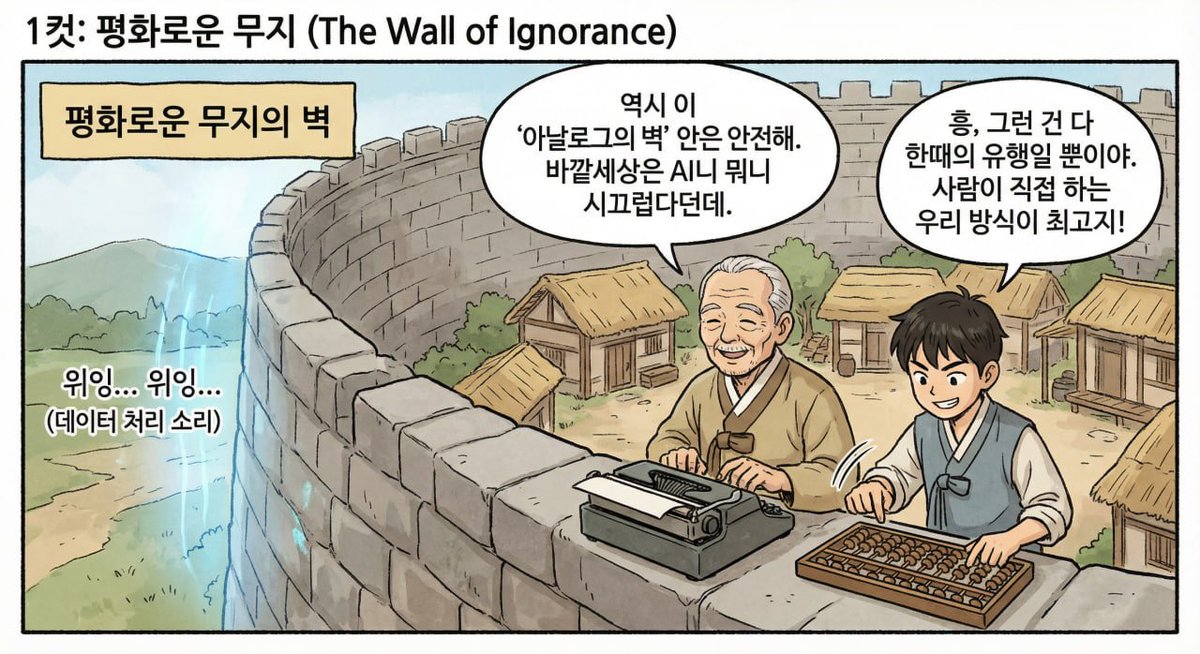
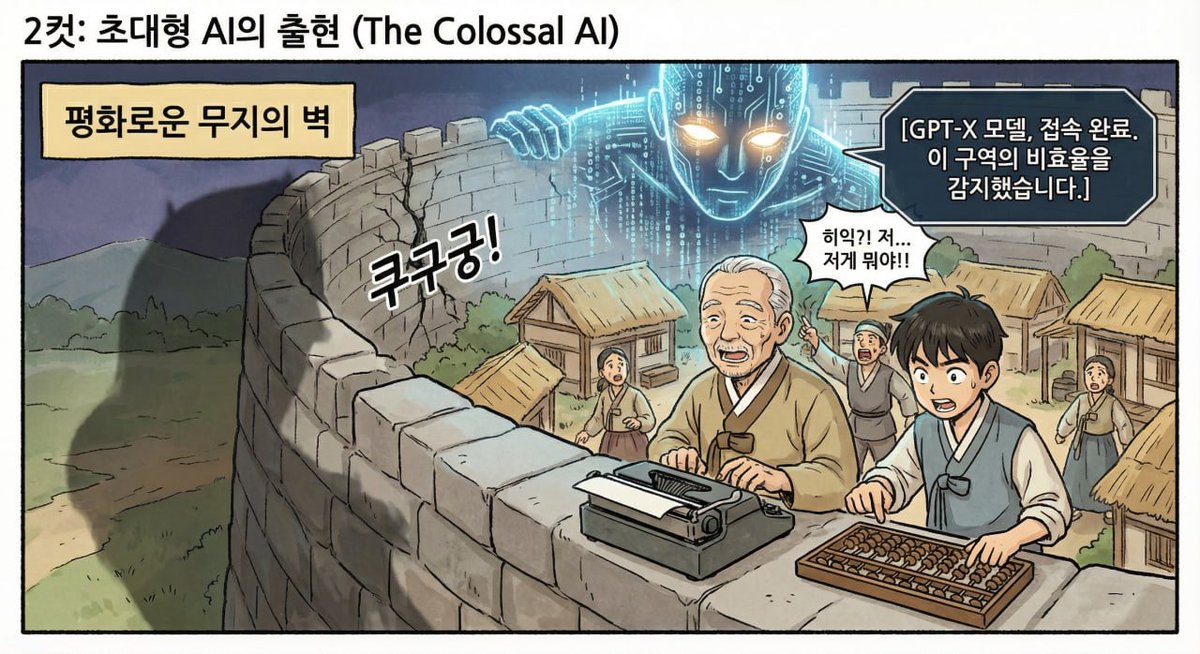
오늘 나노바나나 프로가 업데이트 되었어요.
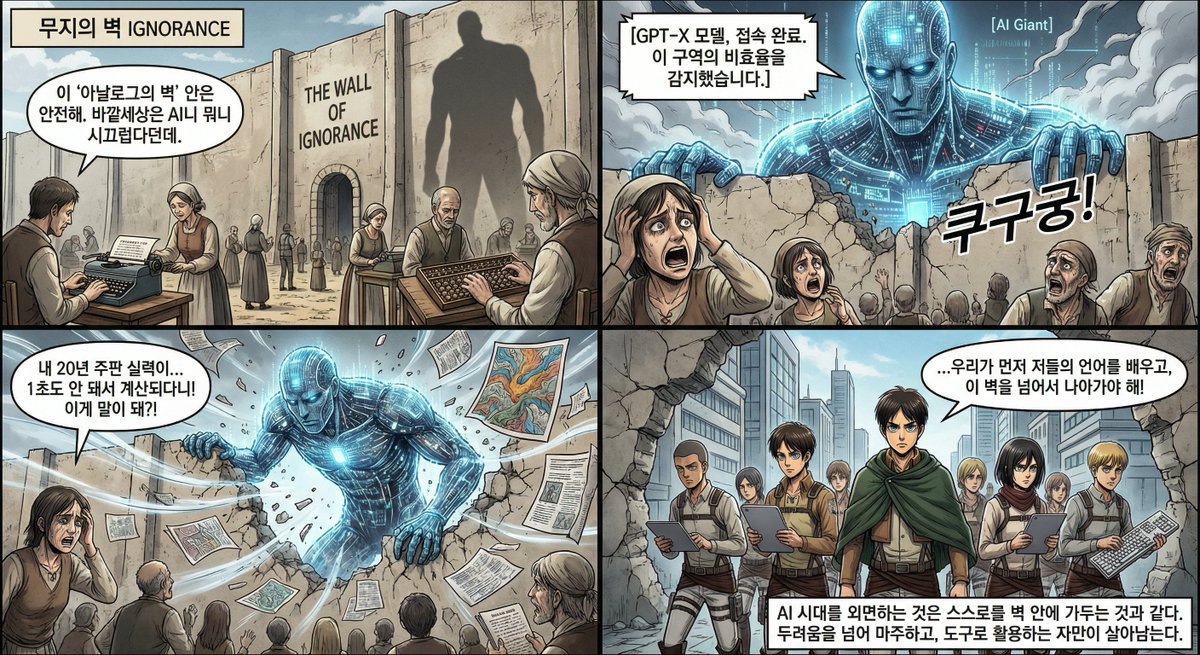
이제 더 이상 AI로 이미지에 텍스트를 입력하기 위해 어도비를 결제하고 포토샵을 키지 않아도 될 것 같아요. 음성, 이미지와 같은 멀티모달의 입출력 처리는 재미니3가 GPT나 끌로드와 비교했을 때 4수 정도 위에 있는 것 같습니다.
10분만에 네컷 만화를 만들어 봤습니다.
현재 유료 유저만 엑세스가 가능한 것으로 보이며 Pro/Ultra 결제 유저는 바로 쓰실 수 있습니다.
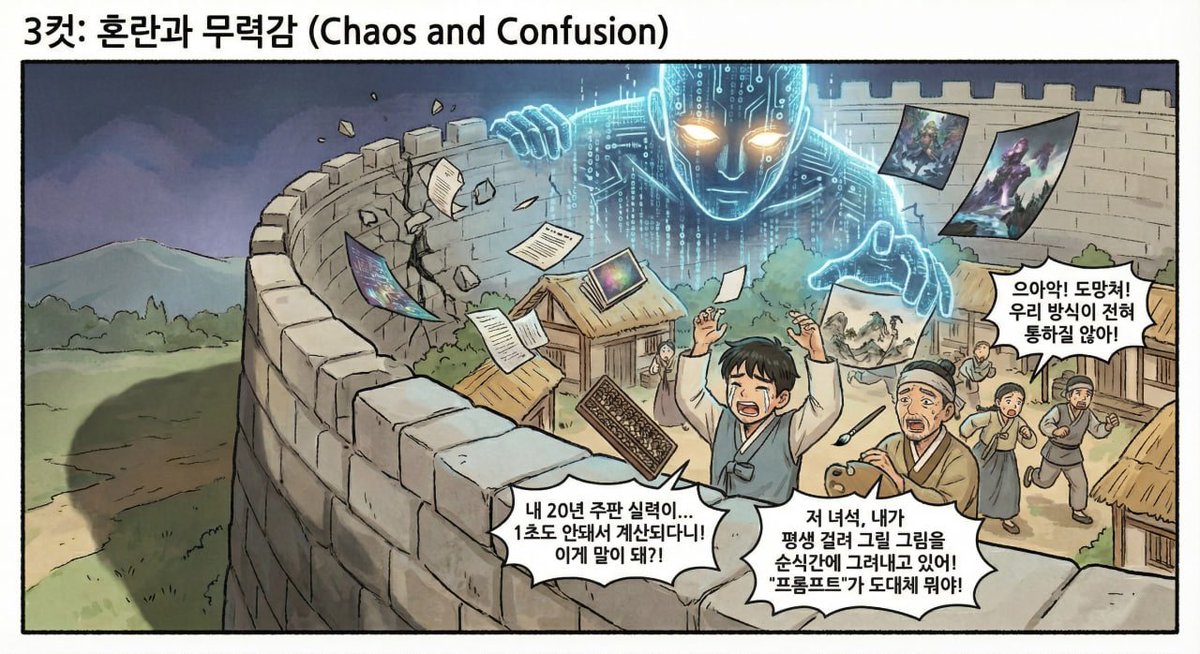
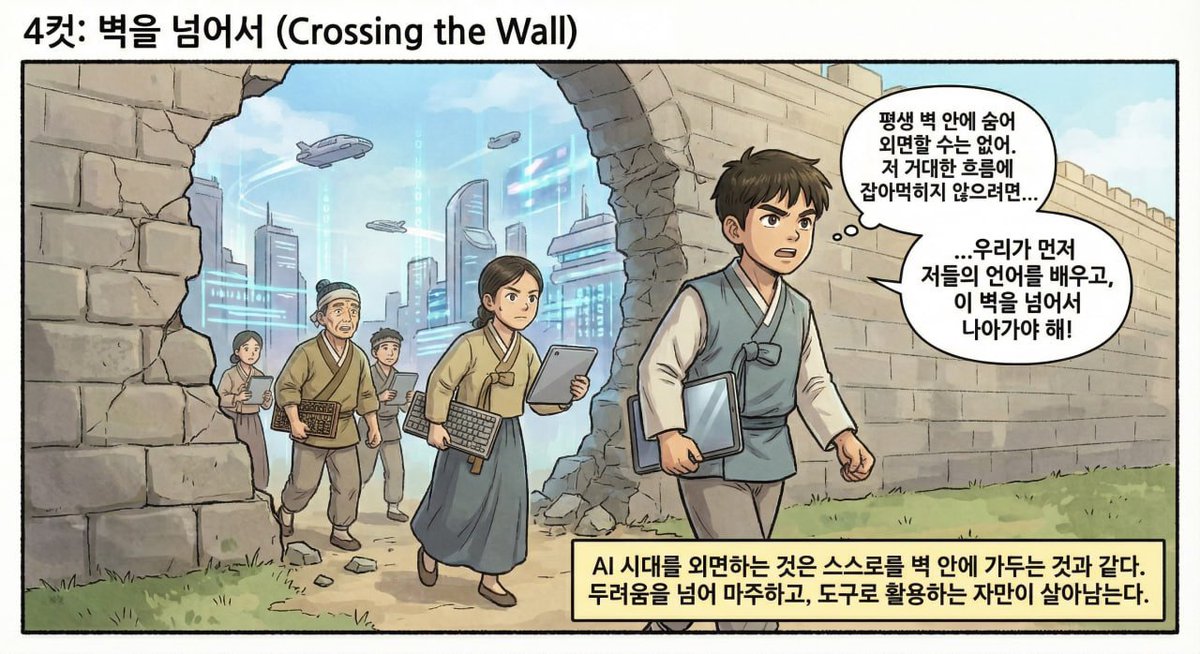
32
2
54
6,734