
Bitcoin mining hosting for serious investors. Own the hardware, receive Bitcoin directly to your wallet.
Joined September 2023
- Tweets 1,724
- Following 139
- Followers 1,872
- Likes 2,272
944 Photos and videos
Pinned Tweet

Jun 3
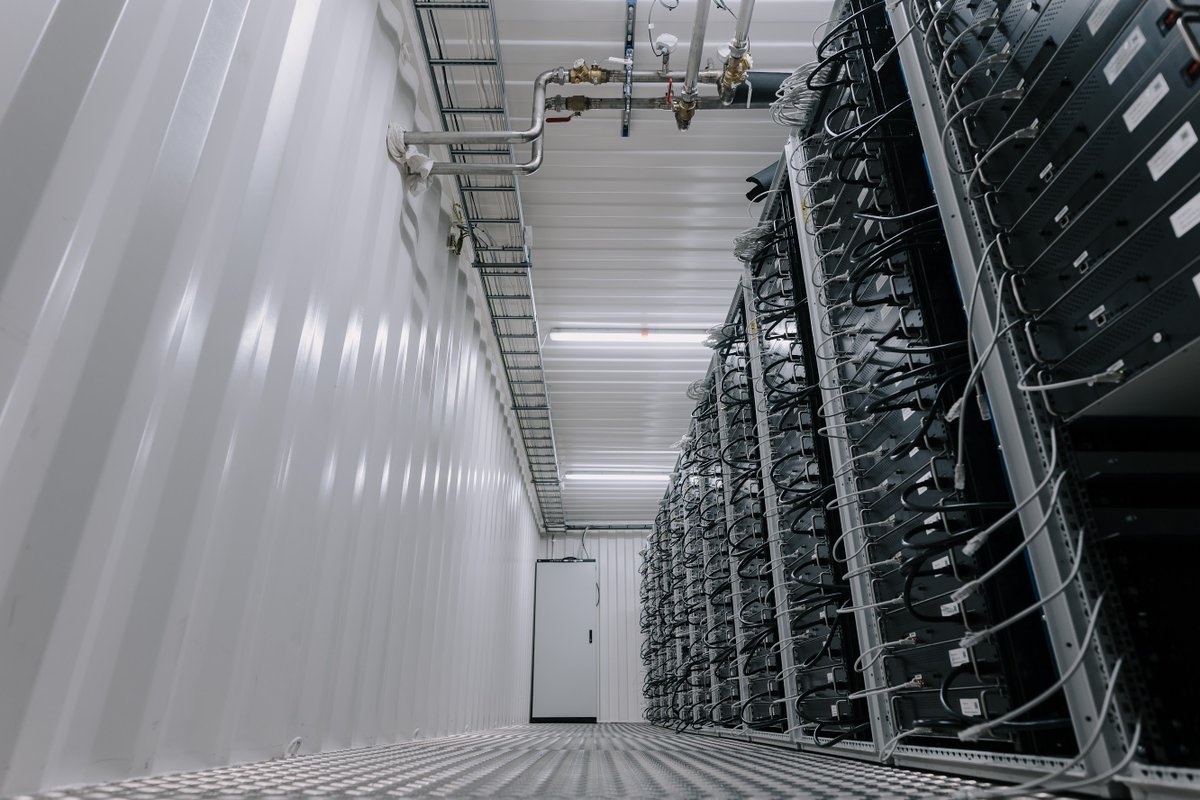
We just released our new client portal.
Our clients can now manage all their mining machines hosted with Hashlabs from one place.
3
4
10
1,099
$1.2 million.
That's what a group of investors collectively wired to a hosting operator in 2022 whose three "founders" had no LinkedIn profiles, no prior companies, and no photographs anywhere on the internet.
The website looked professional. The contract looked professional. The wire instructions cleared on a Tuesday.
By Friday the domain was offline.
Counterparty risk is the single biggest risk in mining hosting. Bigger than the price of Bitcoin. Bigger than difficulty. The operator stands between you and the machines producing your 0.00836 BTC a month.
Before you wire a cent, find the people. Search their names. Read the Trustpilot reviews line by line, not just the star count. Check the forums where angry clients post. Ask for references and actually call them.
Do this for Hashlabs too. We encourage it.
The operators who can't survive a Google search are telling you everything you need to know.
This is mistake one of nine.
1
1
2
45
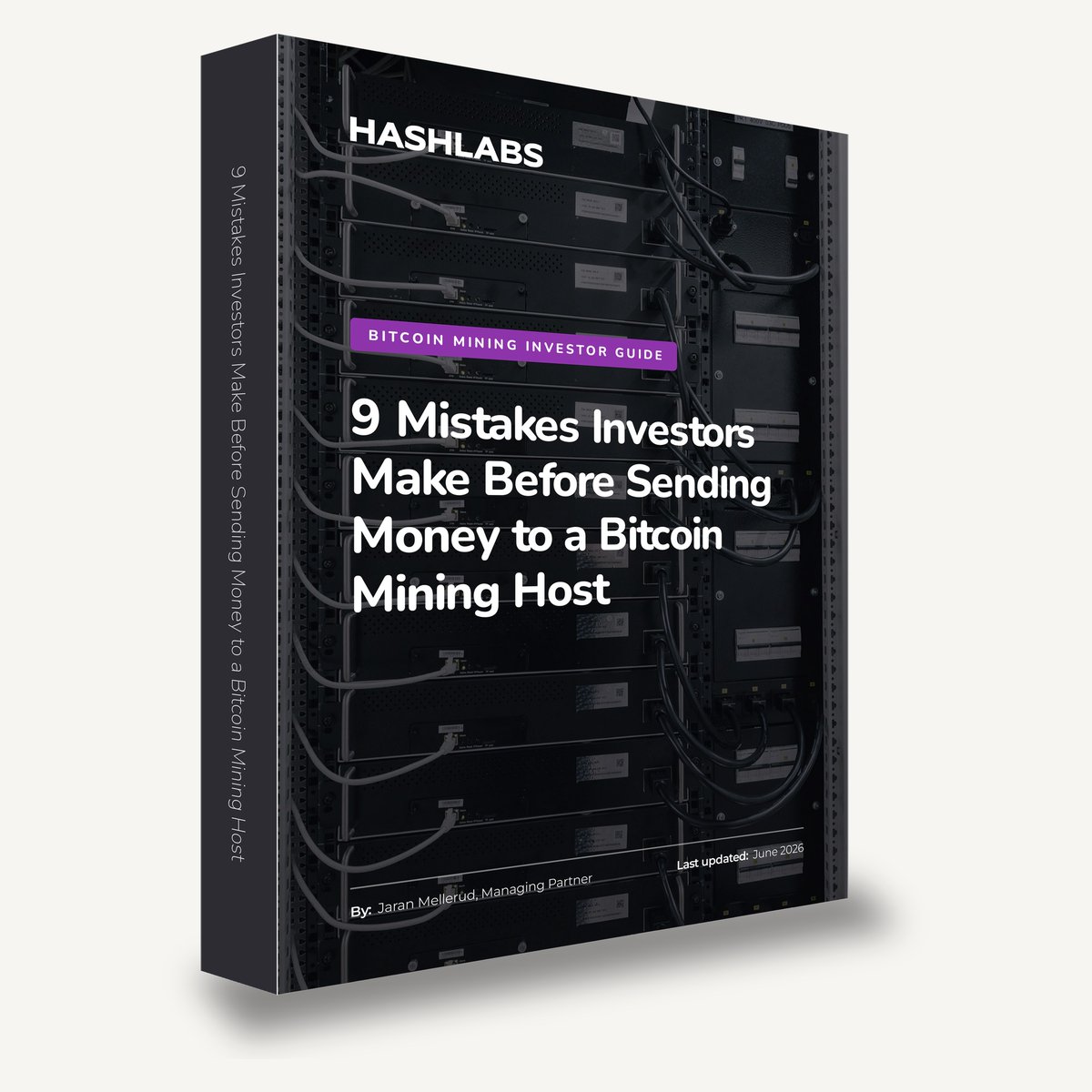
I documented the nine mistakes I see most often in these situations.
hashlabs.io/9-mistakes
35
The most expensive part of a mining investment is deciding to think about tax later.
Two investors buy the same 42 machines. Same $290,724 of hardware. Same Finland facility. Same 0.351 BTC produced every month.
One signs the contract personally. The other signs through a company.
By year two, the difference between them is six figures.
A mining machine is a depreciable business asset in most jurisdictions — in some, the full cost is deductible in year one. Hosting fees, maintenance, advisory costs all deductible against business income. Almost none of that works the same way when the machine is owned in your personal name.
The decision happens in one sentence on the contract. The consequence runs for the entire life of the hardware.
Get the accountant on the call before you wire the money, not after.
This is mistake nine of nine. Tax situations vary — speak to a qualified advisor before structuring anything.
The machines produce the same Bitcoin either way. Only one of you keeps it.
1
2
67
I documented the nine most common mistakes I see with mining investments.
hashlabs.io/9-mistakes
40
Most people spend forty years building an income that stops the day they do.
The smart ones spend a fraction of that buying machines that don't know what a weekend is.
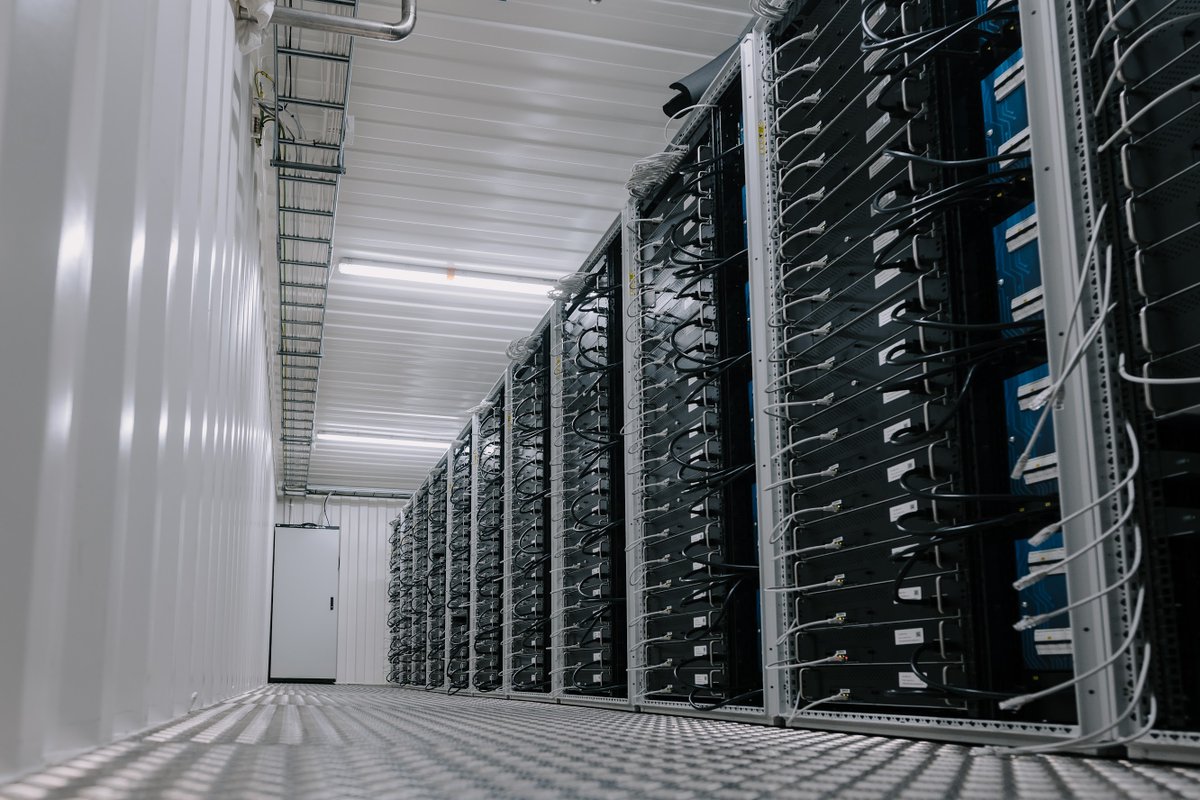
20 machines in Finland produced $10,513 last month. Two of those days, the owner was at his daughter's wedding.
The machines didn't notice.
1
104
Discover how passive income from mining actually works.
hashlabs.io
1
1
71
Every investor plans the entry. Almost none plan the exit.
In the US, there are hundreds of hosting sites and a liquid market for used machines. In a country with three mining sites and capital controls, your machines are worth what the guy down the road will pay. That's usually close to nothing.
Ask before you wire: if I want out in 12 months, who buys these?
This is mistake seven of nine.
1
2
2
100
This is mistake seven of nine. The full guide covers all →
hashlabs.io/9-mistakes
61
The best mining fortunes were built buying machines nobody wanted.
Cheap hardware. Falling difficulty. Empty hosting waitlists.
Everyone will want in at the next all-time high. By then the hardware is double the price and the slots are gone.
The quiet ones are buying right now.
1
5
219
Discover how to think differently about mining timing →
hashlabs.io
1
1
86
Jun 13
Most high earners pay tax. The clever ones buy producing assets and write them off.
A machine purchased today can often be depreciated heavily in year one. Same dollars that would have gone to the IRS now sit in our Finland facility, producing Bitcoin every day.
One WhatsMiner M73S costs $6,922. 42 of them is around $290,000 of hardware — and 42 of them produce 0.355 BTC every month.
The deduction lands once. The Bitcoin lands every day for years.
Your accountant writes the same cheque either way. The only question is who ends up with the asset at the end of it.
Tax situations vary. Talk to a qualified advisor before structuring anything.
Most people fund the government. A smaller group funds a wallet that prints in the background.
1
2
100
Jun 13
Ask a mining host to demo their client portal. Watch what happens.
Some will share a screen showing every machine, every invoice, every support ticket, every kWh consumed, line by line. Others will say the portal is "in development" and email you a spreadsheet once a month.
You are about to send six or seven figures into this business. The portal is how you verify what you own and what you paid for.
One WhatsMiner M73S consumes roughly 5,365 kWh in a month and produces 0.00841 BTC. If you cannot see those numbers per machine, in real time, you have no way of knowing whether your invoice is correct.
Hashlabs built a portal where every machine, every invoice, and every support ticket lives in one place. You pay only for power actually consumed. Machine down, meter stopped. Every line traceable.
This is mistake three of nine investors make before wiring money to a mining host.
The operators who can't show you a portal are showing you something. Believe them.
1
1
116
Jun 13
I documented all the red flags to watch for before committing capital.
hashlabs.io/9-mistakes
88
Jun 13
You plug a machine into a wall and the network sends you Bitcoin.
That's the entire business.
One WhatsMiner M73S in our Finland facility burns through 5,365 kWh in a month and produces 0.00836 BTC on the other side. About $526 walking straight out of a power socket.
No customer placed an order. No employee clocked in. No invoice was chased.
Gold miners dug money out of the ground. Central banks print it by decree. A small group of people worked out you can plug a machine into a wall and the network will issue it to you directly.
Most people will spend forty years trading hours for money. A smaller group trades property for rent. A very small group figured out the third option.
You either know about this, or you don't. The ones who know are already running machines.
2
1
100
Jun 13
3M cut its dividend by 54% in May 2024. Sixty-five years of "Dividend King" status, ended in a single Tuesday afternoon board meeting.
Shareholders found out by press release. The yield they had built their retirement around was gone before lunch.
Every dividend is a permission slip. A group of people sit around a table, look at the quarter's numbers, and decide what you're allowed to receive.
A mining machine in Finland doesn't ask a board. It produces 0.00836 BTC a month because the Bitcoin protocol says it does. No quarterly earnings call. No activist investor. No CFO rewriting the capital allocation policy on a Tuesday.
The reward is paid in the one asset that cannot be diluted by vote. 21 million Bitcoin. Ever.
Your dividend depends on someone else's decision. Your block reward depends on physics.
One of those can be cut in half by press release. The other has been running uninterrupted for sixteen years.
1
1
85
Jun 13
5%.
That's the price increase hidden inside a "95% uptime guarantee."
Read the contract. The credits only start once uptime drops BELOW 95%. At exactly 95%, you are billed for 100% of the time the machine was supposed to be running.
A headline rate of $0.070/kWh quietly becomes $0.0735/kWh. Across 50 machines, across three years, the operator just took several thousand dollars out of your wallet and called it a customer protection feature.
It's almost ingenious. They packaged a client downside as a marketed advantage, printed it on the brochure, and got investors to thank them for it.
A fair billing model is simpler. You pay for power actually consumed. Machine down, meter stopped. No fictional uptime assumption built into the rate.
One WhatsMiner M73S consumes around 5,365 kWh in a month at our Finland facility. You should be billed for those kWh — not for a number an operator decided sounded reassuring on a slide.
This is mistake four of nine investors make before wiring money to a mining host.
The uptime guarantee isn't protecting you. It's protecting them.
1
1
2
143
Jun 13
I documented nine of these buried clauses. Worth reviewing before committing.
hashlabs.io/9-mistakes
1
84