
Chief Commercial Officer at Function Health & Ezra AI, Health Tech Investor, Non Exec, Cleo AI, Founder of Eastnine, Albion, Tribal.
Joined February 2009
- Tweets 2,725
- Following 1,950
- Followers 2,513
- Likes 1,537
91 Photos and videos

Jason Goodman retweeted

22 Oct 2024
MRI saved my life. It may save yours too.
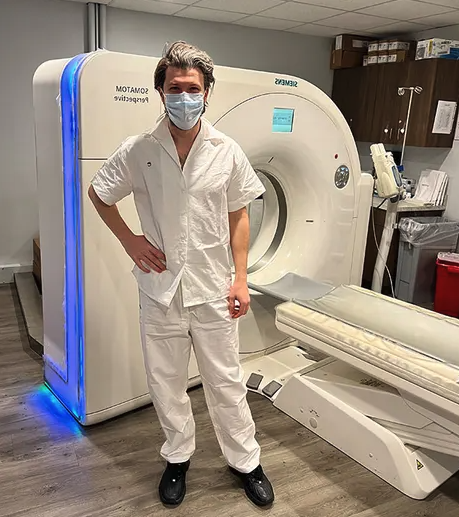
I’m excited to announce the world's best full-body MRI protocol in partnership with @ezrainc. This Blueprint MRI includes everything I’ve learned over the past four years becoming the most MRI-measured person in the world. This is me👇
111
132
2,623
611,264
Jason Goodman retweeted

29 Mar 2024
I just got my full body scanned for cancer.
Other than having a minor panic attack, while inside of the MRI, the experience was FASCINATING.
I documented the entire process as well as my convo with one of the founders (@emigal) working tirelessly to make early cancer detection widely accessible.
Check out the full YT video below 👇
21
9
188
99,614
Jason Goodman retweeted

6 Mar 2024
You can simply decide to do big things.
6 Mar 2024

12
12
96
32,242
Jason Goodman retweeted

6 Mar 2024
AI saving lives!
This week's episode of the MAD Podcast🎙️features @ezrainc Founder @emigal - using AI to stop cancer through early detection
Full episode:
Youtube: tinyurl.com/2e9phaz2
Spotify: tinyurl.com/ef4jhxmx
Apple: tinyurl.com/mrxxbwph
5
6
26
19,667

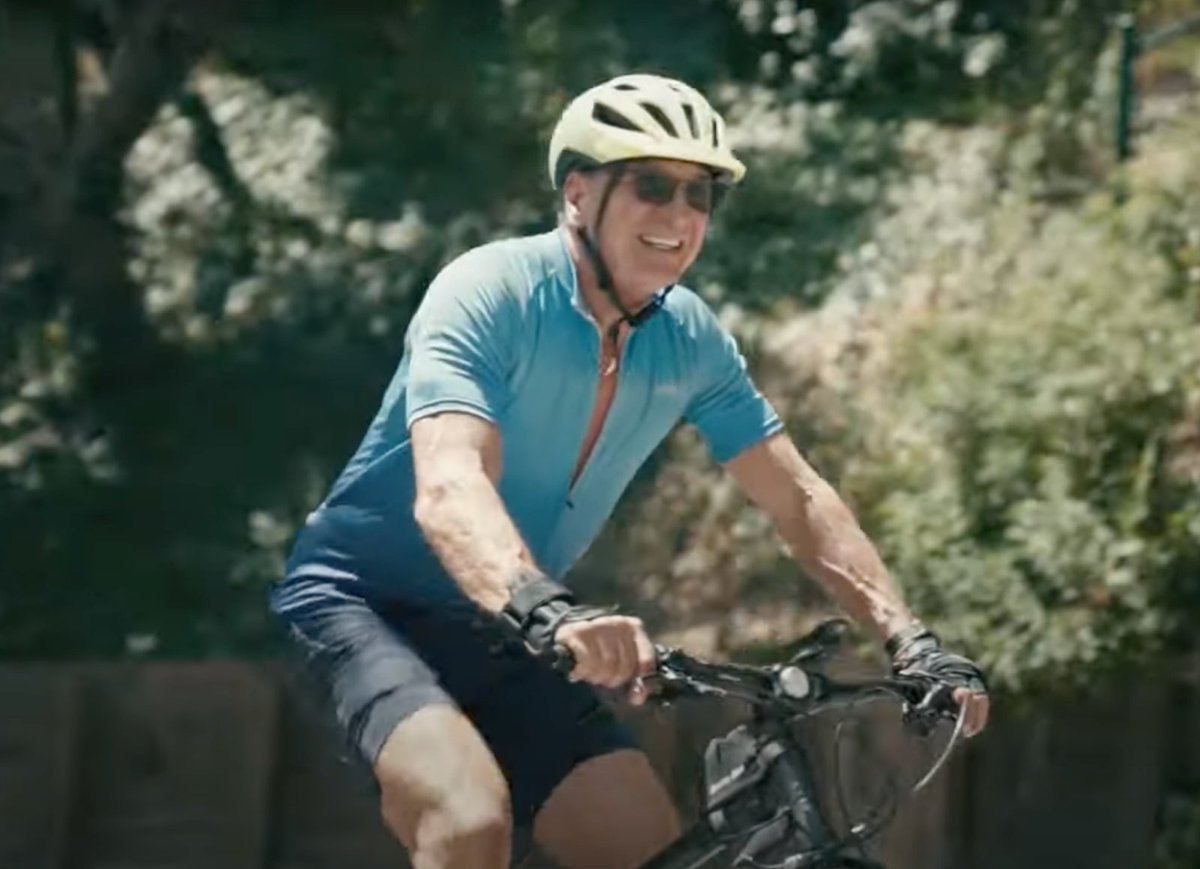
Meet one of our @ezrainc members:
Sam’s doctor told him he was the healthiest 72 year old he had ever seen. He has run well over 200 marathons in his life, and conquered 10 ironman competitions.
Even though he showed no symptoms, exercised regularly and ate healthy, his doctor thought it wise to get scanned for cancer. Sam agreed. He came to us and had his Ezra scan in June, 2023.
The Ezra scan revealed numerous tumors in both kidneys - what looked like Stage 3 Kidney Cancer.
The 5-survival rate for Stage 4 Kidney Cancer is 15%.
The 5-survival rate for Stage 3 Kidney Cancer is 75%.
Last year, Sam successfully underwent surgery which removed 9 cancerous tumors from his left kidney.
An update from Sam after the surgery found that he in fact had a rare hybrid cancer variety, Birt-Hogg-Dubé syndrome (BHD). Luckily, the resulting tumor type is slow growing, but both his surgeon and PCP said that if left untreated for a couple more years, his largest tumor would likely have resulted in his early death.
Get scanned, it could save your life.
5
6
61
8,843
Every one of these 23 tweets is worth spending an hour contemplating upon.
26 Feb 2024

23 pieces of career advice I wish I’d known earlier.
Whether you’re just starting out, looking to make a big change, or aiming to reach new heights in your current role, I hope you’ll find something here that helps you navigate your own unique path:
2
7
2,012
Excited to announce that @ezrainc has raised $21 million in a round led by Amir Dan Rubin from Healthier Capital. Prior to starting Healthier Capital Amir was CEO of Amazon's One Medical, and is one of the most accomplished healthcare entrepreneurs in the US. The round was co-led by @rick from @FirstMarkCap.
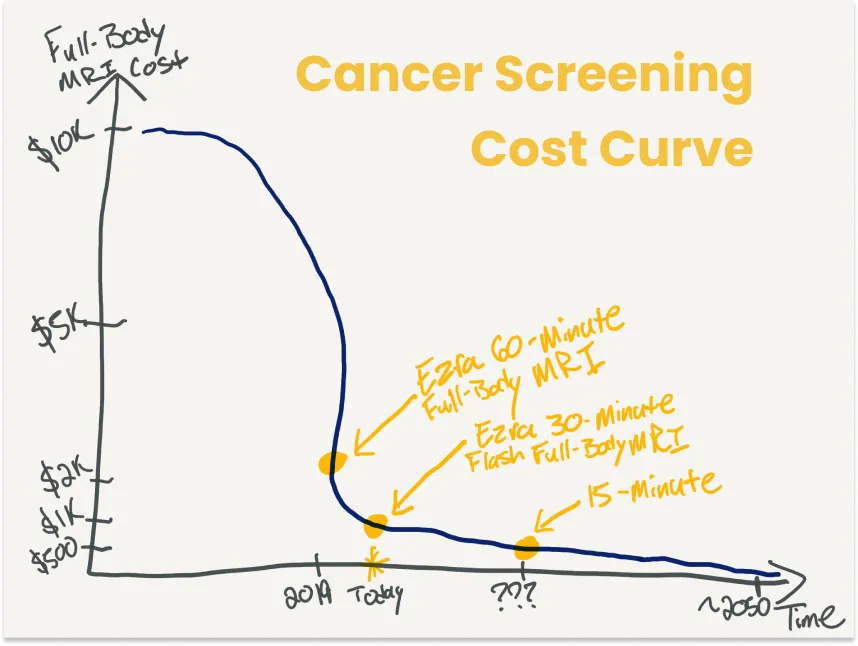
We will be using the new funding to double down on our AI efforts and continue investing in our master plan - offering a 15-minute full body MRI priced at $500. We've recently had a number of AI breakthroughs that give me confidence we will get there within the next 2 to 3 years.
We've also added a number of incredible investors to the cap table - Allianz Life Ventures (venture arm of Allianz Insurance Group), the Schwarzman family, the former Chairman of England’s NHS Lord David Prior, and a number of others (see full list in the blog post in the next tweet).
This year, 10 million people will be diagnosed with late-stage cancer. Our ambition at Ezra is to help all these individuals find cancer early, when it's most curable. It has been 5 years since I started the company, but it still feels like Day 1. Let's go!
Read the full announcement in the next tweet.
45
17
261
81,322
My wife launched @hello_kahla last year, and recently started documenting what it's like to be a female founder in tech. Strongly recommend you read & subscribe!
30 Jan 2024

I'm back to long-form writing which has always been my favorite way of expressing my thoughts. This is part one of a five-part series on what I've learned while building @hellokahla:
sabinagal.com/p/start-up-ser…
1
10
1,320
Early detection is our best chance at beating cancer.
The @ezrainc Full Body MRI can help you screen for cancer in 13 organs.
The most frequent question I get when talking about what we do at Ezra, is how we handle false positives. Here’s what we do:
Incidental findings can lead to unnecessary follow-up procedures and cause anxiety and potentially harm (if invasive). At Ezra, we aim to reduce unnecessary follow-up procedures as much as possible.
I’ll get into that shortly, but first - some background:
I started Ezra because I am personally at high risk for cancer.
I lost my mother to metastatic cancer. Had my mother’s cancer been detected early, she would likely have survived.
How do I know this? The data speaks for itself 👇
Early detection of cancer improves survival rates dramatically.
For example, kidney cancer has a 5-year survival rate of 93% if detected early. This plummets to 14% if caught late. The difference is stark.
The notion that full body MRI screenings lead to unnecessary procedures isn’t entirely untrue. However, the crux lies in how we manage those incidental findings.
And that’s where Ezra shines.
We have a 3-step approach:
1. Detect
2. Interpret
3. Guide
Our approach helps us to avoid sending patients down unnecessary rabbit holes, and our AI — Ezra Reporter — helps minimize anxiety by converting radiology reports into consumer-friendly, lay term reports.
Ezra Reporter sifts through thousands of radiology findings, curates them, and provides actionable next steps. Plus, every Ezra member gets to speak with our on-staff medical providers.
Furthermore, each report has 3 components:
1/ E-SCORE
Every finding get’s ranked by our AI (and signed off by medical providers). It’s a scale of 1-5.
1 being informative, 5 being critical and emergent.
Depending on your E-SCORE, we determine what should be done.
2/ Longitudinal monitoring
Scanning at regular intervals minimizes unnecessary follow-up.
By comparing data from annual scans, we can confidently rule out many conditions that would otherwise require invasive procedures.
3/ Non-invasive follow-up
E-SCORES of 4 and 5 generally require follow-up.
We always recommend a follow-up diagnostic scan before any invasive procedure. This helps prevent unnecessary biopsies or other invasive procedures
I had to go through one of these myself.
A few years ago, I discovered an indeterminate liver lesion. My annual Ezra full body MRI scan enabled me to monitor it over time, and it has remained stable over multiple years. No surgeries.
When it comes to full body cancer screening, the focus should be on high quality imaging, accurate interpretation, informed action, and diligent follow-up. Nobody comes close to @ezrainc on these fronts.
Thanks for reading.
Personally, I believe we have a cure for cancer: it’s early detection.
I’ve written about the topic at more length on my blog: emigal.com/2023/04/04/on-inc…
28
11
83
127,948
Pertinent overview of the Full Body MRI space in today's @axios Pro Rata. Love seeing the category growing - last week Kim Kardashian, this week @danprimack 😄.
axios.com/newsletters/axios-…
4
6
2,812
Excited about this partnership, and thank you for being an Ezra member @lennysan!
14 Aug 2023

Welcome new podcast partner @EzraInc—The leading full-body cancer screening company 🙌
As a bonus, the fine folks at Ezra are providing one full-body scan (at no cost) to a lucky listener. Just subscribe to my newsletter and fill out the form below.
Good luck!
1
2
8
1,396
I grew up in post-communist '90s Romania. My parents were factory workers.
Today, I run a company that's saving people's lives every week.
Nowhere else would this have been possible than the United States of America.
Happy Independence Day 🇺🇸
3
3
104
11,324
Really good article by @jessica_rendall on @CNET, about the Full Body MRI space. She covers:
✅ what doctors think about full body MRIs
✅ how @ezrainc uses AI across the entire screening process
✅ what's needed to make FB scans standard of care
cnet.com/health/medical/full…
2
4
650
Ezra Full Body Flash is now live at the majority of our facilities. The world's first 30-minute Full Body MRI, priced at $1,350.
You can sign up here: ezra.com/pricing
4
2
52
4,141
Given this is a significant milestone for Ezra, we wanted to tell our story in depth and lay out our master plan in detail.
So I'm thrilled that @packyM has agreed to write a deep dive on Ezra. It went up this morning, and it's a thing of beauty:
notboring.co/p/ezra-the-ques…
3
4
34
5,155
Packy is the absolute GOAT, and I had so much fun seeing his process writing this 👇👏👇
1 Jun 2023
Early-stage cancer has an 80% survival rate, compared to <20% for late-stage cancer.
Early detection might be the cure.
Thankfully, cancer screening is on its own Moore's Law-like cost curve thanks in large part to Ezra.
1
4
22
4,135
Jason Goodman retweeted
1 Jun 2023
Early-stage cancer has an 80% survival rate, compared to <20% for late-stage cancer.
Early detection might be the cure.
Thankfully, cancer screening is on its own Moore's Law-like cost curve thanks in large part to Ezra.
18
31
514
271,447
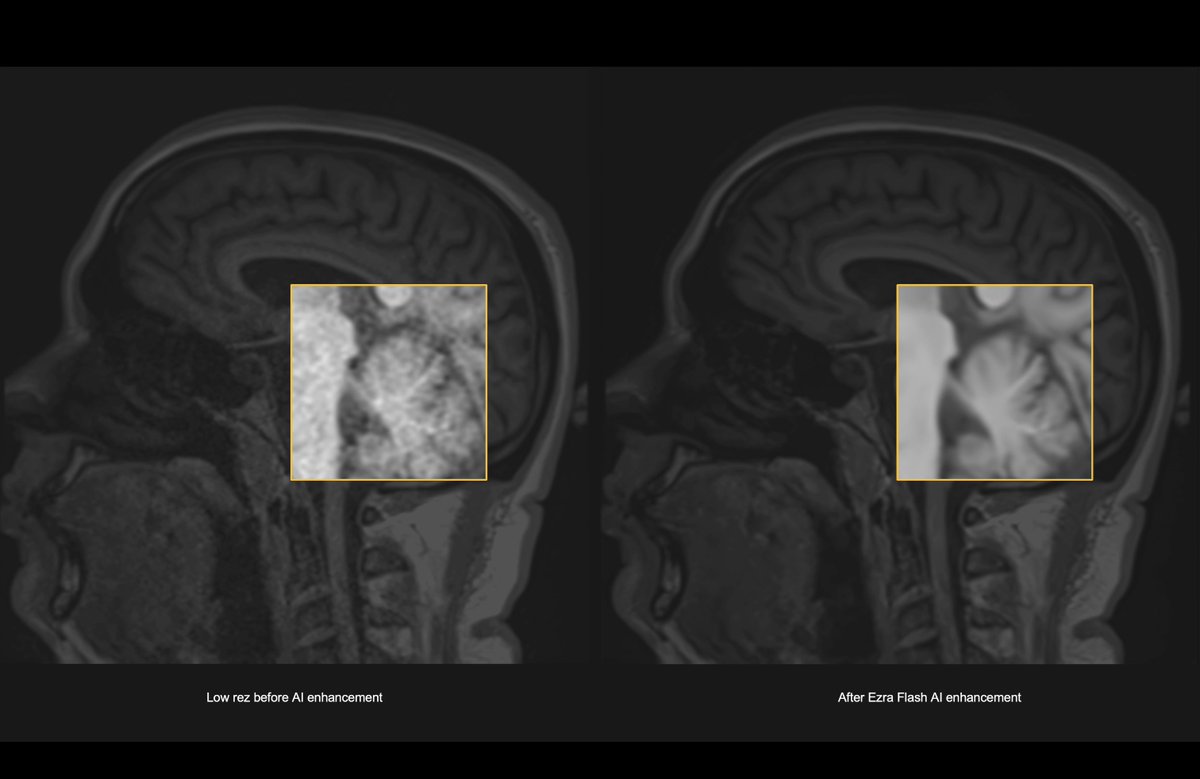
This new AI reduces noise and improves the quality of MRI images, enabling us to create a scanning protocol with twice the speed and same image quality.
This creates cost savings for Ezra, and we're passing these cost savings to our customers.
2
1
29
3,686

1 Jun 2023
Its such a good day today - excited to announce that @ezrainc has received 510(k) FDA clearance for Ezra Flash AI, enabling us to roll out the world’s first 30-minute full body MRI. read more from @emigal and book a scan here: ezra.com/blog/the-secret-ezr…
135