
Bredt Family Professor of Computer Science and Engineering, @UMich: Security and privacy, election security, and Internet freedom. Co-founded @LetsEncrypt
Joined December 2009
- Tweets 635
- Following 608
- Followers 12,306
- Likes 2,283
62 Photos and videos
Pinned Tweet

14 Jun 2023
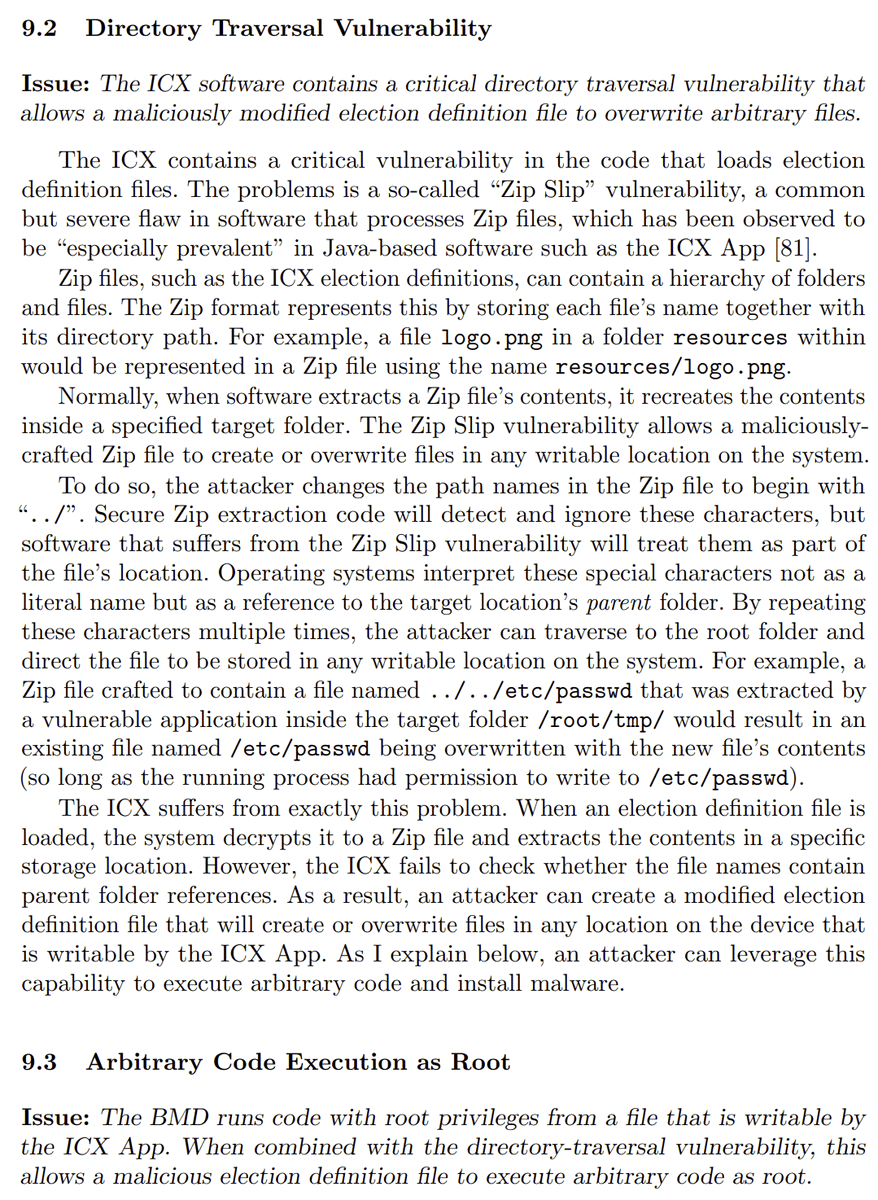
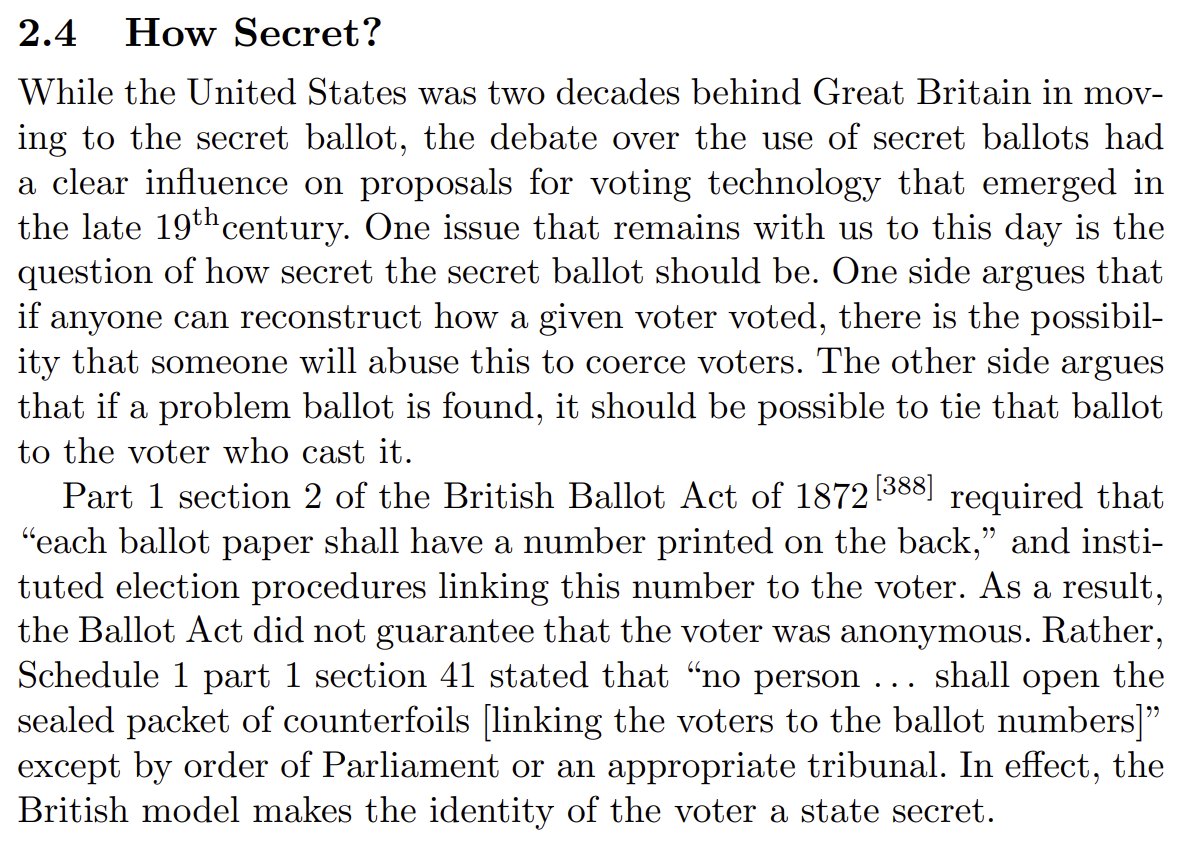
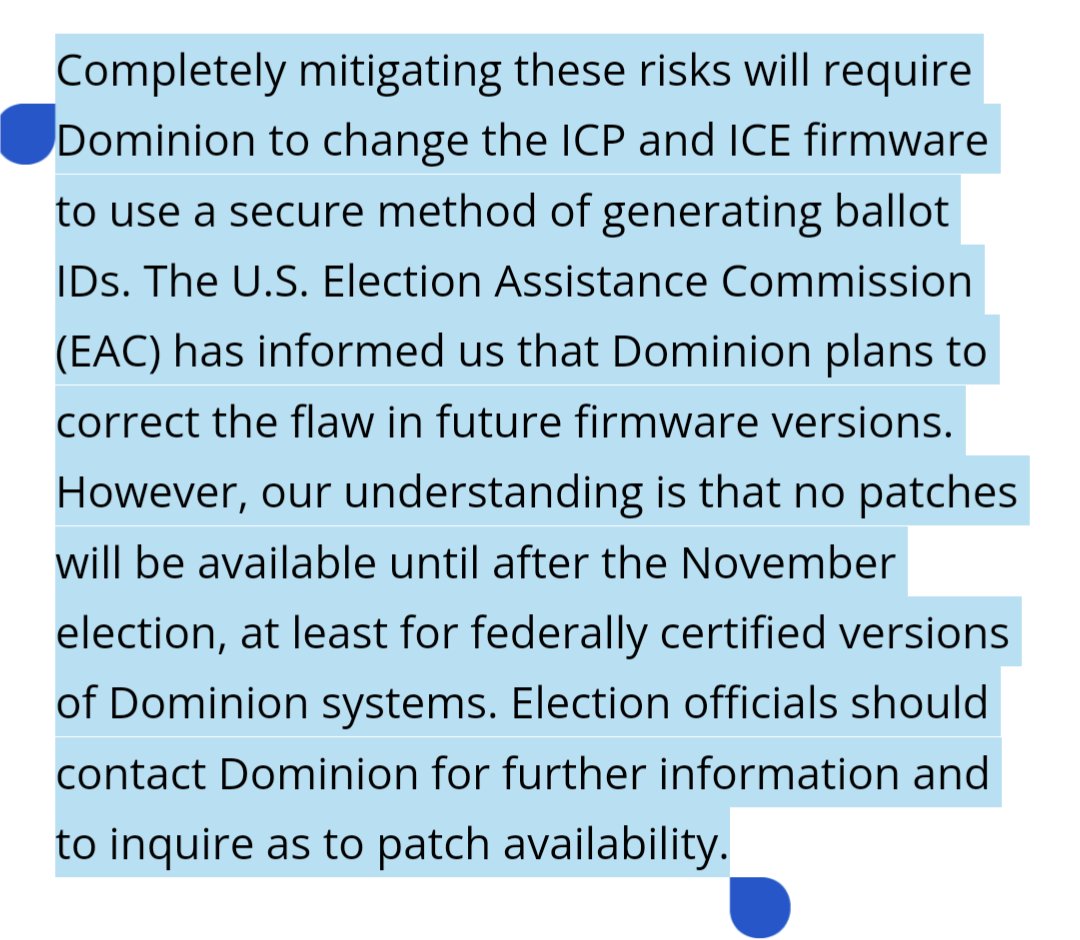
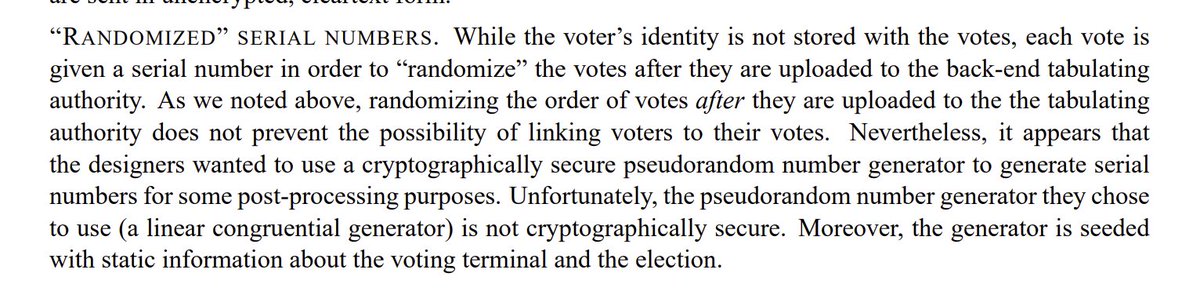
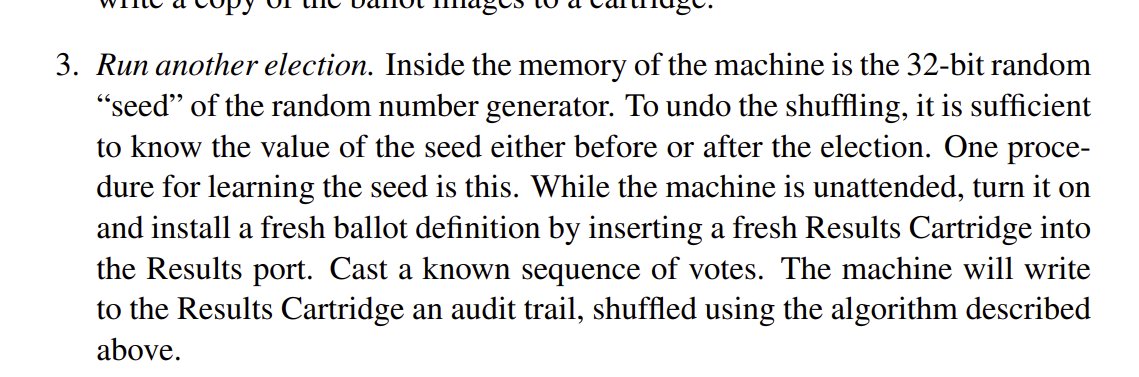
Today, the Federal District Court for the Northern District of Georgia unsealed a 96-page report that I wrote w/ Prof. @_aaspring_ from @AuburnU. It describes serious vulnerabilities we found in Georgia's Dominion ImageCast X ballot marking devices.
storage.courtlistener.com/re…
1
2,401
3,713
334,520
J. Alex Halderman retweeted

Feb 27
I stopped using ChatGPT a few months ago. Since then, I have been only using oa-chat. All chat history is stored locally. Each query is sent to OpenAI under a temporary key which is unlinkable to any other query. I’m not a privacy nut, but oa-chat is such a convenient drop-in replacement for your favorite AI assistant that there’s no reason not to try it out.
Feb 26

Can we build a blind, *unlinkable inference* layer where ChatGPT/Claude/Gemini can't tell which call came from which users, like a “VPN for AI inference”?
Yes! Blog post below we built it into open source infra/chat app and served >15k prompts at Stanford so far. How it helps with AI user privacy:
# The AI user privacy problem
If you ask AI to analyze your ChatGPT history today, it’s surprisingly easy to infer your demographics, health, immigration status, and political beliefs. Every prompt we send accumulates into an (identity-linked) profile that the AI lab controls completely and indefinitely. At a minimum this is a goldmine for ads (as we know now). A bigger issue is the concentration of power: AI labs can easily become (or asked to become) a Cambridge Analytica, whistleblow your immigration status, or work with health insurance to adjust your premium if they so choose.
This is a uniquely worse problem than search engines because your average query is now more revealing (not just keywords), interactive, and intelligence is now cheap. Despite this, most of us still want these remote models; they’re just too good and convenient! (this is aka the "privacy paradox".)
# Unlinkable inference as a user privacy architecture
The idea of unlinkable inference is to add privacy while preserving access to the remote models controlled by someone else. A “privacy wrapper” or “VPN for AI inference”, so to speak.
Concretely, it’s a blind inference middle layer that:
(1) consists of decentralized proxies that anyone can operate;
(2) blindly authenticates requests (via blind signatures / RFC9474,9578) so requests are provably sandboxed from each other and from user identity;
(3) relays prompts over randomly chosen proxies that don’t see or log traffic (via client-side ephemeral keys or hosting in TEEs); and
(4) the provider simply sees a mixed pool of anonymous prompts from the proxies. No state, pseudonyms, or linkable metadata.
If you squint, an unlinkable inference layer is essentially a vendor for per-request, anonymous, ephemeral AI access credentials (for users or agents alike). It partitions your context so that user tracking is drastically harder.
Obviously, unlinkability isn’t a silver bullet: the prompt itself still goes to the remote model and can leak privacy (so don't use our chat app for a therapy session!). It aims to combat *longitudinal tracking* as a major threat to user privacy, and its statistical power increases quickly by mixing more users and requests.
Unlinkability can be applied at any granularity. For an AI chat app, you can unlinkably request a fresh ephemeral key for every session so tracking is virtually impossible.
# The Open Anonymity Project
We started this project with the belief that intelligence should be a truly public utility. Like water and electricity, providers should be compensated by usage, not who you are or what you do with it. We think unlinkable inference is a first step towards this “intelligence neutrality”.
# Try it out! It’s quite practical
- Chat app “oa-chat”: chat.openanonymity.ai/
(<20 seconds to get going)
- Blog post that should be a fun read: openanonymity.ai/blog/unlink…
- Project page: openanonymity.ai/
- GitHub: github.com/OpenAnonymity

22
78
897
148,291
J. Alex Halderman retweeted
Feb 26
How can users enjoy the benefits of frontier AI without falling into a privacy dystopia? Ken and my PhD student Erik Chi are charting a path to a solution, based on ideas of unlikable inference and private personal intelligence. Try what they've built at openanonymity.ai.
Feb 26
Can we build a blind, *unlinkable inference* layer where ChatGPT/Claude/Gemini can't tell which call came from which users, like a “VPN for AI inference”?
Yes! Blog post below we built it into open source infra/chat app and served >15k prompts at Stanford so far. How it helps with AI user privacy:
# The AI user privacy problem
If you ask AI to analyze your ChatGPT history today, it’s surprisingly easy to infer your demographics, health, immigration status, and political beliefs. Every prompt we send accumulates into an (identity-linked) profile that the AI lab controls completely and indefinitely. At a minimum this is a goldmine for ads (as we know now). A bigger issue is the concentration of power: AI labs can easily become (or asked to become) a Cambridge Analytica, whistleblow your immigration status, or work with health insurance to adjust your premium if they so choose.
This is a uniquely worse problem than search engines because your average query is now more revealing (not just keywords), interactive, and intelligence is now cheap. Despite this, most of us still want these remote models; they’re just too good and convenient! (this is aka the "privacy paradox".)
# Unlinkable inference as a user privacy architecture
The idea of unlinkable inference is to add privacy while preserving access to the remote models controlled by someone else. A “privacy wrapper” or “VPN for AI inference”, so to speak.
Concretely, it’s a blind inference middle layer that:
(1) consists of decentralized proxies that anyone can operate;
(2) blindly authenticates requests (via blind signatures / RFC9474,9578) so requests are provably sandboxed from each other and from user identity;
(3) relays prompts over randomly chosen proxies that don’t see or log traffic (via client-side ephemeral keys or hosting in TEEs); and
(4) the provider simply sees a mixed pool of anonymous prompts from the proxies. No state, pseudonyms, or linkable metadata.
If you squint, an unlinkable inference layer is essentially a vendor for per-request, anonymous, ephemeral AI access credentials (for users or agents alike). It partitions your context so that user tracking is drastically harder.
Obviously, unlinkability isn’t a silver bullet: the prompt itself still goes to the remote model and can leak privacy (so don't use our chat app for a therapy session!). It aims to combat *longitudinal tracking* as a major threat to user privacy, and its statistical power increases quickly by mixing more users and requests.
Unlinkability can be applied at any granularity. For an AI chat app, you can unlinkably request a fresh ephemeral key for every session so tracking is virtually impossible.
# The Open Anonymity Project
We started this project with the belief that intelligence should be a truly public utility. Like water and electricity, providers should be compensated by usage, not who you are or what you do with it. We think unlinkable inference is a first step towards this “intelligence neutrality”.
# Try it out! It’s quite practical
- Chat app “oa-chat”: chat.openanonymity.ai/
(<20 seconds to get going)
- Blog post that should be a fun read: openanonymity.ai/blog/unlink…
- Project page: openanonymity.ai/
- GitHub: github.com/OpenAnonymity
4
7
956
J. Alex Halderman retweeted

Feb 26
Can we build a blind, *unlinkable inference* layer where ChatGPT/Claude/Gemini can't tell which call came from which users, like a “VPN for AI inference”?
Yes! Blog post below we built it into open source infra/chat app and served >15k prompts at Stanford so far. How it helps with AI user privacy:
# The AI user privacy problem
If you ask AI to analyze your ChatGPT history today, it’s surprisingly easy to infer your demographics, health, immigration status, and political beliefs. Every prompt we send accumulates into an (identity-linked) profile that the AI lab controls completely and indefinitely. At a minimum this is a goldmine for ads (as we know now). A bigger issue is the concentration of power: AI labs can easily become (or asked to become) a Cambridge Analytica, whistleblow your immigration status, or work with health insurance to adjust your premium if they so choose.
This is a uniquely worse problem than search engines because your average query is now more revealing (not just keywords), interactive, and intelligence is now cheap. Despite this, most of us still want these remote models; they’re just too good and convenient! (this is aka the "privacy paradox".)
# Unlinkable inference as a user privacy architecture
The idea of unlinkable inference is to add privacy while preserving access to the remote models controlled by someone else. A “privacy wrapper” or “VPN for AI inference”, so to speak.
Concretely, it’s a blind inference middle layer that:
(1) consists of decentralized proxies that anyone can operate;
(2) blindly authenticates requests (via blind signatures / RFC9474,9578) so requests are provably sandboxed from each other and from user identity;
(3) relays prompts over randomly chosen proxies that don’t see or log traffic (via client-side ephemeral keys or hosting in TEEs); and
(4) the provider simply sees a mixed pool of anonymous prompts from the proxies. No state, pseudonyms, or linkable metadata.
If you squint, an unlinkable inference layer is essentially a vendor for per-request, anonymous, ephemeral AI access credentials (for users or agents alike). It partitions your context so that user tracking is drastically harder.
Obviously, unlinkability isn’t a silver bullet: the prompt itself still goes to the remote model and can leak privacy (so don't use our chat app for a therapy session!). It aims to combat *longitudinal tracking* as a major threat to user privacy, and its statistical power increases quickly by mixing more users and requests.
Unlinkability can be applied at any granularity. For an AI chat app, you can unlinkably request a fresh ephemeral key for every session so tracking is virtually impossible.
# The Open Anonymity Project
We started this project with the belief that intelligence should be a truly public utility. Like water and electricity, providers should be compensated by usage, not who you are or what you do with it. We think unlinkable inference is a first step towards this “intelligence neutrality”.
# Try it out! It’s quite practical
- Chat app “oa-chat”: chat.openanonymity.ai/
(<20 seconds to get going)
- Blog post that should be a fun read: openanonymity.ai/blog/unlink…
- Project page: openanonymity.ai/
- GitHub: github.com/OpenAnonymity
63
156
833
383,914
J. Alex Halderman retweeted
26 Mar 2025
I'm in DC the rest of this week for the Election Verification Network conference. Ping me if you want to say 👋
7
1
5
1,117
25 Mar 2025
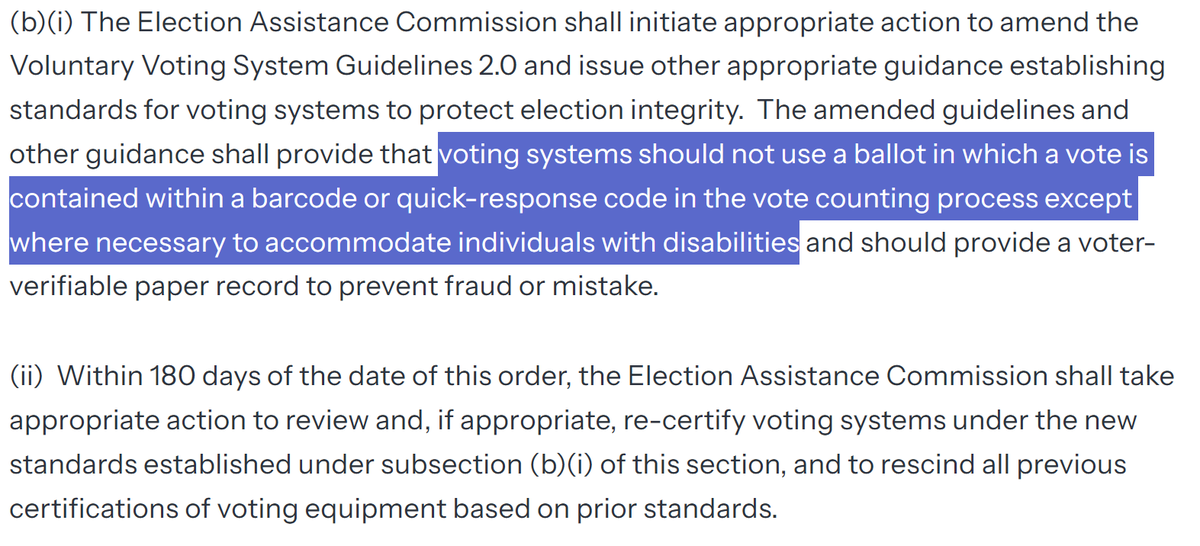
A new executive order just dropped that, if implemented, promises to significantly strengthen federal certification of voting machines.
9
17
59
24,092
25 Mar 2025
I don't know whether the President actually has the authority to order these changes, but if not, Congress should see them as a starting point for long-needed election security reforms.
Here's the full order:
whitehouse.gov/presidential-…
2
5
21
1,067
26 Mar 2025
I'm in DC the rest of this week for the Election Verification Network conference. Ping me if you want to say 👋
7
1
5
1,117
J. Alex Halderman retweeted

4 Dec 2024
🎧 NEW PODCAST: Protecting Democracy: My Journey Covering Election Security w/ @jhalderm!
From Georgia’s voting machines to myths about mail-in ballots, we explore how to safeguard elections in a digital world.
🔗 Listen: milestogo.libsyn.com/episode…
1
5
10
1,632
7 Nov 2024
From a security perspective, elections are much safer when there's a decisive outcome than when they hinge on razor-thin margins in a few states.
But what about next time? How many voters will continue to call for necessary election security improvements?
11
6
25
2,001

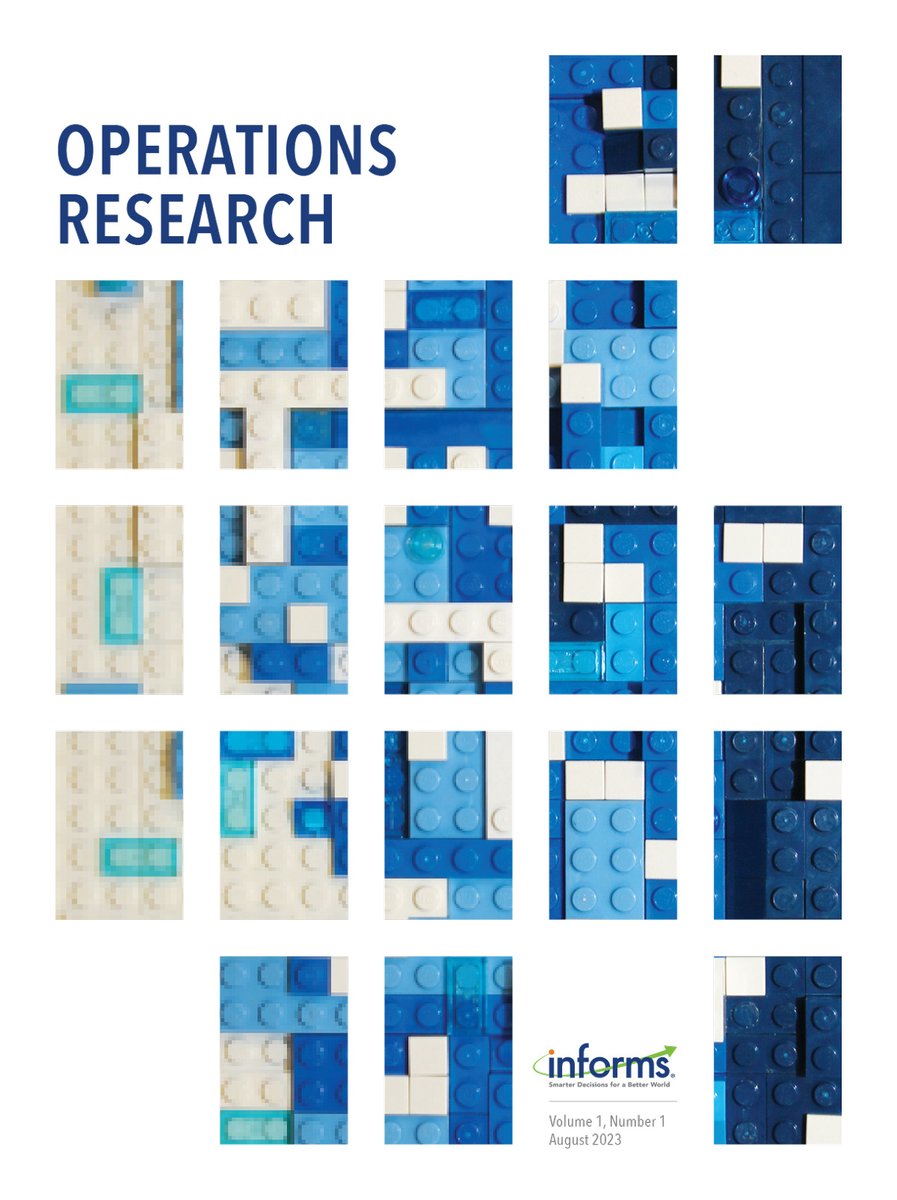
How can #optimization help with #electionsecurity? Read the latest article from Operations Research. "Improving the Security of United States Elections with Robust Optimization" bit.ly/3YKslim
4
6
15
1,882
J. Alex Halderman retweeted

29 Mar 2024
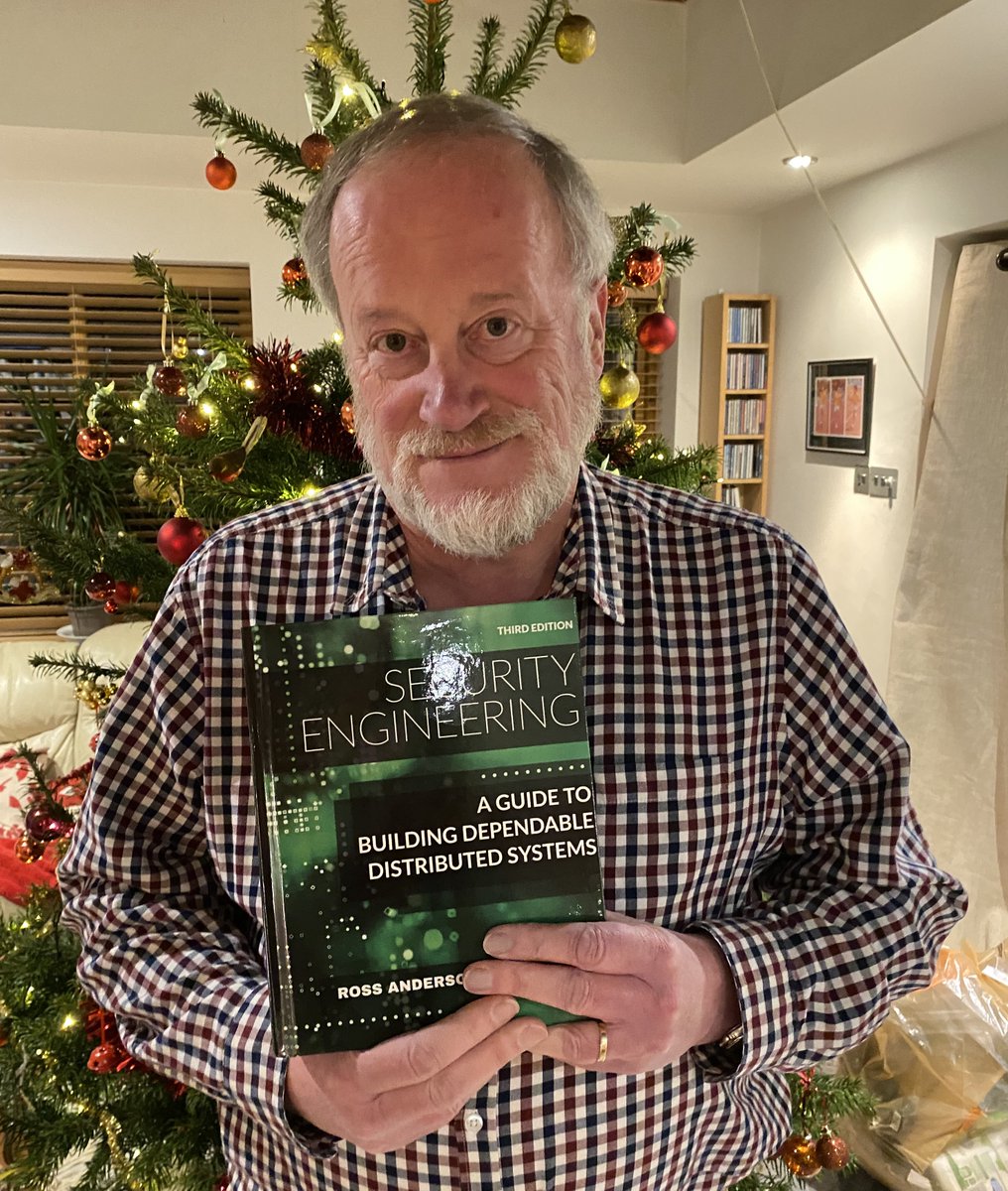
@rossjanderson Professor Ross Anderson, FRS, FREng Dear friend and treasured long term campaigner for privacy and security, Professor of Security Engineering at Cambridge University and Edinburgh University, Lovelace Medal winner, has died suddenly at home in Cambridge.
73
291
803
487,744
J. Alex Halderman retweeted

30 Sep 2023
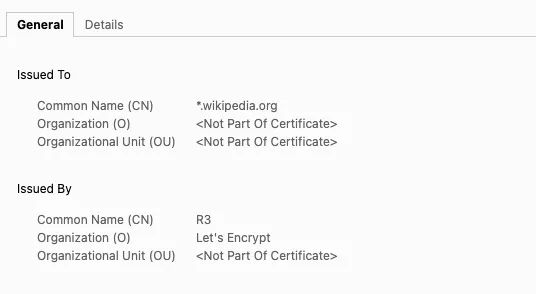
That amazing feeling when you look something up on @wikipedia and there is your TLS cert, looking back at you.
4
10
142
22,682
J. Alex Halderman retweeted

1 Sep 2023
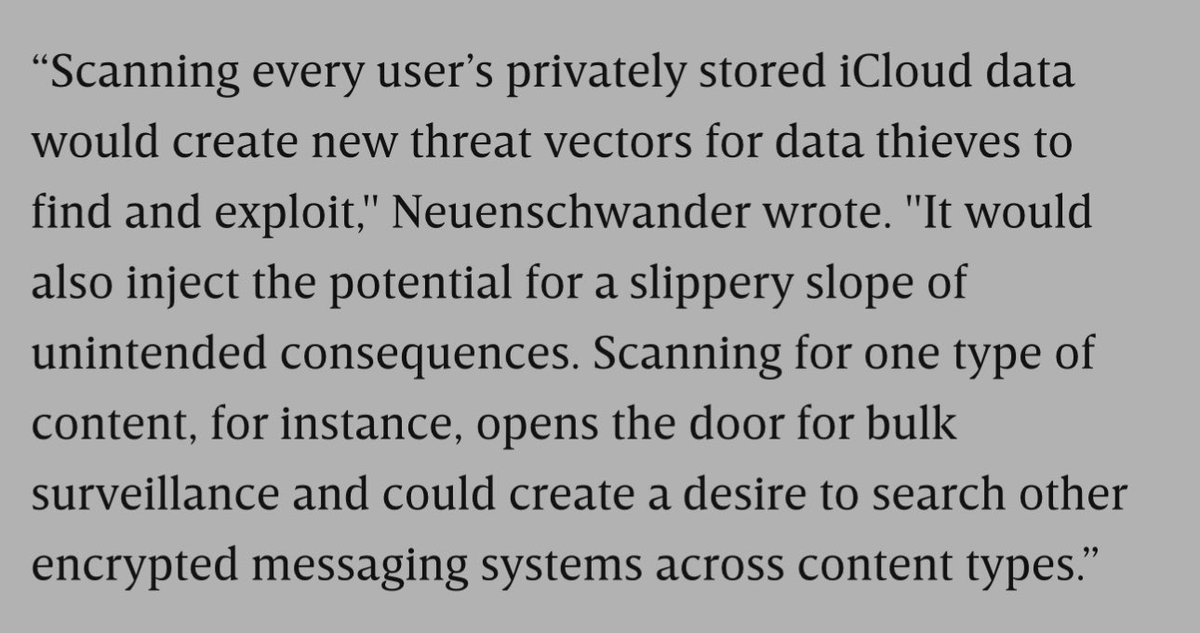
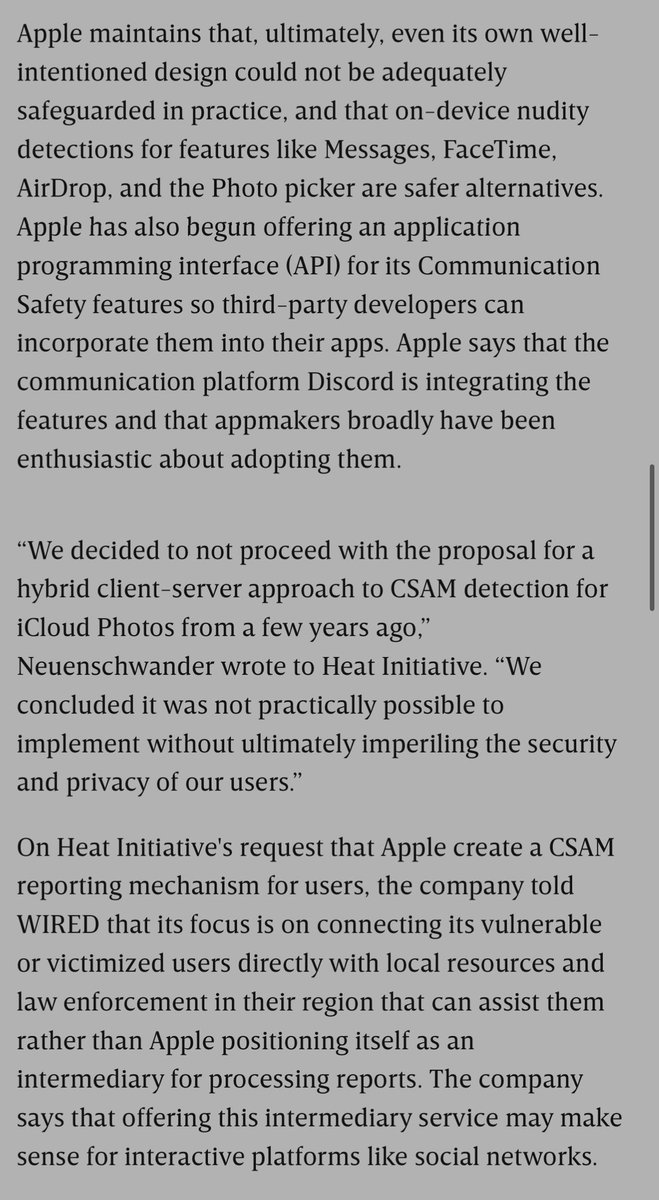
This article with quotes from Apple on why it killed the CSAM photo scanning initiative is the first thing I’ve seen from the company explaining their decision. wired.com/story/apple-csam-s…
7
133
456
100,358
28 Aug 2023
Today's the 1st day of class at @UMich and we're in hour 24 of a major IT outage. Despite the disruption, it's been great to see colleagues innovate and help each other work around the downtime. Big thanks to everyone at @umichTECH who's been up all night to bring us back online.
5
36
9,658
17 Jul 2023
Opinion: The case against allowing internet voting in Michigan bridgemi.com/guest-commentar… via
@BridgeMichigan
10
48
104
14,630
J. Alex Halderman retweeted

23 Jun 2023
There is an election security fight brewing in Georgia, where Sec State Brad Raffensperger's bet on securing vulnerable voting machine software by other means for 2024 is setting off a firestorm of criticism from security experts. My story below:
politico.com/news/2023/06/23…
19
140
215
16,529