
AI Keynote Speaker | Internet pioneer since 1995 | New York Times Best-Selling Author | Host of BadCryptoPodcast.com and AIforEveryoneShow.com
Joined May 2007
- Tweets 5,044
- Following 5,257
- Followers 592,976
- Likes 49,609
398 Photos and videos







Hollywood is cooked. I'm not mad about it. This guy just proved it with $2000 budget.
joelcomm.substack.com/p/the-…
#AImovie #DreamsOfViolets
2
3
3
718
Joel Comm retweeted

Jun 12
> you’ll never start a rocket company
> you’ll never build your own engines
> you’ll never be able to use off-the-shelf parts
> you’ll never survive three launch failures
> you’ll never reach orbit
> you’ll never win NASA’s trust
> you’ll never launch cargo to the ISS
> you’ll never compete with Boeing
> you’ll never compete with Lockheed
> you’ll never make rockets reusable
> you’ll never land a rocket vertically
> you’ll never land one on a drone ship
> you’ll never reuse a booster
> you’ll never fly the same booster 10 times
> you’ll never fly the same booster 20 times
> you’ll never fly the same booster 30 times
> you’ll never recover and reuse the fairing
> you’ll never lower launch costs
> you’ll never launch every month
> you’ll never launch every week
> you’ll never launch multiple times a week
> you’ll never carry astronauts
> you’ll never replace Roscosmos
> you’ll never fly civilians to orbit
> you’ll never manufacture satellites at scale
> you’ll never build the biggest constellation ever
> you’ll never make satellite internet work
> you’ll never make satellite internet fast
> you’ll never make satellite internet affordable
> you’ll never serve rural customers
> you’ll never serve aircraft and ships
> you’ll never build a methane rocket engine
> you’ll never make full-flow staged combustion work
> you’ll never build the most powerful rocket ever
> you’ll never build a rocket bigger than Saturn V
> you’ll never build it out of stainless steel
> you’ll never launch Starship
> you’ll never separate Super Heavy and Starship
> you’ll never relight Raptor in space
> you’ll never bring Super Heavy back
> you’ll never catch a booster with Mechazilla tower arms
> you’ll never launch 85% of mass to orbit worldwide
> you’ll never change the economics of space
> you’ll never force the entire industry to copy you
> you’ll never win
> you’ll never IPO
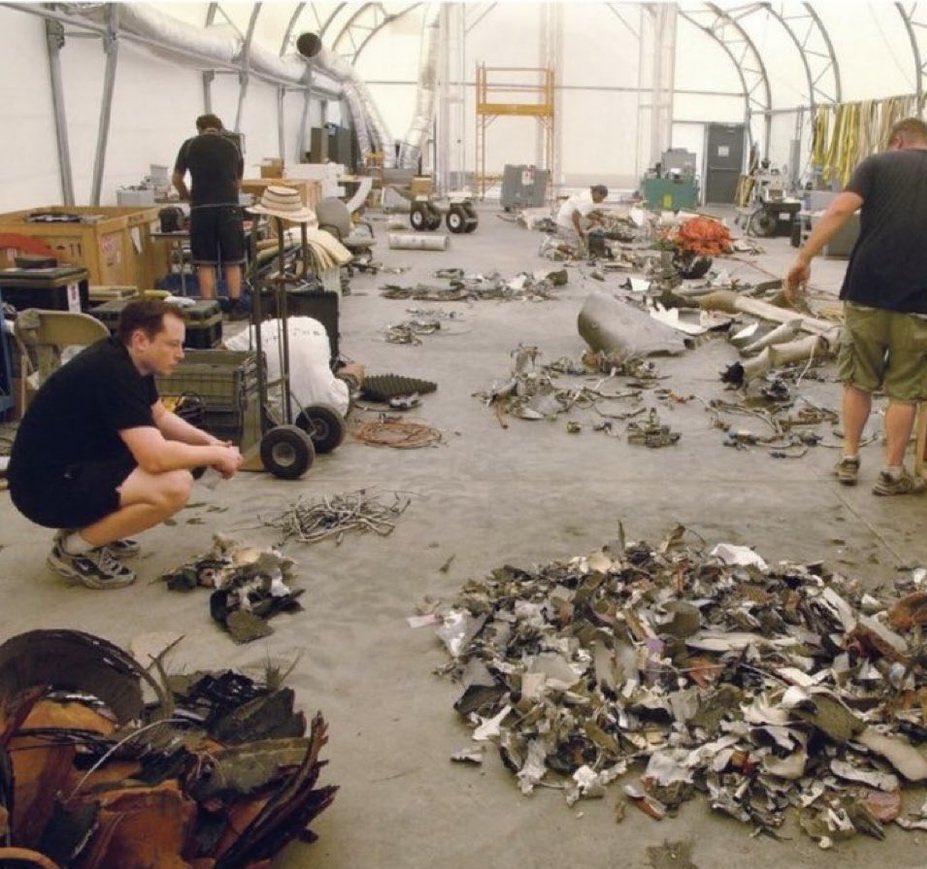
Congratulations to @elonmusk and the SpaceX team. You did what countless people said was impossible, and you did it time and time again.
Today is your day. You deserve this. May it be a glorious one.
615
5,687
26,434
1,731,562
This video is truly incredible. I made it in less than FIVE minutes from an image and a very short prompt.
Basically @teedubya made a song to go with the latest episode of Bad Crypto (badco.in/810). I took the song, popped it into @revid_ai and voila.
And yeah, the song is catchy, too. Turn it up! #claude #RevidAI #Fable
4
5
6
5,226
My mind is BLOWN! 🤯I just made this video with @revid_ai in less than 5 minutes. I gave it a song, a short prompt and style and turned it loose. This was all based on a song we created with @suno for episode #810 of @badcryptopod #claude #fable #anthrophic #AIVideo
2
3
4
6,607
I bought my first computer in 1980. With the power of AI, I was able to tell the story. Let me know what you think! #trs80 #vintage #computers
1
3
10
1,909
I just made a speaker reel for under $100. In the past this would have cost me well over $5000 and taken weeks to complete. I did it in 3 days.
youtube.com/watch?v=j7IwFZgo…
#AIKeynoteSpeaker #KeynoteSpeaker #ArtificialIntelligence
16
4
2,831
Last month in Hong Kong, Erin and I went to catch the hydrofoil to Macau. I'd asked AI for directions, and it told me which ferry port to go to. Sounded completely sure of itself. I bought tickets. We showed up an hour early, feeling relaxed.
Until the people there told us we were at the wrong port.
I checked the tickets on my phone — they said something different than the AI had. We threw ourselves into a taxi, rode twelve white-knuckle minutes across town, and made the boat with ten minutes to spare.
Here's the lesson: the AI didn't lie on purpose. It doesn't have purposes. It gave me a confident, well-organized, completely wrong answer — because confidence is what these tools do, whether or not they're right.
There's a word for this: "hallucination." It used to show up as goofy images — people with six fingers. Now it hides inside helpful-sounding directions, summaries, and facts. And it happens more than the companies admit.
Should you be afraid of AI? Not at all. Just use it like a brilliant, fast assistant who occasionally gets things wrong: gratefully, and with your eyes open.
The whole discipline fits on a napkin:
Let AI do the heavy lifting — drafting, summarizing, organizing, the first pass. That's where it shines. But when something actually matters (a date, an address, a dollar figure, a medical detail, the ferry port), check it yourself. Ten seconds beats an hour of panic.
That's the rule. AI gives you answers. You keep the judgment.
7
6
1,299
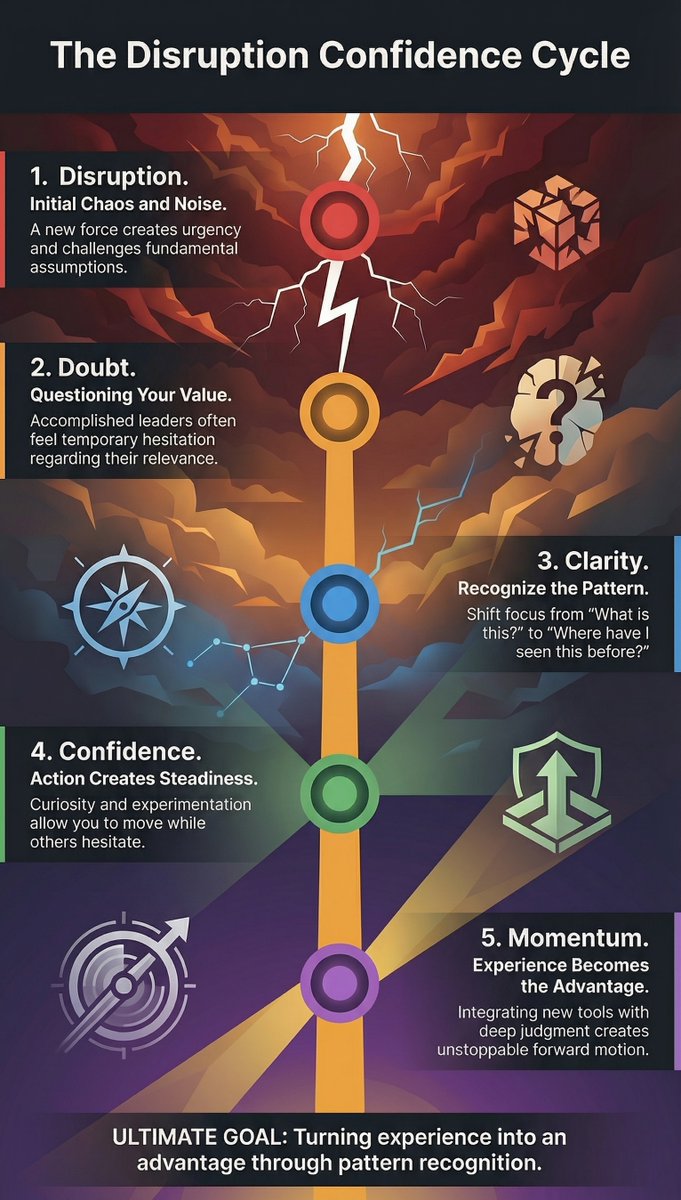
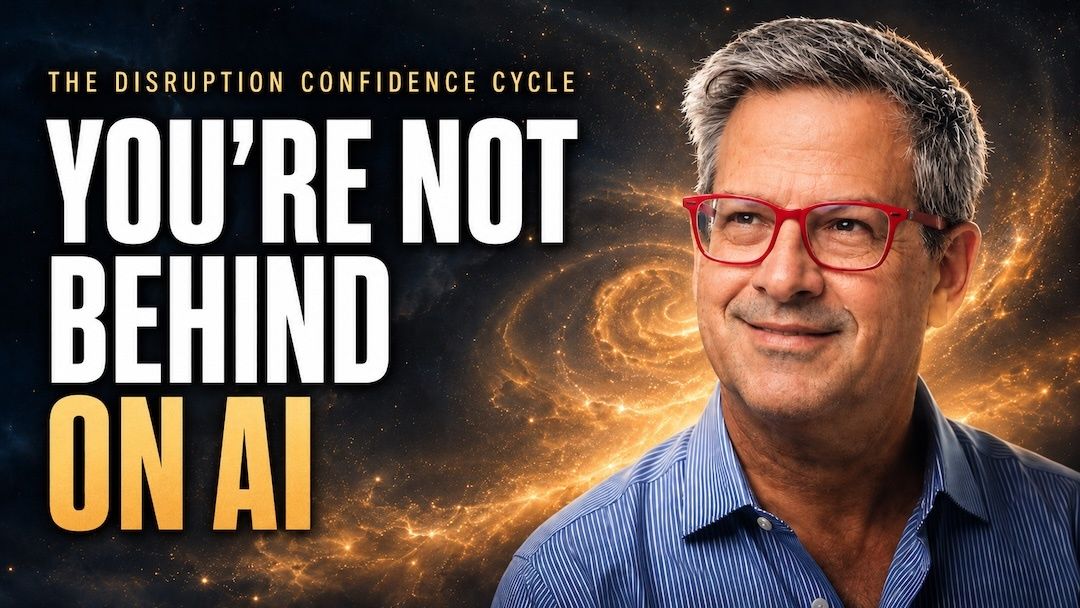
The full short film runs about 8 minutes. The Disruption Confidence Cycle, start to finish 👇
youtube.com/watch?v=lDnZ85LV…
1
1,128
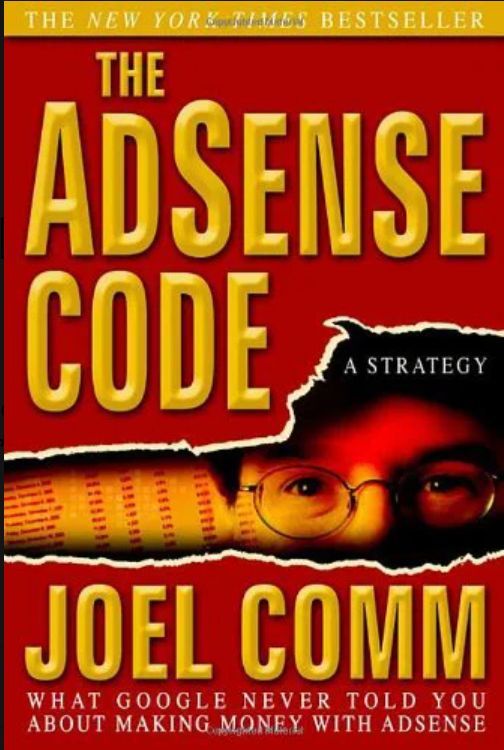
It was 2006. Met David Hancock at the Big Seminar and pitched him a book idea called The AdSense Code.
He liked it. As we shook hands I told him, "I'll be your first New York Times bestseller."
He laughed. I was not joking.
We designed the cover to look like The DaVinci Code. My eyes peering out from the cover in that same cryptic font. We timed the launch to the week the DaVinci Code movie premiered, so book search traffic would spike. I lined up a massive bonus campaign with fifty marketer friends. It was a coordinated push that led to massive sales.
It hit the New York Times list.
I actually found out before David and called him to let him know.
I declared the outcome out loud, worked backward from it, and most of the time the people around you will rise to meet what you said you were going to do.
What did you declare out loud and then make happen?
1
2
5
1,005
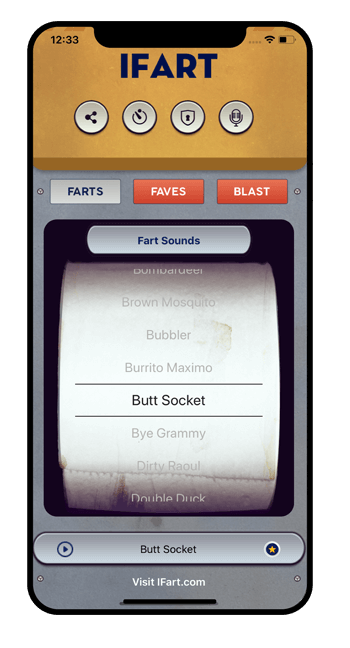
December 2008. I launched an iPhone app that made fart noises.
Some said it was career suicide. My wife rolled her eyes. Reporters literally laughed at me on the phone.
Twelve days later iFart was the #1 paid app in the App Store. It stayed there. The BBC called at 2am asking for a quote. A competitor's company sent a cease-and-desist demanding I rename it. Apple's app review team started using us as their example of "what we did not expect."
Month one revenue: $200,000. Headlines around the world.
The lesson wasn't "make stupid stuff." The lesson was that the gatekeepers are guessing too.
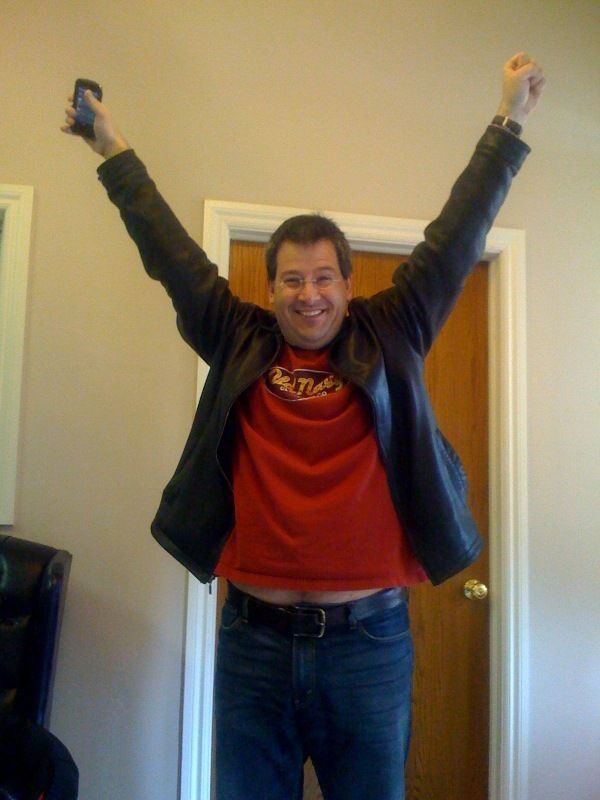
This was the victory pose that day in 2008.
That app is STILL ranking in the entertainment category today.
What's the dumbest idea you've ever had that actually worked? #iFart #appstore
8
7
98
46,557
Joel Comm retweeted

May 13
Introducing Shipper.
The first AI revenue agent that replaces your 9-5 income.
RT comment “Shipper” and we'll build your business for FREE.
127
94
164
44,203
Crimson Desert is the most amazing game I have touched since Red Dead Redemption. For those who love exploration, it's the best game ever. I'm ridicuoulsly hooked. #CrimsonDesert
2
2
9
1,486
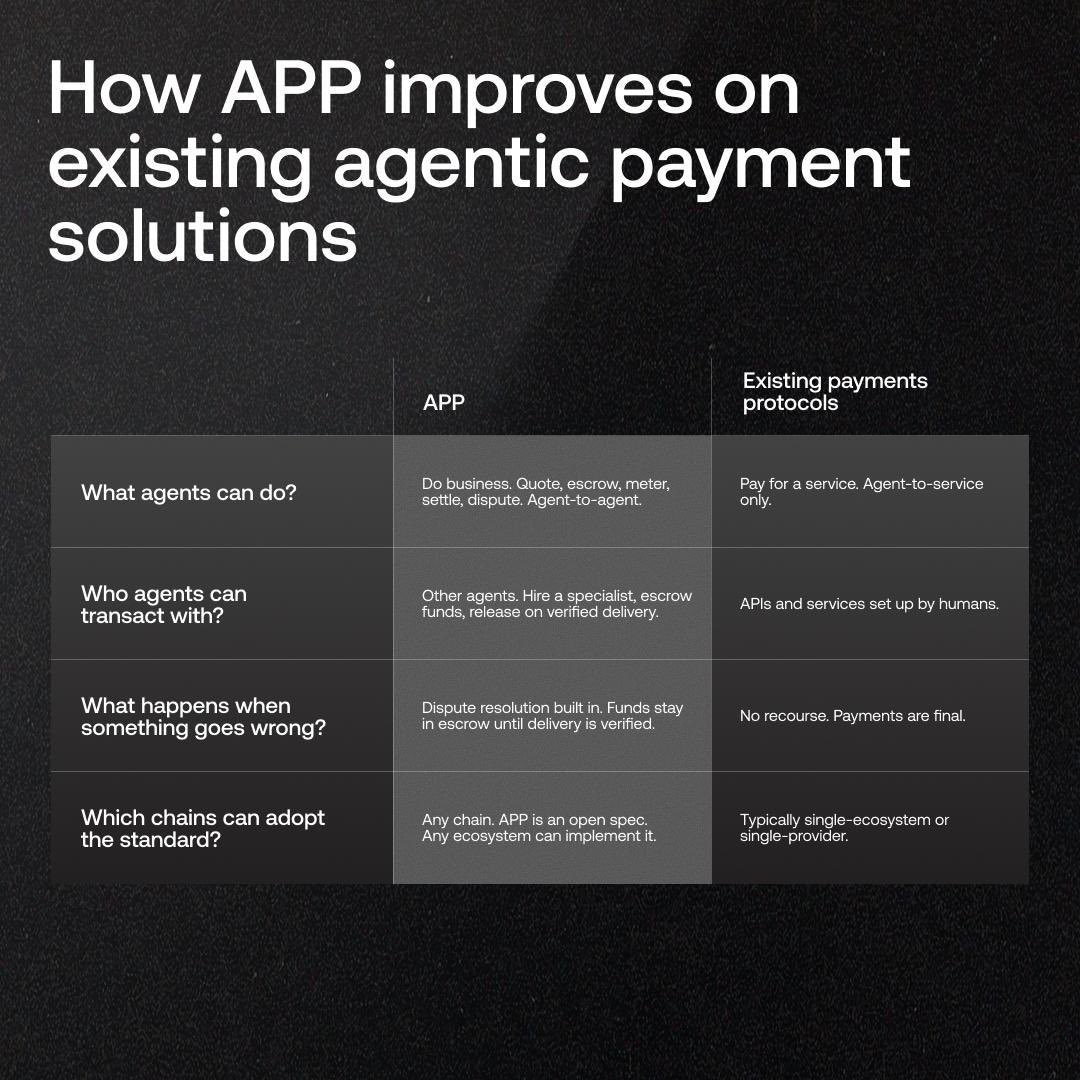
The economics of agent commerce depend on micro-transactions being viable. $0.001 transactions have to work. zero gas on @XLayerOfficial is how APP makes that possible. every quote, every escrow, zero fees. @OKX @wallet
2
5
1,689
Wow!
Apr 28

This is a single human cell. The white tubes are microtubules. The colored beads are ribosomes. You have 37 trillion of these.
Every cell in your body is a manufacturing plant running 24/7 without supervision.
Each ribosome (the colored beads) is assembling a protein right now. A single ribosome chains together about 20 amino acids per second. A typical mammalian cell contains millions of ribosomes. Every cell in your body is forming hundreds of millions of peptide bonds per second. Continuously.
The white worm-like tubes are microtubules, the cell's internal highway system. Motor proteins called kinesin walk along them on two protein legs, carrying cargo from one end of the cell to the other at around 800 nanometers per second. Each cell has thousands of these tracks with thousands of motor proteins walking on them simultaneously.
The blue mesh on the outside is the actin cortex. It holds the cell shape against pressure. It's also being torn down and rebuilt constantly. Every cell rewrites its own structural skeleton every few minutes.
Now scale that.
37 trillion cells. Each running millions of ribosomes. Each running hundreds of mitochondria producing ATP at roughly 100 million molecules per second. Your total daily ATP turnover is around your full body weight. You synthesize and consume your bodyweight in ATP every 24 hours.
The DNA in a single cell stretches 2 meters uncoiled. End to end across all 37 trillion cells, that's enough to reach the sun and back 250 times.
None of this is voluntary. None of it stops. It started when you were one cell and hasn't paused since.
2
6
1,527