
Just a spark of positive energy in an ever-expanding cosmos of infinite possibilities.🐈Cat Dad,🖋 Writer, Thinker,🐉DungeonMaster, 🎮GameDev @SAKDGame, KungFu☯
Joined June 2009
- Tweets 18,617
- Following 4,483
- Followers 3,052
- Likes 24,712
3,987 Photos and videos











Jun 13
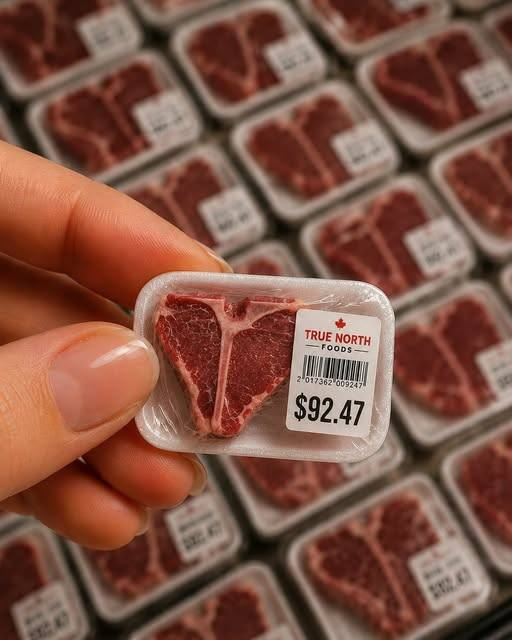
𝐓𝐡𝐞 $𝟗𝟗 𝐰𝐞𝐛𝐬𝐢𝐭𝐞 𝐚𝐧𝐝 𝐭𝐡𝐞 $𝟗,𝟎𝟎𝟎 𝐰𝐞𝐛𝐬𝐢𝐭𝐞 𝐚𝐫𝐞𝐧'𝐭 𝐭𝐡𝐞 𝐬𝐚𝐦𝐞 𝐩𝐫𝐨𝐝𝐮𝐜𝐭 𝐚𝐭 𝐭𝐰𝐨 𝐩𝐫𝐢𝐜𝐞𝐬. 𝐓𝐡𝐞𝐲'𝐫𝐞 𝐭𝐰𝐨 𝐝𝐢𝐟𝐟𝐞𝐫𝐞𝐧𝐭 𝐭𝐡𝐢𝐧𝐠𝐬 𝐭𝐡𝐚𝐭 𝐡𝐚𝐩𝐩𝐞𝐧 𝐭𝐨 𝐫𝐞𝐬𝐞𝐦𝐛𝐥𝐞 𝐞𝐚𝐜𝐡 𝐨𝐭𝐡𝐞𝐫.
Automation genuinely collapsed the cost of producing a website — pages, copy, images generated in an afternoon. That's real and it isn't going away, but producing the artifact was never the expensive part.
The value of a good website lives in three places automation can't reach:
→ 𝐉𝐮𝐝𝐠𝐦𝐞𝐧𝐭 — what the site actually needs to do, and the one action it should drive
→ 𝐒𝐭𝐫𝐚𝐭𝐞𝐠𝐲 — information architecture built around how your specific customers search, not the templated average of the web
→ 𝐀𝐜𝐜𝐨𝐮𝐧𝐭𝐚𝐛𝐢𝐥𝐢𝐭𝐲 — a named team that's reachable when something breaks at an inconvenient hour, because eventually something will
You can automate the building of a page. You cannot automate someone caring whether it works.
The real question was never "cheap or expensive." It's whether your website is a cost or an asset for your business right now. If it's disposable, treat it like one. If it's durable — something that needs to rank, convert, and still be standing in three years — the cheap version was never actually cheap.
𝐅𝐮𝐥𝐥 𝐚𝐫𝐭𝐢𝐜𝐥𝐞: alchemyimageworks.com/why-ch…
12
May 29
It's been one heck of a week, and after the slough of disappointing information dredging their way into our lives over the past several days, I'm sure we're all long overdue for dose of '𝐑𝐞𝐥𝐚𝐭𝐢𝐯𝐞𝐥𝐲 𝐑𝐞𝐜𝐞𝐧𝐭 𝐆𝐨𝐨𝐝 𝐍𝐞𝐰𝐬 𝐭𝐡𝐞 𝐖𝐨𝐫𝐥𝐝 𝐇𝐚𝐬 𝐇𝐚𝐫𝐝𝐥𝐲 𝐍𝐨𝐭𝐢𝐜𝐞𝐝'. No worries, I've got you, fam. Enjoy!
🦎 𝗧𝗵𝗿𝗲𝗮𝘁𝗲𝗻𝗲𝗱 𝗧𝗲𝘅𝗮𝘀 𝗵𝗼𝗿𝗻𝗲𝗱 𝗹𝗶𝘇𝗮𝗿𝗱𝘀 𝗮𝗿𝗲 𝘁𝗵𝗿𝗶𝘃𝗶𝗻𝗴 𝗮𝗳𝘁𝗲𝗿 𝗿𝗲𝗶𝗻𝘁𝗿𝗼𝗱𝘂𝗰𝘁𝗶𝗼𝗻
Conservationists at the San Antonio Zoo recently confirmed that captive-bred Texas horned lizards released into the wild are surviving, dispersing, and potentially reproducing naturally—an encouraging sign for the recovery of Texas' state reptile.
🦅 𝗡𝗮𝘁𝗶𝗼𝗻𝘀 𝗮𝗴𝗿𝗲𝗲 𝗼𝗻 𝗻𝗲𝘄 𝗽𝗿𝗼𝘁𝗲𝗰𝘁𝗶𝗼𝗻𝘀 𝗳𝗼𝗿 𝗺𝗶𝗴𝗿𝗮𝘁𝗼𝗿𝘆 𝘄𝗶𝗹𝗱𝗹𝗶𝗳𝗲
A new international agreement reached this spring expands protections for migratory species, including birds, manta rays, and large mammals, while strengthening wildlife connectivity across borders and reducing accidental bycatch.
🧬 𝗚𝗲𝗻𝗲 𝘁𝗵𝗲𝗿𝗮𝗽𝗶𝗲𝘀 𝗳𝗼𝗿 𝗶𝗻𝗵𝗲𝗿𝗶𝘁𝗲𝗱 𝗯𝗹𝗶𝗻𝗱𝗻𝗲𝘀𝘀 𝗰𝗼𝗻𝘁𝗶𝗻𝘂𝗲 𝘁𝗼 𝗴𝗮𝗶𝗻 𝗿𝗲𝗰𝗼𝗴𝗻𝗶𝘁𝗶𝗼𝗻
The 2026 Breakthrough Prizes highlighted advances in gene therapies that have already restored vision for some patients with inherited blindness and opened new treatment pathways for rare genetic diseases.
🩺 𝗡𝗲𝘄 𝗮𝗽𝗽𝗿𝗼𝗮𝗰𝗵 𝗿𝗲𝗱𝘂𝗰𝗲𝘀 𝗱𝗿𝘂𝗴 𝗲𝘅𝗽𝗼𝘀𝘂𝗿𝗲 𝗳𝗼𝗿 𝗻𝗲𝘄𝗯𝗼𝗿𝗻𝘀 𝗶𝗻 𝗼𝗽𝗶𝗼𝗶𝗱 𝘄𝗶𝘁𝗵𝗱𝗿𝗮𝘄𝗮𝗹
An NIH-funded clinical trial found that a symptom-based treatment approach can help newborns experiencing opioid withdrawal recover with less medication and shorter hospital stays.
🤖 𝗛𝗼𝘀𝗽𝗶𝘁𝗮𝗹 𝗔𝗜 𝗮𝘀𝘀𝗶𝘀𝘁𝗮𝗻𝘁𝘀 𝗮𝗿𝗲 𝗵𝗲𝗹𝗽𝗶𝗻𝗴 𝗵𝗲𝗮𝗹𝘁𝗵𝗰𝗮𝗿𝗲 𝘀𝘁𝗮𝗳𝗳 𝘀𝗮𝘃𝗲 𝘁𝗶𝗺𝗲
Several major healthcare systems have begun deploying clinical AI assistants that help streamline administrative work, allowing medical professionals to spend more time focused on patient care.
🧠 𝗔𝗿𝘁𝗶𝗳𝗶𝗰𝗶𝗮𝗹 𝗻𝗲𝘂𝗿𝗼𝗻𝘀 𝘀𝘂𝗰𝗰𝗲𝘀𝘀𝗳𝘂𝗹𝗹𝘆 𝗰𝗼𝗺𝗺𝘂𝗻𝗶𝗰𝗮𝘁𝗲 𝘄𝗶𝘁𝗵 𝗹𝗶𝘃𝗶𝗻𝗴 𝗯𝗿𝗮𝗶𝗻 𝗰𝗲𝗹𝗹𝘀
Researchers recently demonstrated synthetic neurons interacting with biological brain tissue, a significant step toward future treatments for neurological disorders and advanced neuroprosthetics.
🔬 𝗡𝗲𝘄 𝗮𝗻𝘁𝗶𝗯𝗶𝗼𝘁𝗶𝗰 𝗱𝗲𝘀𝗶𝗴𝗻𝘀 𝘀𝗵𝗼𝘄 𝗽𝗿𝗼𝗺𝗶𝘀𝗲 𝗮𝗴𝗮𝗶𝗻𝘀𝘁 𝗿𝗲𝘀𝗶𝘀𝘁𝗮𝗻𝘁 𝗶𝗻𝗳𝗲𝗰𝘁𝗶𝗼𝗻𝘀
Scientists have reported progress on entirely new antibiotic structures that may help combat dangerous drug-resistant bacteria, one of the world's most pressing health challenges.
🌳 𝟴𝟱 𝗺𝗶𝗹𝗹𝗶𝗼𝗻 𝗮𝗰𝗿𝗲𝘀 𝗼𝗳 𝗽𝗿𝗶𝘃𝗮𝘁𝗲 𝗹𝗮𝗻𝗱 𝗴𝗮𝗶𝗻 𝗰𝗼𝗻𝘀𝗲𝗿𝘃𝗮𝘁𝗶𝗼𝗻 𝗽𝗿𝗼𝘁𝗲𝗰𝘁𝗶𝗼𝗻
Recent conservation initiatives in the United States and Australia are helping protect approximately 85 million acres of privately owned land, safeguarding habitats and biodiversity for future generations.
☀️ 𝗦𝗼𝗹𝗮𝗿 𝗶𝗻𝗻𝗼𝘃𝗮𝘁𝗶𝗼𝗻 𝗼𝘃𝗲𝗿𝗰𝗼𝗺𝗲𝘀 𝗮 𝗹𝗼𝗻𝗴-𝘀𝘁𝗮𝗻𝗱𝗶𝗻𝗴 𝗲𝗳𝗳𝗶𝗰𝗶𝗲𝗻𝗰𝘆 𝗰𝗵𝗮𝗹𝗹𝗲𝗻𝗴𝗲
Researchers reported a solar technology breakthrough that experts described as previously "impossible," potentially helping future solar panels capture energy more effectively.
🏆 $𝟭𝟴 𝗺𝗶𝗹𝗹𝗶𝗼𝗻 𝗮𝘄𝗮𝗿𝗱𝗲𝗱 𝗳𝗼𝗿 𝗹𝗶𝗳𝗲-𝗰𝗵𝗮𝗻𝗴𝗶𝗻𝗴 𝘀𝗰𝗶𝗲𝗻𝘁𝗶𝗳𝗶𝗰 𝗱𝗶𝘀𝗰𝗼𝘃𝗲𝗿𝗶𝗲𝘀
The 2026 Breakthrough Prizes—often called the "Oscars of Science"—awarded more than $18 million to researchers advancing treatments for inherited blindness, sickle cell disease, ALS, dementia, and other major scientific challenges.
Progress doesn't always arrive as a headline. Sometimes it appears as a species returning to the wild, a child receiving a new treatment, a scientific breakthrough, or a community protecting land for future generations. Those stories matter too.
Like. Comment. Share. Let's keep that positive momentum forward.
15
Kelly Eros retweeted

May 27
First place at the teams golf tournament goes to Rapid Response Industrial Group at this year's conference. 🏆
Proud Silver Sponsor and Activity Sponsor of the event. Great connections, great competition.
📞 1-844-774-4911 | rapidresponseind.com
#RapidResponse #IndustrialServices #EmergencyResponse
2
2
16
Kelly Eros retweeted

May 25
🛡️ You probably don’t need extra antivirus on Windows.
Microsoft Defender already includes:
✅ Real-time protection
✅ Ransomware defense
✅ Automatic updates
#Windows11 #MicrosoftDefender #CyberSecurity #PCSecurity #WindowsSecurity #TechTips #ITSupport #ComputerRepair

1
1
13

🎮 Come play SAK’D IN PERSON at Game Con Canada! 💀
⚔️ Fight terrifying bosses
🔥 Use elemental magic
🗝️ Discover hidden secrets
🎮 Play the demo LIVE
📅 June 19–21
📍 Edmonton Expo Centre
🎯 Booth A14
🎮 Wishlist on Steam:
store.steampowered.com/app/1…
#SAKD #GameConCanada #IndieGame #SteamGame #BossFight

1
7
117
May 22
🌍 Happy Friday! Here's the end-of-the-week roundup of 'Relatively Recent Good News the World Has Hardly Noticed'. Enjoy — and please share. Let's keep that positive momentum forward.
☀️ Renewables overtake coal in global electricity for the first time in 100 years
According to Ember's Global Electricity Review 2026, renewables reached 34% of global electricity generation in 2025, overtaking coal's 33% share for the first time in a century. Solar alone met three-quarters of the increase in global electricity demand, while solar and wind together met almost all of it — keeping fossil fuel generation flat for the first time since 2020.
🧠 Nanotechnology reverses Alzheimer's symptoms in mice
Researchers at the Institute for Bioengineering of Catalonia and West China Hospital reported that specially engineered nanoparticles reversed Alzheimer's symptoms in mice by restoring the brain's natural cleanup system. The particles cleared toxic amyloid proteins and repaired the blood-brain barrier — and in one striking experiment, elderly mice treated with the therapy later behaved like healthy younger mice.
🐢 Colombia triples protected sanctuary for leatherback sea turtles
Colombia's Acandí wildlife sanctuary — home to one of the largest leatherback sea turtle nesting beaches in the world — has been expanded from 65,000 acres to more than 220,000 acres, more than tripling in size. The expansion, co-managed by Afro-Colombian communities, also protects coral reefs, mangroves, and coastal wetlands along the Caribbean coast near the Panamanian border.
🧬 Mayo Clinic breakthrough could help target aging "zombie cells"
Researchers at Mayo Clinic discovered that tiny synthetic DNA molecules called aptamers can selectively attach to senescent "zombie cells" — cells that stop dividing but refuse to die off — which are linked to aging, cancer, and neurodegenerative disease. The method could eventually allow scientists to identify and destroy these cells in living tissue with far greater precision, potentially opening new doors for treating age-related conditions.
🍽️ MIT finds common amino acid that helps the gut heal itself
MIT scientists identified cysteine — an amino acid found in everyday foods like meat, dairy, beans, and nuts — as a powerful trigger for intestinal repair. In mice, a cysteine-rich diet activated immune cells that released healing signals, helping stem cells rebuild damaged intestinal tissue after radiation exposure. Researchers say the discovery could eventually lead to dietary therapies for cancer patients suffering from treatment-related gut damage.
🔋 Clean energy investment hits $2.2 trillion — twice that of fossil fuels
In 2025, global investment in renewables, nuclear, grids, storage, low-emissions fuels, efficiency, and electrification reached $2.2 trillion — twice the amount that flowed into oil, gas, and coal. About 16.6 million people now work in clean energy worldwide, and more than 90% of new renewable power is cheaper to build than new fossil fuel plants.
🩹 Drug targeting "zombie cells" dramatically speeds up wound healing in older skin
Scientists discovered that a topical drug called ABT-263 can dramatically improve wound healing in older skin by removing damaged senescent cells that accumulate with age and slow the body's repair process. In aged mice, wounds healed much faster after treatment, and the drug also activated genes tied to collagen production and tissue regeneration — raising hopes for better post-surgical recovery in older adults.
🌊 World's first large-scale liquid hydrogen import terminal advances in Amsterdam
EcoLog's pioneering liquid hydrogen import facility — described as the world's first commercial-scale terminal of its kind — is advancing through engineering design at the Port of Amsterdam. The terminal is designed to import liquid hydrogen and export liquid CO₂, and is expected to serve as cornerstone infrastructure for decarbonizing heavy industry, shipping, and transportation across Northern Europe.
🧪 Hidden "sugar code" on human cells could transform disease detection
Scientists at the Max Planck Institute uncovered a hidden molecular layer on the surface of human cells using an advanced imaging technique called Glycan Atlasing, mapping tiny sugar structures that could transform how diseases are detected. Researchers say understanding this "sugar code" may open entirely new avenues for early diagnosis and treatment. ScienceDaily
🌱 India installs more new solar capacity than the United States for the first time
India accelerated its clean energy deployment significantly in 2025, installing more new solar capacity than the United States for the first time ever. Renewable generation growth in India doubled its previous record, and fossil fuel generation in the country fell as clean power outpaced demand growth — a landmark shift for the world's most populous nation.
Progress isn't always loud — but every week, scientists, engineers, communities, and conservationists are quietly rewriting what's possible. Keep looking for the good.
1
24
May 13
It's been a minute, and one hell of a past week — so it's definitely time for a dose of 'Relatively Recent Good News the World Has Hardly Noticed. Enjoy, and please — share.
🧬 Scientists create ultra-fast test for antibiotic-resistant bacteria
Researchers in the UK and South Korea developed a rapid diagnostic tool that can identify dangerous drug-resistant bacteria in hours instead of days, helping doctors treat infections faster and more accurately.
🌊 Sea otter populations continue recovering along the U.S. West Coast
Conservation agencies report stable and growing sea otter populations in parts of California and British Columbia, helping restore coastal ecosystems and kelp forests.
⚡ World’s largest tidal energy project moves forward in Scotland
Scotland expanded development of large-scale tidal energy systems, harnessing predictable ocean currents to generate renewable electricity with minimal emissions.
🌾 New wheat varieties improve yields during extreme heat
Agricultural researchers in Australia and Mexico developed heat-tolerant wheat strains that continue producing strong harvests even during unusually high temperatures.
🏥 Portable cancer screening clinics expand in rural India
Mobile health units are bringing breast and cervical cancer screening directly to underserved communities, helping detect disease earlier and improve treatment outcomes.
🐋 Blue whale sightings increase in parts of the Atlantic
Marine researchers are reporting encouraging increases in blue whale sightings in protected Atlantic migration zones following years of conservation measures.
🚆 Night train travel continues expanding across Europe
Countries including Austria, Germany, and France are adding new overnight rail routes, offering affordable low-emission alternatives to short-haul flights.
🌳 Large-scale mangrove restoration succeeds in Southeast Asia
Restoration projects in countries like Indonesia and Vietnam are rebuilding mangrove forests that protect coastlines, support fisheries, and improve biodiversity.
🔋 Scientists improve battery charging speed without shortening lifespan
Researchers in China and the U.S. unveiled battery advances that dramatically reduce charging times while maintaining long-term performance and safety.
📚 Adult literacy programs reach millions through mobile learning
Digital education initiatives across Africa and South Asia are helping millions of adults improve reading and job skills using low-cost smartphone learning platforms.
Not all progress arrives with headlines and breaking alerts. Every day, people around the world are still building, discovering, restoring, healing, and solving — and that matters.
33
May 1
🎮 We’re heading to Game Con Canada 2026!
📍 Edmonton Expo Centre
🧭 Booth A20
Play SAK’D, meet the devs, and step into the Realm of Dreams.
🗺️ Find us: GCC2026.expofp.com?alchemy-i…
🌐 gameconcanada.com/
@gameconcanada
#SAKD #GameDev #IndieGame #GameConCanada
3
56
Apr 27
Happy Monday! (seriously though...yeesh, what a Monday). Still, not all is lost — we still have several items of 'Relatively Recent Good News the World Has Hardly Noticed' to report today.
🧪 Natural plant removes 98% of microplastics from water
Researchers in Brazil (São Paulo State University) found that extracts from the moringa plant can remove up to 98% of microplastics from drinking water, offering a low-cost, biodegradable filtration method.
🐾 “Extinct” marsupial successfully restored in Australia
The eastern barred bandicoot, once extinct in the wild on mainland Australia, has been reintroduced with over 2,000 individuals now established thanks to genetic rescue programs.
🚀 Humans travel farther from Earth than ever before
During the Artemis II mission, astronauts reached the greatest distance from Earth in human history, marking a major milestone in deep space exploration.
🔬 Seven new organic molecules discovered on Mars
NASA’s Curiosity rover identified multiple complex organic compounds on Mars, strengthening evidence that the planet once had the chemical ingredients needed for life.
⚛️ Major scientific breakthroughs honored globally
The 2026 Breakthrough Prize awarded over $18 million to scientists advancing gene therapy, physics, and disease research — highlighting real progress in treating conditions like ALS and genetic disorders.
🧠 Artificial neurons successfully communicate with brain cells
Scientists created synthetic neurons that can interact with real brain tissue, opening new pathways for treating neurological disorders and advancing brain-computer interfaces.
🩺 Gene therapy restores hearing in most patients in trial
A recent clinical study reported ~90% success in improving hearing for patients with inherited deafness — one of the strongest outcomes yet for gene-based treatments.
🌊 Global environmental progress highlighted for Earth Day 2026
Recent updates show continued gains in areas like wetland restoration, cleaner transport, and chemical regulation (including bans on “forever chemicals” in France).
⚡ India’s advanced nuclear reactor reaches key milestone
India’s Prototype Fast Breeder Reactor achieved its first controlled reaction, marking a major step toward more efficient, long-term nuclear energy.
🧬 Longevity science accelerates with major new innovators
A new global spotlight on longevity research leaders shows rapid progress in extending healthy lifespan using AI, biology, and personalized medicine approaches.
2
21
Apr 24
Happy Friday! Sure, it's 23rd winter in Alberta today, but hey — at least we have several verifiable items of 'Relatively Recent Good News the World Has Hardly Noticed' to look fondly on. Enjoy ~ and have a great weekend.
🧬 Scientists regenerate hearing in early-stage studies
Researchers at institutions including MIT and Harvard have demonstrated progress in regenerating inner-ear hair cells in animal models — an important step toward restoring hearing loss in humans.
🚰 Las Vegas continues cutting water use despite population growth
Southern Nevada has reduced per-capita water consumption significantly over the past decade, even as population increased — through recycling, policy, and conservation measures.
🐢 Green sea turtle populations recover in Australia
Long-term monitoring shows green sea turtle numbers increasing along the Great Barrier Reef, following decades of protection and conservation.
🏥 Low-cost oxygen systems expand in hospitals globally
WHO-supported programs are rolling out affordable oxygen delivery systems in hospitals across Africa and Asia, improving survival rates for pneumonia and other respiratory illnesses.
🌾 China expands “sponge city” flood prevention systems
Cities across China are scaling sponge city infrastructure — using green spaces and permeable surfaces to absorb rainwater — reducing flood risk and improving urban resilience.
⚡ Battery recycling capacity rapidly expands in North America
New facilities in the U.S. and Canada are increasing capacity to recycle lithium-ion batteries, recovering valuable materials and reducing environmental impact.
🐻 Brown bear populations rebound in parts of Europe
Countries like Romania and Slovakia report stable or growing brown bear populations following decades of protection and habitat management.
🏫 Digital classrooms expand access in rural India
Government and NGO programs are bringing connected classrooms and devices to remote regions, improving access to education for millions of students.
🚄 California high-speed rail project reaches construction milestones
Major segments of the California High-Speed Rail system are now under active construction, marking tangible progress on long-term infrastructure.
🧪 Scientists develop more durable, recyclable concrete alternatives
Researchers in Europe and the U.S. are advancing low-carbon, longer-lasting building materials that could significantly reduce the environmental impact of construction.
28
Apr 22
Time for the mid-week round of verifiable 'Relatively Recent Good News the World Has Hardly Noticed'. Keep those chins up ~ It isn't all bad out there.
🧠 ALS drug slows progression in new clinical data
Recent clinical results in the U.S. show a new treatment helping slow the progression of ALS (Lou Gehrig’s disease), offering patients more time and improved quality of life.
🚰 Dubai expands world-leading water recycling system
Dubai continues scaling advanced wastewater recycling, now reusing a large majority of treated water for irrigation—significantly reducing freshwater demand.
🐎 Wild horse populations stabilized in Mongolia
The Przewalski’s horse, once extinct in the wild, continues to maintain stable populations in Mongolia thanks to long-term reintroduction programs.
🏥 WHO-backed cervical cancer screening expands globally
Low-cost HPV screening programs are being deployed across Africa and Southeast Asia, helping detect cervical cancer earlier and reduce mortality rates.
🌾 Precision irrigation reduces water use in Spain
Farmers in southern Spain are using advanced irrigation systems that cut water usage while maintaining crop yields, improving resilience in drought-prone regions.
⚡ Portugal runs on 100% renewable electricity for extended periods
Portugal has achieved multiple multi-day stretches powered entirely by renewable energy, demonstrating grid stability without fossil fuels.
🐧 Penguin populations recover in protected Antarctic zones
Monitoring shows certain penguin colonies are stabilizing or growing in areas with strong marine protection policies.
🏫 Brazil expands full-day schooling programs
Brazil is increasing access to full-time public education, improving student outcomes and reducing inequality in several regions.
🚆 South Korea expands high-speed rail network
South Korea continues investing in high-speed rail infrastructure, reducing travel times and offering efficient alternatives to domestic flights.
🧪 New method improves recycling of mixed plastics
Researchers in Europe have developed improved processes for recycling mixed plastic waste streams, increasing efficiency and reducing landfill reliance.
45
Apr 20
Happy Monday, folks! You amy or may not have noticed I took a break last week, but I'm back in the pilot's seat this week, here to guide your attention from the misery and turmoil of mainstream news to the land of 'Relatively Recent Good News the World Has Hardly Noticed'. Enjoy, and please — share.
🧬 First lab-grown nerve graft restores movement in human trial
Researchers in Austria and Germany successfully used a bioengineered nerve graft to restore movement in patients with severe nerve damage—an important step in treating paralysis and injury.
🚰 Cape Town’s water system stabilizes after crisis years
Following its near “Day Zero” drought, Cape Town, South Africa has significantly improved water resilience through conservation, infrastructure upgrades, and diversified supply sources.
🐘 Kenya reports continued decline in elephant poaching
Kenya Wildlife Service data shows poaching rates remain at historic lows, reflecting the long-term success of conservation enforcement and community-based programs.
🏥 Faster tuberculosis detection rolls out globally
New diagnostic tools supported by the World Health Organization are being deployed in multiple countries, allowing TB to be detected more quickly and treated earlier.
🌾 Soil restoration programs improve crop yields in Ethiopia
Large-scale land restoration and terracing efforts in Ethiopia are increasing agricultural productivity while reducing erosion and land degradation.
⚡ Spain hits record renewable energy generation levels
Spain continues setting records for electricity generated from wind and solar, now supplying a substantial share of national energy demand.
🐬 Dolphin populations rebound in parts of the Mediterranean
Monitoring programs report improved sightings and stability of common dolphins in protected zones, following stricter fishing regulations and conservation measures.
🏗️ 3D-printed schools open in Africa
Countries like Madagascar and Malawi are deploying 3D-printed classrooms, reducing construction time and cost while expanding access to education.
📉 Global child mortality rates continue to decline
UN agencies report ongoing reductions in under-five mortality rates, reflecting improvements in healthcare access, nutrition, and vaccination.
🔋 Sodium-ion batteries move closer to large-scale adoption
Manufacturers in China and Europe are advancing sodium-ion battery technology as a lower-cost alternative to lithium, improving energy storage accessibility.
45
Apr 20
Hey everyone — Brittany and I have been working hard building Alchemy I.T., and we’ve recently launched our new website.
👉 Take a look: alchemyit.ca
If you like what you see, a share would honestly mean a lot. It helps more local people find us when they need honest, reliable IT support.
And if we’ve ever helped you out in the past and you haven’t left a review yet, we’d truly appreciate it — it makes a huge difference for a small local business like ours:
⭐ Leave a review: g.page/r/CV2qzRe0GT__EAI/rev…
We’re proud to serve Stony Plain, Spruce Grove, Acheson, and the surrounding area — and we’re just getting started.
Thank you to everyone who’s supported us so far. It genuinely means a lot. ❤️
📞 587-257-5595
📧 help@alchemyit.ca
📍 #108, 4613 52 Ave. Stony Plain
1
24
Apr 13
A horse broke its back mid-race… and still crossed the finish line.
That’s not a “tragic accident.” That’s the system working exactly as intended.
At the Grand National Festival, Gold Dancer hit the final fence, suffered a catastrophic spinal injury, and kept running on adrenaline until the race was over. Then it was euthanized.
Read that again.
—
This is what horse racing is at its core: animals pushed beyond their limits for entertainment and profit. When they break, they’re patched up, put down, or quietly moved along once they’re no longer useful.
And this isn’t rare.
Even in Canada, horses are injured and killed every year across tracks and training facilities. In just one province, Ontario recorded over 1,700 racehorse deaths in a 12-year period — that’s roughly 130 per year. At Hastings Racecourse in BC, 8 horses died in 2023 alone, with similar numbers the year before. Across just two BC tracks, 11 deaths occurred in a single season.
And those are just the numbers we actually track.
Industry-wide, fatality rates sit around 1.1 to 1.3 deaths per 1,000 race starts. That may sound small — until you scale it across thousands of races. Then it becomes dozens, sometimes hundreds, of dead horses annually depending on the jurisdiction.
And that still doesn’t include:
• training injuries
• delayed euthanasia
• or the horses quietly shipped off once they’re no longer profitable
There is no unified national reporting system. No full transparency.
Which means the real number is almost certainly higher.
—
People will call it tradition. They’ll call it sport.
But at some point, you have to ask what kind of “sport” produces outcomes like this — over and over again — and continues anyway.
A horse with a broken back finished a race.
If that doesn’t force a reassessment, nothing will.
This isn’t sport. It’s exploitation. And continuing to defend it — or ignore it — is a choice.
Choose wisely.
59
Apr 13
Happy Monday, Everyone! It's actually sunshine and blue skies in Northern AB right now, so we're counting our blessings — and here's the latest round of verifiable 'Relatively Recent Good News the World Has Hardly Noticed' if you're looking for more blessings to add to the list of reasons not to completely hate the world today. Enjoy!
🧬 Lab-grown blood vessels successfully implanted in patients
Researchers in China and the U.S. have successfully implanted bioengineered blood vessels in human patients, showing strong integration and function—advancing regenerative medicine.
🚰 Singapore reaches major milestone in water self-sufficiency
Singapore continues expanding its NEWater recycling system, now supplying a significant portion of the country’s water needs through advanced purification technology.
🐅 Tiger populations increase in Nepal
Nepal has successfully more than doubled its wild tiger population over the past decade, with continued stability reported through 2025–2026 due to strong conservation policies.
🏥 New AI tool speeds up stroke diagnosis in hospitals
Hospitals in the U.S. and Europe are adopting AI systems that can identify stroke cases from scans within minutes, helping doctors act faster and improve patient outcomes.
🌾 Vertical farming output increases in urban Asia
Cities like Tokyo and Singapore are scaling indoor vertical farms, producing fresh food year-round with less land and water.
⚡ Global solar capacity hits another record high
New installations across China, the EU, and the U.S. have pushed global solar capacity to new highs, continuing a steady expansion of renewable energy.
🐠 Marine reserves show strong fish population recovery
Well-managed marine protected areas in regions like the Philippines and Australia are reporting increased fish biomass and biodiversity.
🏫 Primary school completion rates improve globally
UN data indicates continued improvement in primary school completion rates, especially in developing regions where access has historically lagged.
🚉 Germany expands €49 nationwide public transit pass
Germany’s affordable national transit pass continues to increase public transport usage, reducing reliance on cars and lowering commuting costs.
🧪 Biodegradable plastics enter wider commercial use
Companies in Europe and Japan are scaling production of biodegradable plastics, helping reduce long-term environmental impact from packaging.
Please share! Let's keep that positive energy flowing forward.
31
Apr 11
After the Friday some of us have had, it's probably a good idea to drop in today's dose of verifiable 'Relatively Recent Good News the World Has Hardly Noticed'. Keep those chins up, folks ~ it's not all bad out there.
🧬 First CRISPR treatment for sickle cell disease expands globally
Following approvals in the UK and U.S., rollout of CRISPR-based gene therapy for sickle cell disease is beginning to expand, offering patients a potential one-time, long-term treatment.
🚰 Los Angeles significantly increases recycled water use
Los Angeles is scaling its wastewater recycling program, aiming to reuse nearly 100% of its wastewater by 2035—reducing reliance on imported water.
🐆 Iberian lynx population reaches record highs
Once the world’s most endangered cat, the Iberian lynx population in Spain and Portugal has surpassed 2,000 individuals due to sustained conservation efforts.
🌾 Rice varieties developed to withstand flooding show success
“Scuba rice,” developed by the International Rice Research Institute (IRRI), continues to help farmers in Bangladesh and India recover crops after floods, improving food security.
⚡ Texas sets new record for renewable energy generation
Texas, the largest energy producer in the U.S., has hit new highs in wind and solar output, showing rapid growth in clean energy alongside traditional sources.
🏥 Malaria deaths continue to decline in key regions
Countries in Sub-Saharan Africa are reporting steady reductions in malaria deaths thanks to expanded use of bed nets, treatments, and vaccines.
🌳 Pakistan’s large-scale tree planting continues to expand
Pakistan’s ongoing reforestation initiatives have planted billions of trees, restoring degraded land and improving local ecosystems.
🚉 France expands night train network across Europe
France is investing in expanded overnight rail services, reconnecting major European cities with lower-emission travel options.
🧪 New method removes microplastics from water efficiently
Researchers in China and Australia have developed techniques that can remove large percentages of microplastics from water using low-cost materials.
🏘️ Finland continues to reduce homelessness long-term
Finland’s “Housing First” model remains one of the most successful in the world, with homelessness continuing to decline through stable housing programs.
35
Apr 9
Good Afternoon Folks! ~ Time for that dose of verifiable 'Relatively Recent Good News the Wolrd Has Hardly Noticed' Wishing you all a positive day.
🚄 Japan debuts next-generation high-speed train upgrades
Japan continues advancing its Shinkansen network, introducing improved energy efficiency and safety systems while maintaining its world-leading reliability and speed.
🌊 Global treaty to protect high seas moves toward implementation
Countries are progressing toward ratifying the UN High Seas Treaty, which will enable protection of international waters — covering nearly half the planet’s surface.
🐕 Rabies deaths drop significantly in multiple countries
Countries including India and the Philippines are reporting continued declines in human rabies deaths due to expanded vaccination programs for dogs.
🏥 Robotic surgery expands access in public healthcare systems
Hospitals in countries like Canada and the UK are increasing access to robotic-assisted surgeries, improving precision and reducing recovery times for patients.
🌱 Urban farming initiatives expand in major cities
Cities like Singapore and New York are scaling vertical farming and rooftop agriculture, increasing local food production and reducing supply chain pressure.
🐘 Elephant populations stabilize in parts of southern Africa
Conservation efforts in countries such as Botswana and Namibia are helping stabilize elephant populations through anti-poaching measures and habitat protection.
⚡ Grid-scale solar projects expand rapidly in the Middle East
Countries like the UAE and Saudi Arabia continue launching large-scale solar plants, driving down energy costs and expanding renewable capacity.
📚 Digital learning access expands in rural communities
Programs in Sub-Saharan Africa and South Asia are bringing tablets and offline learning tools to remote schools, improving access to education.
🧫 Scientists develop faster methods to detect food contamination
New testing technologies in Europe and North America can detect harmful bacteria in food supplies much more quickly, improving food safety.
🏗️ Green building standards adopted in more global cities
Cities worldwide are adopting stricter energy-efficient building codes, reducing long-term energy use and improving sustainability in new developments.
--
The mayhem and chaos of the world marches on, and there's still plenty to be annoyed at — but the times are not without forward and constructive momentum. Let's continue to be grateful the world isn't near as terrible as mass-media would have us all believe.
33
Apr 9
I have supported space exploration for as long as I can remember. The idea of humanity reaching beyond Earth — of discovery, expansion, and pushing the boundaries of what is possible — has always represented something deeply compelling about our species. It reflects curiosity, ingenuity, and a desire to understand our place in the universe. Which is precisely why the current moment feels so profoundly misaligned.
The Artemis program has already consumed over $100 billion in public funds, with individual missions costing roughly $4 billion and long-term plans aimed at establishing a sustained human presence on and around the Moon. This is not incidental spending; it is a deliberate and sustained prioritization of resources at an extraordinary scale. And it is unfolding at a time when the conditions on Earth remain, by any serious measure, unstable and unequal.
Hundreds of millions of people continue to face food insecurity. Access to clean water is still not universal. Housing crises are destabilizing entire regions, including here at home. Healthcare systems are strained, mental health deterioration is widespread, and environmental systems continue to degrade under cumulative pressure. These are not peripheral issues—they are systemic failures. They are also, in large part, solvable — not through distant technological breakthroughs, but through allocation, coordination, and political will.
This is what makes the situation ethically difficult to defend. We are demonstrating that we can mobilize over $100 billion to extend human presence into space, while consistently failing to apply comparable urgency to stabilizing life on the planet that sustains us. This is not a limitation of capability; it is a reflection of priority.
This is not an argument against exploration itself. Exploration has always been part of human advancement. But advancement without proportional responsibility becomes distortion. A civilization that can reach the Moon but cannot ensure basic dignity on Earth is not demonstrating progress in any meaningful sense — it is revealing a hierarchy of values that places ambition above obligation.
There will be arguments made about technological spillover, economic stimulus, and long-term benefit, and some of those arguments are valid. But they do not resolve the central contradiction. Secondary benefits do not negate primary neglect, and they do not meaningfully address the lived reality of those facing instability now.
A society is ultimately judged not by how far it can reach, but by what it is willing to tolerate within its own systems. And at present, what is being tolerated — poverty, instability, preventable suffering — stands in stark contrast to what is being funded and celebrated.
If that contradiction does not warrant scrutiny, then the standard for scrutiny has collapsed. And if it does, then the conclusion is as simple as it is uncomfortable: we are not failing because we lack the means to address what is broken, but because we are choosing, at scale, not to. Until that changes, reaching for the stars does not read as progress. It reads as avoidance.

12