
Director of Science and Innovation @5gyres | PhD research on microfibers and wildlife | Canada and USA | Loves boats and bikes!
Joined August 2014
- Tweets 2,166
- Following 712
- Followers 1,371
- Likes 4,086
371 Photos and videos
Lisa Erdle, PhD retweeted

12 Jun 2024
#Live now!
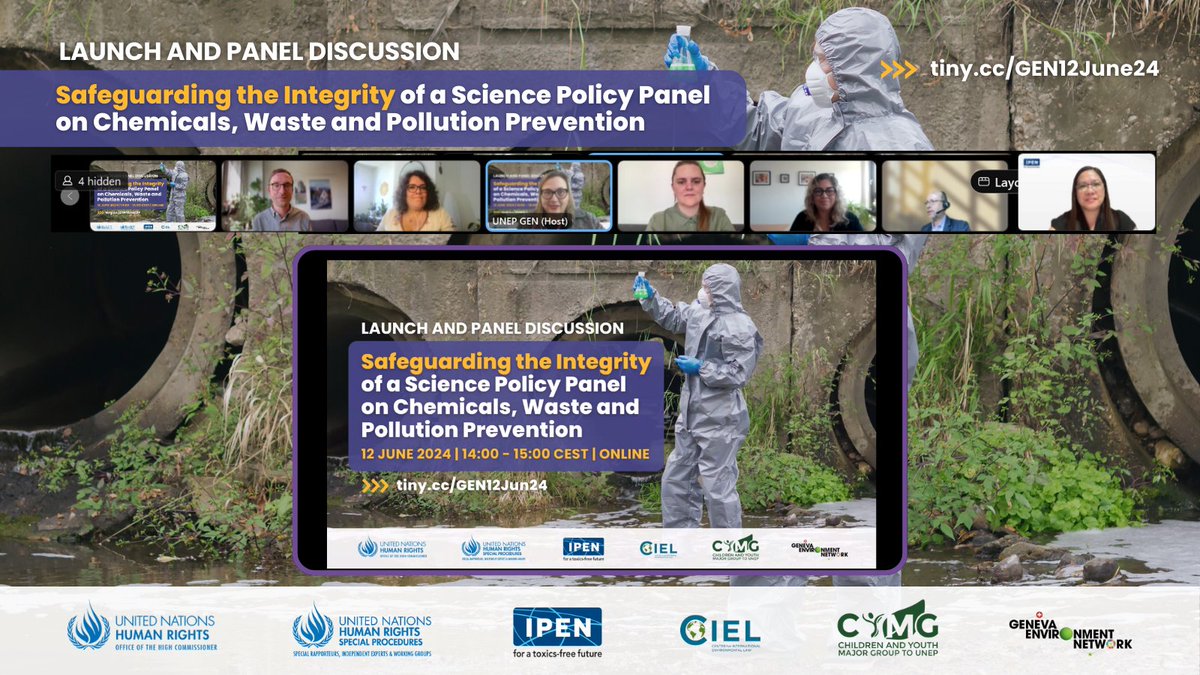
Ahead of #OEWG3 #SPPCWP in #GENeva, join the discussion on the need to safeguard the integrity of the science-policy panel on #chemicals, #waste & #pollution prevention, against risks of #ConflictsOfInterest.
➡️ tiny.cc/GEN12Jun24
📺 youtube.com/watch?v=n1xs-HIL…
1
3
12
1,637

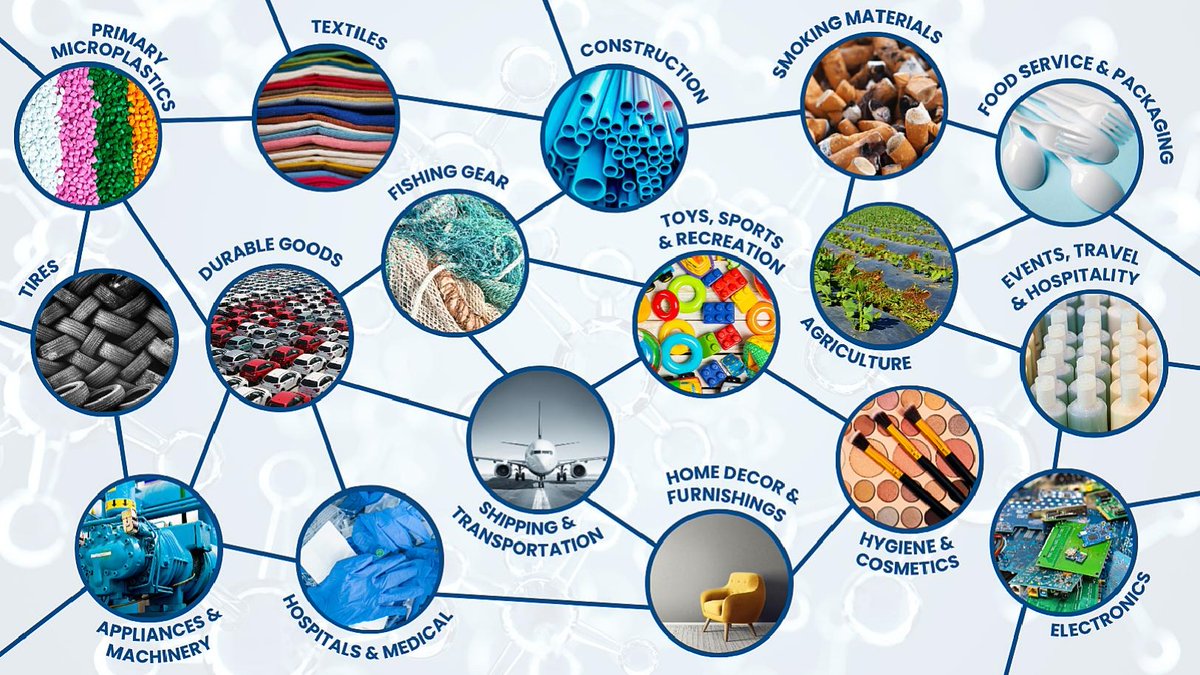
“Production really is pollution,” says one of the study’s authors, Lisa Erdle, Director of Science at the non-profit The 5 Gyres Institute.
theguardian.com/environment/…
3
7
14
716

28 Apr 2024
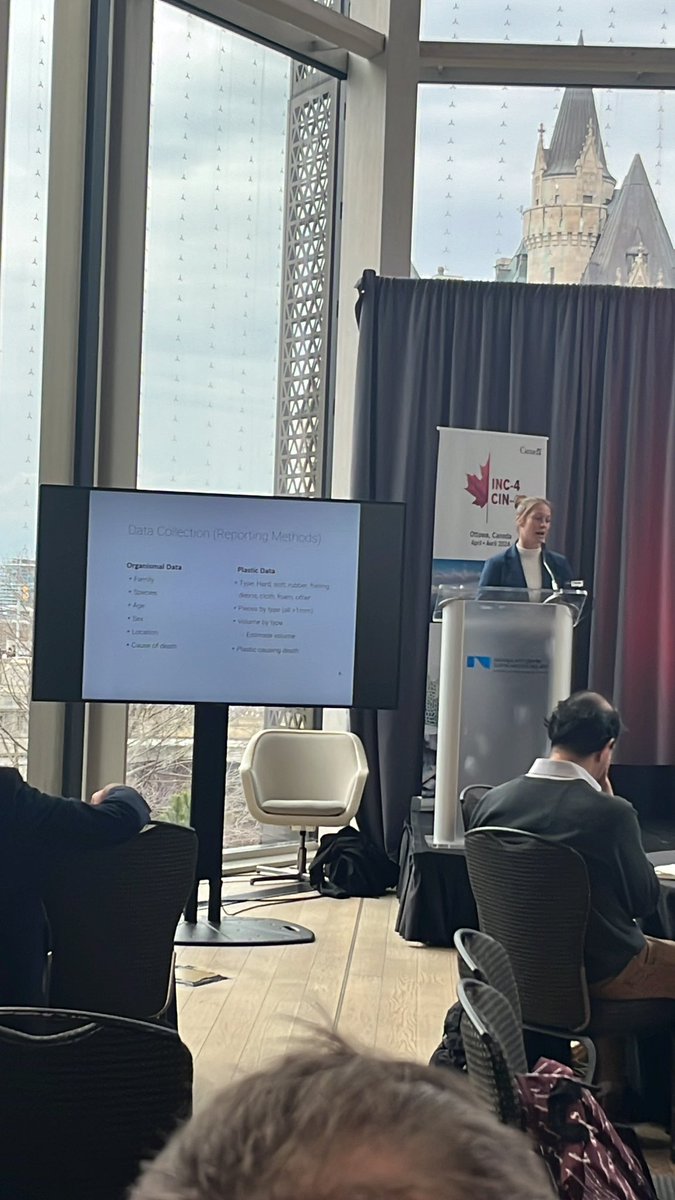
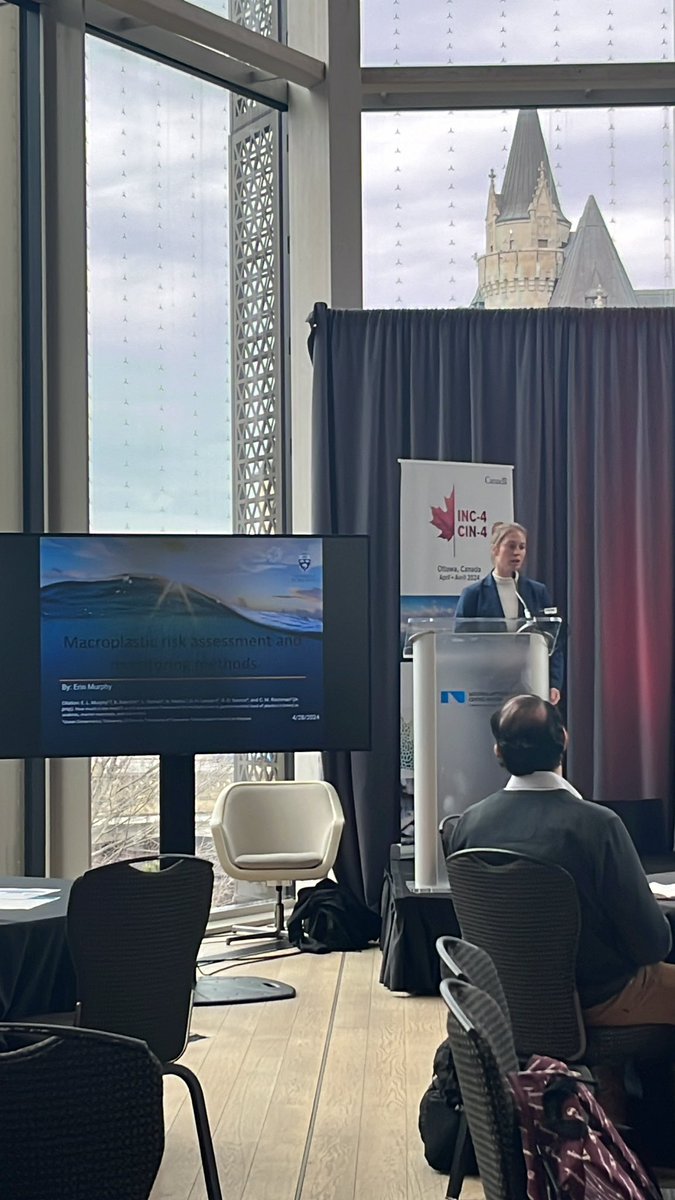
Next up, Erin Murphy sharing monitoring and management for macroplastics. Developing protocols for monitoring, including ingestion by wildlife.
2
1
110
28 Apr 2024
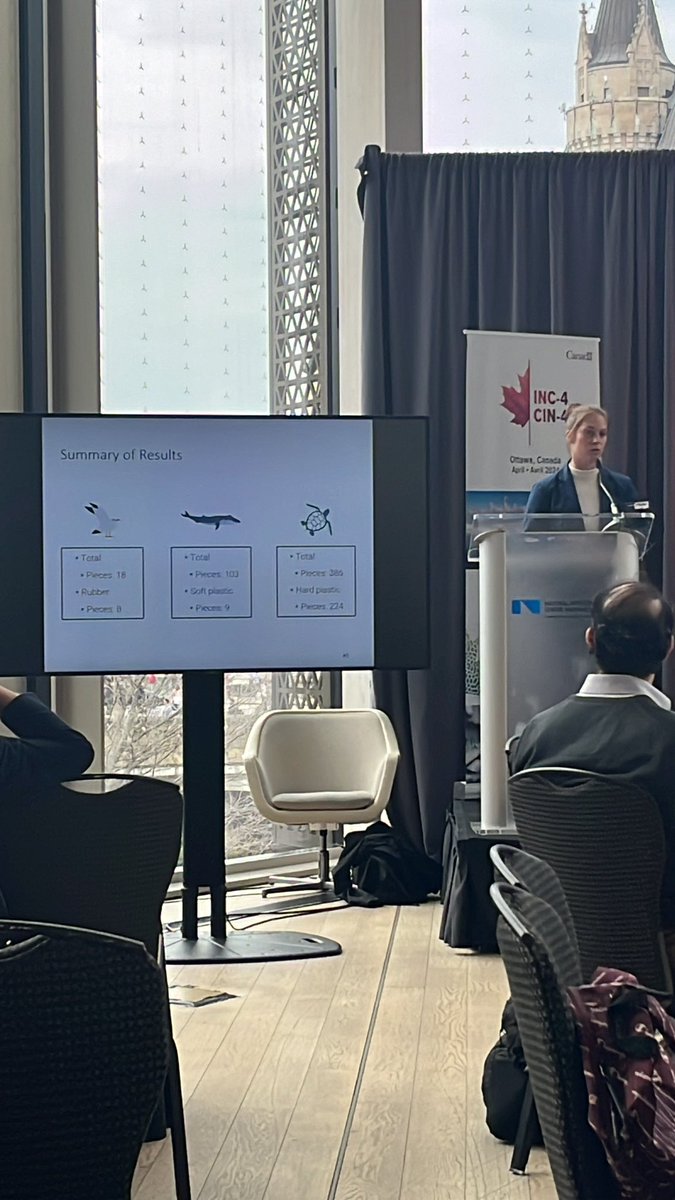
Risk varies by taxa and plastic type. Lots of variability in necropsy data, so recommendations presented for seabirds, marine mammals, and turtles. We need more info on the animal, plastic type, chemicals, and cause of mortality.
1
1
69
28 Apr 2024
Plastic type matters! Risk can increase based on macroplastic type. Balloons pose greater risk to seabirds. For marine mammals, bags cause greater harm. Hard plastics are of concern to turtles. 🐢
We can set science based thresholds for various taxa.
1
1
53
28 Apr 2024
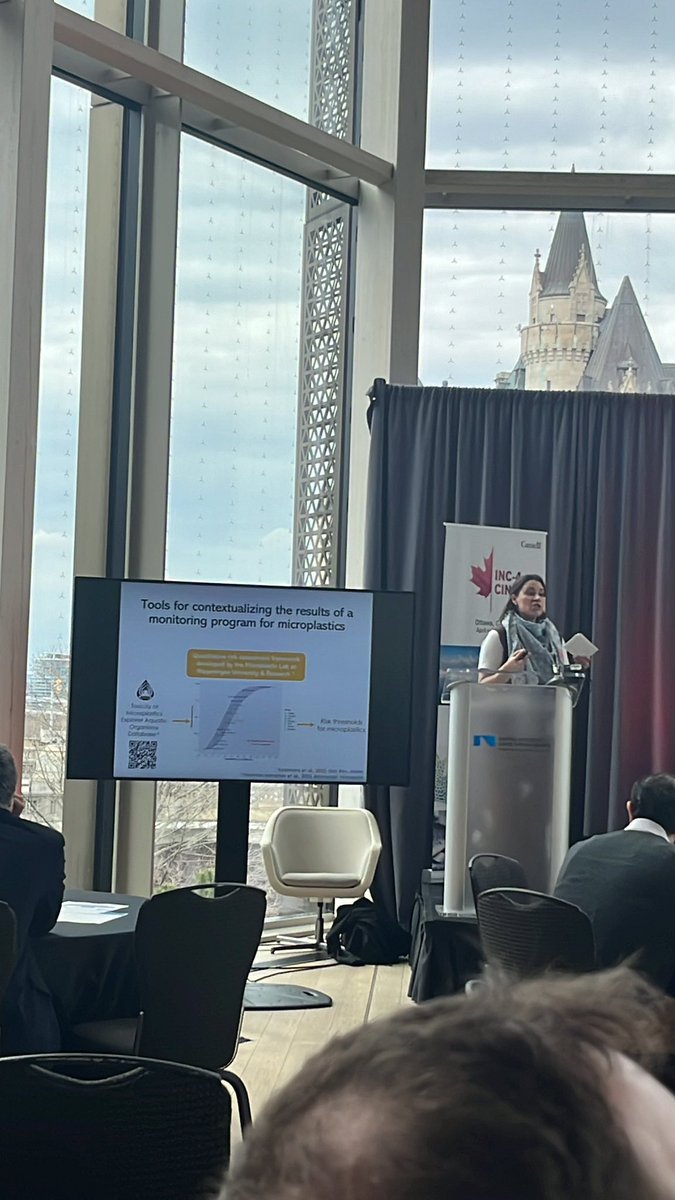
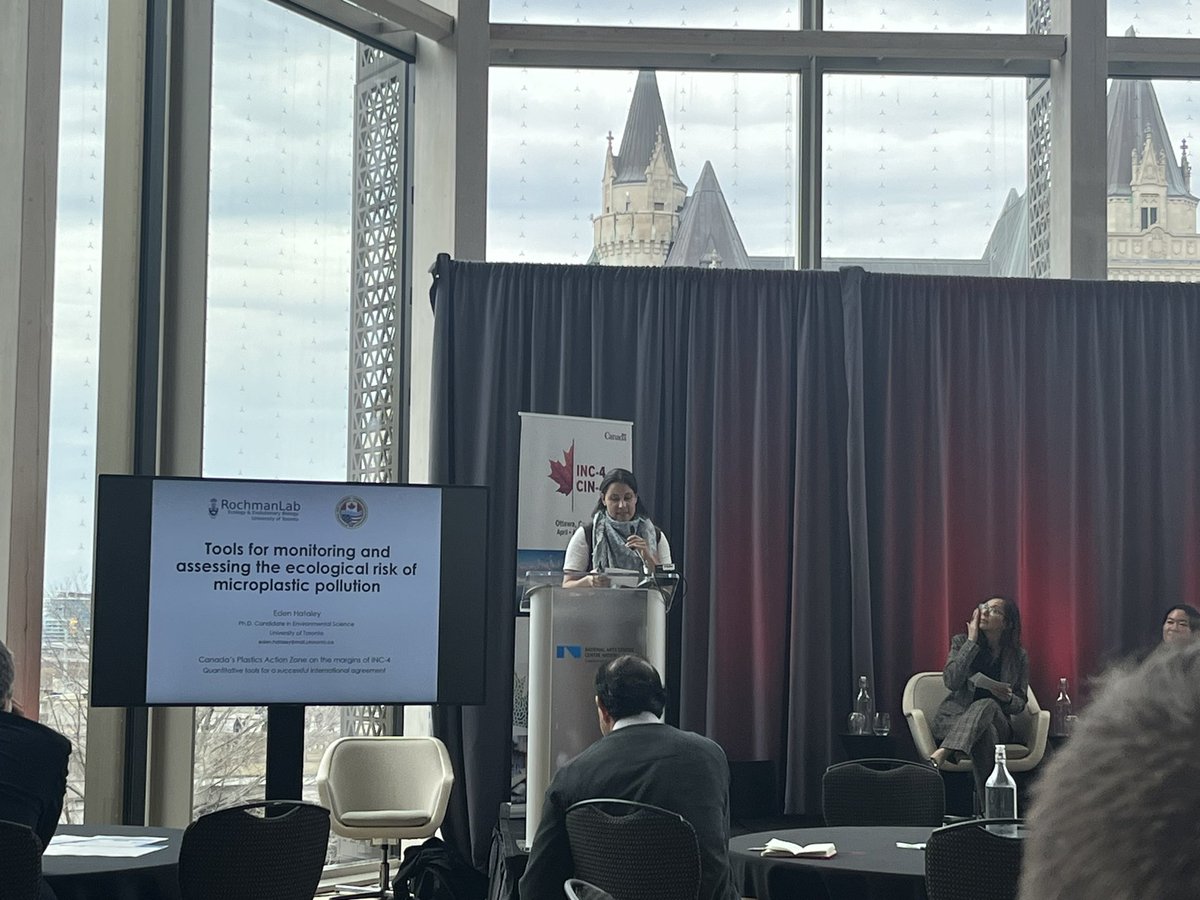
Quantitative risk assessment and research from SCCWRP highlighted by @EdenHataley — helps us identify sources, track exposure, and changes over time (including effectiveness of mitigation!)
1
2
142
28 Apr 2024
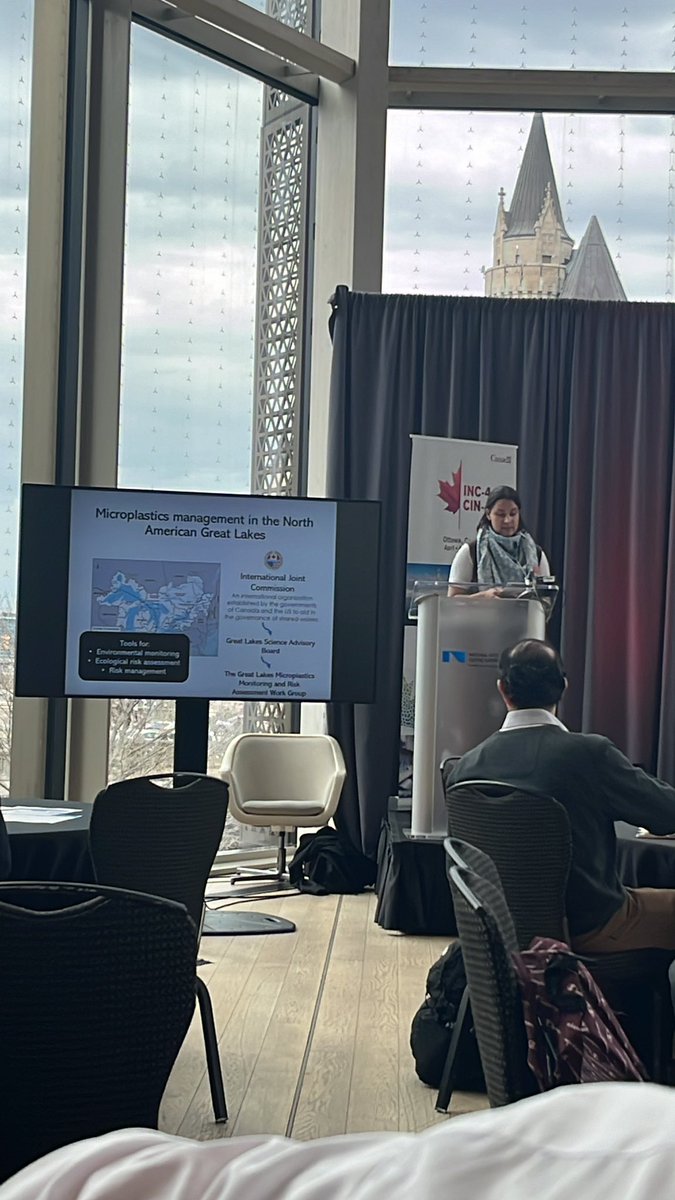
Transboundary coordination for monitoring in the Great Lakes via the @IJCsharedwaters. Tools like robust field methods are important for sound environmental monitoring. Methods be made publicly available via SCCWRP and IJC before the end of 2025 @EdenHataley
2
1
93
28 Apr 2024
Microplastics management reliant on sound data that is reported and peer reviewed. With enough data, can inform risk.
1
56
28 Apr 2024
Species sensitivity distributions and tools that can be adopted to local standards. @EdenHataley sharing the need for relevant local guidelines. Structures can be built according to local and regional governance.
1
36
28 Apr 2024
Evidence-based tools: monitoring and risk assessment frameworks needed to inform a global plastics treaty for plastic in the environment, both micro- and macroplastics.
2
2
8
406
28 Apr 2024
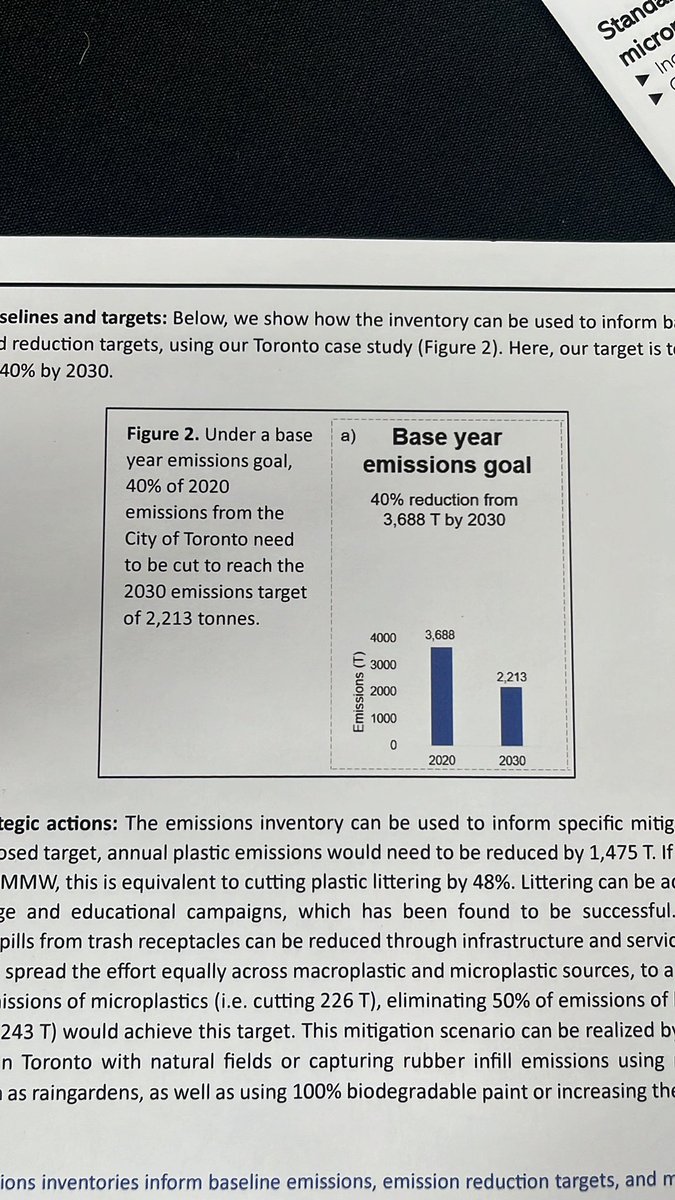
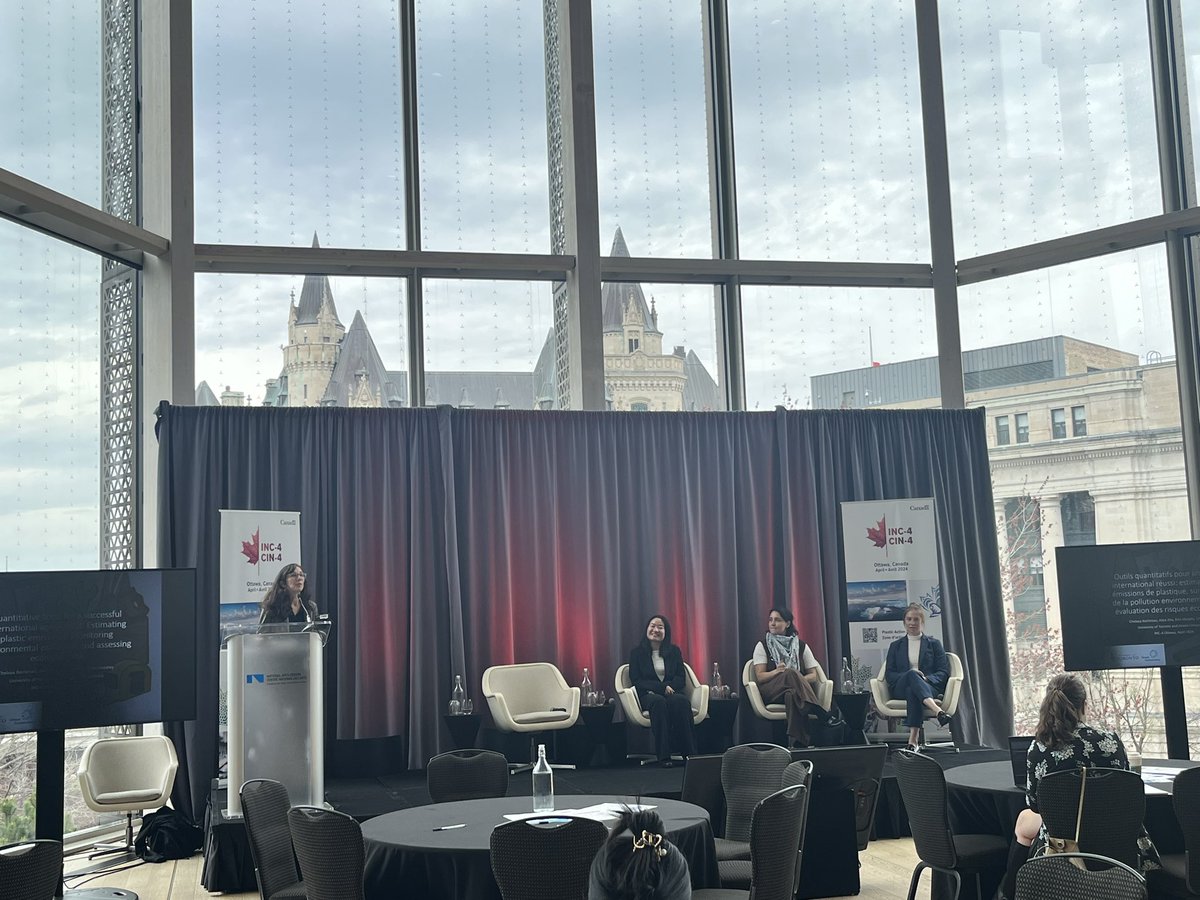
With emission inventories we can set targets and inform action. What would a 40% emissions reduction look like for a city, like theCity of Toronto? Would mean going from nearly 4,000 tonnes to 2,200 tonnes. @AliceXiaZhu
2
1
2
152
28 Apr 2024
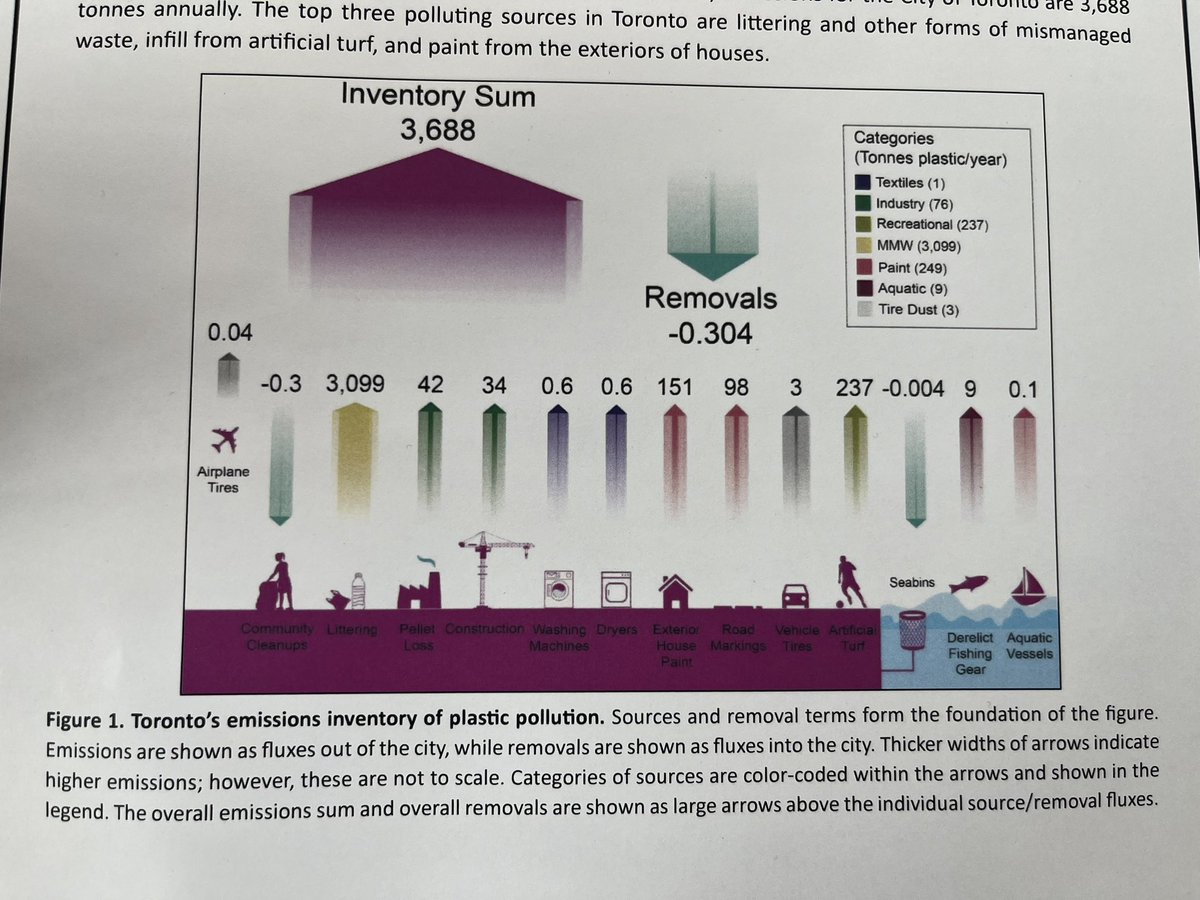
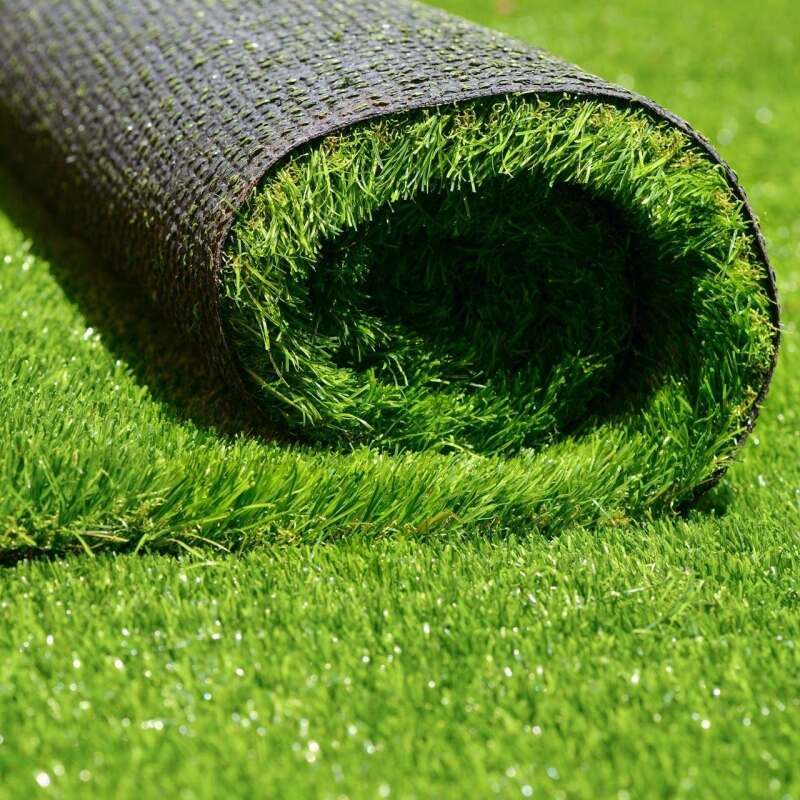
Some possible actions to reduce emissions could include reducing emissions from artificial turf, and paint.
2
70
28 Apr 2024
New research highlighted by @AliceXiaZhu - important emission inventories NOW form the baseline for monitoring.
2
65
23 Apr 2024
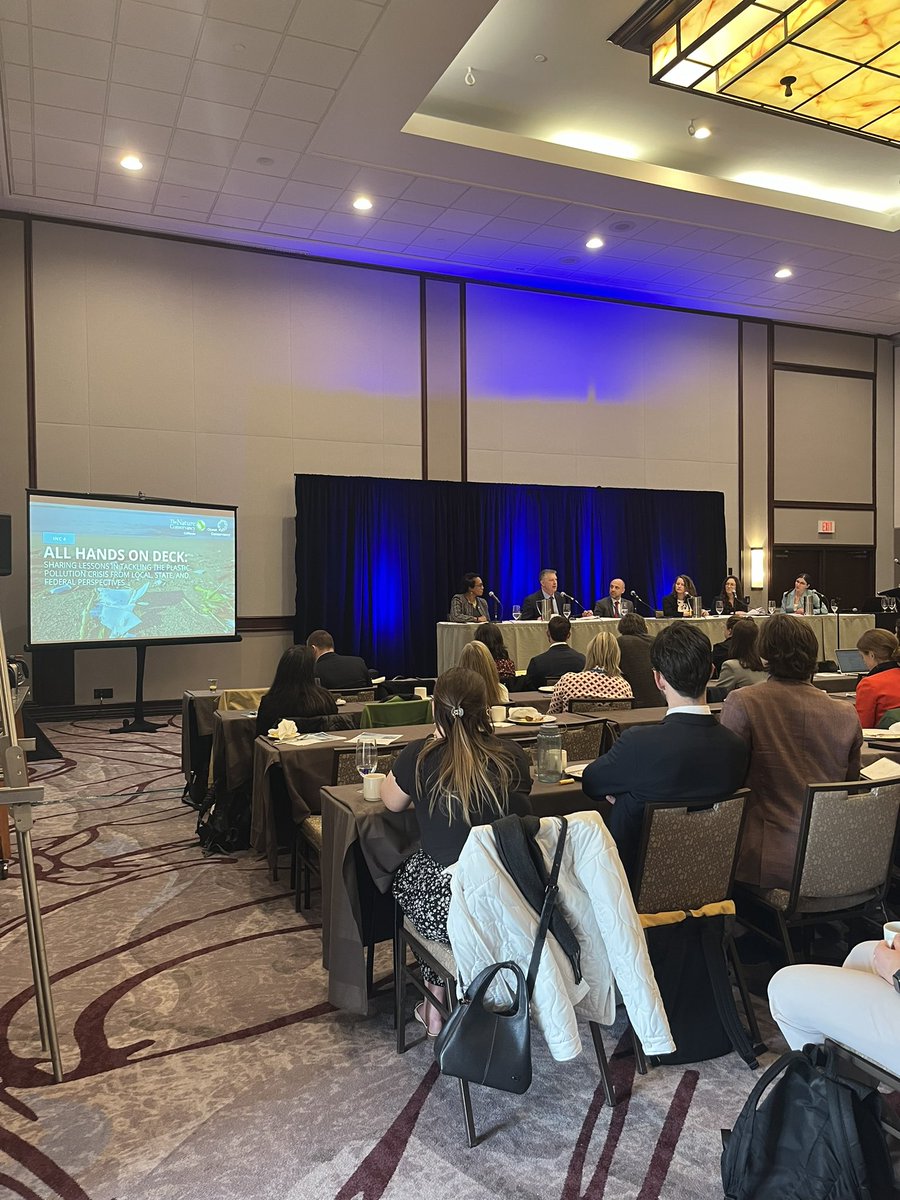
Full room sharing lessons tackling plastic pollution - local, state, and federal perspectives informing global action at INC-4. Sub-national actors have a role to play in a global plastics treaty. Great panel led by @OurOcean and @nature_org.
2
12
229
23 Apr 2024
Local government are our laboratories to pilot new things and get things done! YES!
63

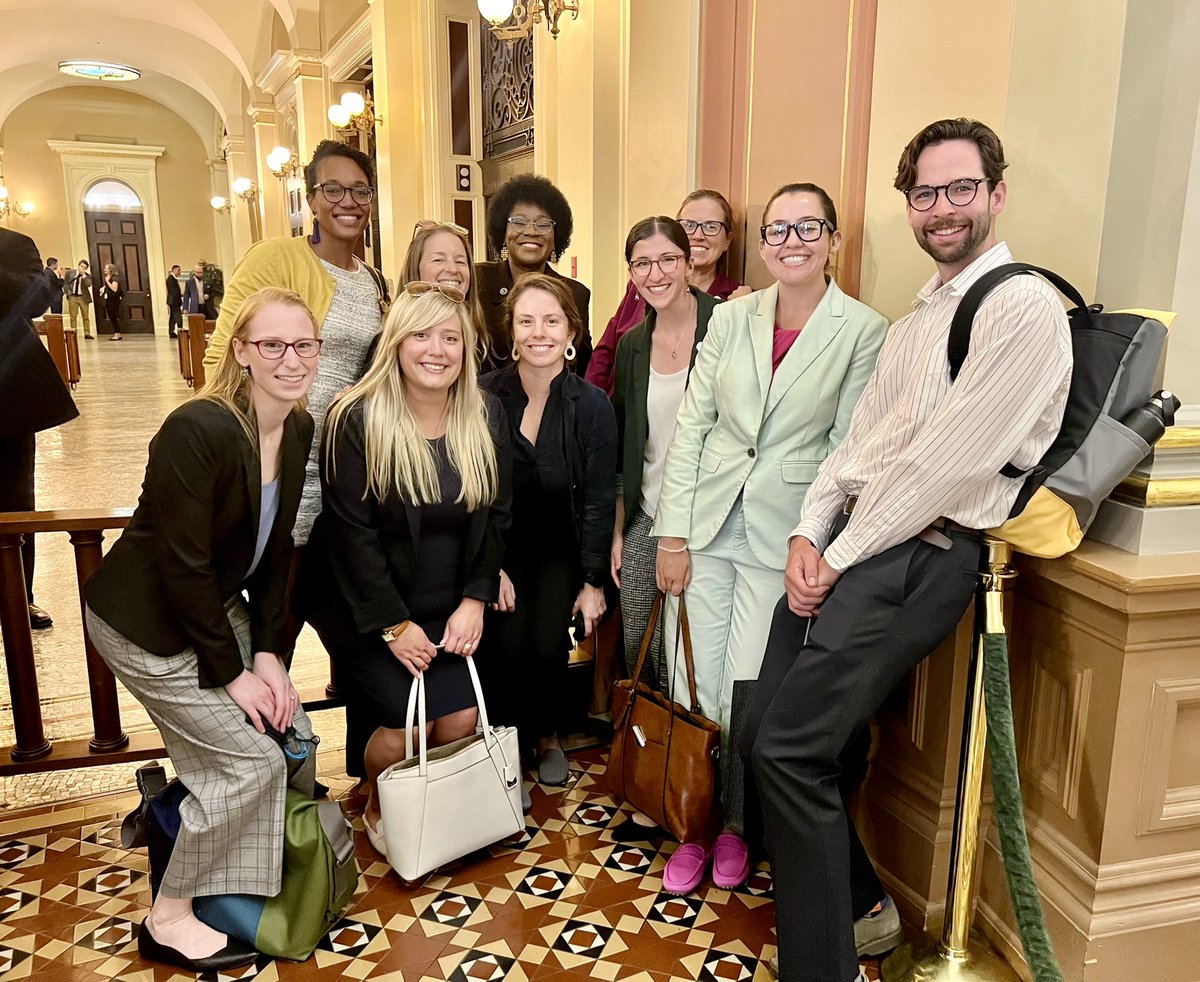
"Addressing microplastics in California requires a multifaceted approach, but this bill serves as a critical step toward reducing a known source of microplastic pollution."
Today, @lisaerdle testified in front of the Senate EQ Committee in support of @AsmTinaMcKinnor's #AB1628.
1
4
12
1,260
12 Jul 2023
Thrilled to testify on behalf of this bill today, and make sure that decisions are based on sound science! Science to solutions in action. @5gyres
12 Jul 2023

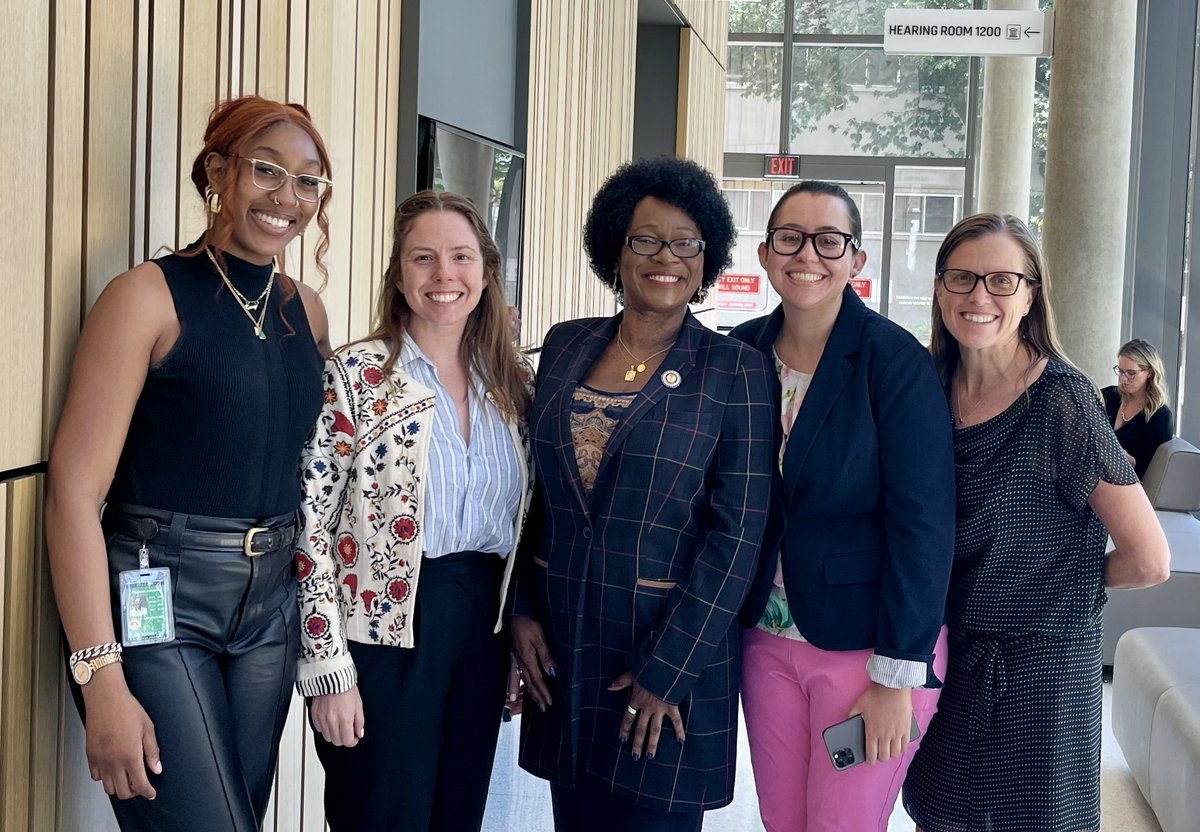
A big win for the environment today w/ the Senate Enviro. Quality Committee’s approval of my #ab1628 which will require microfiber filters on all new washing machines. Grateful for the scientists & enviro orgs that have championed this issue to keep us safe from micro plastics.
1
4
29
2,063
Lisa Erdle, PhD retweeted

5 Jul 2023
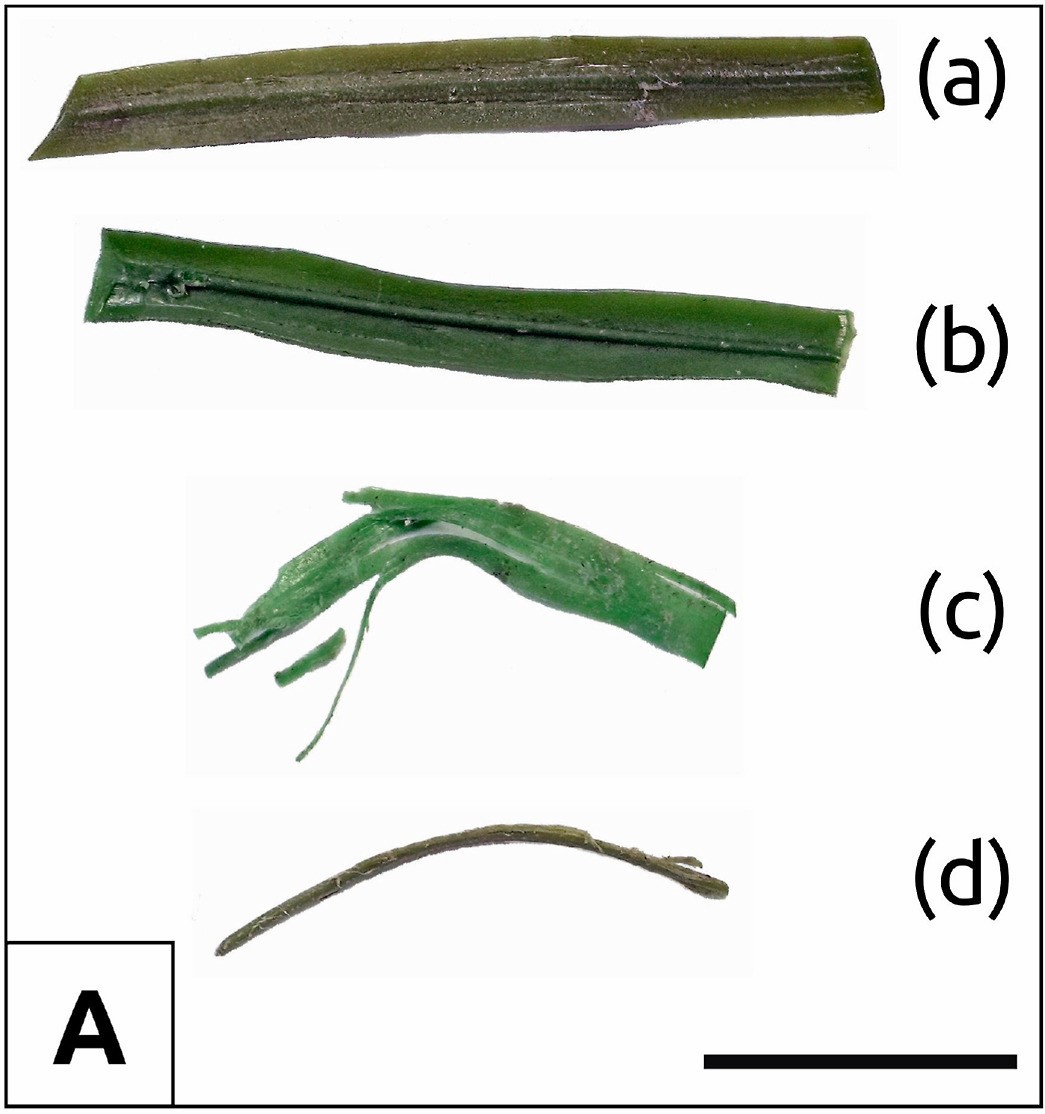
📢New Publication! "The dark side of artificial greening: Plastic turfs as widespread pollutants of aquatic environments"🌿
We have found that artificial turf fibers account for up to 15% of the meso- and macroplastics in rivers and sea surface waters!
doi.org/10.1016/j.envpol.202…
30
626
1,097
200,952