Department of Materials Science and Engineering, MIT
Joined October 2009
- Tweets 2,772
- Following 397
- Followers 9,167
- Likes 539
1,467 Photos and videos
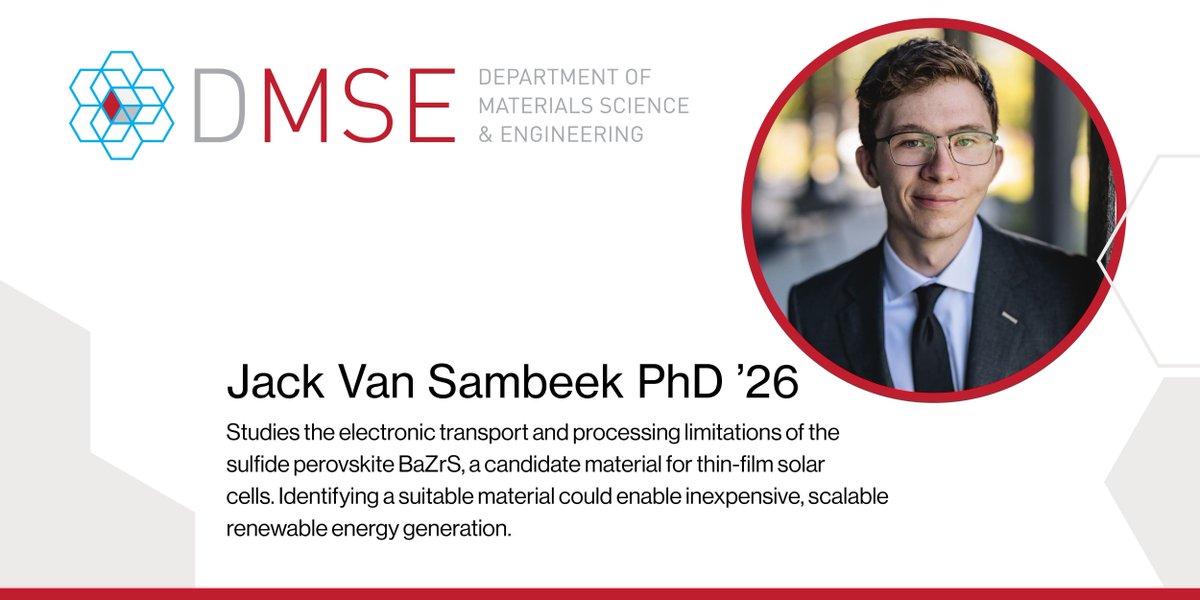
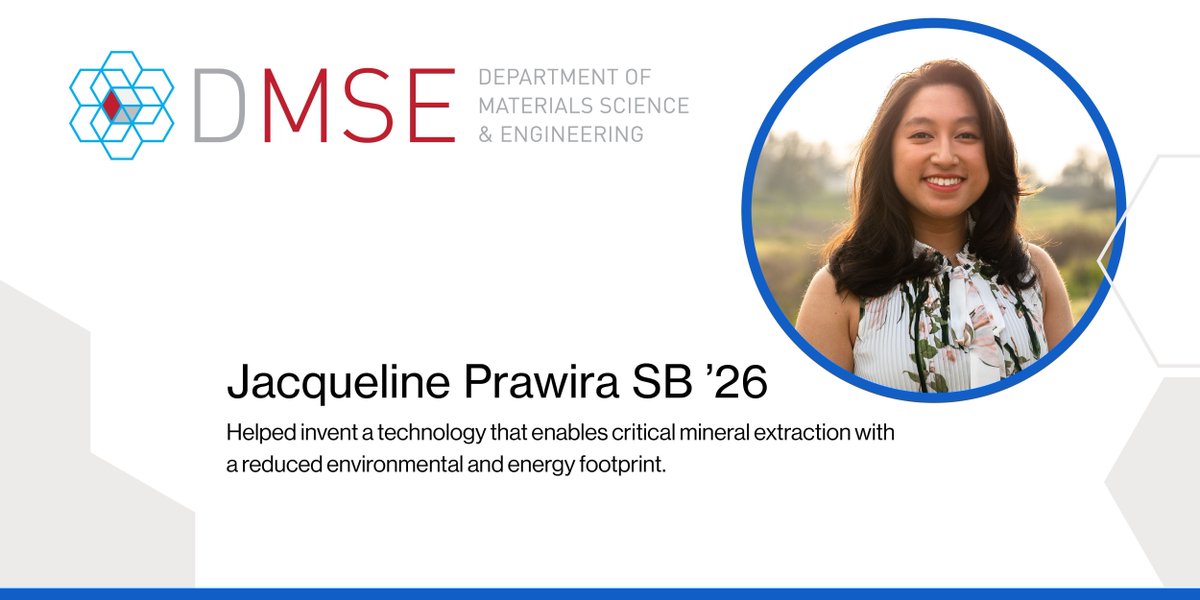

Jun 11
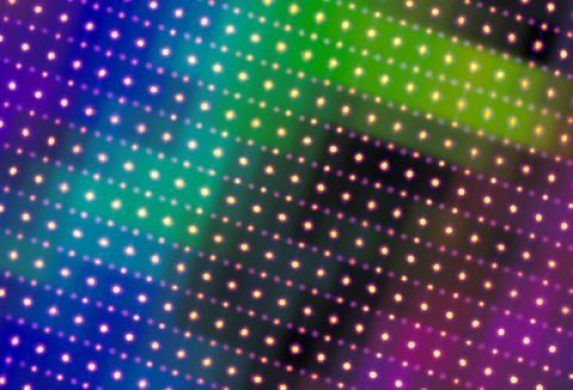
Combining multislice electron ptychography and simulations, DMSE postdocs Michael Xu and Menglin Zhu refined 3D models of relaxor ferroelectrics—a key step toward better-designed electronic materials. buff.ly/BgjUxJL
144
Jun 11
How can new sensor technologies improve maternal health?
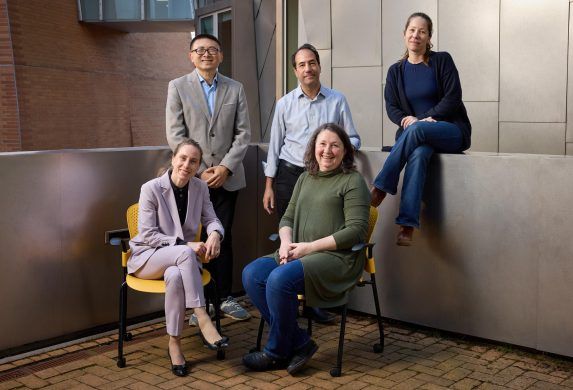
DMSE’s Polina Anikeeva is part of an interdisciplinary team developing wearable and implantable sensors to monitor fetal movement, uterine contractions, and placental health throughout pregnancy. buff.ly/yJBLRrE
2
154
Jun 9
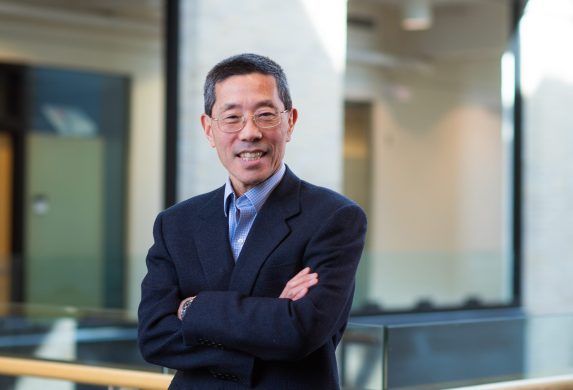
DMSE's Prof. Yet-Ming Chiang has been named a 2026 Tech Power Player by @bostonglobe—his fourth time on the list. The honor recognizes leaders helping shape the future of technology and business across New England. Learn more: buff.ly/ldDMSGh
3
178
Jun 8
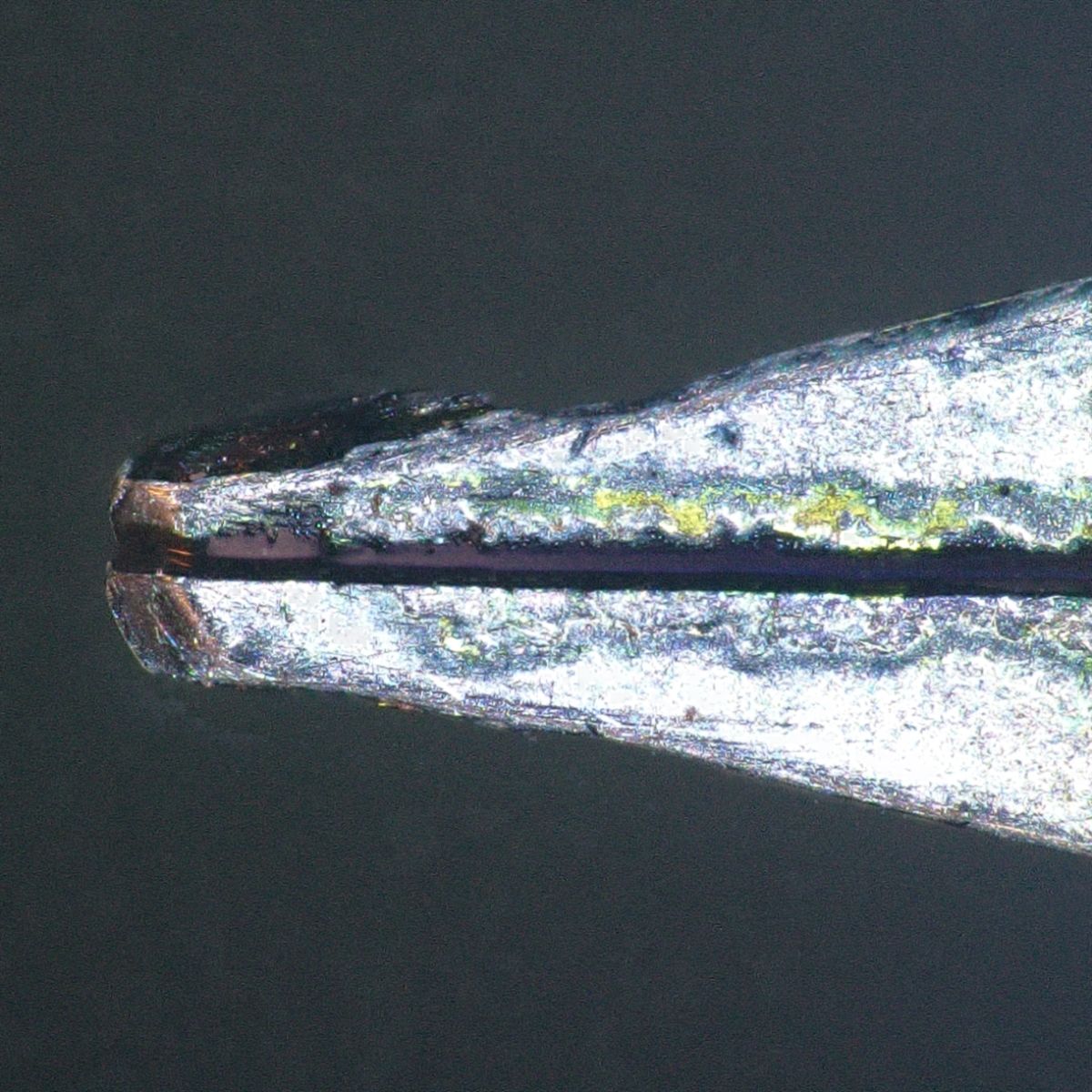
Breakerspace Image Contest Runner-up: Best Optical Microscope Image
Graciela Rodriguez’s image of the nib of an Esterbrook J Series fountain pen, produced between 1948 and 1957. View all winners and runners-up: buff.ly/i7IYbNZ
136
Jun 7
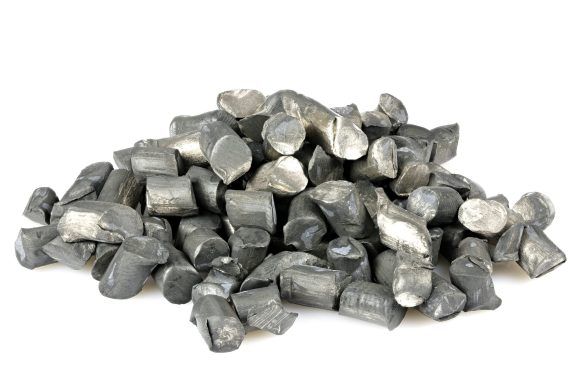
DMSE researchers have developed a low-temperature, recyclable method for extracting lithium from hard rock, a material currently concentrated in a few countries. Learn more: buff.ly/HjOHUen
1
2
6
347
Jun 6
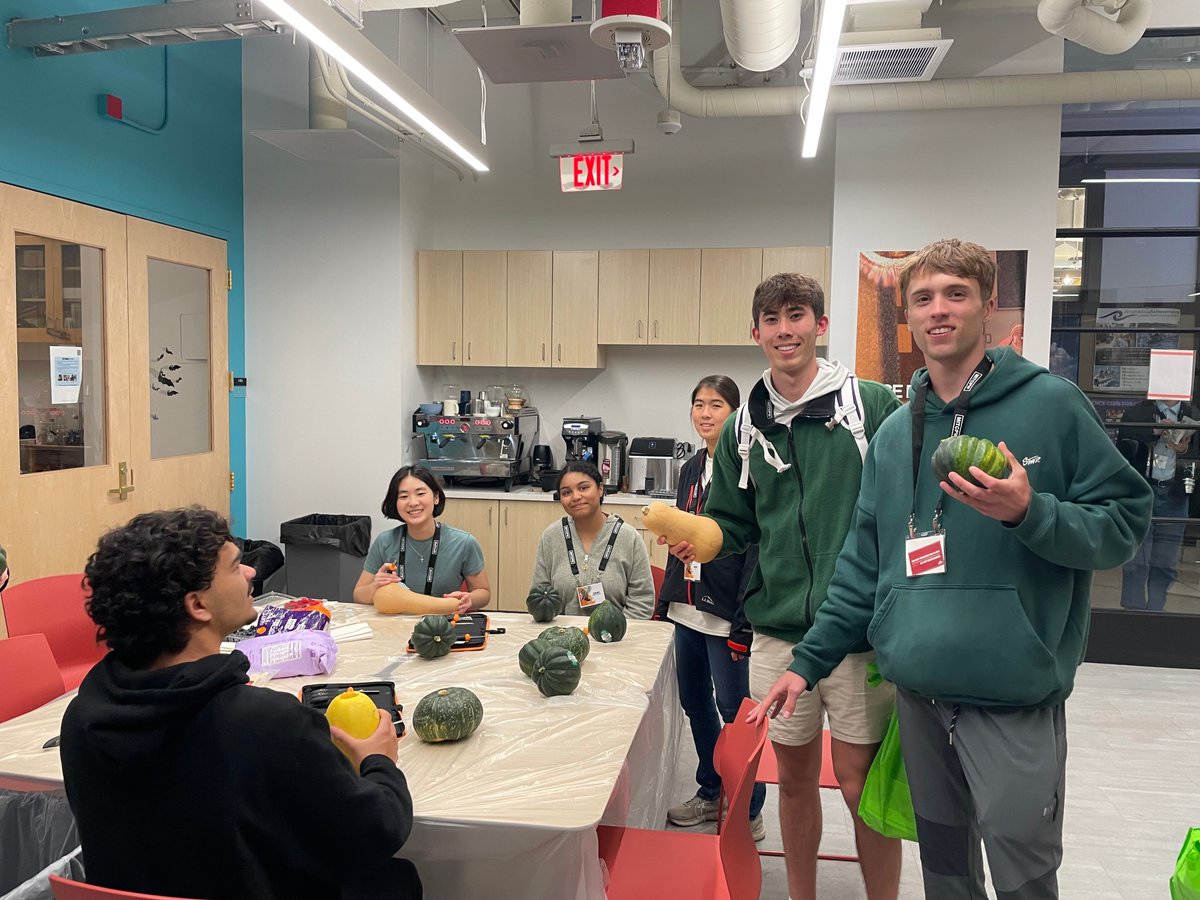
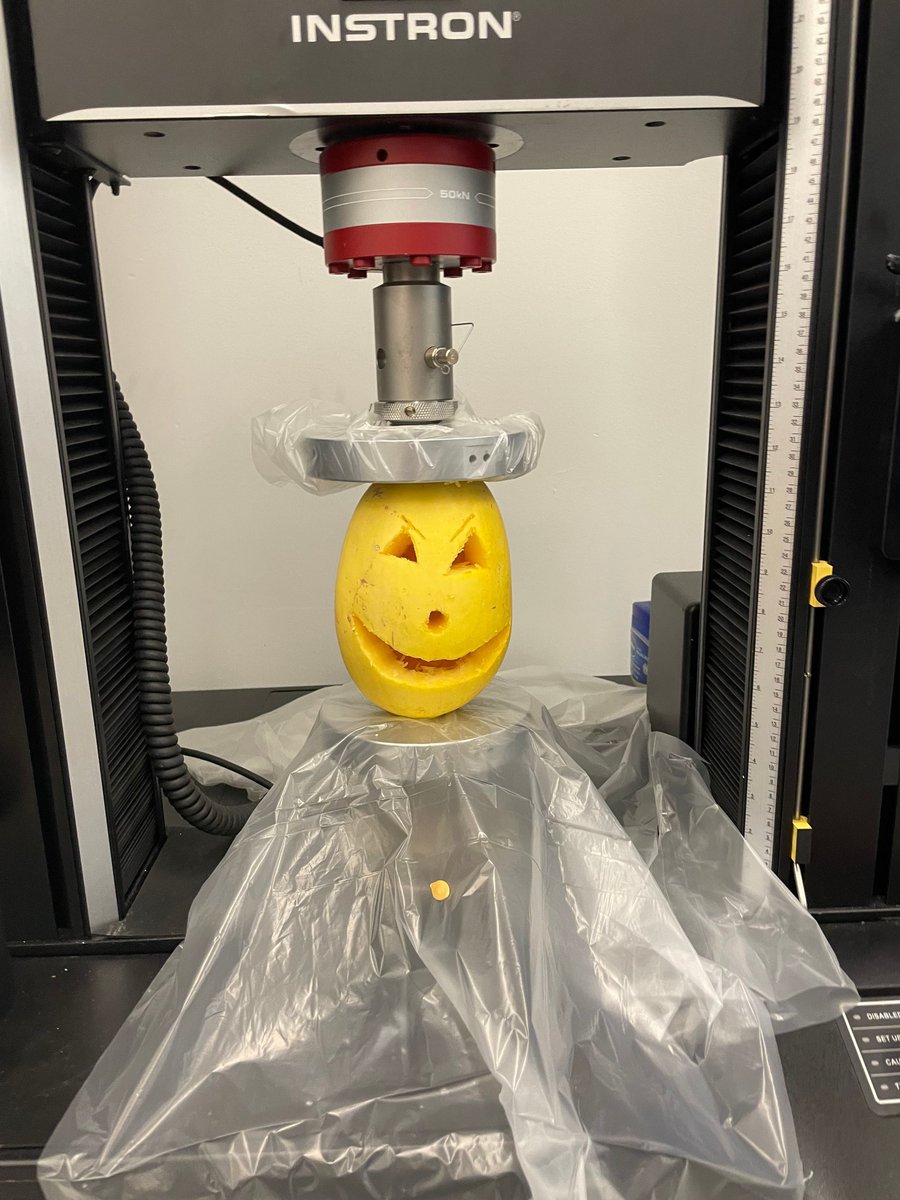
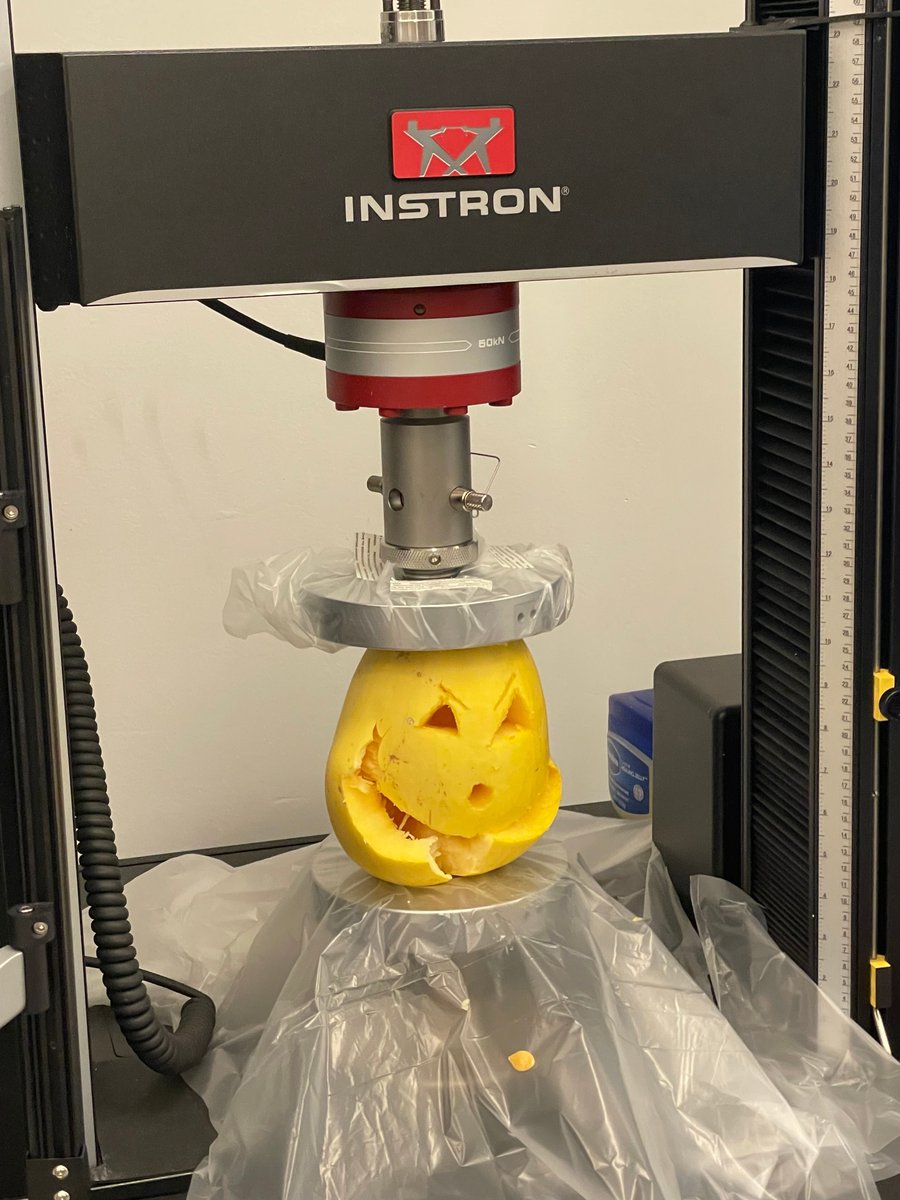
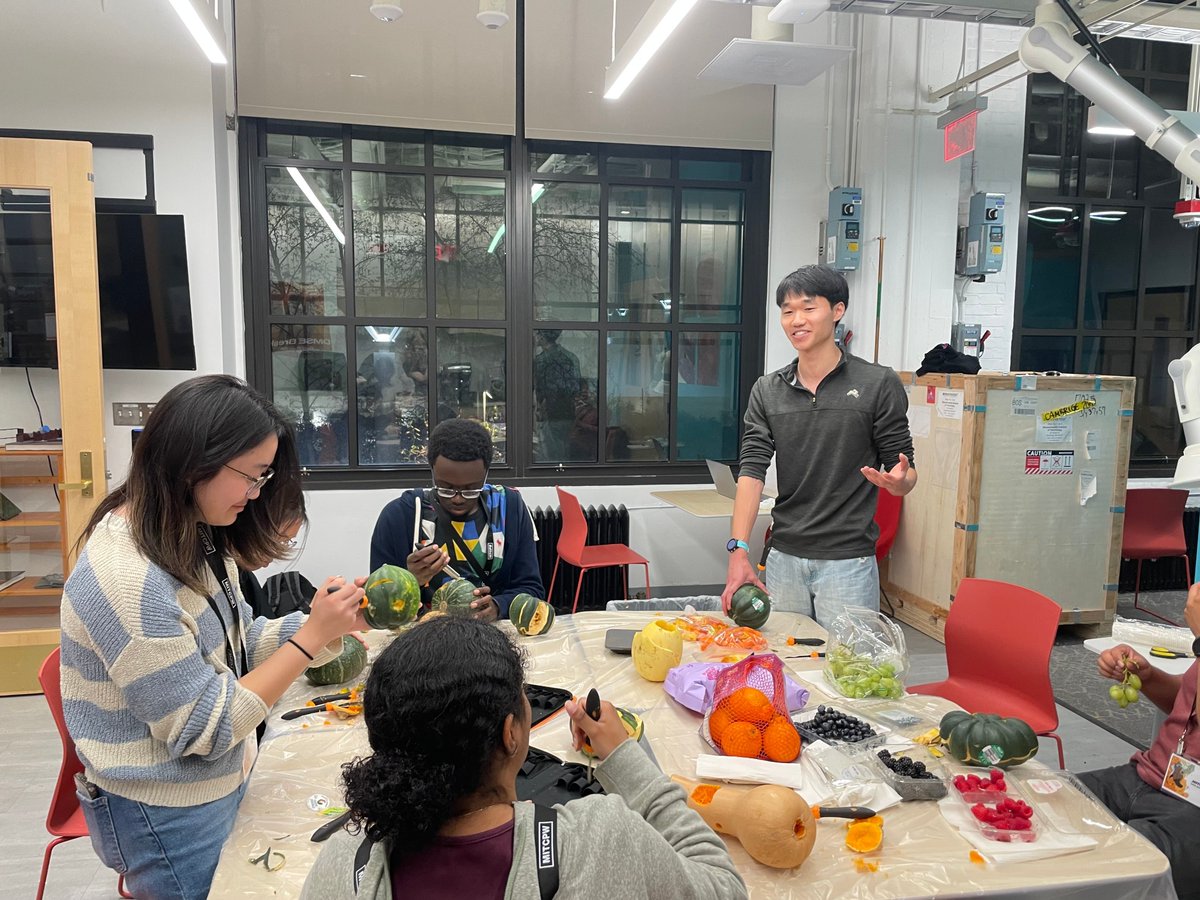
Campus Preview Weekend brought prospective students to pumpkin smashing in the Breakerspace. Since pumpkins aren’t in season, DMSE students carved—and mechanically tested—squash instead.
3
223
Jun 5
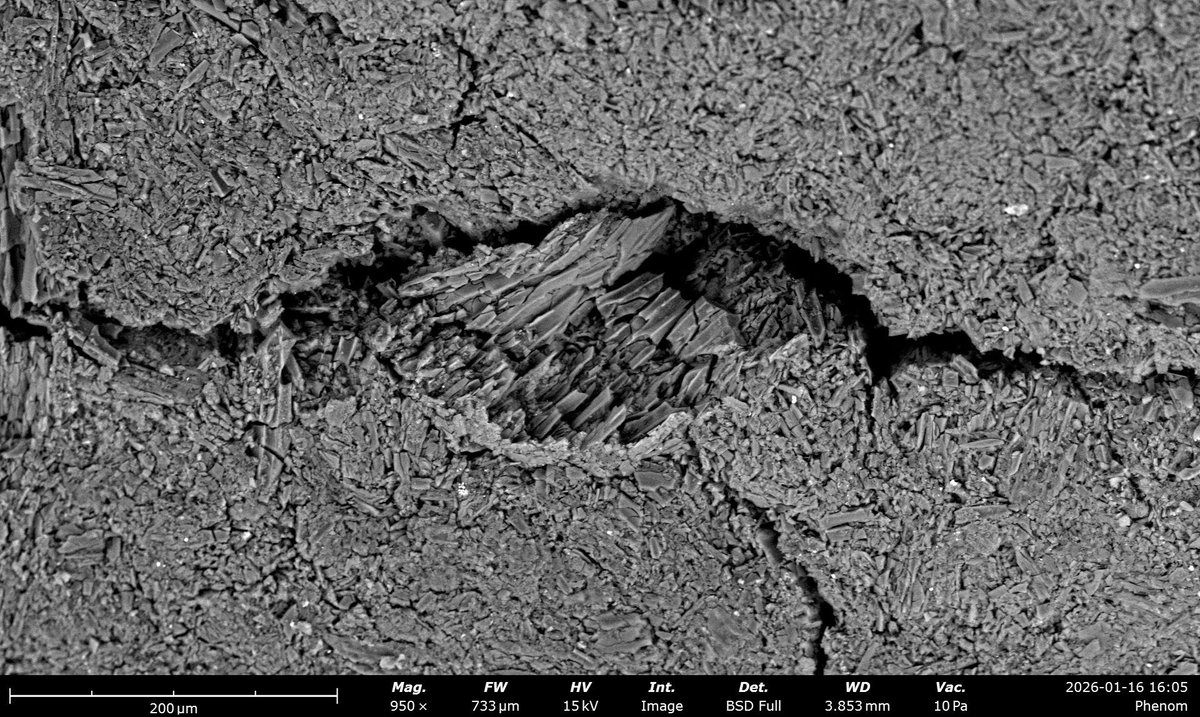
Breakerspace Image Contest Runner-up: Best Electron Microscope Image
1
2
290
Jun 5
Leonid Asatryan captured activated charcoal used for medicinal purposes, typically made from plant sources. View all winners and runners-up: buff.ly/i7IYbNZ
2
284
Jun 4
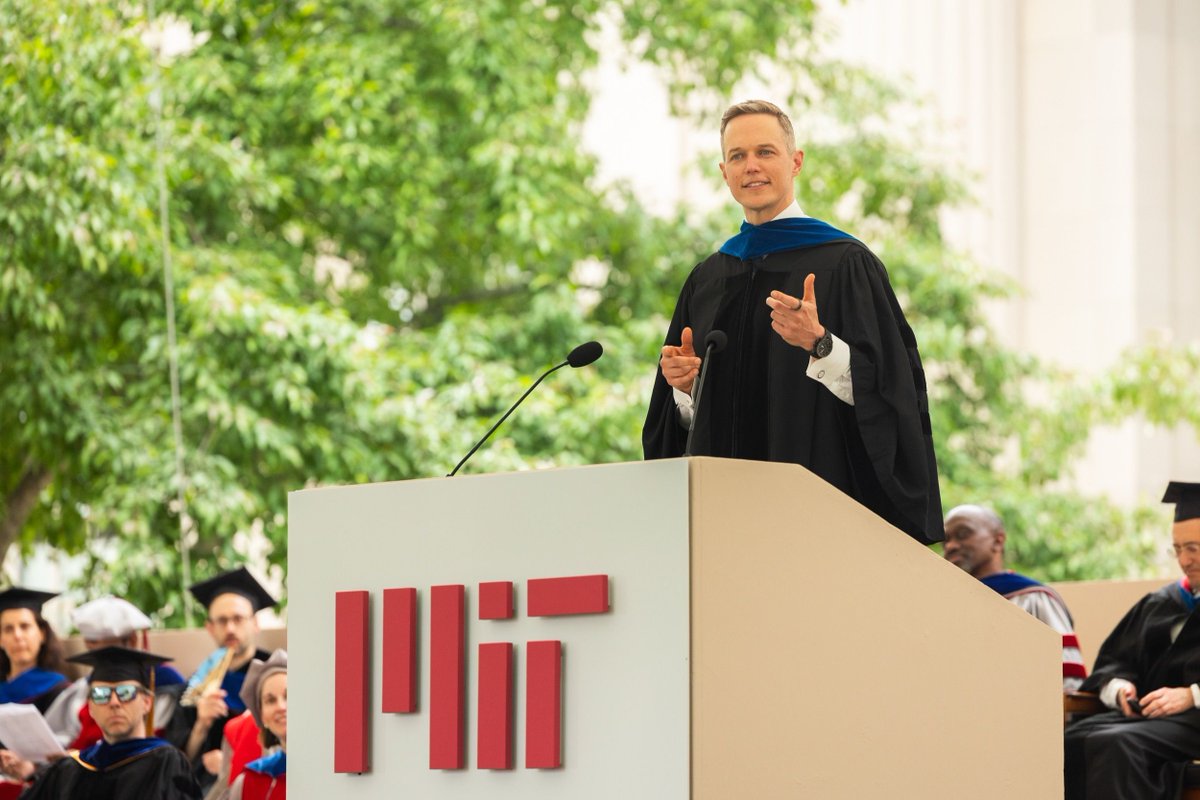
MIT alum Geoffrey von Maltzahn, an inventor on more than 200 patents and patent applications, urged graduates to feel “disturbed” enough to push beyond their comfort zones. Read the @MITEngineering story: buff.ly/fEZrG3m
7
371
Jun 3
Aristide Gumyusenge will receive the 2026 PMSE Early Investigator Award. His recent work includes materials for detectors that monitor toxic gases and polymers that convert biological signals into electronic ones. buff.ly/cnUY1HH
2
255
Jun 2
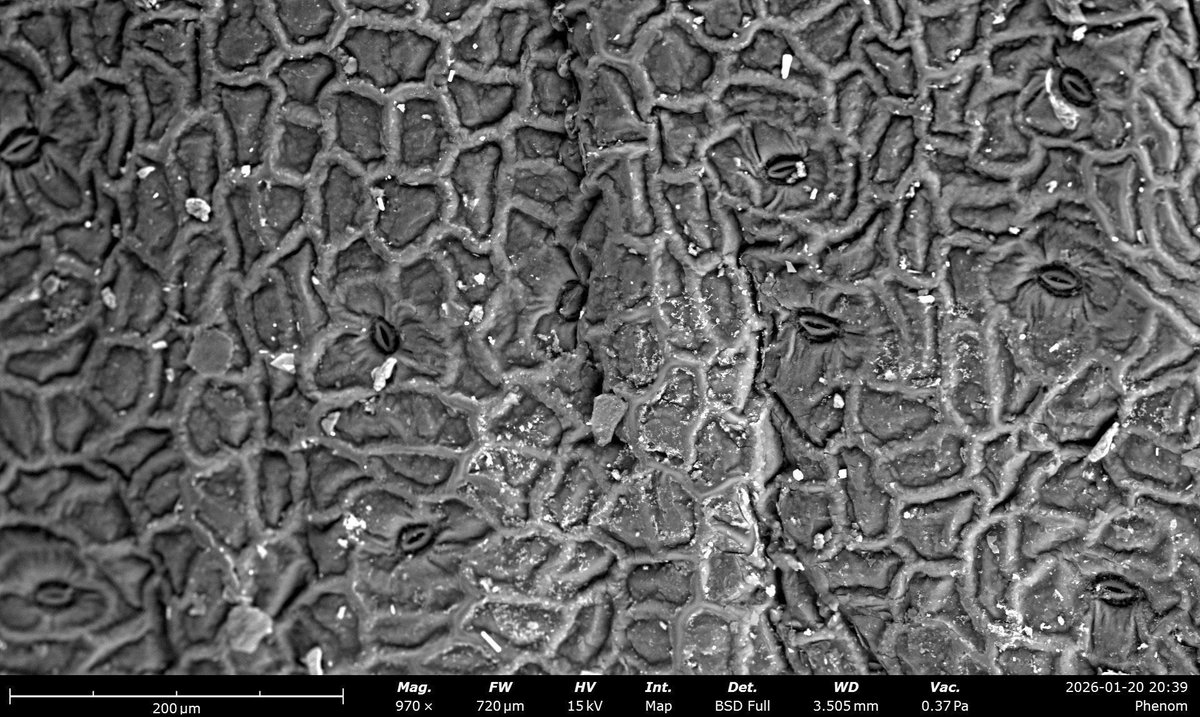
Breakerspace Image Contest Runner-up: Best Electron Microscope Image
Ria Kamat’s surface of a succulent leaf, revealing sunken stomata that help the plant thrive with little water, along with interlocking pavement cells. View all winners and runners-up: buff.ly/i7IYbNZ
148
Jun 1
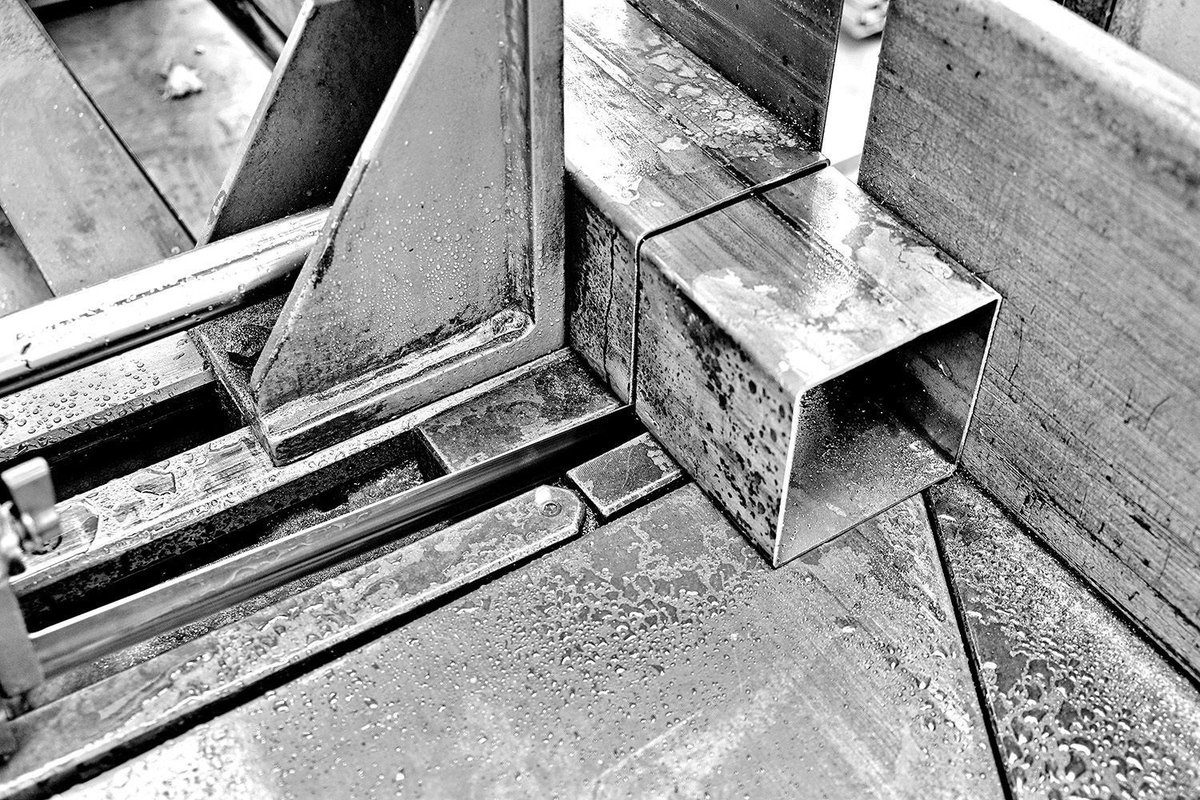
Steel is everywhere — from bridges to cars to skyscrapers — but making it produces huge amounts of CO2. On the Ask MIT Climate podcast, DMSE Prof. Antoine Allanore discusses efforts to make steelmaking cleaner.
Listen to the episode: buff.ly/F9y2nGK
4
254