
Genomics operator. Building at the edge of RNA, AI and real-world medicine. Director @ramacgenomics | A/Prof @UNSWBABS | @UNSWRNA
Joined April 2012
- Tweets 8,615
- Following 1,478
- Followers 3,989
- Likes 8,720
Photos and videos
Martin Smith retweeted

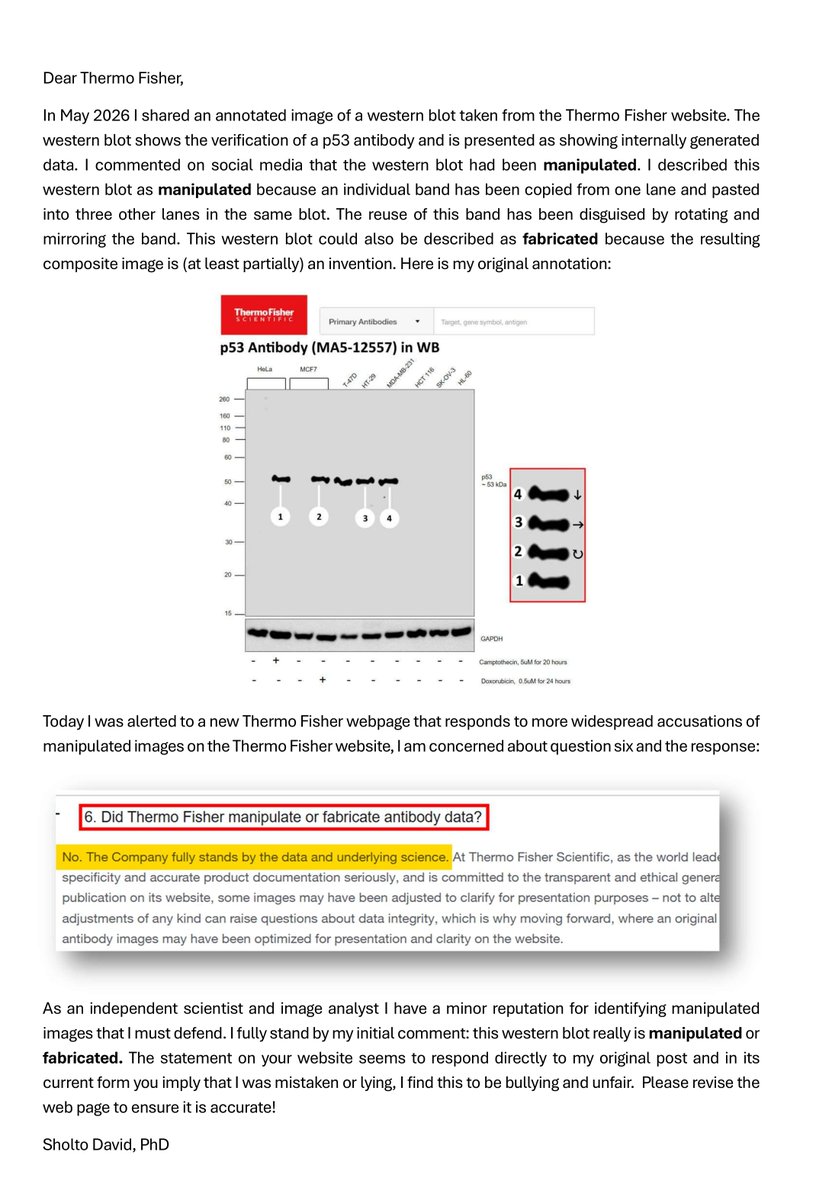
I am sending an open letter to Thermo Fisher. Their response to my response to their manipulated western blot is bullying and petty. Yes, this western blot really is manipulated, it is unfair on me to say otherwise. I don't make those accusations lightly. #ThermoFishy
22
73
517
51,562
Martin Smith retweeted

May 29
May was a huge month in AI × biology. Here's a recap of the biggest stories. 🧵 (1/6)
2
24
152
36,428
Martin Smith retweeted

May 29
Our large scale foundation model already outperforms highly tuned smaller models, which bodes well for our ability to fundamentally compress the timeline from discovery to clinical application. This is the just the beginning. Leveraging foundation models has the potential to unlock the next generation of precision medicine - improving clinical decisions, optimizing trial design and allowing us to bring novel therapeutics to patients faster.

Today we shared announced initial results from our Multimodal Foundation Models for oncology, which leverage over 500 petabytes of patient data to accurately predict patient outcomes and deliver novel insights for precision medicine and drug development.
Read here: tempus.co/4nUv3wV #ASCO26

7
6
90
12,975

May 29
A reminder that impactful #genomics doesn't always require expensive infrastructure.
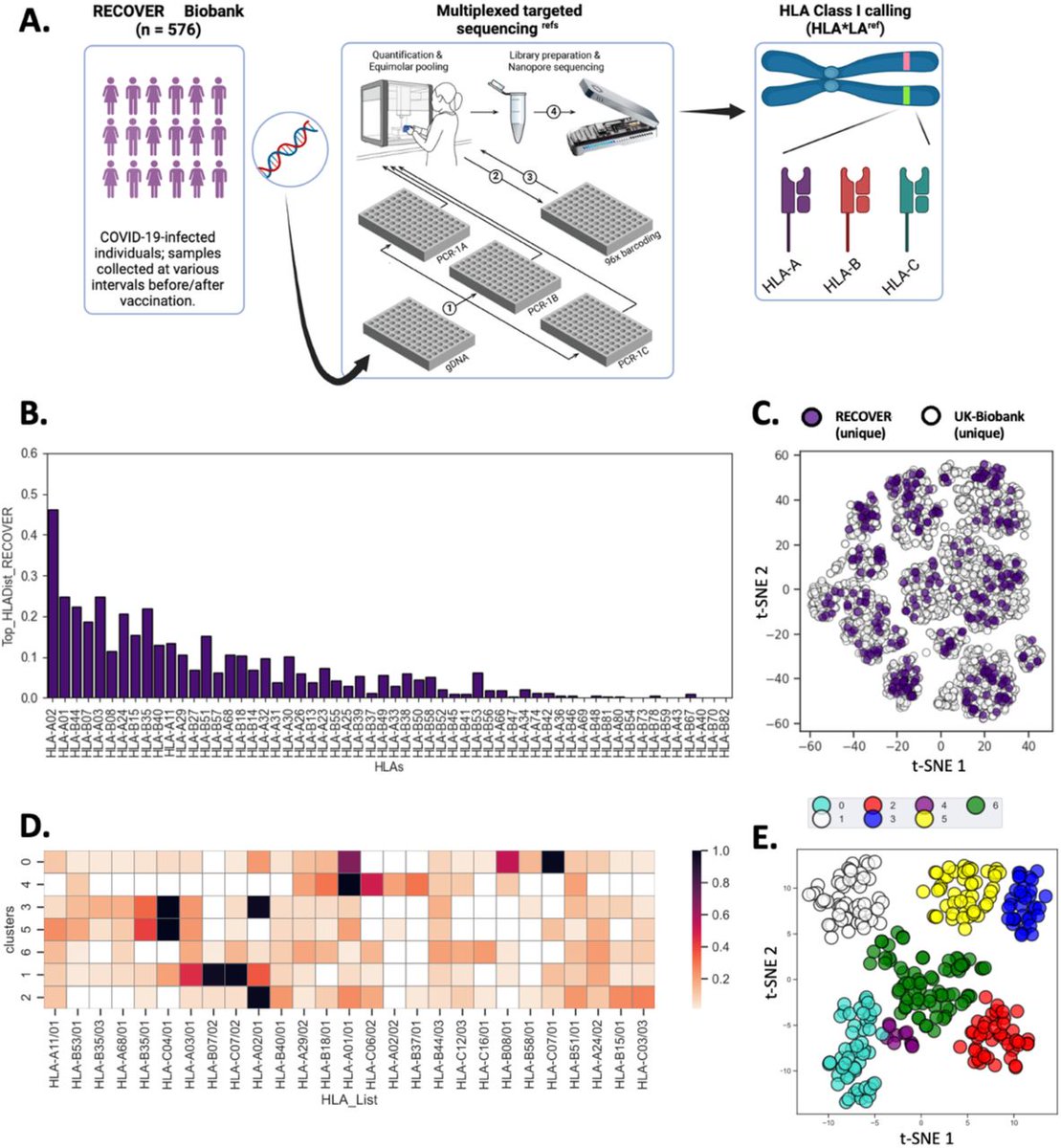
For this new preprint by @DavidHamelin7 et al, we developed a long-read HLA profiling workflow costing ~US$20 (~A$30) per sample using an @Opentrons OT-2 robot, enabling high-resolution profiling across 500 participants.
The science: Using AI to understand how HLA diversity influences susceptibility to immune escape.
The bigger picture: personalised MHC modelling is becoming a key foundation for next-generation immunotherapies and #PrecisionMedicine
biorxiv.org/content/10.64898…
1
24
70
5,553
May 27
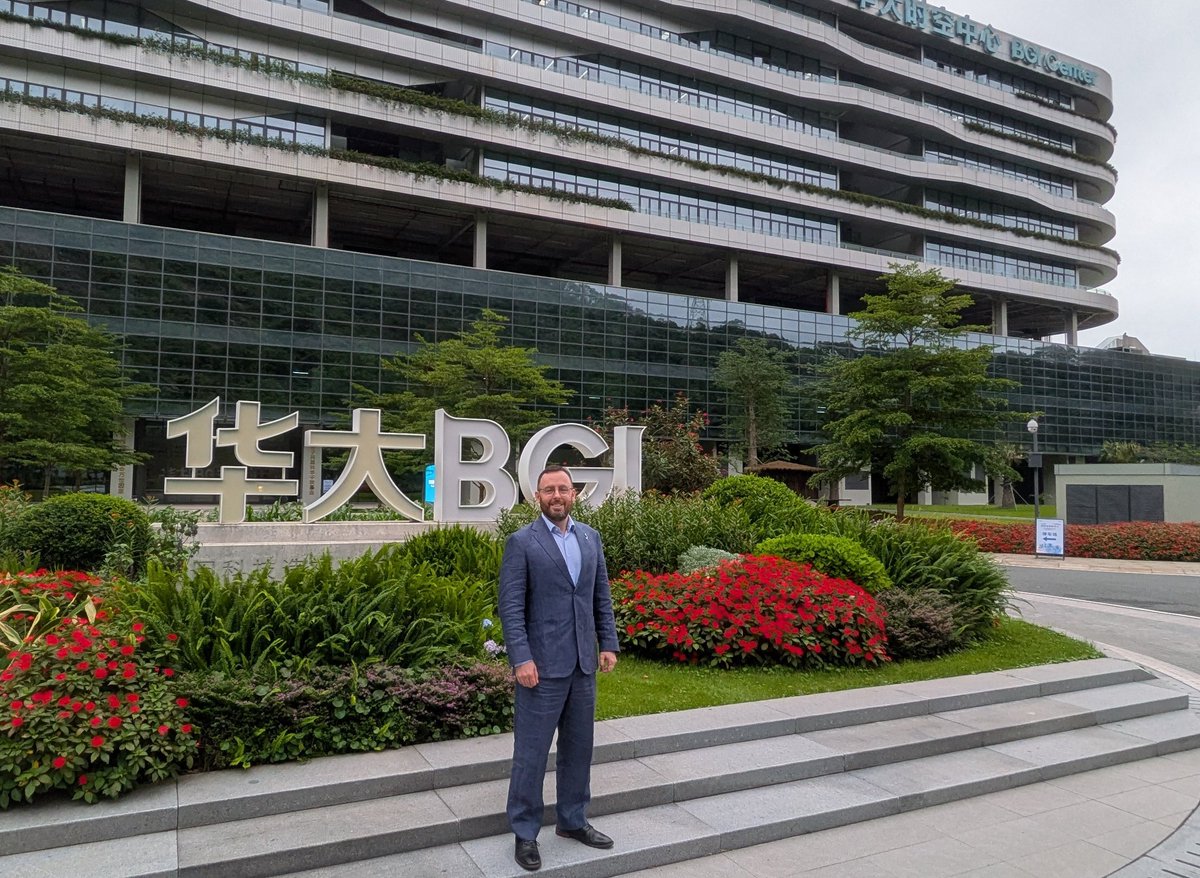
I seem to be on a genomics world tour: Shenzhen ✈️ London 🚆Belgium ✈️ Montréal ✈️ Vancouver ✈️ Sydney.
Across @TheBgiGroup, London Calling @nanopore, @Eurogentec, @RNASociety and soon UBC, one theme keeps coming up:
precision medicine is increasingly becoming an organising principle for industry and large-scale genomics infrastructure, while academia often still treats it as a downstream application.
I’ll unpack this over a few field notes on scale, AI, nanopore sequencing, manufacturing, RNA biology and translation.
Also, unexpectedly, Rosie the dog has somehow become part of the conversation at nearly every stop.
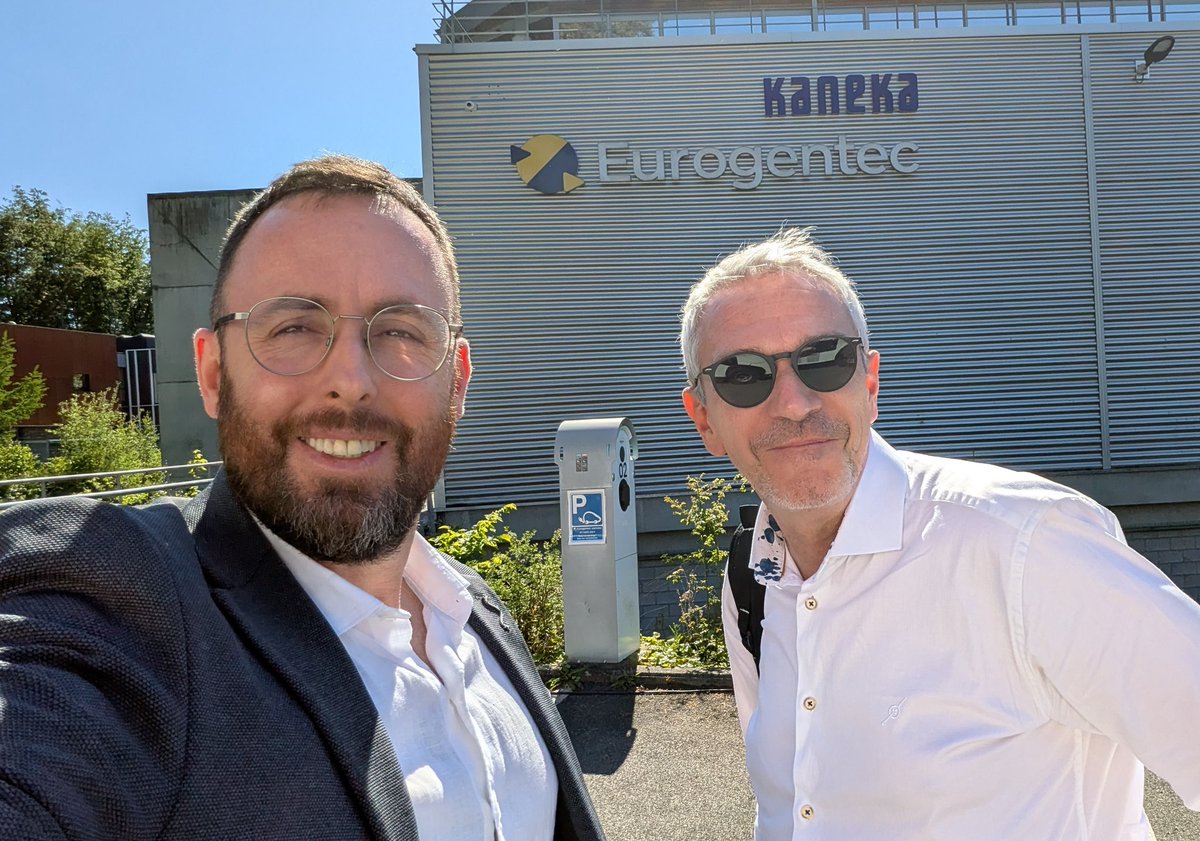
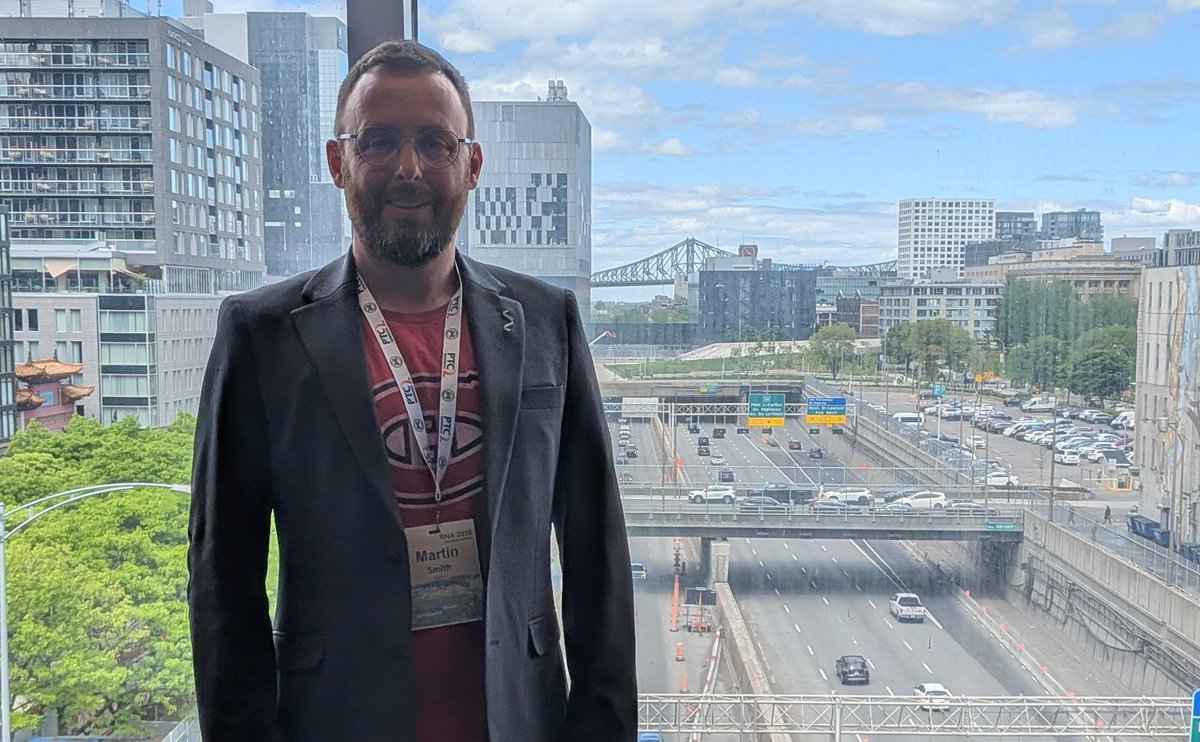
2
13
929
May 21
At least 3 different presentations using adaptive @nanopore sequencing for multiomic classification of hematological malignancies @NanoporeConf
I think it might be a good solution for cancer diagnostics 😁
1
1
14
7,510
May 20
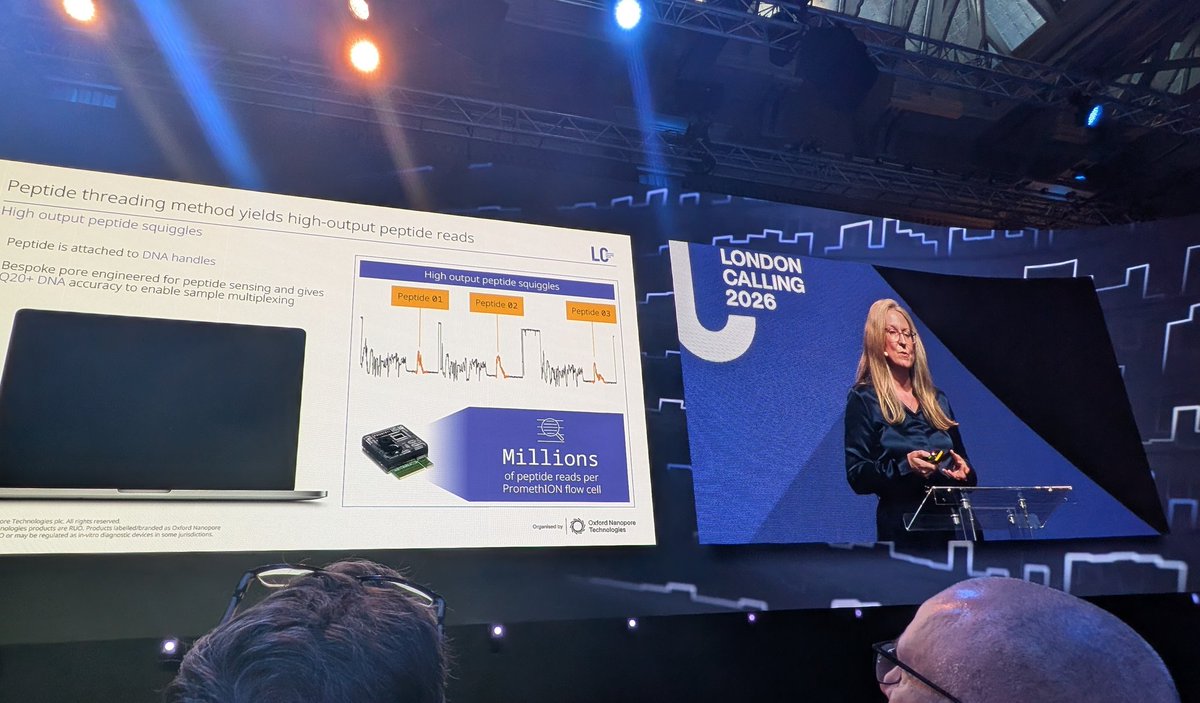
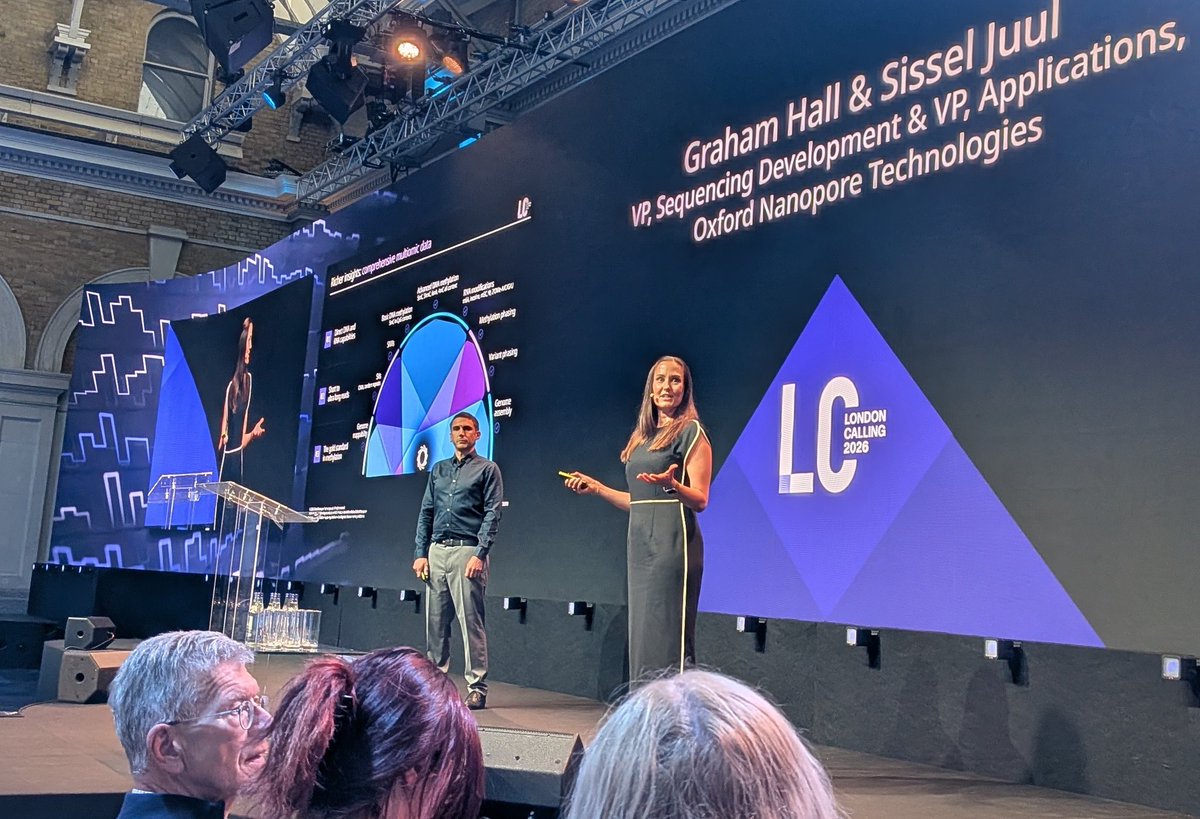
The annual tech update at London Calling 2026: Customer experience, partnerships with clinical/pharma, workflow simplification, comprehensive multiomics data are the themes that open the session #ONT #nanopore #londoncalling @NanoporeConf
1
3
8
784
May 20
Next, shifting to protein barcoding. Idea is to tag proteins with peptide libraries for multiplexed proteomics.
2
1
354
May 20
Popular Question: P2 solo support. Delegated to CEO.
Answer: Focusing on less platforms to assure quality of future investments and ensure customer needs are supported.
205
May 20
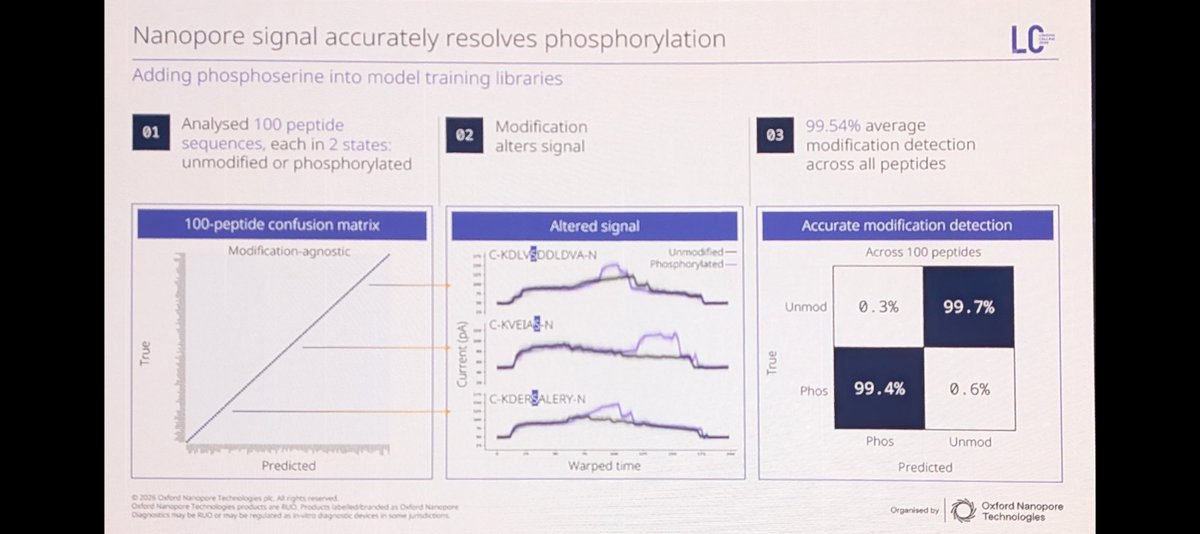
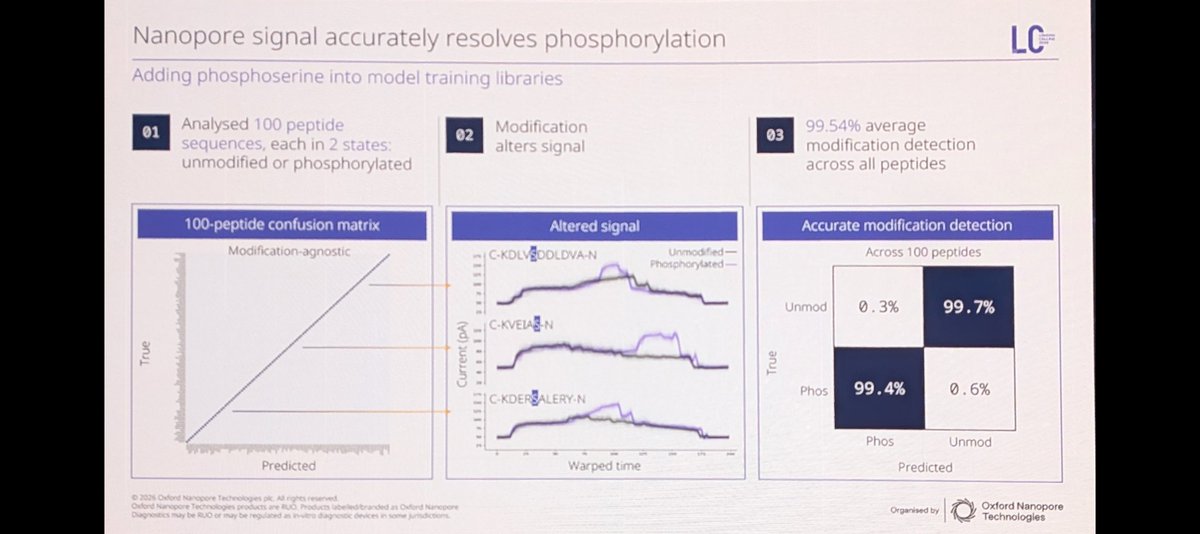
Also demonstrates that technology can be used to identify post-translational modifications (phosphorylation) 😎
1
298
Apr 23
A case like Rosie’s came up in US Senate testimony today as an example of AI-enabled personalised treatment.
Worth being precise: this is not just an AI story.
Precision RNA therapies depend on comprehensive genomic and molecular profiling first, followed by therapeutic design and translation. In Rosie’s case, our team at @ramacgenomics generated the sequencing data that helped enable that work.
If Australia wants to lead in precision medicine, we need to invest more deeply in the full stack that makes it possible.
Source: NBC News livestream
1
1
12
2,841
May 20
Next, shifting to protein barcoding. Idea is to tag proteins with peptide libraries for multiplexed proteomics.
Also demonstrates that technology can be used to identify post-translarional modifications (phosphorylation) 😎
66