A ground-breaking sustainable urban community and a world-class free zone and technology hub
Joined November 2010
- Tweets 2,114
- Following 403
- Followers 5,295
- Likes 242
902 Photos and videos

Jun 10
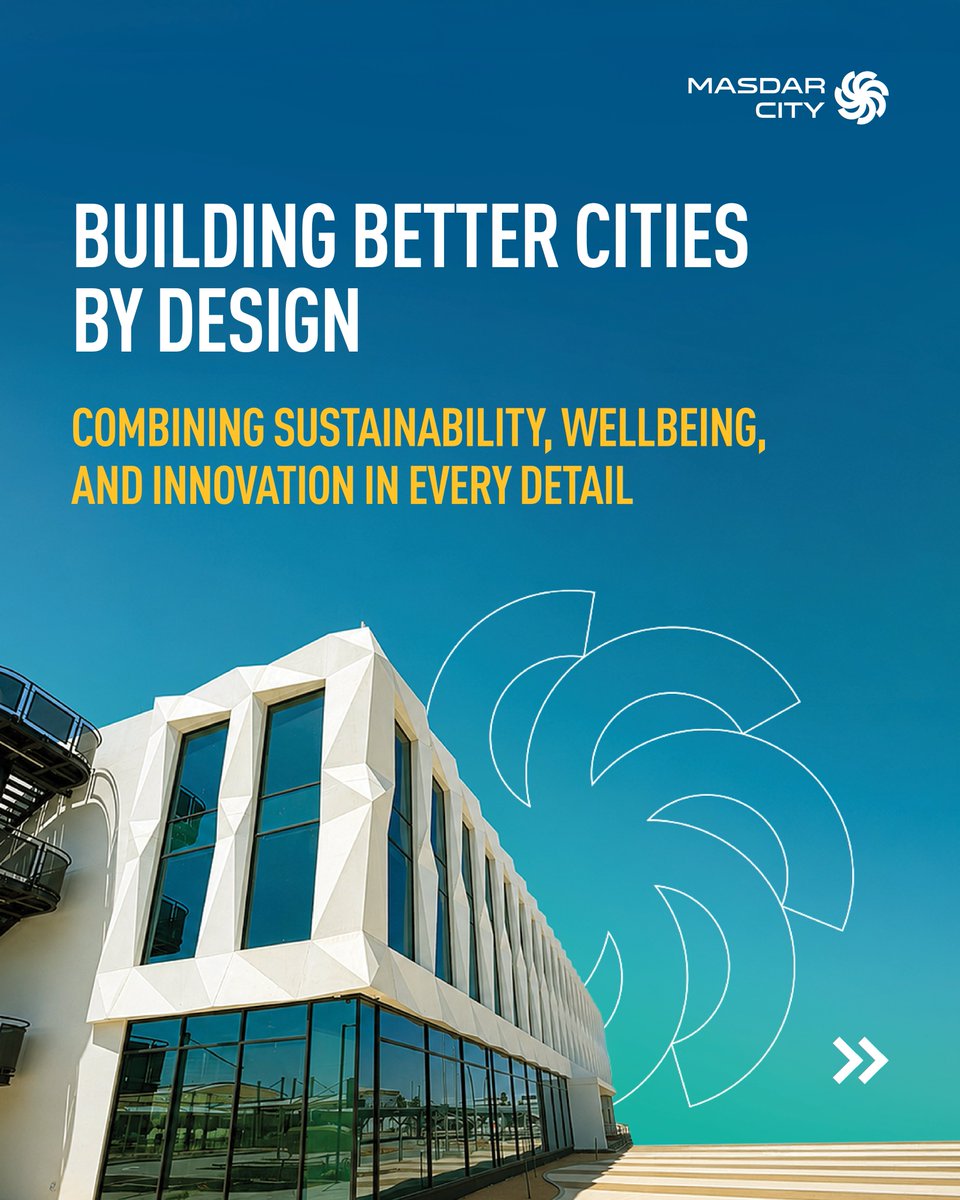
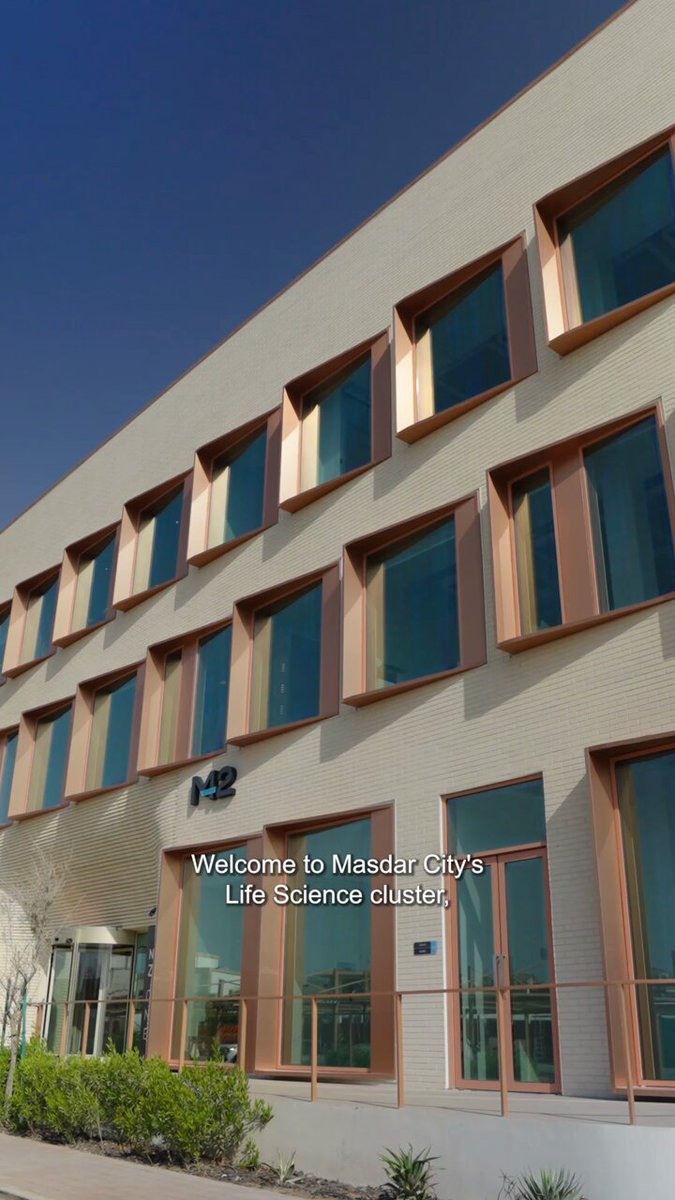
Some milestones raise the bar. Others move it entirely.
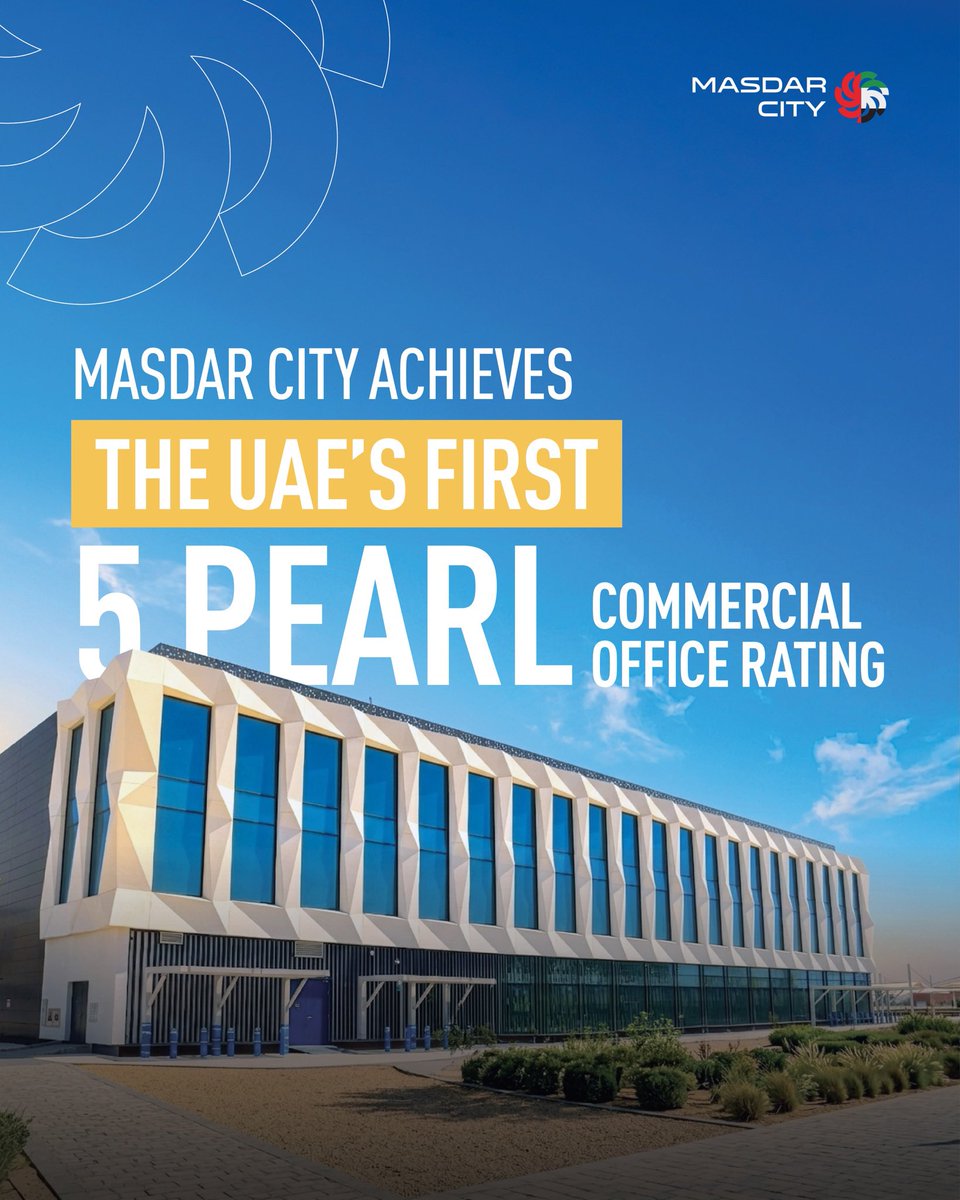
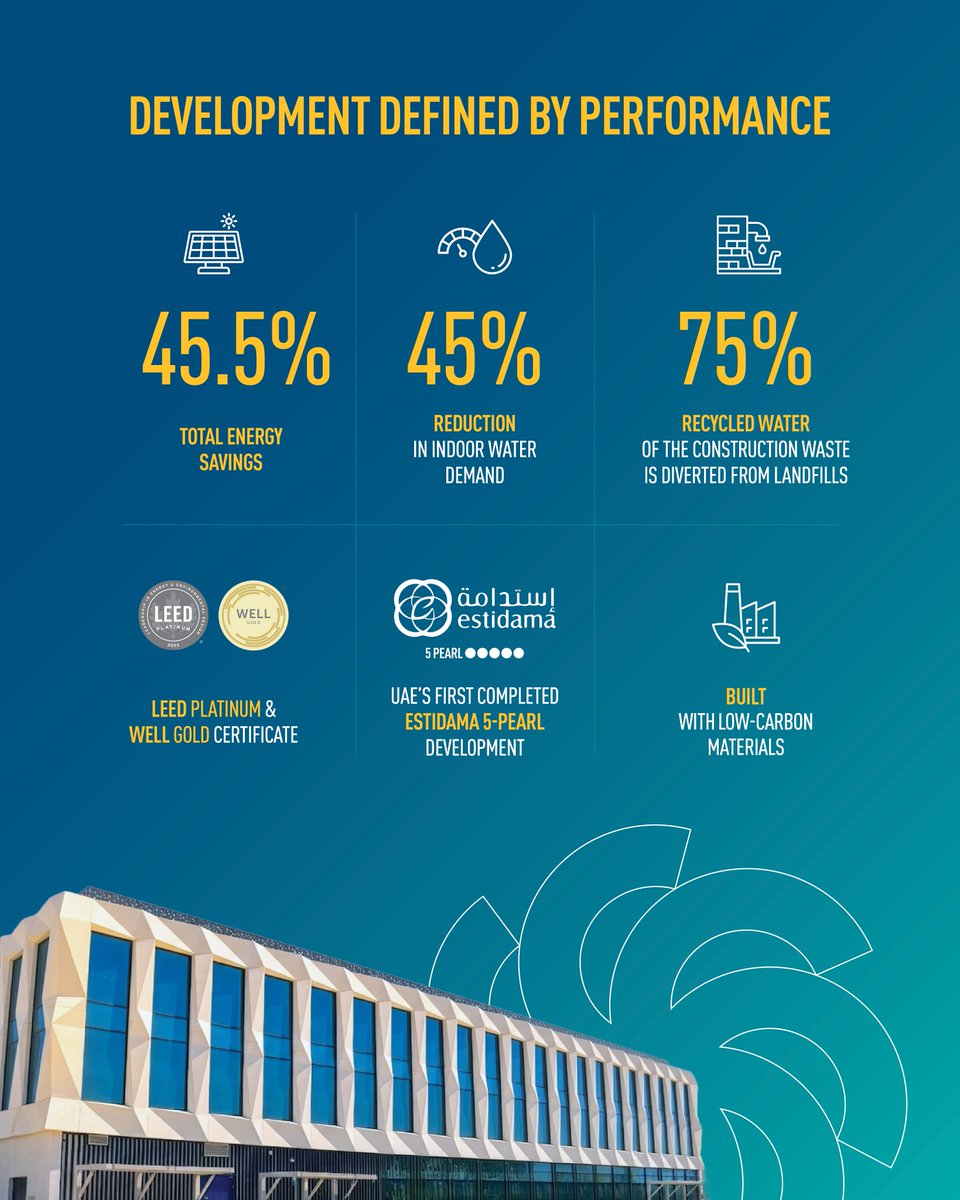
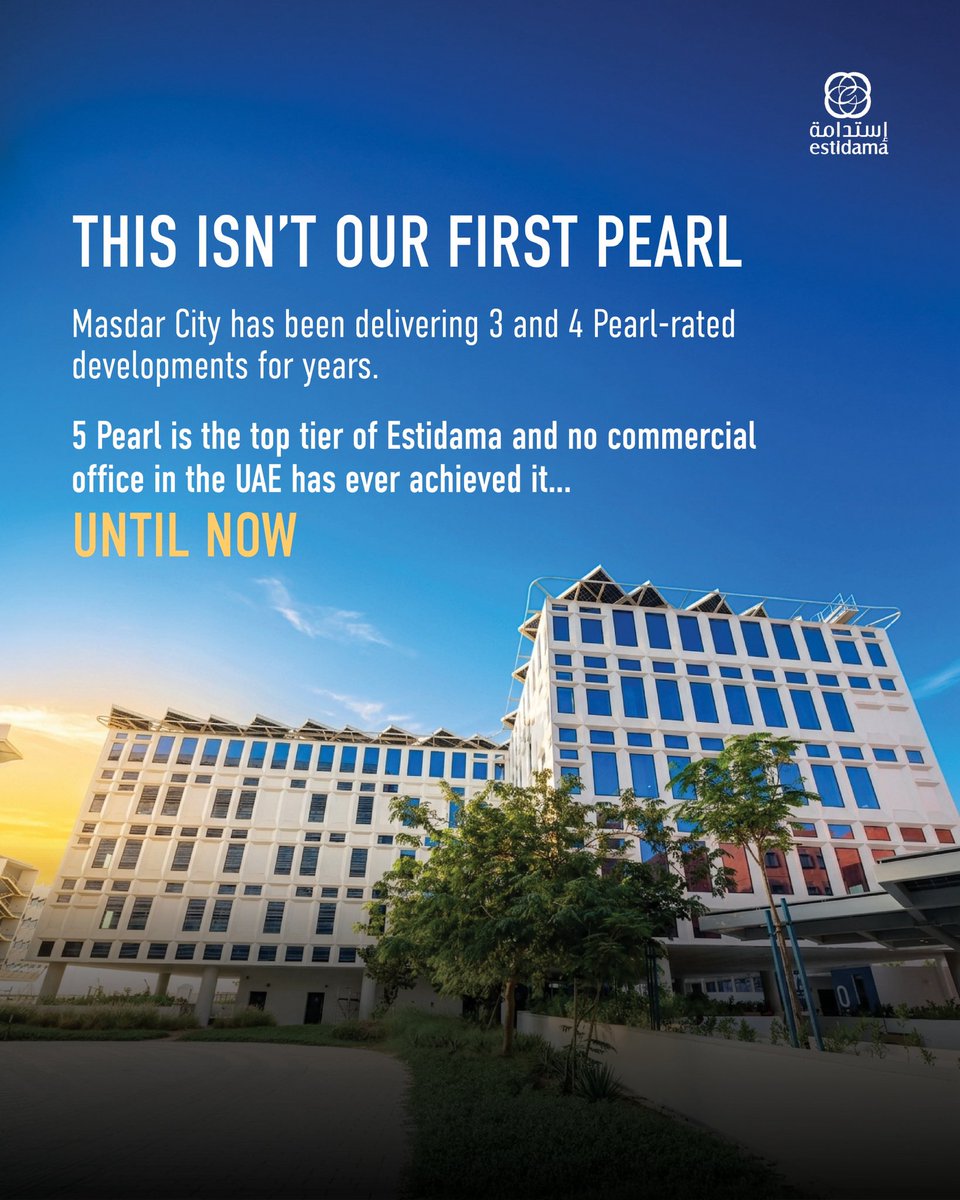
Masdar City’s M19 A Office Building has become the first commercial office development in the UAE to achieve a 5 Pearl Estidama rating, setting a new benchmark under Abu Dhabi’s sustainability framework.
1
3
1
67
Jun 10
بعض الإنجازات تتخطى مستوى التوقعات، بينما يرتقي بها البعض إلى آفاق جديدة.
أصبح مبنى المكاتب M19 A في مدينة مصدر أول مشروع مكاتب تجارية في الإمارات العربية المتحدة يحصل على تصنيف خمس لآلئ على معايير برنامج استدامة، واضعًا بذلك معيارًا جديدًا ضمن إطار عمل أبوظبي للاستدامة.
1
1
36
Jun 10
يؤكد الإنجاز أنه عندما تُعامل الاستدامة كمعيار أساسي لا مجرد طموح، تتحقق إنجازات استثنائية.
10
Jun 2
Many of the ideas that once seemed ambitious, from passive design and net-zero energy to autonomous mobility, AI integration, water efficiency, and walkable communities—are now essential components of future-ready cities around the world.

Building cities that remain resilient, livable, and economically competitive decades from now demands a fundamentally different approach to urban planning.
As governments across the Gulf invest heavily in future-ready infrastructure, Masdar City offers a glimpse into how urban development could evolve in a region shaped by both environmental constraints and economic opportunity.
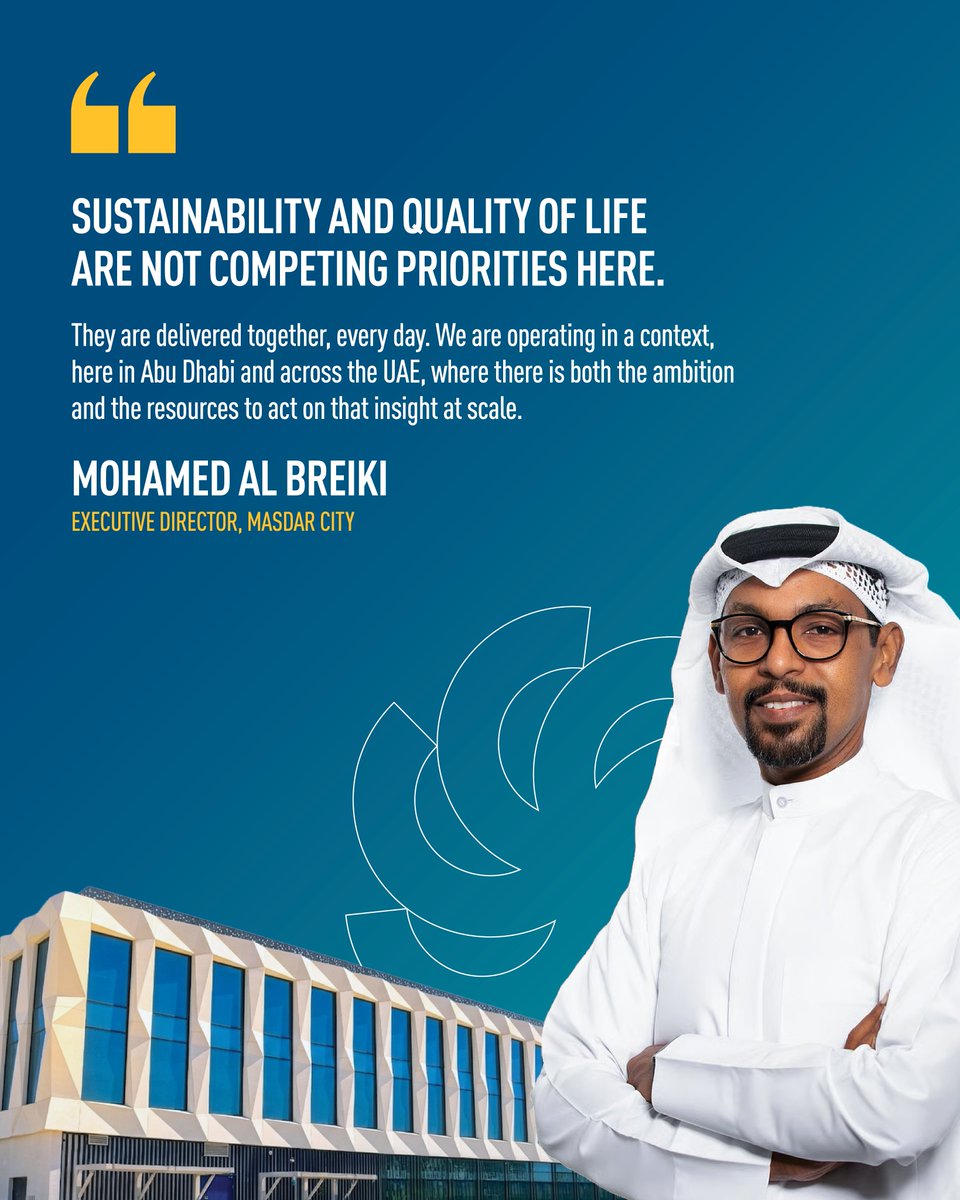
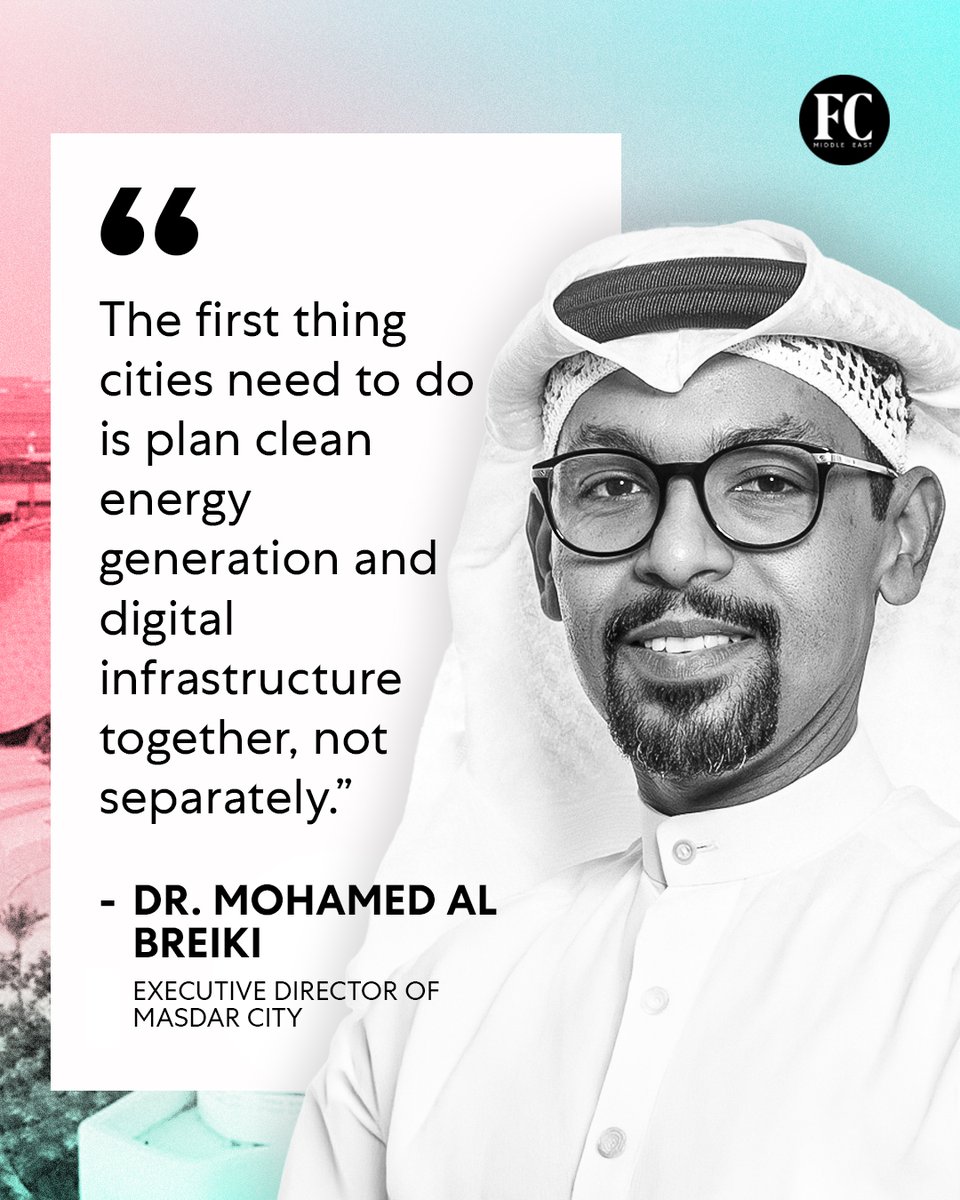
@MasdarCity was “never purely an experiment,” says Dr. Mohamed Al Breiki, Executive Director of Masdar City, but rather a city built to standards that the wider industry had not yet embraced. Nearly two decades on, it has grown into a fully operational urban community, home to more than 15,000 people and over 2,000 organizations from more than 90 countries. It has functioned as a complete live, work, and play environment, with its performance continuously measured and refined over time.
He describes Masdar City’s current role as a “green-print,” a model that can be replicated and adapted by cities looking to advance both climate resilience and human wellbeing. For Al Breiki, the measure of success a decade from now has nothing to do with occupancy rates or investment figures. “The measure of influence is not what Masdar City has built. It is what others build differently because of it,” he says.
That influence, he explains, would be visible in updated building codes, certification frameworks becoming mandatory rather than aspirational, and master plans in other cities being reoriented around walkability, thermal comfort, and preventive health infrastructure, driven by evidence from Masdar City.
Read more: fastcompanyme.com/green-goal…
2
3
5
214
Jun 2
Masdar City has been pioneering these principles for nearly two decades as a hub for innovation, bringing together sustainability, technology, and economic growth within a connected ecosystem.
1
95
Jun 2
Masdar City is helping shape the global conversation around resilient, livable, and future-focused urban development.
69
Jun 2
الأفكار التي كانت تبدو طموحة في الماضي، مثل التصميم الشمسي السلبي وصافي الانبعاثات الصفرية، والتنقل الذاتي، وتكامل الذكاء الاصطناعي، وترشيد استهلاك المياه والمجتمعات الملائمة للمشاة، أصبحت اليوم عناصر أساسية في المدن المستقبلية حول العالم.
Building cities that remain resilient, livable, and economically competitive decades from now demands a fundamentally different approach to urban planning.
As governments across the Gulf invest heavily in future-ready infrastructure, Masdar City offers a glimpse into how urban development could evolve in a region shaped by both environmental constraints and economic opportunity.
@MasdarCity was “never purely an experiment,” says Dr. Mohamed Al Breiki, Executive Director of Masdar City, but rather a city built to standards that the wider industry had not yet embraced. Nearly two decades on, it has grown into a fully operational urban community, home to more than 15,000 people and over 2,000 organizations from more than 90 countries. It has functioned as a complete live, work, and play environment, with its performance continuously measured and refined over time.
He describes Masdar City’s current role as a “green-print,” a model that can be replicated and adapted by cities looking to advance both climate resilience and human wellbeing. For Al Breiki, the measure of success a decade from now has nothing to do with occupancy rates or investment figures. “The measure of influence is not what Masdar City has built. It is what others build differently because of it,” he says.
That influence, he explains, would be visible in updated building codes, certification frameworks becoming mandatory rather than aspirational, and master plans in other cities being reoriented around walkability, thermal comfort, and preventive health infrastructure, driven by evidence from Masdar City.
Read more: fastcompanyme.com/green-goal…
2
2
2
133
Jun 2
تتبنى مدينة مصدر تطبيق ذلك لما يقارب من عقدين من الزمن كمركز للابتكار، حيث جمعت بين الاستدامة، والتكنولوجيا والنمو الاقتصادي ضمن منظومة متكاملة.
تلعب مدينة مصدر دورًا هامًا في تعزيز الحوار العالمي حول التنمية الحضرية المستدامة والملائمة للعيش، مع التركيز على المستقبل.
57
Jun 1
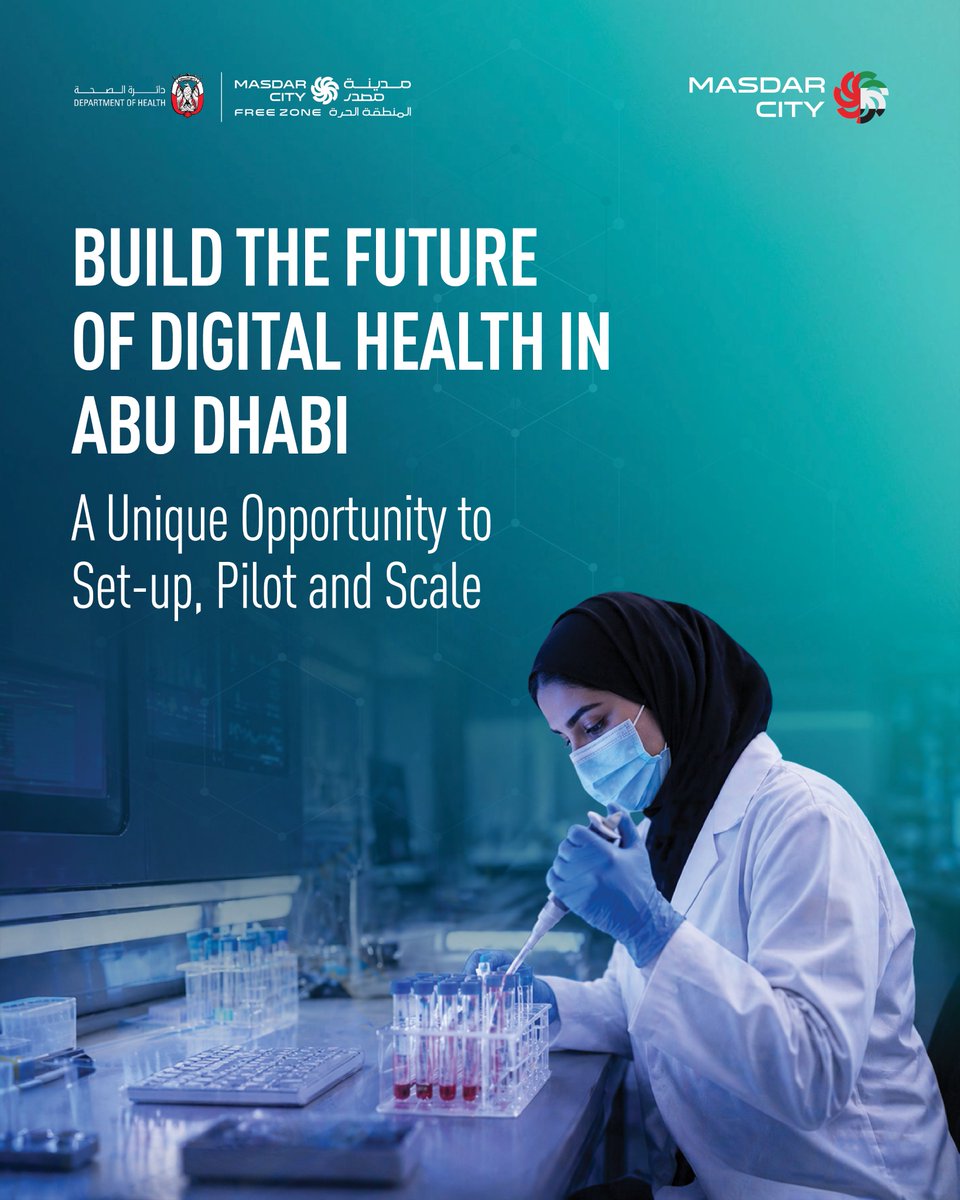
From AI and biotech to translational research and precision medicine, Masdar City is building an ecosystem designed to accelerate life-changing innovation.
2
4
98
Jun 1
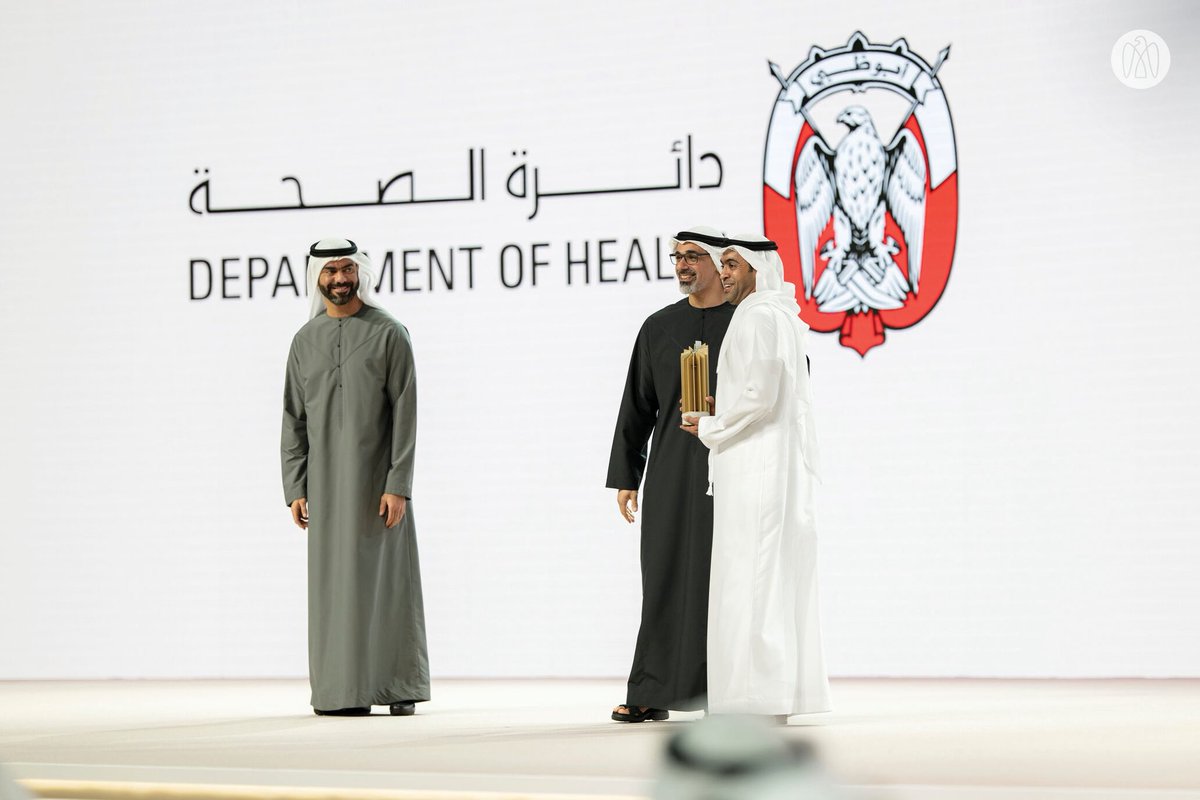
Abu Dhabi Biobank, supported by the @DoHSocial and @M42Health, is part of a growing network of institutions and pioneers choosing Masdar City to shape what’s next for global health.
A sustainable hub built for collaboration, discovery, and impact.
91
Jun 1
تعمل مدينة مصدر على إنشاء نظام متكامل يشمل مجالات مثل الذكاء الاصطناعي والتكنولوجيا الحيوية والبحوث التطبيقية والطب الدقيق، بهدف تسريع الابتكارات التي تُحدث تغييرات جذرية في حياة الأفراد.
1
2
2
84
Jun 1
يُعدّ بنك أبوظبي الحيوي المدعوم من قبل دائرة الصحة، أبوظبي وشركة M42، جزءًا من شبكة متنامية من المؤسسات والرواد الذين اختاروا مدينة مصدر للمساهمة في رسم ملامح مستقبل الصحة العالمية.
إنها مركز مستدام يهدف إلى التعاون والاكتشاف وإحداث تأثير ملحوظ.
1
1
81
May 26
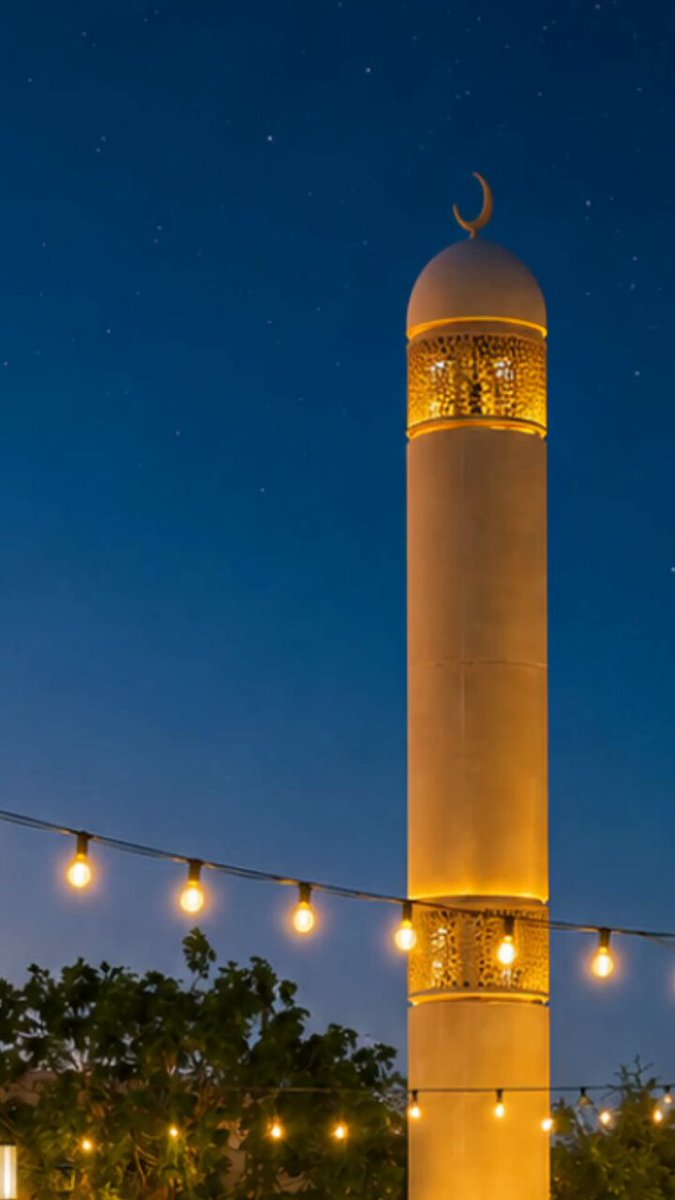
Eid Mubarak from Masdar City 🌙✨
May this special occasion bring peace, happiness, and cherished moments with your loved ones.
عيد مبارك من مدينة مصدر 🌙✨
عساكم من عواده، وكل عام وأنتم وأهلكم بخير.
3
73
May 19
Masdar City achieves the UAE’s first-ever 5 Pearl Estidama rating for a commercial office development 🌍
Another step forward in shaping smarter, more sustainable communities for the future.
4
2
68
May 19
حصدت مدينة مصدر على تصنيف "5 لآلئ"، وهو التقييم الأعلى ضمن نظام التقييم بدرجات اللؤلؤ الذي وضعه برنامج استدامة، لتصبح بذلك أول مشروع مكاتب تجارية يحصل على هذا التصنيف في دولة الإمارات 🌍
إنجاز جديد نحو بناء مجتمعات أكثر ذكاءً واستدامة للمستقبل.
1
45
May 15
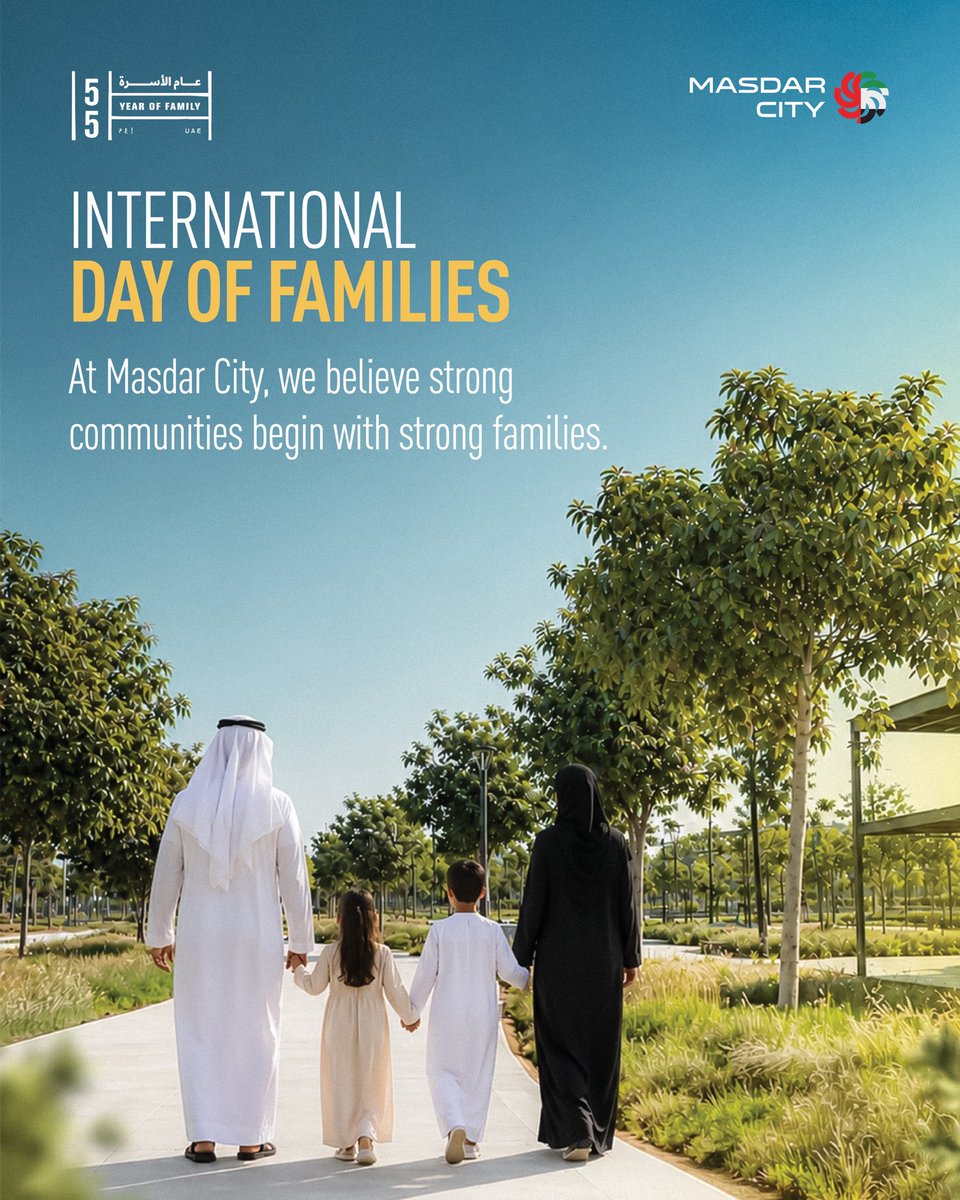
On International Day of Families, we celebrate the connections and sense of belonging that bring communities together.
As the UAE marks the Year of Family, Masdar City continues to grow as a place where people and families can connect and thrive together.
2
1
1
82
May 15
في اليوم الدولي للأسر، نحتفل بالروابط التي تُعزز المجتمعات.
وفي الوقت الذي تحتفل فيه دولة الإمارات العربية المتحدة بعام الأسرة، تواصل مدينة مصدر تطوير نفسها كمركز يمكّن الأفراد والعائلات من التفاعل والازدهار معًا.
1
55
May 15
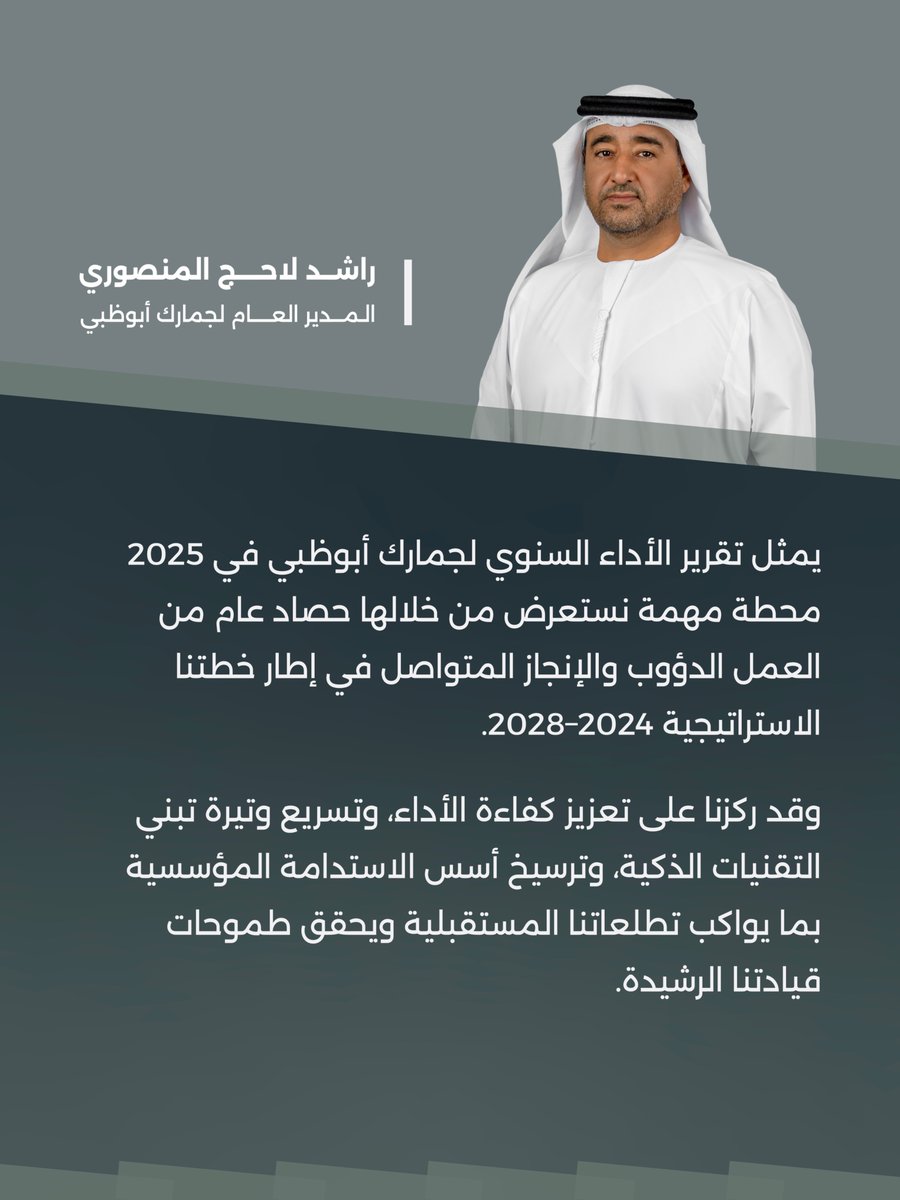
تُعد جمارك أبوظبي شريكًا مهمًا في منظومة الأعمال في مدينة مصدر، حيث تلعب دورًا فعالًا في ترسيخ بيئة محفزة للابتكار، وتعزيز الاستثمار ودعم النمو الاقتصادي المستدام في أبوظبي.

كلمة سعادة راشد لاحج المنصوري، المدير العام لجمارك أبوظبي، بمناسبة صدور تقرير الأداء السنوي لجمارك أبوظبي لعام 2025.
#جمارك_أبوظبي
1
1
62
May 15
As a longstanding partner within Masdar City’s business ecosystem, Abu Dhabi Customs contributes to strengthening the environment that supports innovation, investment, and sustainable business growth in Abu Dhabi.
26