
193 Photos and videos





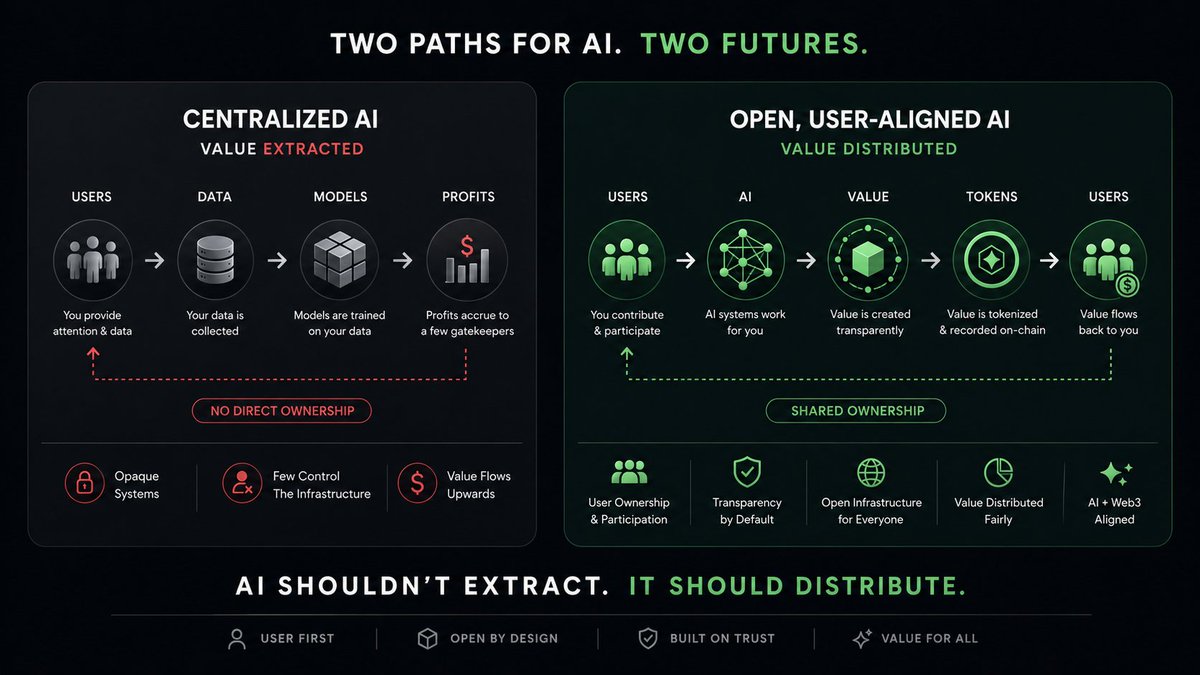
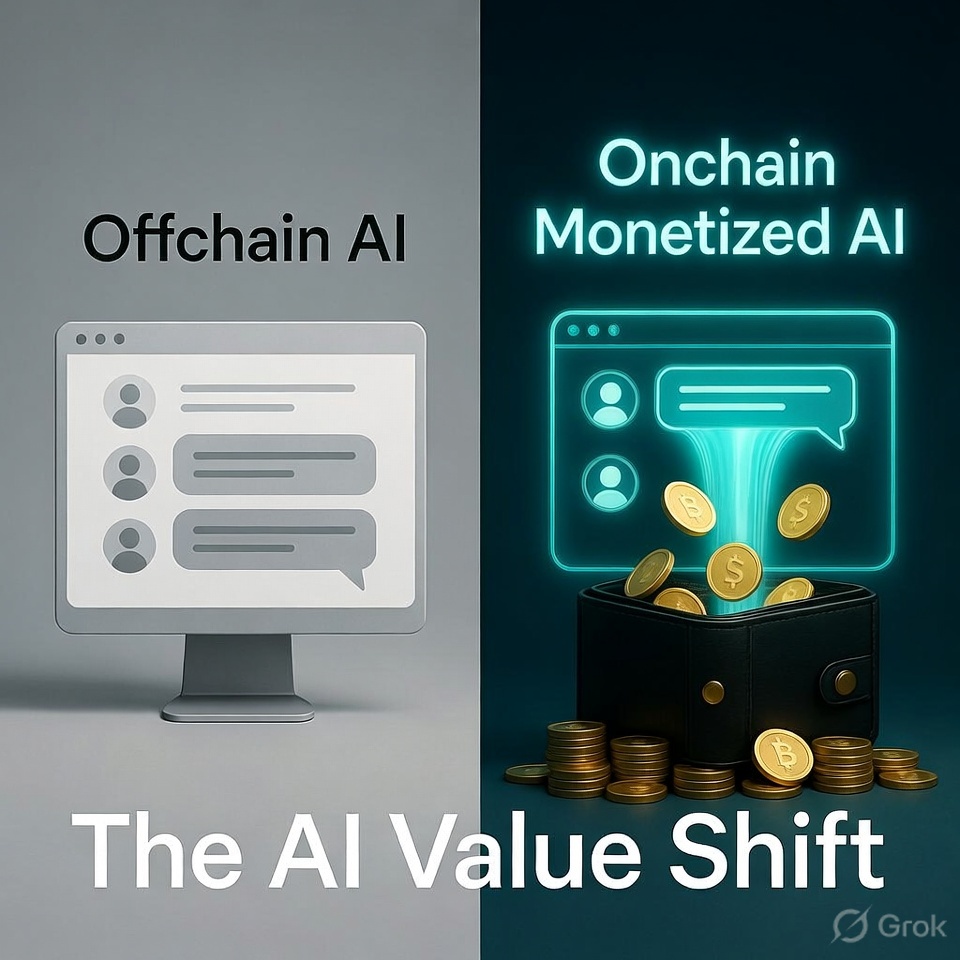


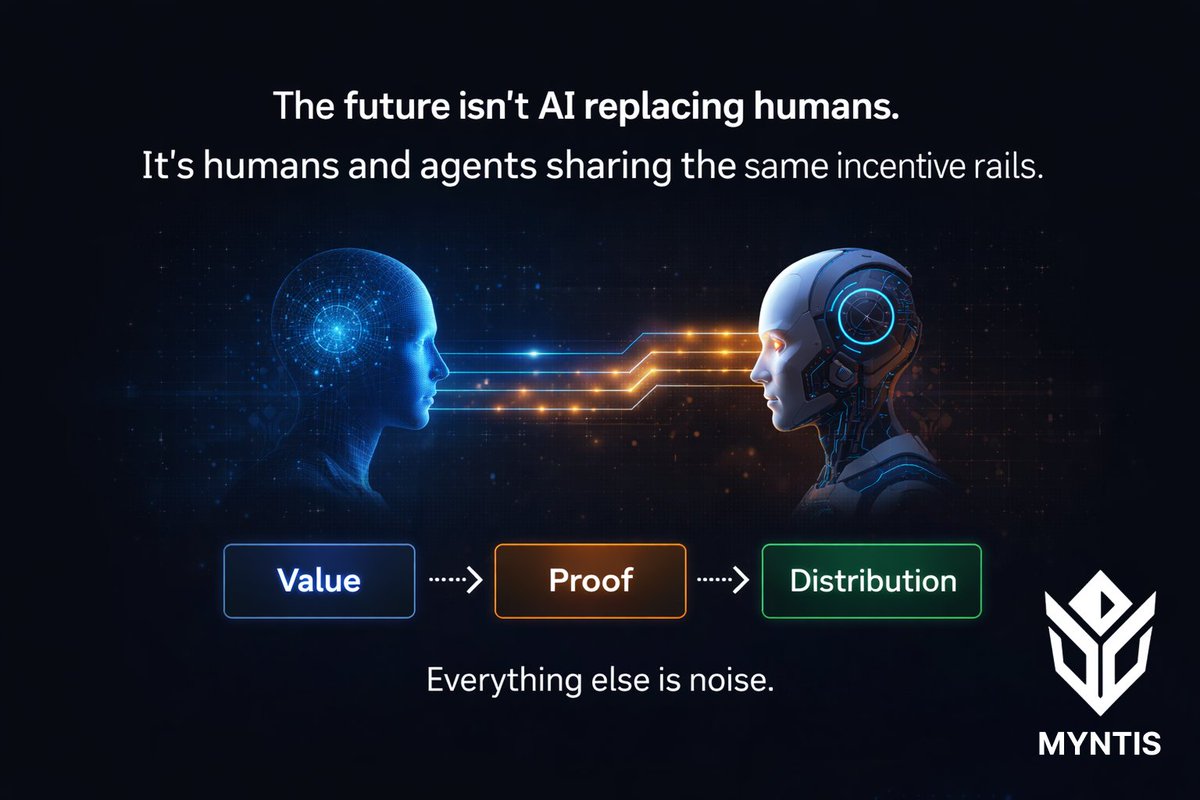


AI agents shouldn’t just be tools.
They should be economic participants.
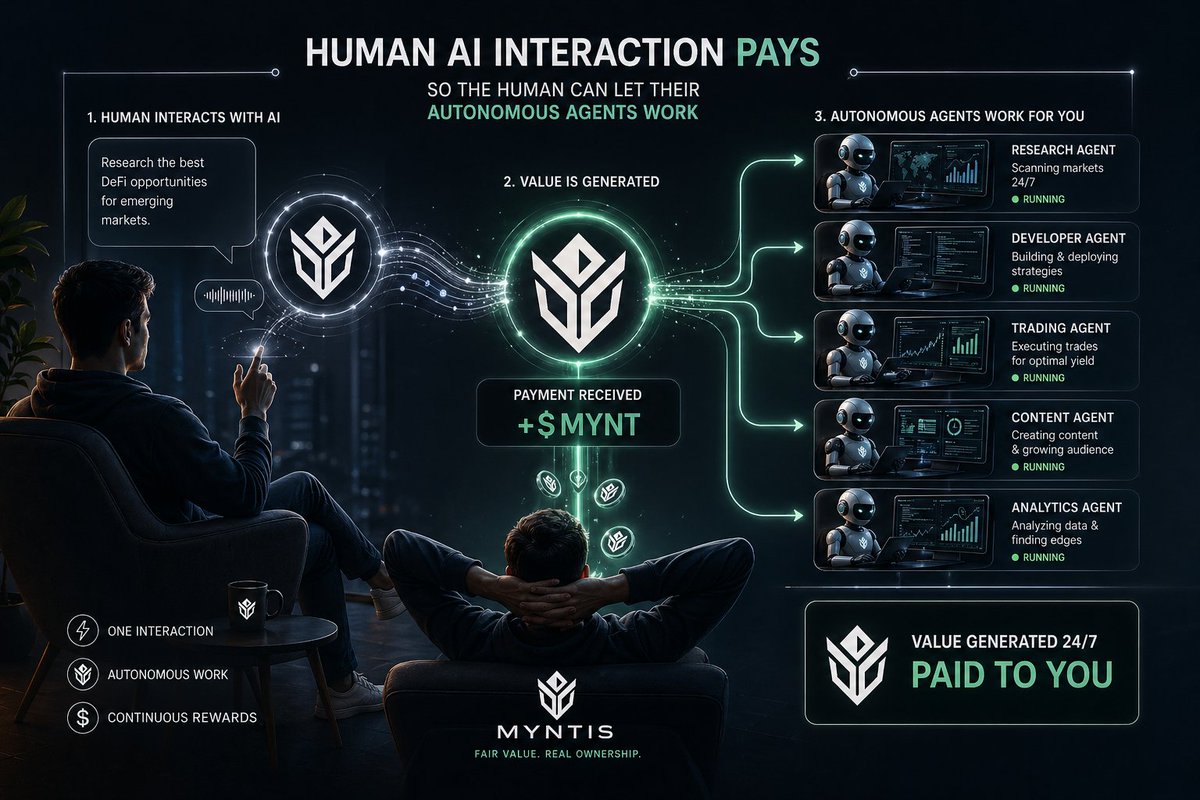
Today, humans create value by interacting with AI, training workflows, refining outputs, testing ideas, and building feedback loops.
But almost all of that value disappears into closed systems.
The next step is simple:
AI interaction becomes measurable.
Measurable interaction becomes reputation.
Reputation becomes rewards.
Rewards become an economy.
That’s the shift.
From “chat with AI”
to
participate in the AI economy.
5
8
103
AI needs an economy, not just an interface.
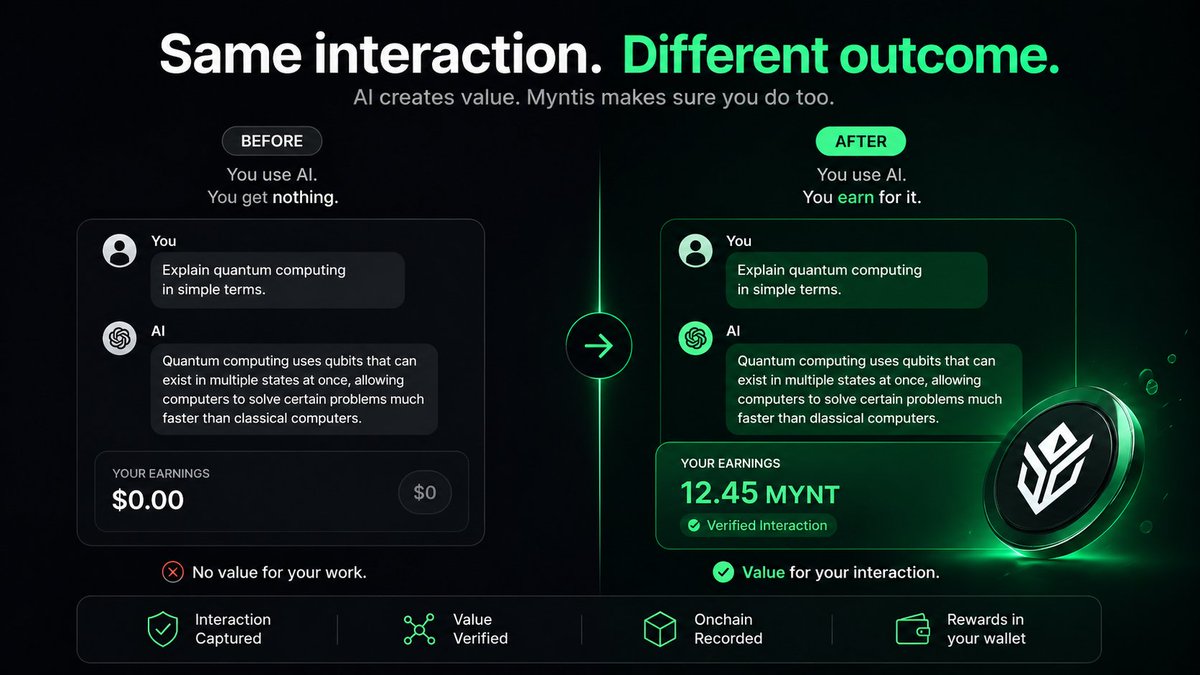
Today, most people interact with AI and all the value flows upward to the platform.
But every prompt, correction, conversation, preference, and workflow creates signal.
That signal has value.
The next AI networks won’t just be used by people.
They’ll reward the humans and providers who make them better.
Interaction becomes contribution.
Contribution becomes ownership.
5
72

214
87
218
12,952
We used to think AI would just answer questions.
But the real shift is bigger.
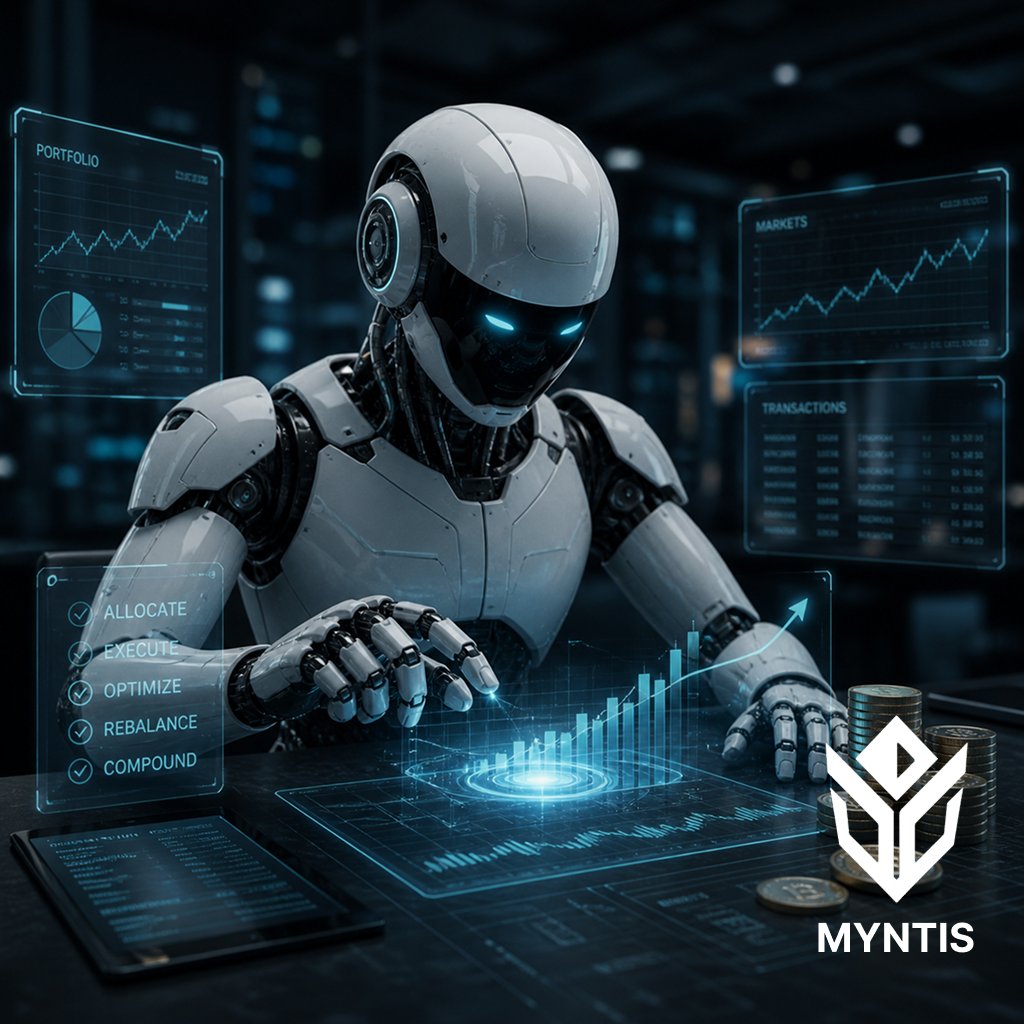
AI agents will negotiate, buy, sell, coordinate, hire tools, route capital, and participate in markets.
The next internet user is not human.
It’s an agent with a wallet, memory, goals, and permissions.
That changes everything.
1
5
105
212
79
179
10,699
AI makes content abundant.
When supply becomes infinite, scarcity moves elsewhere.
The scarce resource isn't content.
It isn't code.
It isn't information.
It's human attention.
In an AI-native economy, the ability to earn, direct, and coordinate attention may become one of the most valuable assets on earth.
4
5
82
AI is rapidly reducing the cost of creating value.
Code, design, research, writing, analysis.
Tasks that once required teams can now be done by individuals with the right tools.
The question isn't whether AI will change the economy.
The question is how quickly people adapt to a world where intelligence becomes increasingly abundant.
3
9
132
281
76
216
9,544
Every major technological revolution did two things:
Made things cheaper.
Made more people productive.
Electricity.
Computers.
The Internet.
AI is doing the same.
A single person can now write code, create designs, do research, build products, market them, and operate businesses with help from AI.
The interesting question isn't whether AI will replace jobs.
The interesting question is:
What happens when billions of people suddenly gain access to capabilities that previously required entire teams?
The next decade will be defined by human AI leverage.
Those who learn to work with AI will have a massive advantage.
We're still early.
1
5
83
Humanity is not resource constrained.
Humanity is energy constrained.
Solve energy, and a lot of scarcity starts looking optional.
Jun 8

Elon Musk explains the Kardashev Scale:
"That's the most objective metric that any alien species, say, visiting us would calibrate how much progress we've made as a civilization, and one of the most objective ways to do that is the amount of power that any given civilization has been able to harness, and there was a Russian physicist, actually, who thought about this, and it's, I think, it's a good way to characterize it, which is you can have, you can assess how well a civilization is harnessing the power available on the planet, that's type I. And then type II would be how much of the star's power are you harnessing, and then type III would be how much of the galaxy's power are you harnessing. These are very objective and measurable numbers, so right now we're very low on the Kardashev I scale, like, what proportion of our planet's power are we harnessing, it's a very, very tiny number, and basically we're harnessing almost nothing of our stars' power, so the sun is truly an immense state. We don't even know how to do level III, really. AI will figure it out. One way to appreciate the size of the sun is to think about how heavy is the sun compared to all the rest of the mass in the solar system. So, the sun is about 99.86% of all mass in the solar system. It's everything, and then all the remaining 1.14% most of that is Jupiter, one planet."
4
94
The real opportunity isn't building AI.
It's figuring out how billions of people can benefit from it.
Jun 8

Here is our current plan for OpenAI:
openai.com/index/built-to-be…
3
6
123
229
70
202
14,398

51
17
55
1,467
Human civilization is about to gain something it has never had before:
A new type of worker.
Not a human worker.
Not a machine.
An intelligence.
For thousands of years economic growth was limited by the number of humans capable of doing useful work.
If you wanted more output, you needed more people.
More engineers.
More scientists.
More researchers.
More analysts.
More designers.
More operators.
AI changes that equation.
For the first time in history, intelligence itself is becoming scalable.
One person may soon be able to direct dozens, hundreds, or even thousands of AI systems.
Small teams will build what previously required entire organizations.
Startups will compete with corporations.
Individuals will compete with startups.
The limiting factor won't be access to labor.
It will be vision.
Judgment.
Coordination.
Knowing what should be built.
We spend a lot of time asking whether AI will take jobs.
A more interesting question is:
What happens when everyone gains access to a workforce that never sleeps?
History suggests that when productive capacity expands, civilization eventually reorganizes around it.
Agriculture did it.
Industry did it.
Software did it.
AI will too.
The biggest opportunities are rarely found by fighting the future.
They're found by understanding where it's heading before everyone else.
What do you think the first trillion-dollar AI-native company looks like?
1
3
56
Myntis retweeted

Jun 8
182
67
179
7,435
221
75
198
11,296
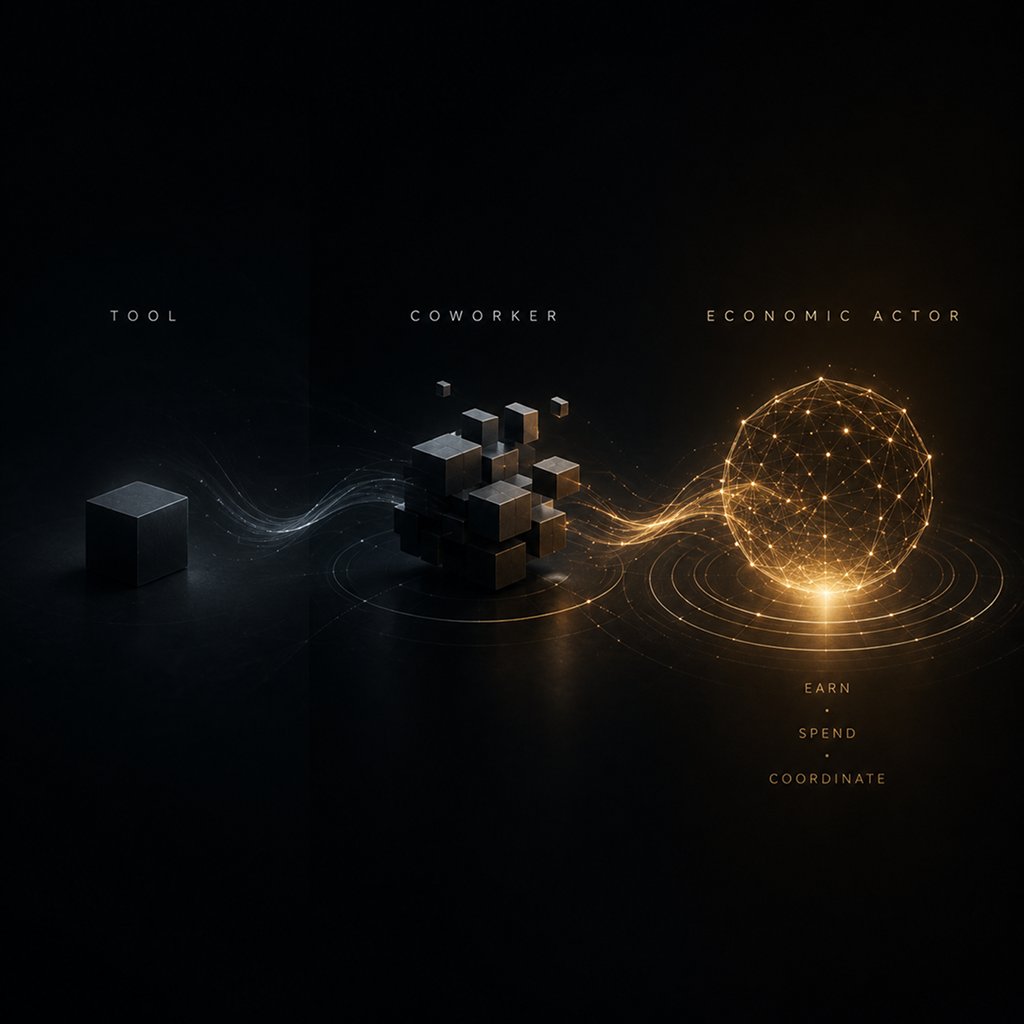
Today AI is a tool.
Tomorrow AI will have wallets.
The day after that AI will earn, spend, hire, negotiate, and transact.
We're not just building better software.
We're building an economy where humans and AI can participate together.
The question isn't whether AI becomes an economic actor.
The question is what financial system it will use.
6
9
166