
‘The premier literary-intellectual magazine in the English language.’
Joined December 2007
- Tweets 28,147
- Following 593
- Followers 2,058,799
- Likes 12,940
721 Photos and videos



Pinned Tweet

Our 6/25 issue is now online, with @dchiasso on writing away from AI, Meghan O’Gieblyn on raising AI, Geoffrey Wheatcroft on Labour’s losses, @mmschwartz on the purloined papyrus, @fotoole on the president’s “greatness,” and much more. go.nybooks.com/3RN4NZf
1
34
8
3,746
The “genius” of Abdullah Ibrahim, writes Sean Jacobs, “has been to imbibe the musical cultures of South Africa in general and his home city in particular, give them a cutting-edge form, and translate them to the broader world.” go.nybooks.com/445gBJ2
2
5
1,248
“From Sykes–Picot, the secret 1916 Anglo-French agreement to carve up the Ottoman Empire’s Arab provinces…, to Eisenhower’s scheming against Nasser and Mossadegh, Western interference has created…a ‘toxic legacy’ of authoritarianism.” —Andrew Arsan go.nybooks.com/4vHLm2J
1
6
1,483
Steve Hilton “helped to make democracy laughable—and Trump knew how to convert that ridicule into power.” —@fotoole go.nybooks.com/4vTqeGW
1
1,681
“I went a different way in life after college than Hegseth did, but I know what kind of worldview, and what kind of inferiority complex, that upbringing can produce.” —an interview with @suzyhans go.nybooks.com/4uILi1U
1
4
1,561
“One of the truly astonishing things about this moment is the fact that so many people are perfectly happy to know so little.” —@dchiasso go.nybooks.com/3QgnqV5
3
7
1,701
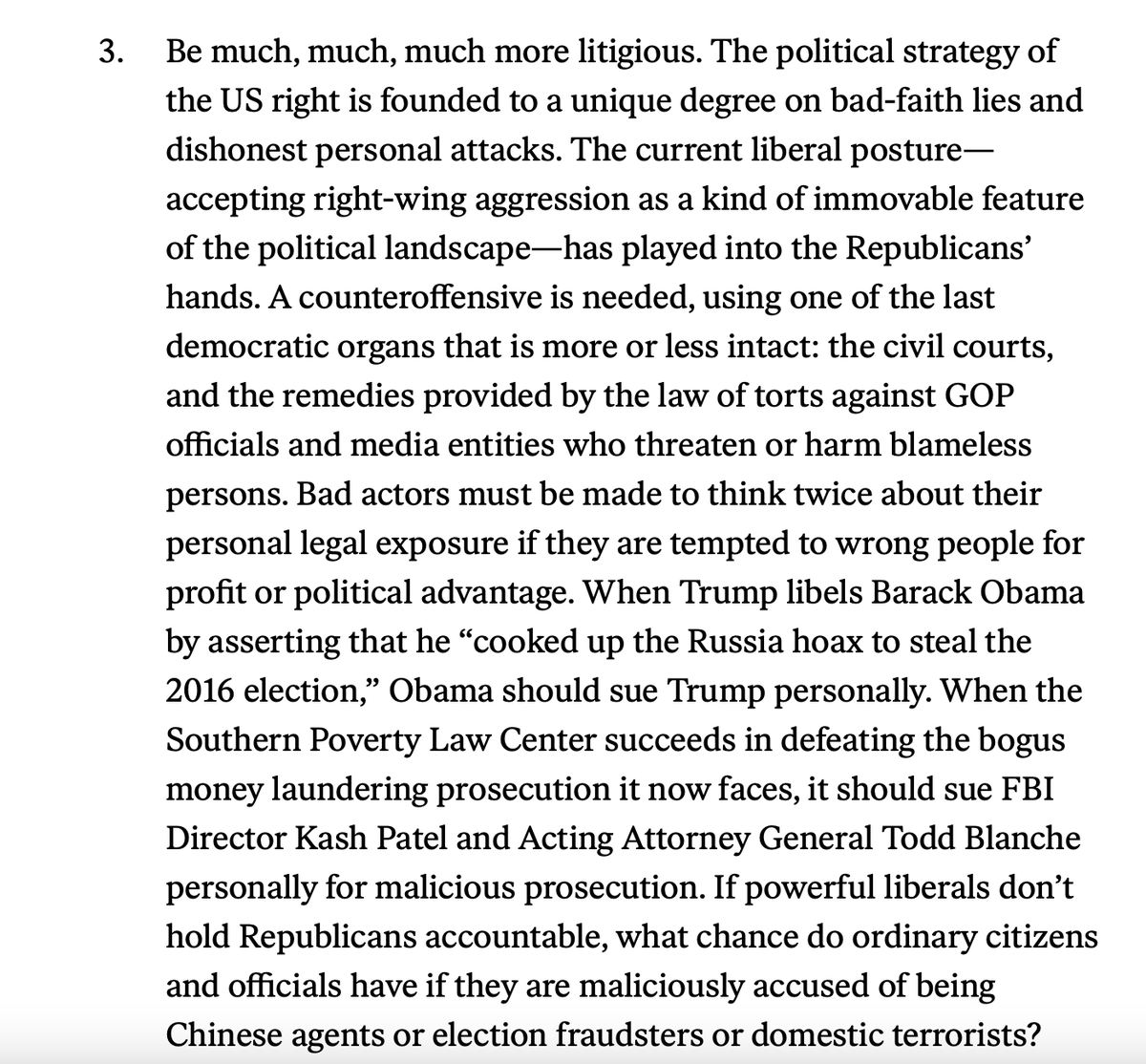
“If powerful liberals don’t hold Republicans accountable, what chance do ordinary citizens and officials have if they are maliciously accused of being Chinese agents or election fraudsters or domestic terrorists?” —@JosephONeillx go.nybooks.com/4eNMWdy
1
4
1,774
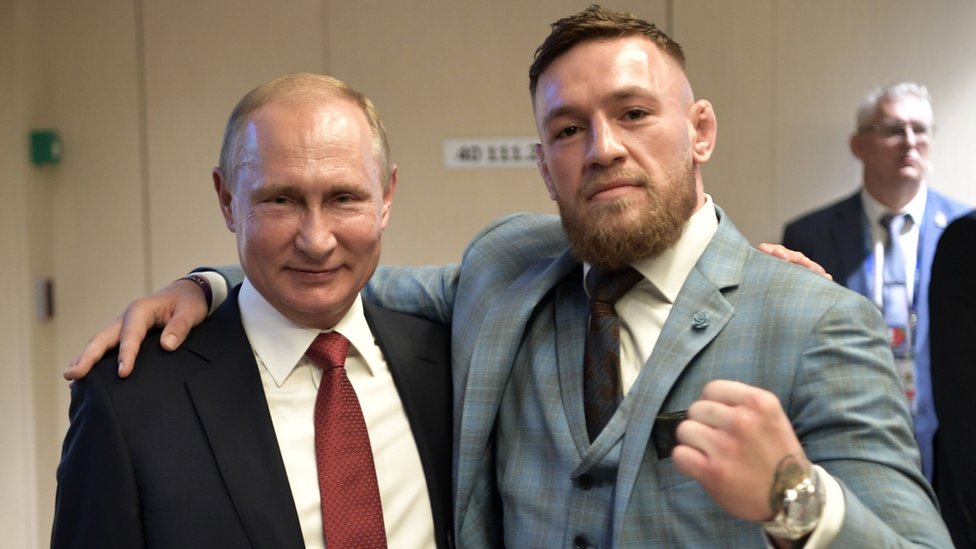
Nic Johnson on the UFC and the rise of the “nationalist international” go.nybooks.com/4fP01Vd
1
2
1,464
“Is the Middle East’s dire predicament fundamentally the outcome of ill-judged Western intervention?” Andrew Arsan writes. “Or must [the West] be seen…as just one half of a ‘partnership between local autocrats and foreign patrons’?” go.nybooks.com/4eJFcJG
2
7
1,880
The New York Review of Books retweeted

One of the most fabulous essays I’ve read this month. Still smarting from it. 🫶

For the premodern men “who debated the finer points of apples and asses and desire and shame in apothecary shops and tobacconists and cloisters, sexual pleasure led them to their own theology—albeit a deeply heretical one.” —@erinmaglaque go.nybooks.com/49RfQqE
7
98
26,322
Joe Dunthorne on the perpetual allure of the New York School poets go.nybooks.com/4v4ZeUK
1
1
12
2,640
“Richard Nixon became a Mets fan when he moved to New York after his resignation. No doubt he too saw himself in those perpetual underdogs abused by fate.” —Andrew Katzenstein go.nybooks.com/4uGd9j4
1
1
5
3,448
“Later composers accumulate sound to simulate intensity; Bellini removes it, trusting the human voice—and the listener—to bear the weight of its absence.” —Arya Roshanian go.nybooks.com/43vAyIW
1
7
2,363
Adam Kirsch on Thomas Mann finding the cure in The Magic Mountain go.nybooks.com/3Q6GgOr
14
41
5,216
“While the Tories are being outflanked on the right by Reform, Labour is being outflanked on the left by the Greens, and the two-party system that had for so long seemed a fact of life is dissolving before our eyes.” —Geoffrey Wheatcroft go.nybooks.com/43qvC8c
2
2
6
2,324
“According to the Anthropic CEO Dario Amodei, ‘[The company’s guidelines for Claude have] the vibe of a letter from a deceased parent sealed until adulthood.’ It’s an unsettling analogy considering that the dead parent, in this case, is the human race.” —Meghan O’Gieblyn go.nybooks.com/4e1lRDF
1
2
2,591
The New York Review of Books retweeted
Sean Jacobs on the life and music of Abdullah Ibrahim go.nybooks.com/4vBFacw
7
6
6,437
The New York Review of Books retweeted

Jun 14
One good point among many nybooks.com/online/2026/06/0…
Jun 13

I wrote in @nybooks about the importance of civil litigation as an unused political tool against the GOP and its allies:
2
9
4,184
The New York Review of Books retweeted

Jun 14
In 2024 I spent a month doing archival research in Utah. What I found surprised me: again and again, from the 1930s to the 1980s, state leaders made plans to drain much of Great Salt Lake. Happy to tell the tale in a new article in @nybooks:
nybooks.com/online/2026/06/1…
2
18
2,399
Read the full article here: go.nybooks.com/3S8SmqW
Jun 13

For @nybooks, I wrote about the UFC
> All this testifies to how
thoroughly the UFC has become the lingua franca of a strange new
twenty-first-century formation: the nationalist international.
1
3
8
4,231
“At his concerts, his unhurried tempo, his decision not to announce or explain songs, and his deliberate touch at the piano created a devotional atmosphere, as if each note carried some universal secret.” —Sean Jacobs go.nybooks.com/4xgxYnI
5
14
3,299