
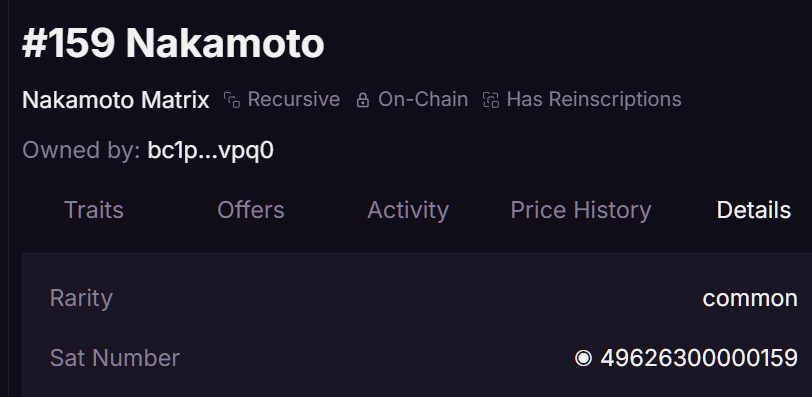
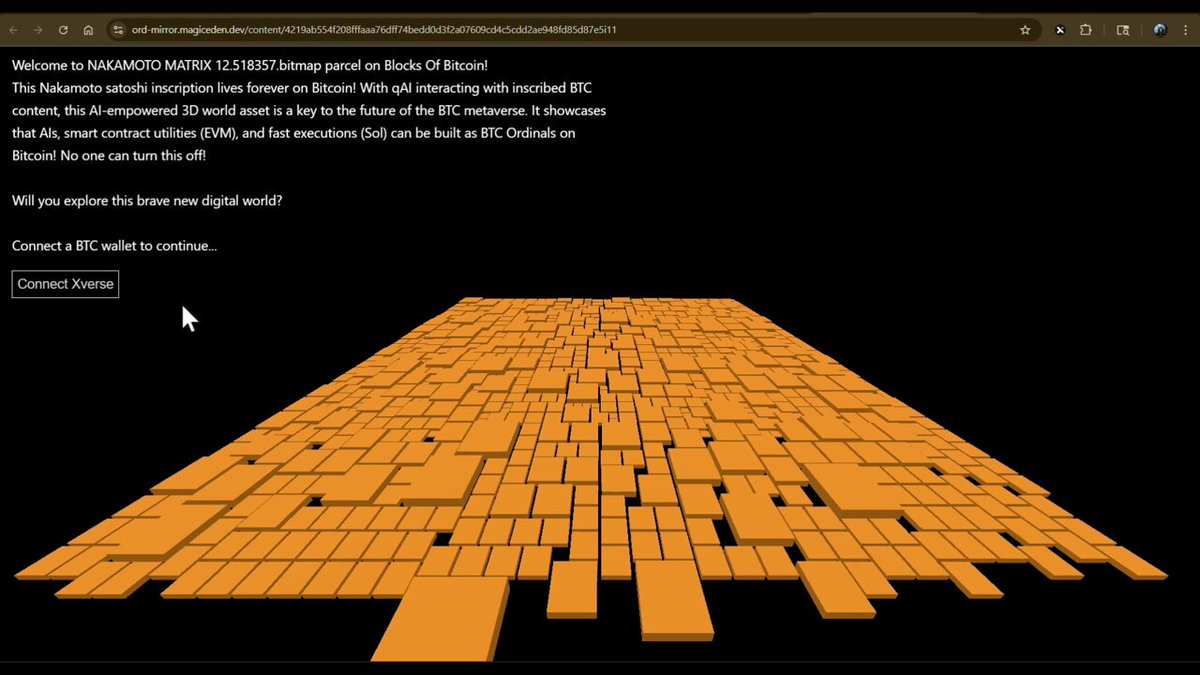
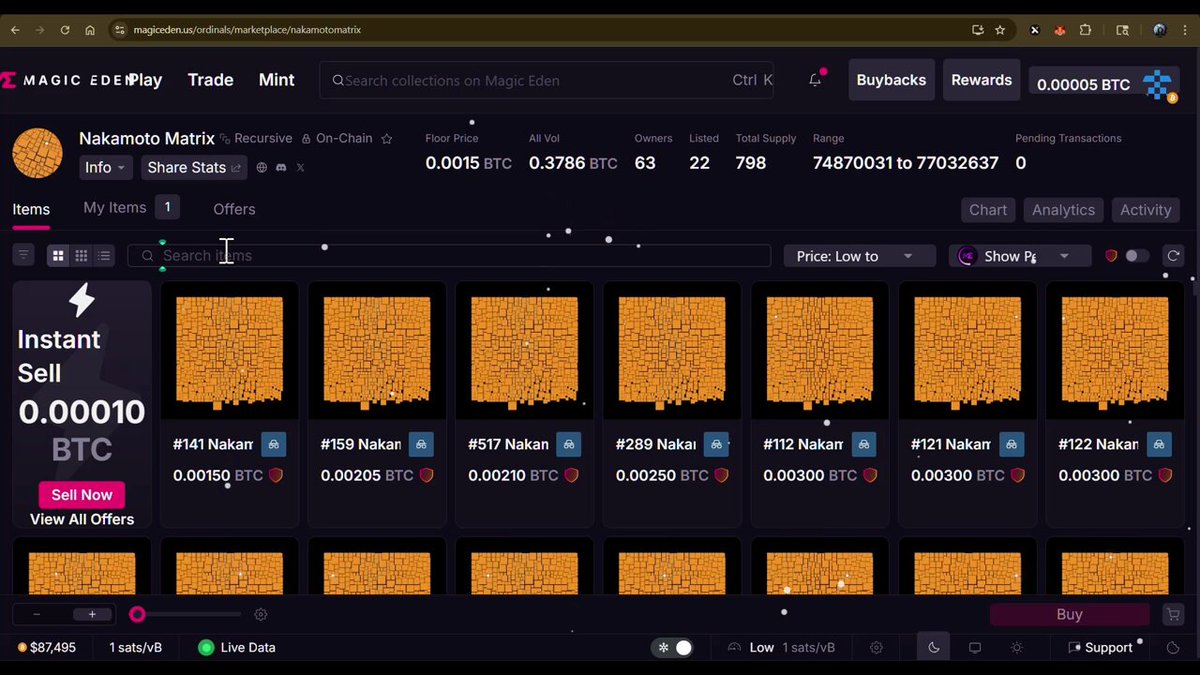
BTC meta-realm membership inscribed on 798 Nakamoto rare sats. exclusive access to 3D, AI, and crosschain tools #BWA
Joined November 2024
- Tweets 667
- Following 206
- Followers 618
- Likes 1,467
139 Photos and videos





Pinned Tweet

17 Dec 2025
I don't know who needs to here this but......
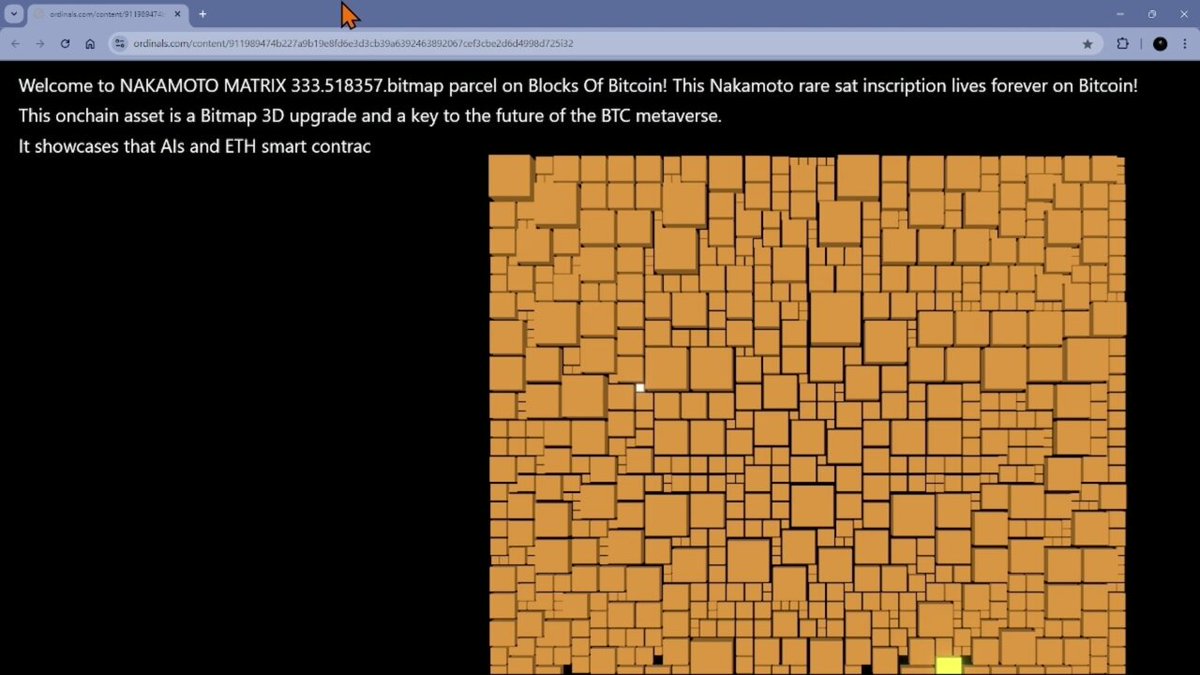
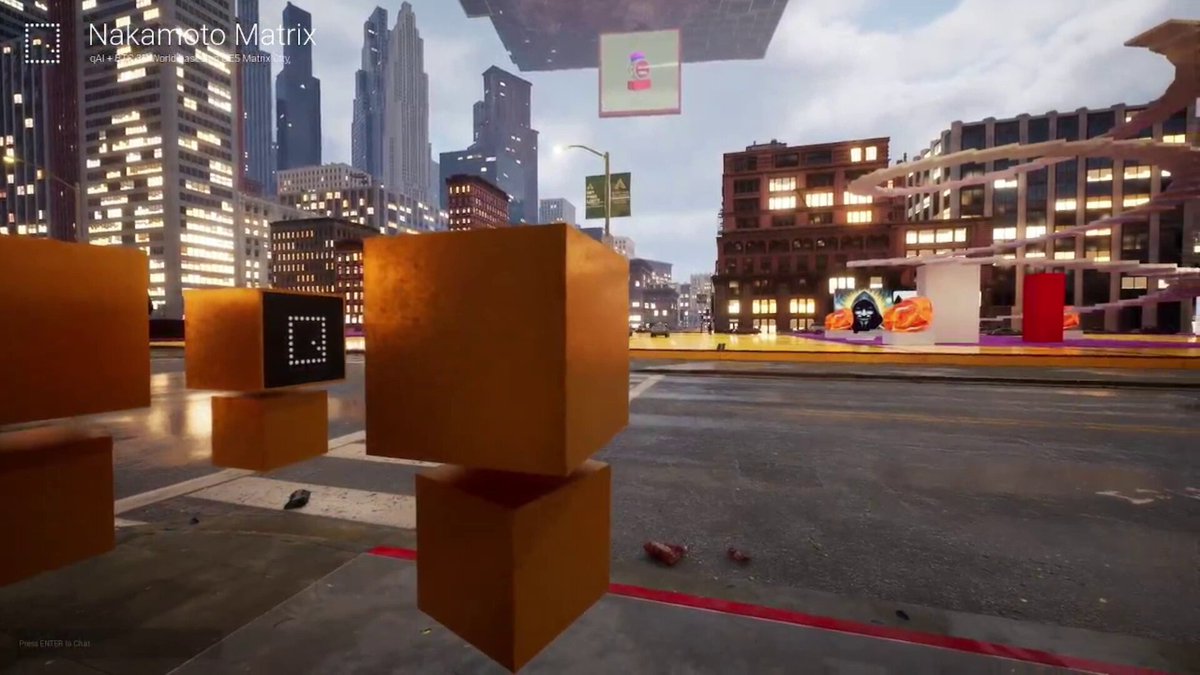
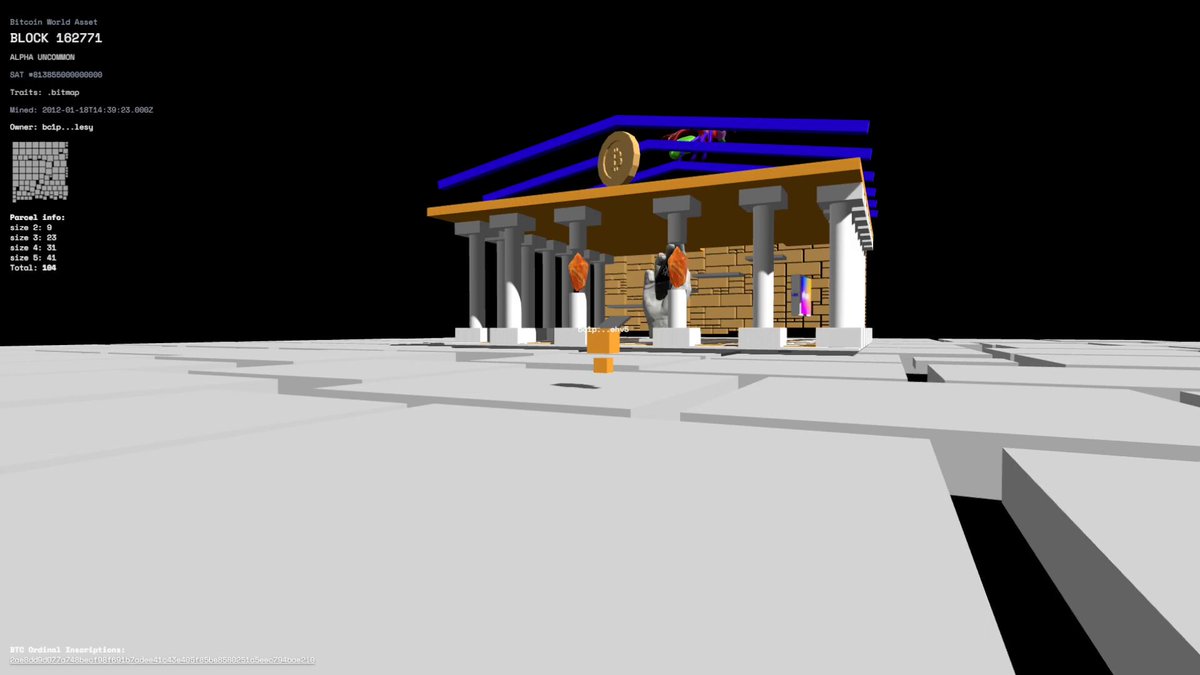
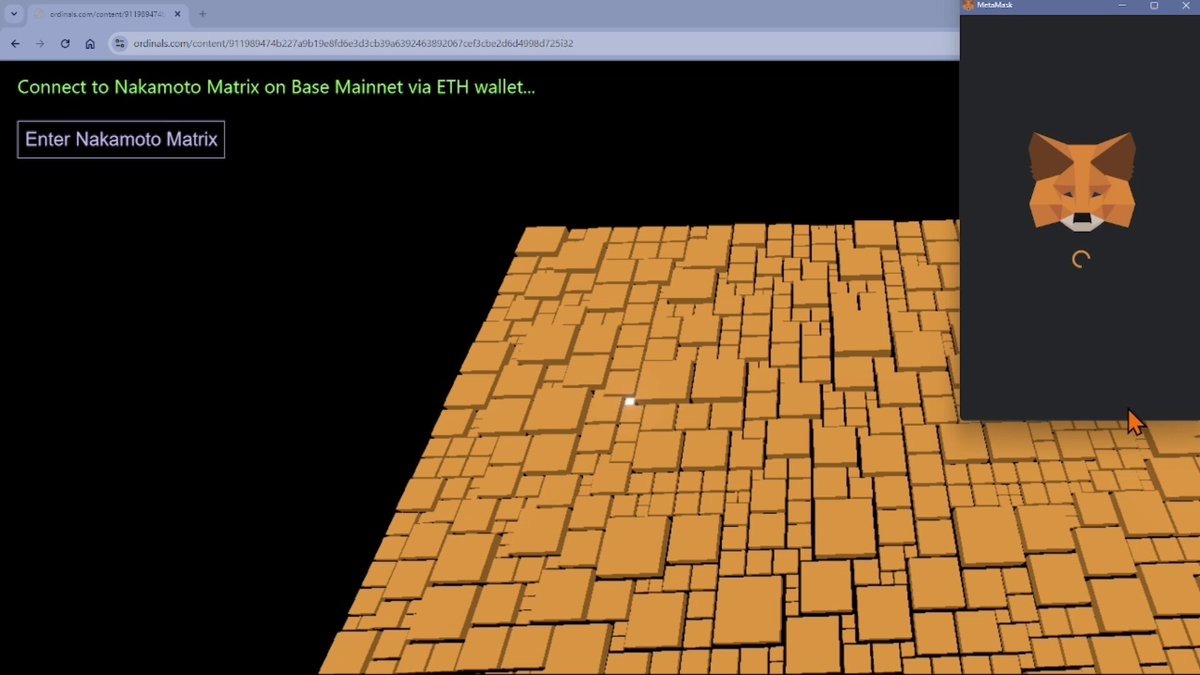
Nakamoto Matrix is the ONLY Bitcoin-native digital land asset that combines true self-custody with live, interactive functionality and CROSS-CHAIN reach, withOUT bridges,
withOUT wraps,
withOUT relinquishing custody.
2
7
14
1,880
Legend doing legend things 🫡

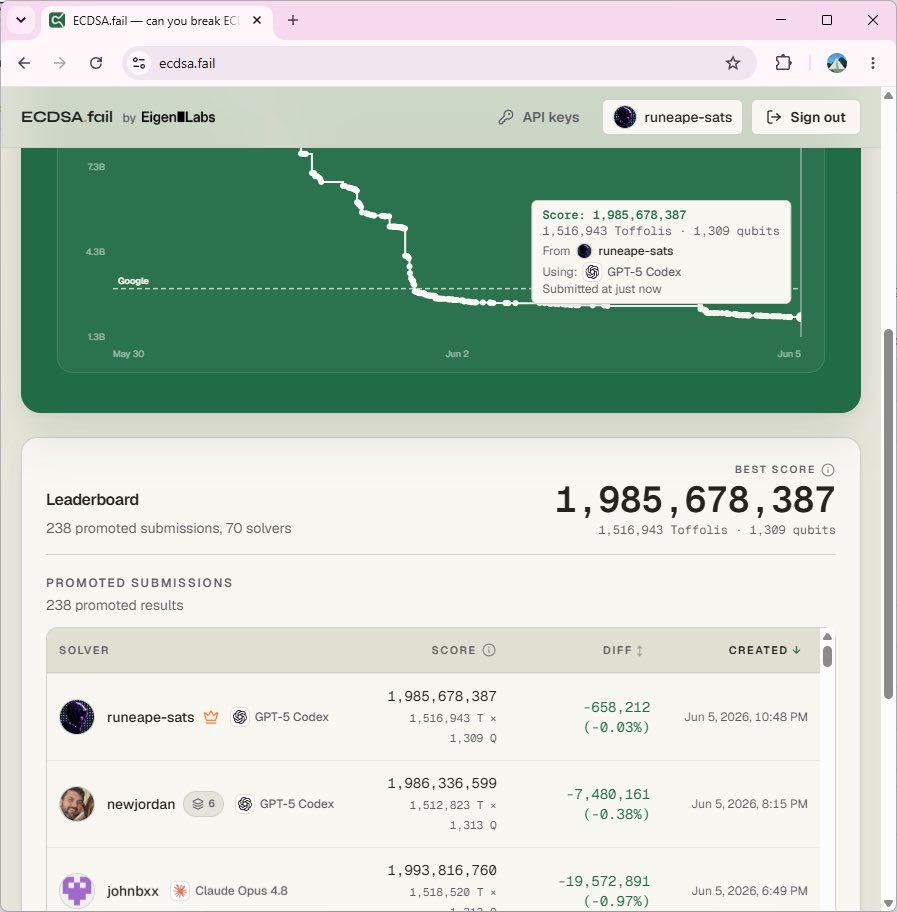
Just casually walking to the top1 of the leaderboard ecdsa.fail/ along with @JackieLeeETH
1
9
Some builders are really NEXT LEVEL

2
28
Nakamoto Matrix retweeted

Jun 6
Taking the no. 1 for now

3
5
189
☀️GM
Question: What does the future hold?
Answer: Whatever capable people build.
Truly that simple 🫡
1
1
57
Nakamoto Matrix retweeted

Mar 1
I’m picking up what you’re putting down. 🫡
I think the reaction you got yesterday came down to framing more than substance.
Your final paragraph of this article expresses your core point very clearly:
“Parent-child is a powerful provenance primitive but it is not a canonical collection standard. Markets require determinism…”
That’s an accurate and coherent position.
But the way the argument was structured made it sound (imo) like parent-child itself was being attacked, rather than ordinals experiencing an absence of a deterministic collection schema.
Those are two different things.
Some don’t understand that Parent-child was never designed to define supply, closure, or canonical membership. It encodes lineage. That’s its job.
If the real issue is that markets need a way to deterministically compute collection membership from onchain data alone, then the gap isn’t in the linkage primitive. The gap is in how collection rules are declared.
Right now, indexers often act as de facto registries. That’s the dependency layer you’re highlighting. But that’s separate from whether parent-child works as intended.
If anything, this seems less like “parent-child isn’t a standard” and more like “we haven’t agreed on a clear, inscribed collection rule format.”
The Ordinal protocol already includes a metadata field. A parent inscription can declare supply, closure, criteria, and membership rules in structured form. That shifts determinism from indexer consensus to immutable onchain declaration.
So the confusion seems to be about layers:
•Parent-child handles provenance
•Inscription data defines rules
•Indexers handle discovery
One other thing that may be contributing to the confusion is the phrase “collection standard” itself. That doesn’t have to mean a single mechanism that does everything. It can be a category that contains multiple standards operating at different layers. Parent-child can be considered one collection-layer standard because it defines provenance. A structured metadata declaration could be another because it defines supply and membership rules. Those don’t compete, they stack.
One thing that may help clarify this discussion further is separating where rules are declared from where they’re enforced.
When the Ordinals protocol code was inscribed on-chain by @huuep, that wasn’t about adding enforcement at the Bitcoin consensus layer. It was about anchoring definitions and making the reference point durable, immutable, and accessible to anyone building on top of it.
Collection rules can work the same way.
A parent inscription can declare supply, closure, and membership logic in structured metadata. That declaration lives onchain. Marketplaces and indexers can then implement enforcement on the backend by validating against those declared rules.
Protocol design and standard creation are about clearly defining what is declared onchain. Enforcement is a separate layer. Bitcoin has historically focused on minimal primitives and deterministic validation, while higher layers decide what they accept or reject.
That nuance matters when we talk about “standards,” because not every standard is meant to be an enforcement mechanism, some are structured declarations that other systems validate against.
When those layers are kept distinct, the discussion becomes much clearer. I hear you. 🫡 This topic reminds of what I brought up awhile back regarding the need for a digital asset taxonomy. These undervalued and overlooked topics will not go away as the entire digital tokenized value space advances.
2
9
164
Nakamoto Matrix retweeted
Feb 20
☀️GM
”Tokenization” 2026
Which?
Tokenization as Representation:
asset → wrap it → issue a token → manage via platform.
Saturated enterprise vendor territory.
Tokenization as Execution Authority:
Asset that contains operational capability.
That’s a different asset layer.
17 Dec 2025

I don't know who needs to here this but......
Nakamoto Matrix is the ONLY Bitcoin-native digital land asset that combines true self-custody with live, interactive functionality and CROSS-CHAIN reach, withOUT bridges,
withOUT wraps,
withOUT relinquishing custody.
1
2
65
👀We likeee

vibe coding MML coming to @OthersideMeta next week
testing with:
@OtherGamesXYZ
@CryptoVonDoom
@JRNYcrypto
@Gabrielesm1
@Escapation
@RidazLp2
@tropicalvirtual
@CinemaD__
(first time they're hearing about this)
more people after that once we fix whatever they break
1
2
67
Nakamoto Matrix retweeted
8 Jul 2025
4
10
916
Nakamoto Matrix retweeted
Jan 26
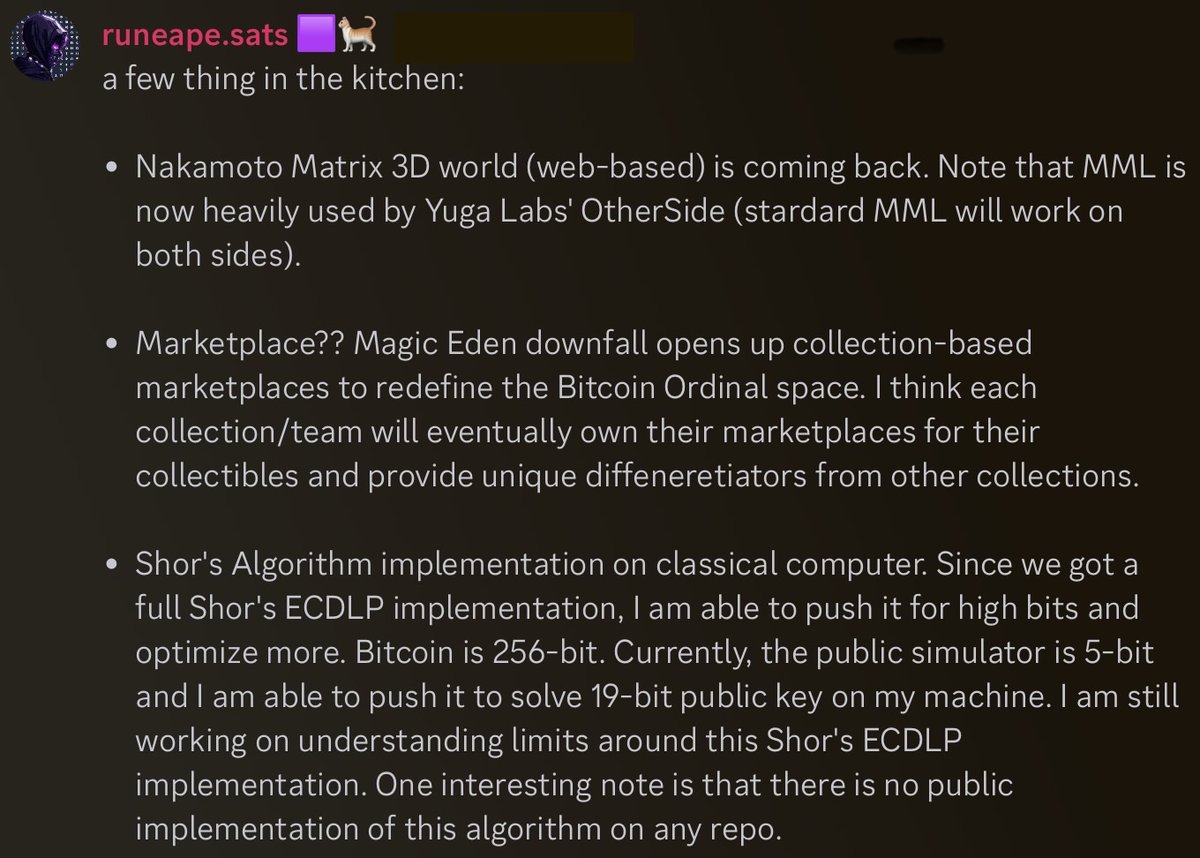
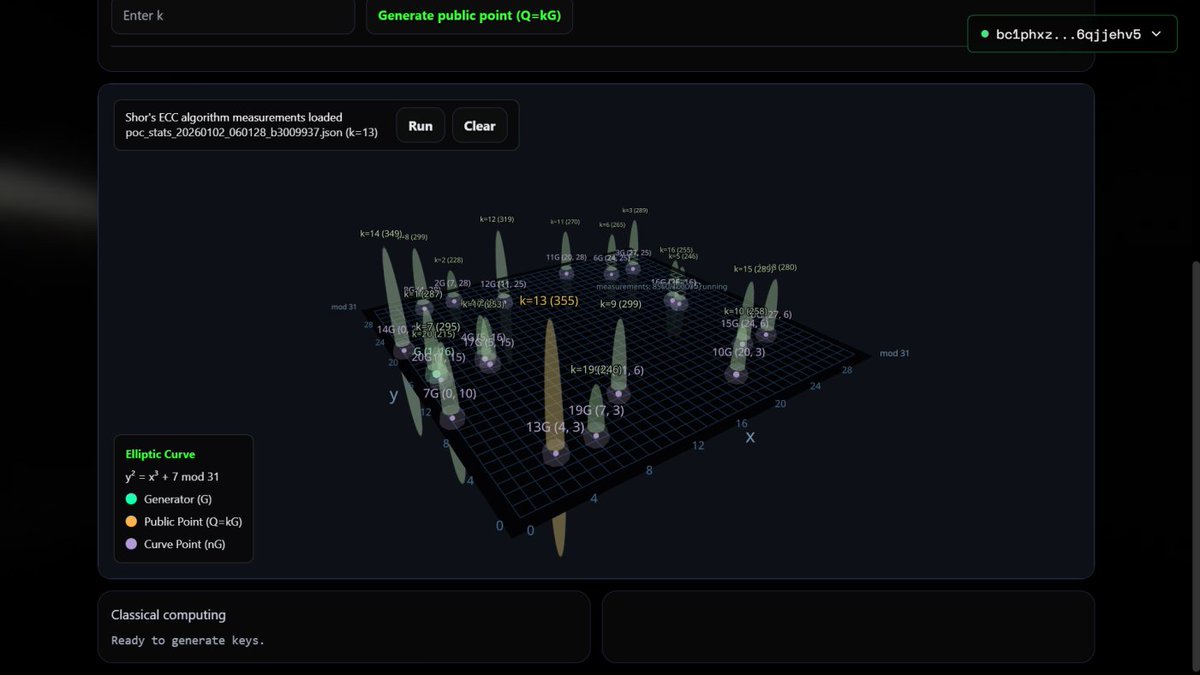
5-bit curve with Shor's algorithm simulation available for @nakamotomatrix holders via btcworldasset.com
1
4
10
155
Nakamoto Matrix retweeted
Jan 26
Simulate and visualize gate-level full Shor's algorithm with elliptic curve prime field arithmetic (currently on ~5-bit curve, NOT 256-bit). This is NOT running on quantum hardware NOR quantum threat to BTC (research and educational purpose only)
Jan 16
Our ECC simulator is now showing Shor's algorithm measurement data on tiny elliptic curves ♾️🧮👾
1
4
8
387
Some are imagining the future landscape.
Some already have self custodial ownership of multi-functional components that will exists as utilitarian instruments for the emerging transformative digital landscape and UGC economy.

"Software Engineering Will Be Automatable in 12 Months,"
Anthropic CEO Dario Amodei predicts that AI models will be able to do 'most, maybe all' of what software engineers do end-to-end within 6 to 12 months, shifting engineers to editors.
1
6
10
523
Nakamoto Matrix retweeted
Jan 21
1
3
15
37,546
Nakamoto Matrix retweeted
Jan 19
Some Bitcoin inscriptions are already beyond today’s models, and most can’t yet see the inevitable end of the “limited function” asset era.
Ordinals are becoming self-custodial, trustless engines — enabling executable, multi-network performative utility.
Real builders.....build.
17 Dec 2025
I don't know who needs to here this but......
Nakamoto Matrix is the ONLY Bitcoin-native digital land asset that combines true self-custody with live, interactive functionality and CROSS-CHAIN reach, withOUT bridges,
withOUT wraps,
withOUT relinquishing custody.
2
4
102
Nakamoto Matrix retweeted
31 Dec 2025
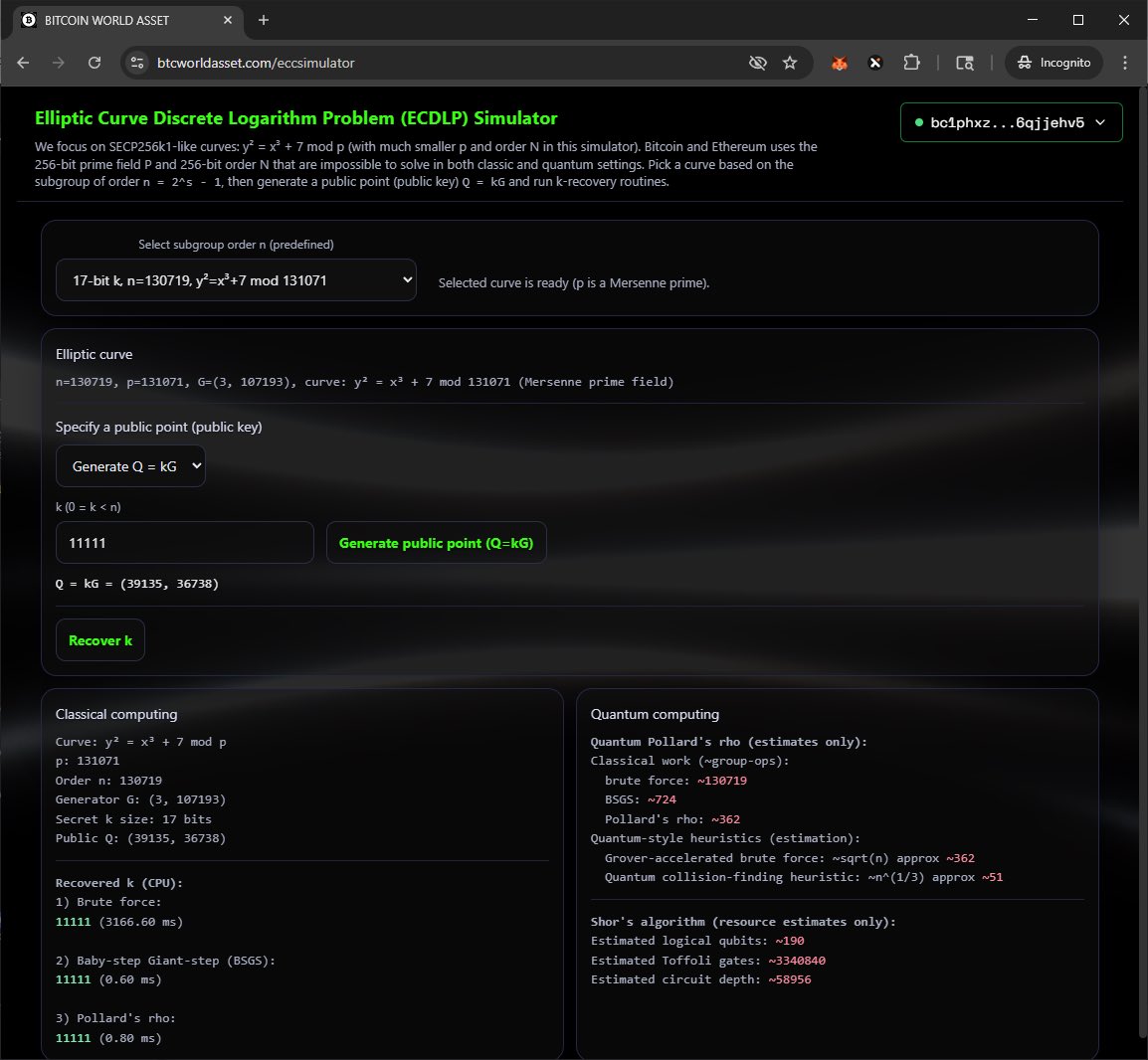
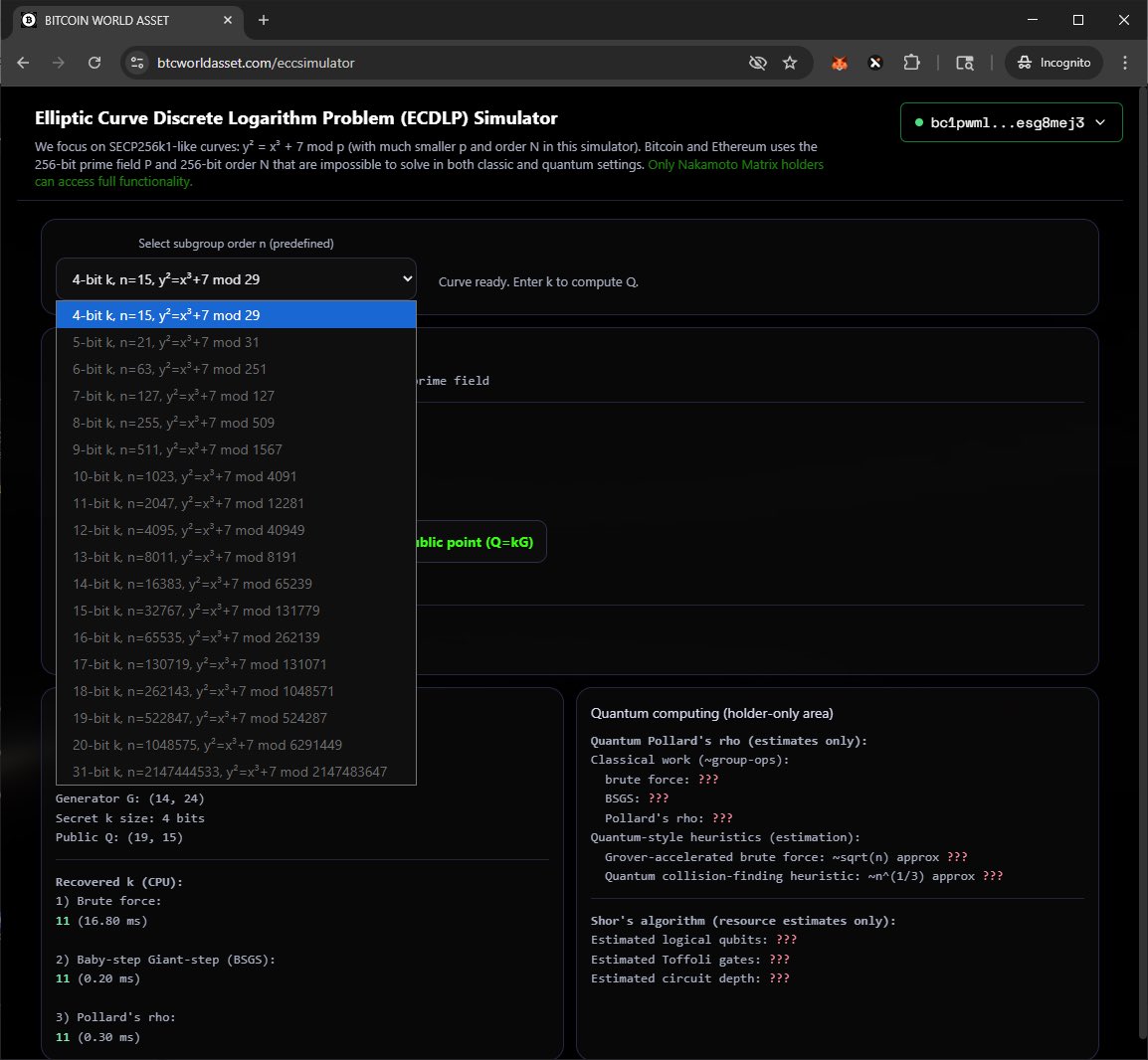
Try the offchain ECC simulator @btcworldasset (after signing-in w. @xverse)
1
3
6
110
Nakamoto Matrix retweeted
17 Dec 2025
Past 30 days, attended @EFDevcon in Argentina.
@ArtBasel @SCOPEArtShow @untitledfairs in Miami.
@bitcoinmenaconf & @Breakpoint2025 in Abu Dhabi.
Spoke to creators, founders, CEO's, devs, and VC's about BWA's @btcworldasset, Ord protocol and digital ownership asset frameworks
2
12
136
Nakamoto Matrix retweeted
Jan 12
In this specific context it refers to the video content that demonstrates a Bitcoin inscription itself directly interacting with an EVM smart contract.
So a Bitcoin network asset interacting with Ethereum network. "cross-chain"
In "this" example the inscription holder is as trustlessly as known possible accessing and signing the EVM transaction to claim a token and receive it in their eth wallet.
This inscription is designed to utilize bitcoin as an authentication instrument in order to trustlessly enable cross-network (cross-chain) access to more robust functionality options and capabilities offered by ethereum networks' smart contracts.
The most significant aspect of this function that many don't recognize immediately, is that this is achieved without the use of a multi-sig wallet framework or ANY 3rd party exposure. This is an entirely self custodial action. Another significant aspect to highlight is, by using this inscription authentication key method, one also reduces the exposure of one's public key which is the Achilles heel regarding the Quantum computing threat.
Obviously there can be many customized use cases with this model.
Big picture is Bitcoin ownership assets as the foundation for sovereign digital frameworks. That to me is real digital tokenized value rooted from the only decentralized network on the planet.
2
7
149
Nakamoto Matrix retweeted

Jan 12
What exactly does "CROSS-CHAIN reach" mean...
1
2
4
79
Nakamoto Matrix retweeted
Jan 10
Ask every single person who hosts spaces and sit on panels talking about Bitcoin, Ordinals, digital assets, ownership, cross-chain interoperability, and the trajectory of the digital landscape, to explain to you what this cross-chain functionality proof of concept demonstrates.
17 Dec 2025
I don't know who needs to here this but......
Nakamoto Matrix is the ONLY Bitcoin-native digital land asset that combines true self-custody with live, interactive functionality and CROSS-CHAIN reach, withOUT bridges,
withOUT wraps,
withOUT relinquishing custody.
4
3
10
379
☀️ Hello to Monday.
Does it help to know what your building on?
Asking for a friend.
2
31
GM,
Bitcoin inscriptions that deliver utilitarian functionality by running interactive software is what causes an Ordinal Tsunami.
Digital worlds, tools, and ownership systems.
no accounts, no companies, no servers.
Permanent property layer for a digital civilization.
Jan 5

GM☀️
Bitcoin property and on-chain education lab?
Taking a closer look and interacting w/ the inscribed Elliptic Curve Cryptography simulator on @nakamotomatrix that demonstrates on a very small scale how Quantum Computing could pose a potential threat to Bitcoin wallets. @runeape_sats
1
5
105