AI Exploration / 🇫🇷 🇨🇳 🇻🇳 🇨🇦
Joined April 2023
- Tweets 2,894
- Following 409
- Followers 2,847
- Likes 6,771
123 Photos and videos
Orès AI retweeted

14 Dec 2025
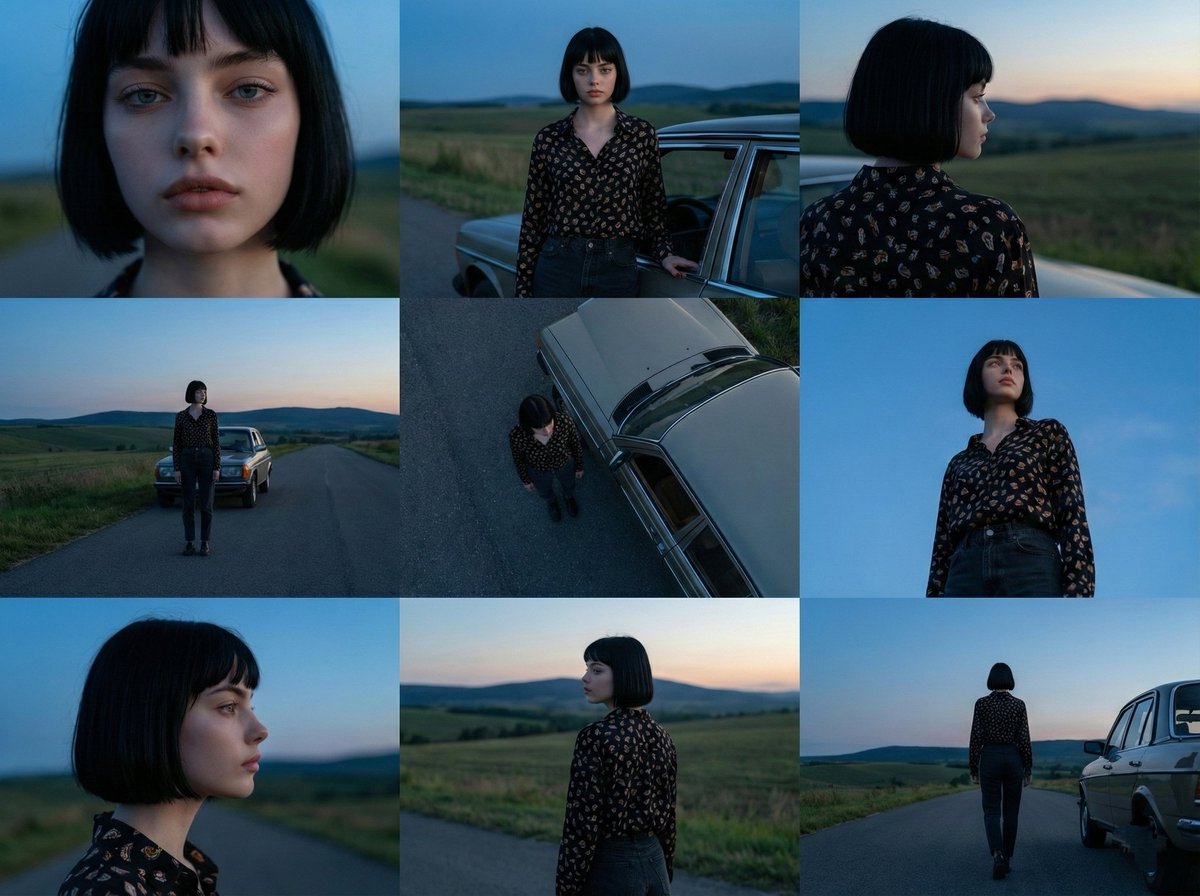
Cinematic photo series made with Nano Banana Pro on @Somake_ai
Prompt:
A cinematic 3×3 grid presenting multiple camera angles of the same female subject outdoors at dusk. A young woman wearing a patterned black shirt stands beside a car on a rural road, surrounded by open fields and distant hills. Each frame shows a distinct shot: extreme close-up, medium shot, over-the-shoulder, wide shot, high-angle top-down, low-angle, profile, three-quarter rear view, and full back view. Natural blue-hour lighting, soft sky gradients, realistic colors, shallow depth of field, cinematic framing. Consistent subject appearance across all frames, film-still aesthetic, professional cinematography reference sheet style, ultra-realistic photography.
43
93
780
47,441
Orès AI retweeted

14 Dec 2025
The new Grok Imagine update brings your stories to life.
Try the @grok magic now 💫
38
13
217
20,845

'AI is useless..' they say
but AI can generate $100k ad for a few bucks in 2 hours
this new Higgsfield SHOTS can turn one image into 9 cinematic shots, keep actor and product consistent.. no need prompts at all
step by step tutorial:
110
186
1,716
141,054
Orès AI retweeted

8 Dec 2025
BEHIND THE SCENES OF HORROR MOVIES — LEGO VERSION 🥶🔥
These videos get MILLIONS of views on social media...
Here’s the tutorial so you can see how I created this video👇🏻
56
219
1,497
82,804
this is the first ever Super Bowl ad fully created via AI
AI filmmaker Unsul created this $300,000 worth Skittles ad on Higgsfield’s newest feature only for ~$29
traditional 3D animators are gonna hate this..
6 crazy clips that don’t look like AI:
32
49
388
31,633

time to show you what we created for the france–vietnam chamber of commerce
this is the official opening video of the gala, entirely made with Midjourney, Nano Banana Pro, and Kling
so proud of what we achieved with my team @AIgorithm_ores
put your 🎧 and go full screen mode
36
21
284
16,544
Orès AI retweeted

3 Dec 2025
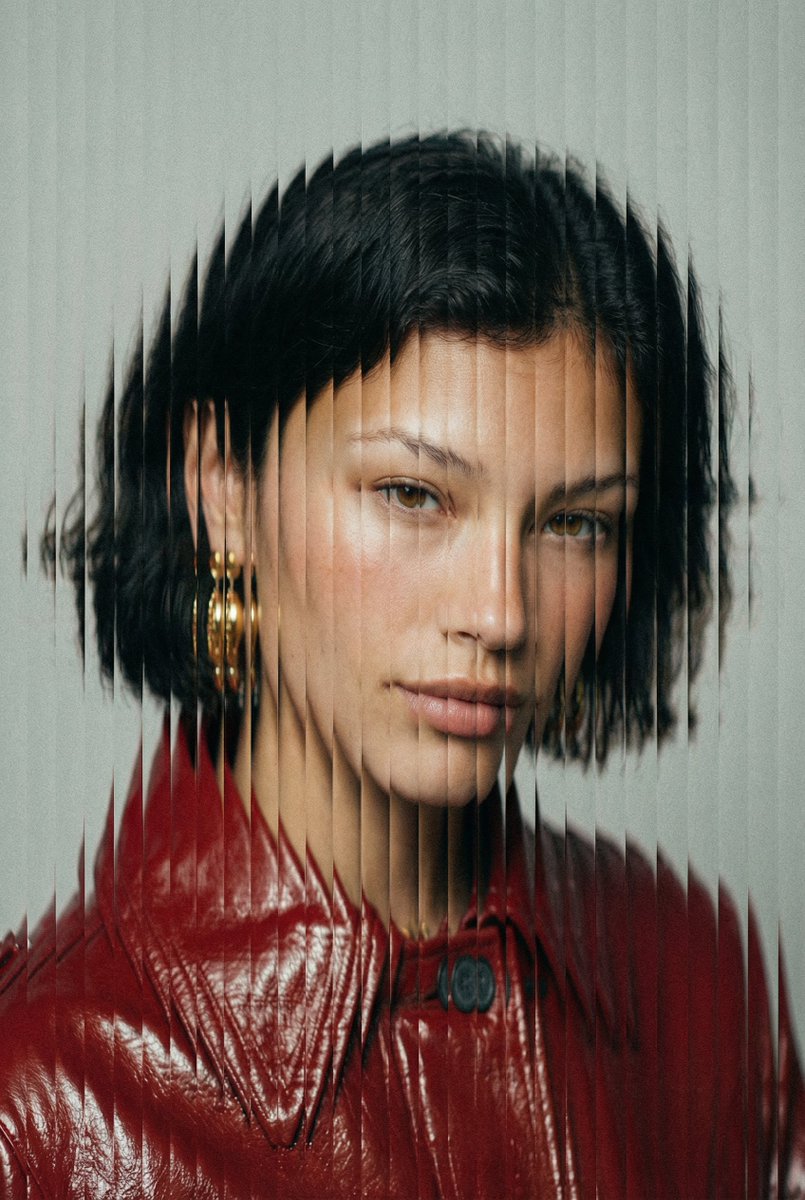
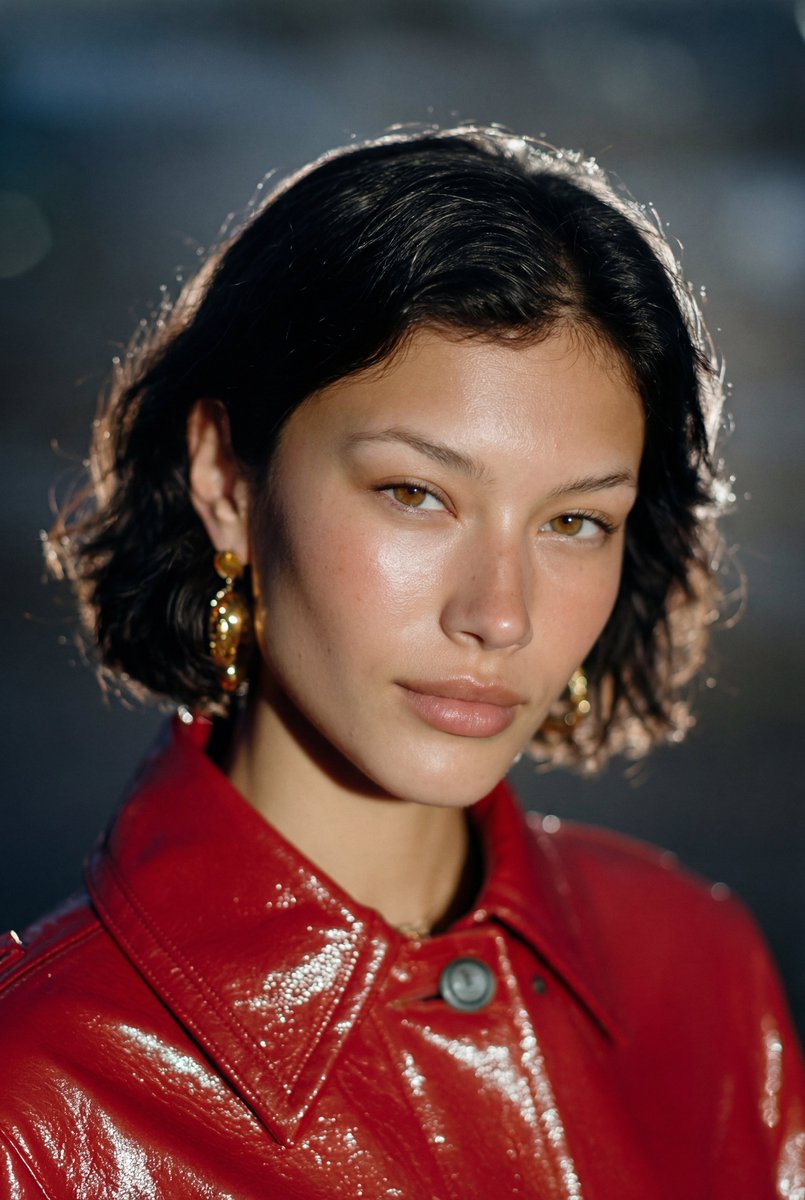
Tried an effect with Nano Banana Pro.
Prompt👇

48
130
2,619
1,130,076
Orès AI retweeted

7 Dec 2025
Prompt and guide in comments 👇
Made with Nano Banana Pro via LetzAI
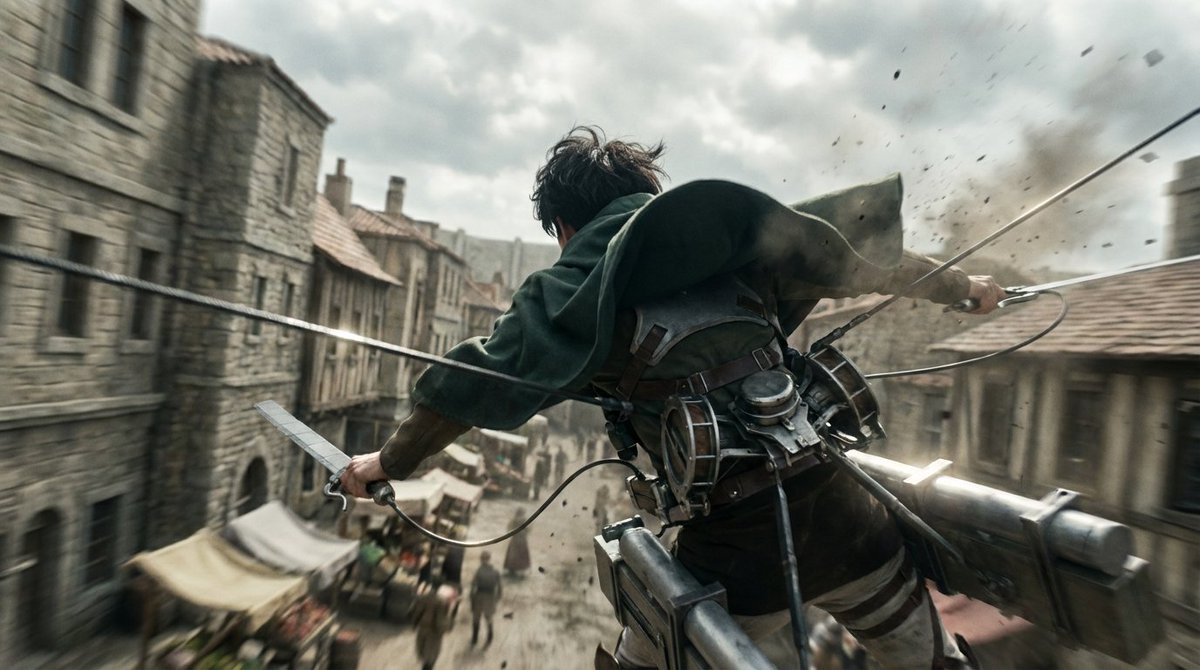
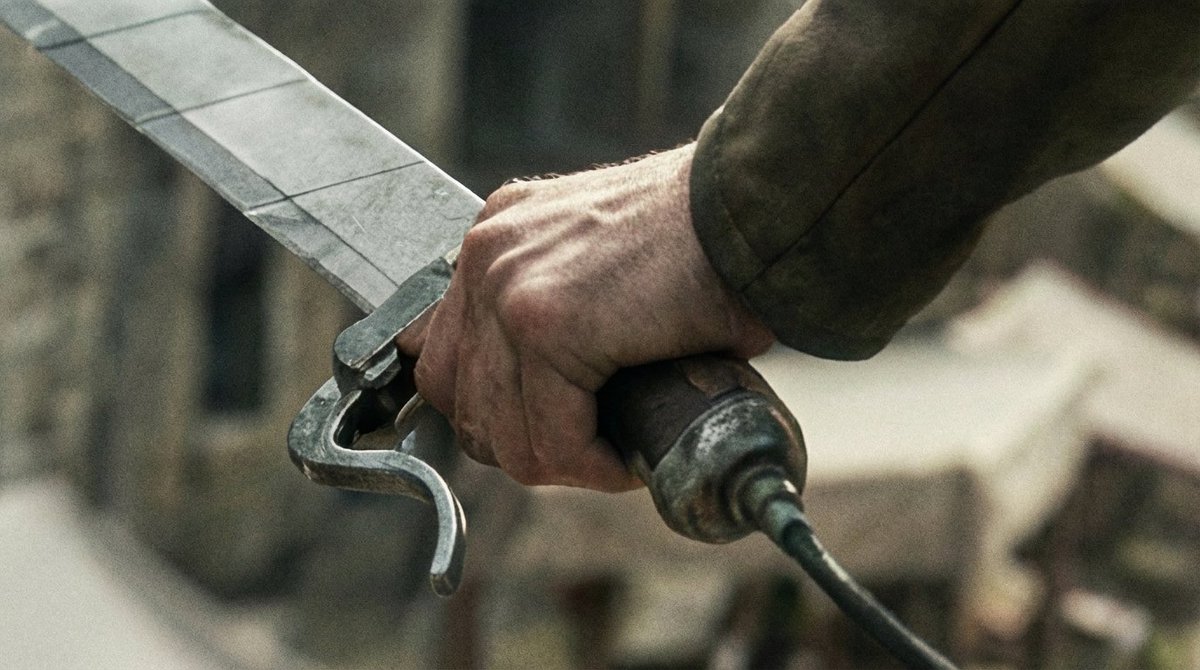
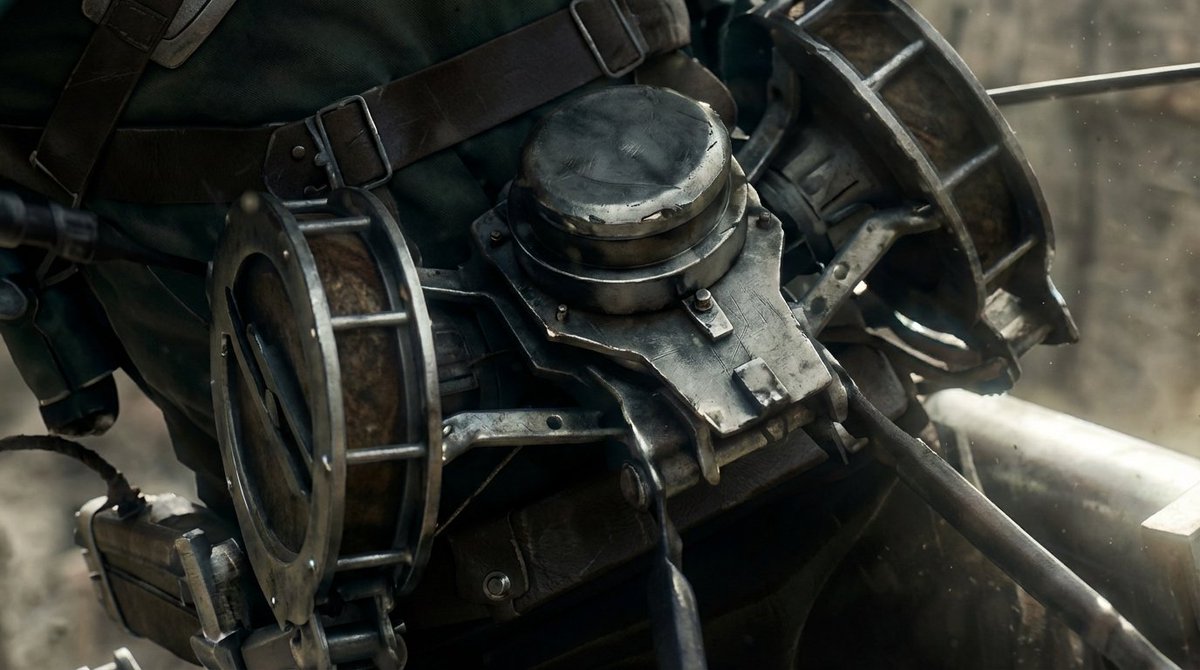
22
35
534
42,980
Orès AI retweeted

6 Dec 2025
Wow. Kling 2.6 can help create actual dread 🤯🔥
Watch my latest AI super short THE TENANT
Using the latest Kling model I was able to not only craft an atmosphere but also prompt specific background sound, ambience, dialogue and inflections.
While not perfect, this is one of the first times where a single model was able to consistently produce in the tone I was trying to maintain.
Images and consistent characters were created in Nano Banana Pro inside Adobe Firefly, and video is 2.6. This was edited in Premiere Pro.
Additional sound from ElevenLabs and Envato.
49
42
428
35,749
Orès AI retweeted

6 Dec 2025
I managed to build the world smallest drone and used it to follow an ant
23
23
338
21,589
Orès AI retweeted

3 Dec 2025
Nano Banana Pro x Midjourney Video
Prompt 👇
8
31
323
66,579
Orès AI retweeted

2 Dec 2025
Another powerful Nano Banana Pro combination unlocked.
You can upload your entire contact sheet to Veo 3.1 and use it as a start frame.
Have it generate [Instant Cuts] to create full frame videos based on your panels.
Really useful for quick drafts and concepts.
15
41
376
22,332
Orès AI retweeted

3 Dec 2025
I just used @hiunicornstudio to bring a mind-blowing, viral effect to my latest website concept! What if breathing clean air was a luxury?
Created this concept for future megacities
where pollution is deadly
Meet AERO-SHIELD X1 by OHAMA #nocode
96
114
2,203
104,643
Orès AI retweeted

3 Dec 2025
With the release of @Kling_ai 2.6, I was eager to put it up against one of its arch-rivals….@FlowbyGoogle Veo 3.1. I ran four separate tests. First, I tested their ability to generate consistent and stable action shots. Second, I tested camera movement in a crowded scene. Third, I tested their ability to generate consistent facial details and emotion. Fourth, I wanted to see how well they can generated an interaction between two characters.
Prompt 1: camera tracking shot, wide-shot. The camera tracks above as two nights ride on horses through a forest. The horses a galloping fast. The camera is tracking the knights from above.
Prompt 2: Slow camera push in on a man eating Ramen at a Ramen house in Japan. The alley street is busy with people.
Prompt 3: Close-up shot of a man on a sailboat. The man has a scared look on his face. After a short pause, the man says, "I'm gonna need a bigger boat”
Prompt 4: Static camera. A man picks up a cookie from a plate and takes a bite. His dog looks up at him; eagerly wanting a bite of the cookie. The man turns, looks at the dog, and says, "no cookies for you mister”
Verdict🏆: To be honest, I was surprised by Kling 2.6. While Veo 3.1 outperformed Kling 2.6 in the close-up shot test, it slightly underperformed in every other test. In the Veo 3.1 outputs, objects would randomly appear and camera movements were abrupt or didn’t adhere to the prompt. Don’t get me wrong, Kling 2.6 definitely had its flaws (its audio was quieter and often mismatched the prompt). That said, I was impressed with Kling 2.6 more than I imagined I would be. Although a somewhat small lead, I would give Kling 2.6 the slight advantage for this round of tests.
16
53
416
24,691
Orès AI retweeted
30 Nov 2025
Work hard, study well, and eat and sleep plenty!
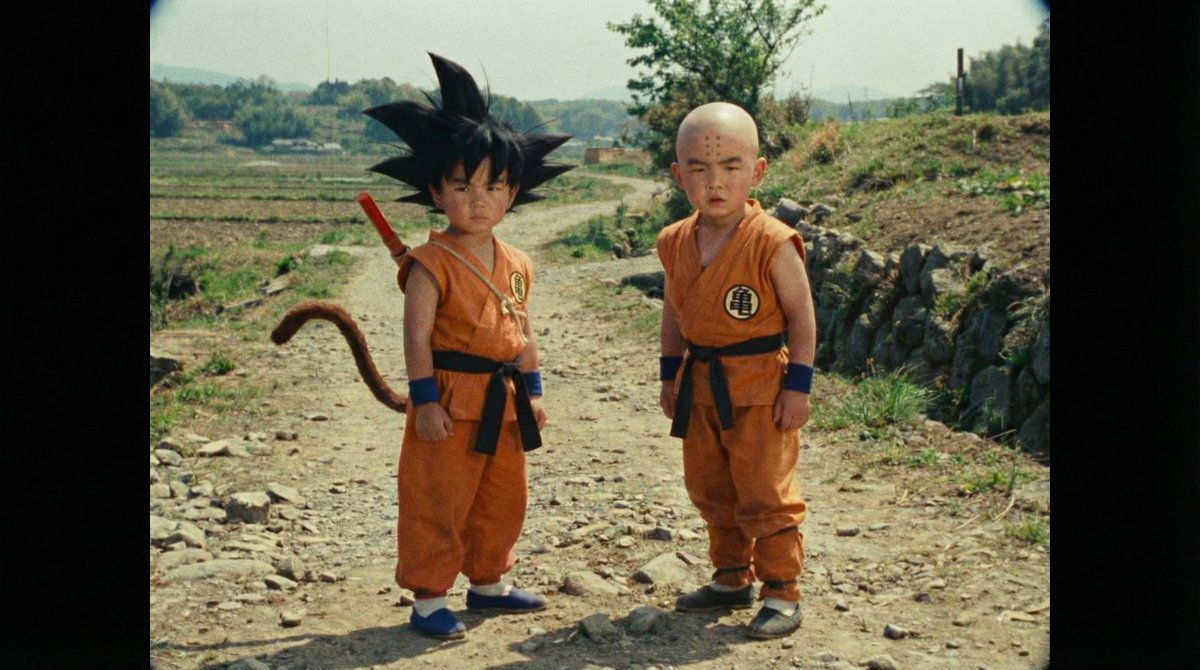
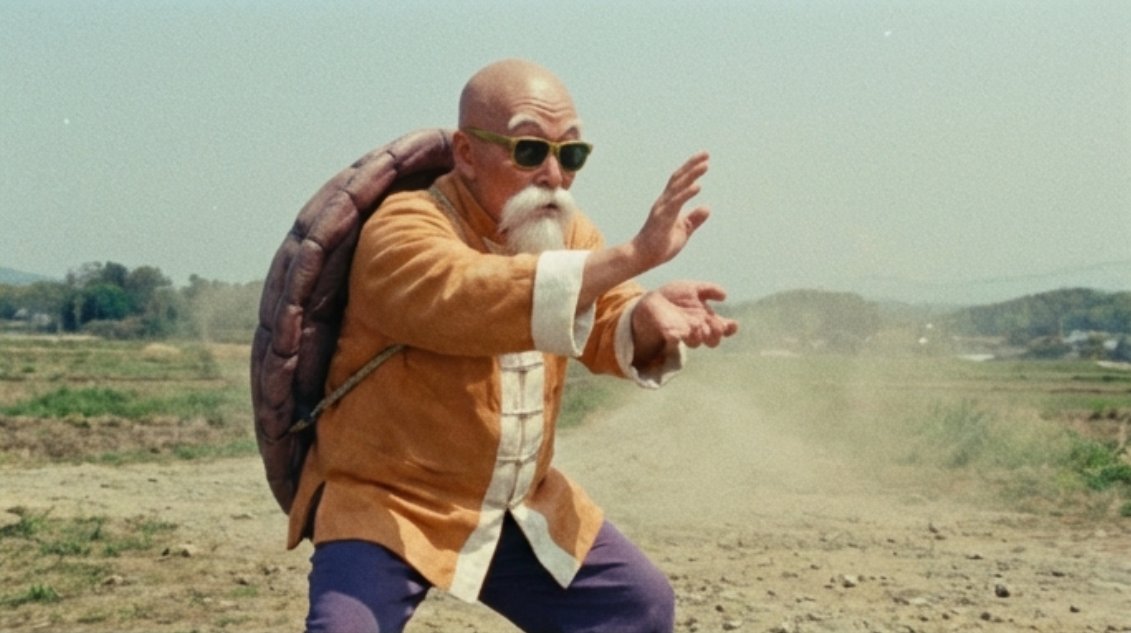
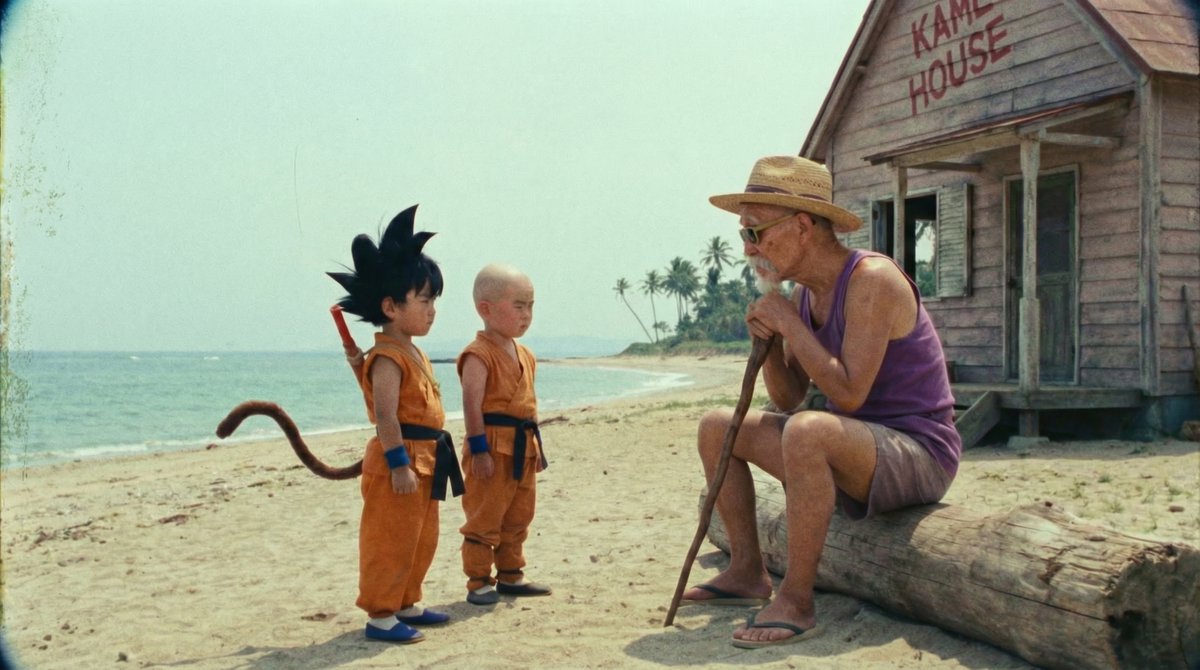
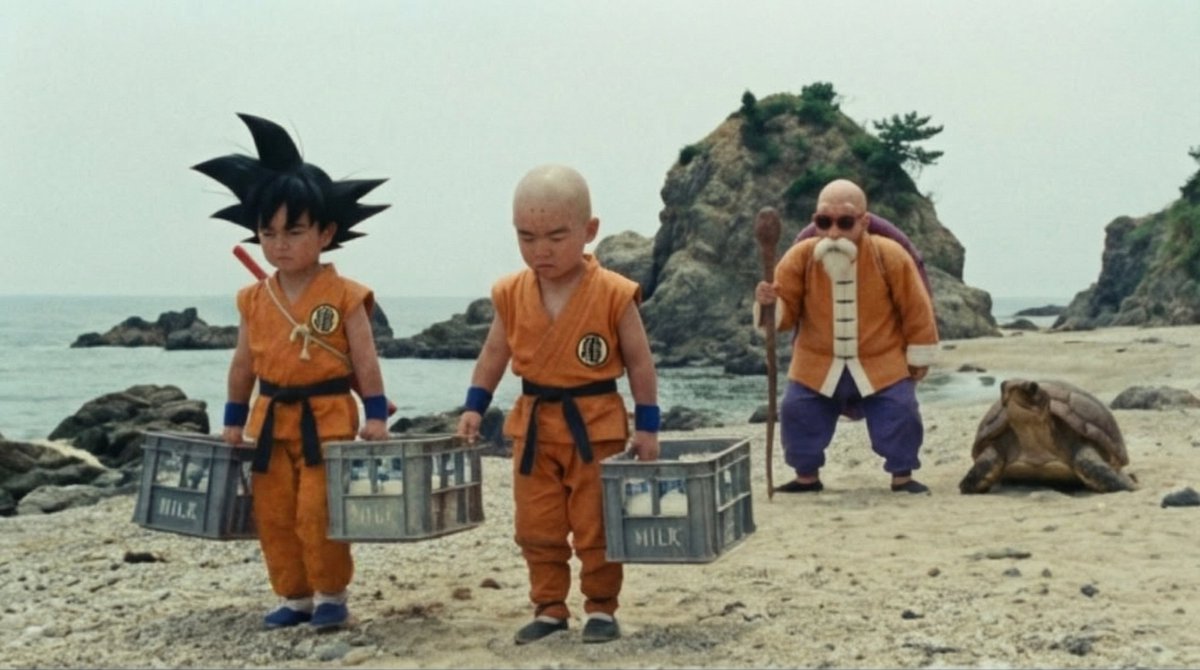
75
243
1,910
120,317
Orès AI retweeted

1 Dec 2025
God damn Runway, you didn't have to release so hard.
Hey, @Google, Veo4.0 confirmed for next week?
1 Dec 2025

Introducing Whisper Thunder aka Gen-4.5.
Today, we are excited to share our new frontier model. Gen-4.5 was built by a team that fits onto two school buses and decided to take on the largest companies in the world.
We are David and we’ve brought one hell of a slingshot.
33
69
1,364
167,050
Orès AI retweeted

1 Dec 2025
My first experiment with Kling O1
is quickly proving to be a major breakthrough in AI video creation. Instead of manually editing individual images, you can now refine an entire video sequence simply through prompting. This significantly reduces the time spent on adjustments, cuts down manual workflow, and saves credits by eliminating unnecessary regeneration.
With this update, the technical limitations shrink even further, what truly defines the final result is your creativity and how you choose to guide the model.
@invideoOfficial x @Kling_ai
16
46
412
184,952
Orès AI retweeted

1 Dec 2025
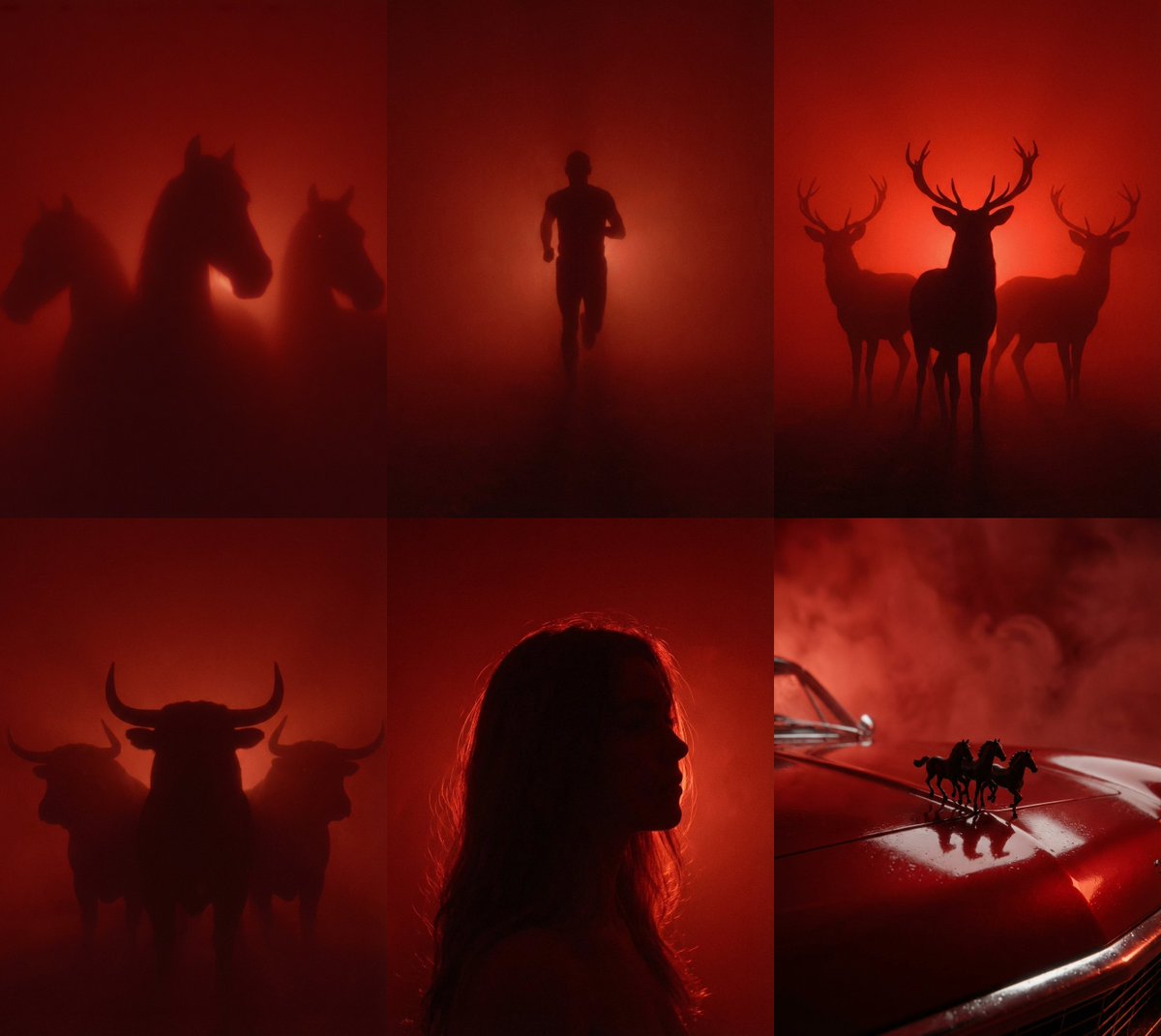
Nano Banana Pro style transfer.
More tests.
The first image was generated in Midjourney, the next five in Nano Banana Pro.
I’d say it follows the style at around 90%, which is pretty good. It always makes the results a bit more contrasty, more vivid, and sharper. And when it comes to people or anything popular like a car, it pushes closer to photorealism. Still good tho.
21
40
736
42,018
Orès AI retweeted

1 Dec 2025
I made a Ferrari SF90 spec ad with NB Pro, Reve and more.
To put this together, I used and tested almost all the tools we currently have.
As usual, it all started from a single image in Midjourney.
For the video, @Kling_ai delivered the best results, every clip was made with it.
44
20
319
25,957