
The official publication of @IASPpain. PAIN publishes original research on the nature, mechanisms and treatment of pain. #PAINJournal
Joined November 2013
- Tweets 7,504
- Following 862
- Followers 18,796
- Likes 1,165
5,127 Photos and videos

Pinned Tweet

16 Oct 2025
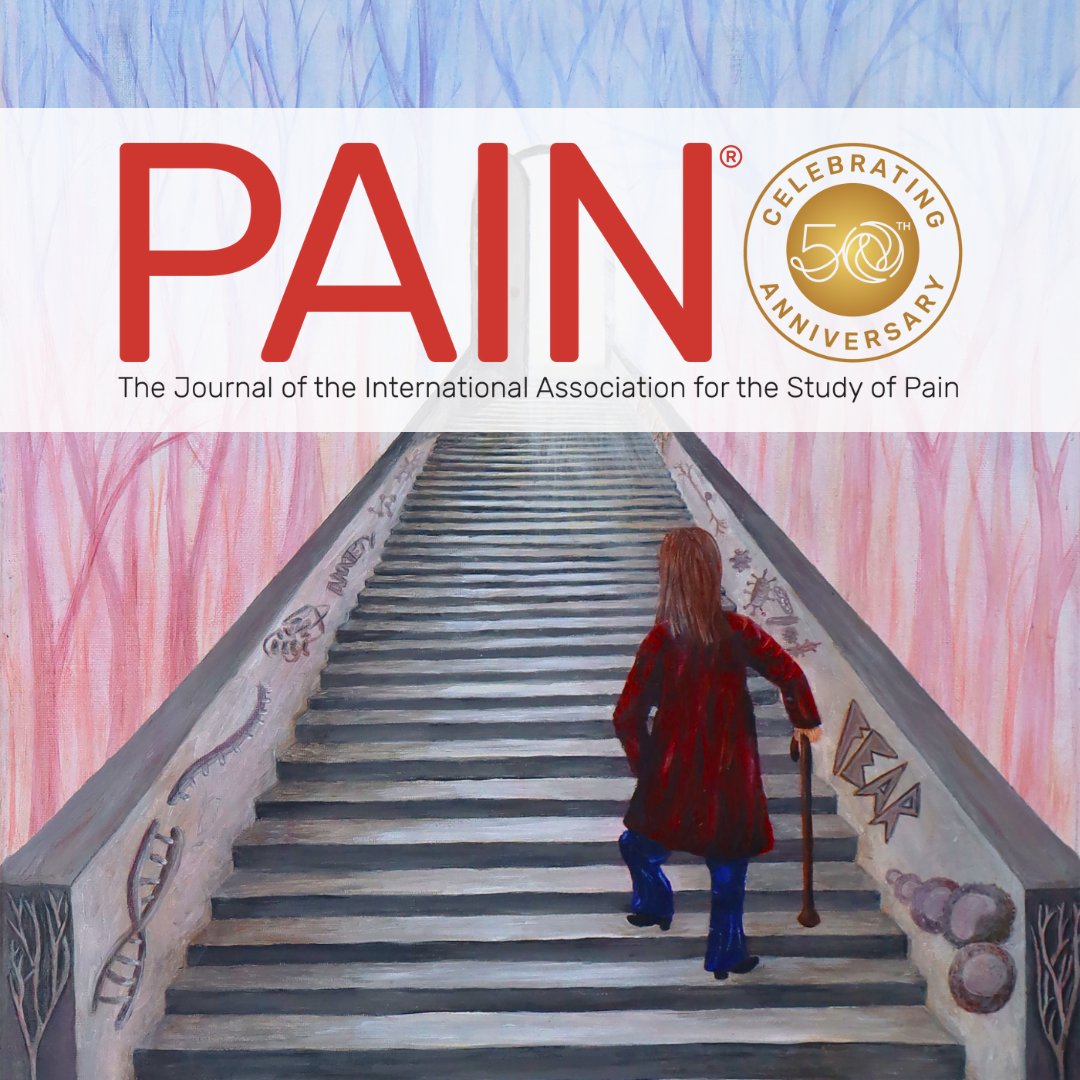
We're extremely proud to announce #PAIN's 2025 supplemental issue: Advancing Pain Research and Management for the Next 50 Years. The entire issue is free to read on our website! bit.ly/3IQ6hOq
1
4
16
1,469
Attendees consistently cite networking as the #1 reason they attend the World Congress on Pain. At #IASP2026, connect through scientific sessions, Exhibition/Poster Hall, Early Career Center, and interactive pavilion experiences. Register today: bit.ly/4qx0aOI
4
121
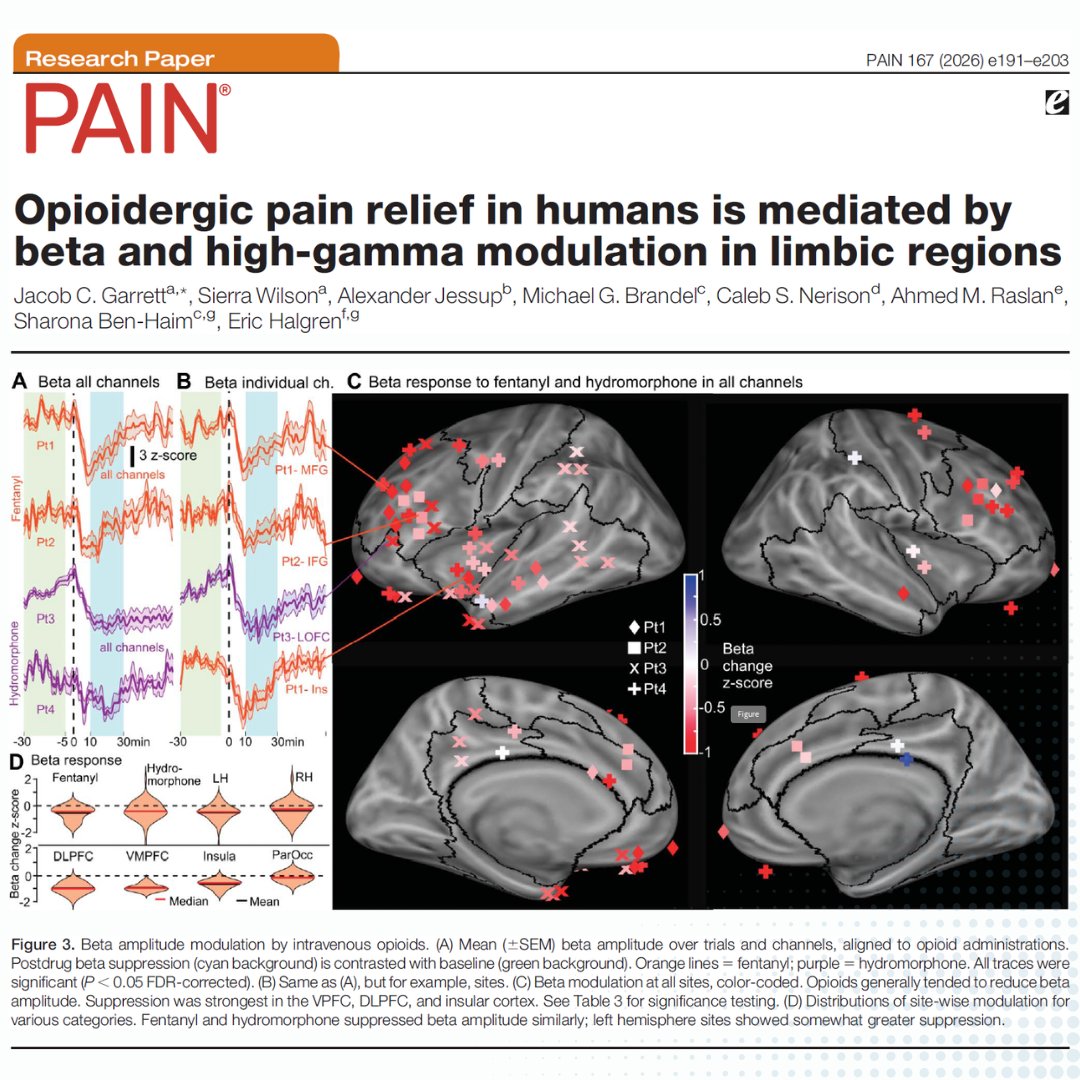
Local field recordings in human cerebrum reveal that opioids affect beta and high-gamma oscillations. @GarrettJacobC et al. find that signatures of pain relief in limbic regions align with opioid effects. Learn more in #PAIN bit.ly/4ejtKTE
5
6
432
Jun 15
Merchant et al. find that gender minority persons experience higher rates of chronic pain and widespread pain, especially those who identify as transgender men or gender-expansive persons. Learn more in #PAIN bit.ly/4n1mH65
1
193
Jun 15
RECRUITMENT OPERATION: PAINHACK 2026
We're assembling the ultimate team to tackle real-world pain challenges in Bangkok. No forced recruitment necessary...
Register: bit.ly/4qx0aOI
#2026WorldCongressOnPain #IASP2026
2
3
337
Jun 12
Huang et al. identify potential for fracture risk in patients with postherpetic neuralgia, even when administering doses below the recommended threshold and during short-term treatment regimens. Learn more in #PAIN bit.ly/4ujIubu
1
3
6
365
Jun 12
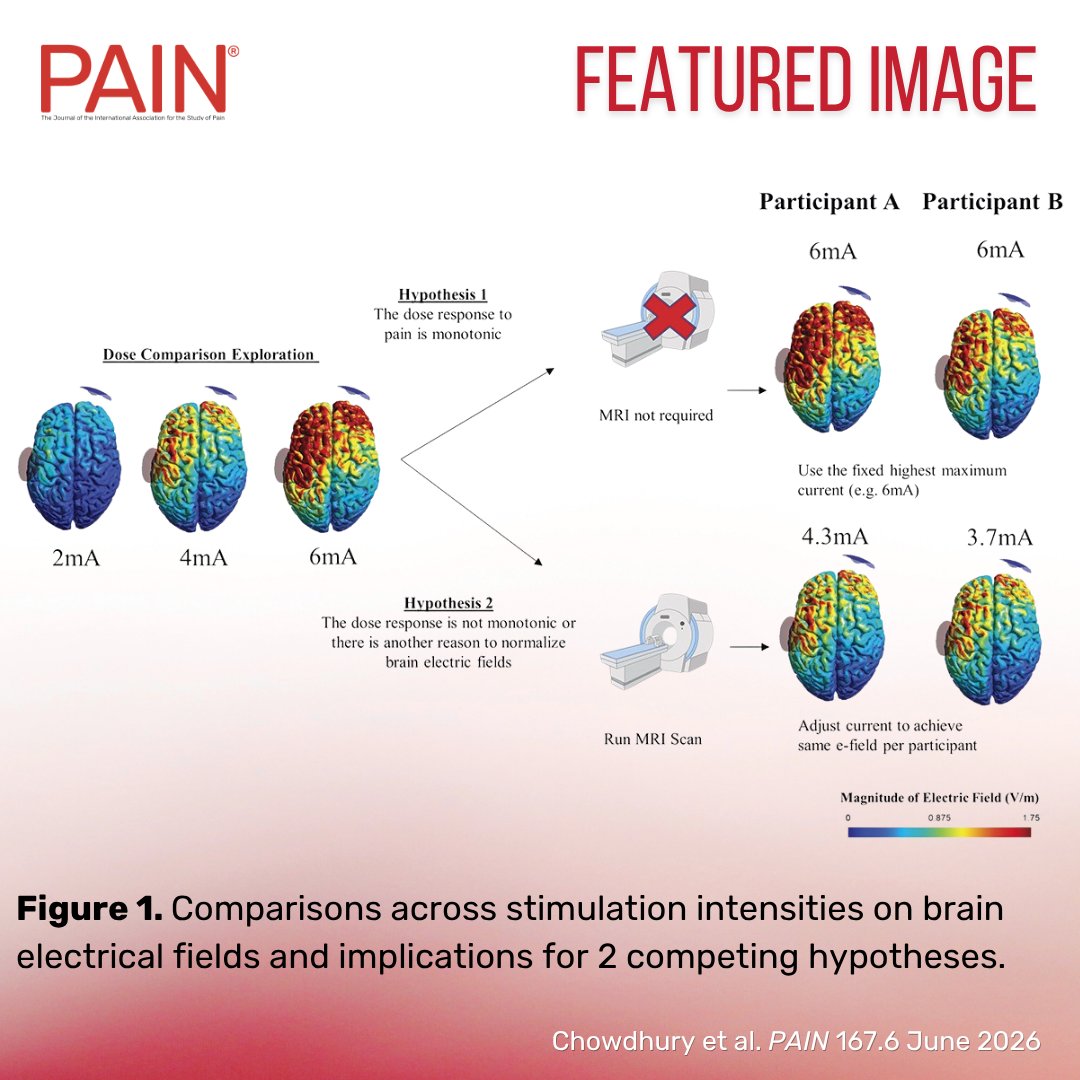
In this week’s #PAIN Featured Image, @DrNahianC et al. compare stimulation intensities on brain electrical fields and implications for 2 competing hypotheses. Learn more at bit.ly/4e0l4Tv
3
5
298
Jun 11
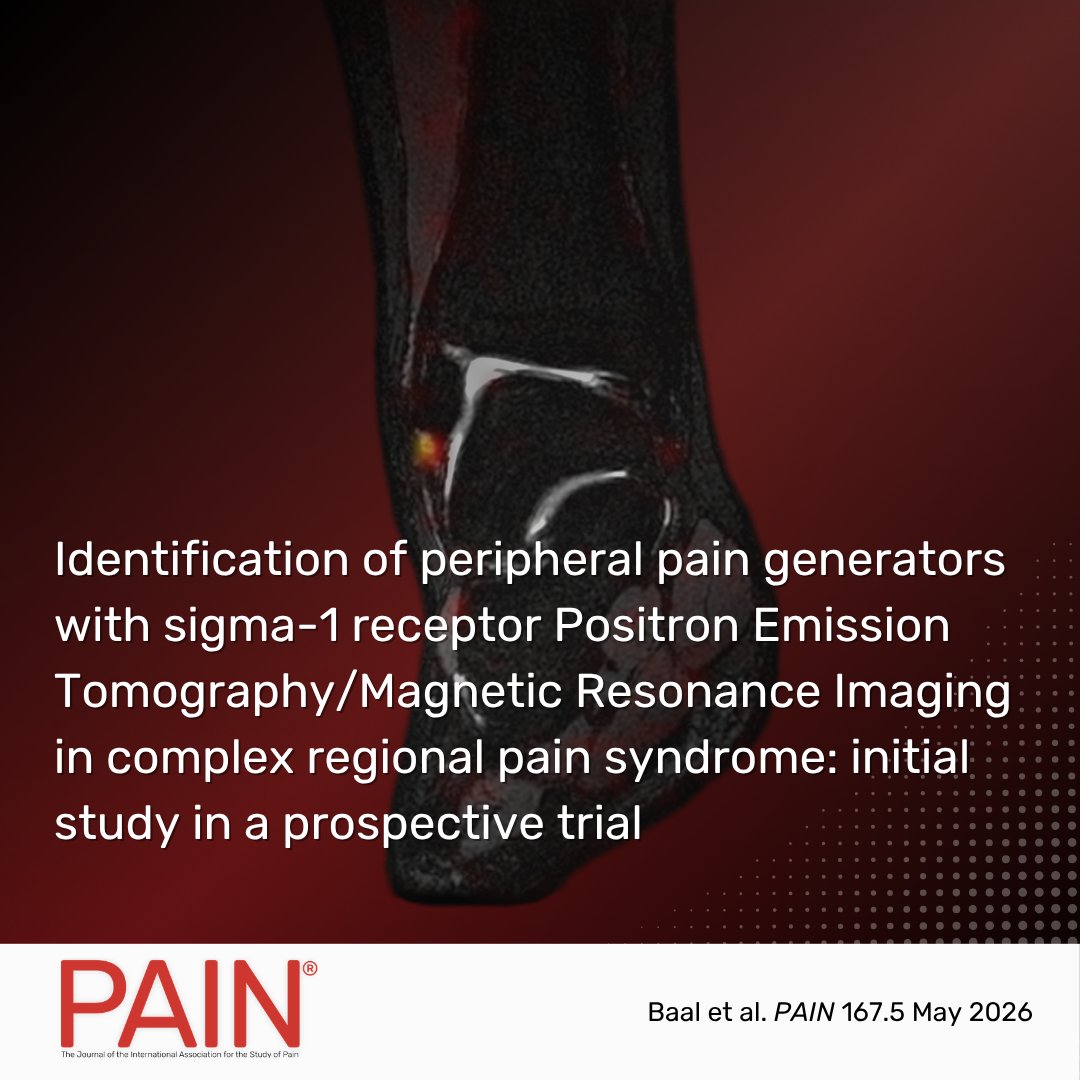
Baal et al. find that [18F]FTC-146 PET/MRI of sigma-1 receptor identified peripheral pain generators of complex regional pain syndrome, subsequently guided targeted treatments, and achieved varying degrees of improvements. Learn more in #PAIN bit.ly/4ud9JEK
2
10
431
Jun 11
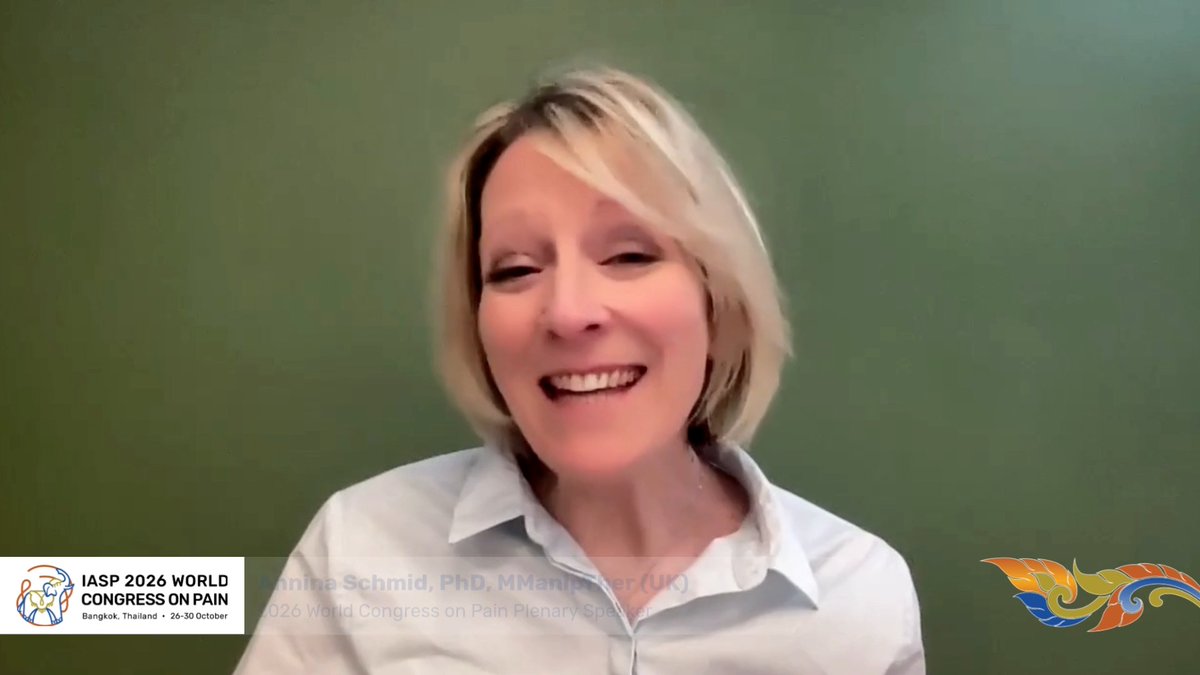
The 2026 World Congress on Pain will feature more than 240 international speakers, including plenary speaker Annina Schmid, PhD, MManipTher, who will bring you the latest research and understanding of pain from a multidisciplinary perspective. bit.ly/4atSUOd #IASP2026
4
5
348
Jun 10
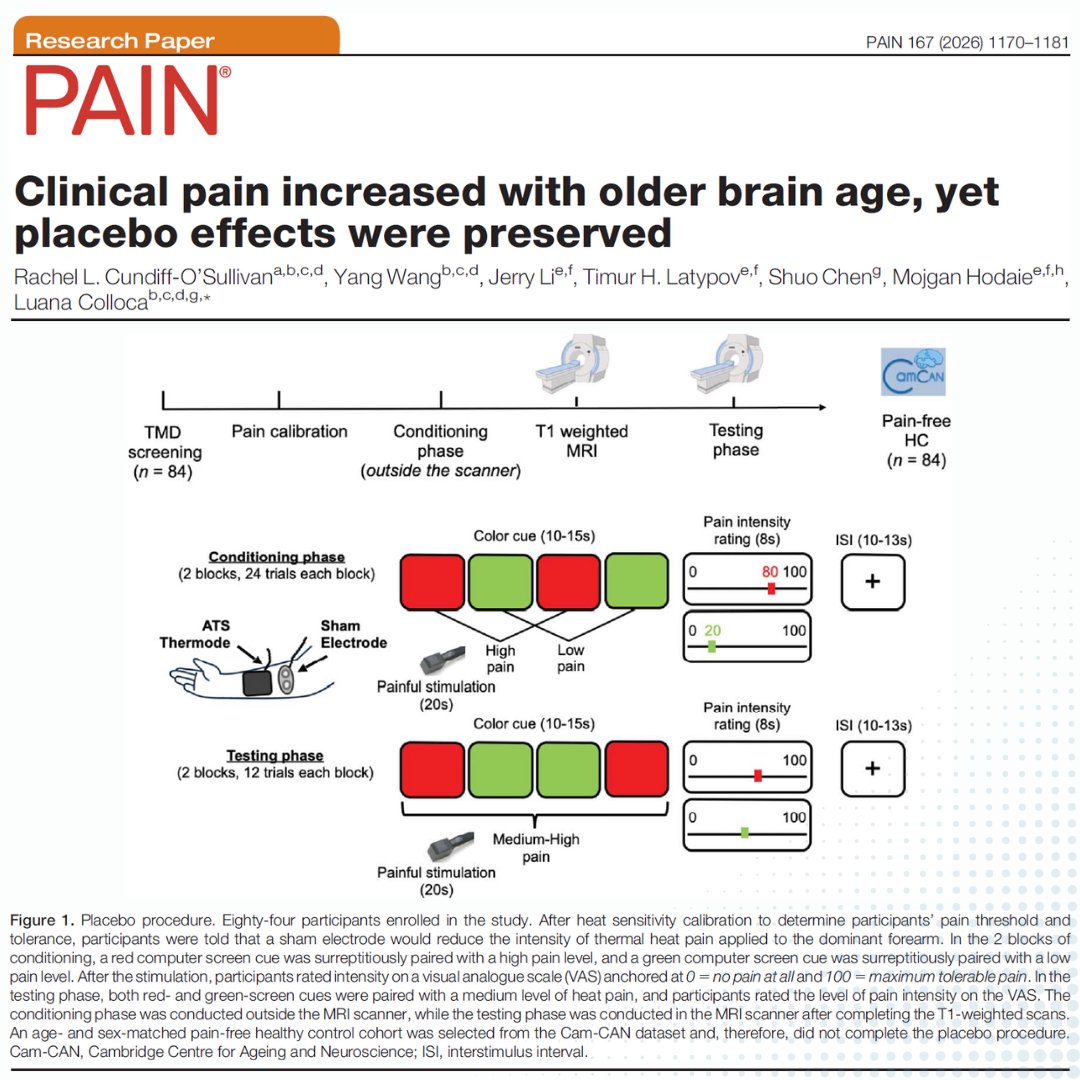
Cundiff-O’Sullivan et al. find that older brain age is associated with greater pain severity and pain interference, but placebo effects persist despite brain aging. Learn more in #PAIN bit.ly/4cGnJB0
3
9
610
Jun 10
Angelika Lampert, MD of Uniklinik RWTH Aachen (Germany), will present her plenary lecture, Bridging Molecules and Mechanisms: Sensory Neurons and Sodium Channels in Neuropathic Pain, at the 2026 World Congress on Pain. bit.ly/4qx0aOI #IASP2026
5
349
Jun 10
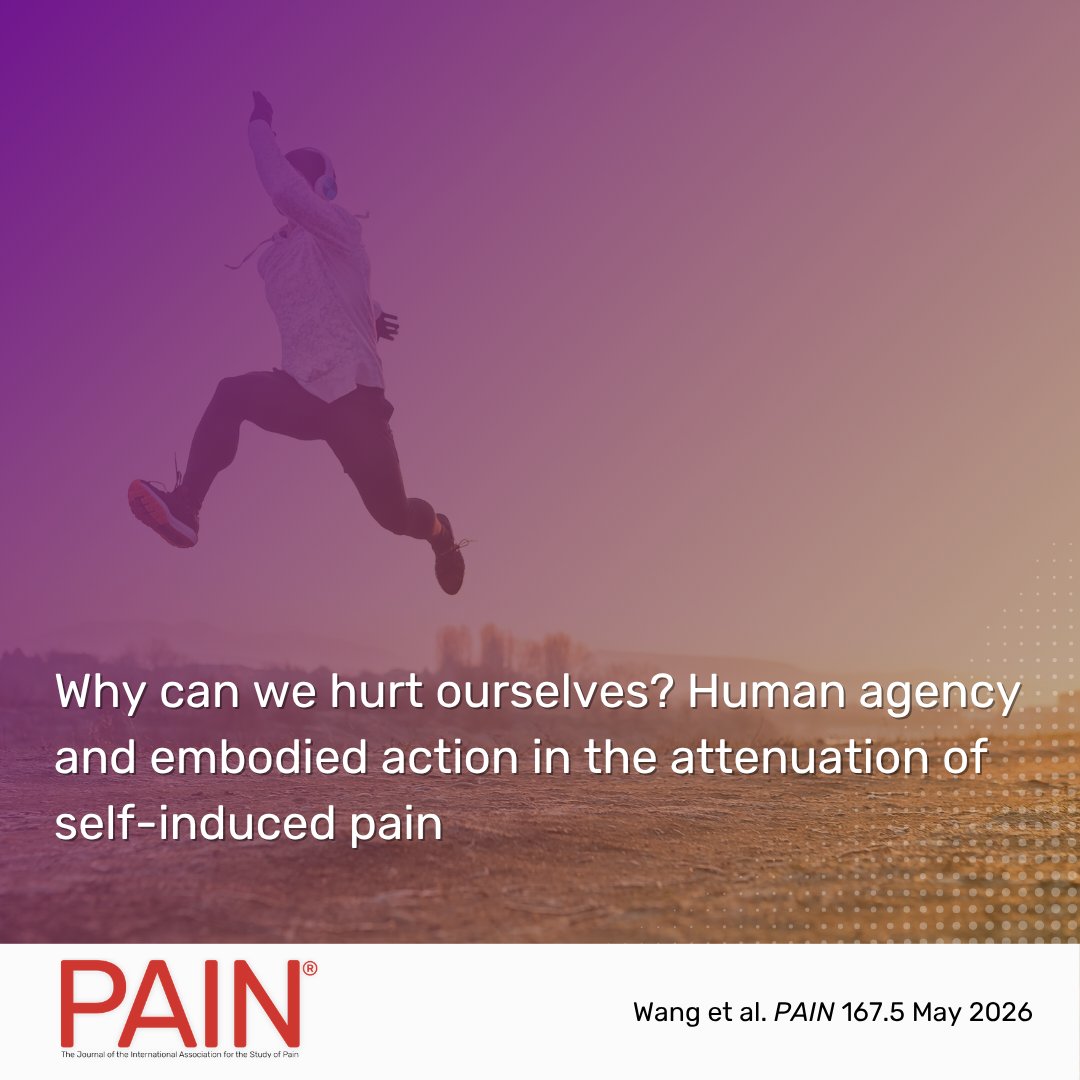
Wang et al. find that self-induced attenuation varies by stimulation modality, individual’s sex, and trait-level agency. Although the intensity of self-induced pain may lessen, the defining qualities of pain cannot be erased. Learn more in #PAIN bit.ly/4eRvF3E
2
3
318
Tasha R. Stanton, PhD, of the South Australian Health and Medical Research Institute (Australia), will present her award-winning research, “Taking Perceptual Science to the Clinic to Revamp Care for Those in Pain,” at the 2026 World Congress on Pain: bit.ly/4qx0aOI
1
2
7
454
Barnes et al. find that social and direct learning induced significant nocebo hyperalgesia, with distinct neurophysiological and autonomic patterns, highlighting the need to address expectancy-driven pain responses in clinical settings. Learn more in #PAIN bit.ly/4cHUxJV
1
2
12
613
Results from Edwards et al.’s crossover trial suggest that pharmacologic blockade of specific chemokine receptors was not effective in reducing moderate-to-severe pain from knee osteoarthritis. Learn more in #PAIN bit.ly/3QXCM0B
1
1
4
427
Steve Middleton, PhD, of the University of Oxford (UK), will present his award-winning research in “Beyond Ion Channels: Metabolic Control of Pain” at the 2026 World Congress on Pain: bit.ly/4qx0aOI #IASP2026
2
455
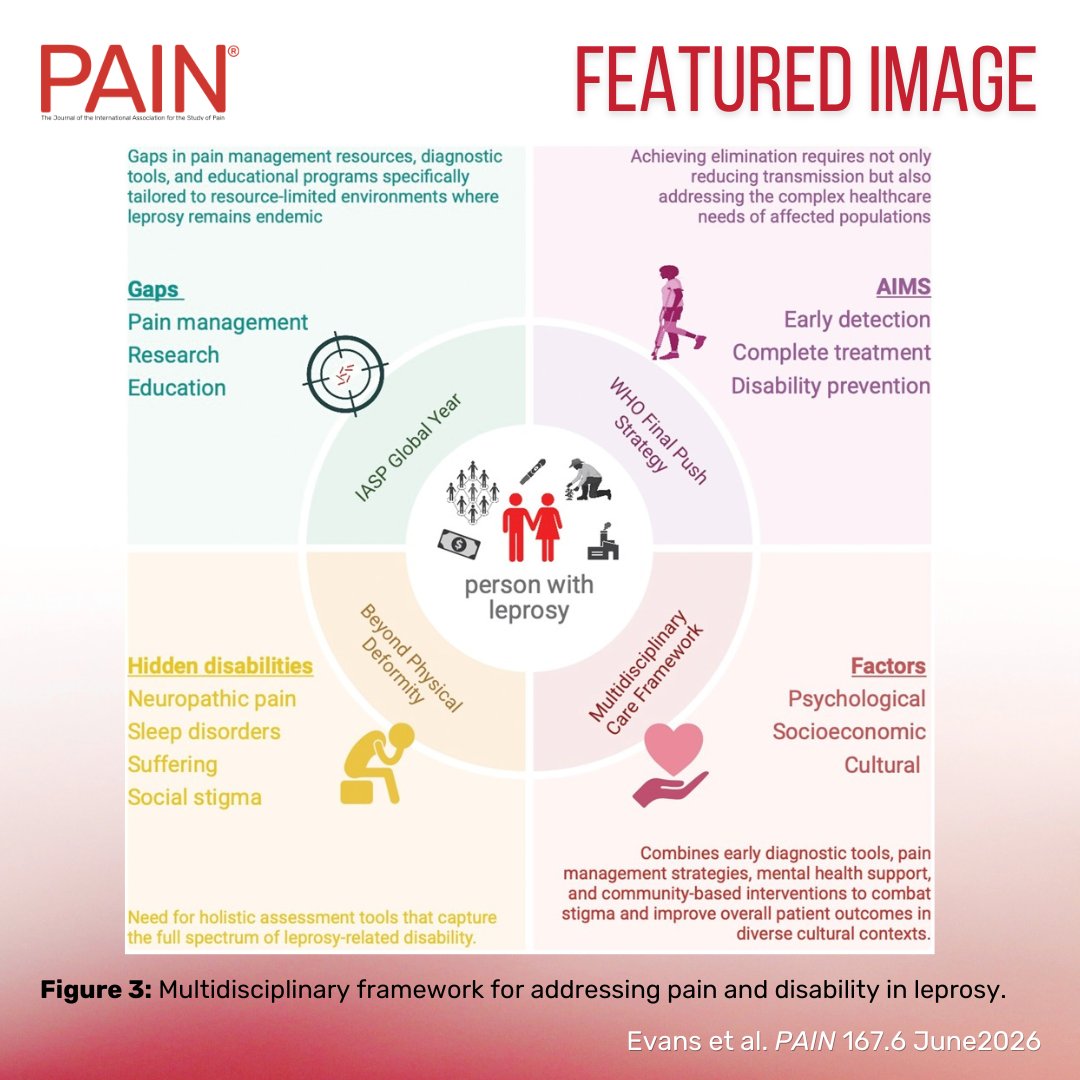
In this week’s #PAIN Featured Image, @ciampi_de_andrade et al. depict a multidisciplinary framework for addressing pain and disability in leprosy, highlighting the need to address the broader health care needs of affected populations. Learn more at bit.ly/4uAo4M3
2
4
309
Su et al. find that tonic pain shifts brain networks from functional segregation to integration, with a prominent role of the somato-motor network. Global network inferences effectively classify pain states. Learn more in #PAIN bit.ly/3OE4miS
5
381
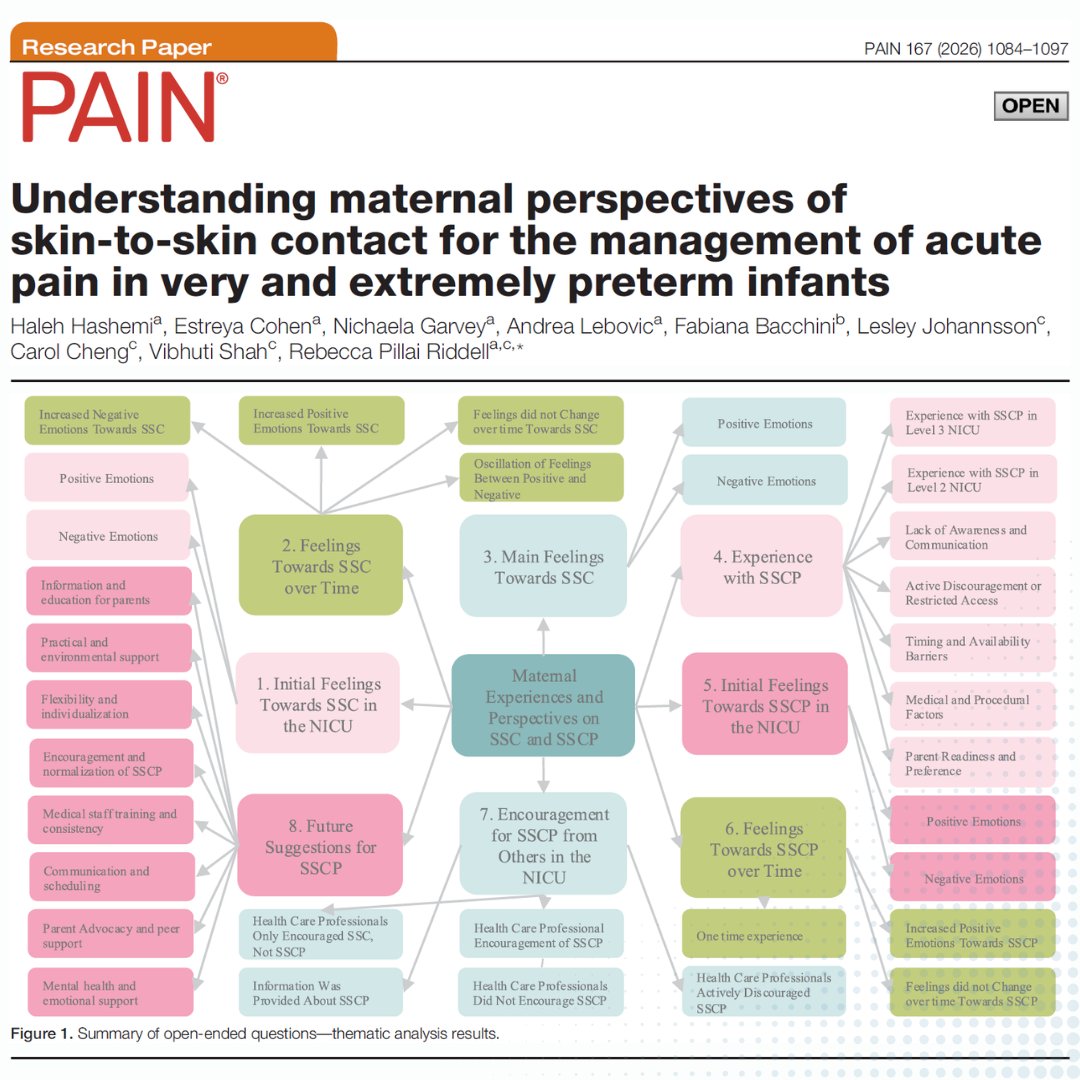
Skin-to-skin contact for procedural pain may feel more daunting for parents of very preterm infants. @Haleh1999 et al. find that increased support and education for families and clinicians could enhance its uptake and efficacy. Learn more in #PAIN bit.ly/42qXMj3
1
4
296
May 29
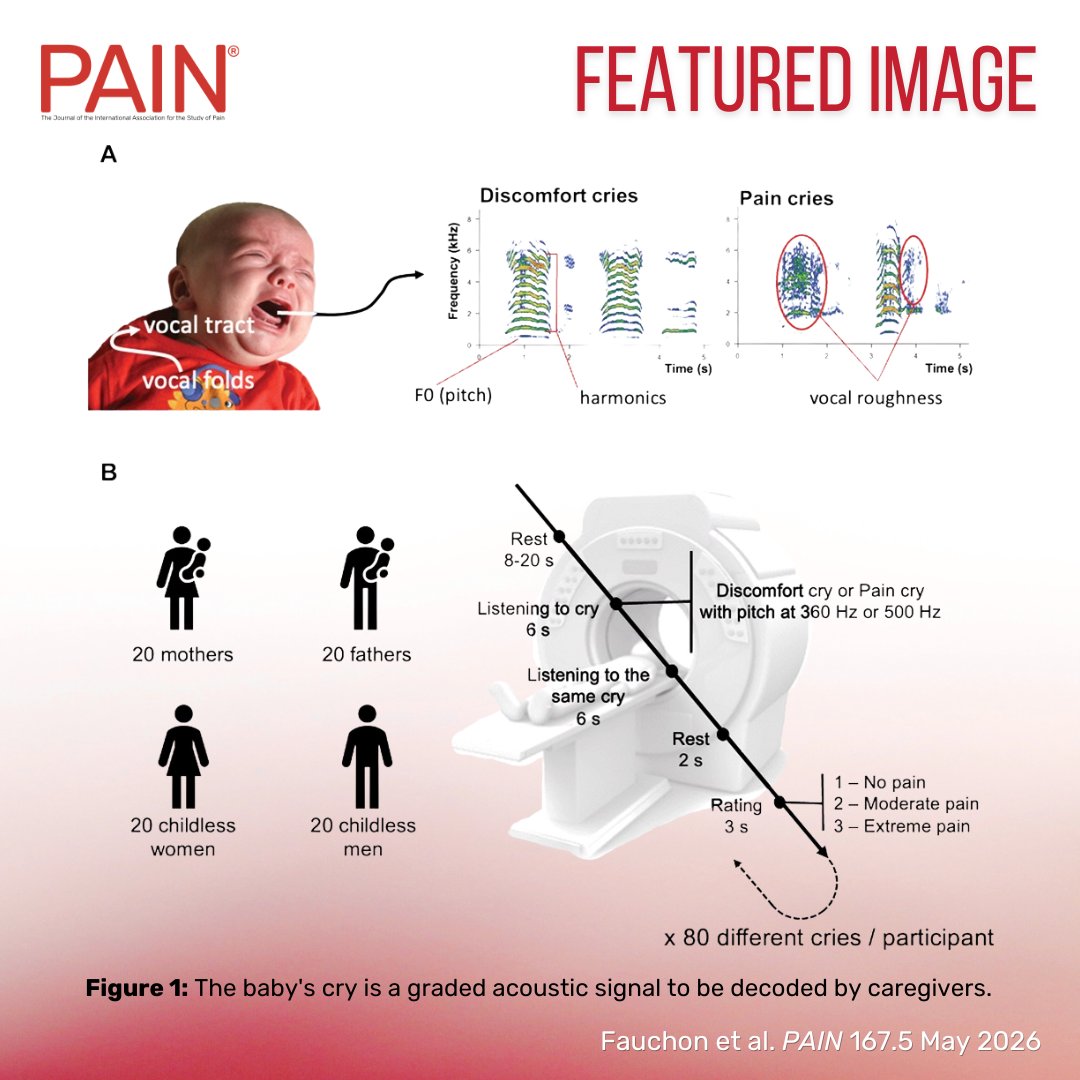
In this week’s #PAIN Featured Image, @camille_fauchon et al. depict how baby cries encode graded pain signals through acoustic features like pitch and vocal roughness, which listeners decoded to assess infant pain severity. Learn more at bit.ly/4n4Gx0i
4
6
509
May 28
Ferrari et al.’s study confirms the salt-sensitive rat fibromyalgia model predictive validity by accurately predicting responses to standard and investigational therapies using the Fibromyalgia Analog Model index. Learn more in #PAIN bit.ly/4umn5hX
1
1
3
358