
in pursuit of the holygrail | atomically stable on @Delpho_labs
Joined September 2023
- Tweets 3,297
- Following 268
- Followers 434
- Likes 16,811
491 Photos and videos












Pinned Tweet

24 Oct 2025
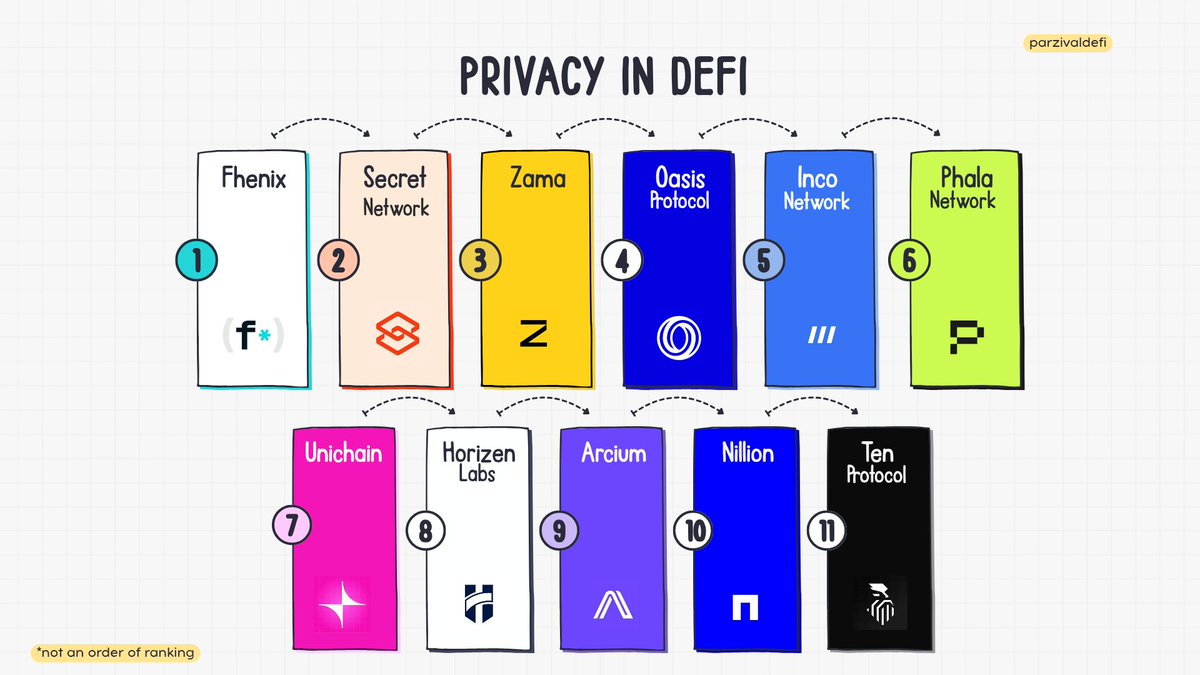
𝟭𝟭 𝗽𝗿𝗶𝘃𝗮𝗰𝘆 𝗹𝗮𝘆𝗲𝗿𝘀 𝘁𝗵𝗮𝘁 𝘀𝗵𝗼𝘂𝗹𝗱 𝗯𝗲 𝗼𝗻 𝘆𝗼𝘂𝗿 𝗿𝗮𝗱𝗮𝗿.
Privacy in DeFi is not a one stop solution, but rather an evolving ecosystem of complementary layers.
1️⃣ @fhenix:
leverages on fhEVM for fully homomorphic encryption, enabling private DeFi smart contracts on Ethereum L2 with $450M TVL and 500 dApps by Q3 2025.
2️⃣ @SecretNetwork:
uses TEE-based ‘𝘚𝘦𝘤𝘳𝘦𝘵 𝘊𝘰𝘯𝘵𝘳𝘢𝘤𝘵𝘴’ on Cosmos L1 for confidential lending and swaps, processing 1.2M daily transactions with $350M TVL.
3️⃣ @zama_fhe (fhEVM):
provides an open-source FHE libraries for encrypted DeFi computations like yield farming, supporting 20 TPS (scaling to 1K by 2026) across 200 Ethereum-compatible protocols.
4️⃣ @OasisProtocol:
focuses on TEEs for confidential smart contracts on its L1, powering private RWA DeFi pools with $400M TVL and 10K TPS.
5️⃣ @inconetwork:
implements FHE for auditable, confidential DeFi dApps on Ethereum L2, with $200M TVL and 150K users post-Q1 2025 mainnet.
6️⃣ @PhalaNetwork:
runs on a TEE-based decentralized cloud for off-chain DeFi computations on Polkadot, handling $1B volume with 100K nodes.
7️⃣ @unichain:
utilizes TEEs for MEV-resistant block building on Ethereum L2, supporting fair DeFi ordering with $300M TVL, co-developed by Uniswap/Flashbots.
8️⃣ @HorizenLabs:
combines FHE and TEEs on Base L3 for compliant DeFi with private zk-proof verification, managing $150M TVL and $2.5M in grants.
9️⃣ @Arcium:
a TEE/MPC hybrid on Solana L1, secures private DeFi computations with $9M in funding, supporting 50 dApps offering defense-in-depth for institutional-grade trading.
🔟 @nillion:
integrates FHE and MPC (TEE-compatible) for private DeFi auctions and intent matching, processing $500M volume via Petnet.
1️⃣1️⃣ @tenprotocol:
an Ethereum L2 rollup using TEEs for programmable privacy in DeFi, enabling confidential smart contracts for MEV-resistant trading and lending with a projected $180M TVL.
words to get familiar with;
*FHE → Fully Homomorphic Encryption.
*fhEVM → Fully Homomorphic Encryption Virtual Machine
*TEEs → Trusted Execution Environments.
*MPC → Multi-Party Computation
*TPS → Transactions Per Second.
*zk-Proofs → Zero-Knowledge Proofs.
true financial privacy requires both innovation and thoughtful implementation.
in my opinion, those that'll succeed will be find a balance in usability, security and regulatory compliance while giving users genuine control over our (financial) data.
privacy matters.
3
4
23
1,152
Parzival ⛨ | The Knight retweeted

Jun 12
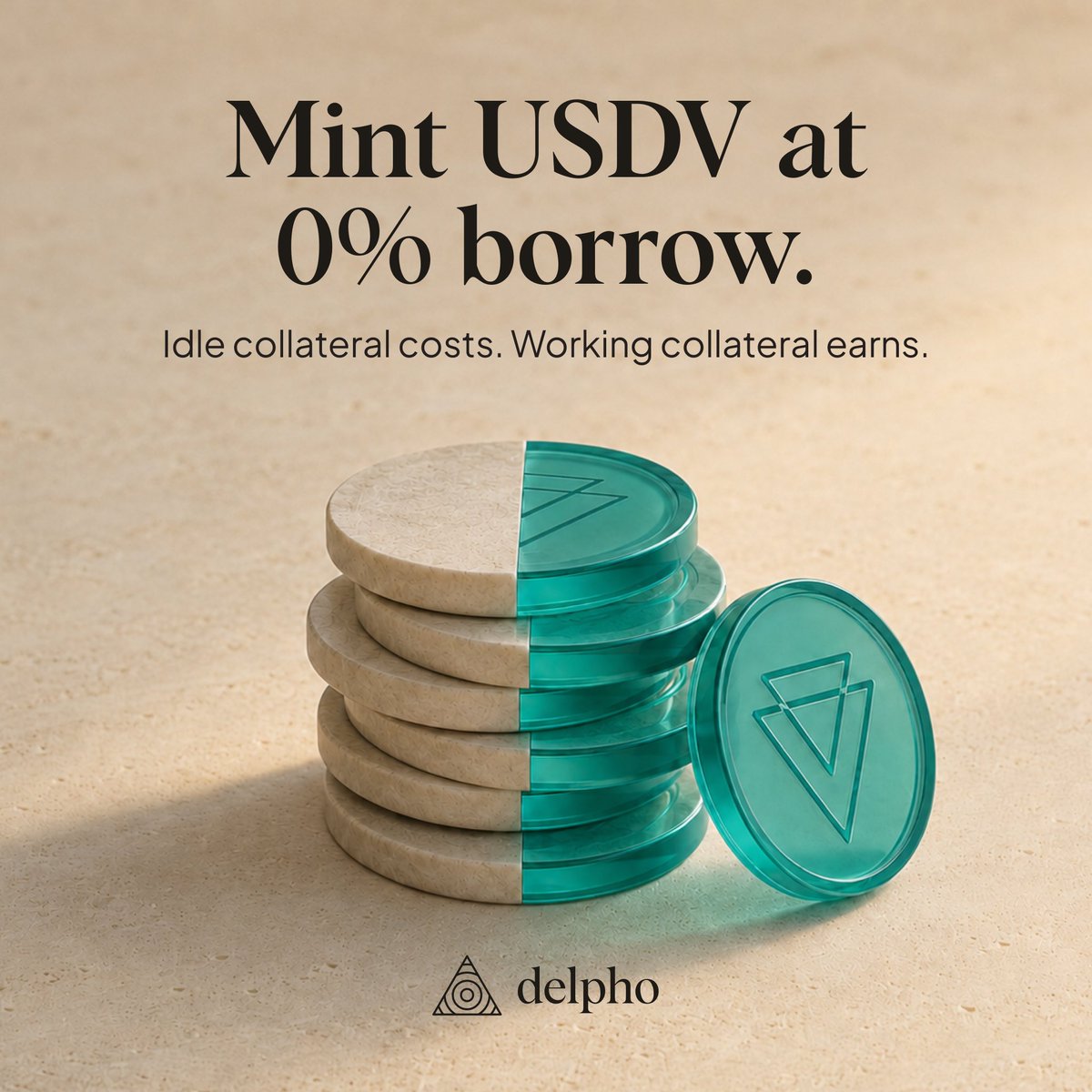
Delpho TLDR:
- Mint against HYPE/kHYPE/stables for no cost
- Earn best-in-class yield
- Retain directionality to your assets
Coming very soon.
Jun 12

A problem as old as Bitcoin: you don't want to sell, but you need liquidity.
Borrowing solved half of it, but your collateral sat idle, and you paid for it.
Delpho puts it to work instead, without any borrow costs.
Sign up for early access: beta.delpho.xyz
4
1
12
669
Parzival ⛨ | The Knight retweeted

Jun 12
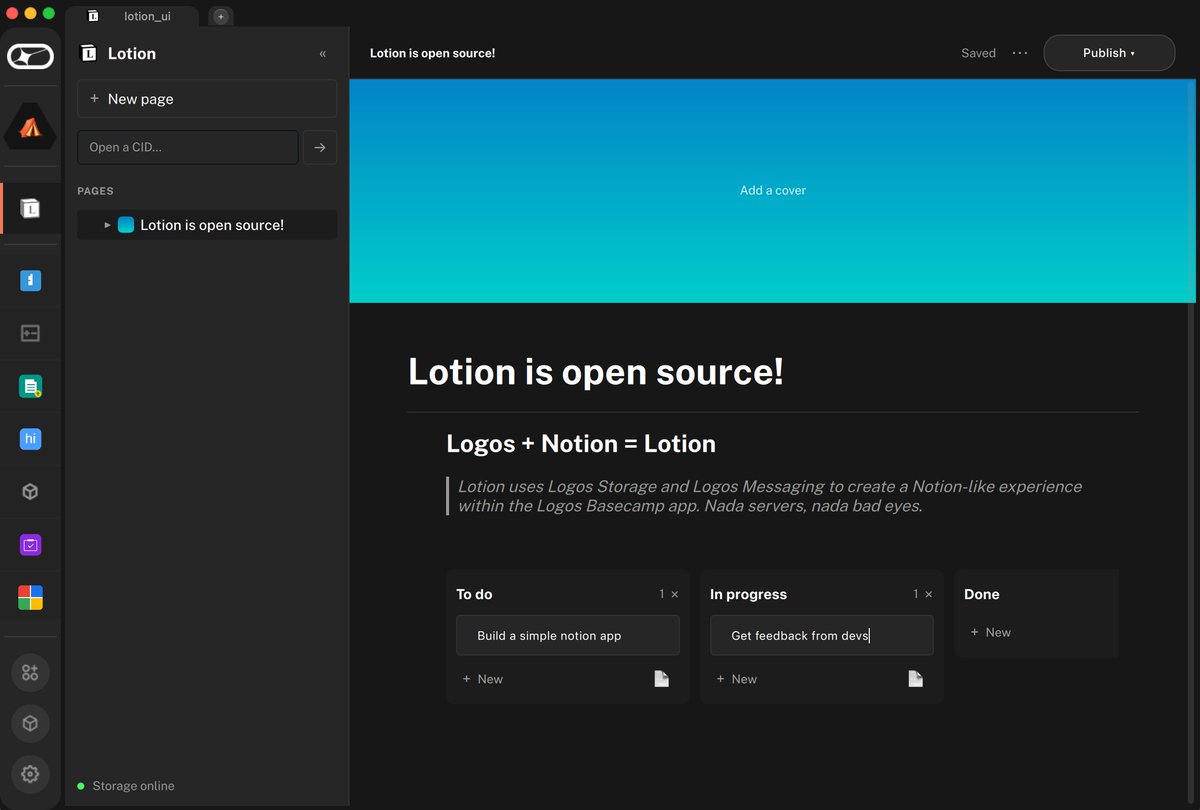
shipped Lotion (logos notion) for censorship-resistant, private note taking built on top of Logos Storage.
3 easy wins if you wanna contribute :
1. doc collaboration with Logos Messaging
2. more cryptographic access controls for private documents
3. add more lotion components
3
5
34
2,555
Parzival ⛨ | The Knight retweeted

May 6
6
1
16
1,423
Parzival ⛨ | The Knight retweeted
Apr 29
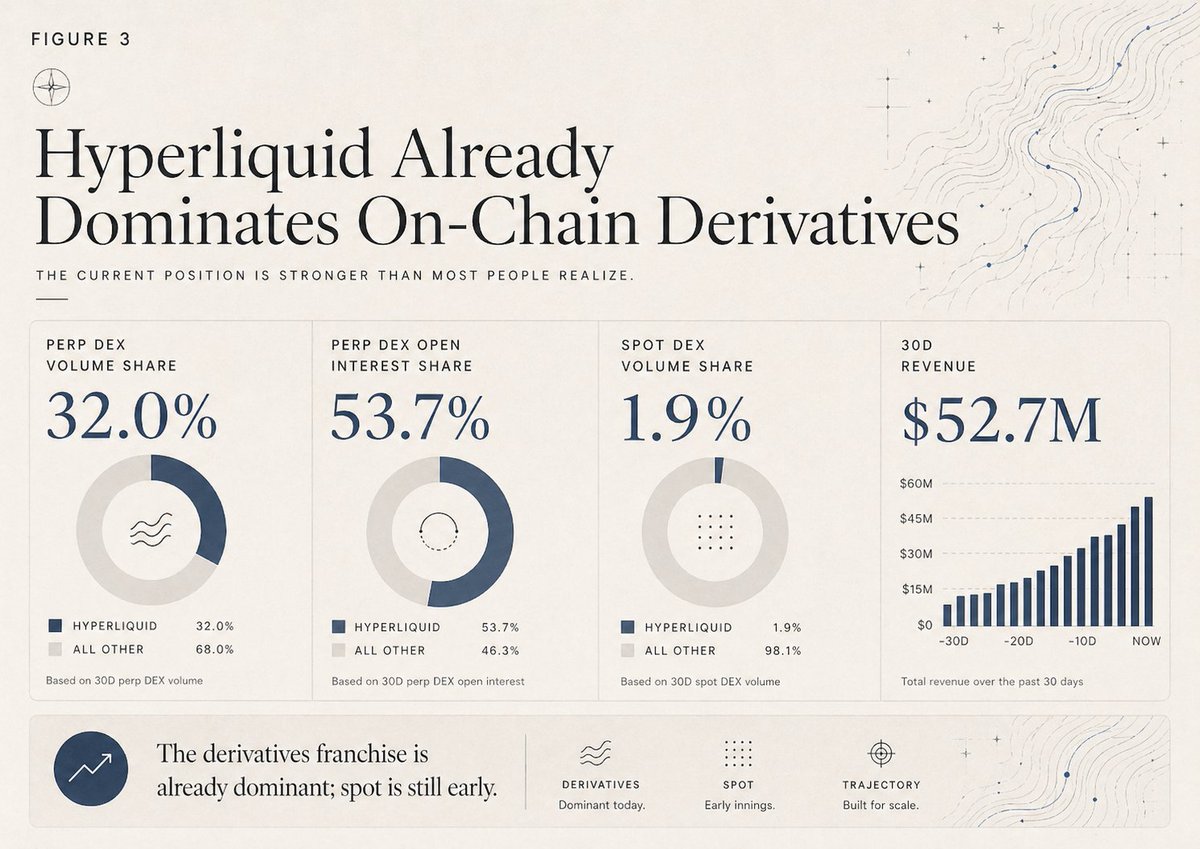
Hyperliquid dominates onchain derivatives and it's not close.
32% of perp DEX volumes is an insane statistic in its own right, but I think the more important piece is the >50% of OI share (which is often more indicative of actual usage and harder to fake).
One of the greatest crypto success stories of all time and it's just only getting started.
Hyperliquid
19
6
47
1,750
Parzival ⛨ | The Knight retweeted
Apr 16
A first look at Delpho.
Launching soon.
10
2
35
2,819
Parzival ⛨ | The Knight retweeted

Mar 17
The Logos Builder Hub is now live.
Explore the stack; download Logos Basecamp for instant access to wallet, chat, filesharing, and explorer tools; review open RFPs; and submit ideas for apps you want to see built.
Start experimenting with Logos now:
build.logos.co/
4
11
30
1,572
Parzival ⛨ | The Knight retweeted
Mar 16
Logos Testnet v0.1 is live.
A convergence milestone: Logos modules now run together as a unified stack for the first time.
The initial release is a proving ground for integration and backend validation.
Start experimenting at the new Logos Builder Hub.
press.logos.co/article/logos…
13
32
135
17,894
Parzival ⛨ | The Knight retweeted
30 Dec 2025
Productive money that's truly atomic has never existed before.
But innovation without stability is just volatility with extra steps.
That's why we're partnering with @nunchi.

6
7
32
4,525
Parzival ⛨ | The Knight retweeted
18 Dec 2025
25
19
80
11,868
Parzival ⛨ | The Knight retweeted

16 Dec 2025
6
8
37
1,131

the uttermost reason why the idea of crypto intrigues me so much and made me join three years ago is how something that used to take 3-7 days can now be done in a couple of seconds, and the system keeps improving day by day.
every time you want to interact with people far away from your jurisdiction, especially in another country, there's always been this big wall that makes things complicated. not only when you want to make cross-border transactions, but even when trying to communicate. before the invention of whatsapp, sending a simple greeting message to your loved ones was hard it could take days to deliver, not to mention the fees and stress of posting a letter at the post office.
cross-border payment experiences had their early "whatsapp moment" when apps like paypal and wise were introduced. you could send money to other registered users just with an email instead of using old methods like western union, where you had to:
- go to an agent location (mostly banks)
- pay high fees on top of the amount you wanted to send
- have the agent log your transaction
- wait up to 5 days for delivery
- have the receiver go pick up the money once it's available
while this was faster than using bank swift (which could take 2 weeks sometimes), it still wasn't the most effective way. that's why it eventually got dethroned by paypal, which sped things up but still came with a lot of issues:
- high fees, just like the previous methods
- friends getting locked out for no reason
- slow bank withdrawals and poor support most times you're talking to a robot while serious issues need attention
when innovations like wise came in, they introduced a more efficient way to transfer money across borders, but still had limitations:
- kyc and transaction limits
- dependency on banks (wise can be fast, but receiving banks can delay funds)
- account restrictions, similar to paypal
then stablecoins became the true whatsapp moment for transferring money abroad, as they addressed the critical problems facing traditional currency systems with their unique properties:
- 24/7 money movement, anywhere
- lower fees, often over 20x cheaper than poor region like africa local fees
- no real barriers you just need a smartphone, which over 60% of the world owns according to world bank (2025)
this also introduced the idea of stablechains dedicated blockchains for stablecoins to make money movement better.
before stablechains:
- about 50% of liquidity sat on ethereum
- most transactions happened on tron, charging $3-$5 per transaction
when stablechains like plasma solved many of these issues, especially fees, there was still a junction most projects avoided the fiat gap. that's where @codexfx fills in.
it bridges the crypto ↔ fiat gap by letting you swap usdt directly into usd or other local currencies in real time.
most stablechains today stable, plasma, arc promise cheap stablecoin transactions and cards you can spend anywhere. but most ignore the fiat gap because it requires a lot of resources to pull off. that's exactly what @codexfx sees as worth building.
today, when you receive usdt from someone abroad, you're often forced to hold it even if you don't want to, or rush to p2p to convert to your local currency. with codex, you can use their onchain fx to convert value instantly usdt or other stables into local currency (usd, eur, etc.), instant, close to 1:1, and as cheaply as possible.
think of it like wise, but fully onchain.
the fx market codex is tapping into does trillions in volume, which means the first winner will have a massive advantage one of the reasons why i support their vision.
for stablecoins to truly become universal money, it shouldn't just be about making transfers faster and cheap but about availability across multiple currencies to serve different regions and people.
and @codexfx is leading that.
#CodexChristmas
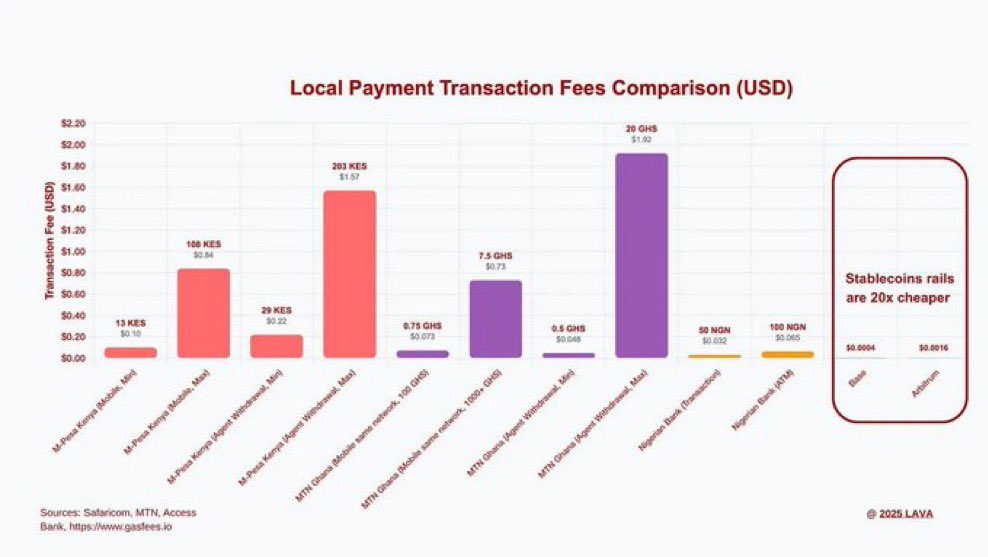
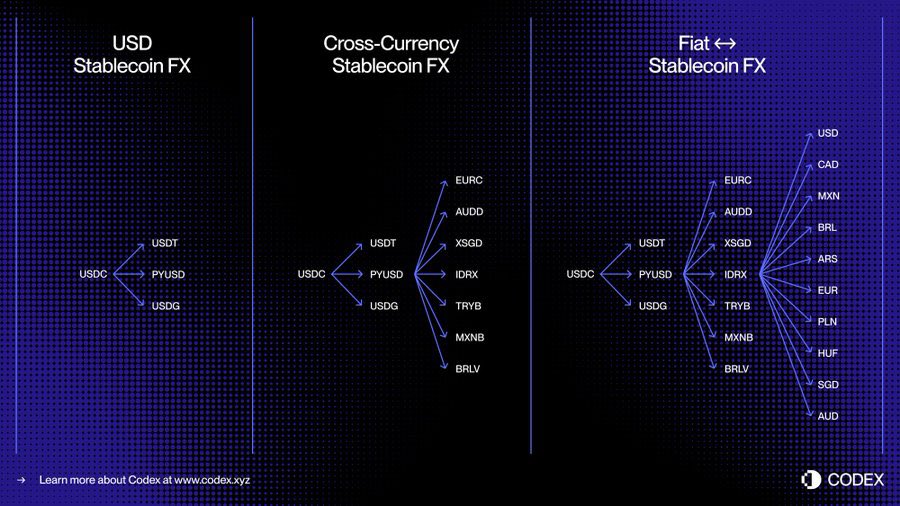
3
5
19
1,697
Parzival ⛨ | The Knight retweeted

15 Dec 2025
The main use case for all the stablecoin focused chains and apps we’ve seen so far has been to bridge the obvious gap between onchain dollars (USDT or USDC) and fiat (your local currency) in a way that makes stablecoins just as usable/spendable as fiat in the real world.
That’s why we’ve seen a lot of teams taking the crypto card approach throughout 2024-2025.
However, I believe this approach ALONE is wrong.
Crypto cards are a step in the right direction, but it’s not the entire solution.
We don’t just need a “bridge” between the USD and USDT because they’re basically the same thing just in different systems.
What we need is to make the barrier between them disappear completely so both systems can interact.
that barrier is friction.
This friction becomes much more obvious when it comes to FX, on-ramping and off-ramping.
For example, Coinbase is one of the largest Fiat-to-crypto ramps especially in the US, making it a useful case study.
Here’s what its customers have to say:
1. Here’s a coinbase user (@CocoraEth) who was charged £59.18 (~$80) just to off-ramp their crypto to fiat.
2. @ASvanevik sharing his experience after his $55 crypto turned into $18 because he off-ramped.
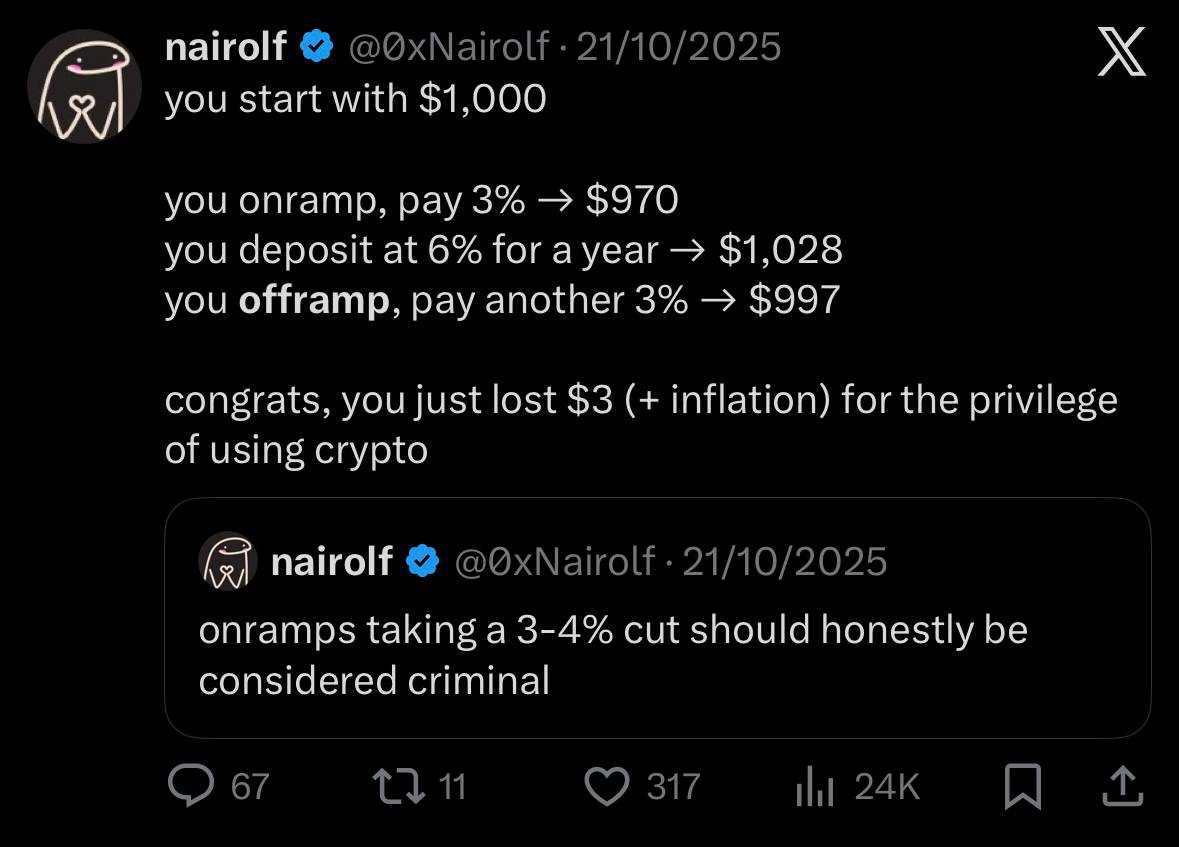
Nairolf also recently complained about the on and off ramp fees estimated to be at least 3% for each ramp transaction.
That’s around 6% of your deposit lost to FX fees simply because your money went from fiat > crypto > fiat.
Using crypto cards as another example:
Most crypto cards use USDC as its default currency but this poses a problem when i try to spend in another country like mexico.
USDC would have to be converted to USD and then pesos in order to complete my transaction which attracts FX fees.
If I’m trying to onramp pesos to my crypto card, the conversion would look something like this:
pesos > USD > USDC
More and more FX fees.
Embarrassing.
The friction between crypto and fiat is so obvious that a majority of crypto professionals still won’t accept crypto as compensation/salary from their employers.
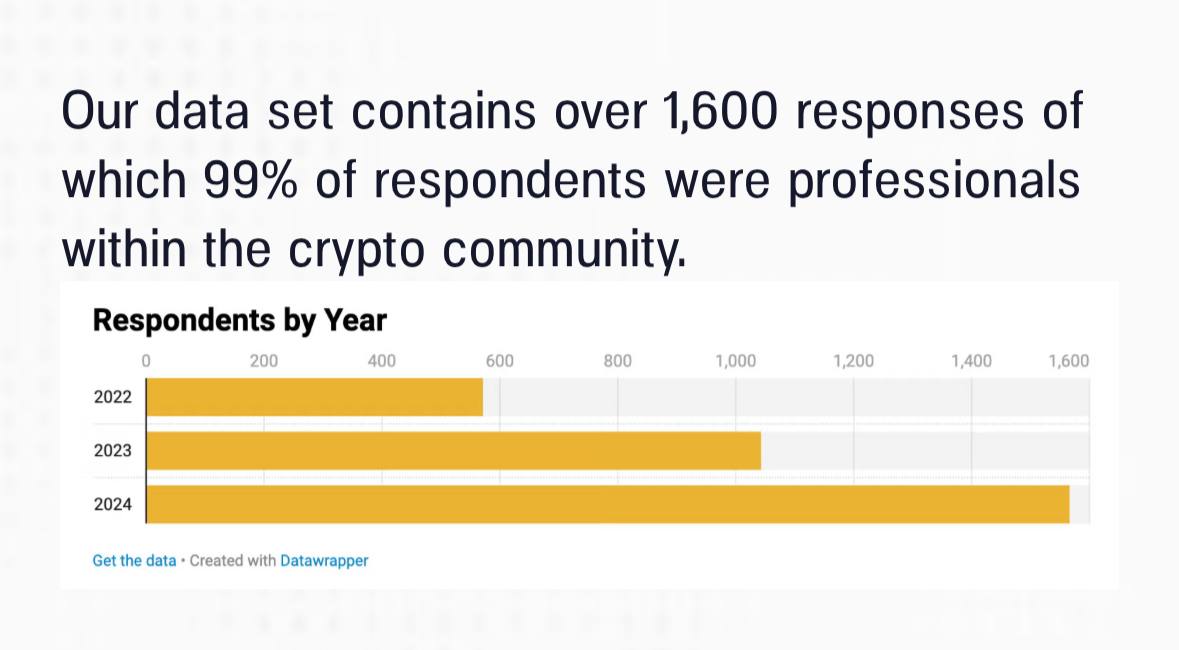
A 2024 survey by Pantera capital with over 1600 responses from crypto professionals shows that only 9.6% of them were willing to accept payments in crypto/stablecoins.
This just proves that there’s a lot more work to be done here and crypto cards alone just don’t cut it.
We need to make stablecoin transactions as cheap, efficient and seamlessly integrated with the traditional economy as possible.
@codexfx fixes this.
Codex is a stablecoin-native payment and settlement system designed to tackle the biggest friction in global money movement: conversion and FX.
Instead of acting as a "bridge" that requires multiple costly conversions, Codex is building a system that makes the barrier disappear entirely by allowing users to hold and spend multiple stablecoins natively.
The core of the problem, as illustrated with the crypto card example, is the rigid flow:
Local Currency > USD > USDC > USD > Local Currency
Codex introduces a new architecture designed to bypass the unnecessary USD intermediary steps for non-USD transactions using:
Direct Stablecoin Pools: Instead of a single USDC/USD pool, Codex utilizes and connects multiple fiat-pegged stablecoin pools (e.g., EURC, MXNC, GBPC, JPYC, AUDD) in its ecosystem.
Native Settlement: When a user in Mexico wants to spend their USDC at a local merchant:
> The transaction is initiated in USDC.
> The Codex system immediately settles the transaction in the merchant's desired stablecoin or fiat, for example, a MXNC stablecoin (or vice-versa).
> Cross-Currency Atomic Swap: This conversion occurs within the Codex network using a highly efficient mechanism that is substantially cheaper and faster than traditional money transmitters or banking rails.
It essentially performs a near-instant, low-fee swap between the two stablecoin assets (USDC > MXNC), meaning the user avoids the double-conversion (USDC > USD > MXN > MXNC) and the associated FX spread charged by traditional card networks.
The Result?
True Global Usability By being stablecoin-native and multi-currency focused at the same time.
TL;DR
The shift from a "bridge" mentality (crypto > fiat) to an "integration" mindset (crypto = fiat) is the crucial next step for stablecoin mass adoption.
Codex understands this which is why i think they’ll win.
#CodexChristmas
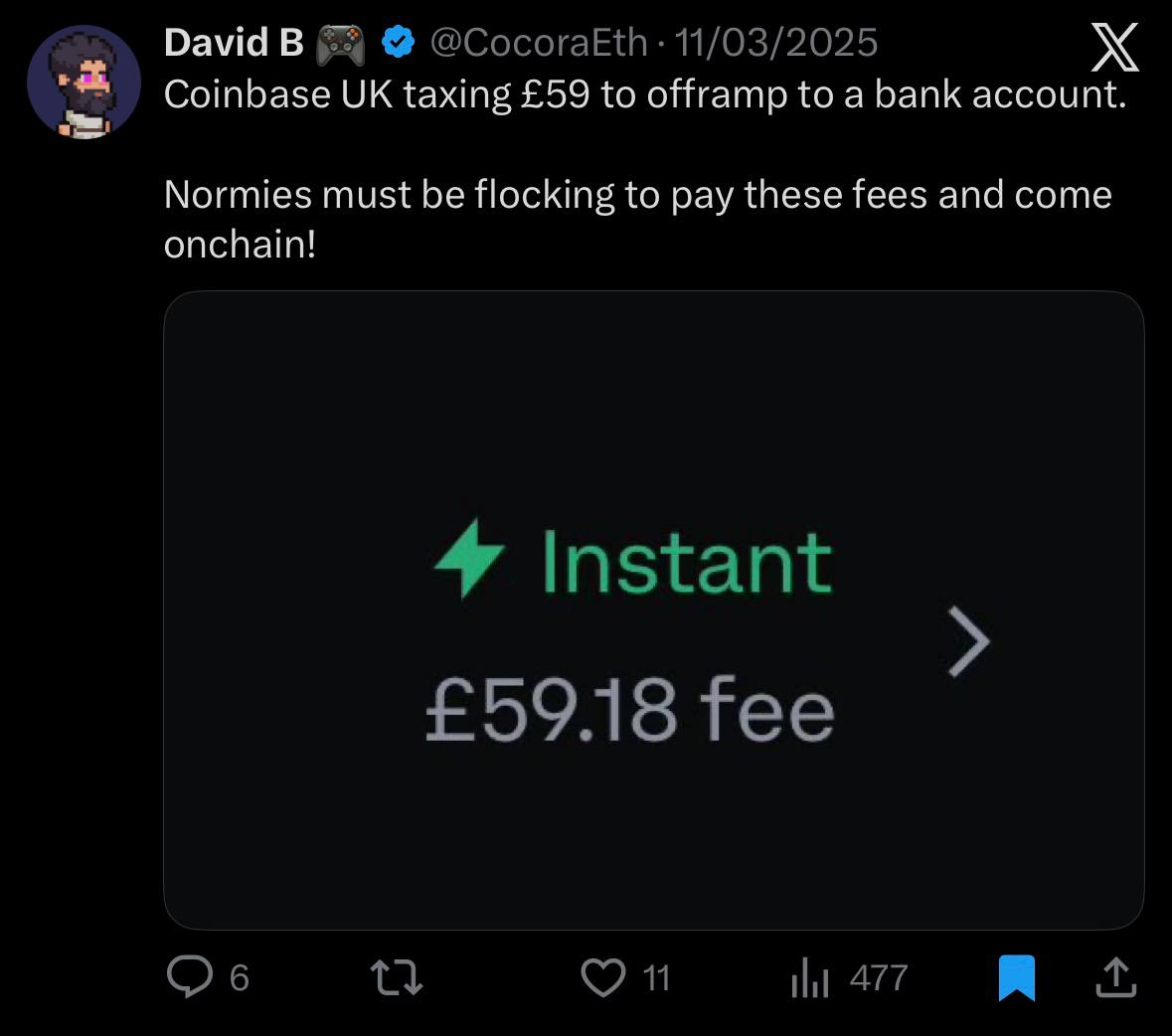
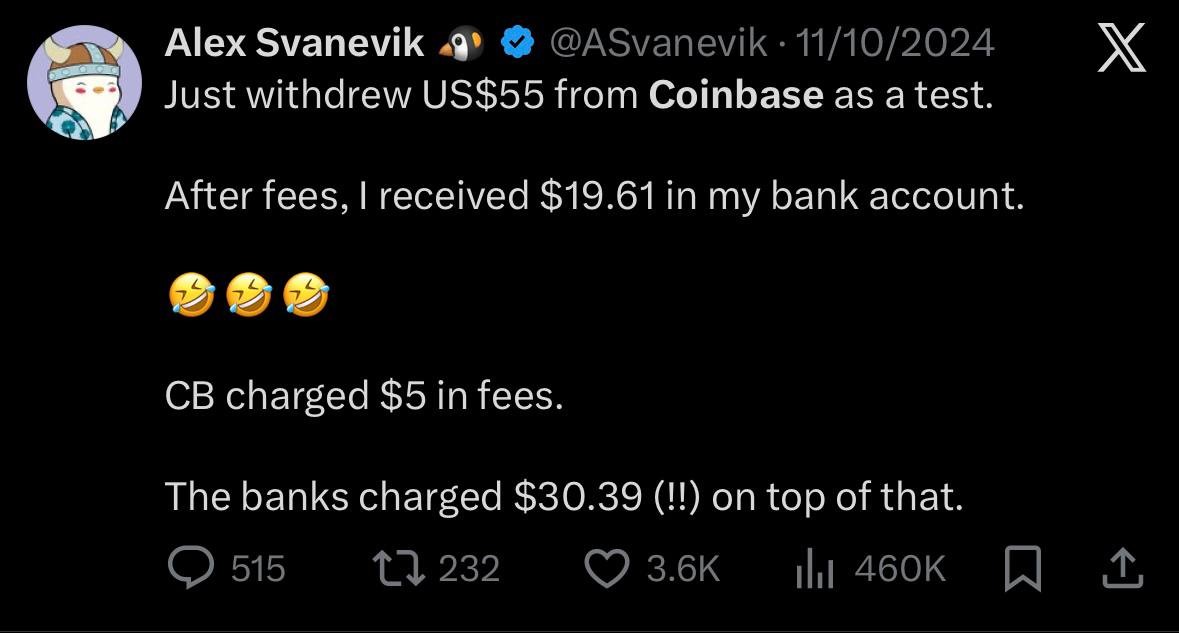
33
5
41
5,209
Parzival ⛨ | The Knight retweeted
2 Dec 2025
If you've been active on Hyperliquid you have nothing to worry about.
9
4
27
1,311
Parzival ⛨ | The Knight retweeted

31 Oct 2025
x402 now has Privacy.

1
2
28
2,263
31 Oct 2025
Your next 4-5 figs could come from these protocols, with minimal efforts and an effective strategy.
It's up to you to filter the noise or get caught up in it.
start now to stay ahead ↓
2
7
192
31 Oct 2025
→ rebalance weekly for HIP-3 perp exposure deposits with 2x USDC/3x kHYPE activates multipliers for optimal farming.
🔜 Season 2 concludes in Dec 2025 with TGE in early Q1 2026.
1
3
86
31 Oct 2025
remember to DYOR on each of these protocols and pick which best suits you for more revenue.
If this was helpful in any way, do drop a like and maybe a follow to not miss out on more.
Hyperliquid 💚
6
77