Joined July 2025
- Tweets 102
- Following 72
- Followers 295
- Likes 31
9 Photos and videos

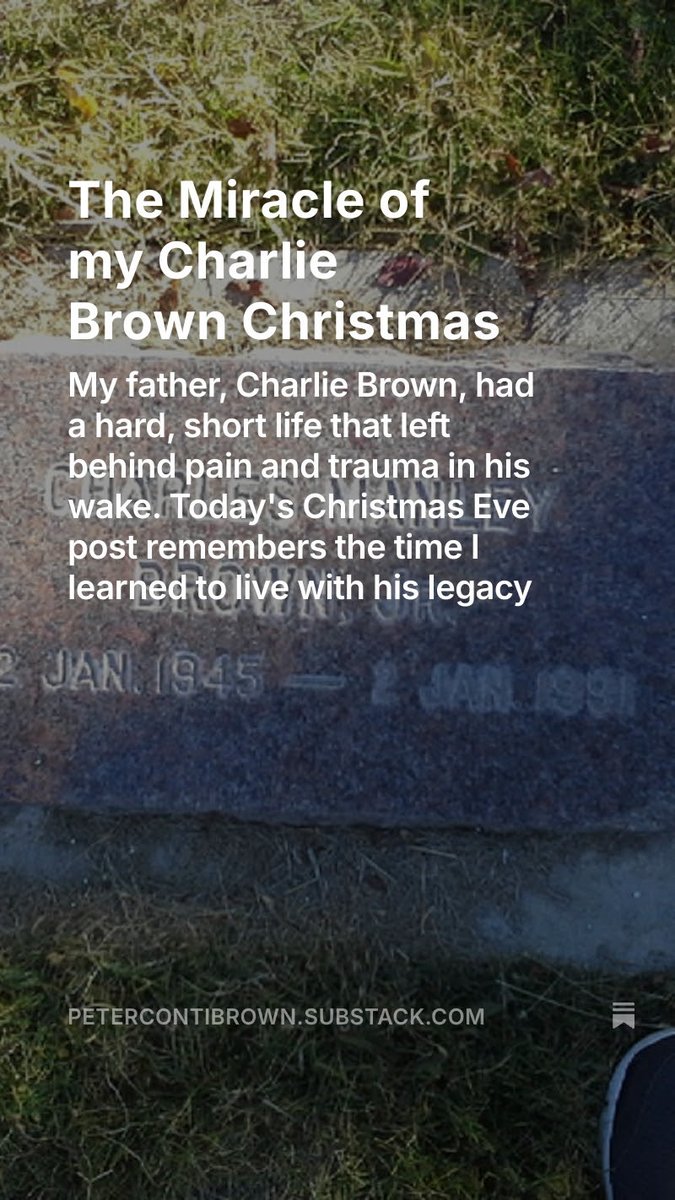
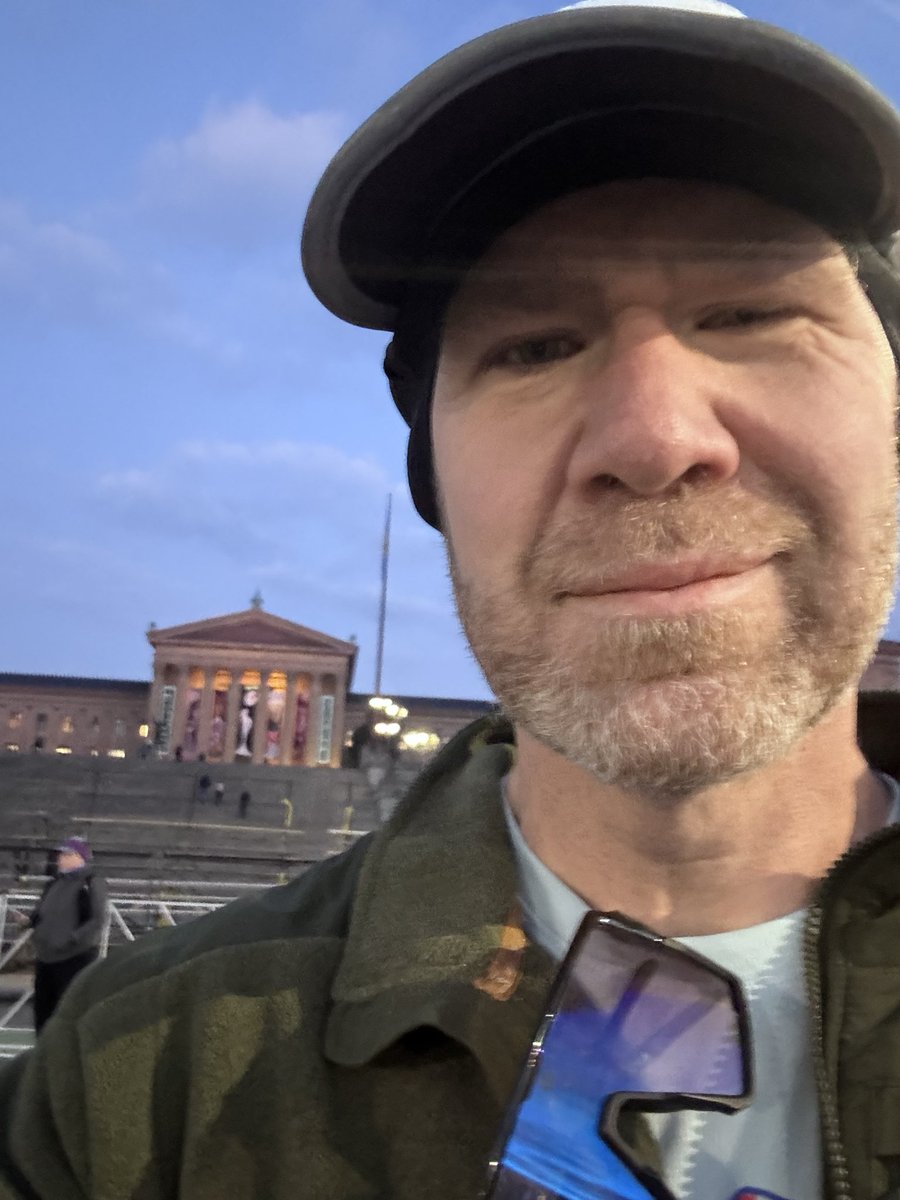

One of the most interesting questions each of us faces is who are "my people."
The problem? Sometimes we define those communities so narrowly that we reduce or eliminate opportunities to express the full dynamism of our lives. /1
1
115
In today's personal essay, I explore those questions, reflecting on the past and present, in my migration from Oklahoma through Harvard to Wharton and through many other walks of life. /end
petercontibrown.substack.com…
130
Republicans should be deeply troubled by the appointment of Bill Pulte as Acting Director of National Intelligence.
The combination of malevolence, sycophancy, and incompetence that he has displayed in office has a name: pultification. /1
1
105
Bill Pulte has perfected the art. It hasn't mattered very much so far--there's only so much an FHFA director can do. But that may be over. See my post below, including what can be done.
open.substack.com/pub/peterc…
81
I loved Belle Burden’s new memoir Strangers, despite the brewing pushback. On this plus some thoughts on Warsh’s new commitments to opacity, supervisory risk, and why two flats on my last ride can’t get me down, check out the latest at PCB Central.
open.substack.com/pub/peterc…
86
The Trump Admin has issued a new executive order on fintechs. It amps up the potential for regulatory arbitrage. There’s a path here for fintechs and banks, but it is narrow. For more, see my latest at PCB Central
open.substack.com/pub/peterc…
2
150
Peter Conti-Brown retweeted

May 19
From @WSJopinion: AI regulation needs a “bank examiner.” An expert body to supervise risk is a much more promising model than the FDA or product-safety laws, write @Petercontibrown and @kwerb.
on.wsj.com/4tNmkhp
5
5
20
30,863
Peter Conti-Brown retweeted

May 19
New op-ed with @Petercontibrown, based on our research on bank supervision as a model for frontier AI safety oversight

AI regulation needs a “bank examiner.” An expert body to supervise risk is a much more promising model than the FDA or product-safety laws, write @Petercontibrown and @kwerb
on.wsj.com/49WwyVj
2
3
565
With Fed Chair Jay Powell reaching the end of his eight-year leadership, it’s time to assess his legacy. I take up the challenge in today’s PCB Central — the good, the bad, the ugly. Link below.
1
1
3
609
Peter Conti-Brown retweeted

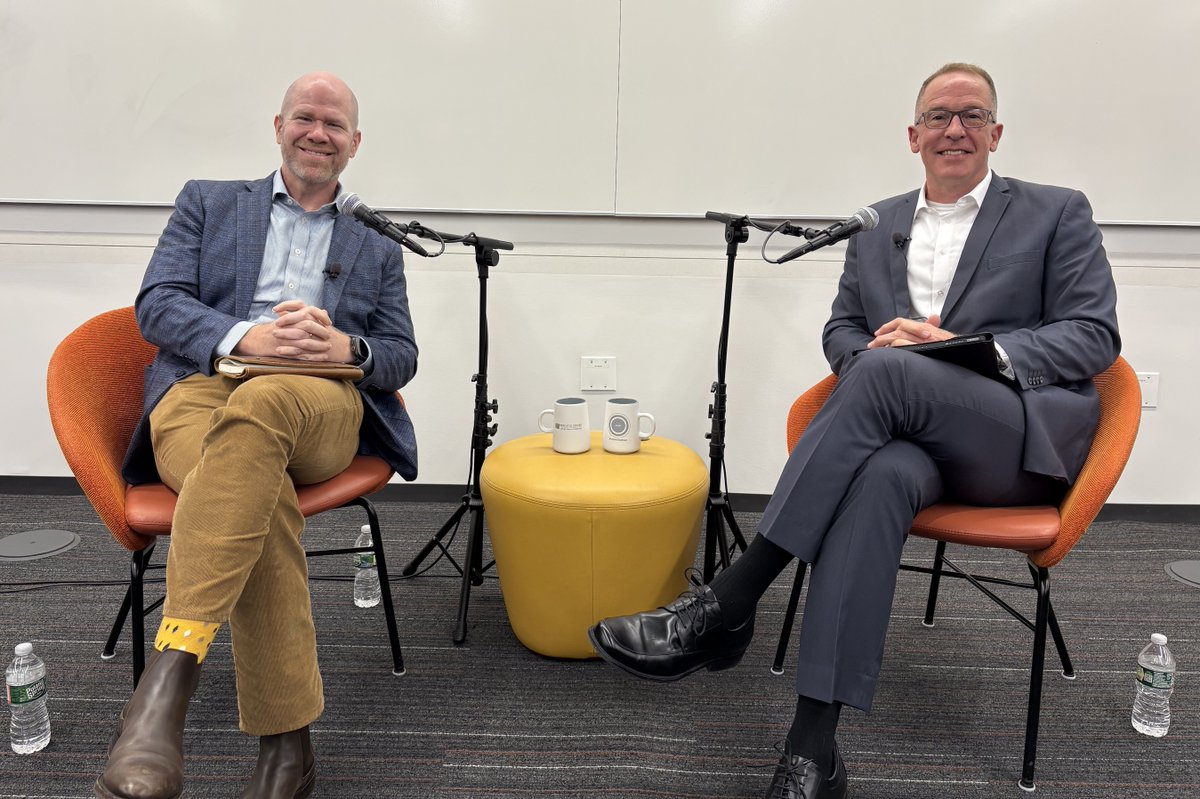
Cohosted the podcast with @PeterContiBrown this week! We were live at the 2026 @Wharton FinReg conference and discussed how 2008 reshaped FinReg, bank supervision debates, AI risk to financial stability, the growing overlap between Finreg and monetary policy, and more!
May 4

New episode! Peter Conti-Brown and David Beckworth on All Things Financial Regulation
Recorded live in front of the @Wharton Financial Regulation Conference, former guest Peter Conti-Brown joins @David Beckworth as a Macro Musings co-host on this week’s episode. Peter and David discuss the inflection point of 2008 in FinReg scholarship, how Macro Musings has become just as much a show about financial regulation as macro, what to make of the Trump administrations changes to bank supervision, whether we should be enthusiastic about the GENIUS Act and digital assets, the true identity of Satoshi Nakamoto, the crisis that could become Claude Mythos, why networks and Substacks are becoming more important, and much more.
2
2
2,821
Peter Conti-Brown retweeted

May 1
Macro Musings doesn’t stop when the mic turns off.
At Wharton, a live recording with @Petercontibrown led to classroom visits, audience Q&A, and even new future guests.
🎙 Episode drops Monday
📖 @DavidBeckworth provides a behind-the-scenes look at Macroeconomic Policy Nexus: bit.ly/4cLQlZy
2
6
2,064
A new tradition is born! We’ll do a bike ride at each Wharton FinReg and never forget the first.

Tour de FinReg 2026 with @Jeremy_Kress, @Petercontibrown, Graham Steele, and others.
1
145
Peter Conti-Brown retweeted

Apr 25
“If this becomes a tried-and-true path to bully a central banker out of office, then we will see its invocation again,” warns @Petercontibrown
“I think it’s shaken to the core central bankers’ willingness to experiment,” leaving officials inclined toward “fighting whatever comes their way using the tools that strike them not as best suited” but rather as “least controversial”
Apr 24

NEW: The DOJ's investigation into Powell and the Fed may be over, but the central bank will be dealing with the aftershocks for quite some time.
What will be hard to recoup is confidence in the Fed’s ability to operate independently from a White House that has shown little restraint in its efforts to pressure it into slashing rates.
Crucially, Tillis has not yet spoken today about whether he will now allow Warsh's confirmation to proceed. Powell, meanwhile, has reason to be skeptical that the legal threats against him and the institution are well and truly over, keeping alive the prospects that he stays on as a governor
nytimes.com/2026/04/24/us/po… @nytimes @TonyRomm
6
13
9,205
Like many people, I can sometimes have a tendency to run and hide when I feel rejection coming on.
For a long time I thought this was sheer arrogance on my part, but that’s not it. It’s the indulgence of a small soul.
I mean that literally. Aristotle had a name for it: mikropsychia, or “small-souledness” (mikros = small, psyche = soul). It is the vice side of the Aristotelian virtue, megalopsychia, or great-souledness.
The great-souled person knows their worth and is comfortable accepting the honors, trials, triumphs, and setbacks associated with where they are in real time and in real life. That great-souled person can also do the same for others: there is no ego in the great soul that exaggerates a person’s prominence or desert beyond their actual capability.
The small-souled person is the opposite. Not only can that person fight and fuss for more than they deserve. A small-souled person can self-sabotage to preclude a moral desert that should be theirs to enjoy.
So it has sometimes been for me. I would sense an impending rejection, start to panic, begin to withdraw, and create self-protective narratives of preemptive success that meant I didn’t actually want that thing that wasn’t mine anyway and had the wise foresight to get out of its way before anything bad could happen.
How do we break that pattern? How do we sit with rejection and let it be the teacher to us that it can be, expanding our souls and giving us better purpose? What might great souledness give us — in business, in life, at home, for our health — when we live with achieve it?
I explore these questions and bring some receipts from a fourth grade crush to present-day failures in today’s PCB Central. Link below.
1
1
2
235
You had questions and I had answers in today’s PCB Central post.
I talk about the Fed’s balance sheet, what I would change about bank supervision, whether Kevin Warsh is going to survive the Trump gauntlet, why Latter-day Saints don’t have godparents, whether I actually truly love triathlon training, and how I use AI.
Take a look, link below.
1
2
3
1,384
The recent letter from the #FTC to Visa, Stripe, PayPal, and Mastercard on #debanking is an embarrassment of law, policy, and ideology. I say more in today’s newsletter, one of my grumpiest to date.
open.substack.com/pub/peterc…
2
13
4,514
I continue to take the view that Mormons make terrible partisans and the idea of “Christian nationalism” is or should be revolting anathema to us as a people.
Mar 26

Attn @Petercontibrown
2
167