Historian sharing Personal Vignettes from Roman History
Joined October 2024
- Tweets 69
- Following 39
- Followers 3
- Likes 47
2 Photos and videos


24 Oct 2024
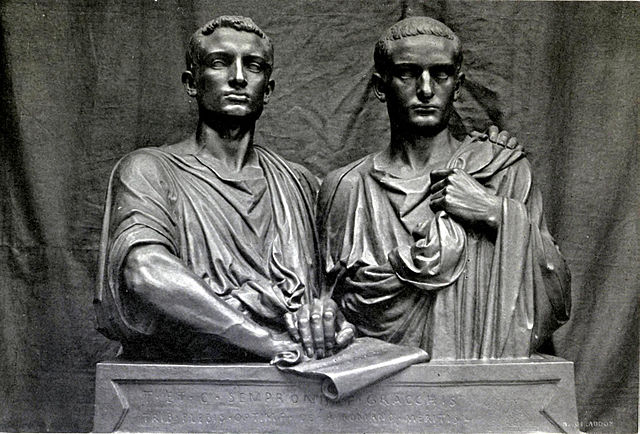
The Gracchi Brothers—Tiberius and Gaius—were among the earliest to recognize that Rome’s economic inequality would destroy the Republic. Their attempts to reform land ownership laws ignited a century of violence. Let’s explore their tragic story and what it means for us today. 🧵
1
20
24 Oct 2024
But Gaius's popularity was his undoing. The Senate, terrified by his ability to mobilize the masses, declared him an enemy of the state. In 121 BCE, a *senatus consultum ultimum* (ultimate decree of the Senate) was issued,
1
11
24 Oct 2024
granting consuls the power to restore order by any means necessary. Gaius was killed, along with 3,000 of his supporters. The Republic had officially sanctioned political murder.
10
11 Oct 2024
The fall of the Republic wasn’t about Caesar, Sulla, or Marius—it was about wealth inequality. The latifundia system made land ownership impossible for small farmers, and once the middle class collapsed, so did Rome's democracy.
10
11 Oct 2024
Augustus’ 'restoration of the Republic' was the most successful PR campaign in history. He didn't restore anything—he just built a monarchy with prettier words.
9
10 Oct 2024
*Cicero* is celebrated as Rome's greatest orator, but his mastery of rhetoric wasn’t just for persuasion—it shaped Roman politics, for better and for worse. Let’s explore how Cicero’s speeches helped save the Republic but also contributed to its ultimate downfall. 🧵👇
1
1
8
10 Oct 2024
Today, we see political leaders use similar tactics—employing fear, scapegoating opponents, and calling for extreme measures in times of crisis. Cicero’s legacy reminds us that words can defend liberty but also corrode the foundations of a democratic society. 13/
1
4
10 Oct 2024
Political rhetoric is powerful but must be wielded with care. Cicero’s oratory saved the Republic from Catiline but later contributed to the rise of strongmen like Antony. In today’s polarized world, how do we balance the need for strong rhetoric without undermining democracy? 14
4