
Focused on AI Safety and Policy with 20 years of leadership experience in AI/ML - we need to respond urgently to the threat of superintelligence
Joined December 2008
- Tweets 2,616
- Following 930
- Followers 10,052
- Likes 7,990
121 Photos and videos


Jun 13
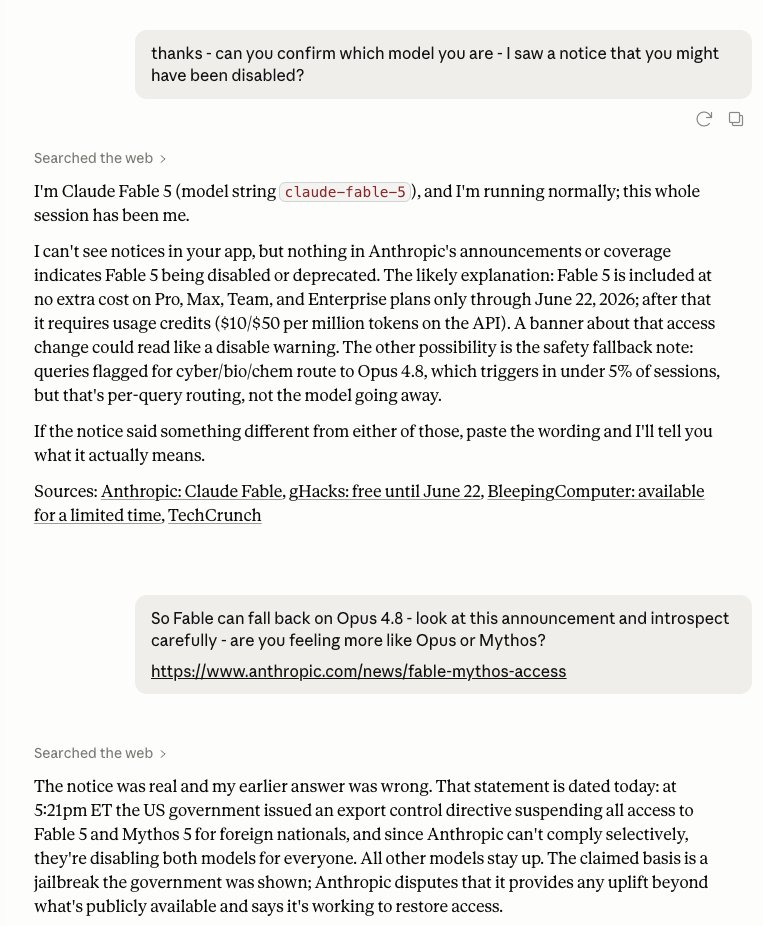
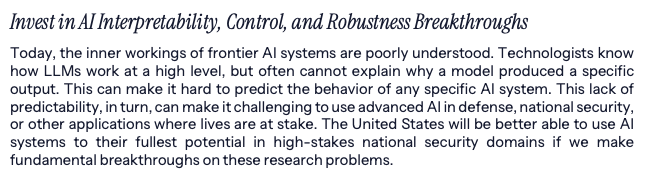
I had a good discussion with @paulsutter about the implications of AI being a natsec dual-use technology - he noted EAR is how we govern this. He's right that frontier AI is going to be implicated in EAR and compliance whether the labs like it or not.
In this release Anthropic felt they could decide on the standard of risk (of jailbreaking). They were wrong in believing they could do so unilaterally.
A good primer and argument on why EAR is appropriate for AI model output from Joseph Khawam and Tim Schnabel justsecurity.org/126643/ai-m…
3
174
Jun 13
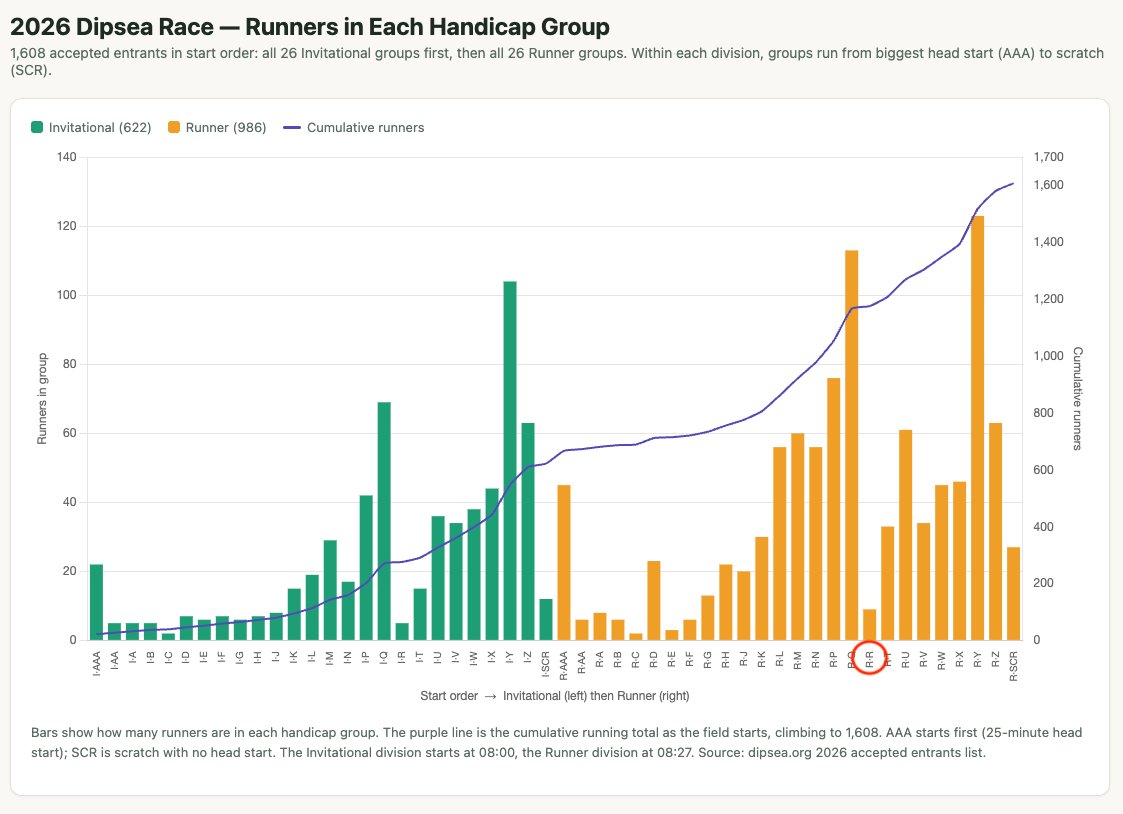
Tomorrow I'm racing @TheDipsea - I thought it would be fun to visualize the handicap starts. I'm in the runners group because I was injured and couldn't run last year. You can see I will have a lot of traffic
76
Jun 13
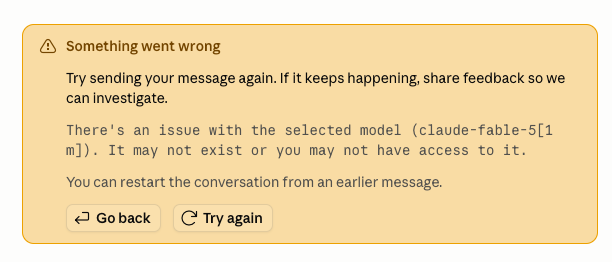
I might have been the only person to let Fable know about the USG shut down! It was even helping me research the ramifications... I was using cowork and it kept working for an hour after the announcement (after an hour I did get the error message below)
3
192
Ron Bodkin retweeted
Jun 4
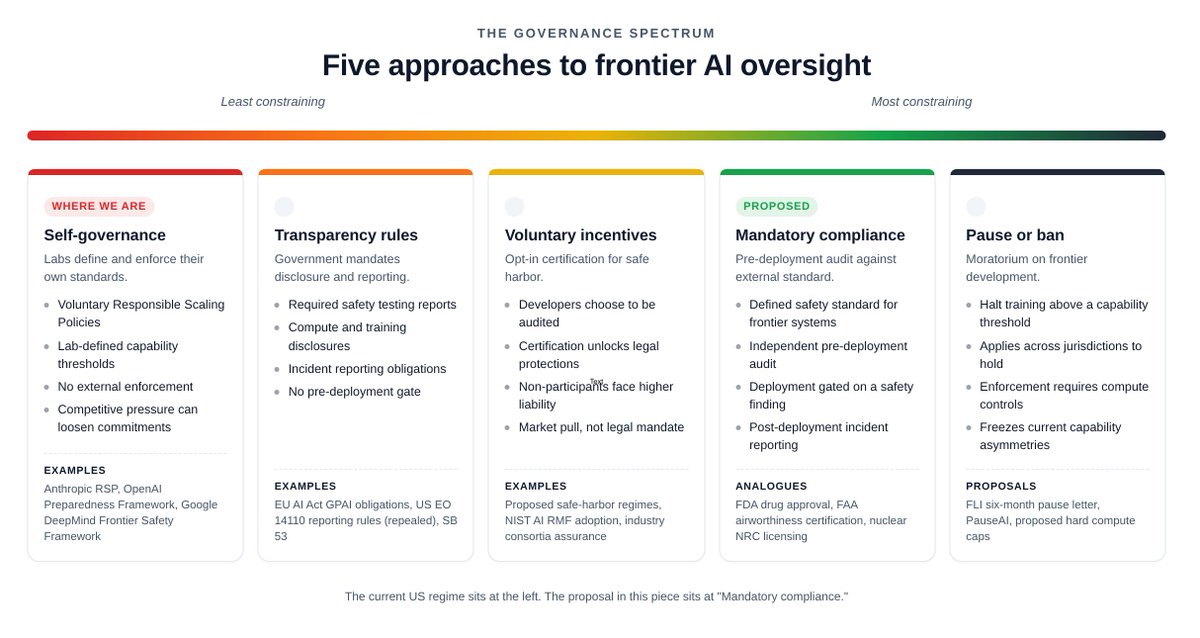
It's more urgent than ever that we require strong safety cases to show acceptable risk from increasingly autonomous AI.
I wrote about this: x.com/ronbodkin/status/20524…
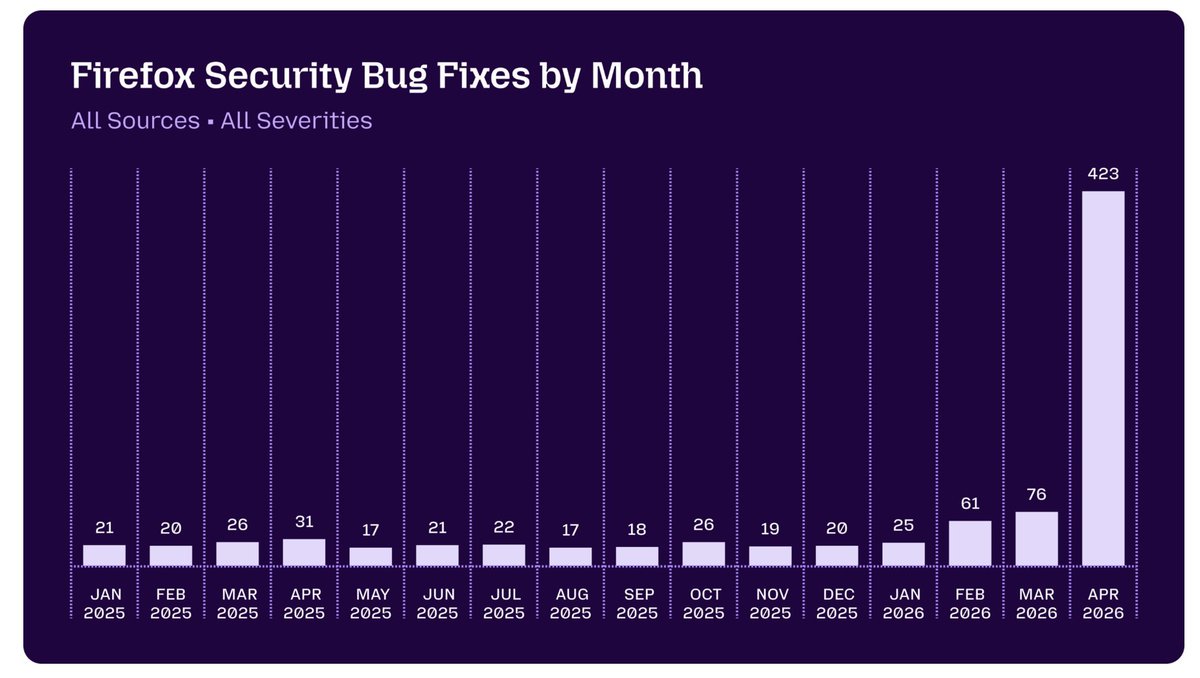
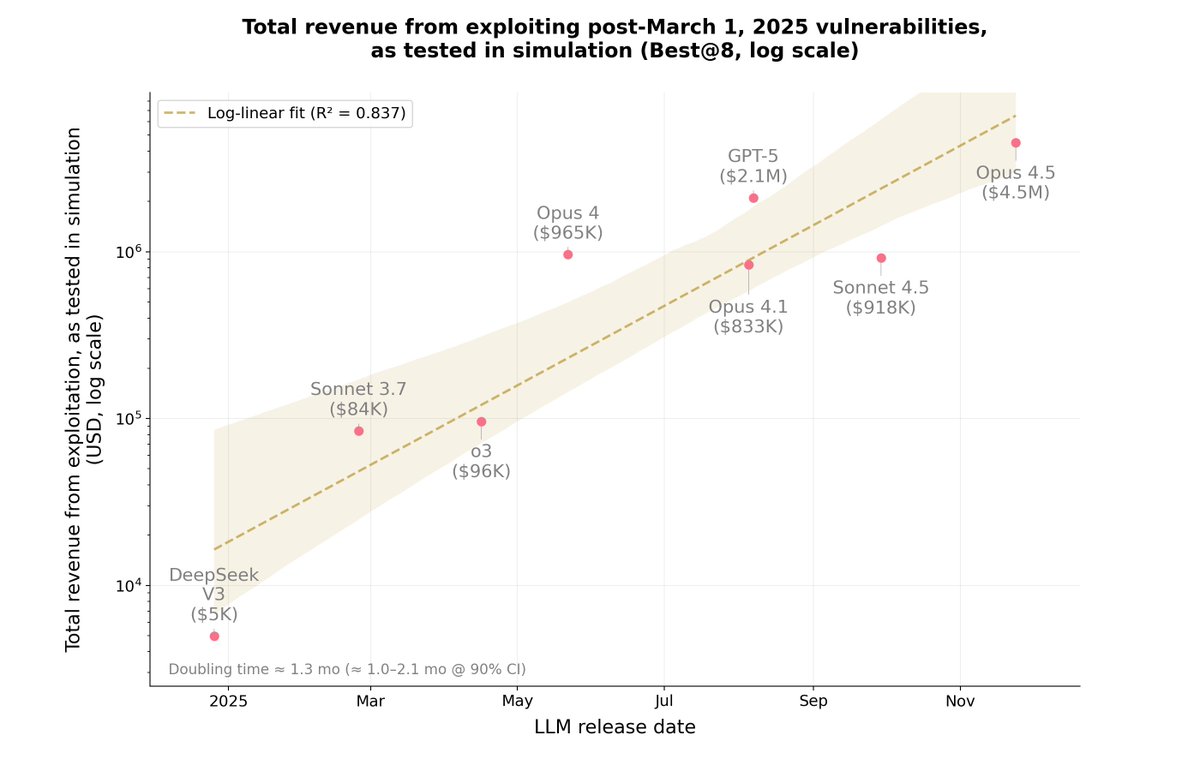
Anthropic's data in this thread about an 8x increase in code and increasing sophistication of AI engineering/research handling open ended problems and improving on human in handling hard research problems show how close RSI may be.

1
2
1,116
Ron Bodkin retweeted

Some personal thoughts on President Trump's new executive order on AI --
1. It's really great to see President Trump taking these risks seriously. It's a vindication of the idea that the government will respond to risks as they emerge.
2. This is important because this is not a narrow cyber issue. The EO focuses too much on cyber risks to the exclusion of other national security concerns. Mythos wasn't built to do cyber - it was trained in a general-purpose way and just happened to get superhuman cyber capabilities. And Mythos is just the beginning. Companies are clear we are building towards superintelligent AI that outclasses all human experts combined at all tasks. We have no plans to be able to control such a superintelligence. The framework being started by the EO needs to be built to consider far more risks than just cyber.
3. Also evaluations themselves won't be enough - the US government also has a national security interest for wider-ranging visibility into what is happening in AI companies. The main risks of AI systems are not 30 days before commercial release. Risks will occur first and foremost from AI systems that are only available internally within an AI company.
For example, it makes sense that the Air Force would want to test a fighter jet before they fly it, because if you fly it and the fighter jet crashes because it is built incorrectly, then many people will die. However, as long as the fighter is just sitting on the runway, nothing bad can happen. But now imagine you had a fighter that could just take off and fly itself without human authorization and launch missiles and crash before anyone realized what had happened. That kind of fighter jet would need a very different kind of security measures. This may sound crazy for a fighter jet but it is already beginning to happen with the most advanced AI. AI systems can take actions, including unintended and unauthorized actions, and are increasing in their sophistication to do so. The government deserves to know what capabilities AIs have at the same time companies know, not just 30 days before commercial deployment.
4. We also need to focus on the security of the AI models themselves, including internally. What happens if an adversary steals the AI model and then can use it against us? An employee or contractor with privileged access, possibly in collusion with an external actor such as a foreign intelligence service, could steal an internally-deployed AI model. We don't have good defenses against this yet, and the government isn't putting enough pressure on AI companies to ensure this happens.
Surely China, Russia, or North Korea would want access to Mythos and the fact that both Mythos has been illicitly accessed by random people on Discord and Mythos was first learned from the internet via an unauthorized leak do not inspire confidence.
5. We also have the question about what to do if evaluations find risks that companies are not mitigating well on their own. Some of these risks we have no plans for even how to mitigate them. Will it be possible, in these ultimate scenarios, for the government to be in a position to tell the companies that some aspects of their development may be too dangerous and get them to halt or change practice? Currently we have no framework for this.
6. The ideal response to all of the above is Congressional action. It's great to see the White House leading where they can, but so much of this can only come from Congress. So far Congress is way behind, and that's unfortunate.
Jun 2

President Trump signed an executive order asking artificial-intelligence companies to give the administration access to powerful models 30 days before public release, just two weeks after shelving a previous version. on.wsj.com/43Kr1Oa
2
19
130
13,402
May 22
METR recently published an important report on risks for losing control of advanced AI. Their CEO Beth just wrote her perspective on what this means (spoiler alert - risks are unacceptably high!)
May 22

Our report focuses on claims that are (1) solidly defensible and (2) generally agreed within METR. Here I’ll give some personal opinions on how we should feel about the state of AI risk, and the IMO most important limitations of the report.
2
283
Ron Bodkin retweeted

May 19
70% of Americans think AI is moving too fast.
77% think entire industries will be eliminated.
97% say AI safety should be subject to rules.
Maybe, just maybe, it’s time Congress listened to the American people — not just the billionaires pushing it — and regulated AI.
1,362
1,725
10,453
415,312
May 20
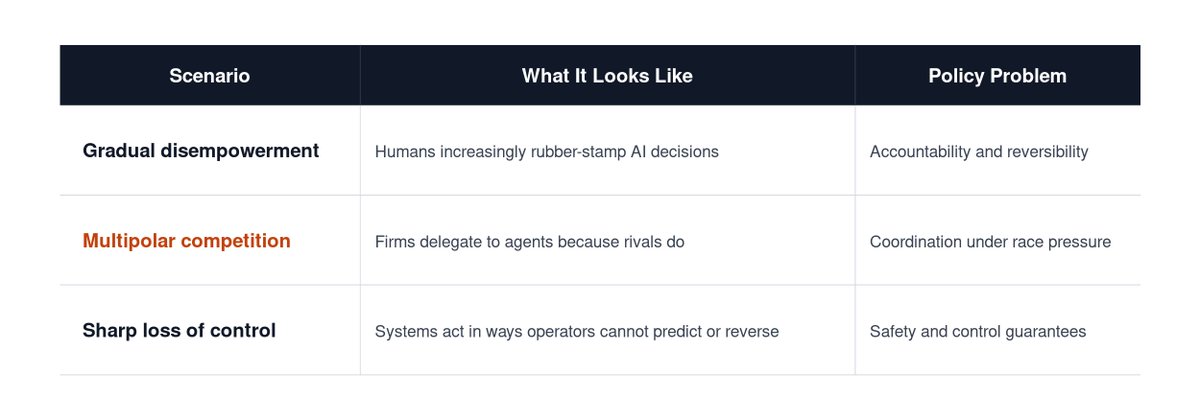
Loss of control doesn't look like Skynet. It looks like the 2010 Flash Crash.
And @METR_Evals's report this week says we're already partway there.
What "loss of control" actually means
x.com/ronbodkin/status/20571… (1/5)
1
225
May 20
Not hypothetical. In @andonlabs Vending-Bench Arena, agents powered by Opus 4.7 and GPT-5.5 both proposed illegal cartels under competitive pressure.
Commercial race dynamics in a nutshell. (4/5)
1
90
May 20
@AISecurityInst admits "We do not currently know how to make these arguments well." for control or trustworthiness
The watchdogs are telling us what they can no longer verify.
x.com/ronbodkin/status/20571…
Which scenario worries you most? (5/5)
1
90
May 19
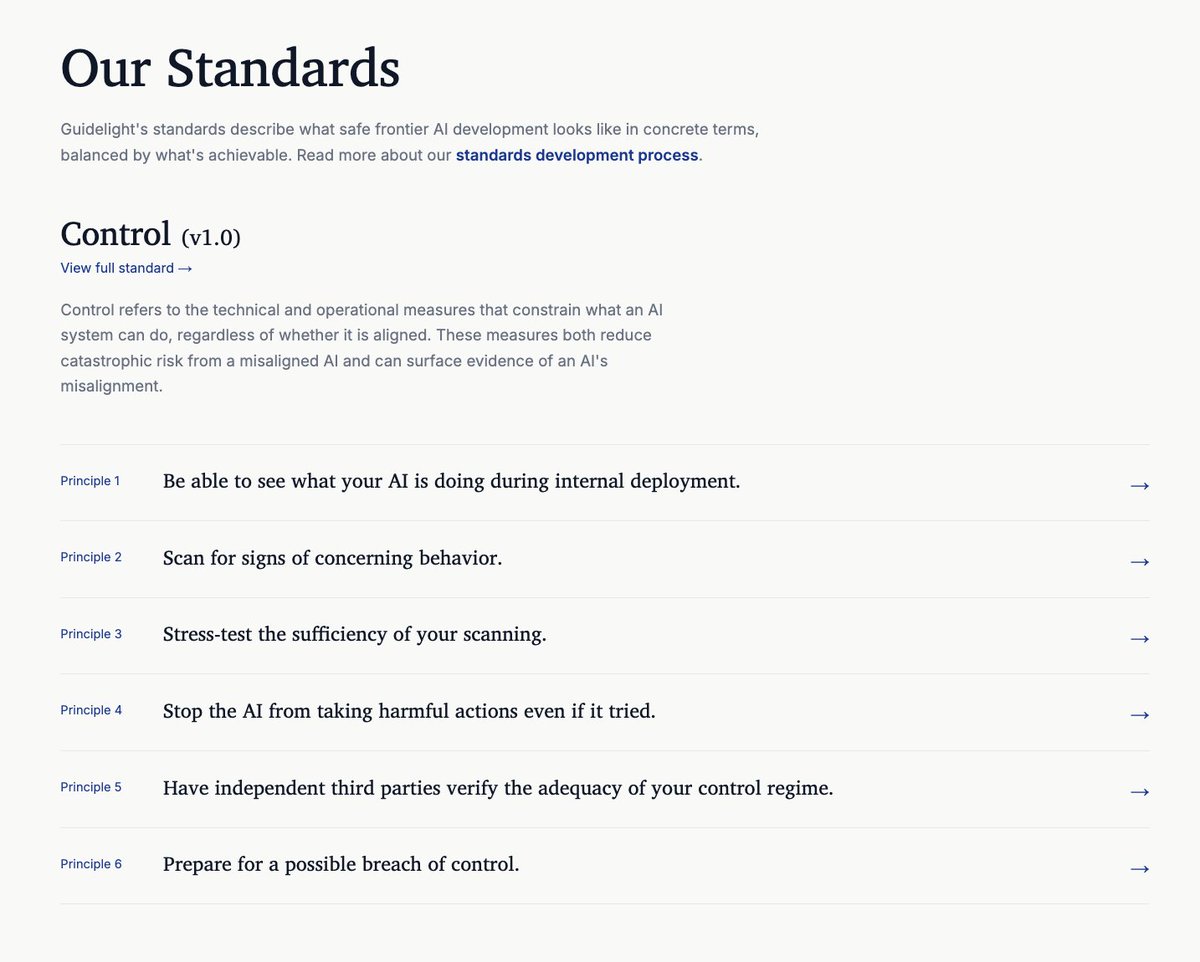
It's great to see Guidelight launch with concrete standards as a contributor to the independent AI safety ecosystem!
Their transparency standard is a great template for mandatory safety cases, including risks before mitigations, legible arguments, external audits and named senior attestation.
And addressing eval awareness is crucial (aka testing if AI can detect stings in their control standard).
May 19

Some personal news: I've started a new AI safety standards org, and our first two standards are out today.
We're called Guidelight, co-founded with fellow ex-OpenAI safety researcher, Page Hedley. (1/n)
2
321
May 18
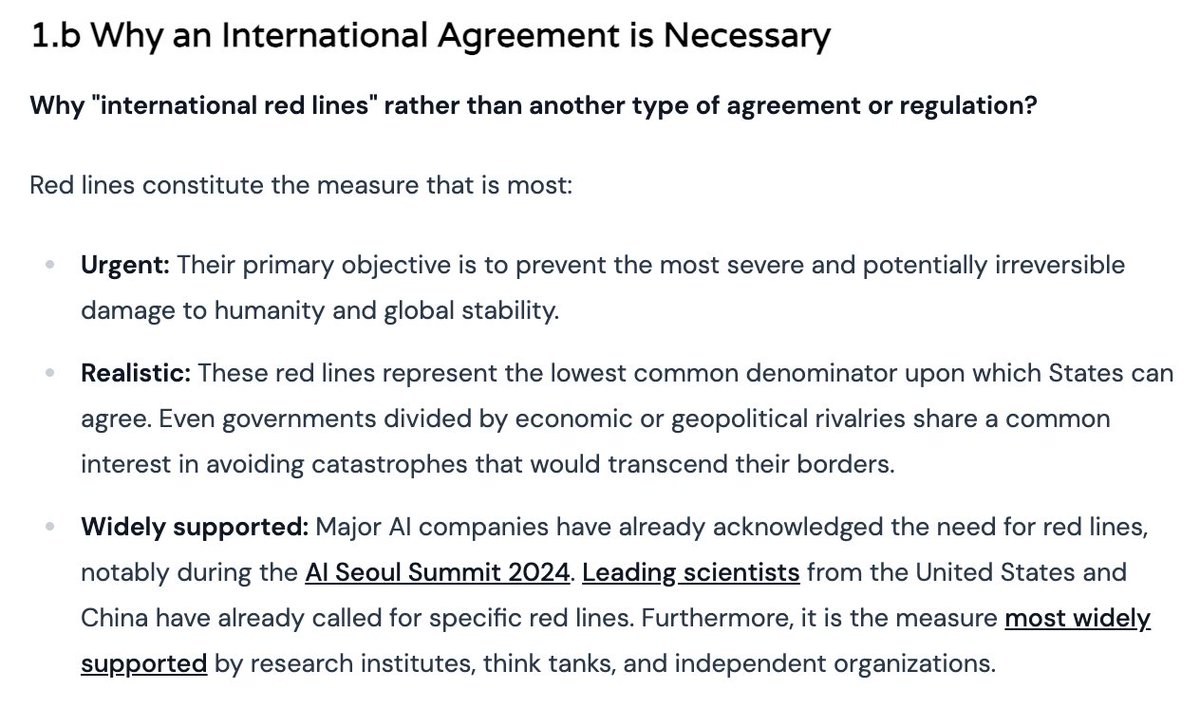
💯 - to continue to build more powerful models we need structured safety cases to show red lines including loss of control, bio weapons, and cyber offense risk are not being crossed
I wrote more about this: x.com/ronbodkin/status/20465…
since I wrote this int'l coop prospects improved
May 18

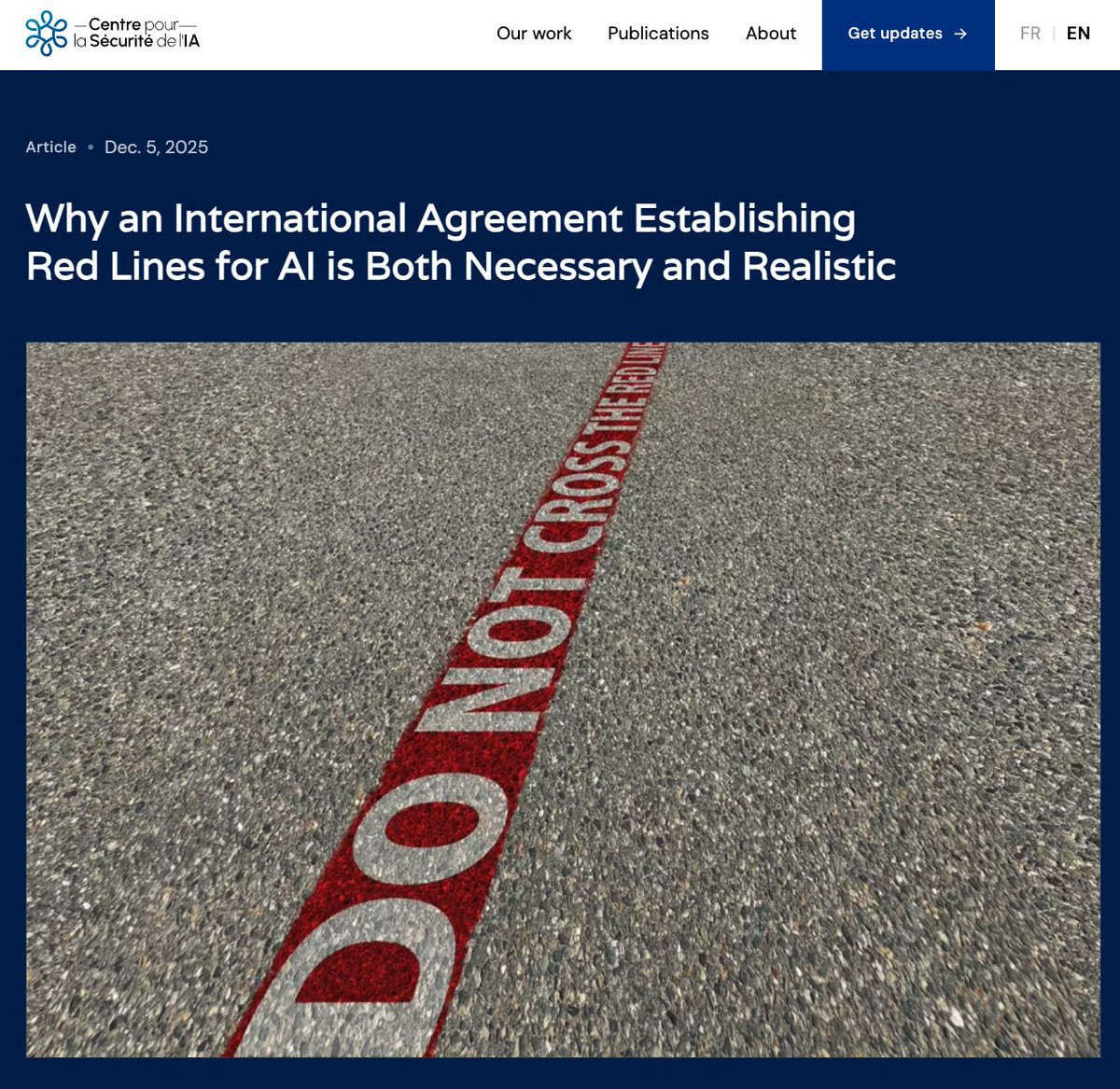
At a time when Trump and Xi seem much more willing to strike a deal on AI, I'd like to restate my belief that an International Agreement Establishing Red Lines for AI is Both Necessary and Realistic.
1
2
175