
Carnivore 6yrs. Heavy lifts, low reps, stoic head. Anti-gatekeeping, anti-seed-oil, pro-ruminant. Plans Ruminati merch ↓
Joined December 2013
- Tweets 57,872
- Following 513
- Followers 155,995
- Likes 36,354
13,587 Photos and videos


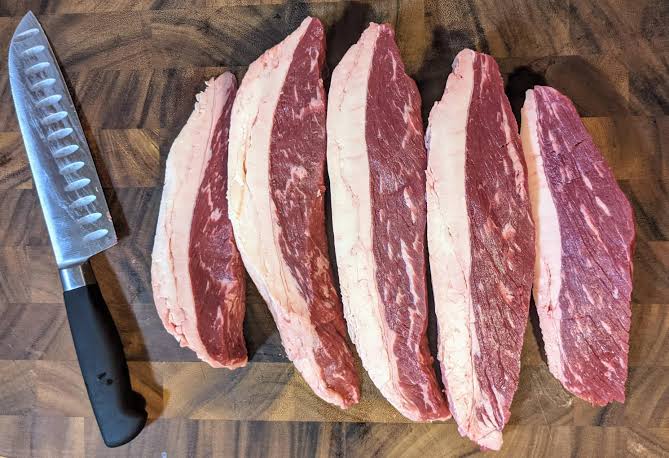

47m
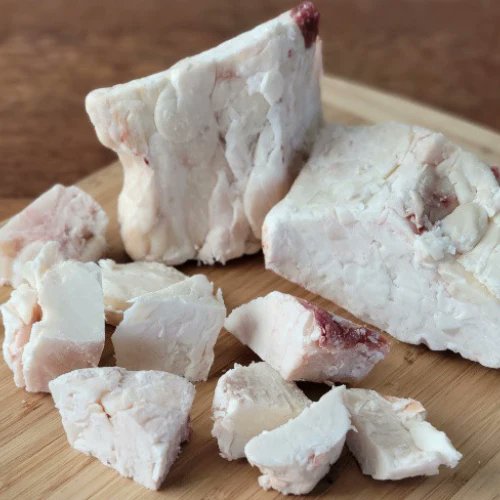
Ask anyone under forty what suet is, and enjoy the silence.
It is the hard, crumbly fat from around the kidneys of beef, and for centuries it was the backbone of British cooking. Shredded into flour it made the steamed crust of a steak and kidney pudding, the dumplings on a stew, the jam roly-poly and spotted dick that sent children to bed warm on the coldest nights of a wet island. Cheap, filling, and the obvious use for a fat the butcher could barely give away.
Then steaming fell out of fashion, suet was recast as something faintly horrifying, and the puddings slid off the nation's tables. Now try finding the real thing. Many supermarkets stock only vegetable suet, a tub of palm oil doing an impression of the article. Ask a butcher for raw beef suet to render down yourself and you will get a pause and a trip out the back. The genuine steamed, suet-crusted pudding has all but vanished from British kitchens.
What sits on the shelf in its place is an abomination. A pallid factory pudding in a tin or a plastic dome, the crust gone to glue, a few cubes of reconstituted something afloat in brown sludge, ready to be microwaved into a grey, steaming apology in minutes. They kept the name and binned everything the name ever meant.
The real thing still asks for next to nothing. Beef suet from a butcher who will fetch it, a basin, a cloth and a couple of hours. The cold and the wet have not gone anywhere. We just stopped answering them, and let a factory sell us a parody instead.
4
13
108
1,710
There is an entire economy built on helping you ignore your own body, and you have probably funded a wing of it.
For the bloating: a drawer full of chalky tablets, peppermint capsules, and a tea that tastes faintly of regret.
For the 2pm collapse: the second coffee, the third coffee, the "energy" drink, the biscuit that promises sustained release and delivers a faster crash.
For the brain fog: a nootropic with a name like a minor sci-fi villain and an ingredient list you cannot pronounce.
For the wind: products genuinely marketed under names too undignified to type out in full.
For the waistband: trousers cut generously, in a shade the catalogue calls "relaxed fit."
Billions of pounds. Vast, gleaming industries. All of it devoted to one noble cause.
Helping you keep eating the thing that does it, without ever having to admit the thing is doing it.
Removing the thing costs nothing. Funny, that.
10
31
221
5,929
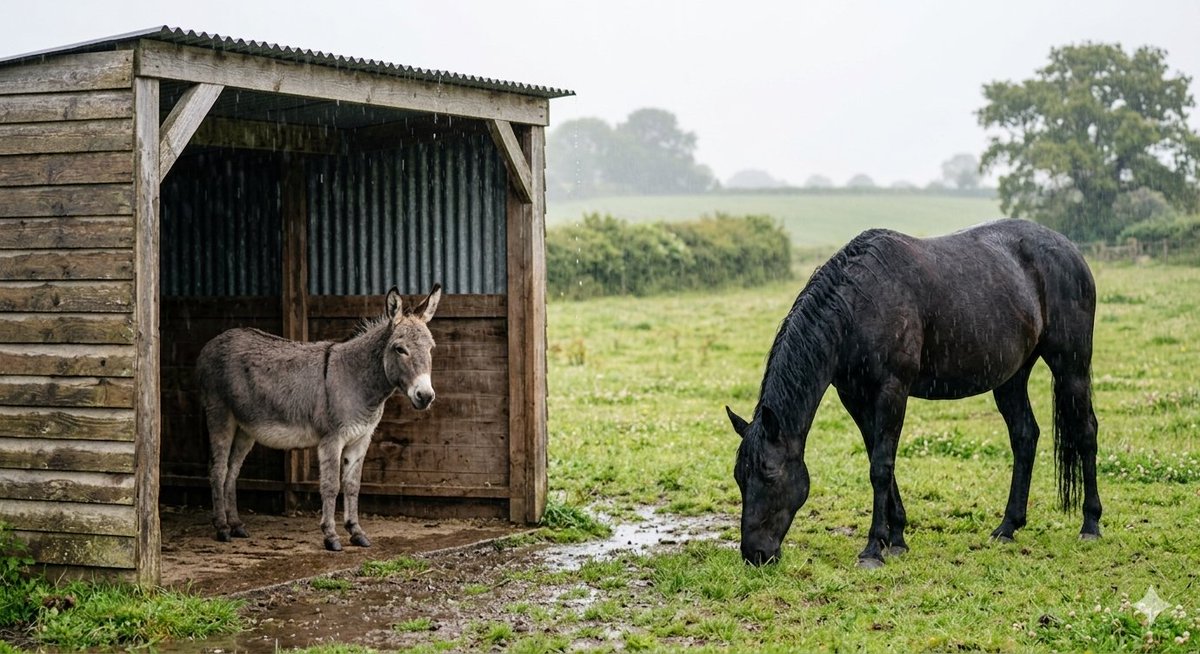
A horse is built to run. A donkey is built to stand and think about it. You have met Hector. This is the other half of his field.
Here is the thing nobody warns you about a parade horse. Hector stood through the King's Troop and the massed bands and a nation's worst day without shifting a hoof, and he will still, in a quiet Welsh field, levitate sideways at a pheasant coming out of a hedge. A carrier bag on the wind is, to a horse, a clear and present danger. The guns were a job, and the job had rules. The hedge has a pheasant in it and no rules at all, and so the flight animal underneath the seventeen years of training remains, on the matter of pheasants, entirely undefeated.
Nelson does not look up.
Nelson has never looked up. A donkey does not flee, it assesses, and it assessed the pheasant long ago and found it beneath comment. People call that stubbornness. It is an animal declining to spend adrenaline it sees no reason to spend.
And here is the domestic arrangement, which anyone who has kept the two together will know on sight. Nelson is a third of Hector's size and entirely in charge. He eats first. He picks the dry spot. He decides when they move. The black charger who carried the weight of the state stands by, with enormous patience, while a small grey donkey finishes the good hay.
The one thing that reliably undoes Hector is Nelson leaving the field. Five minutes, a foot trim, a vet down the lane, and the great composed horse comes apart at the gate, calling and calling, because a horse is herd to its bones and has decided that its herd is one unbothered donkey.
Nelson, for his part, despises rain. A desert animal washed up in Denbighshire, he stands in the shelter looking martyred while Hector grazes out in the wet, waterproof and serene.
Two opposite natures, each propping up the other exactly where it is weak. The horse who fears small things and the donkey who fears nothing at all. It works. It was always going to.
35
251
1,469
11,880
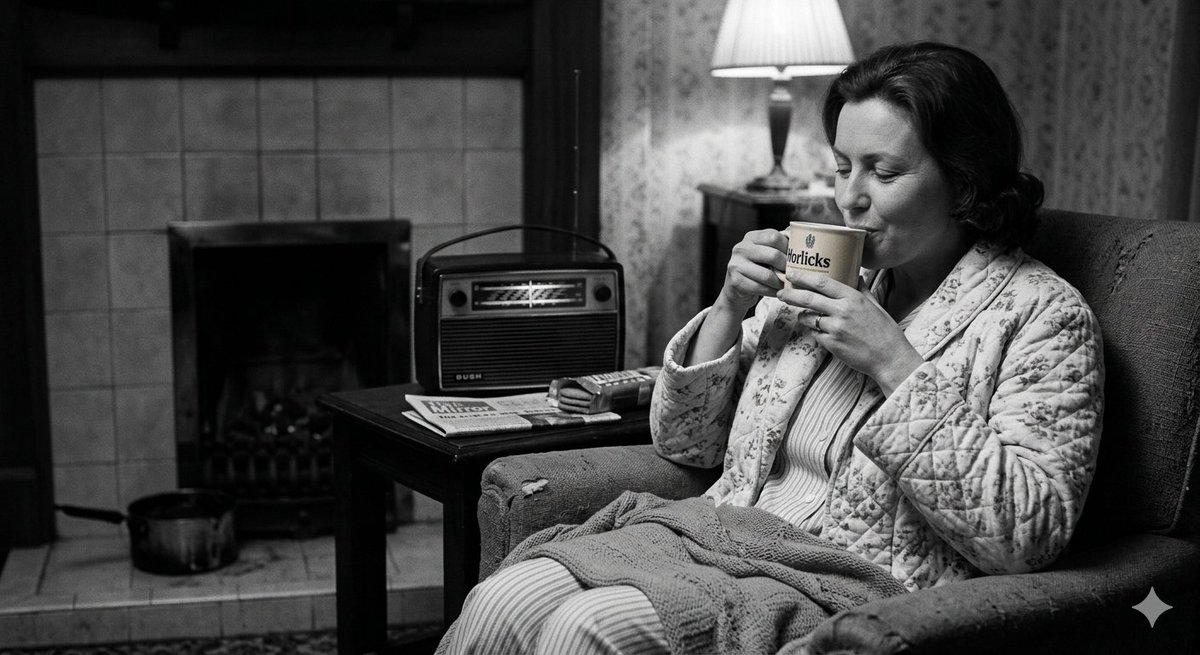
There was a time when a whole country put itself to sleep on a hot mug of malted milk.
Horlicks and Ovaltine were the ritual. Whole milk warmed in a pan, a couple of spoonfuls stirred in, taken last thing in a dressing gown with the wireless turned low. Horlicks even invented an ailment to sell it, the famous 1930s campaign warning of "night starvation," the idea that you went to bed under-fed and woke unrested. Marketing nonsense, of course, but the drink behind it was real, warm and milky and malty, made with proper milk and proper fat, and the half-hour of winding down around it mattered as much as the mug.
It was a small piece of domestic machinery for the end of the day. Warm the milk, sit down, slow the mind, sleep.
Then whole milk fell under suspicion, the ritual gave way to a phone glowing in a dark bedroom, and the warm mug was replaced by a screen engineered to keep you awake and a melatonin gummy to undo the damage. We took away the thing that helped people sleep, then sold them a supplement to fix the sleep we had taken. The pan is still in the cupboard, the milk is still in the fridge, and the half-hour is still there for the taking, the moment you put the phone down.
38
101
619
12,584
10h
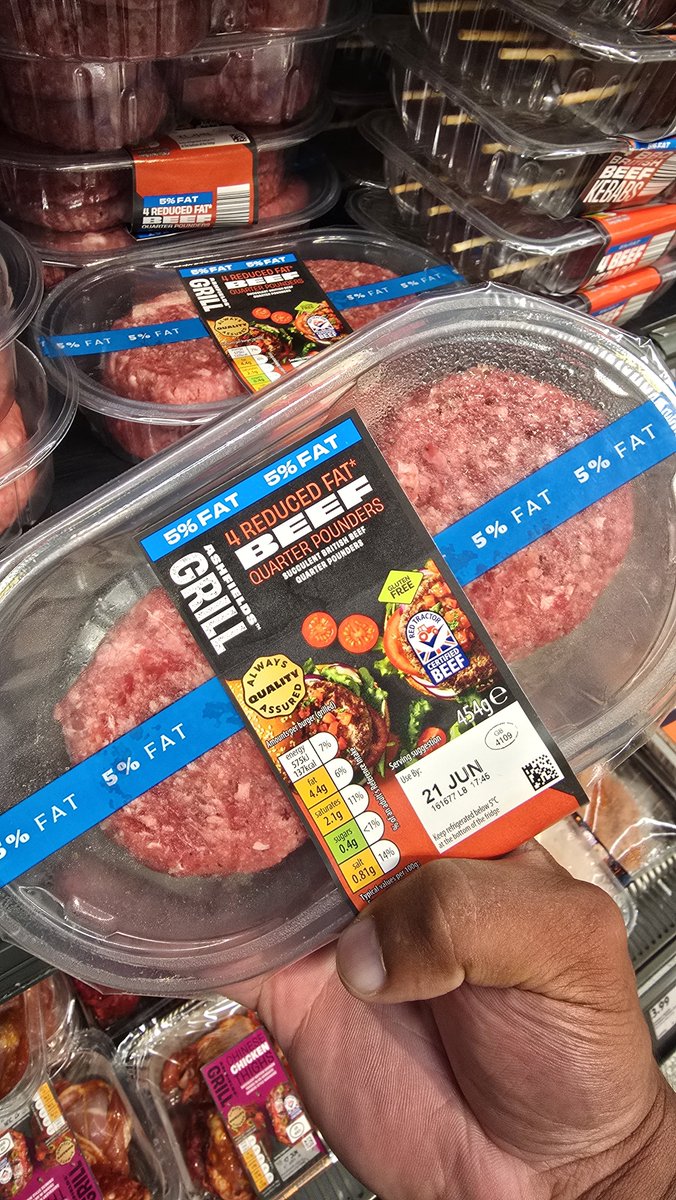
There's a particular sadness to the chilled aisle in Aldi that I wasn't quite ready for today.
A whole shelf of beef with the fat taken out on purpose. 5% fat, shouted across the packaging in big blue letters as though it were an achievement. Reduced fat quarter pounders. A burger with the soul removed and the cost of the crime printed on the front.
I watched a man reach past everything decent to grab two packs of it. Felt good about himself doing it, you could tell. Off home for a week of beige, joyless dinners, certain he'd made the sensible choice.
4.4g of fat in a quarter pounder. The fear of fat, given a barcode and a use-by date.
I didn't say anything. You can't, really. You just stand there a moment, mourn quietly, and move on to the eggs.
42
67
488
15,676
11h
The healthy shopper's trolley:
- A bag of spinach, bought with the best intentions, binned unopened on Friday
- Wholemeal wraps
- Skimmed milk
- Low-fat yoghurt, sweetened to replace the flavour they took out
- A smoothie carrying the sugar of a can of cola behind the word fruit
- Granola, which is a flapjack that went to university
- Oat milk, more processed than the dairy it's frightened of
- Plant-based mince, at twice the price of mince
The unhealthy shopper's trolley:
- Beef
- Eggs
- Butter
- A bit more beef
Thirty years from now, the first shopper will still be confused about why nothing is working. The second will have forgotten the question.
You already know which is which. They've simply spent a great deal of money teaching you to doubt it.
11
70
329
7,579
12h
Norway have qualified for their first World Cup since 1998, and the first thing they did was ship in their own cheese, fish and 6,000 oranges. A touching show of faith in the American food supply.
Start with the cheese, since they hauled 116 kilograms of it across the Atlantic. Dairy in the United States can come from cows injected with a growth hormone called rBST, which has been banned across Europe for years and does not even have to appear on the label over here. Norwegian cows never go near it, so the players would sooner bring their own.
The fish follows much the same logic. A good deal of American tuna is treated with carbon monoxide, sold to the trade under the lovely name "tasteless smoke," which fixes that bright red colour and keeps it looking fresh long after it has quietly stopped being so. Europe banned the practice in 2003, while America still permits it.
Then the oranges, all 6,000 of them, because the US happily lets growers spray the skins with Citrus Red 2, a dye the World Health Organisation's cancer agency calls a possible carcinogen, all so a slightly green orange can pass for a ripe one on the shelf. Europe will not let it anywhere near food.
So when a side with one shot at a World Cup takes a long look at the local cheese, fish and fruit and flies in a tonne of their own instead, you can understand how they got there.
A ringing endorsement of American food, obviously.
111
815
2,950
51,053
12h
Humans are facultative carnivores.
That doesn't mean you can't eat carbs and veg and still be healthy. You can.
It means you don't need a single gram of either to thrive.
There's a hierarchy of food, and it's been sat there the whole time.
Fatty animal foods are at the top. Meat, organs, eggs, butter. The things your body actually asks for.
Plants sit lower down. Optional, nice to have, a garnish on a system built around the steak.
You were never meant to assemble your health out of leaves. You were meant to hunt the thing eating them.
29
123
874
12,134
13h
For three glorious years at the end of the 1980s, an entire continent believed it could outrun a heart attack by eating a muffin the size of a baby's head.
The oat bran craze took hold in 1987, when a man named Robert Kowalski sold millions of copies of a book promising you could cure your cholesterol in eight weeks, oat bran foremost among the weapons. The nation went under. Quaker's oat bran sales leapt from a million pounds a year to twenty million in the space of two. One New York baker was shifting a hundred and twenty thousand muffins a week.
Picture the believers. Office workers queuing for a vast, dense, savoury dome and eating it at their desks with the solemn faith of a man taking communion, genuinely convinced each one was scouring the grease from his own arteries on the way down. They were, in their minds, dredging their own bloodstream before nine in the morning.
Then in January 1990 the New England Journal of Medicine set oat bran against plain refined white flour. The bran was barely any better. Almost all of the cholesterol drop had come from one boring fact, that a man eating a muffin for breakfast was no longer eating his fried breakfast. The magic was never the bran. The magic was the muffin shoving the bacon off the plate.
Within weeks it collapsed, and the nation moved on to its next salvation.
And let nobody tell you the grain was the innocent party. Oats are a starchy cereal carrying their own quiet baggage, phytic acid that clamps onto the iron, zinc and calcium in your gut, lectins, and avenin, the oat's own cousin of gluten. The establishment waved all of it away and crowned the grain a cure, while the one honest thing in the whole craze was the bacon they had shamed you into binning.
17
36
210
6,008
14h
What they told you cholesterol is:
- A sticky yellow villain
- The stuff furring up your dad's arteries
- A number to dread at the doctor's
- Best kept as low as humanly possible
What cholesterol actually does while you panic:
- Stockpiles a quarter of your body's supply up in your skull, building and repairing the brain
- Insulates every nerve you own, so the signal gets from thought to finger
- Supplies the raw material for testosterone, oestrogen and vitamin D
- Patches your cell membranes and tidies up after inflammation
Your brain is the most cholesterol-rich organ you've got, and it makes nearly all of its own on site because it doesn't trust your bloodstream to deliver.
Then a doctor reads one number off a printout and decides your brain's been overdoing it.
21
146
580
13,105
16h
Things people did in 1965 without a second thought, and what they cost you now.
- Skipped breakfast when they weren't hungry. Now it is intermittent fasting, with an app, a podcast and a forty-pound book explaining what your grandfather did on a Tuesday for free.
- Drank from the tap. Now it is reverse-osmosis, remineralised, glass-bottled and four pounds a litre, because the tap is suddenly beneath us.
- Went out without sunscreen. Now it is reckless UV exposure, factor 50 reapplied hourly, on an overcast February morning in Glasgow.
- Had three eggs for breakfast. Now it is a cholesterol risk and a worried chat with a doctor still reading off a leaflet the science binned years ago.
- Put butter on their bread. Now it is saturated fat exposure, gently steered toward a tub of fourteen ingredients, not one of them a cow.
- Walked somewhere because that was how you got there. Now it is a logged step count, a heart-rate zone and ninety-pound carbon-plated trainers for the trip to the corner shop.
The factory settings of 1965 turned out a population leaner, fitter and far less medicated than the one now filling the waiting rooms. None of it was for sale, because none of it was a product. It was simply what people did, before someone realised you could sell it back to them at a markup. It still costs nothing. It always did.
40
248
1,152
25,742
17h
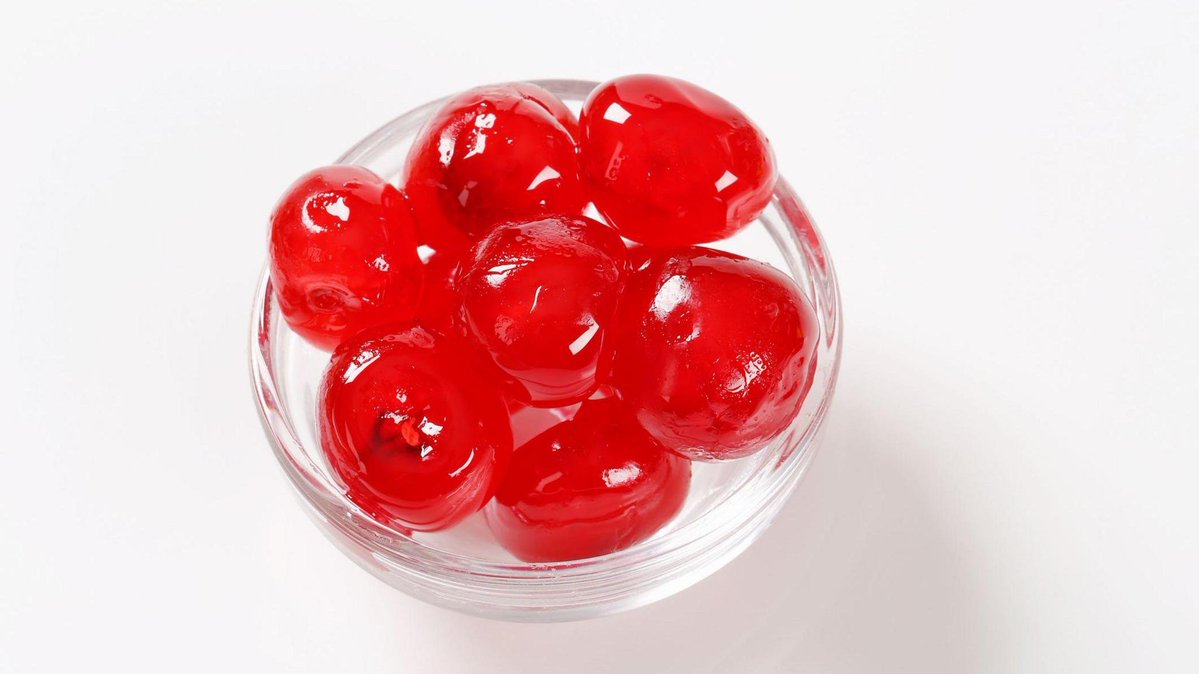
For thirty-five years it was illegal to put a particular red dye in your lipstick, because it caused cancer in laboratory animals. It stayed perfectly legal to put the same dye in sweets aimed at children.
The dye is Red 3, the bright cherry colouring known in the trade as erythrosine. In 1990 the American regulator banned it from cosmetics and skin creams, having accepted that it caused thyroid cancer in rats. There is a law, the Delaney Clause, that is meant to be simple. If an additive causes cancer in people or animals, it should not be in the food supply.
So it came out of the lipstick.
It stayed in the food. Sweets, cakes, frostings, some medicines, the cheerful red things pointed straight at children. For more than three decades the very same substance was judged too dangerous to wear on your lips and perfectly fine to feed to a five-year-old.
It took until January 2025, after a campaign group filed a formal petition, for the regulator to finally pull it from food as well. Manufacturers have until 2027 to take it out.
For thirty-five years the system held two positions at once. Too risky for your face. Acceptable for your child's mouth. And it took an outside group, not the regulator, to finally force the contradiction shut.
These are the people whose judgement you are told to trust completely on butter, beef and salt.
Bear that in mind.
22
830
2,297
34,434
18h
You would never do to your dog what you cheerfully do to yourself.
If your dog bloated up, went quiet, and slept like the dead every single time you gave it a particular food, you would change the food by Thursday.
You would not tell the dog it was probably a bit stressed. You would not suggest the dog was simply getting older. You would not buy the dog a coffee. You would look at the bowl, connect two extremely obvious dots, and feed it something that did not knock it flat on its side.
You would do all this because you love the dog and you have absolutely no emotional attachment to the food.
Now apply the exact same reasoning to the only animal whose meals you personally control.
The dog gets evidence-based care and a swift change of diet.
You get a packet of antacids and a long, comforting story about your hormones.
12
72
415
8,405
19h
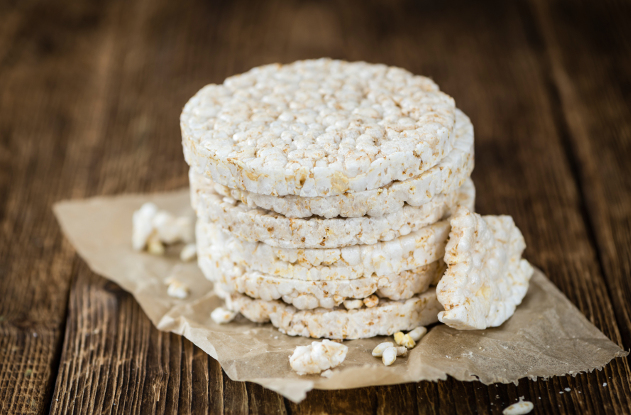
The rice cake is the most honest thing the low-fat era ever produced, because it tasted exactly as joyless as the philosophy that made it.
Picture the wretched thing. A pale, crunchy disc of puffed rice, near enough the texture and flavour of expanded polystyrene, sold to grown adults as a snack. You bit in and it shattered into a thousand styrofoam shards that stuck to the roof of your mouth and delivered, in return, the taste of absolutely nothing. It was the sound of dieting itself. A dry, hollow crunch echoing across an open-plan office at three in the afternoon, the unmistakable noise of a human being quietly punishing themselves at their own desk.
They were adored because they were almost fat-free and very low in calories, and in the arithmetic of the time that made them practically a tonic. You ate one and felt you had been good. The trouble was that one satisfied nobody, so you ate four, and then you smeared something on them to make them bearable, and the something was a fat-free spread that was mostly sugar, and round and round you went.
Worse still, the puffed rice behaved in the body almost exactly like sugar. Straight to the top of the glycaemic index, a clean spike of blood sugar followed by the crash that had you reaching for the next disc. The virtuous diet snack of the decade was, underneath the costume, a packet of sweets in beige.
And the food that would actually have saved you sat in the fridge, accused of a crime it never committed. Two eggs cooked in butter would have filled you, steadied you for hours, and tasted of something a person could love. But the eggs carried cholesterol and the butter carried fat, and so a nation chose instead to gnaw polystyrene at its desk and call the suffering discipline.
We were not getting healthier. We were getting hungrier, and lonelier, one hollow crunch at a time.
69
251
1,398
21,062
20h
There is an oil so reliable at making lab mice fat and diabetic that researchers feed it to them on purpose, whenever they need the disease to show up on cue. It's soybean oil.
The very same soybean oil sitting in your cupboard under a "heart healthy" label, buried in the chicken nuggets, dressing the salad you picked because it felt like the responsible choice.
The mice at least get a research grant out of it. You're funding the study yourself and roasting the Sunday joint in the results.
6
143
666
15,022
20h
Resting less than two minutes between sets is one of the most expensive mistakes in the gym.
- You feel ready long before the muscle is. Your breathing recovers first and lies to you
- That leftover fatigue blunts your fast-twitch fibres, the ones with the real growth potential
- Fail to fully recruit them and you fail to fully grow
- Less rest means less weight, which means less tension where it counts
- Yes, this includes curls. Small muscle, same rule
- Smaller muscles often need just as long to recover, sometimes longer
Want to feel busy? Rest sixty seconds. The burn arrives, the growth doesn't.
Want to grow? Rest three full minutes. Recovered fibres lift heavier, and heavier is what builds them.
11
25
365
17,824
22h
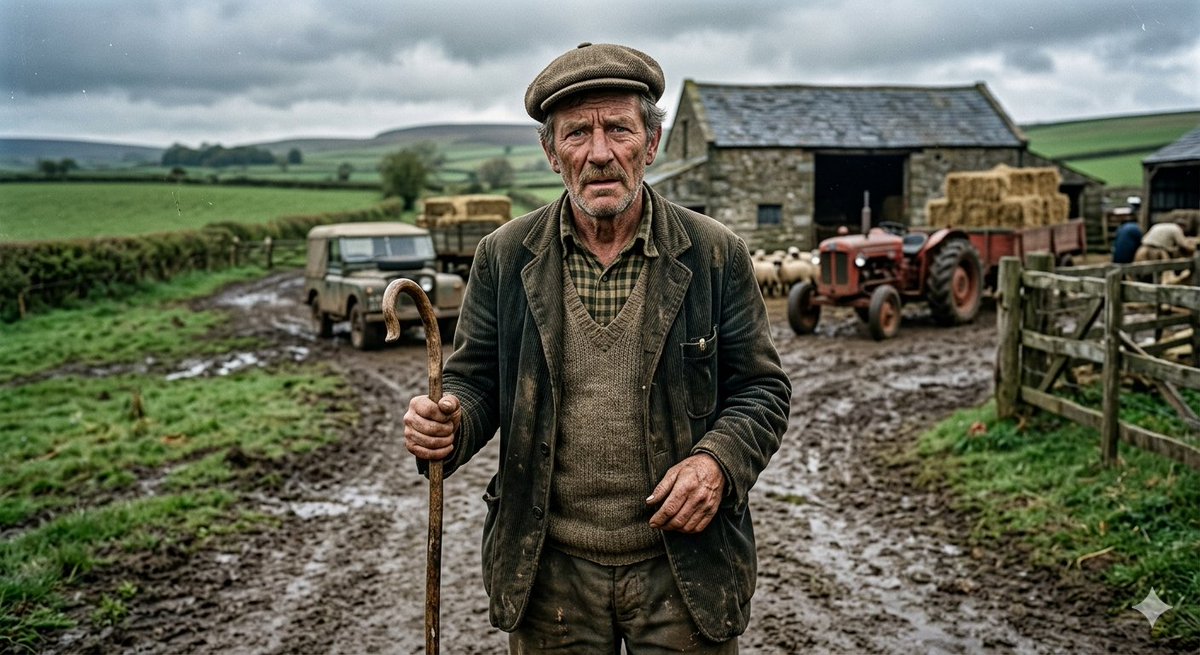
Try explaining the modern food system to a farmer in 1955. Go on. Watch his face.
"So you've given up butter."
"Mostly. We were told it was killing us."
"By whom?"
"The experts."
"And the cream off the top of the milk?"
"Down the sink. Then we buy the vitamins back as a powder."
"You pour the best bit away, and then purchase it again."
"It's more convenient."
"You eat the egg but not the yolk, and the chicken but not the skin."
"The good parts, yes. Those are the risk."
"And what is it you cook in?"
"Oil. Pressed out of a flower. With a solvent. In a refinery."
"...Go on."
"Bread too. Grain we've never seen, baked by a machine five counties off in about an hour."
"And after all this prudence, you're healthier than we are?"
"Not exactly. Diabetic by forty. On tablets by fifty."
"And the cause of all this, you've decided, is the cow."
"Yes."
He considers this for a moment, then goes back to laying the hedge. There is nothing in any of it he can use, and a great deal of it he is quietly relieved to have been born too early for.
17
287
1,077
12,062
Jun 14
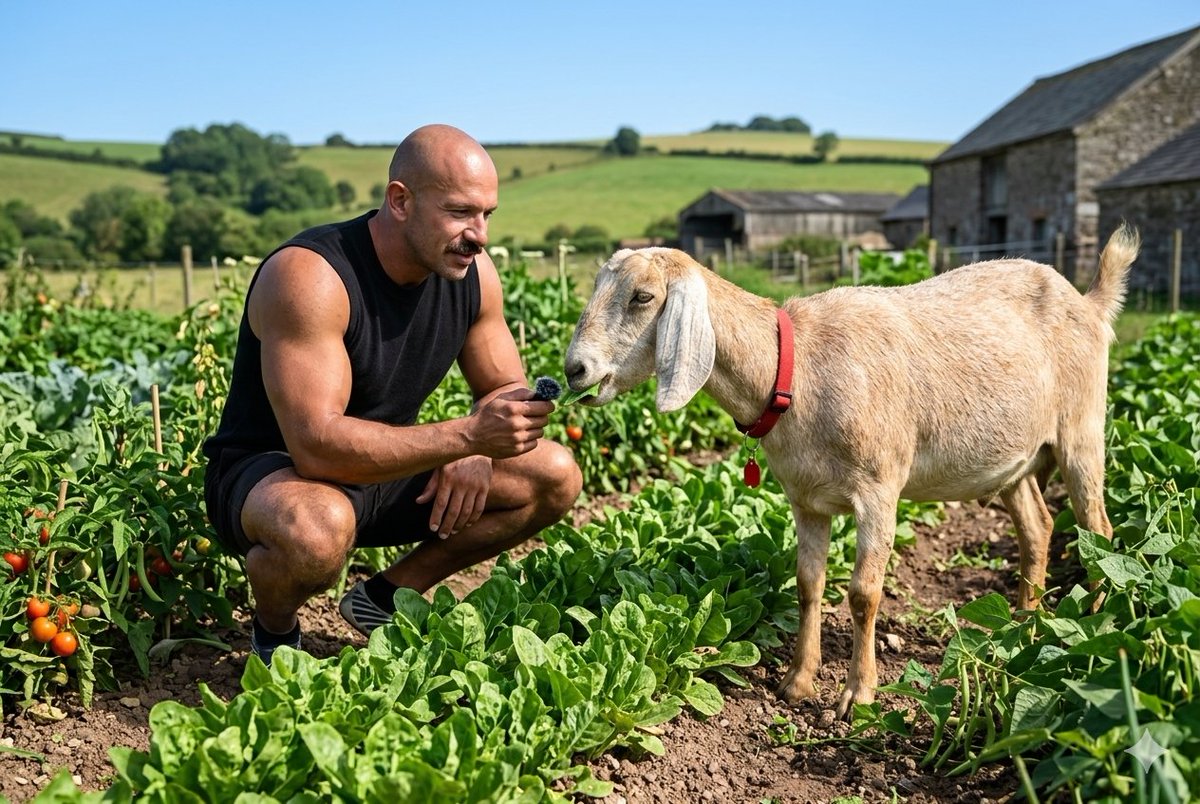
I sat down with Keith, the Anglo-Nubian goat accused by several reputable organisations of single-handedly turning Britain into a desert. He agreed to the interview on the condition that it took place in Steve's vegetable patch.
Me: Keith, thank you for joining me. The charge is that grazing animals like you are stripping the countryside bare. How do you respond?
[Keith eats a stem of Japanese knotweed down to the root.]
Me: Some are calling it a wasteland in the making.
[He glances at the bank he cleared last spring, where cow parsley and red campion have since come back, then returns his gaze to me.]
Me: The report was quite specific. Desertification. Soil collapse. Ecological ruin.
[Keith steps through a gap in the fence that was not there this morning, into a field noticeably greener than the one he has left.]
Me: Dave says the brambles are gone and the orchids are back for the first time in thirty years.
[Keith says nothing. Keith is a goat.]
Me: One last question. There are rumours about you and Margot, the goat three fields over. Anything you would care to share?
[For the first time all afternoon, Keith stops chewing. He turns and looks west, toward the third field, and holds there for a long moment. Then, without a word, he goes back to the hedge.]
I think that is a yes.
46
267
1,660
18,011
22h
You might want to head over here if you haven't checked out the new Keith t-shirts.
jointheruminati.com/ruminati…
1
2
20
2,648
23h
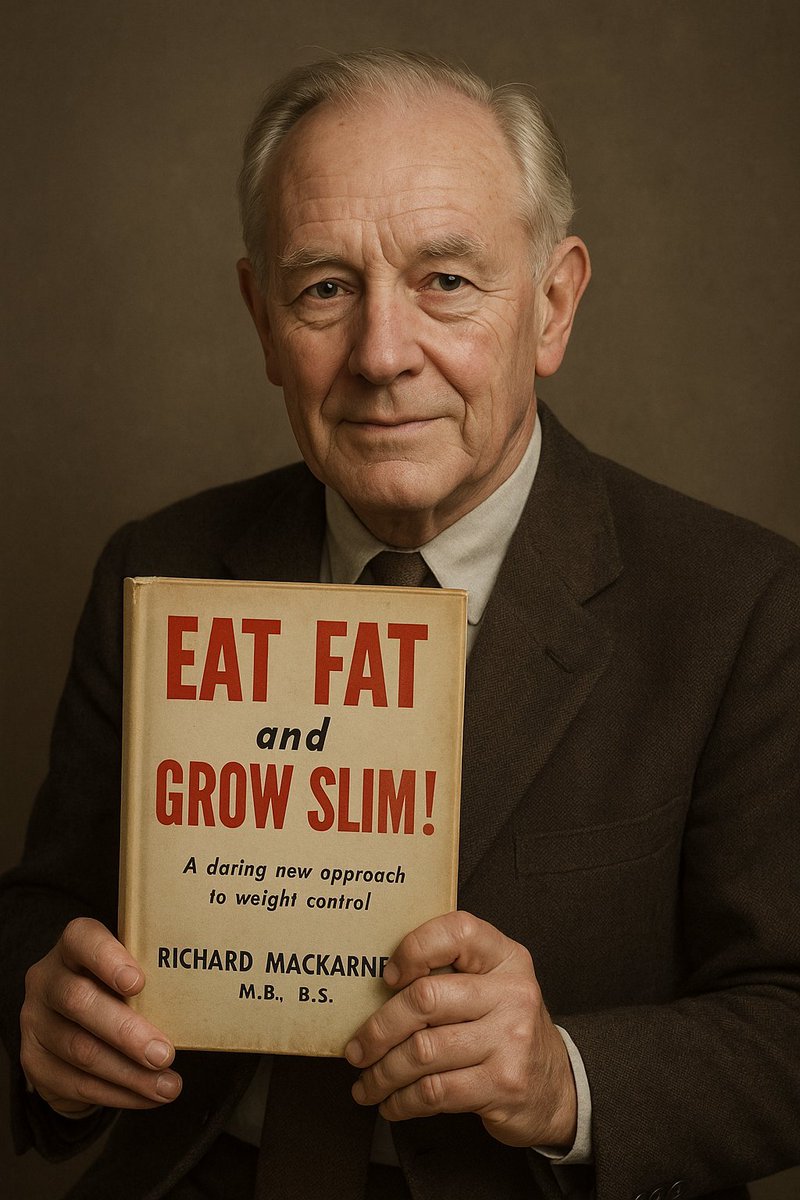
In 1958 a British doctor handed the nation the reason it was getting fat. It thanked him by forgetting he existed.
His name was Richard Mackarness, and before medicine he trained as a painter, studying under Mervyn Peake, the man who wrote Gormenghast. Then he changed course, qualified, and wrote a book with a title that still reads like a dare.
Eat Fat and Grow Slim.
The subtitle was cheekier still: Banting Up to Date, a nod to the Victorian undertaker who had cured his own obesity on meat and fat a century earlier and been ignored for it. Mackarness was picking up a thread the establishment had spent decades pretending not to see.
His claim was simple and, to the dieticians of the day, outrageous. The thing fattening Britain was the carbohydrate, the bread and sugar and refined flour that humans had eaten in real quantity for only the thinnest sliver of their existence. Fat was close to innocent. He called the alternative the Stone Age diet: two million years as hunters, a few thousand as farmers, and a body that never got the memo about the switch.
He was also writing on borrowed time, in the last years before the official war on fat: before the advice that swept dripping and butter from British kitchens and poured in margarine and industrial seed oils. He defended animal fat at the exact moment the establishment was lining up to condemn it.
He had met the men doing this work too, crossing to America in 1958 to sit with the doctors he called the anti-cereal doctors, Donaldson among them, comparing patients who were losing weight while eating like lords.
Then he pushed past weight altogether. As a psychiatrist at Park Prewett in Basingstoke he set up one of the first food allergy clinics the NHS had seen, and suggested something properly heretical: that some of the depression and fog filling his waiting room came straight off the dinner plate. He wrote it up in 1976 as Not All in the Mind, a title aimed at every colleague who had ever told a patient it was all in theirs.
The verdict was a polite, immovable no. Not accepted, not adopted, filed under eccentric, while the nation was told to eat its wholemeal toast and fear the butter.
The book sold anyway. People tried it, felt the difference, and never quite worked out why their doctor looked pained when they mentioned it.
Mackarness died in 1996. The thing he was mocked for, that refined carbohydrate rather than fat sits behind much of modern metabolic disease, is creeping back into respectable conversation as though no one had said it first.
Somebody did. He trained as a painter, and he saw the picture fifty years before the rest of the room.
20
421
1,348
18,732
Jun 15
Soil is a bank account, and modern farming has quietly run it into overdraft.
Plough a field and take a crop, and you make a withdrawal. The structure breaks down, the carbon escapes, and a little more topsoil washes or blows away. Do it year after year with nothing going back, and the account empties.
The UN's Food and Agriculture Organisation reckons a football pitch of soil erodes somewhere on earth every five seconds, and that ninety percent of the planet's topsoil could be at risk by 2050. It takes a thousand years to build a few centimetres. We are spending it in decades.
Grazing animals run the account the other way. They make deposits:
- They crop the grass so the roots dig deeper and pull carbon down.
- Their hooves work seed into the ground and break the crust so rain soaks in.
- Their dung and urine feed the worms and the microbes.
- Managed well, they build measurable topsoil, year on year.
The Dust Bowl fits in one sentence. America took the bison off the plains, ploughed the grassland the herds had built over millennia, and within fifty years the soil got up and blew away.
The repair walks on four legs and runs on grass. We keep choosing the overdraft, then act surprised when the balance falls.
31
372
1,075
10,313