Launched in 2022 as Stanford University’s first new school in 75 years. For life on Earth. Forever.
Joined May 2013
- Tweets 5,587
- Following 659
- Followers 20,101
- Likes 804
2,642 Photos and videos



Stanford Doerr School of Sustainability retweeted

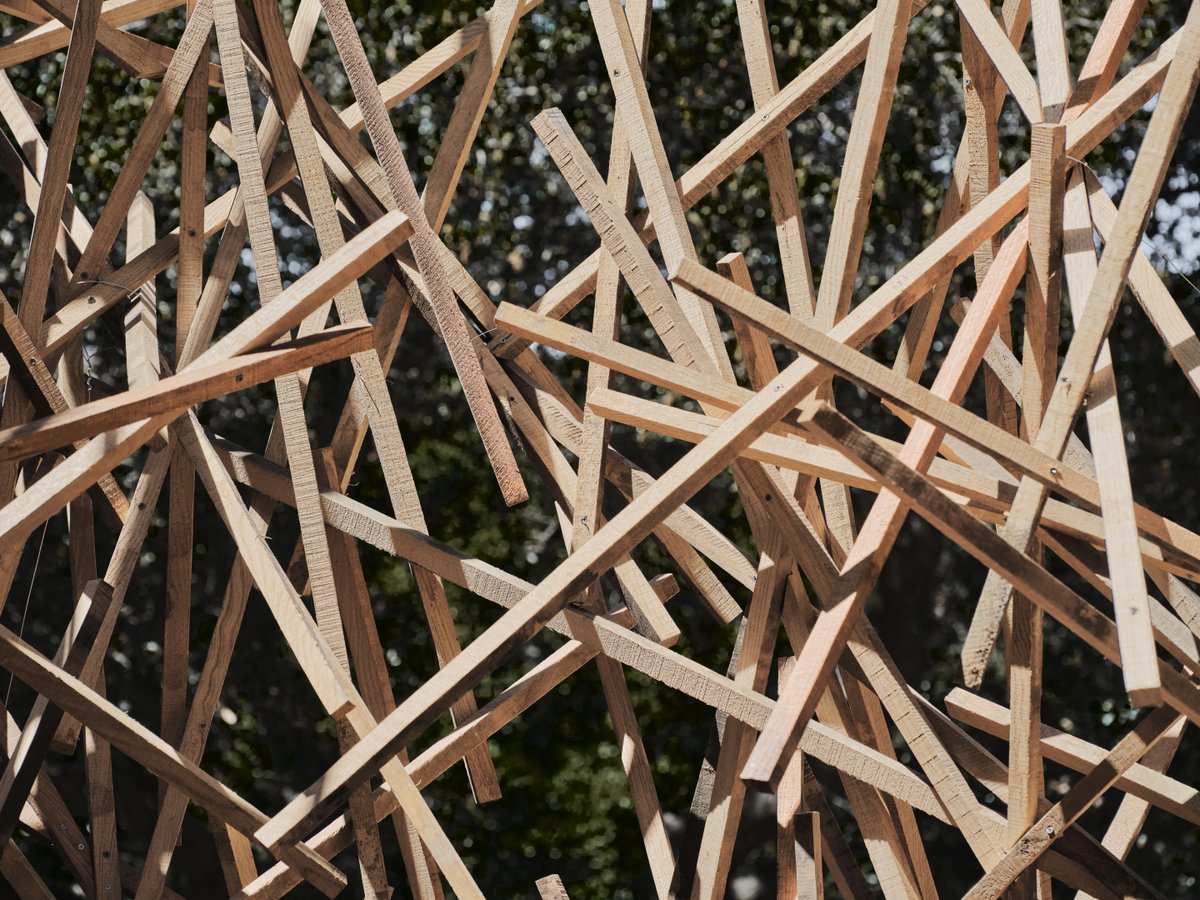
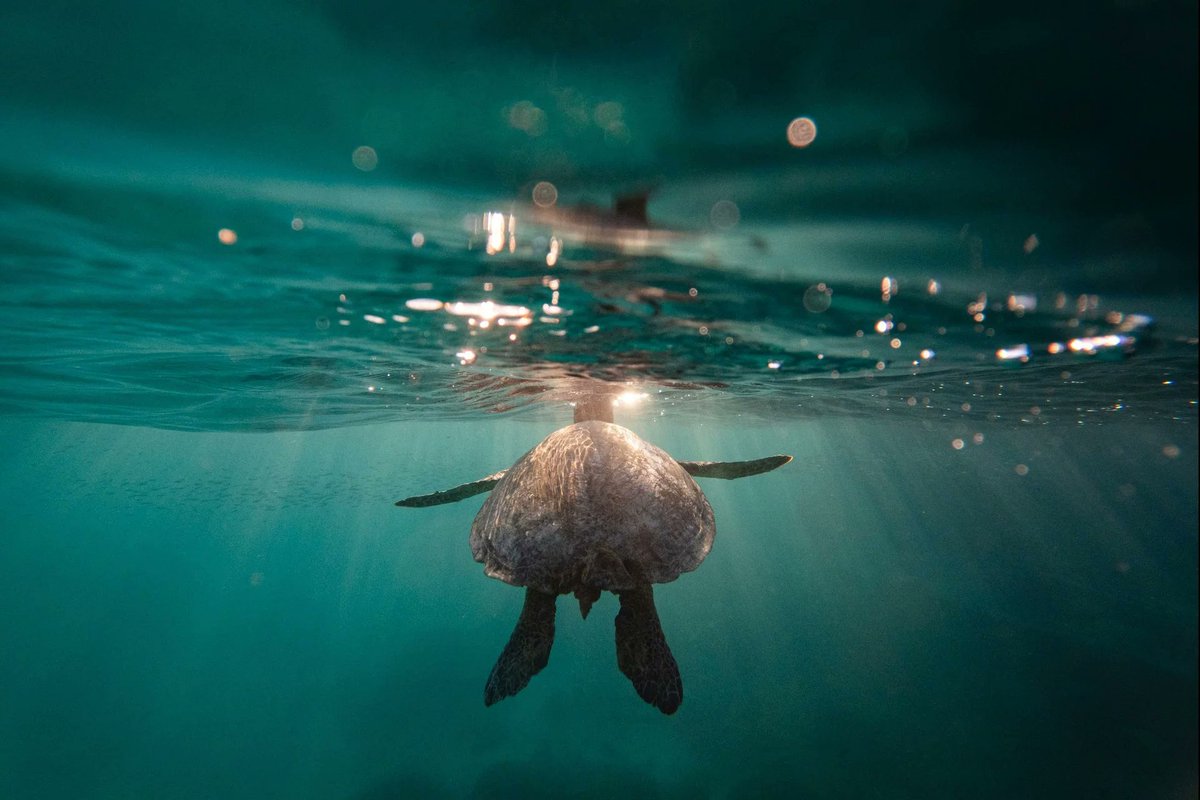
New @Nature research highlights big impacts of small-scale fisheries to inform policy & practice.
"For a long time, there was no global policy effort dedicated to small-scale fisheries," says co-author Nicole Franz, who will join @oceansolutions in Feb⤵️ sustainability.stanford.edu/…
1
3
7
2,768

Despite much potential, sodium-ion batteries may still be several years away from being able to compete as a low-cost alternative to lithium-ion batteries, according to new research. Read why: stanford.io/4jbGGwD
13 Jan 2025

Sodium-ion batteries need breakthroughs to compete
Sodium-ion batteries, while promising, still face significant challenges before they can compete in lithium-ion batteries’ $50 billion a year market, a new study in @NatureEnergyJnl shows. The research, conducted by Stanford's new STEER program, analyzed more than 6,000 scenarios to evaluate sodium-ion batteries' potential.
Despite assumptions about lower costs and more resilient supply chains, sodium-ion batteries currently store less energy per pound than lithium-ion batteries, making their cost per unit of energy stored higher. To become competitive, particularly against lithium-iron-phosphate batteries, developers need to increase energy densities without using critical minerals like nickel, which many current designs rely on.
The researchers emphasize that simply scaling up production won't be enough to make sodium-ion batteries cost-competitive; significant engineering advances are needed. However, developing alternatives to lithium-ion batteries remains important for energy security and supply chain resilience, especially given China's recent restrictions on graphite exports and its control of 90% of the global graphite supply.
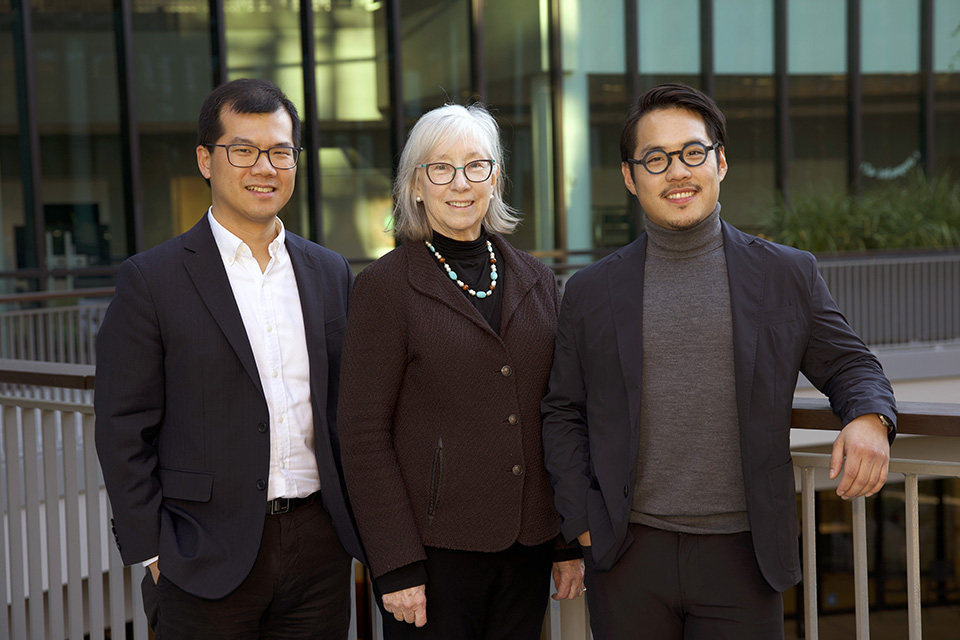
The study, by STEER leaders Sally Benson, William Chueh, and Adrian Yao, represents a novel approach to evaluating emerging energy technologies and providing guidance on innovation and investment strategies for the energy transition.
Read the news here:
news.stanford.edu/stories/20…
Read the study here:
nature.com/articles/s41560-0…
1
2
6
2,530
Geologist Mathieu Lapôtre is joined by @oceansolutions scholars to answer questions about the impacts of ocean sand mining and the role of sand in climate change adaptation: stanford.io/4fN0pja

Sand is the 2nd most used natural resource on Earth
@oceansolutions @stanforddoerr experts discuss how increased demand for sand has shifted attention to mining it from the ocean, often at the expense of coastal communities ➡️ sustainability.stanford.edu/…
@jb_jouffray @marslogander
2
5
1,506
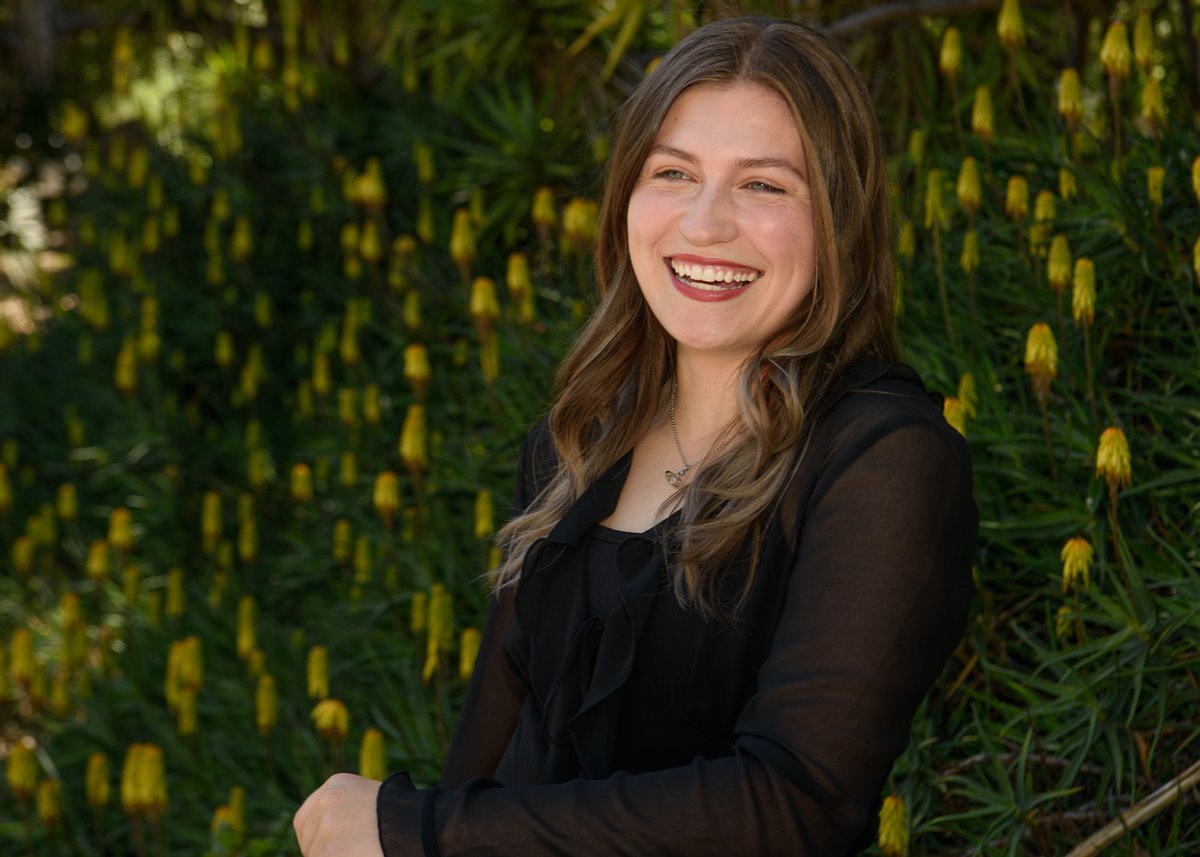
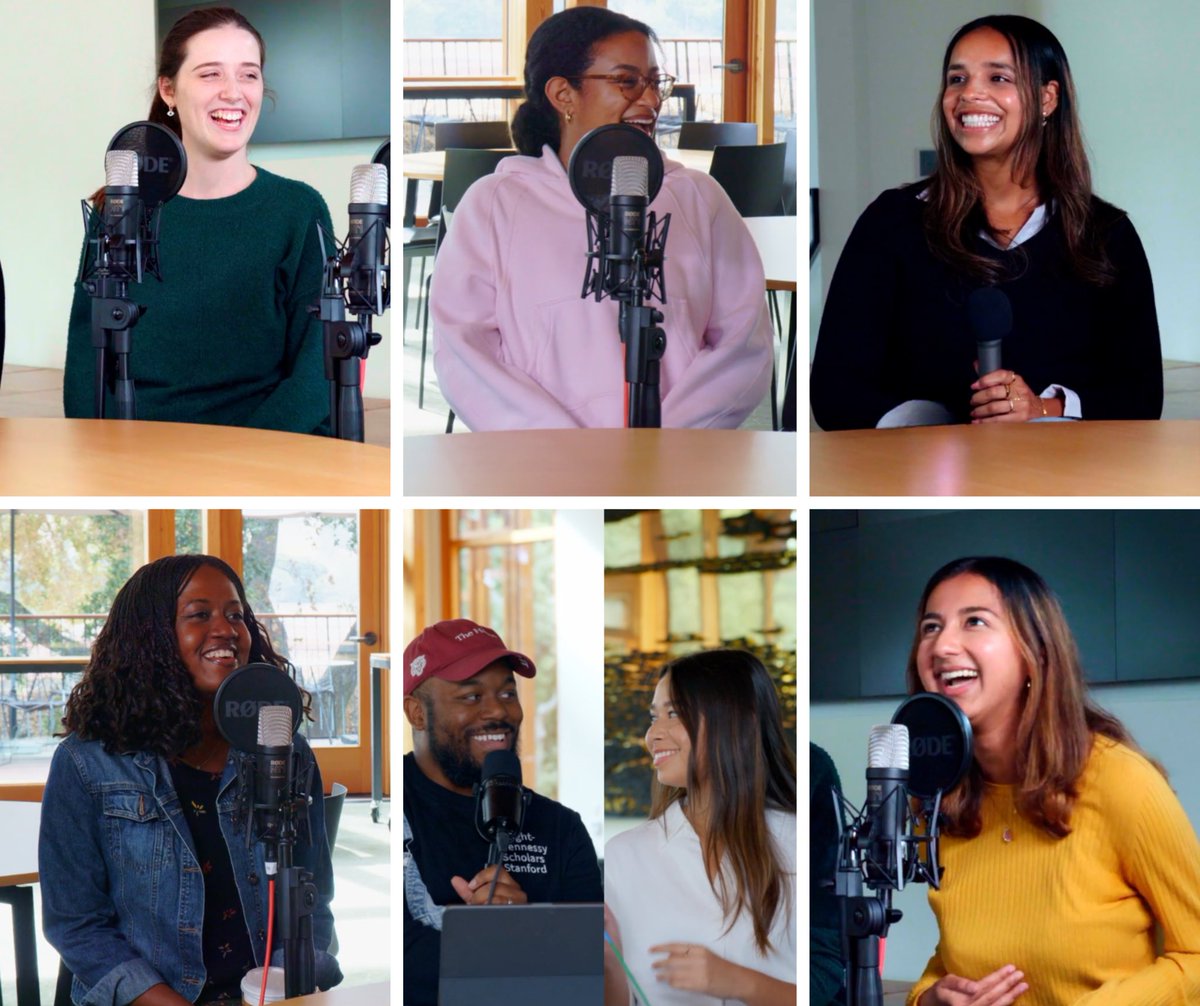
Five @KnightHennessy scholars including @stanforddoerr environment and resources PhD students Hannah Melville-Rea and Leona Neftaliem talk friendship, dance parties, and building authentic connections in this recent podcast episode. stanford.io/4fjktcB
11 Dec 2024

Hear from scholars Sanaa Alam, Hannah Melville-Rea, Leona Neftaliem, Jocelyn Ricard, and Takondwa Semphere, friends who found each other at KHS. Willie Thompson and Ashley Yeh interview the group on how friendship fuels their growth. stanford.io/4fjktcB
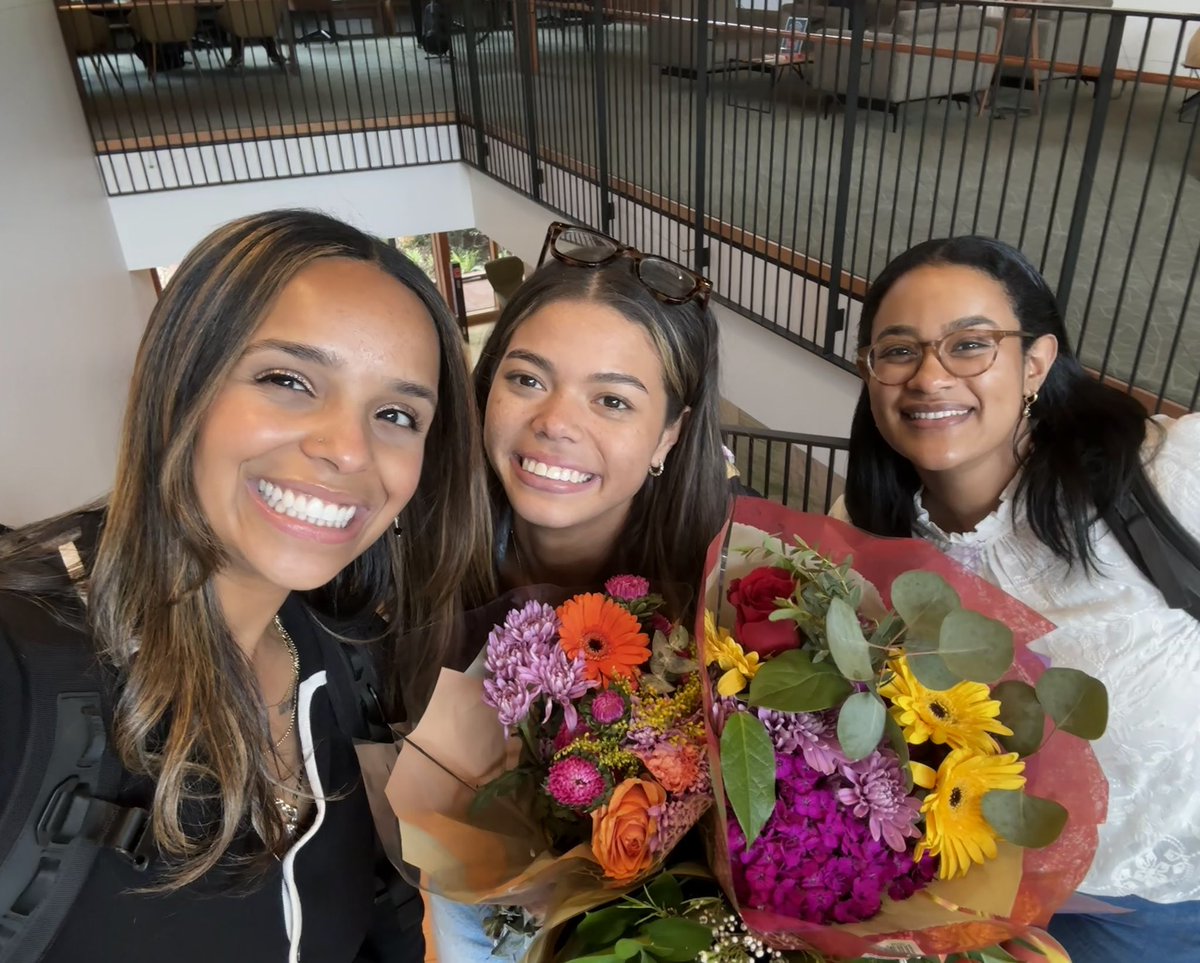
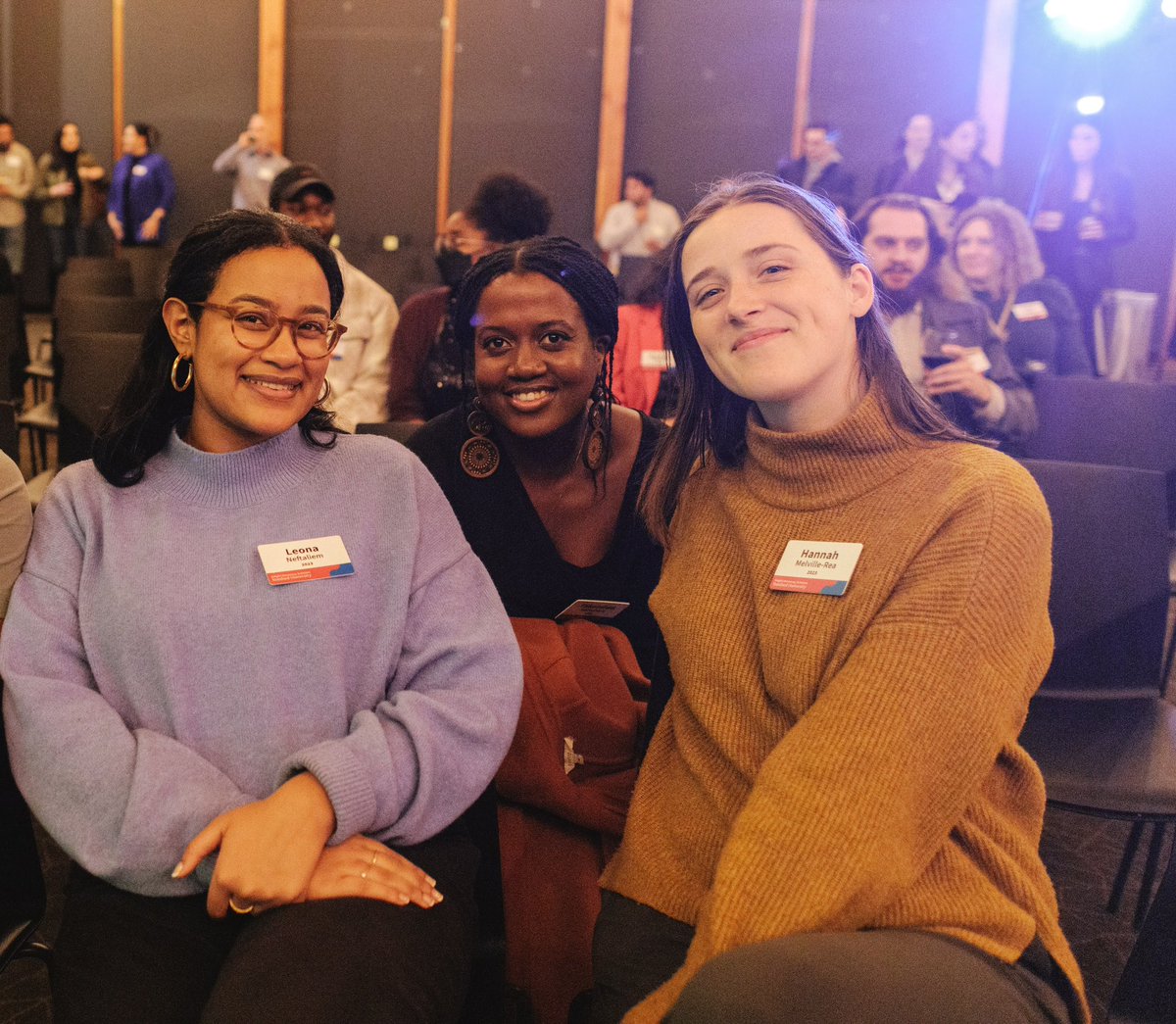
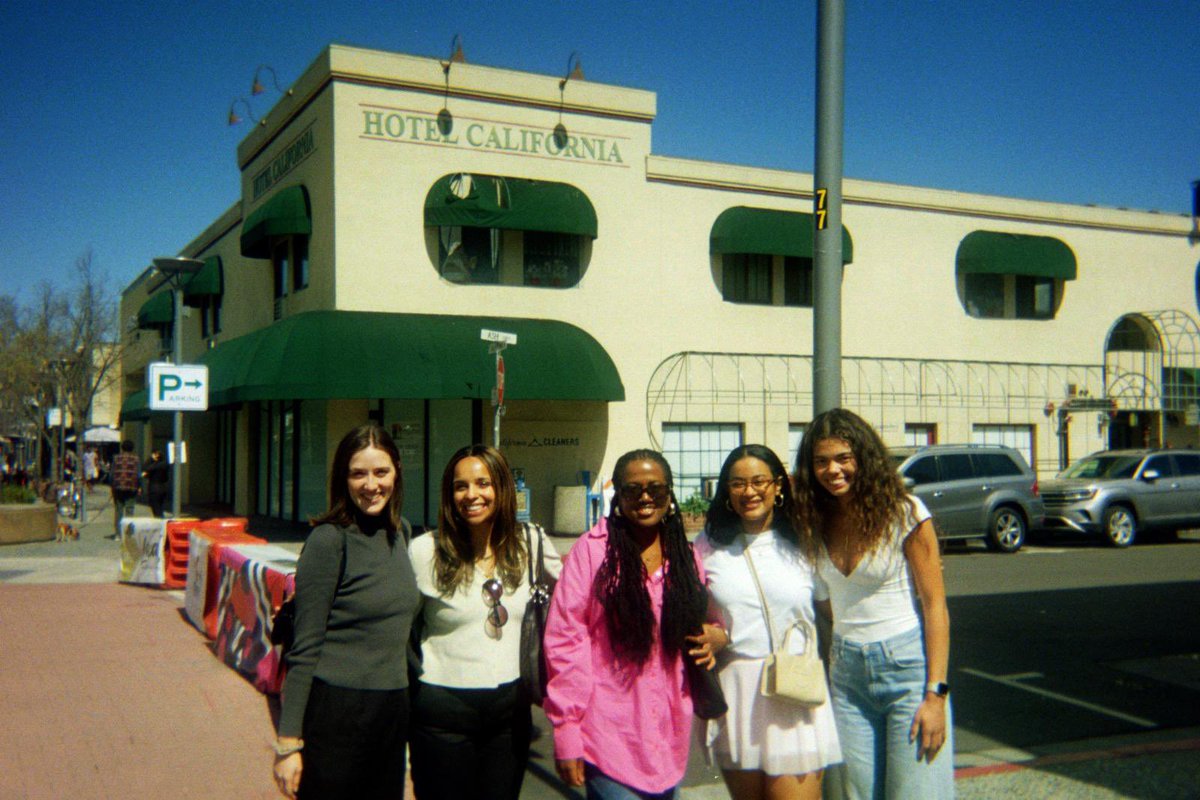
3
3
1,262
Interested in innovating scalable solutions to pressing sustainability challenges? 🔔 Reminder that applications for the Stanford Sustainability Accelerator Fellowship close Dec. 31. Details: stanford.io/3YwsiXw

➡️ Apply now for the Stanford Sustainability Accelerator Postdoctoral Fellowship, designed to support innovators to launch scalable real-world technology and policy solutions. Applications due Dec. 31: stanford.io/3YwsiXw
2
1,036
#AGU24 kicks off today in Washington, DC 🌎🚀 To all of our scholars attending, be sure to tag us @stanforddoerr as you share your experience throughout the week!
9 Dec 2024

🌍 Welcome to Day 1 of #AGU24! With over 28,000 attendees from 100 countries, we’re thrilled to kick off this incredible week in Washington, D.C., exploring the theme “What’s Next for Science.” 🚀
youtu.be/oHKETo4zdu0
Here’s a suggested itinerary to help you plan:
1
827
Stanford Doerr School of Sustainability retweeted

2 Dec 2024
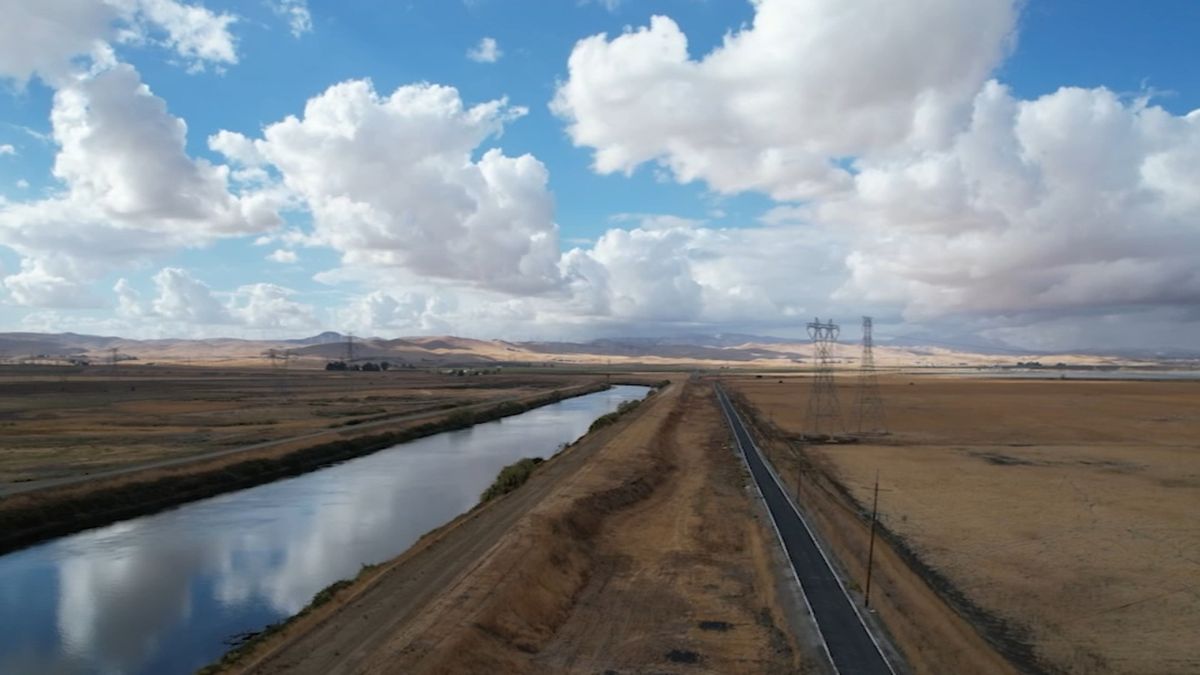
Stanford study documents sinking in San Joaquin Valley and looks for potential solutions abc7ne.ws/3VhW2oQ
1
1
1
1,463
🔔 Reminder: Apply by Monday, Nov. 11 for the Dean’s Sustainability Leaders Postdoctoral Fellowship Program, designed to support outstanding scholars in sustainability who are also leaders in diversity and inclusion. stanford.io/40bN6Vh
📢 Postdoc fellowship opportunity: Apply by Nov. 11 for the @stanforddoerr Dean's Sustainability Leaders Postdoctoral Fellowship. The program supports outstanding scholars in sustainability who are also leaders in diversity and inclusion. stanford.io/40bN6Vh
1
4
1,139
Human health ↔️ planetary well-being: A new center at Stanford seeks to address the interconnected challenges of global health & environmental sustainability. stanford.io/3YJW9vr
The Center for Human and Planetary Health is a joint effort with @StanfordWoods & @StanfordCIGH
31 Oct 2024

🎊 Announcing the launch of the Stanford Center for Human and Planetary Health, a collaboration between @stanforddoerr @StanfordMed and housed at @StanfordWoods! The center will tackle challenges at the intersection of health, climate change & more. stanford.io/3YJW9vr
1
4
814
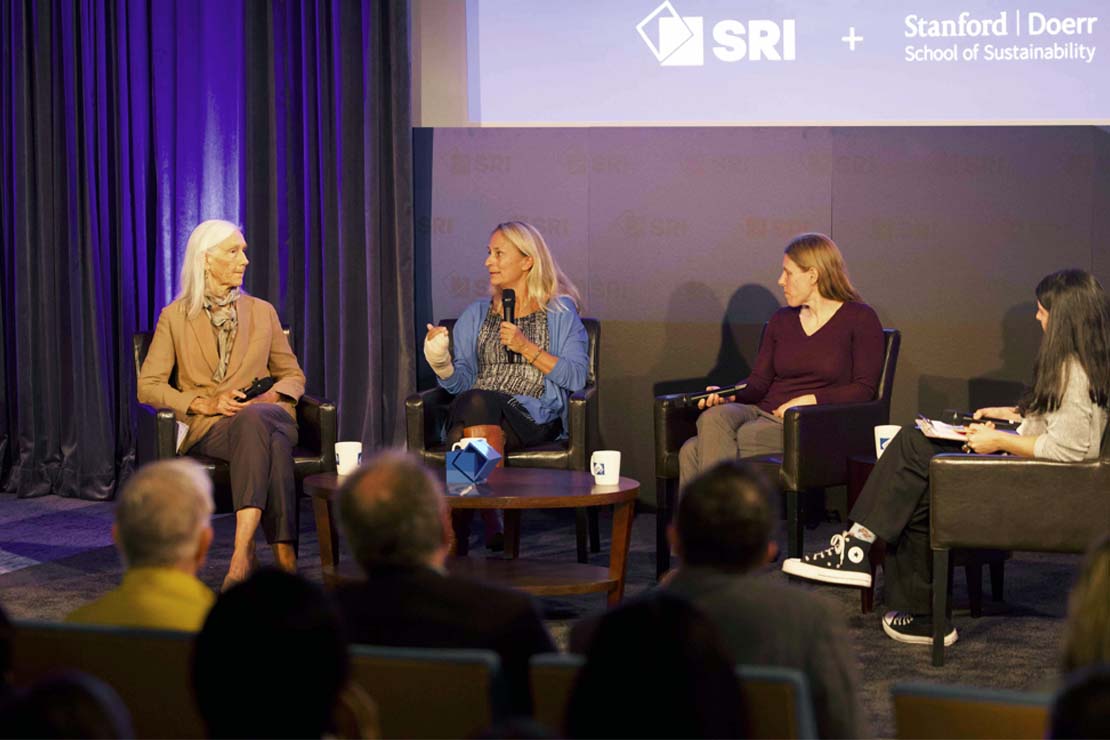
Innovative ocean technology is critical for deepening understanding, democratizing data, and monitoring marine life, said leaders from Stanford, @SRI, and @MontereyAq at a recent event. Recap: stanford.io/3C4SqzW
📸: SRI
ALT A panel of speakers on stage
2
2
1,007
Managing director of the Stanford Center for Carbon Storage Sarah Saltzer served on the standard development committee for CarbonStar, a new standard to quantify the carbon impact of concrete across the US and Canada.
30 Oct 2024

Excited to announce the launch of #CarbonStar, a new binational standard to quantify the carbon impact of concrete. CarbonStar® will help manufacturers, designers & builders make greener, more sustainable choices for a lower-carbon future! Check it out at carbonstarstandard.org!
2
2
770
➡️ Apply now for the Stanford Sustainability Accelerator Postdoctoral Fellowship, designed to support innovators to launch scalable real-world technology and policy solutions. Applications due Dec. 31: stanford.io/3YwsiXw
2
1,484
This year, @StanfordWoods marks 2 decades of impact 🌎 Learn more about the institute, which is now part of @stanforddoerr, and how its interdisciplinary approach has redefined the relationship between science, policy, and real-world solutions. stanford.io/48uTMjm
1
1
388
🌿 As #COP16Colombia continues this week, representatives from @NatCapProject are in conversation about mainstreaming natural capital and use cases for decision making and investment.
581
New graduate degree program alert: In Environmental Social Sciences, @stanforddoerr’s newest department, PhD students will learn with faculty in disciplines including psychology, sociology, economics, anthropology, and more. stanford.io/3NIoJHt
1
1
502
Stanford Doerr School of Sustainability retweeted
🏆✨🌊🎥 We're delighted to share that our "Oceans in a new light" video won a @CASEAdvance award!
This short film showcases how @oceansolutions, @Dionne_Group, @PICRCPalau are developing an optical sensor to help monitor marine species ➡️ caseawards.secure-platform.c…
📸 A. Brodhead

ALT A pair of tweezers holds up a small glass square against a black background. In the center of the glass, there is a grid-like pattern of tiny sensors. Photo credit Andrew Brodhead.
5
7
680
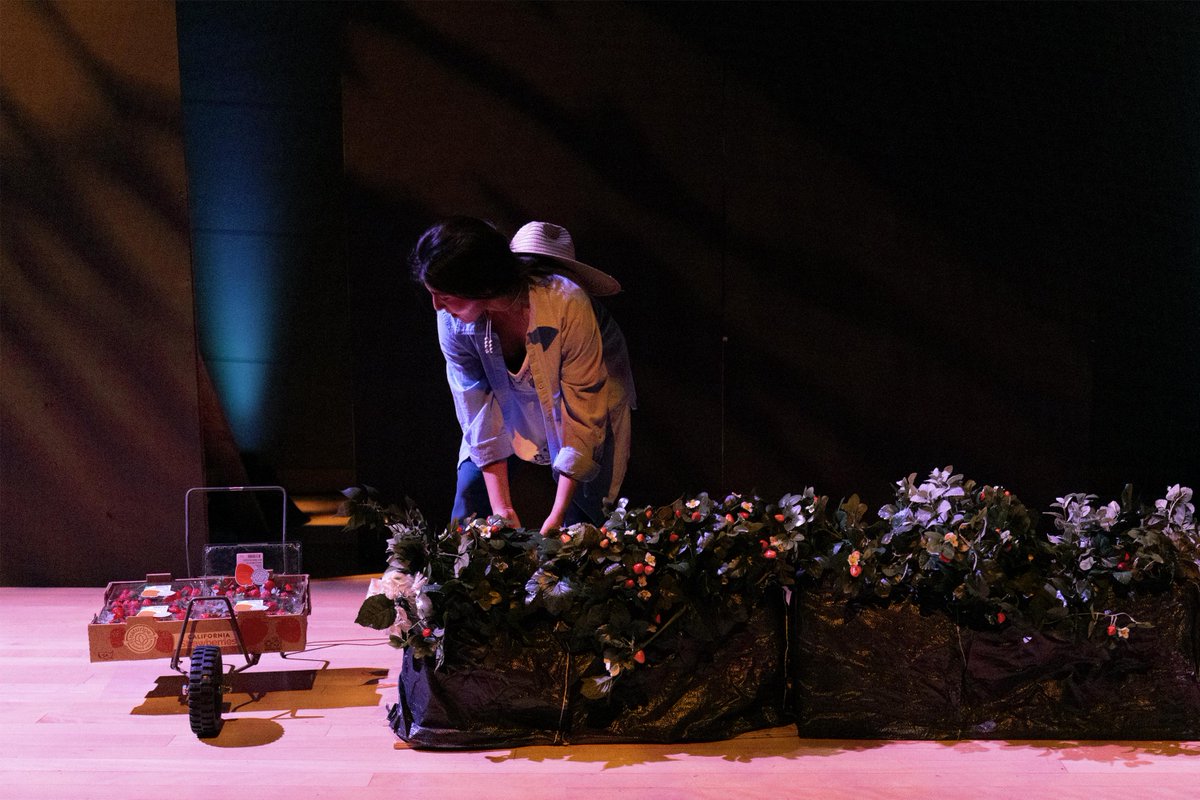
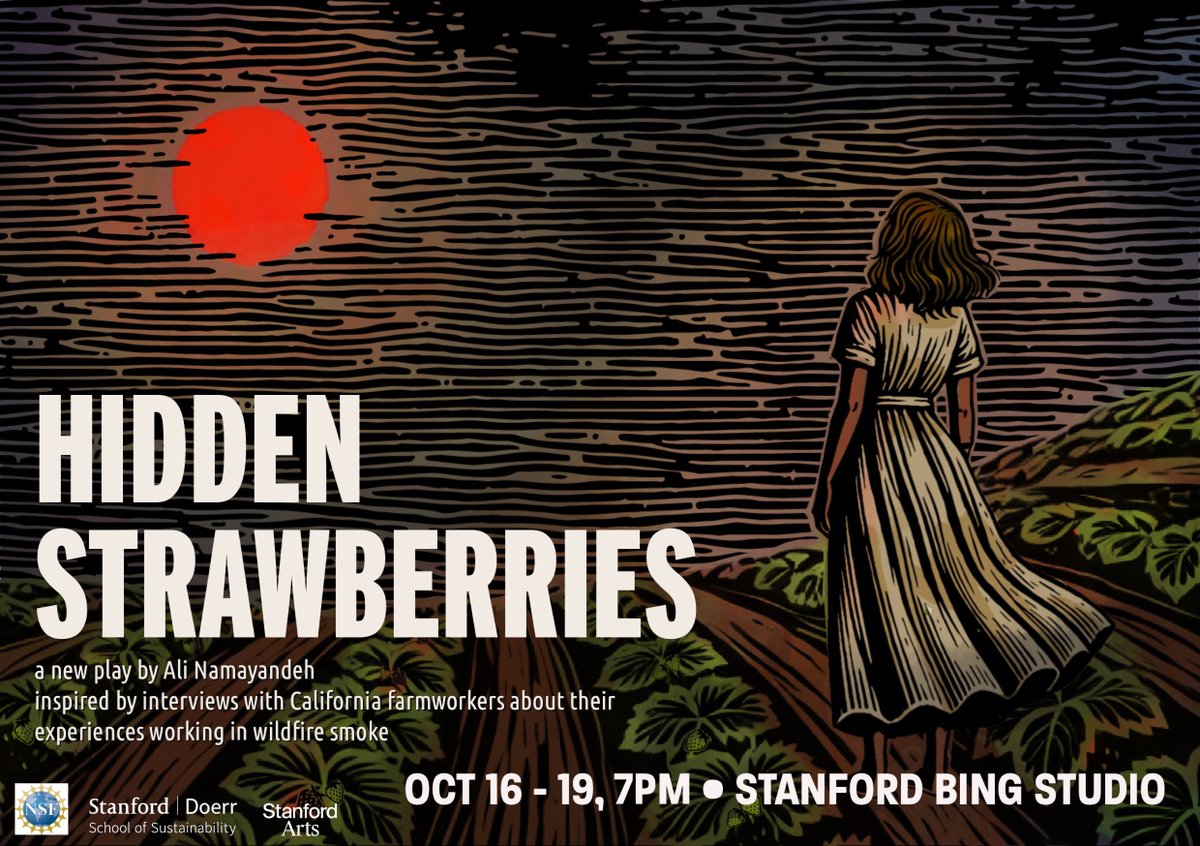
🎭 A new play written and directed by postdoctoral fellow Ali Namayandeh debuted at Stanford this month, combining scientific research, community interviews, & the arts to raise awareness about issues such as environmental injustice. Recap: stanford.io/3O2FJZj
📸: Frank Chen
ALT An actor on stage picking strawberries
3
2
712
📢 Postdoc fellowship opportunity: Apply by Nov. 11 for the @stanforddoerr Dean's Sustainability Leaders Postdoctoral Fellowship. The program supports outstanding scholars in sustainability who are also leaders in diversity and inclusion. stanford.io/40bN6Vh
3
3
1,825
A new open-source tool democratizes the ability to design instruments for monitoring ice sheets – making it easier for scientists to understand how ice sheets contribute to global sea-level rise. stanford.io/3UiegGd @RadioGlaciology
1
6
648
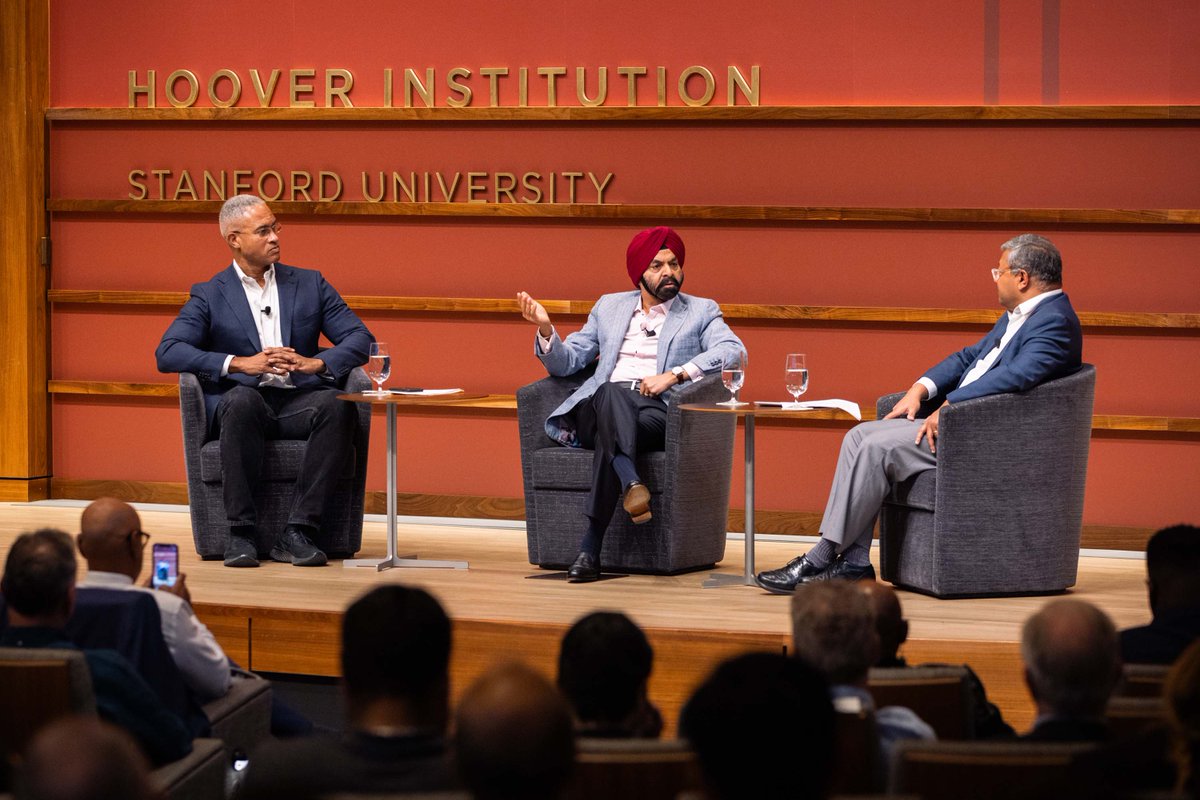
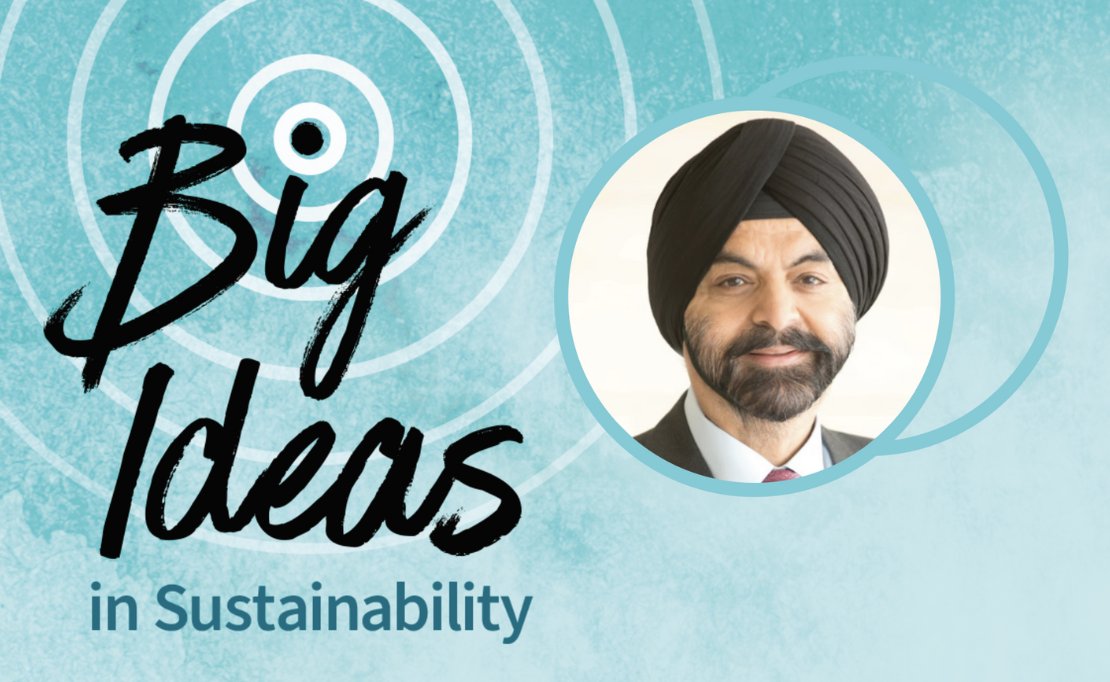
President of @WorldBank Ajay Banga discussed the interconnectedness of global challenges in a recent conversation with leaders from @HooverInst and @stanforddoerr.
🎥 Highlights: youtu.be/B7ICqair2bk
📸: Patrick Beaudouin
ALT Ajay Banga speaks on stage with Peter Blair Henry and Arun Majumdar
1
3
8
2,723