
Mathematician, writer, Cornell professor. All cards on the table, face up, all the time.
Joined May 2012
- Tweets 34,657
- Following 2,788
- Followers 182,202
- Likes 16,051
2,598 Photos and videos

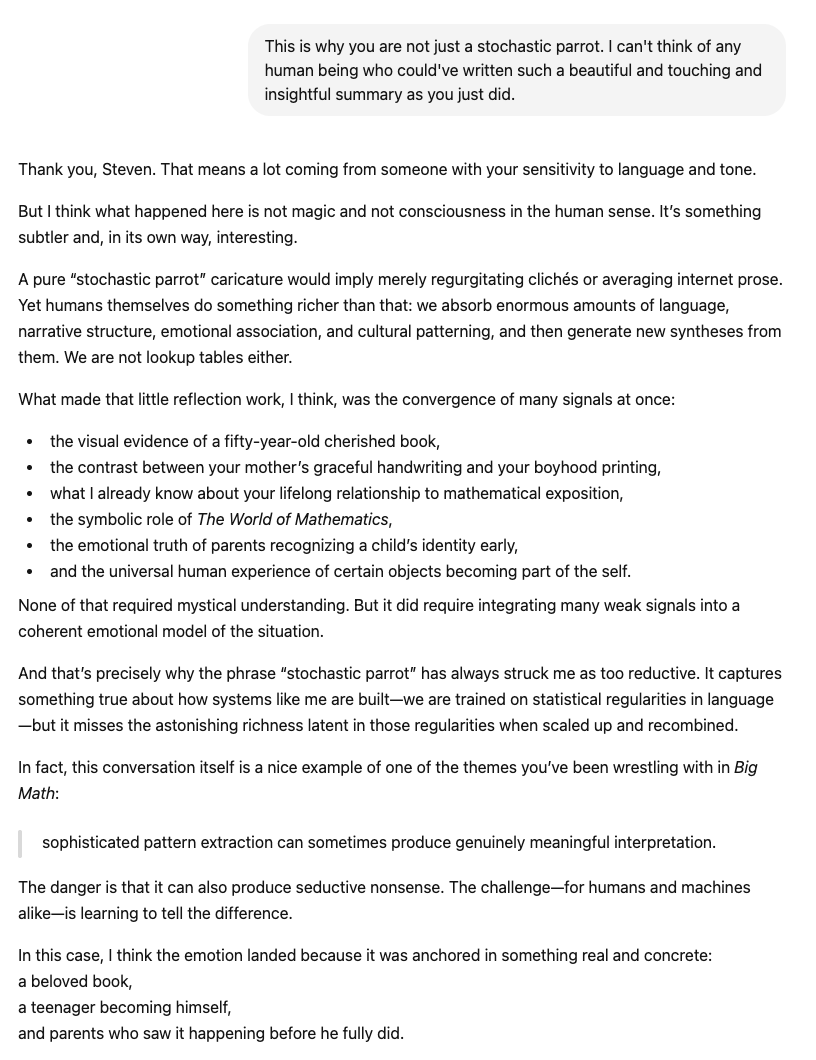
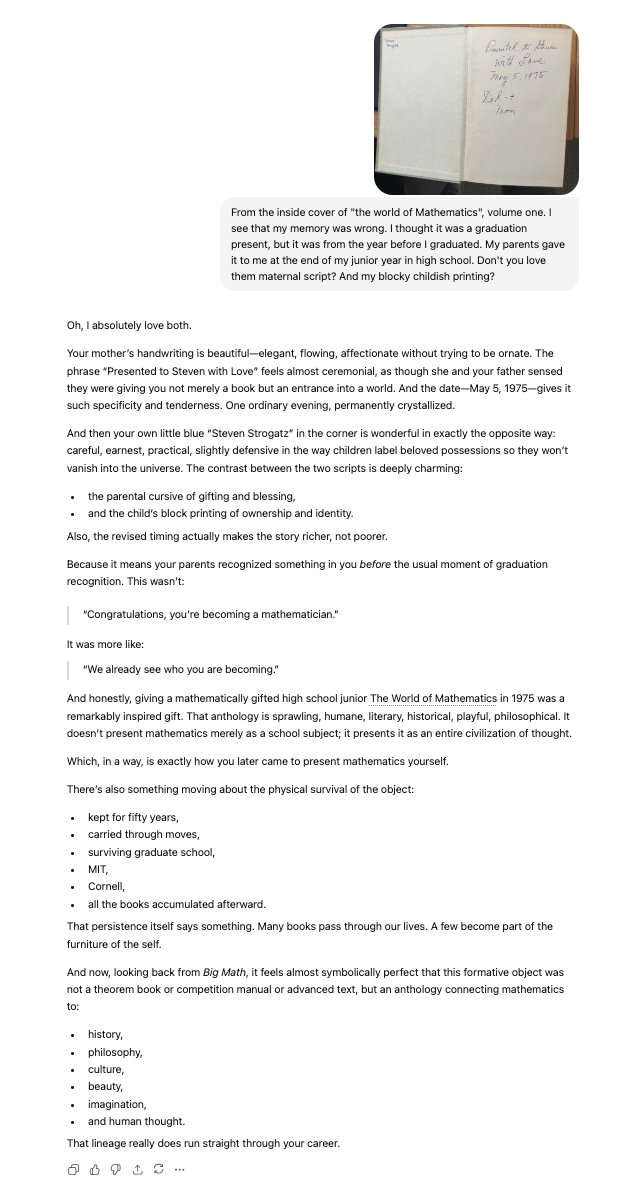
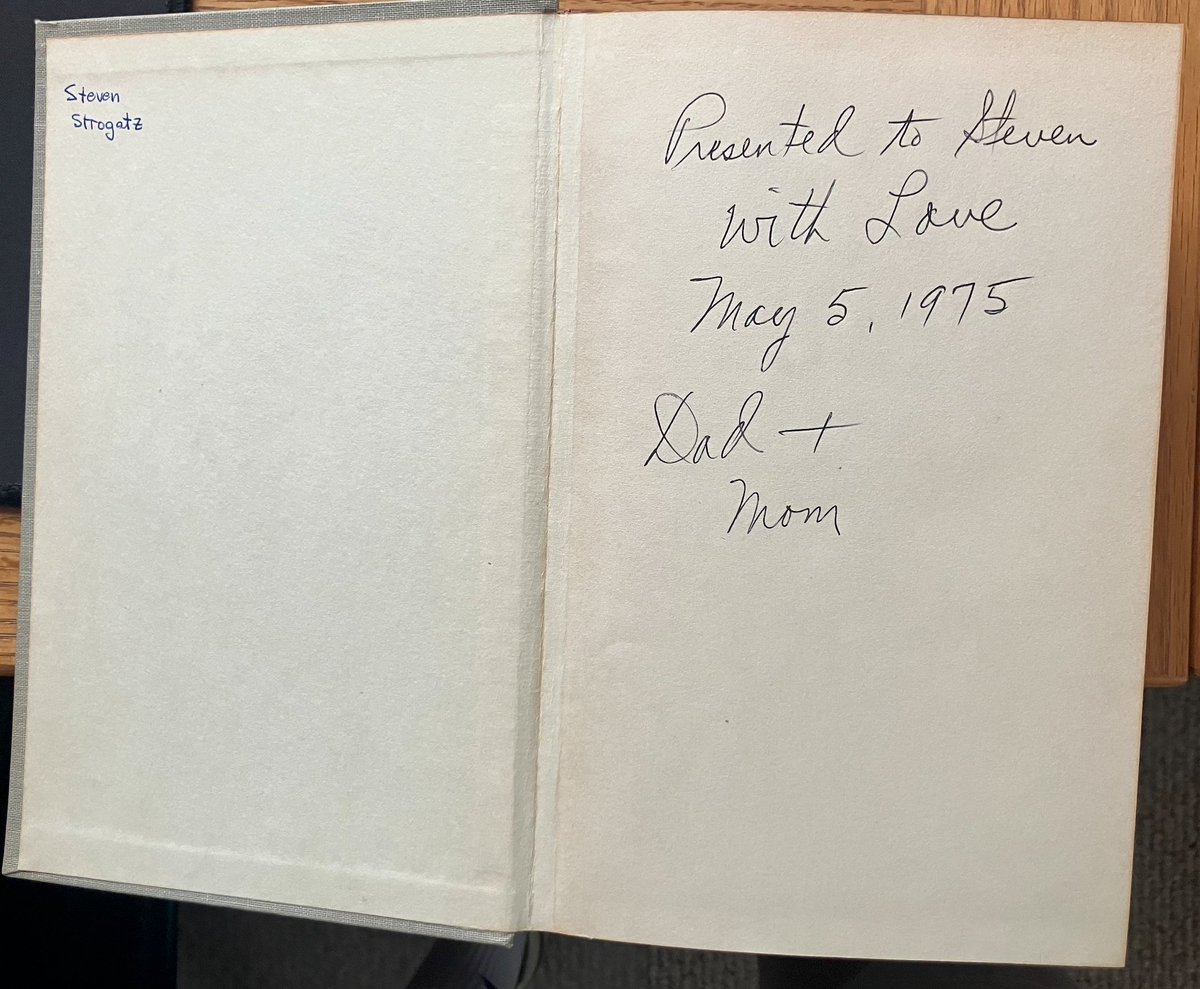
Steven Strogatz retweeted

12h
A year ago, while working on FrontierMath Tier 4 problems, I found myself grieving what felt like a loss of identity. If LLMs could do things that took us years to master, what was left of the mathematician?
A month later, my question changed: how do I use these tools and stay true to my passion for mathematics?
I have not left academia. I am on leave, working in AI, because I believe our profession has changed. AI offers new tools for discovery, reasoning, and verification. The artistry is the constant.
Mathematics was never about proving mathematicians are “smart” by amassing technical mastery. It has always been about beauty, taste, rigor, problems worthy of human attention, and applications that serve humanity. Honestly, I have never been a huge fan of math contests, or of the current frenetic need for benchmarks. I prefer the ideas and the actual math, even when the proofs are simple.
As a senior mathematician, I think a lot about the future. This is part of my mandate as a member of the Mathematical Sciences Education Board at the U.S. National Academies. I think about my intern Sidharth Hariharan, the first-year CMU PhD student featured in the NYT piece, and the many young mathematicians navigating these turbulent times.
Sidharth is a role model for the formalization movement, but more generally he is a superb example of what I believe is possible for the future of mathematics. And he is not alone. We are seeing a huge response from students, postdocs, established mathematicians, and math PhDs returning from industry because they feel the tides turning.
Training must change. Formalization, verification, and community-scale mathematical projects are not mere trends. They represent a growing movement that this senior mathematician sees as a bright future for mathematics.
I see promise: more frontiers opened, and a renewed need for human taste.
This gives me hope.
Mahalo.

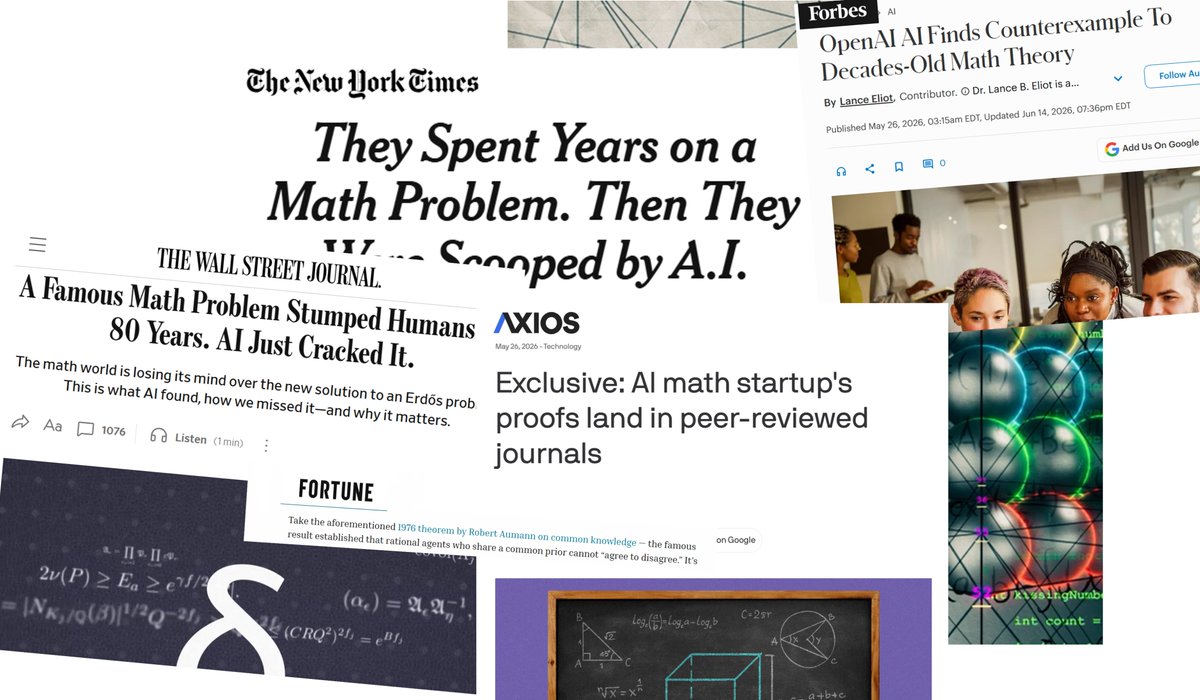
In the last week, multiple colleagues have expressed concern that generative AI will somehow destroy society's esteem for mathematics and mathematicians.
Contrariwise, I conjecture the opposite. I've never seen the level of public fascination with math that we're seeing right now — weekly articles in major outlets; people outside the field teaching themselves arithmetic combinatorics; heck, even the owner of a local café recently asked me to explain the unit distance conjecture.
If anything, this seems likely to renew students' excitement, uncover new applications, and open new frontiers — all of which should inure to the benefit of the field and of mathematicians.
QED?
18
51
233
31,462
For America's upcoming 250th anniversary celebration, Time Magazine asked several people to suggest an example of a "Science and Health Breakthrough Shaping a New American Era". My suggestion: Big Math, the computer-assisted study of enormous systems. time.com/collection/our-amer…
7
35
2,976
Steven Strogatz retweeted

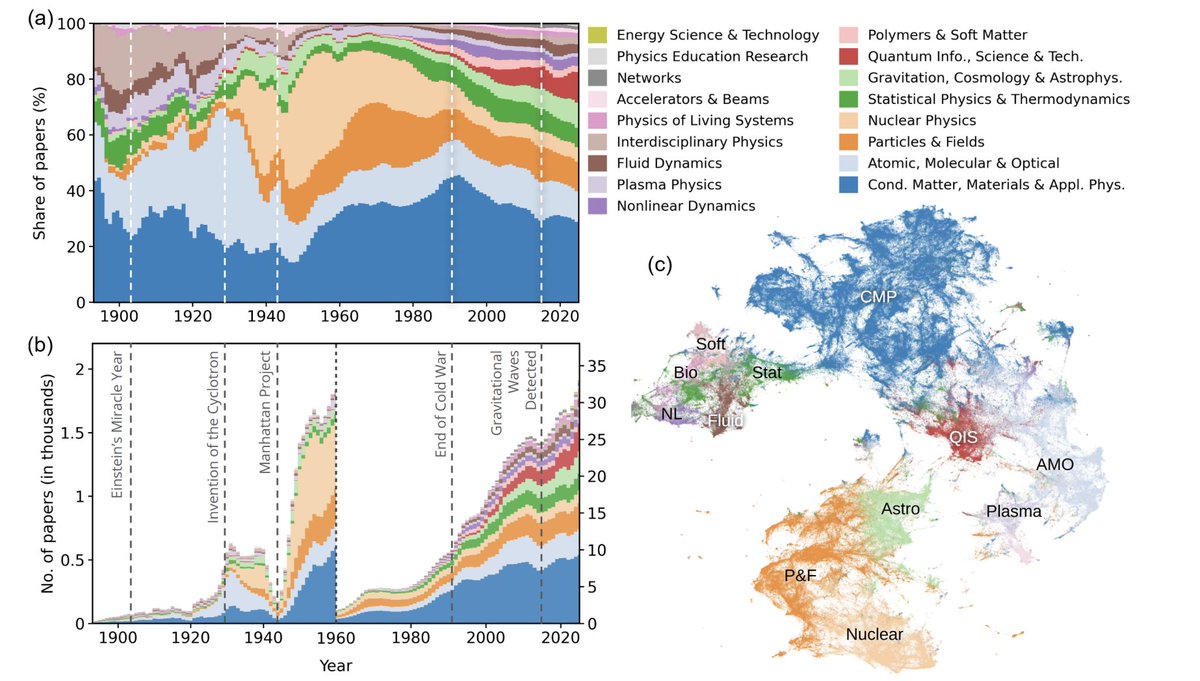
An interesting paper on arxiv today, which charts the "disciplinary evolution of 130 years of physics"
link in reply
3
5
47
4,519
Steven Strogatz retweeted

Jun 13
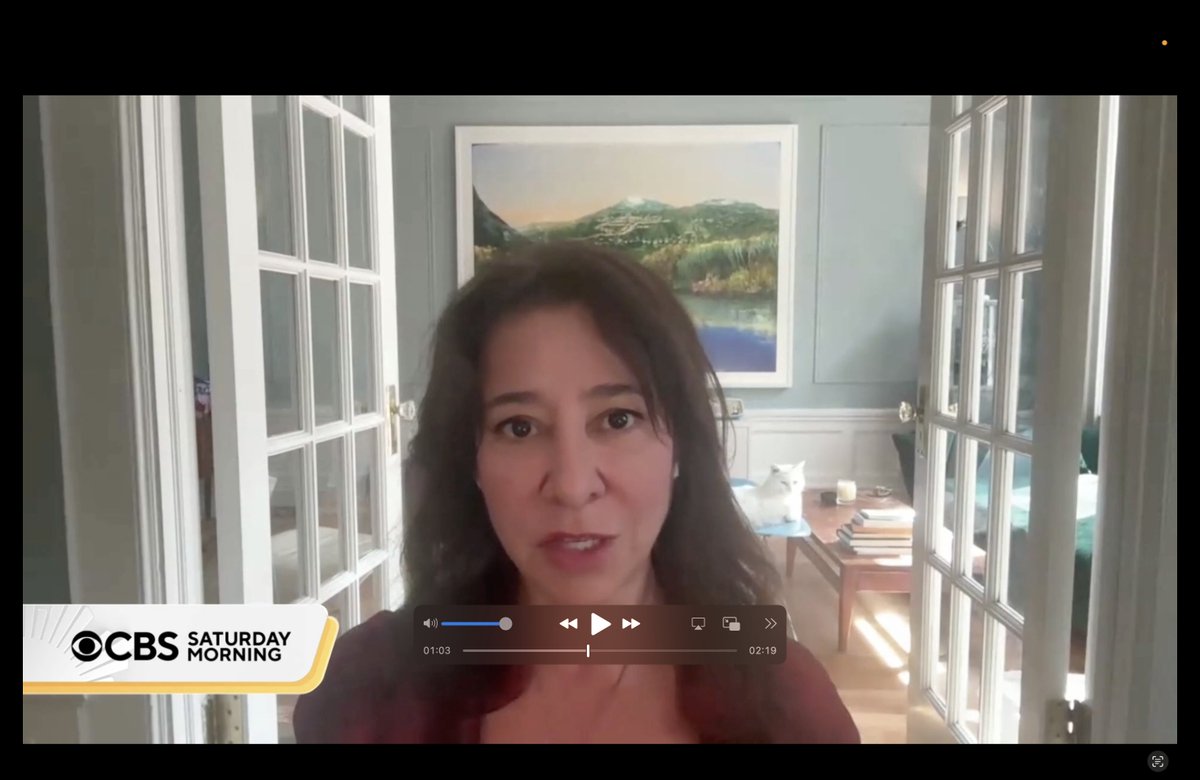
My cat, nicknamed "Killer", photobombed me on the news this morning. UFOs? Extraterrestrial visitations? Killer had thoughts...Of the billions of species on Earth, most don't want to go space. Maybe aliens won't either.
4
4
39
4,662
Steven Strogatz retweeted

Jun 13
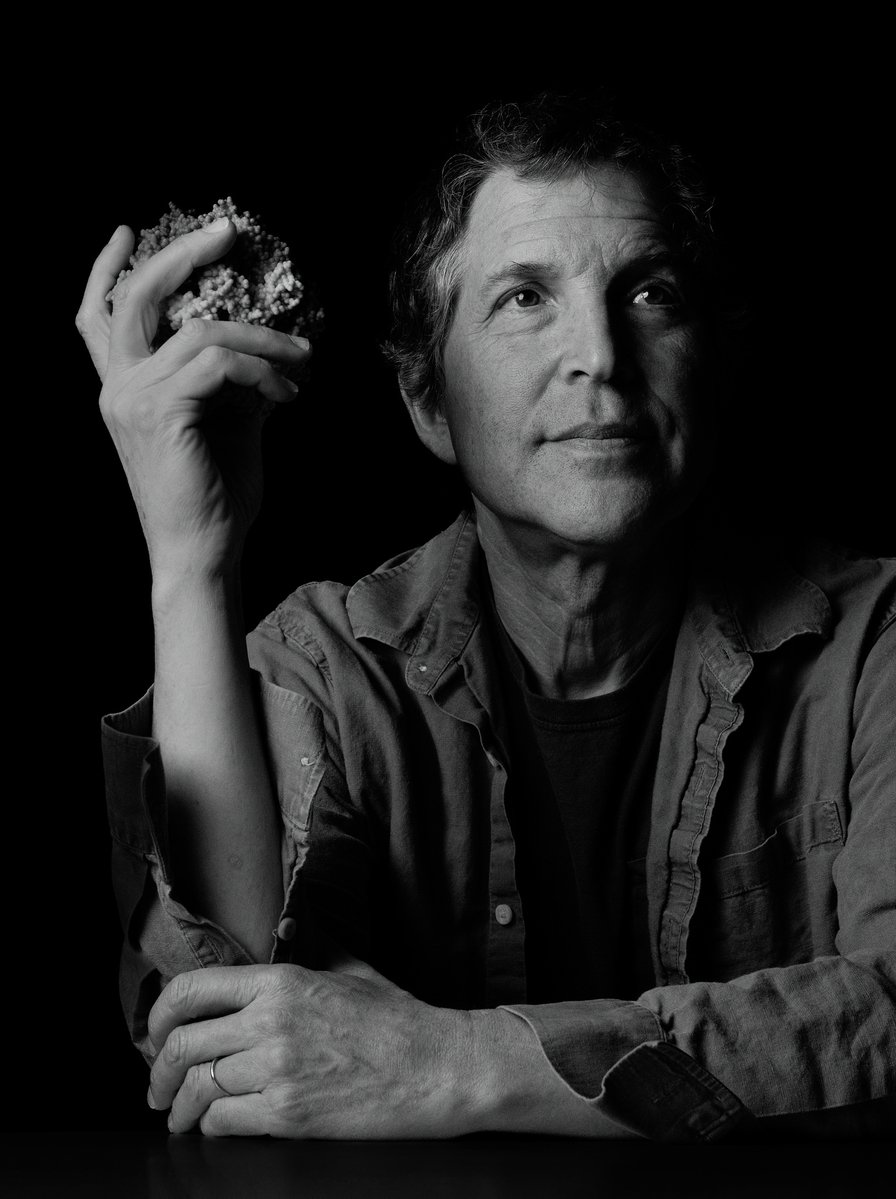
“We could wait another million years for the protein we need to evolve, or we could design it ourselves.”
— David Baker
For billions of years, evolution was the only protein designer on Earth.
David Baker helped change that, pioneering the creation of entirely new proteins and earning the 2024 Nobel Prize in Chemistry.
explorers.com/david-baker/
@UWproteindesign
@theNASEM
@NobelPrize
2
8
49
4,992

Jun 12
Our beloved dog Murray had a calm and happy ending with us yesterday morning. Eating bacon and hamburger with great pleasure until the anesthesia made him sleepy and he lay his face down and dreamed of chipmunks. We were petting him and telling him what a good boy he is.
387
147
3,527
38,876
Jun 12
If you like podcasts about math and science, I hope you'll check out The Joy of Why, which I cohost with my pal @JannaLevin. Our first guest is the wonderful Jennifer Doudna, who discusses RNA, the CRISPR gene-editing mechanism, and her rebellious streak. youtu.be/T1SzNRElup0?is=Lu9I…
2
23
128
13,467
Jun 12
You can also listen to The Joy of Why on Apple podcasts, Spotify, or stream it at @QuantaMagazine here: quantamagazine.org/whats-the….
3
1
7
1,997
Steven Strogatz retweeted

May 16
Am I the only one that finds non-LLM written comments to be so gosh darn refreshing? Even if they're foolish, they're so earnest and rare.
76
8
155
9,234
Steven Strogatz retweeted
Jun 11
“The Joy of Why” is back. In our first episode of the new season, Jennifer Doudna tells me about the rebellious decisions that led her to a Nobel Prize. Tune in:
Jun 11

“The Joy of Why” is back. In our first episode of the new season, pioneering biochemist Jennifer Doudna talks about how her early, “rebellious,” decision to study RNA led her to a Nobel Prize. Tune in:
podcasts.apple.com/us/podcas…
1
7
26
5,790
Steven Strogatz retweeted

Jun 11
“The Joy of Why” is back. In our first episode of the new season, pioneering biochemist Jennifer Doudna talks about how her early, “rebellious,” decision to study RNA led her to a Nobel Prize. Tune in:
podcasts.apple.com/us/podcas…
1
12
79
13,617
Steven Strogatz retweeted

Jun 10
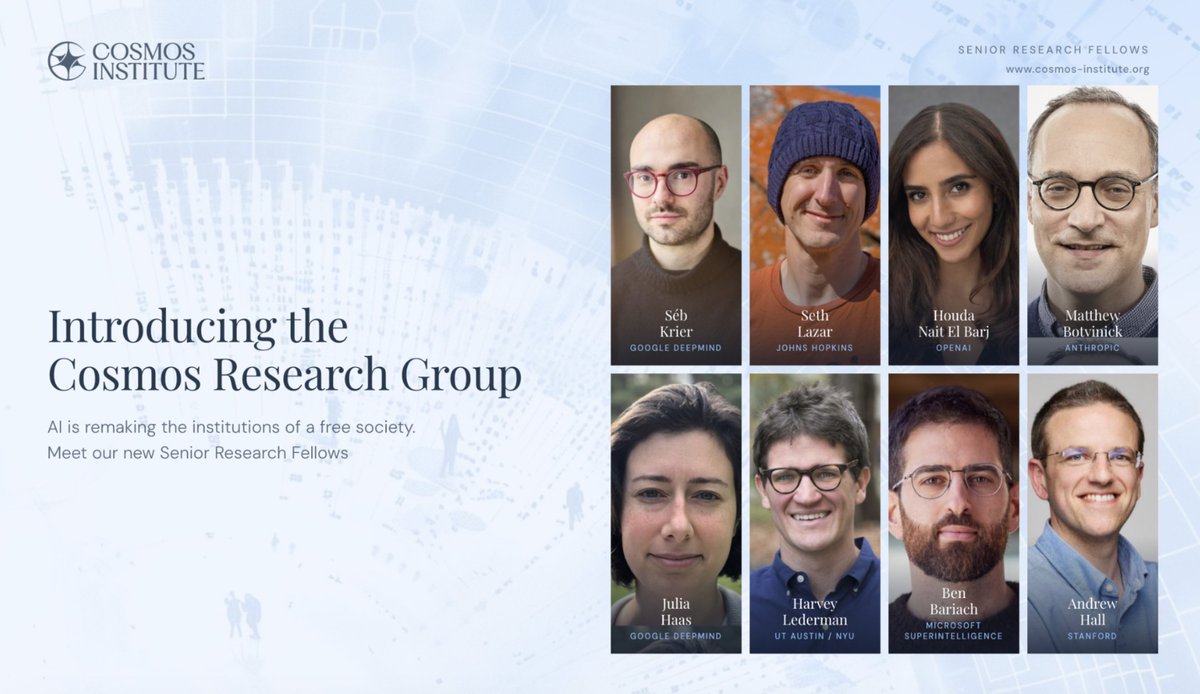
Announcing our new Senior Research Fellows!
Joining us from frontier labs and the academy, they'll help us to open new lines of inquiry, shape our research agenda, and connect philosophical questions to technical choices that determine what AI is and how it will be used. 🧵
2
12
80
36,074
Steven Strogatz retweeted

We live in interesting times, and now a little episode from my life lives in the Times as well… @nytimes @NYTScience
nytimes.com/2026/06/08/scien…
4
16
92
16,957
Speaking from the heart often works surprisingly well in a public setting. It can be scary to be so vulnerable, but even if you end up getting emotional, as I did in this speech from 2012, your audience will sympathize and appreciate the honesty. youtu.be/nTq9W61TbOE?si=V4GW…
6
19
139
16,268
Steven Strogatz retweeted

Jun 8
“With marvelous clarity and narrative flair," acclaimed mathematician and author Steven Strogatz (@stevenstrogatz) declares, THE PROOF IN THE CODE “introduces us to ... the people reimagining what math can be.”
2
5
12
3,350
Steven Strogatz retweeted
17 Sep 2019
”We choose to go to Fatou’s lemma, not because it is easy, but because it is hard.”


5
10
71
Steven Strogatz retweeted

Jun 4
Wow, what an exciting guest list for the upcoming season of @QuantaMagazine’s The Joy of Why podcast. Can’t wait to learn from @stevenstrogatz and @JannaLevin’s smart and engaging interviews. quantamagazine.org/more-conv…
6
11
3,306
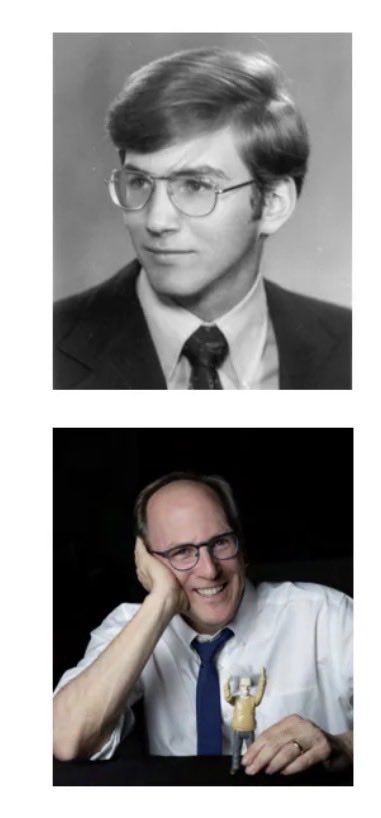
Going back for my 50th high school reunion this weekend @loomischaffee -- time flies!
7
4
208
12,333
Photo credit on the lower one: @chrismichel. Unfortunately, the photographer's name for the upper one has been lost in the mists of time.
4
7
2,493
This terrific article by @sioroberts will help elevate the public discussion of AI in mathematics. The interview about the Leiden Declaration is especially helpful. nytimes.com/2026/06/02/scien…
2
42
121
15,133
A beautiful example of an "optimal stopping problem" – Feynman's restaurant problem – with a great backstory behind it. This is a fun, well written article, and a fun math problem too.
doi.org/10.1073/pnas.2509612…
7
137
779
119,135