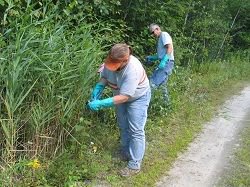
Invasive species pose a serious threat to VT communities. Become part of the solution: learn, get involved, make a difference!
Joined August 2016
- Tweets 447
- Following 204
- Followers 193
- Likes 127
321 Photos and videos

15 May 2020
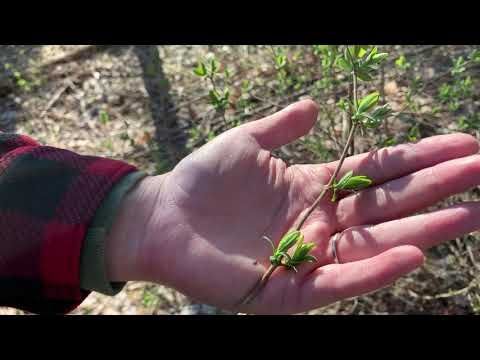
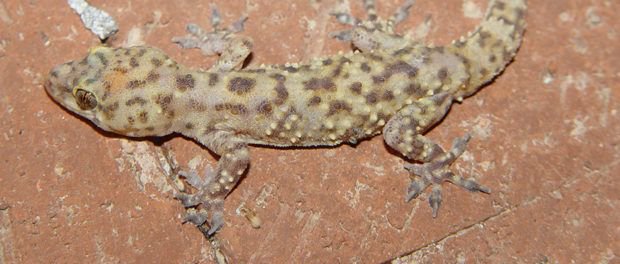
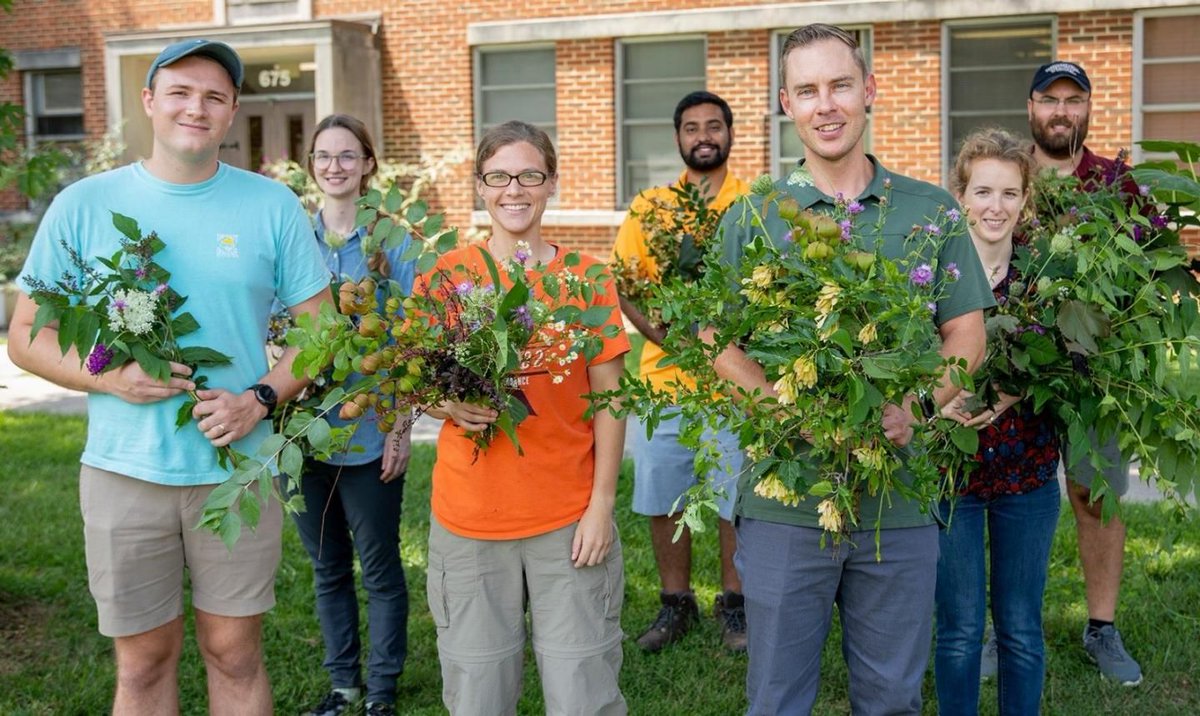
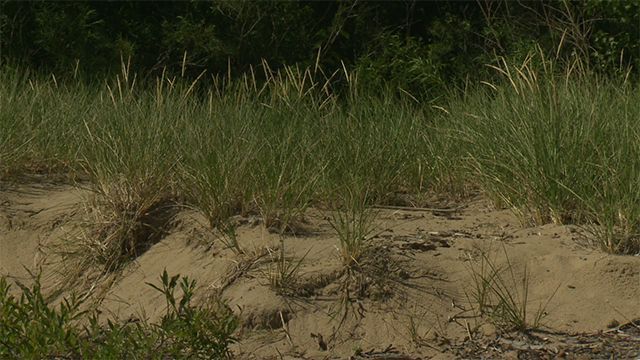
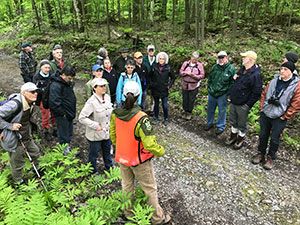
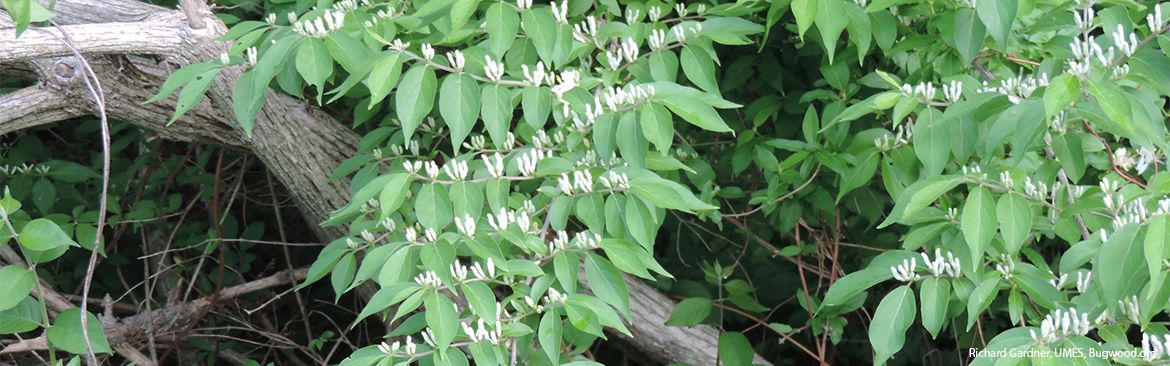
Join VT Dept of Forests, Parks & Rec, as we walk through the woods to learn how to recognize and remove one of the most common invasive plants in Vermont, the bush honeysuckle. #ForestFriday @VTANR buff.ly/2SX9yhw
4
3
14 Jan 2020
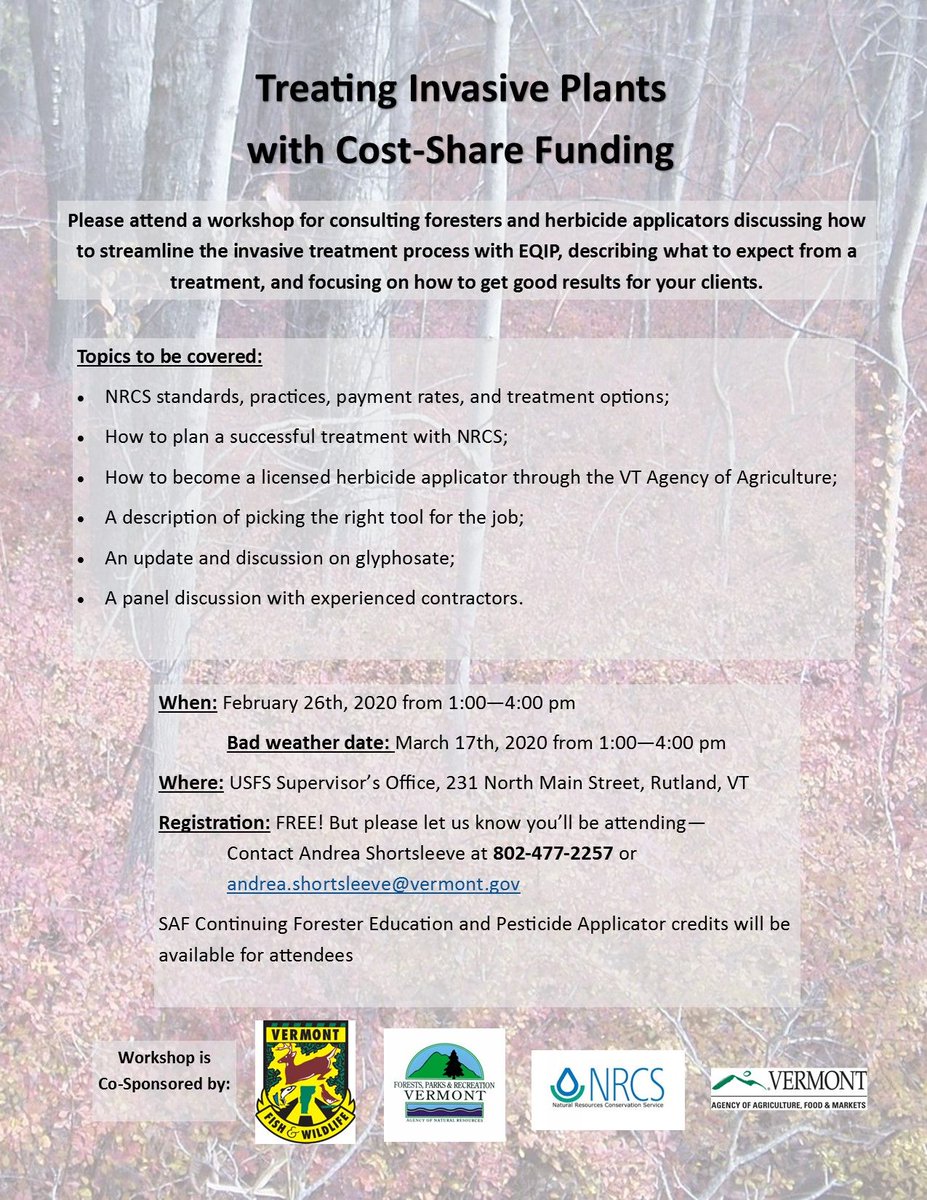
Calling all consulting foresters: Vermont Departments of Fish and Wildlife and Forests, Parks and Recreation will be holding a workshop discussing how to treat invasive plants using cost-share funding on February 26th in Rutland, VT.
3
4
24 Nov 2019
Check out the baitfishing regulations for 2020, designed to help reduce aquatic invasive species.
buff.ly/33cJ1io
23 Nov 2019
Another way to promote trees, fight EAB, and get involved in your community! 🌳 That's what we call a win-win-win.
buff.ly/35srNPW
22 Nov 2019
Hey! Calling all artistically-inclined, invasive plant crusaders: Here's an opportunity for you!
buff.ly/2XDtZBj
1
31 Oct 2019
September's Vermont Forest Health Update from the Department of Forests, Parks and Recreation. buff.ly/2p3AgJG
28 Oct 2019
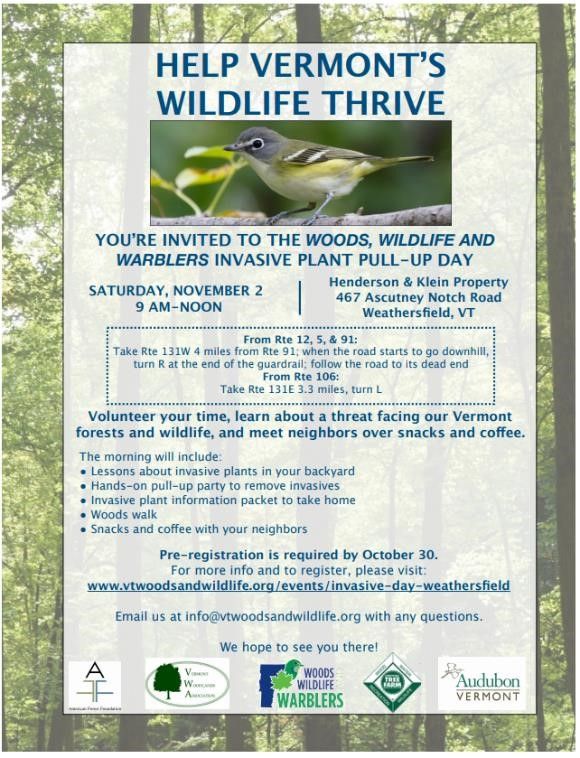
Invasive Plant Pull-up Day, Saturday November 2nd, 9am-Noon. Details and pre-registration found here: buff.ly/2BEbCC5
24 Oct 2019
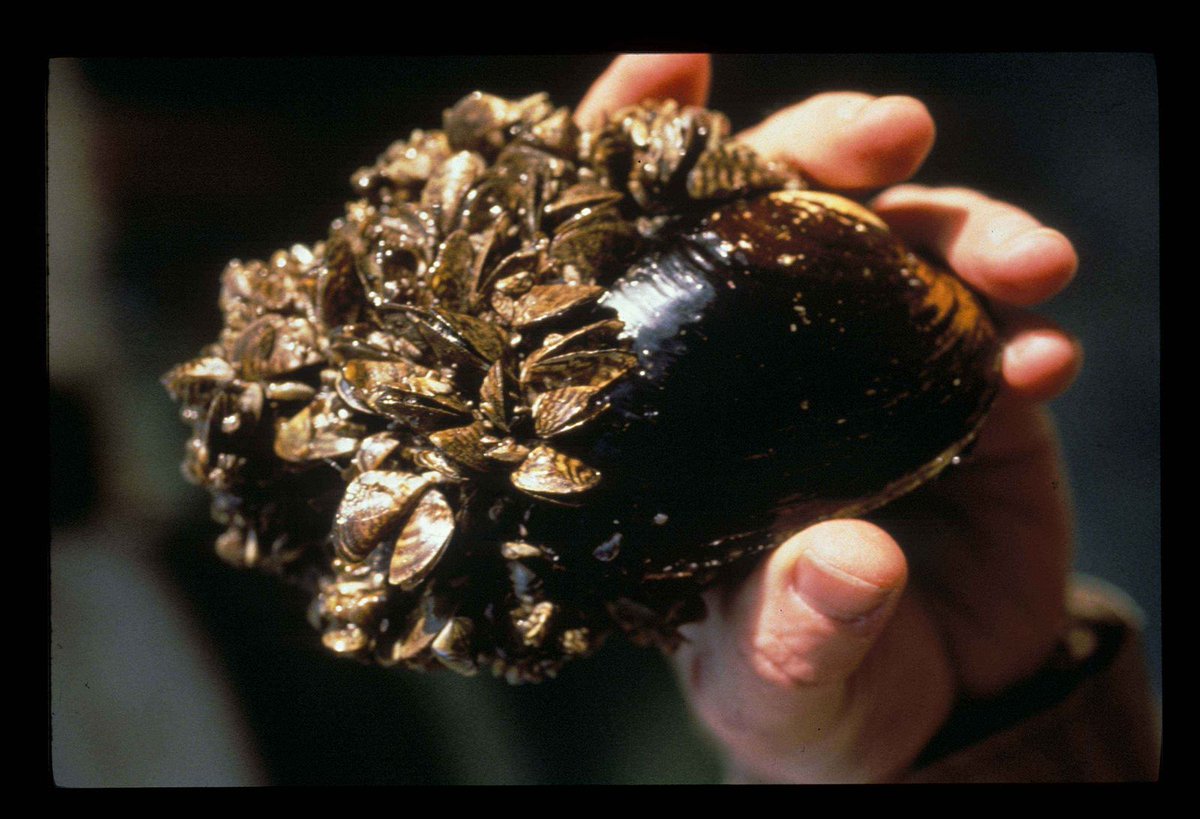
Invasive zebra mussels found and removed from Lake Dunmore. Remember to always Clean, Drain, and Dry your boat when moving between waterbodies to reduce the spread of aquatic invasive species! buff.ly/2W5pOO3
22 Oct 2019
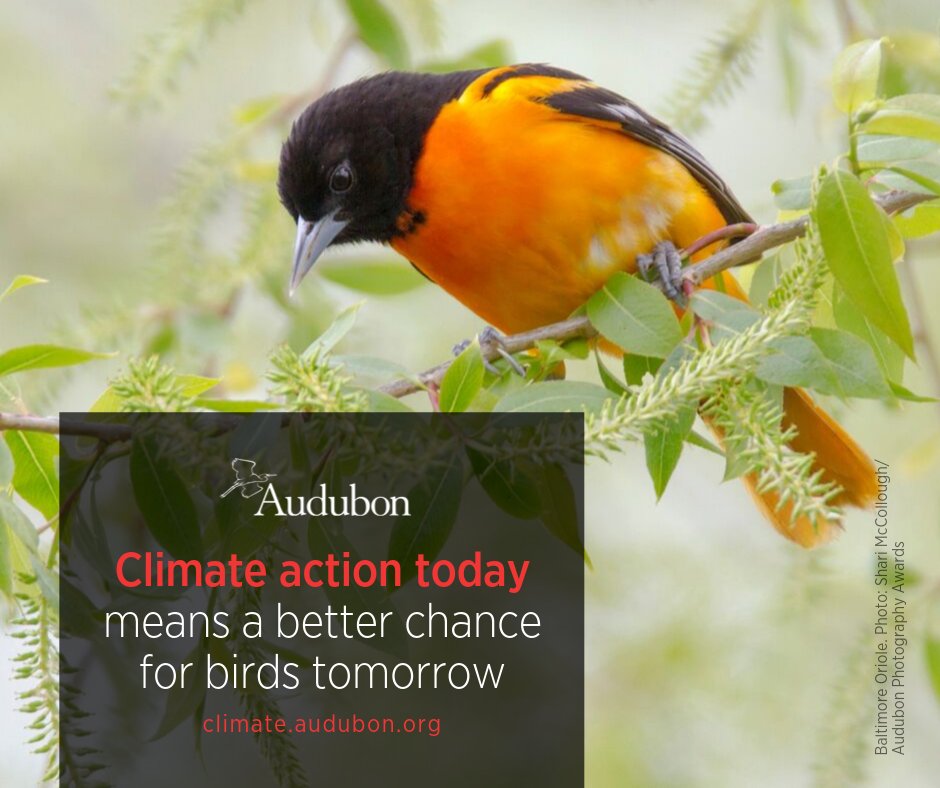
Removing invasive plants and replacing them with native shrubs and flowers is one of the most impactful actions we can take to help declining bird populations here in Vermont. buff.ly/2MDqXcz
1 Oct 2019
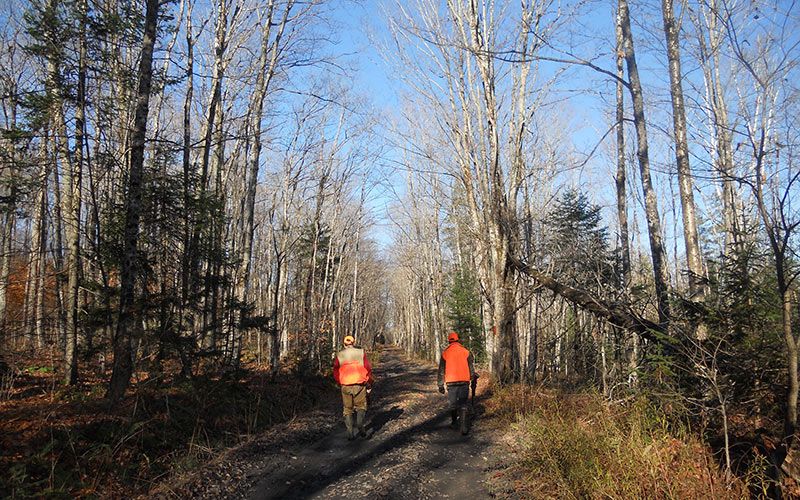
Having Hunters On Your Land: 6:30 – 8:30 pm, Oct 3, 2019, Richmond
Hunting can be a great tool to help landowners who have too many deer munching their forest seedlings.This event is sponsored by Vermont Coverts & Vermont Fish & Wildlife. buff.ly/2nk3vap
1
30 Aug 2019
Introduced wildlife species and their ability to rapidly adapt to new climates:
buff.ly/2MCama8
29 Aug 2019
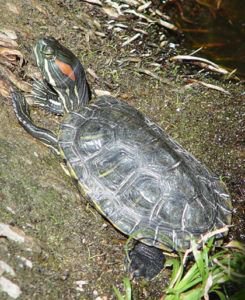
Interesting research from Virginia Tech looking at invasive plants, native wildlife species, and climate change (and pirates!):
buff.ly/2ZisnB2
28 Aug 2019
Learn about Vermont's native sand dunes and their battle against phragmites with Vermont Fish and Wildlife Ecologist Bob Zaino:
buff.ly/2NzRatg
27 Aug 2019
Great aquatic invasive removal and wetland improvement work being done in Shelburne! 🐸🐢🌱🐟
buff.ly/2MDhgMq
17 Jun 2019
Landowners and Foresters: Spend Saturday learning about how to get funding for wildlife habitat and forest health activities on private lands with Audubon, FPR, and VDFW:
buff.ly/2ZsqDAJ
1
13 Jun 2019
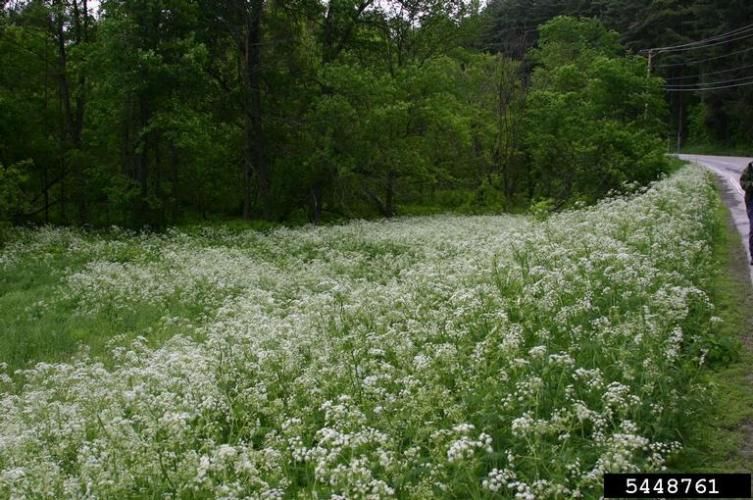
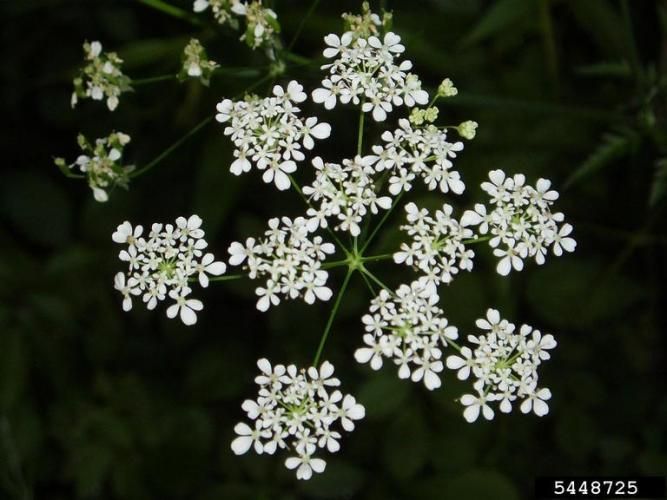
Queen-Anne's-Lace out already?!?
Nope, that look-alike plant that you're seeing along the roadsides and in your fields is Wild Chervil, an invasive plant. Learn more about it here: buff.ly/2Wzfam0
3
2
11 Jun 2019
Shrub honeysuckle is out in full bloom right now! This widespread invasive have flowers that can be white, yellow, light pink, or bright fuchsia. Get familiar with these shrubs so you can identify them as you are driving and hiking throughout Vermont! buff.ly/2WzhNnJ
10 Jun 2019
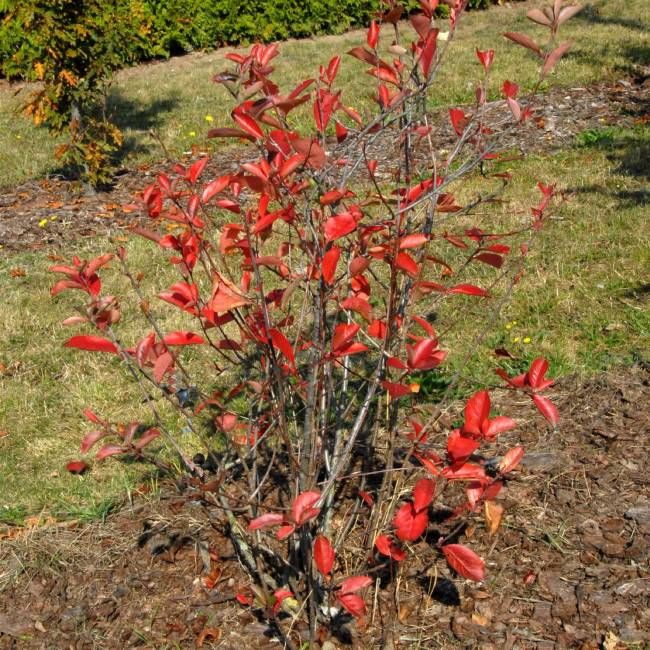
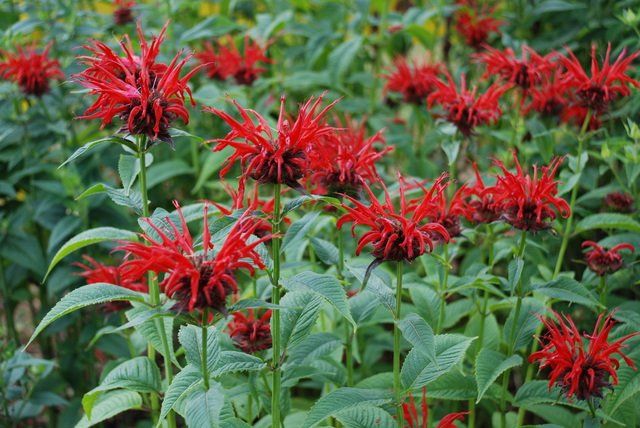
As the weather starts becoming more summer-like and you are buying and planting perennials for your gardens, check this list for native plant alternatives to quarantined, invasive species, put together by the UVM Master Gardener Program:
buff.ly/2Wv2XP8
1
2
25 Apr 2019
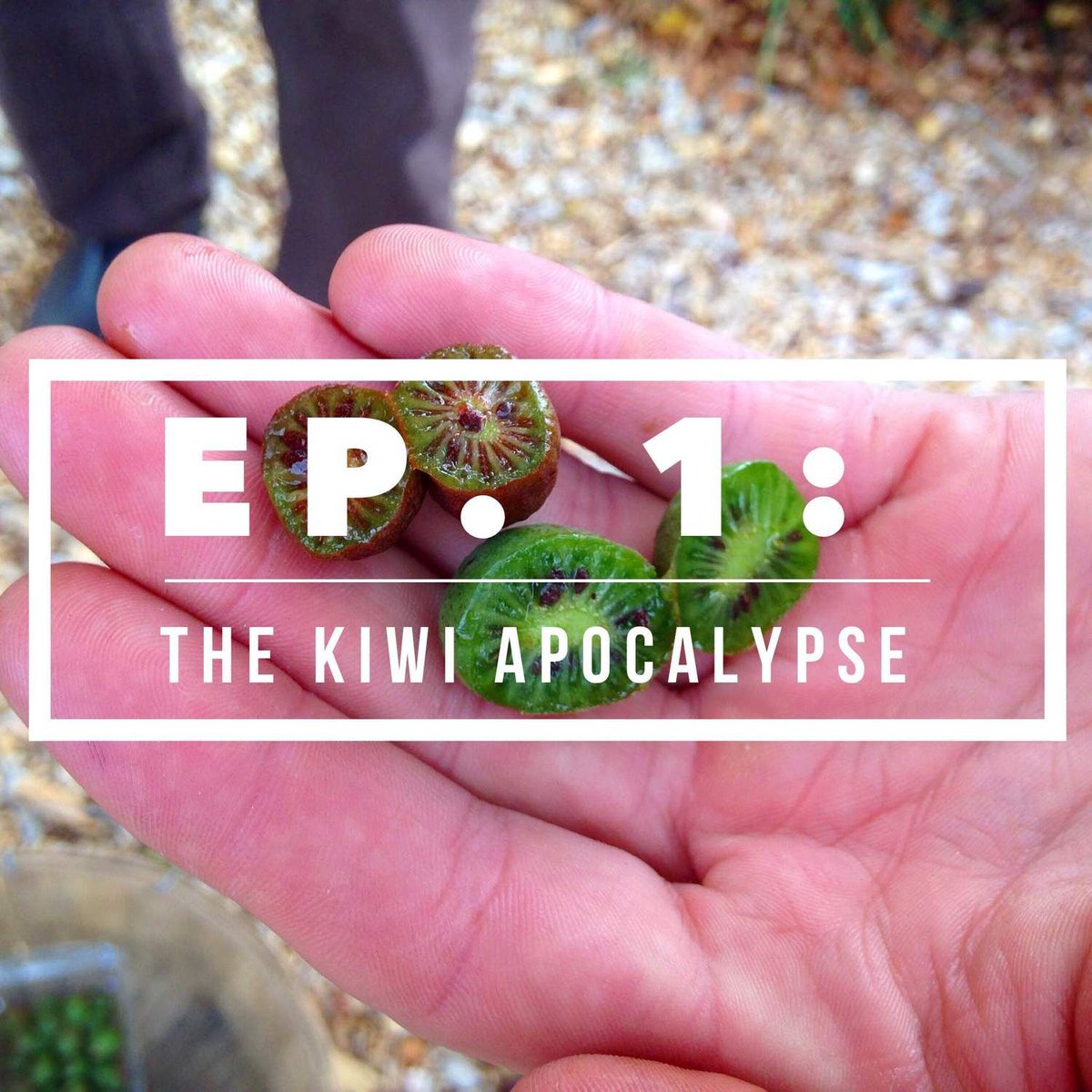
The first episode of Outside/In Podcast from NH public radio discusses Cold Hardy Kiwi. The podcast also mentions Black Locust trees (although they incorrectly refer to the species as Black Lotus), which creates it's own management questions in Vermont.
buff.ly/2UFv9xV
18 Apr 2019
Learn about managing invasive plants with Vermont Fish and Wildlife biologist Travis Hart and the Battenkill Watershed CISMA on April 27th in Manchester. Contact Travis at travis.hart@partner.vermont.gov
buff.ly/2PbiVHg