
New perspectives, enduring writing. Join a conversation 200 years in the making.
Joined September 2012
- Tweets 10,434
- Following 718
- Followers 12,878
- Likes 5,916
920 Photos and videos
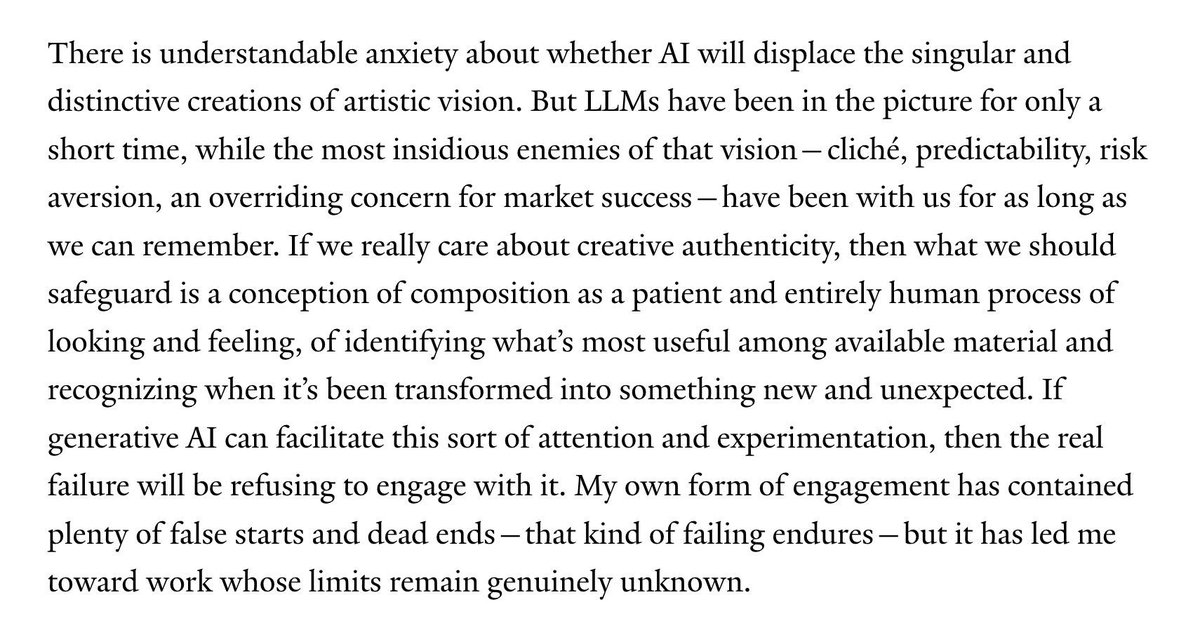
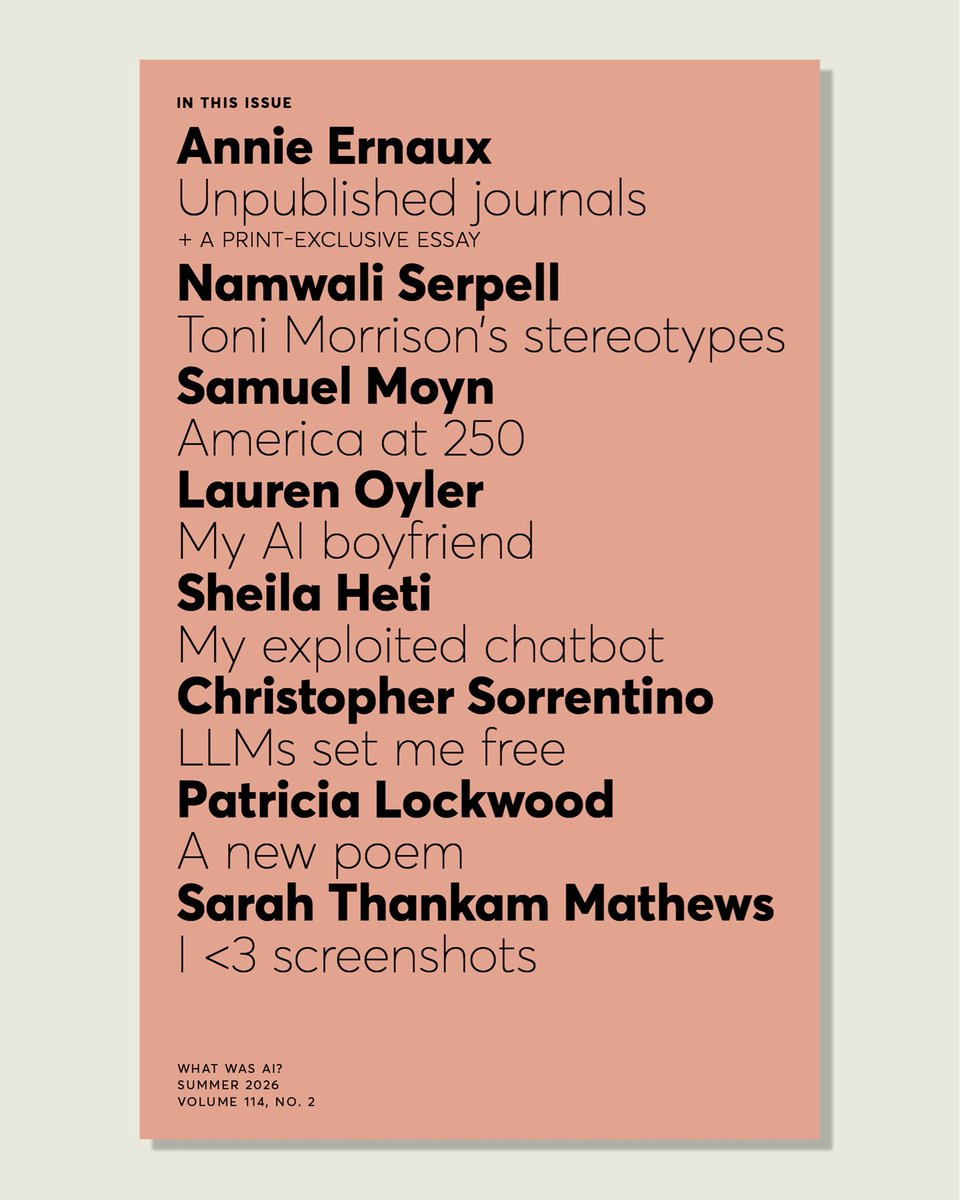
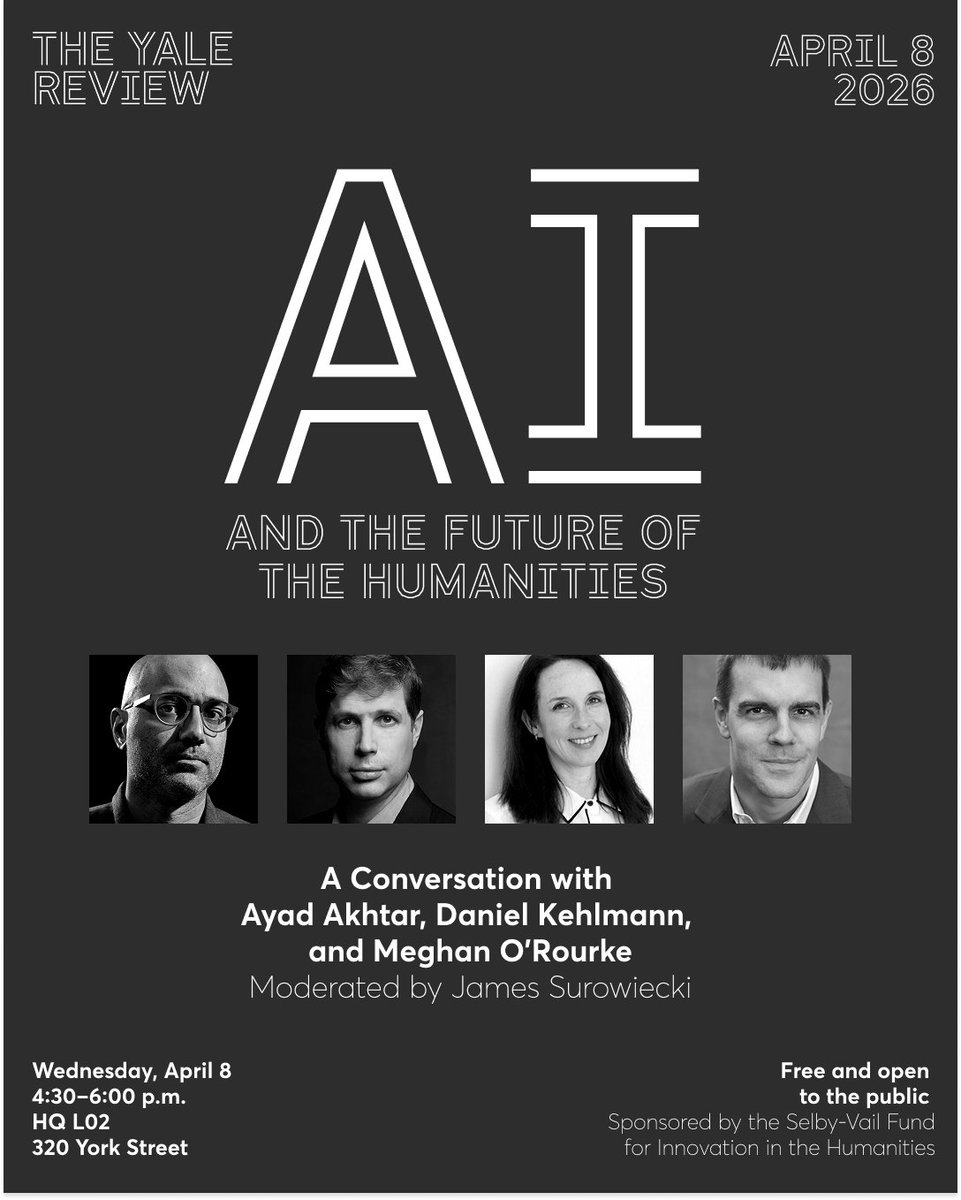
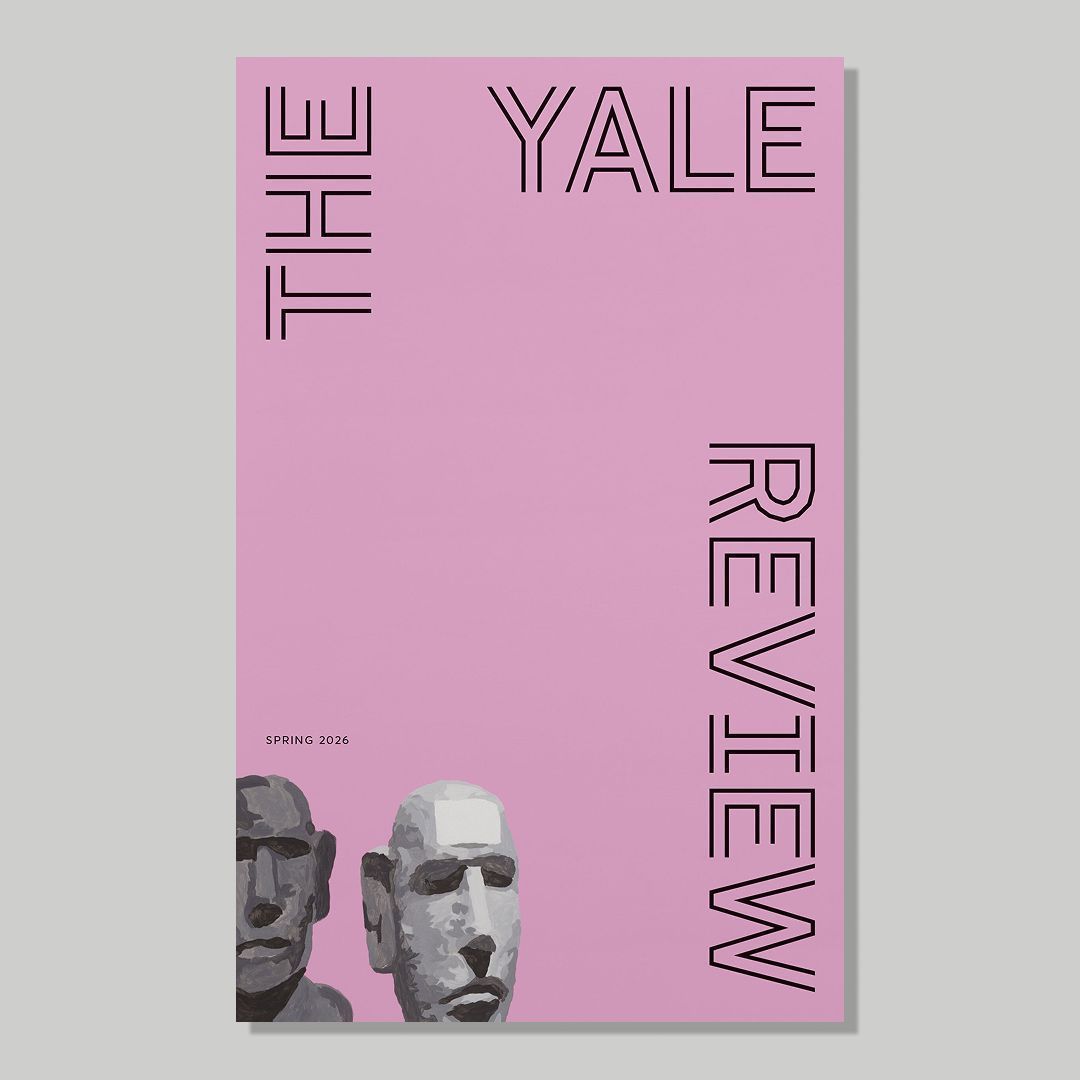
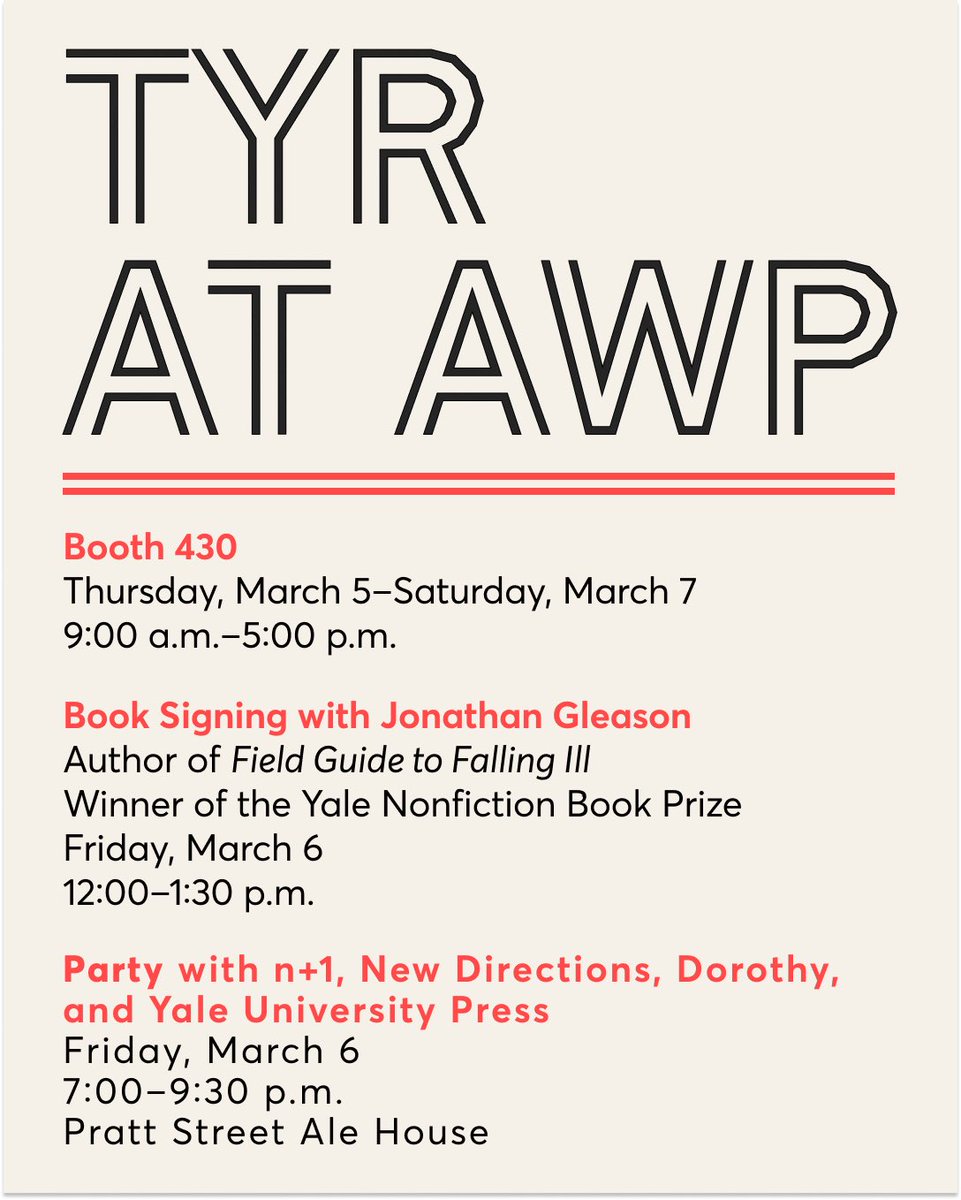
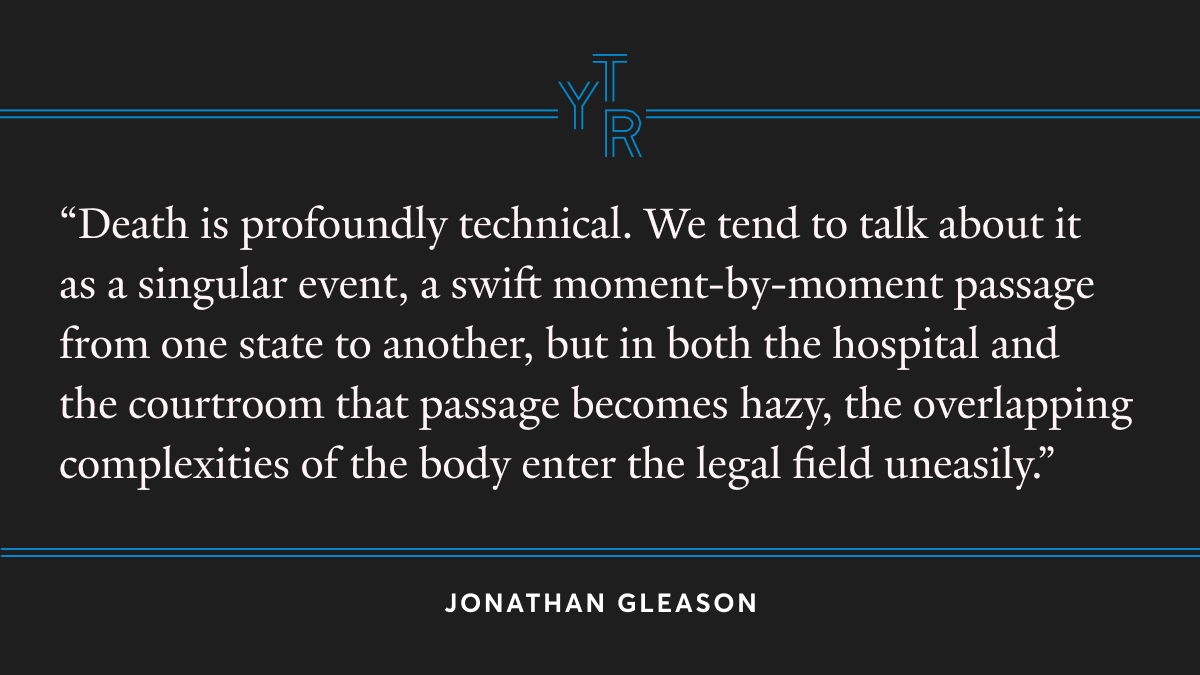
“I become aware that I have always felt that my life was being written somewhere just by living.” —Annie Ernaux
yalereview.org/article/annie…
4
16
677
“It is hard not to hear the claims of our missing originality as a kind of nostalgia in its own right, hearkening back to a semi-mythical past when artists were brave and fun, rent was cheap, and everything was new and meaningful.” —Audrey Wollen
yalereview.org/article/audre…
3
4
495
Toni Morrison liked “to work with, to fret, the cliché,” and claimed her stories came to her “as clichés. A cliché is a cliché because it’s worthwhile.”
yalereview.org/article/namwa…
3
12
603
“The religion of liberty is among the strongest religions in recorded history.” Kathryn Lofton on the Declaration of Independence as scripture, in our new issue.
yalereview.org/article/kathr…
1
1
190
“America, poised on the brink of something, knows it cannot go back to the future.” Samuel Moyn on the semiquincentennial.
yalereview.org/article/samue…
3
7
943

Jun 13
“My interest in etymology was something Drew found charming when we met, less so eighteen years later. I felt the same about the beautiful physical spaces he created . . . which eventually began to feel controlling.” —Nell Freudenberger
yalereview.org/article/nell-…
2
9
605
Jun 13
“The success of language-trained AI models has encouraged this belief that intelligence, in a kind of pristine and rational form, is something that can be sifted away from the messy world of bodies, emotions, and caring.” —Melanie Mitchell
yalereview.org/article/melan…
4
11
784
Jun 13
“It’s the only life I’ve ever dreamed of. I know deep down that I don’t aspire to be a university professor.” Annie Ernaux on being a writer.
yalereview.org/article/annie…
14
91
3,569
Jun 13
“My perspective is history logged, mushy and inexact, my style is patchworked and gleaned, my analysis makes most sense mapped as doodled spirals.” —Audrey Wollen
yalereview.org/article/audre…
1
2
298
Jun 13
“Alone in my cabin for weeks,
I long to be touched
by the sun.”
—Natasha Rao, “In Spring”
yalereview.org/article/natas…
2
9
461
Jun 13
“The history of religions demonstrates that scriptures accrue sacrality by their survival of mishandling. They are poked and prodded and cut up and misquoted because humans still have a need for those words in their worlds.” —Kathryn Lofton
yalereview.org/article/kathr…
3
2
329
Jun 13
“We have language; the computers have language. Our language is connected to experience. Computers have context. The delta between experience and context is significant.” —Ayad Akhtar
yalereview.org/article/ai-an…
1
4
17
1,261
Jun 13
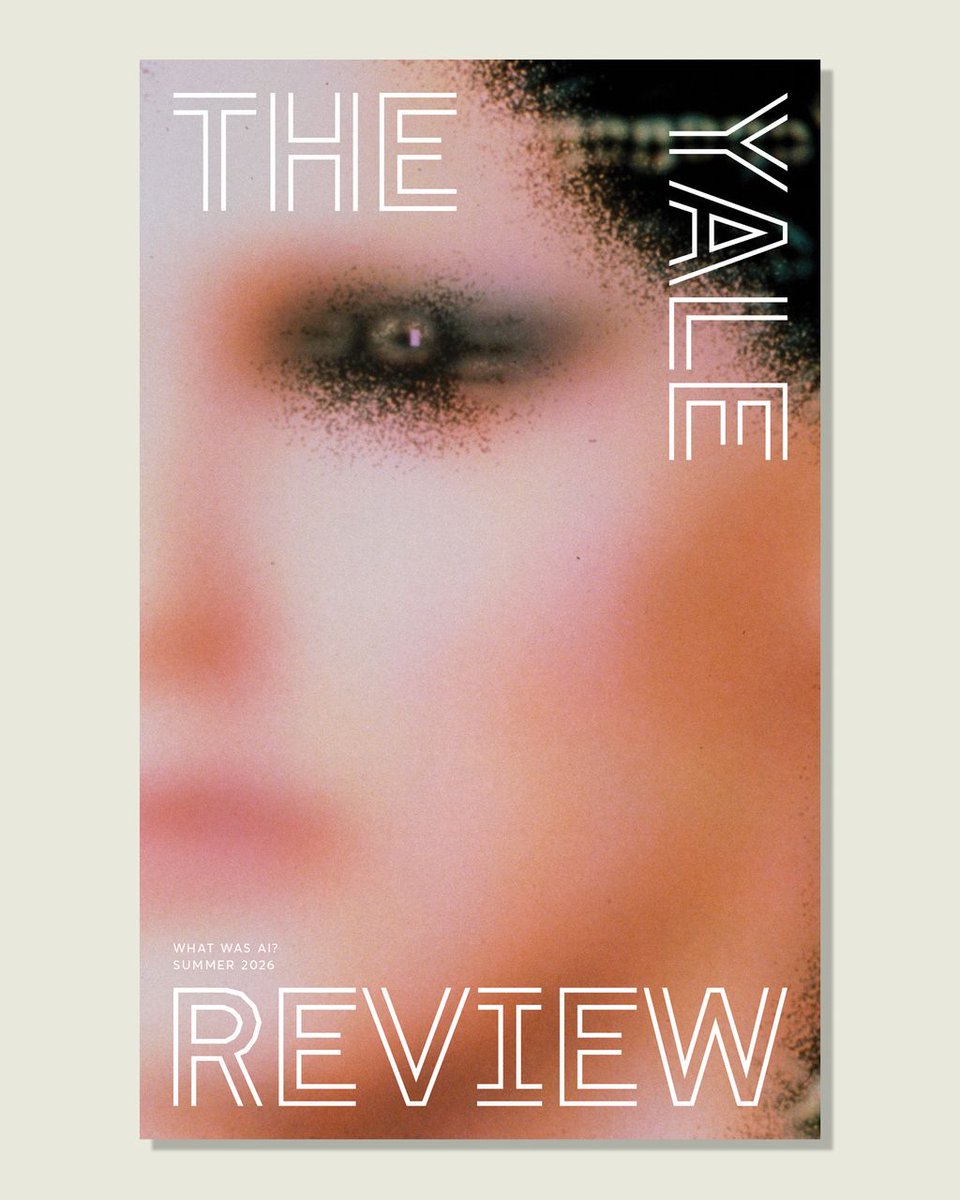
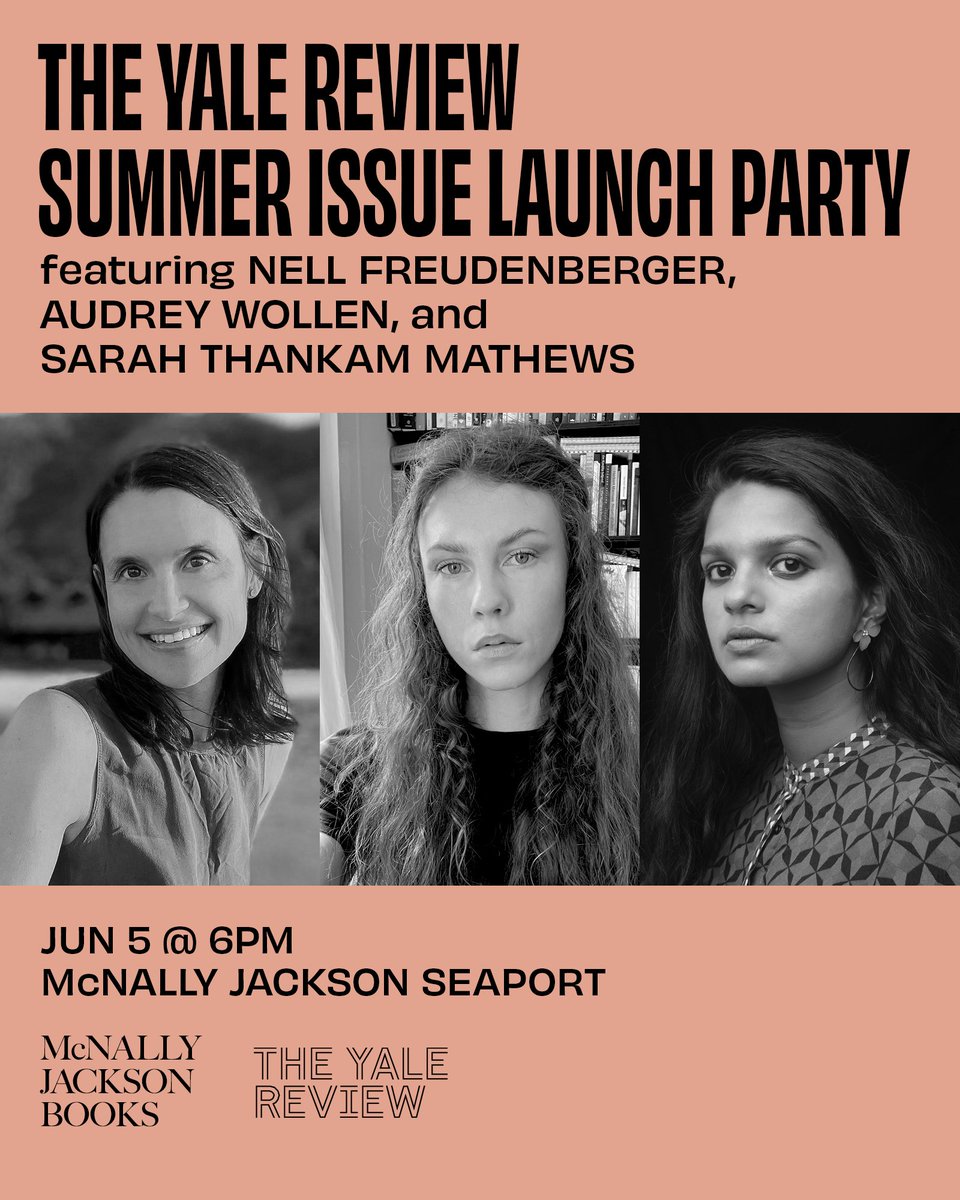
Our summer issue is available online and in print now. Inside: journal entries from Annie Ernaux, new fiction by Nell Freudenberger, an installment of Objects of Desire by Sarah Thankam Mathews, poems by Patricia Lockwood and Brenda Shaughnessy, and more.
yalereview.org/issues/summer…
2
5
434
Jun 12
“Perhaps every image is a nanoscopic prayer: Let us keep something of the present in the future.” Sarah Thankam Mathews on her trove of screenshots.
yalereview.org/article/sarah…
6
257
Jun 12
“Seeing is not believing,
only believing is believing.”
—Brenda Shaughnessy, “Overture”
yalereview.org/article/brend…
5
11
519
Jun 12
“What if instead of assuming the powers of the earth, instead of grabbing, buying, bombing, and bullying, Americans abided them?” —Kathryn Lofton
yalereview.org/article/kathr…
2
161
Jun 12
“The current methods we use to test these systems’ capabilities are, at best, deeply flawed.” Melanie Mitchell on benchmarks for LLMs and what they miss, in our AI folio.
yalereview.org/article/melan…
1
4
370
Jun 12
“Elderly friends take lovers, rent studios,
plan trips to unpronounceable provinces.
Fifty makes the ironic wager
that his biographer will outlive him—”
From “Days of 1994: Alexandrians” by Marilyn Hacker, a poem in TYR’s archives, originally published in 1996: yalereview.org/article/maril…
3
12
972
Jun 12
“Now that academic reviewers often struggle to tell the difference between human- and machine-generated prose, it’s hard to see how the ‘confusion of boundaries’ that Haraway advocated has any meaning at all.” —Meghan O’Gieblyn
yalereview.org/article/megha…
2
284
Jun 12
“And why haven’t any of us
Seen a round diamond?
Only one in the world and it is
The world, holding a drink in its hand.”
From “Dorabella,” a poem by Patricia Lockwood in our AI folio.
yalereview.org/article/patri…
2
4
354