
The autonomous marketing platform trusted by 180K businesses. Automate email, SMS, WhatsApp and 1k app integrations.
Joined December 2008
- Tweets 15,680
- Following 1,308
- Followers 13,208
- Likes 5,825
3,633 Photos and videos




Jun 13
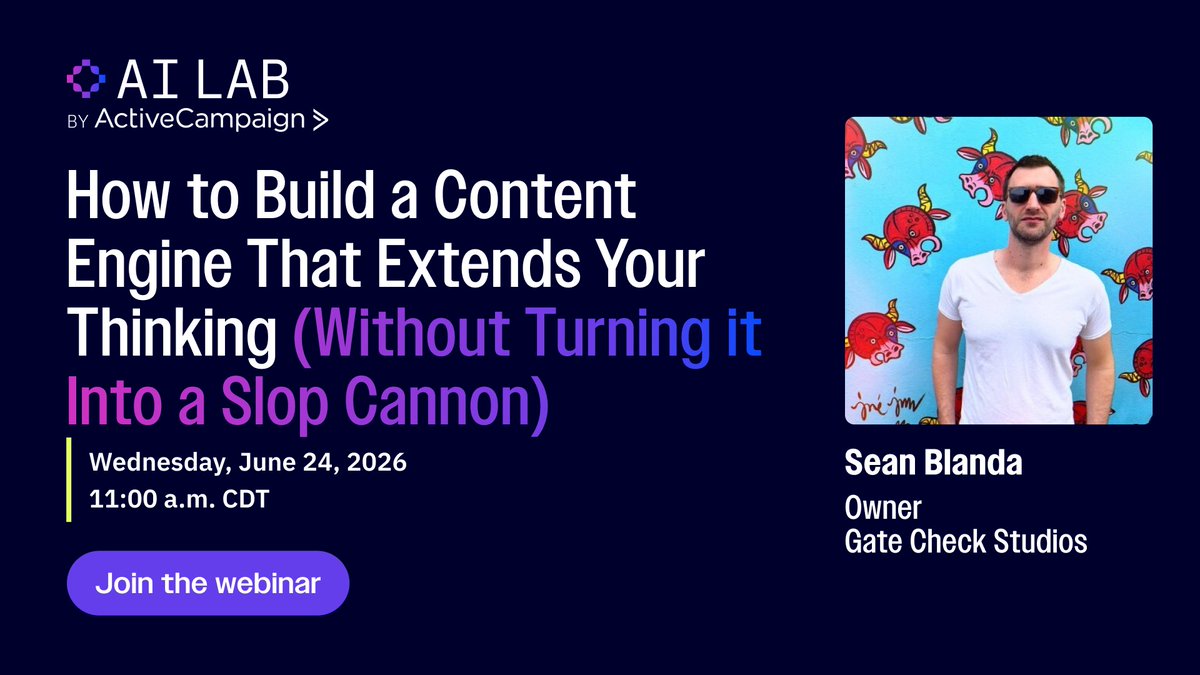
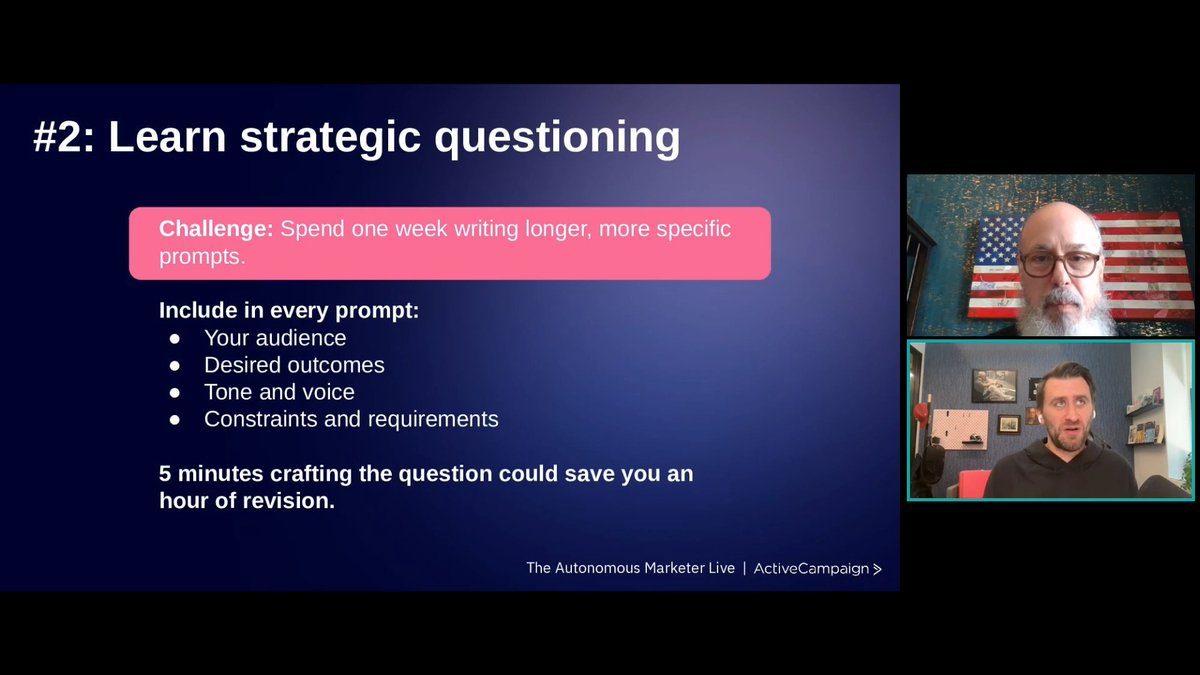
If you've ever looked at AI-generated content and thought "this says nothing", Sean has a name for that. And on June 24th, he's walking through the system he built specifically to avoid it.
Join us and learn how to move fast without your content paying the price. Register here: bit.ly/4gbwqoR
40
Jun 11
Ever need to pull together a quick performance update for your team but dread building the report?
✔️ Active Intelligence turns that into a single prompt and hands you a chart, a breakdown by device, and a recommended next step all at once.
No more piecing it together across four tabs before a last minute meeting.
1
1
53
Jun 10
Emanuel Cinca was spending $1,000 a month on reporting. Getting clean data from his newsletter stack required manual exports, pivot tables, and hours of work just to get a straight answer.
He got to the point where he needed to figure out a different, more efficient way to report.
He spent 30 hours building his own analytics dashboard with AI as his development partner. The total cost today: under $10 a month in hosting fees.
Here's a step-by-step guide to building it yourself:
🤔 The problem he was solving:
Clean subscriber data requires reconciling multiple sources, UTM parameters, churn calculations, cost per engaged subscriber, not just initial sign-ups. Without easy access to that data, decisions slow down. As Emanuel puts it: "If you have to put in too much work to get that data, you're less likely to use it frequently. So you make less informed decisions."
📊 What the dashboard revealed:
Once it was running, the data showed something he hadn't been able to see clearly before. His generic paid campaigns were churning new subscribers at 40 to 45%. His more targeted campaigns were churning at around 30%. That gap had always existed. He just hadn't had fresh enough data to catch it in time to act on it.
🦾 How he built it:
He had minimal coding experience. His approach was to describe the problem to AI in plain language, ask it to confirm whether a solution was possible, and then build step by step with AI handling the code and guiding the infrastructure setup. Google Cloud for hosting, Python for the backend, a web-based frontend his whole team could access through their existing Google Workspace login.
📖 His biggest lesson:
Be extremely specific. "It's better to repeat yourself and say too much rather than not enough." Vague inputs produce vague outputs. Name the exact field, the exact date parameter, the exact metric every time.
✅ The result:
The dashboard now processes thousands of subscriber interactions daily, calculates true cost per lead by accounting for early unsubscribes, and tracks churn by campaign automatically. $1,000 a month became under $10. And the decisions that used to wait for a Friday reporting session now happen in real time.
1
75
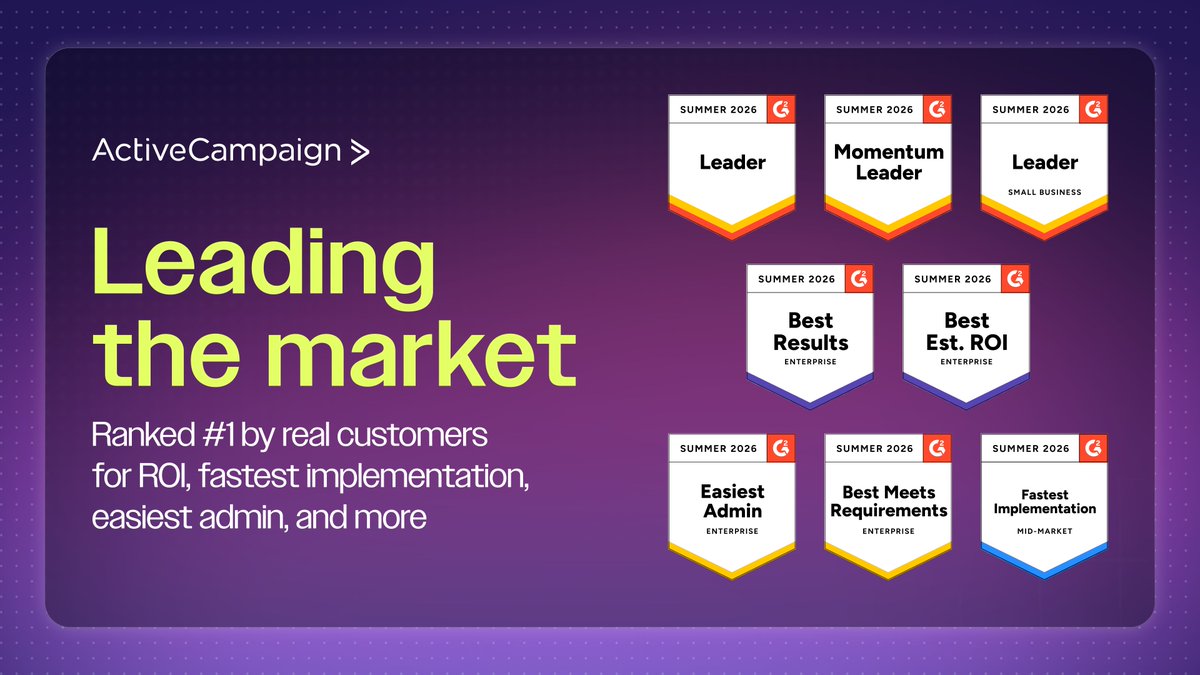
G2's Summer 2026 awards are out, and three results stood out: Best Estimated ROI, Fastest Implementation, and Easiest Admin.
Those results are consistent with what we hear from customers directly. 83% of surveyed customers report seeing ROI within their first year, with an average of 10 hours saved per week. Fast time to value and low administrative overhead aren't features, they're the foundation the platform is built on.
Thank you to every customer who took the time to share their experience on G2. 💙
1
58
May 21
We analyzed 9,223 prompts from real Active Intelligence users, and the most common thing marketers are asking might surprise you.
Not "write me a subject line." Not "build me a welcome sequence." Over a third of every prompt typed is some version of the same question: how are my campaigns performing and what should I do next?
25.6% of all prompts include a specific time range. People aren't asking for generic insights, they're asking for answers they can act on the same day. "Compare my open rates to industry benchmarks for the last 90 days and tell me where I'm underperforming" instead of "how are my emails doing?"
That distinction matters more than it sounds. The first question gives you something to do, the second just gives you a number.
If you're not getting useful answers from AI, it's usually not the tool. It's the question. Add a time range, name a specific metric, and tell it what format you want the answer in. That alone changes the output significantly.
1
1
2
198
May 20
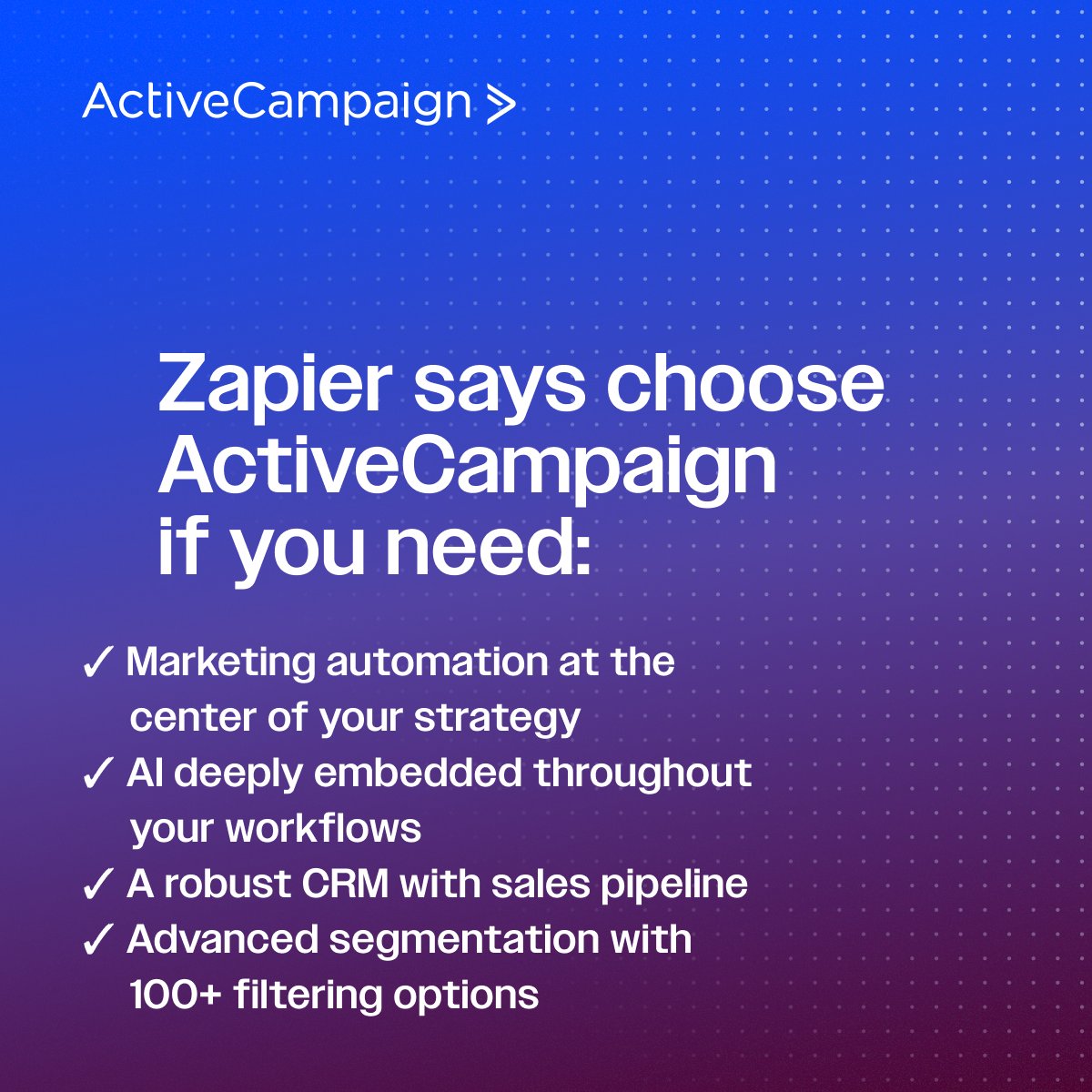
This wasn't written by us. It was written by a Zapier journalist who compared ActiveCampaign to a platform you've probably used before.
If you've been wondering whether the grass is greener, this is a good place to start. Full comparison here →nhttps://lnkd.in/gu4db5kk
1
1
159
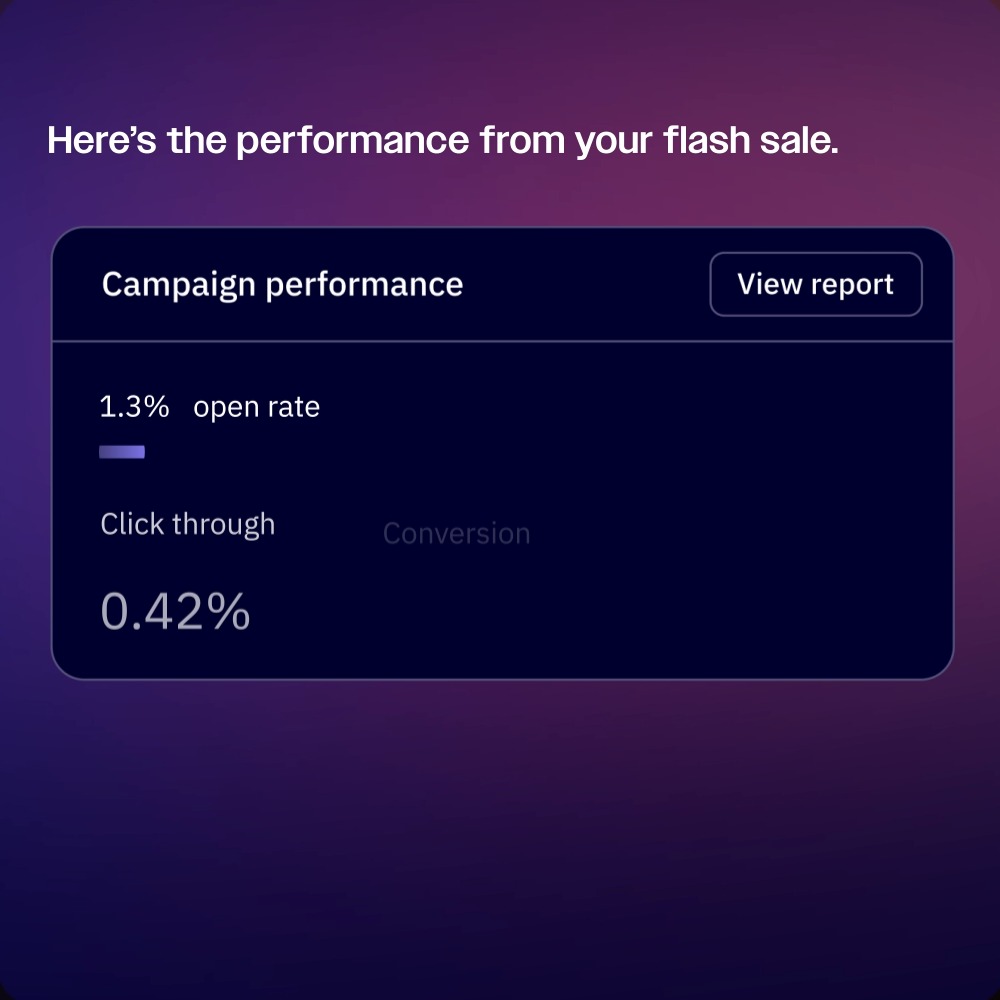
Your campaign results are in, and Active Intelligence is already one step ahead.
While you're reviewing open rates, click-through, and conversions, it's analyzing how your audience engaged and recommending targeted follow-up messaging before you've even had time to think about next steps.
The momentum from your campaign doesn't have to stop the moment the send does. ✅
2
1
223
Apr 28
There's a difference between automating tasks and automating strategy.
Most platforms can handle tasks. But you still have to figure out who to target, when to send, and what to do when a campaign underperforms.
We handle both. Suggested segments surface your best audiences, smart goals track progress automatically, and AI-enhanced automations adjust as your contacts engage.
So you can spend less time rebuilding and more time on the work that actually grows your business. 🪴
1
2
236
Apr 23
Most AI resources tell you what's possible, AI Lab shows you what's actually working. 🦾
Sean and Erin walk through what the AI Lab is (and what it's not). A living destination full of real workflows, real results, and real lessons from agencies, solo founders, and small teams. What it cost, what it saved, and what they'd change.
👀 Take a look: bit.ly/4ezdwYh
1
165
Apr 14
💡 Quick tip for anyone using AI in their marketing workflow:
When you get a result you love, ask the AI — "What questions did I ask that led to this output?" Then save them for next time.
You're not just getting work done. You're building a personal playbook that compounds every time you use it.
This advice comes from Bob Pearson and Sean Blanda— and there's a lot more where that came from. Join us April 16 for the unveiling of AI Lab, a free resource hub! 👉 bit.ly/4uT47k7
1
1
2
205
Apr 10
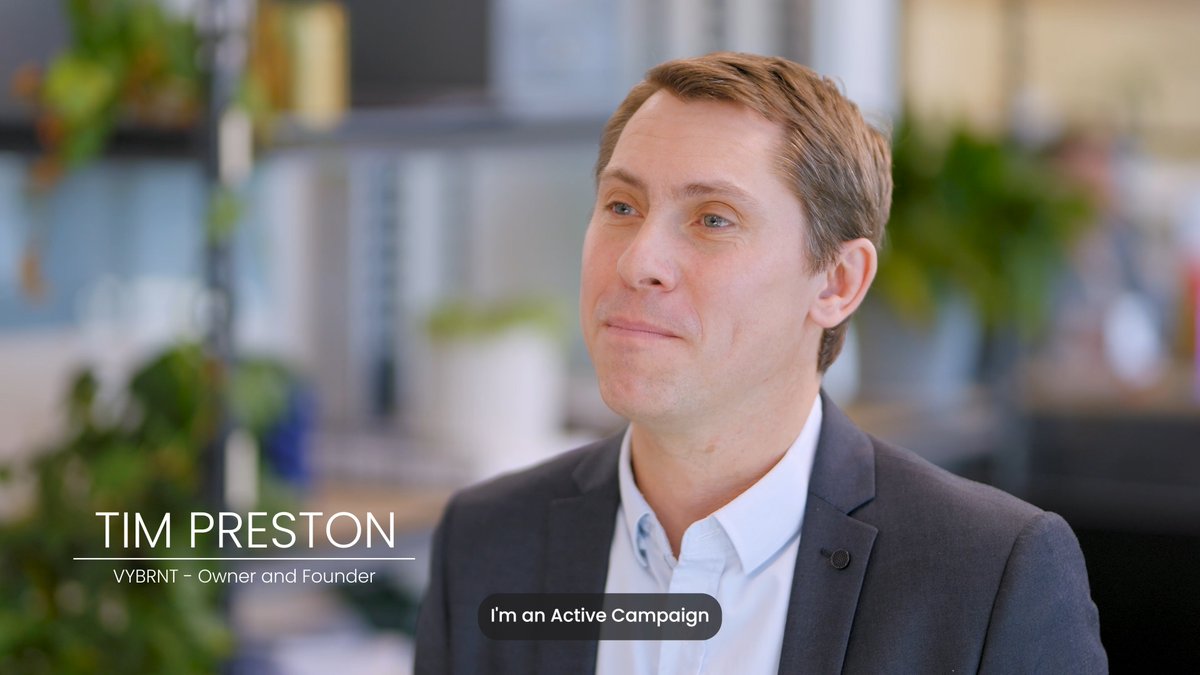
When a small business finally has the tools to build a real digital presence, that's when things get exciting.
Tim Preston, founder of VYBRNT breaks down how the ActiveCampaign and Webflow integration makes that possible, combining an affordable, powerful website builder with seamless marketing automation.
A great digital marketing package doesn't have to be complicated. 🙌
1
4
281
Most marketers assume their emails are "fine." This calculator tells you if they actually are.👇
Plug in your open rates, click rates, and deliverability to see exactly how you stack up against industry benchmarks.
📊 Run the numbers!: bit.ly/41pQQC7
3
129
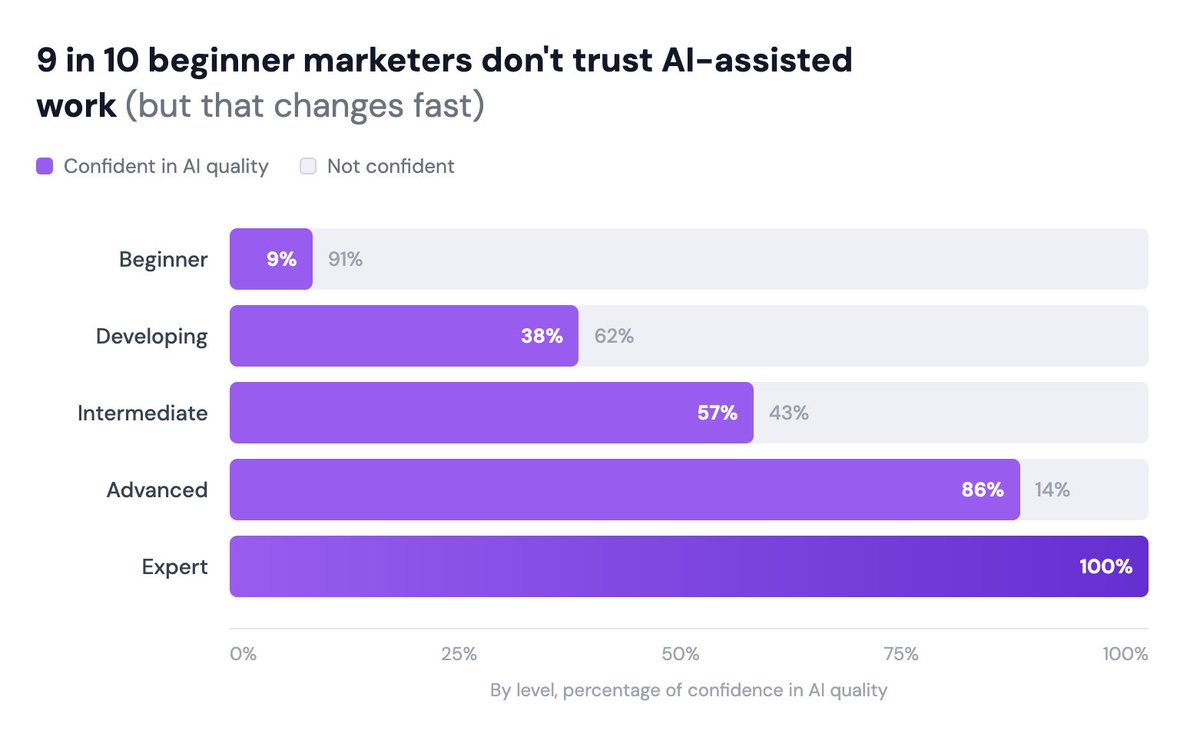
The reason most marketers don't expand AI beyond ideation isn't skepticism about the technology. It's that they don't trust the output yet, and without that trust, handing off execution feels like a risk not worth taking.
Our data shows confidence in AI-assisted work by maturity level:
🥚 Beginner - 9%
🐣 Developing - 38%
🐥 Intermediate - 57%
🐤 Advanced - 86%
🐔 Expert - 100%
One inflection point drives almost all of the change. We're sharing the full breakdown and what to do with it at our April 16 AI Lab launch webinar.
Save your spot 👉 bit.ly/3NqWGzV
2
124
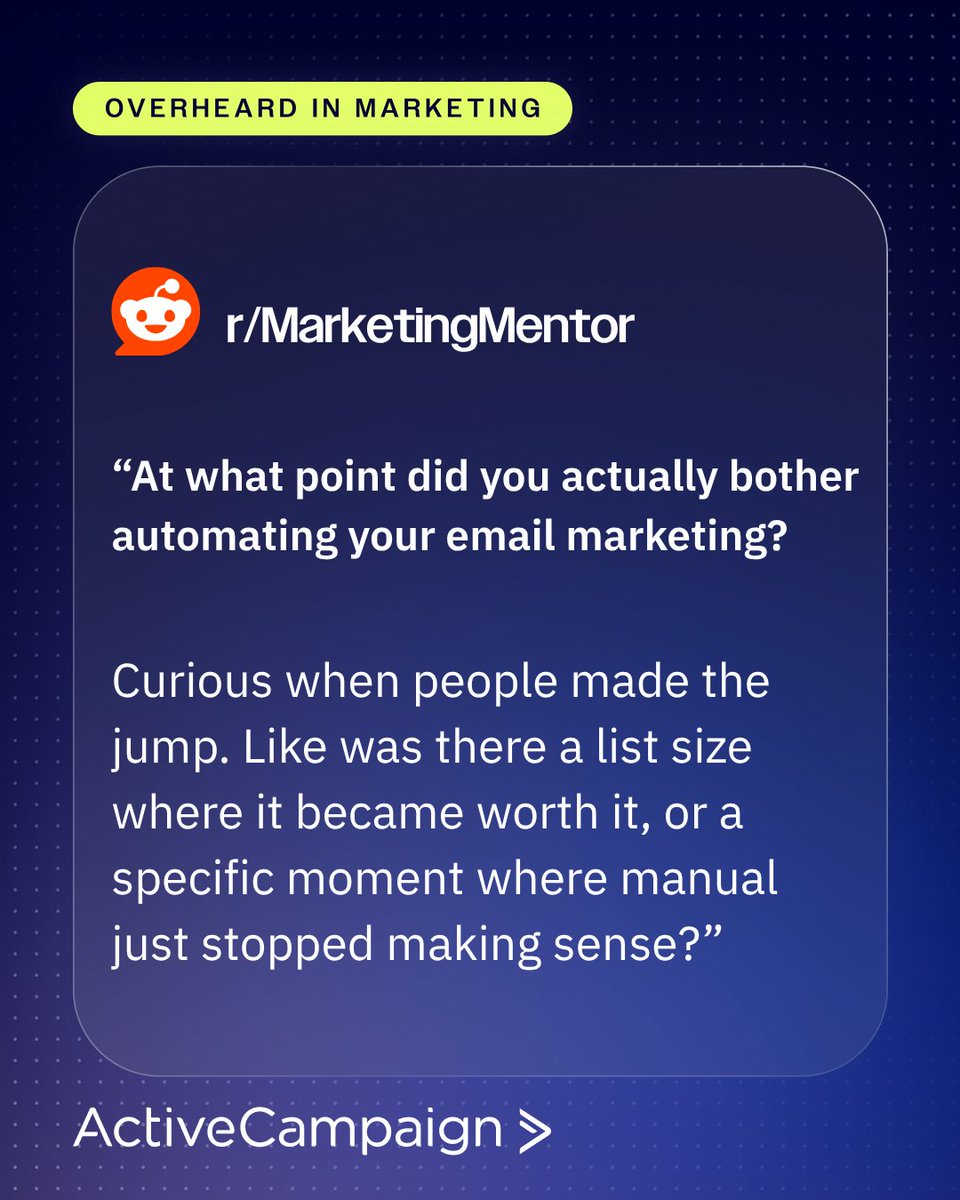
Our answer is always "sooner than you think."
When did you decide to automate? 🤔
1
4
121
Mar 31
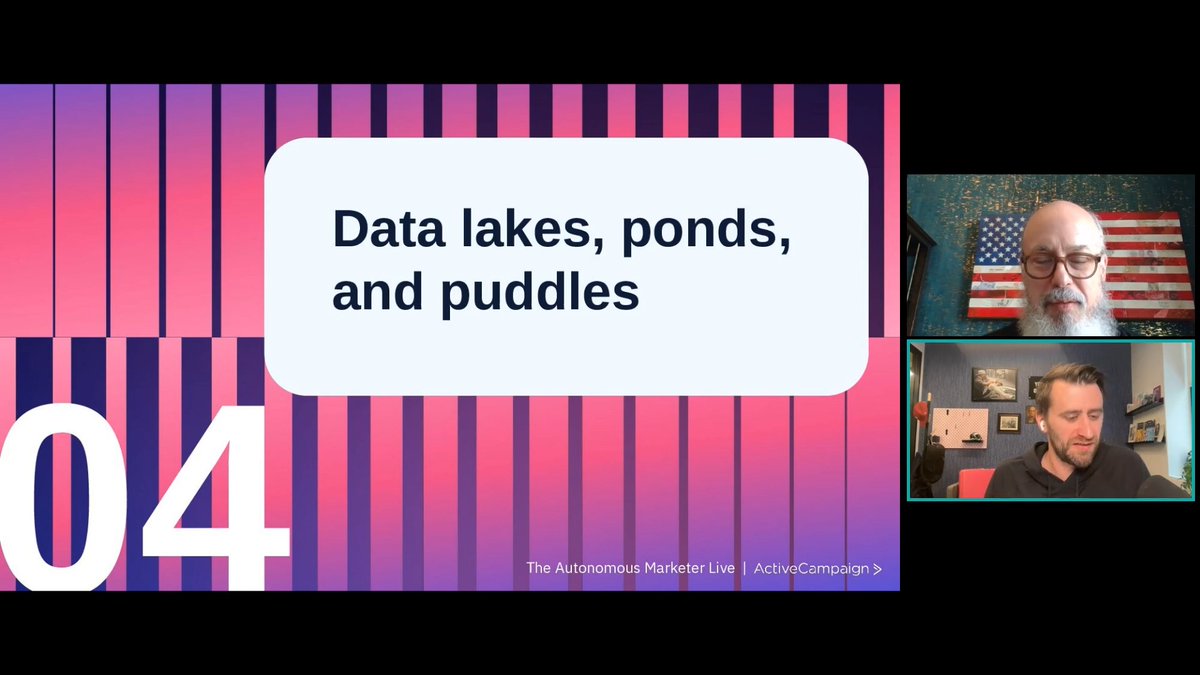
Bob Pearson built Dell's first global social media organization. His take on first-party data: every company is already sitting on it — most just don't treat it like an asset.
His framework is deceptively simple. Start with your data puddle — the right mix of proprietary and open source information specific to your work. Build it consciously. Ask better questions. Let AI's memory compound over time.
This is exactly why we built AI Lab — free tools, real data, and practitioners like Bob and Sean who've actually done the work. It launches April 16.
4
108
Mar 27
POV: you before you join our spring innovation keynote
We showed you what it looks like to get out of the weeds. Now let us show you how far you can go once you're free → bit.ly/46Z7ifL
1
1
101
Mar 26
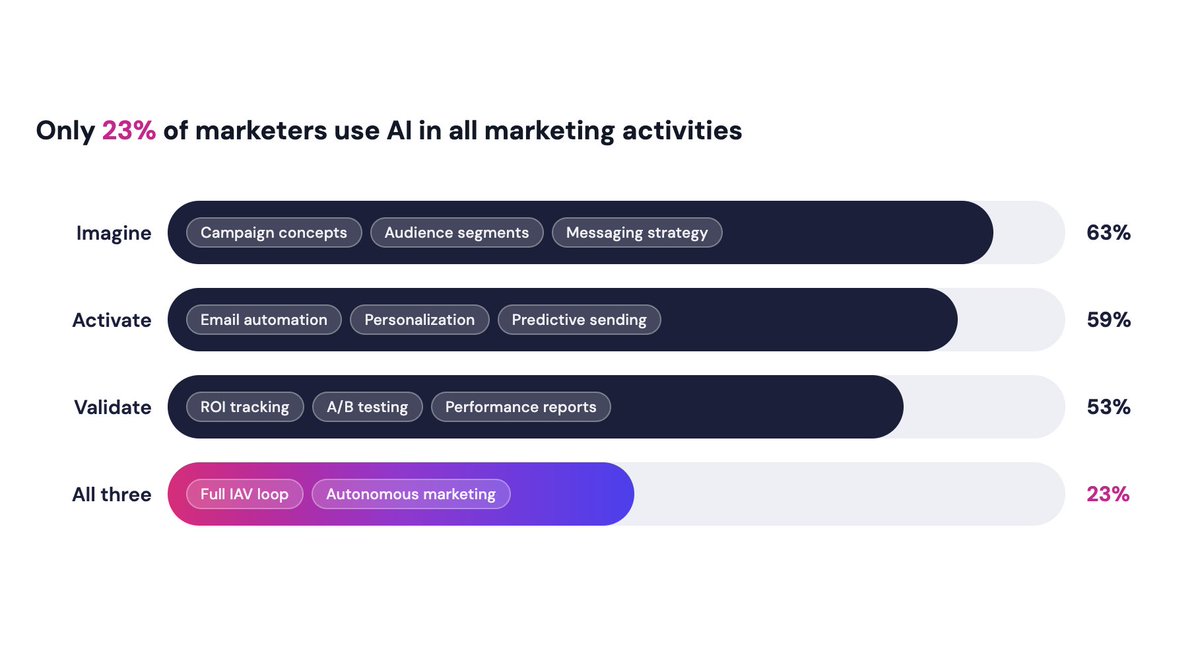
Only 23% of marketers use AI across every stage of the marketing process, even though 63% are already using it for ideation.
That gap became a question we couldn't ignore. That's why we built AI Lab — and we're unveiling it live on April 16.
Join us at our launch webinar to:
- See the full data and what it means for how you work
- Get a first look at free tools built for working marketers
- Hear from practitioners who are closing that gap right now
🪑 Save your spot: bit.ly/4uT47k7
1
4
109
Mar 25
Your customers are already on @WhatsApp, your marketing should be too.
Welcome messages, follow-ups, order confirmations — all running automatically, without you lifting a finger.
The most popular WhatsApp automation solution on @G2dotcom. Find out why with a free trial on us: bit.ly/4lAv73w
1
4
116
Mar 24
Asking AI for 3-5 options? Sean says that kids stuff.
Here's what he does instead 👇
Watch the full conversation with Sean and Bob Pearson on-demand → bit.ly/4d147YG
2
131
Mar 23
Most marketers are using AI as a really smart search engine. Ask a question, get an answer, close the tab, go do it yourself. The AI never actually touches anything.
With ActiveCampaign connected to Claude, that changes.
☑️ Ask how yesterday's campaign performed — it tells you and suggests what to do next
☑️ Tell it to add a prospect to a follow-up sequence — it does it
☑️ Ask it to find contacts who haven't purchased in six months — it finds them and enrolls them in a win-back automation
The thinking and the doing, all in one place. 🙂↕️
2
4
175