The American Museum of Natural History is one of the world's preeminent scientific and cultural institutions. This is not a monitored account.
- Tweets 24,991
- Following 869
- Followers 471,625
- Likes 14,739
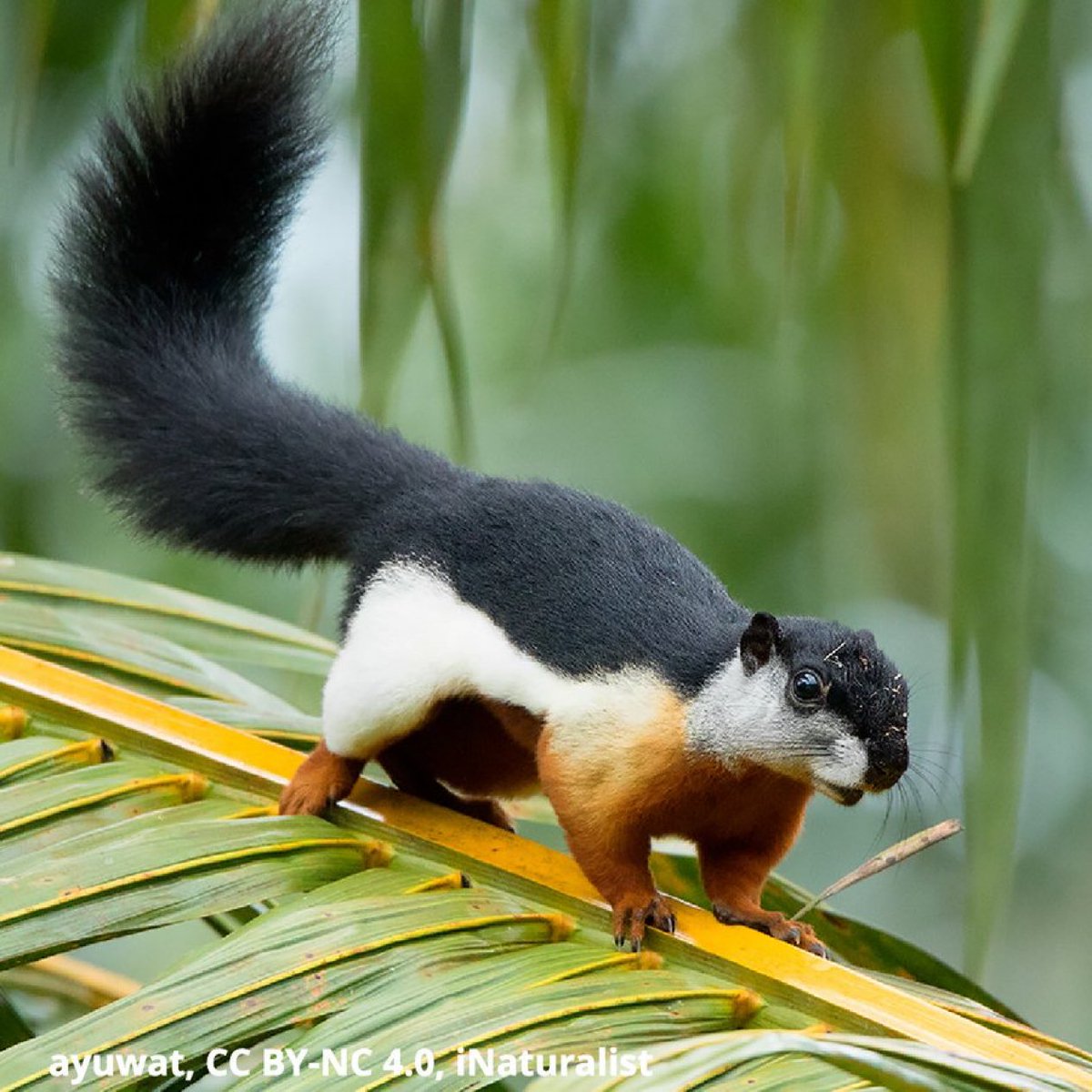

ALT A photo of a Prevost’s squirrel on a large leaf surrounded by green vegetation. The squirrel is black toward its back, has a large irregularly shaped white stripe down its body, and is auburn toward its underbelly and limbs.
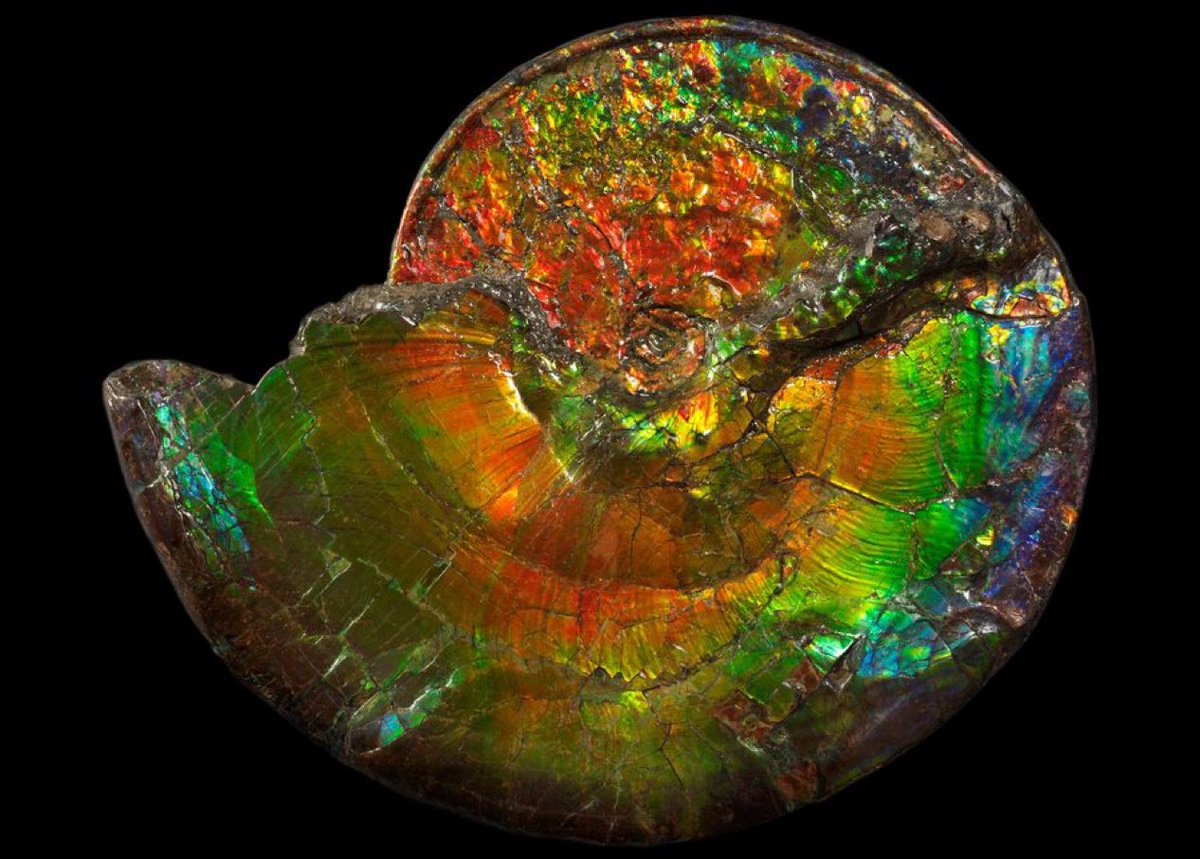
ALT A photo of the Museum’s iridescent ammonite. It is rainbow in color and shiny. It is photographed against a black background.
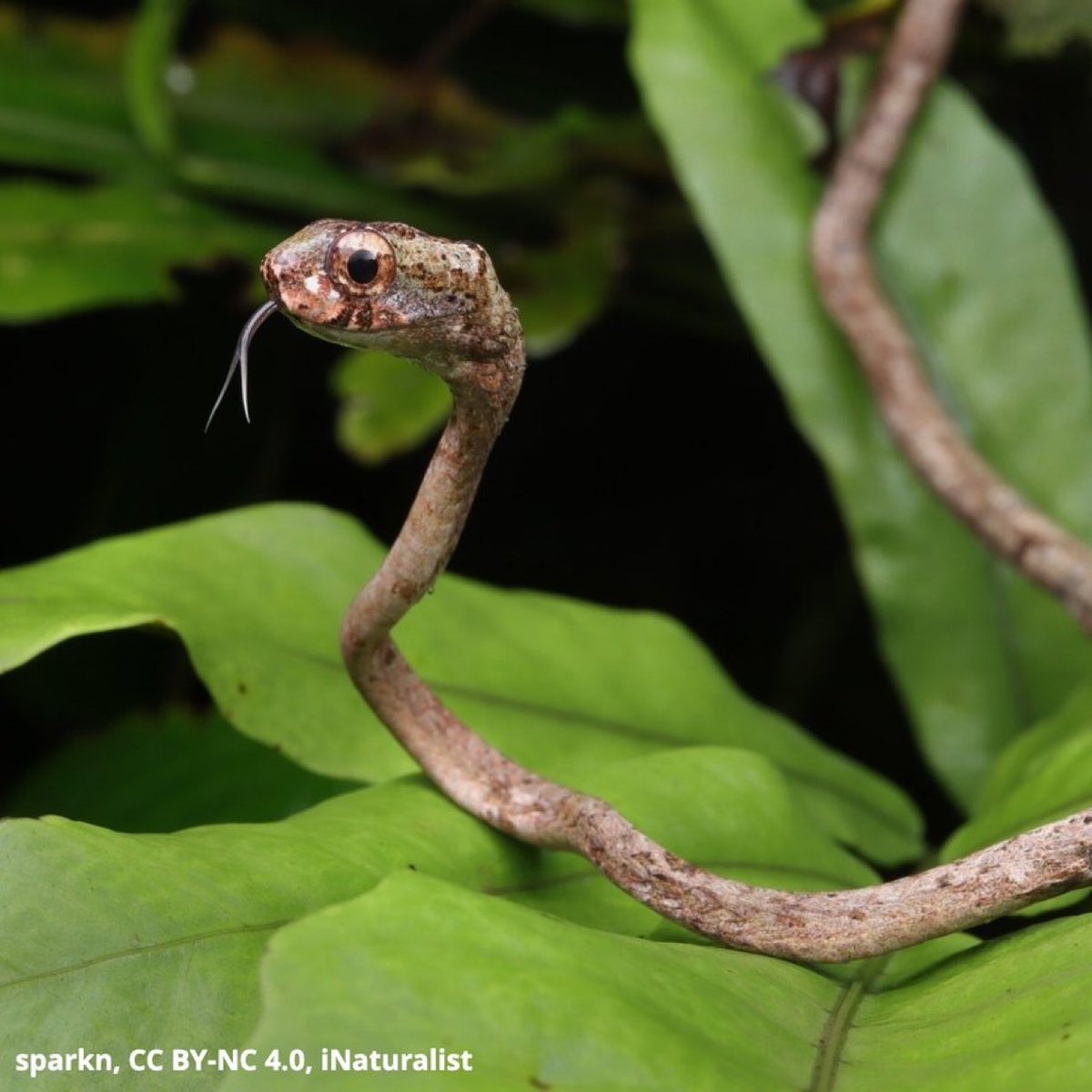
ALT A photo of a blunthead slug snake curled up on a green leaf. The snake is brownish in color with disproportionately large eyes and a short, blunt face.
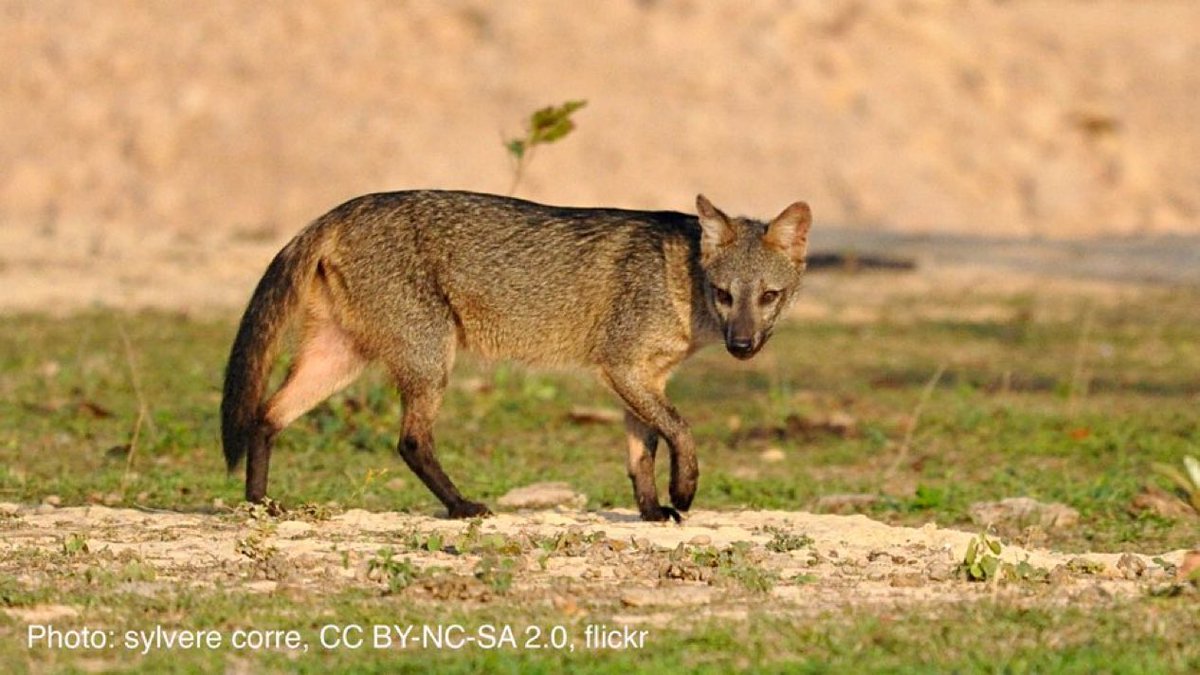
ALT Wide shot of a crab-eating fox walking on short grass toward the right of the frame. It has tawny brown fur and a fox-like body. Its triangular ears are perked up and its head is turned toward the viewer.
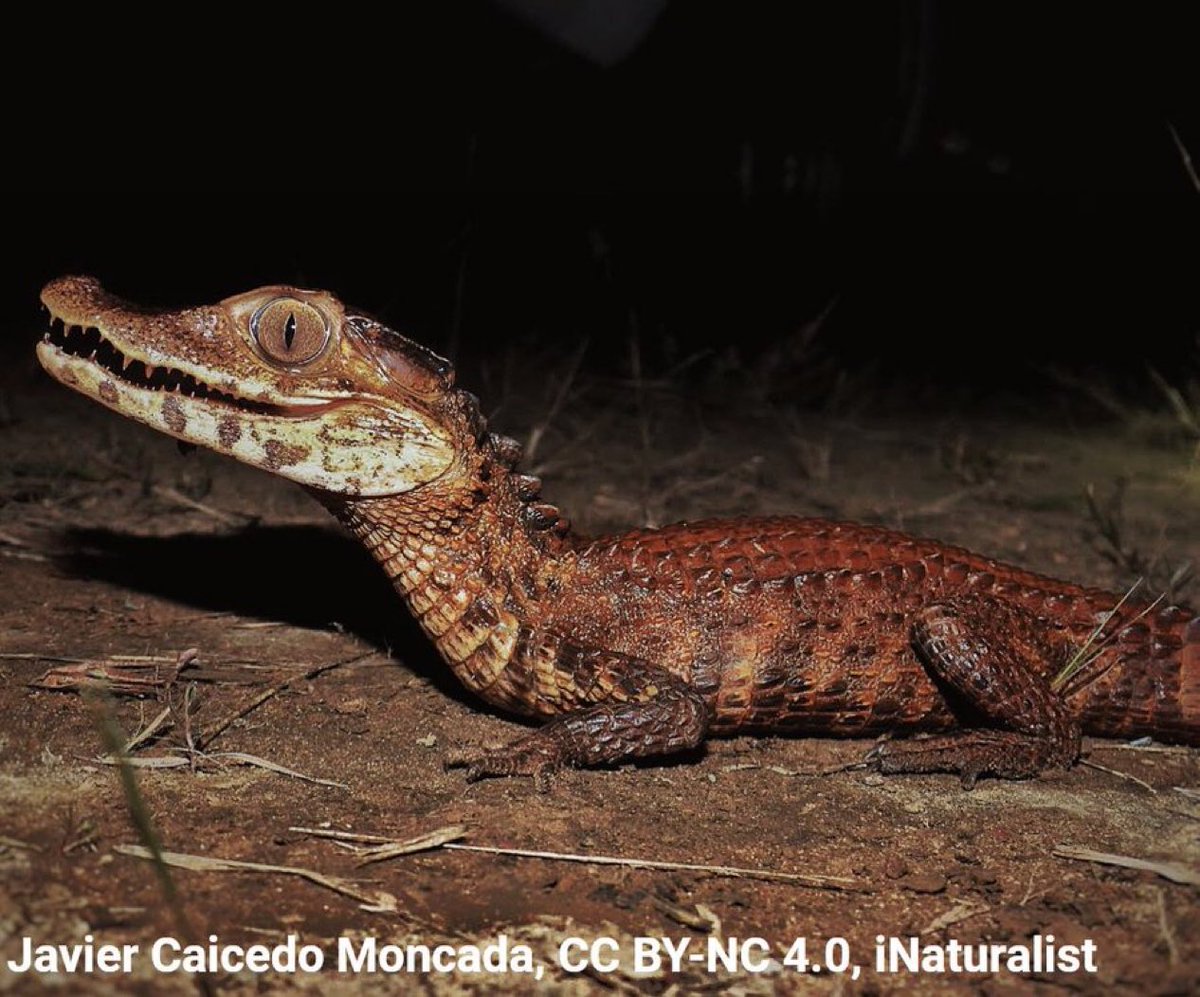
ALT A nighttime photo of Cuvier's Dwarf Caiman in profile. The reptile seems to be covered in rust-colored mud. It is small in size, with a huge slitted eye.
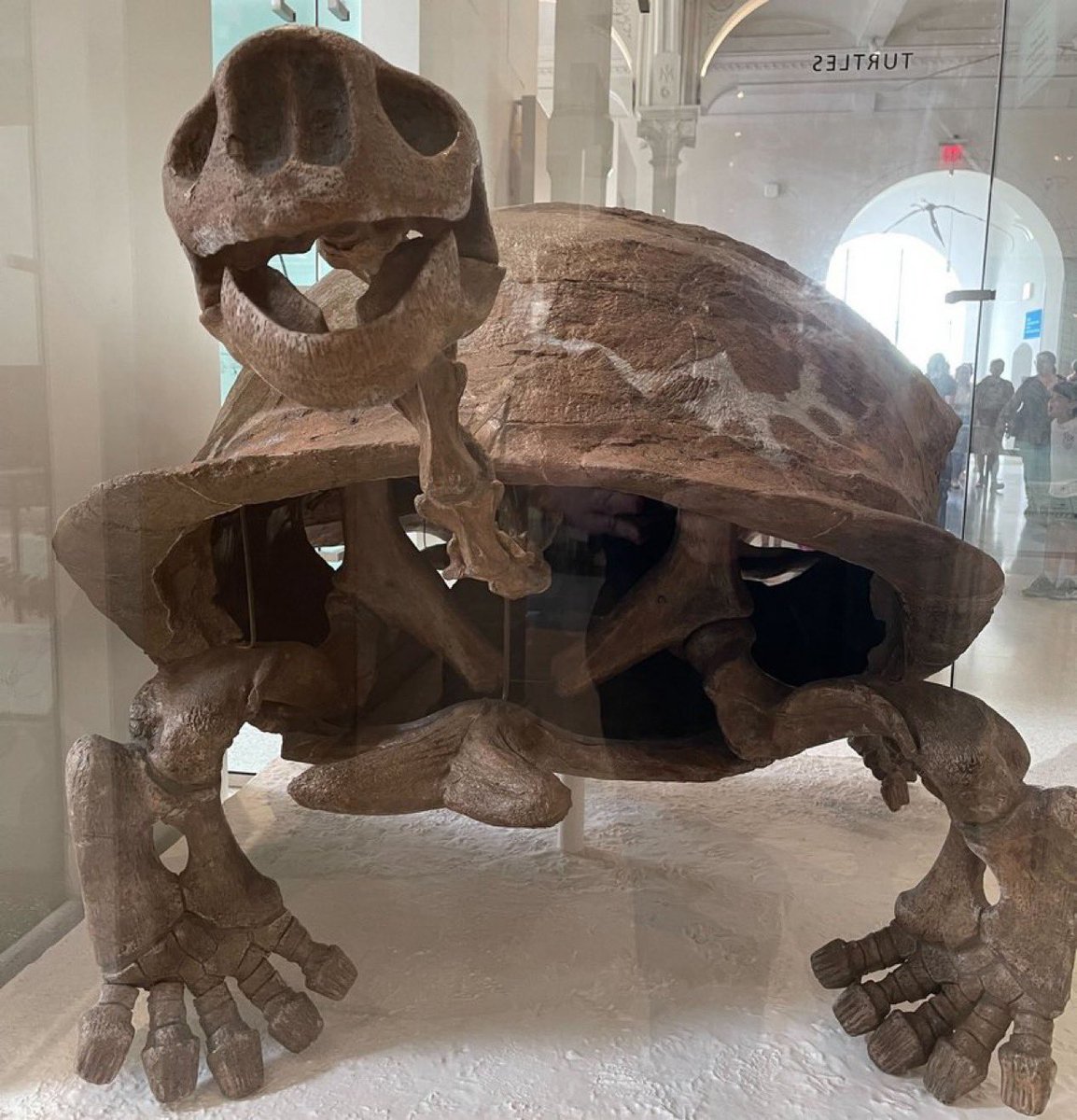
ALT A photo of Megalochelys atlas on display in the Museum. The giant turtle's skeleton is a dark brown color.
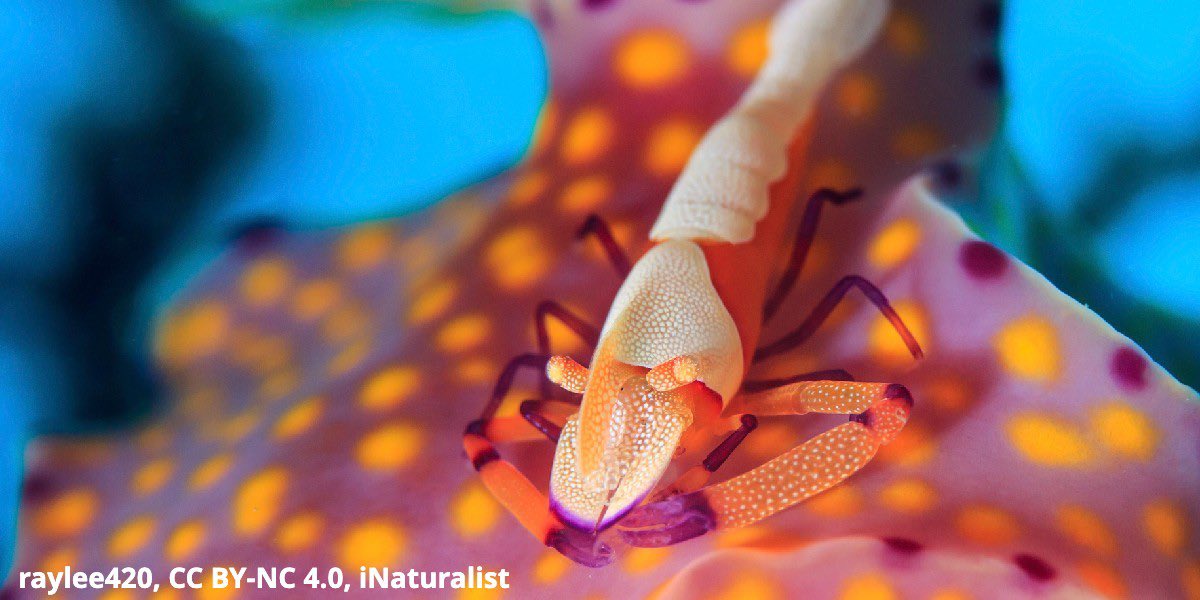
ALT A photo of an emperor shrimp. It is patterned with the colors cream, reddish orange, and purple. It is perched on a colorful sea critter.
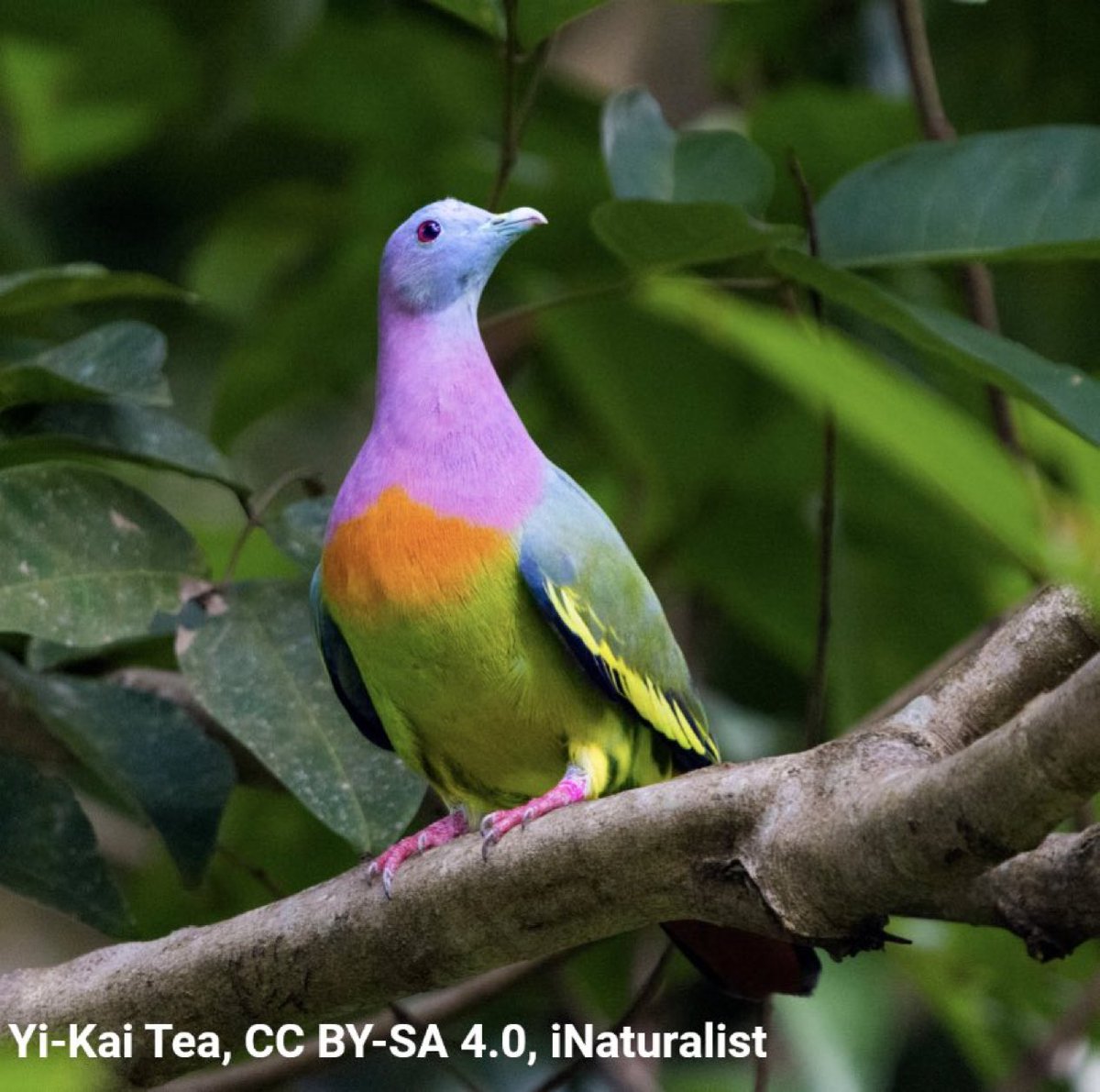
ALT A photo of a perched on a branch. The bird is looking up and into the distance. It has a bluish head, a pinkish neck, an orange spot at the chest, and a green body.
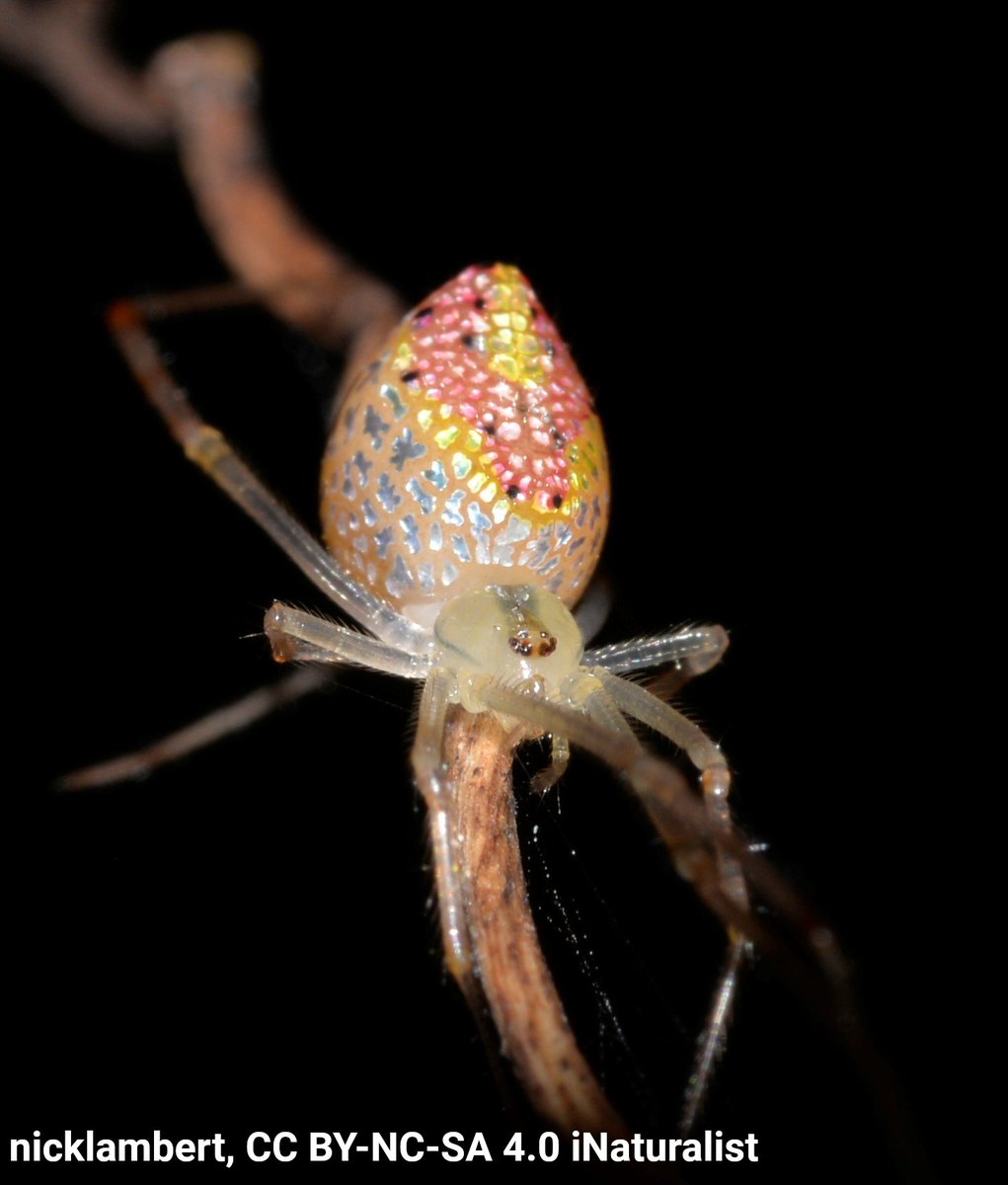
ALT A photo of a black-spotted Thwaitesia. The spider has a nearly translucent body with dazzling rainbow spots on its abdomen. It is framed by a black background.
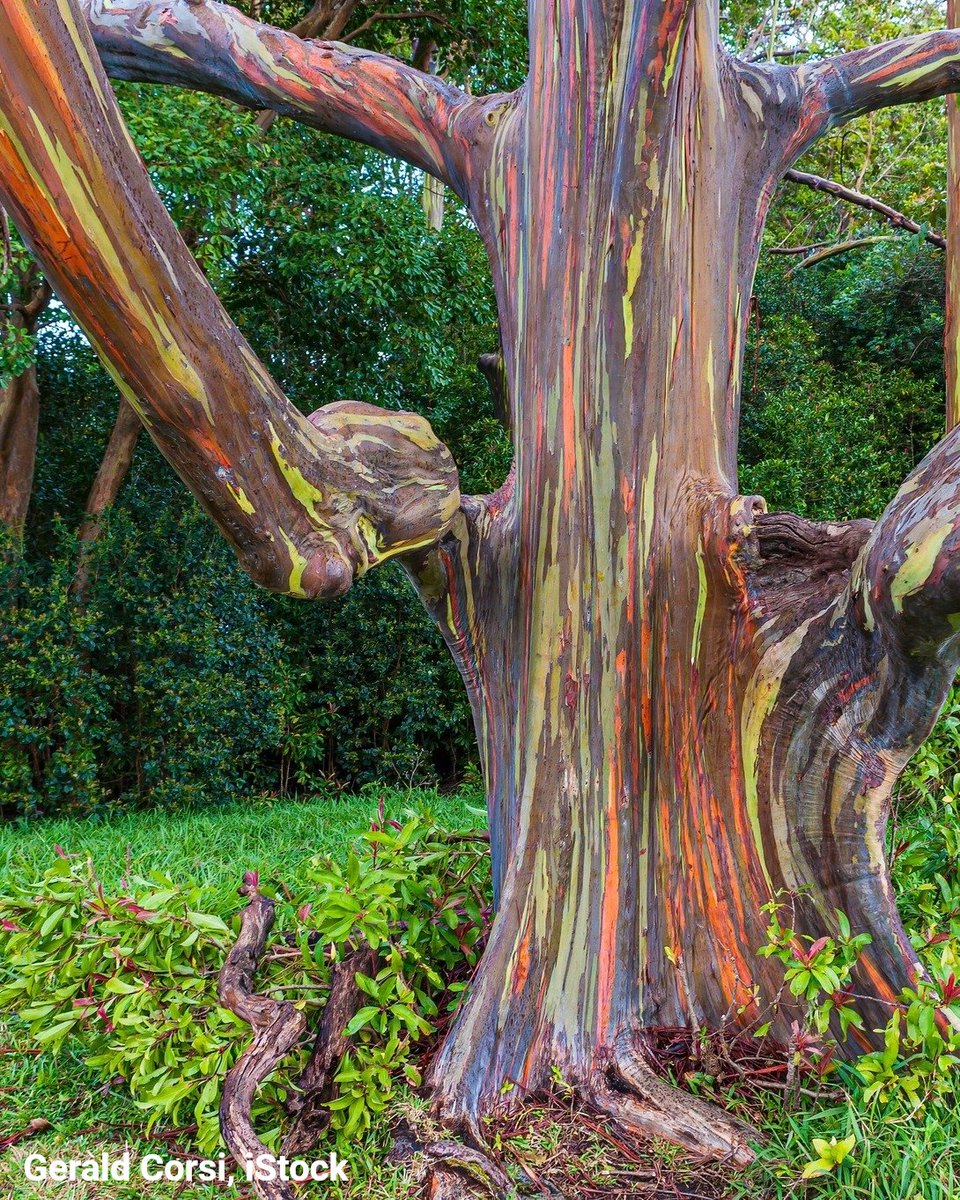
ALT A photo of a rainbow eucalyptus. Its bark is pale grayish in color, peeling to reveal dazzling shades of yellow-green, orange, and purple.
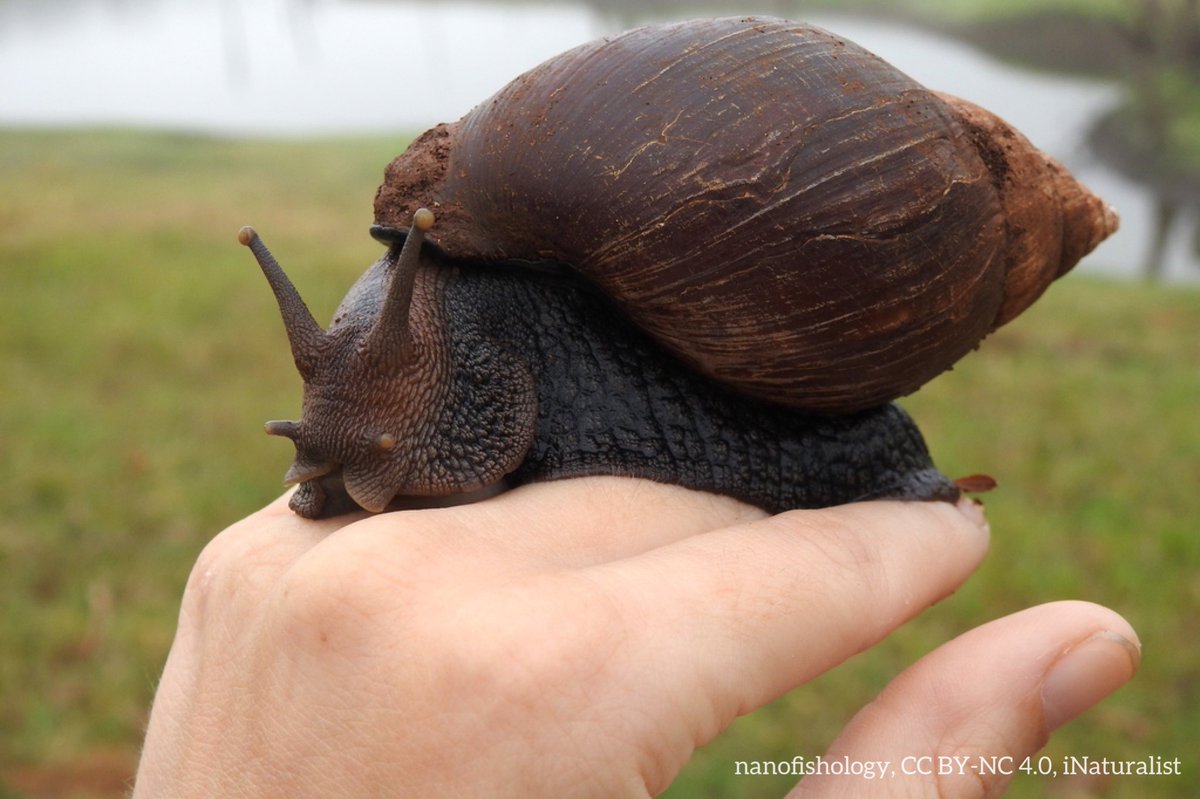
ALT A photo of a giant land snail on a human hand. The snail composes most of the image. It is huge and dark brown in color.
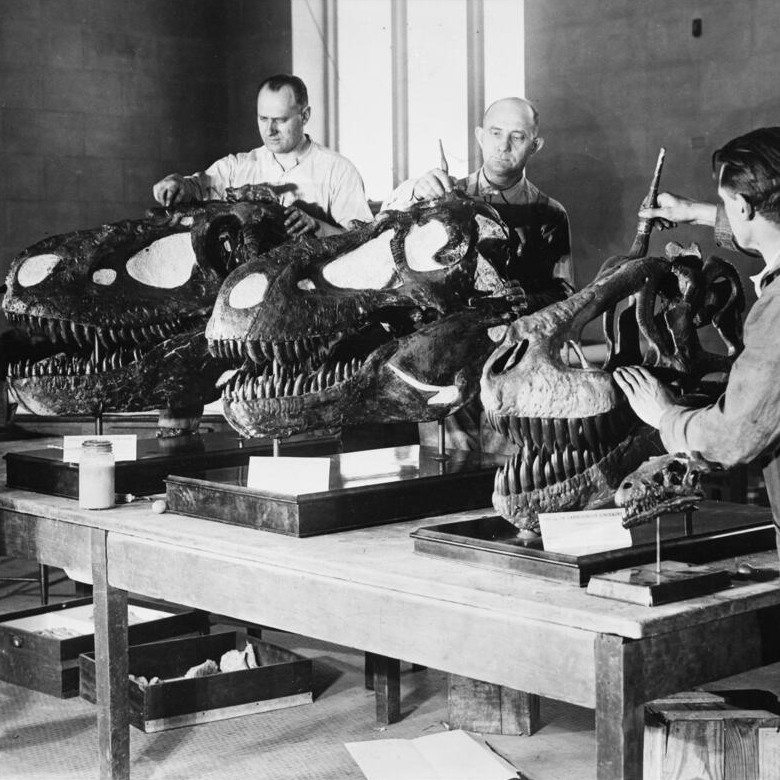
ALT An archival black and white photo of Museum preparators working on three Tyrannosaur skulls. They are positioned in a row on a large table.
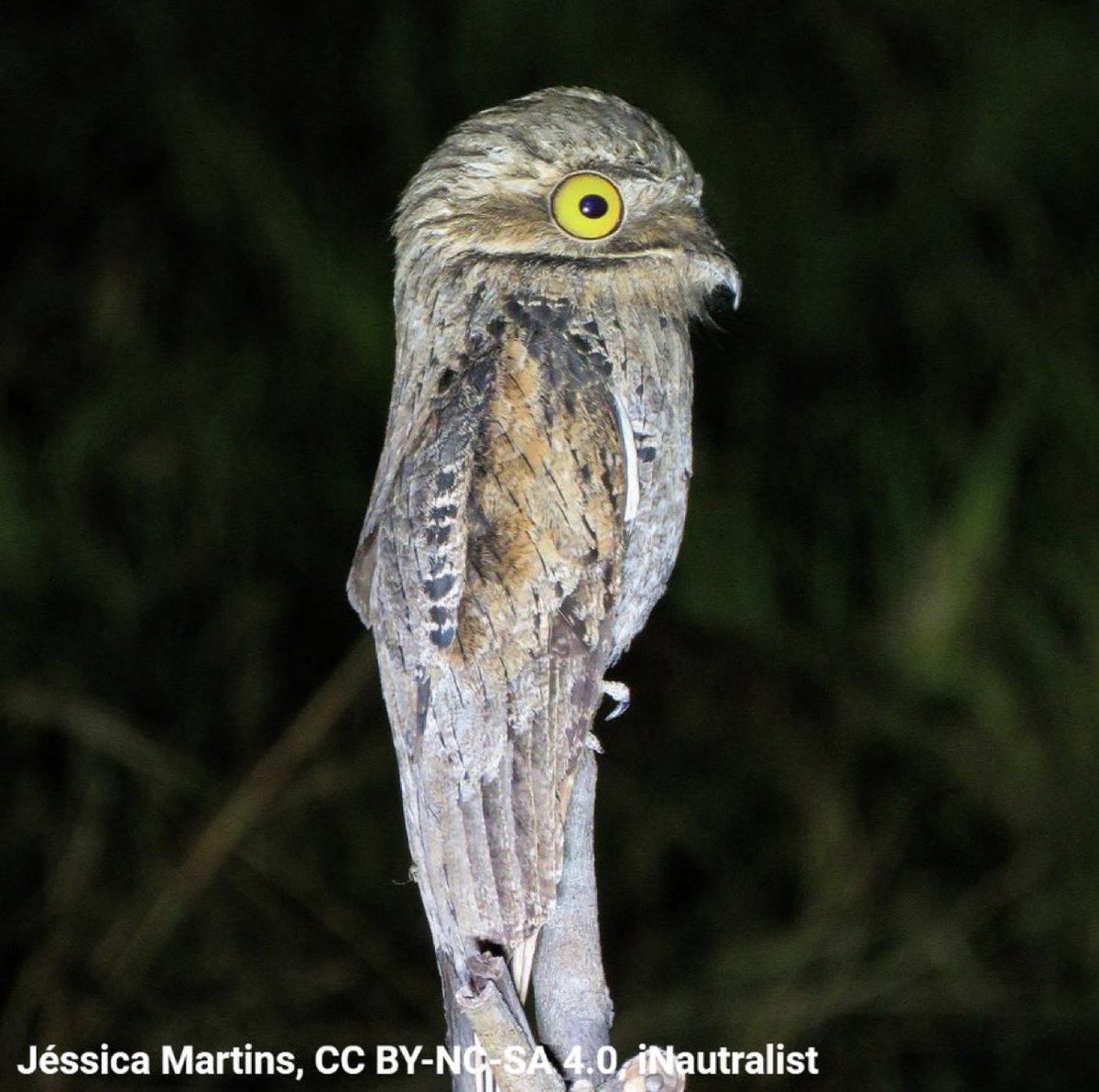
ALT A photo of a Common Potoo perched atop a branch. The bird is visible in profile. Its head is large, its eye is huge and yellow. Its beak is small. It is tannish in color and flecked with darker patterning.
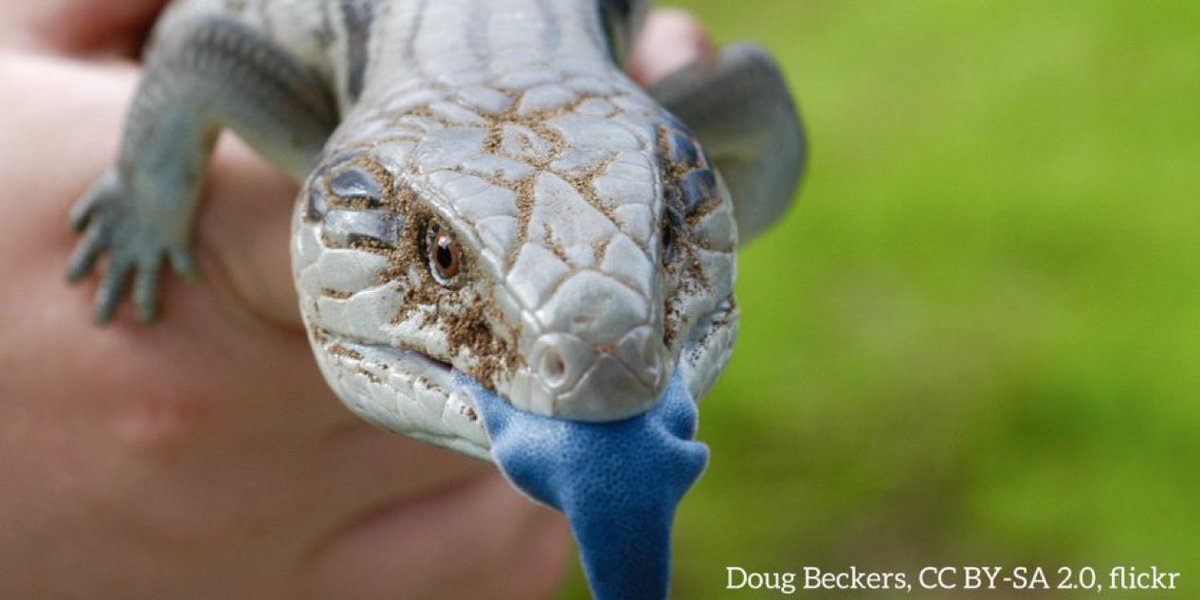
ALT A photo of a blue-tongued skink. It is being held in a human hand. The lizard is gray in color with a large, bright blue tongue.
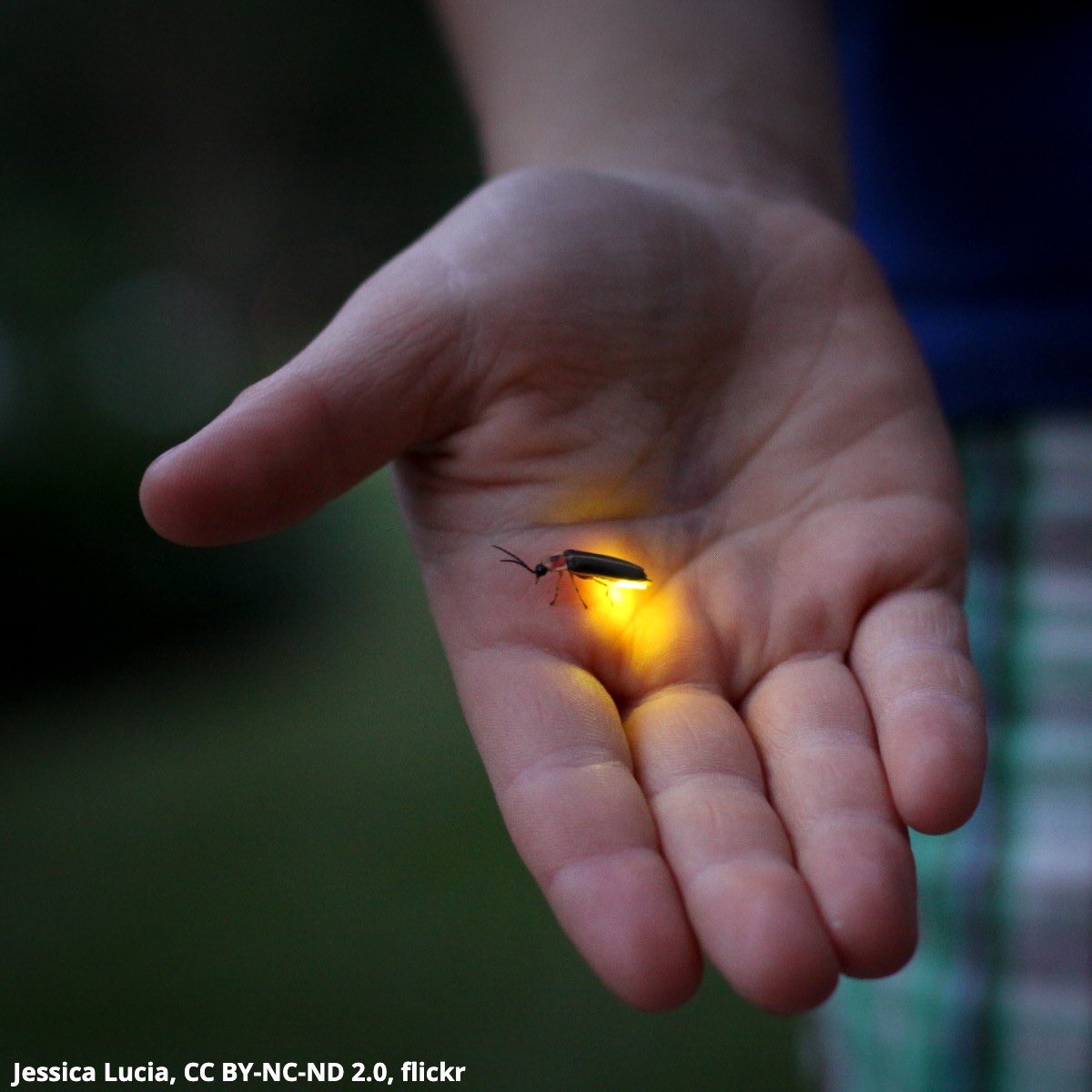
ALT A photo of a firefly held in a human hand. The firefly is primarily black, with some reddish and yellow markings at its head. It is emitting a warm, yellow glow.
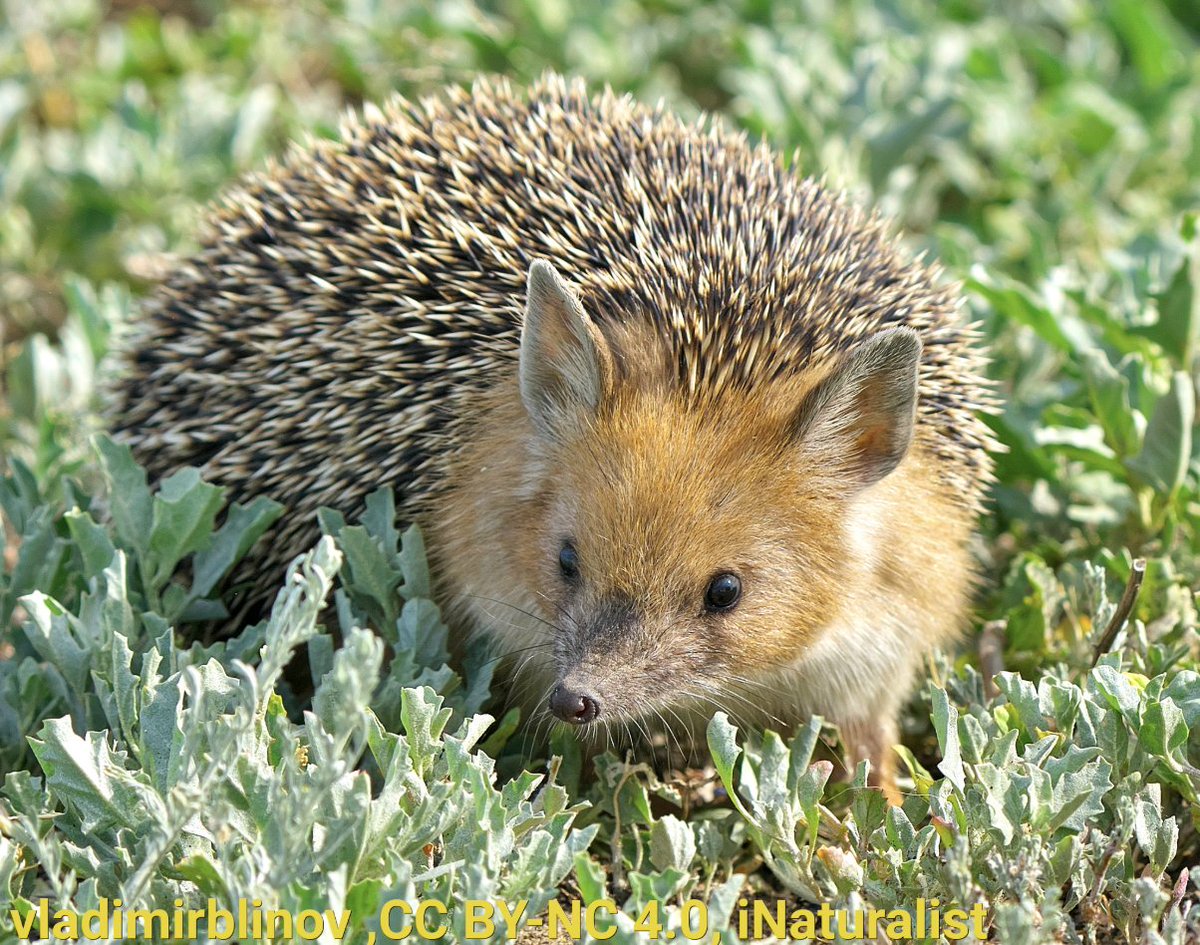
ALT A photo of a long-eared hedgehog. It is looking toward the viewer. The animal is small, tannish in color, and has large pale ears. It has beady black eyes and a slightly elongated snout.
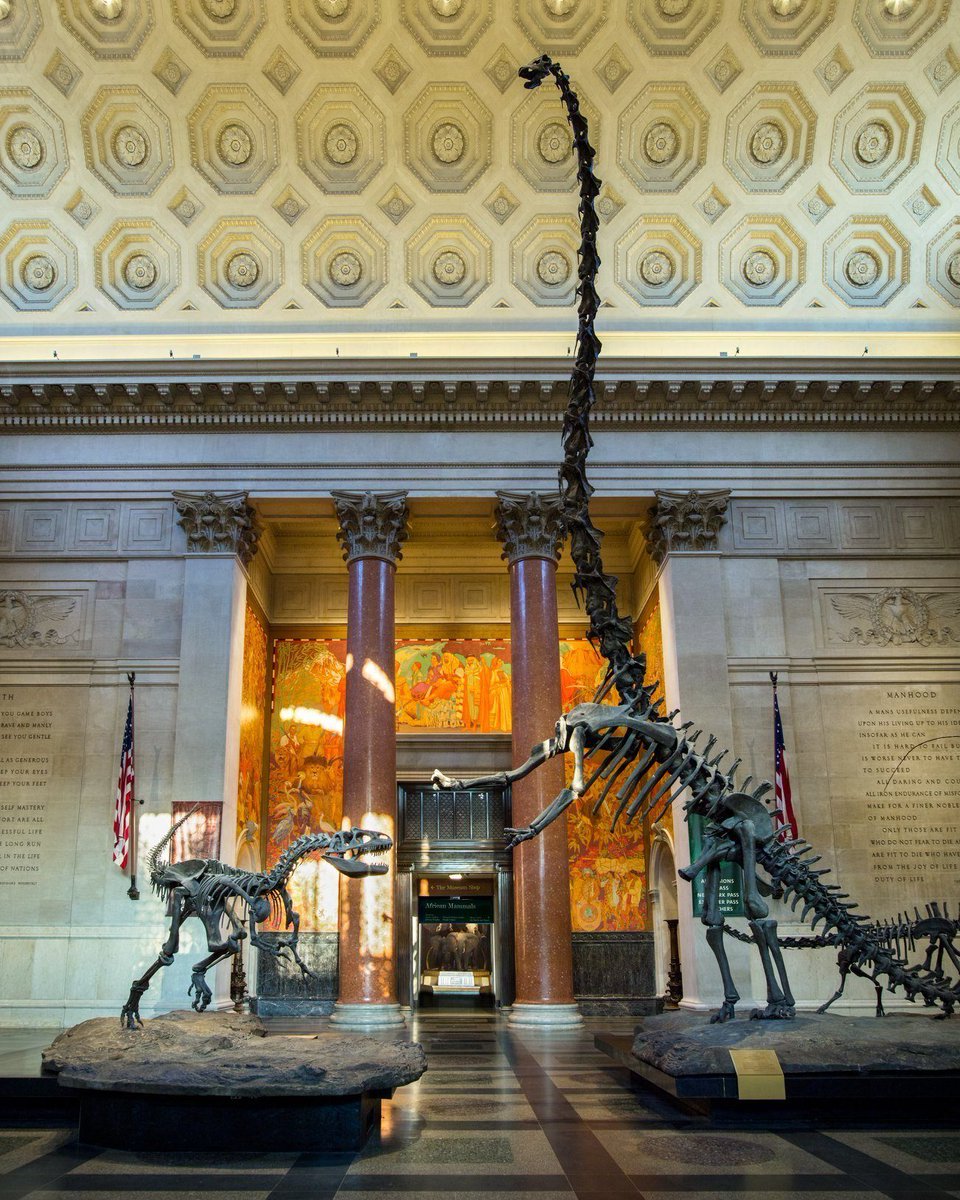
ALT A photo of the Barosaurus and Allosaurus in the Museum’s rotunda. The skeletons of the animals are dark in color. The long-necked Barosaurus is posed as if standing on its hind legs; the Allosaurus is posed as if lunging at the sauropod.
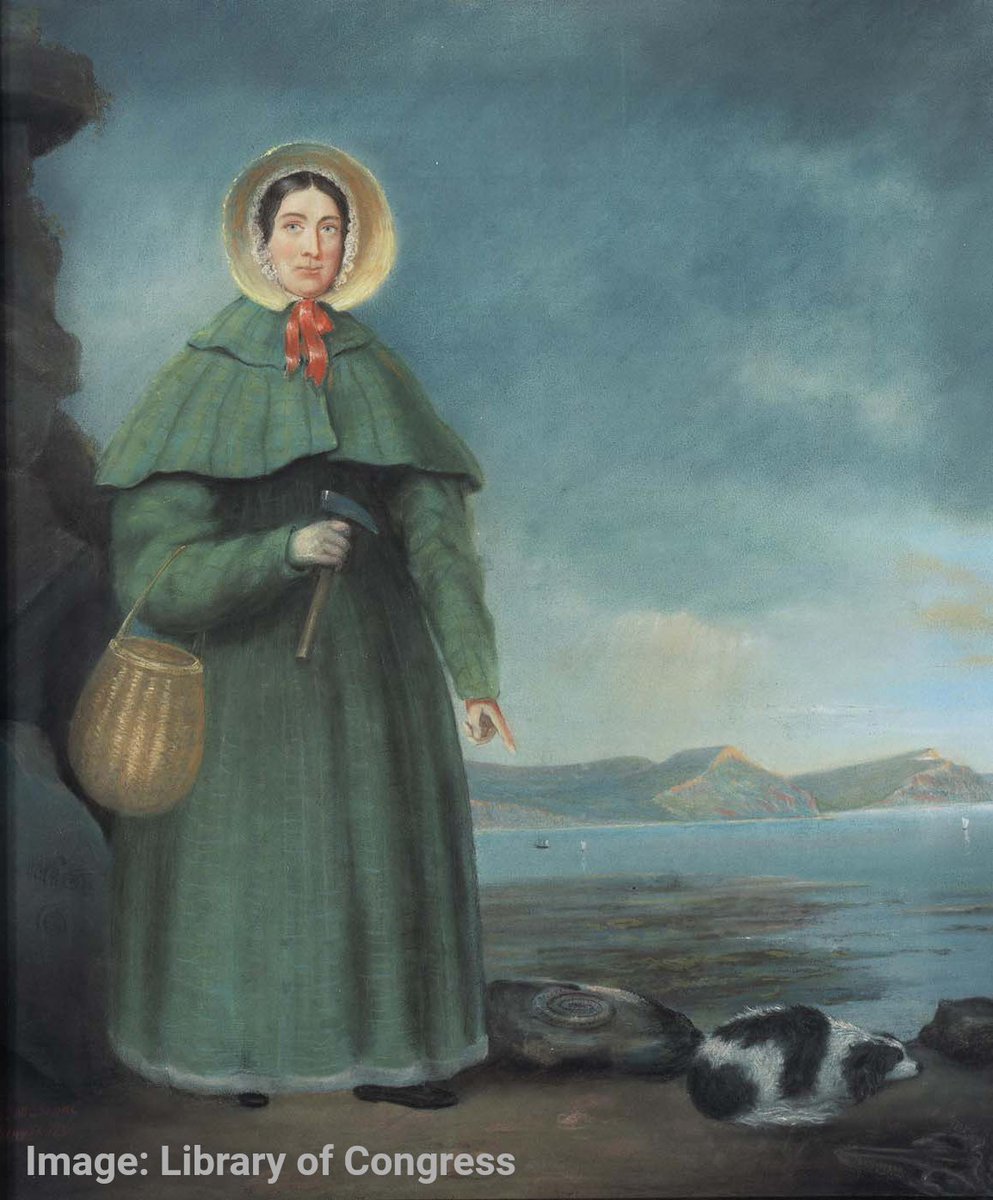
ALT A painting of Mary Anning. She is standing beside a small black and white dog. She is dressed in early 19th century attire with a bonnet and long green dress.
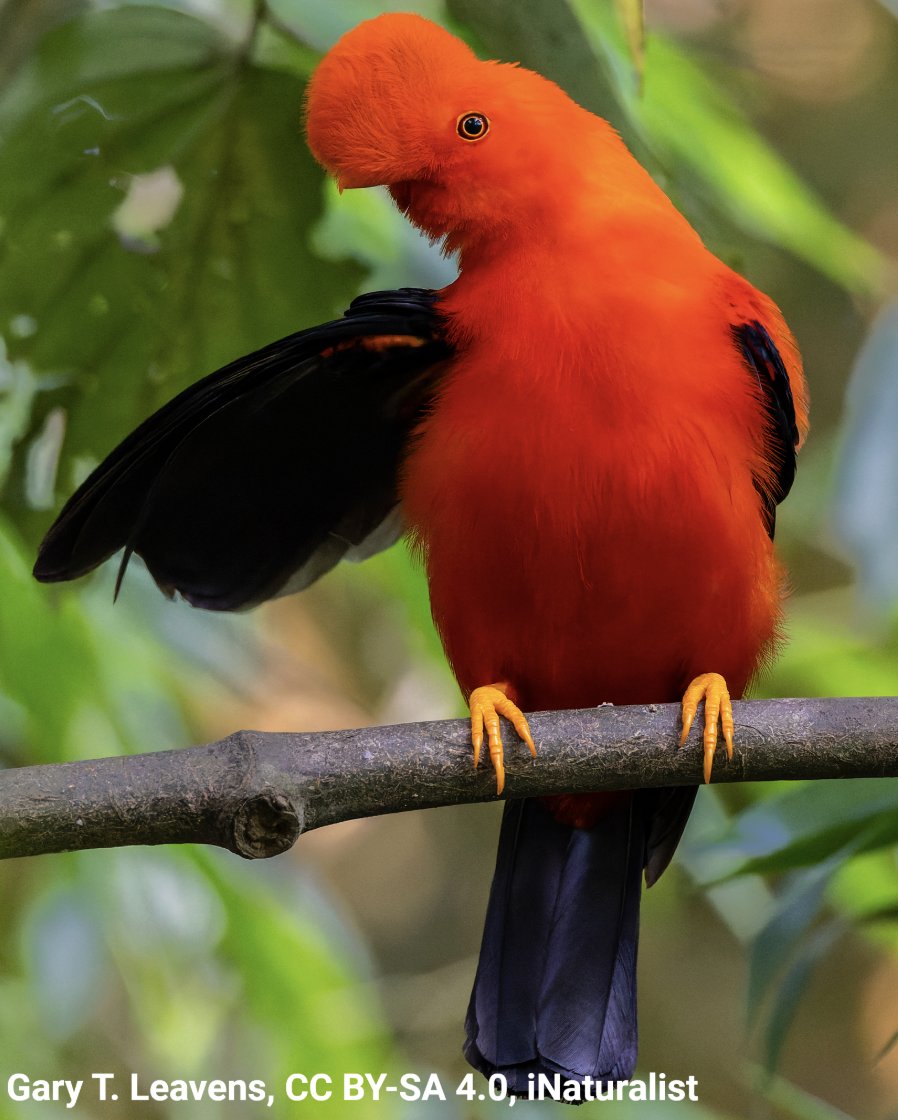
ALT A photo of an Andean Cock-of-the-Rock perched on a branch. It has one wing outspread. The bird is a vibrant orange with black feathers and yellow feet. Its beak is obscured by feathers on its head.
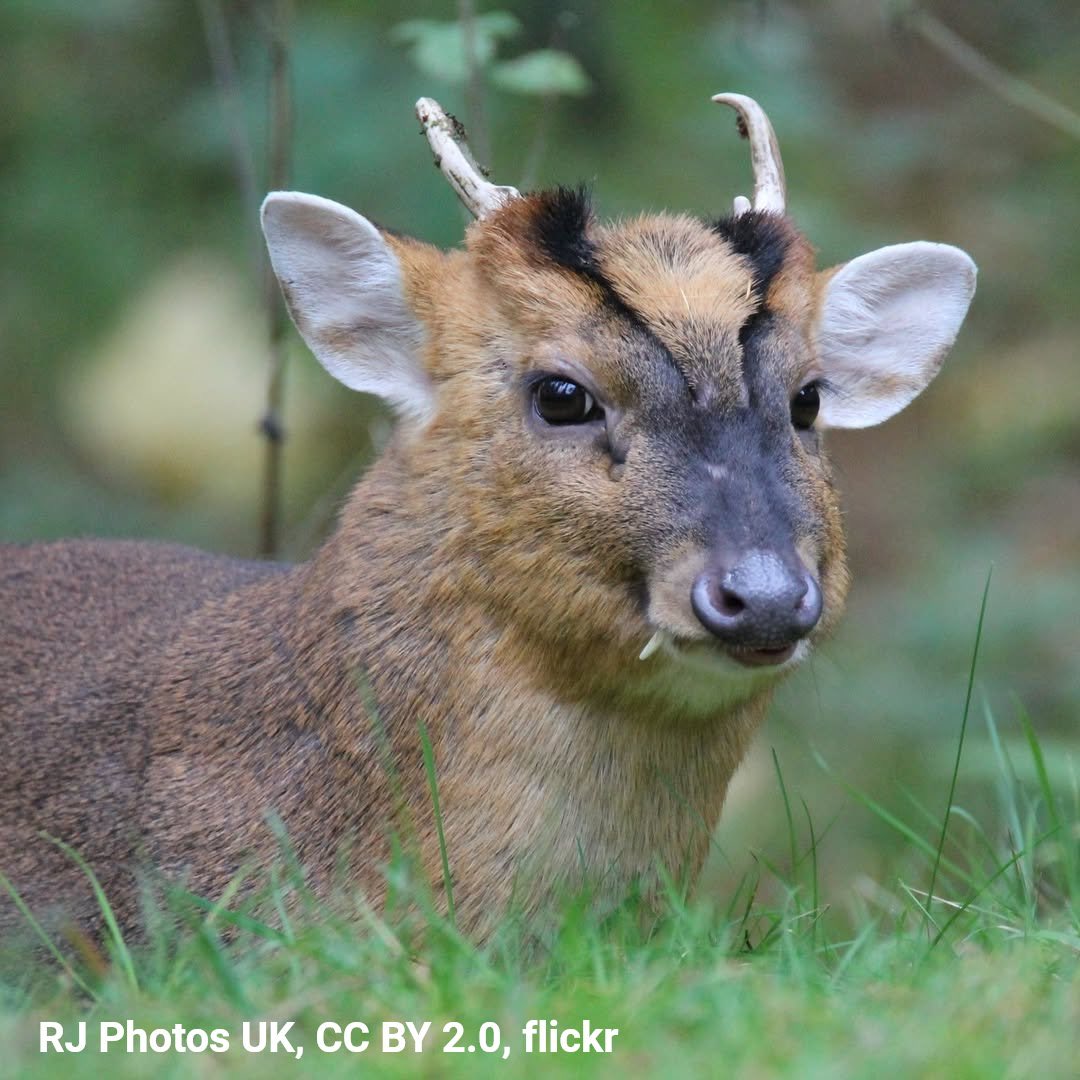
ALT A close-up photo of a Muntjac deer. The animal is brown in color, with two long fangs. It has dark eyes and is small in size.