
Official voice of American Psychological Association | Promoting advancement, communication & application of #PsychScience to benefit society & improve lives
Joined February 2012
- Tweets 19,795
- Following 1,589
- Followers 291,523
- Likes 14,973
4,607 Photos and videos
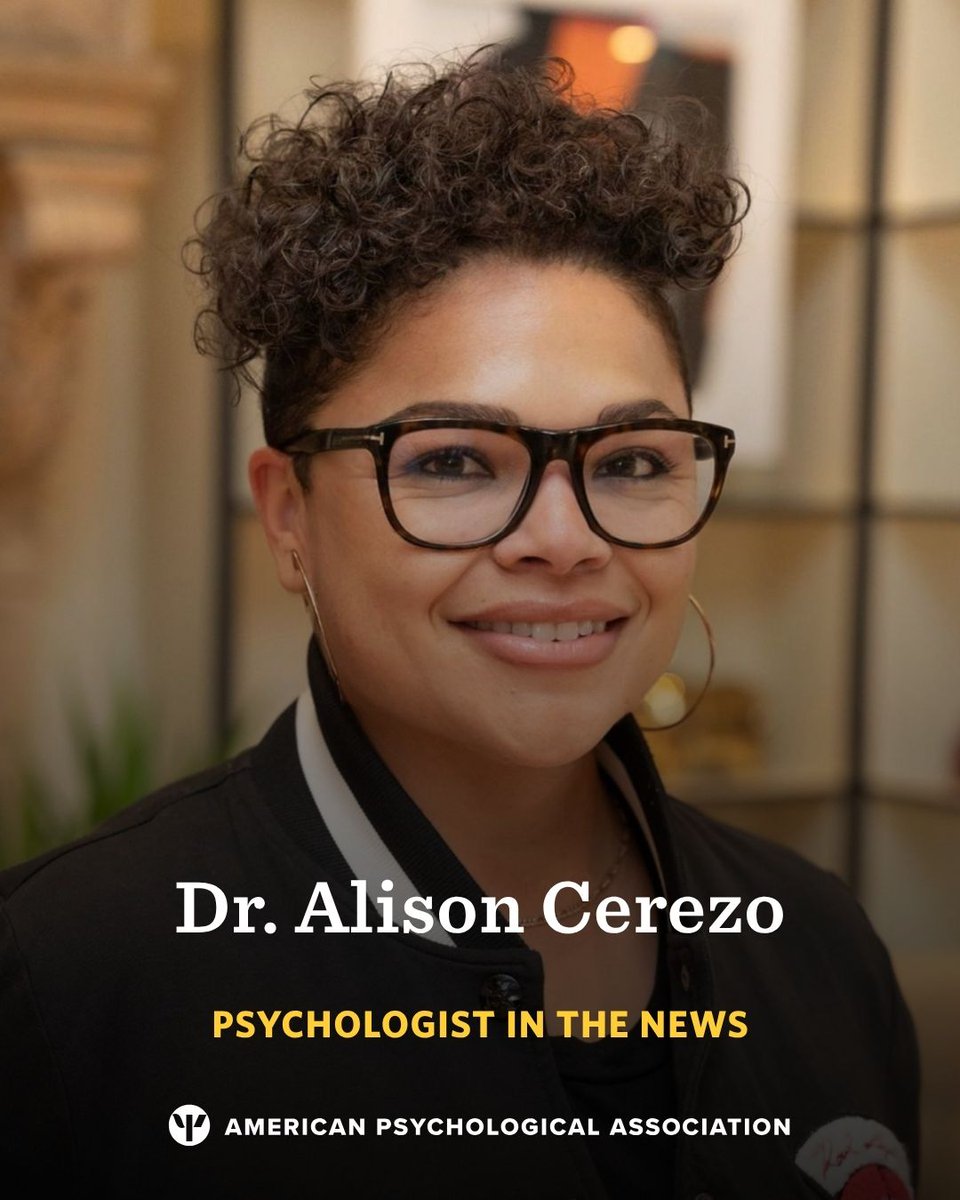
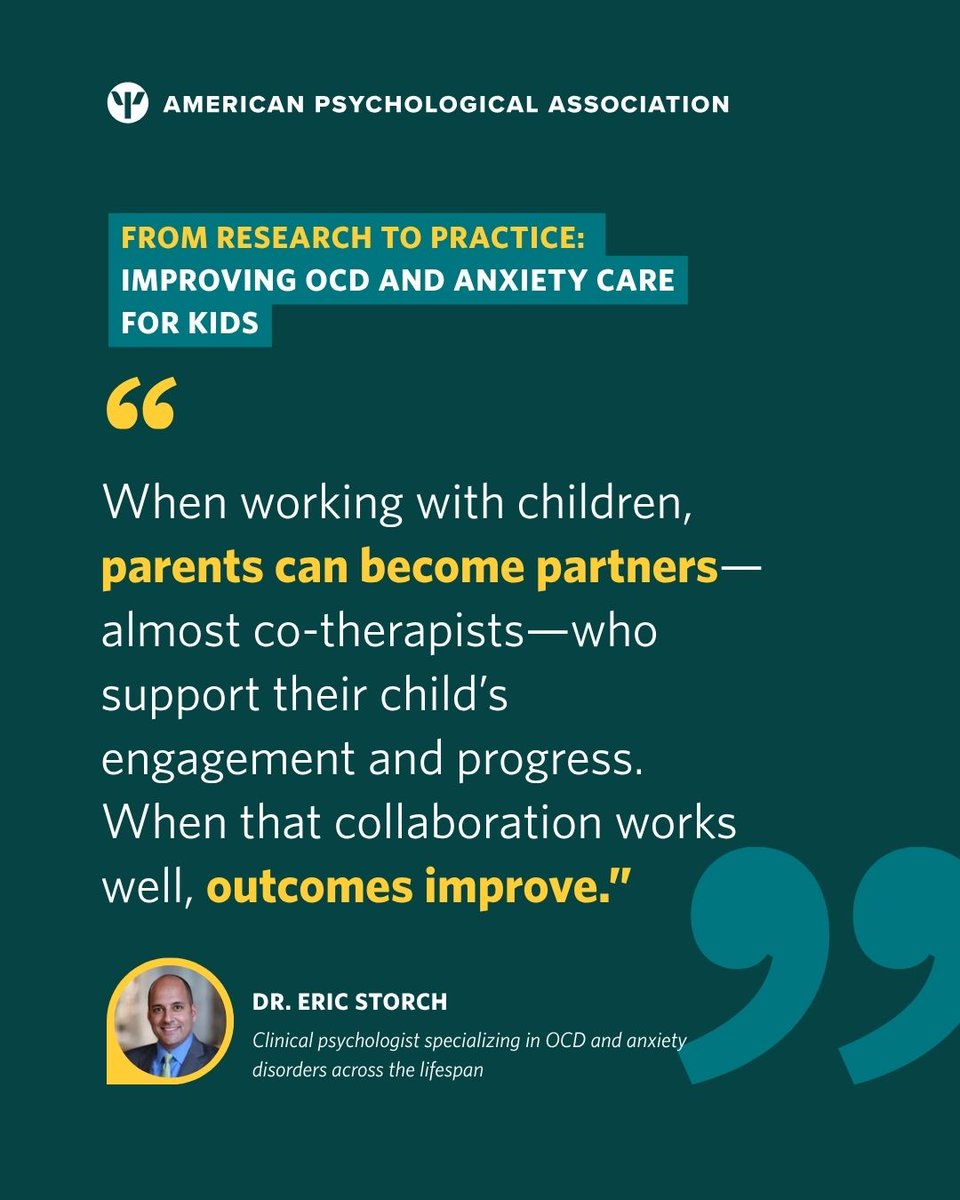
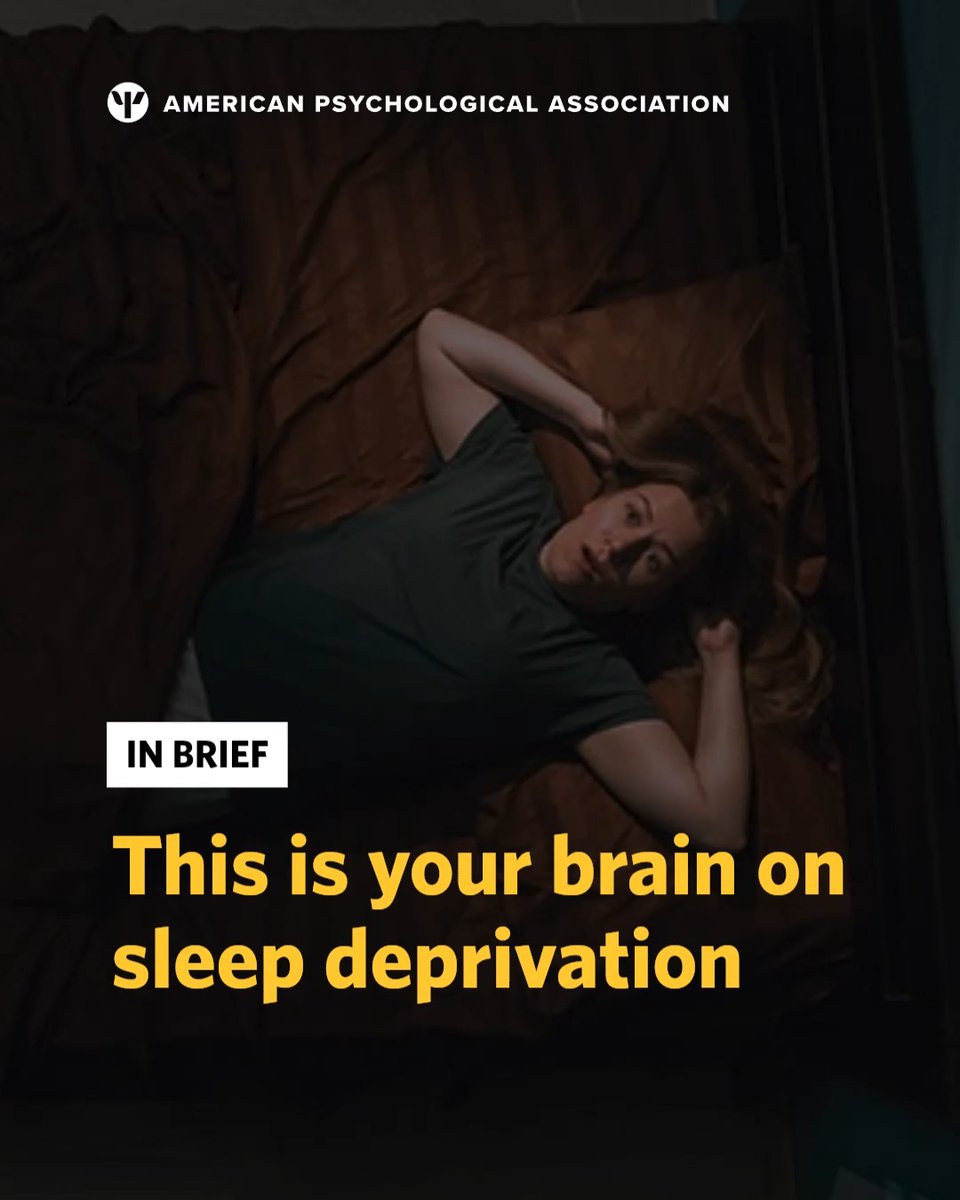
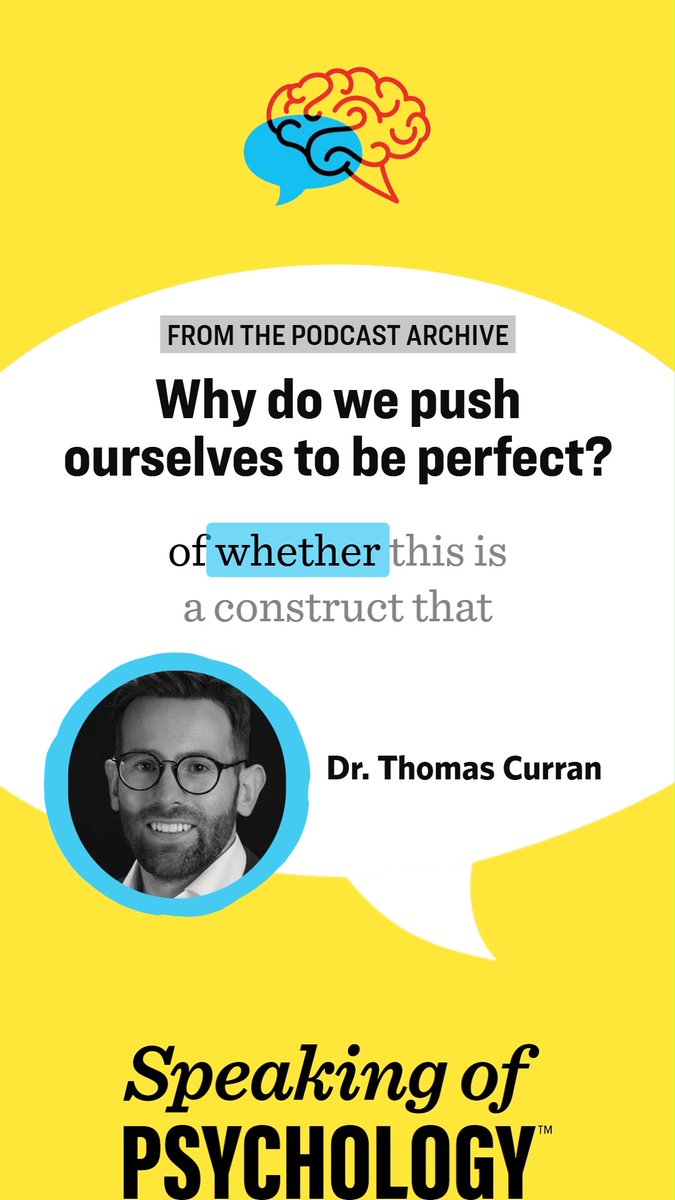


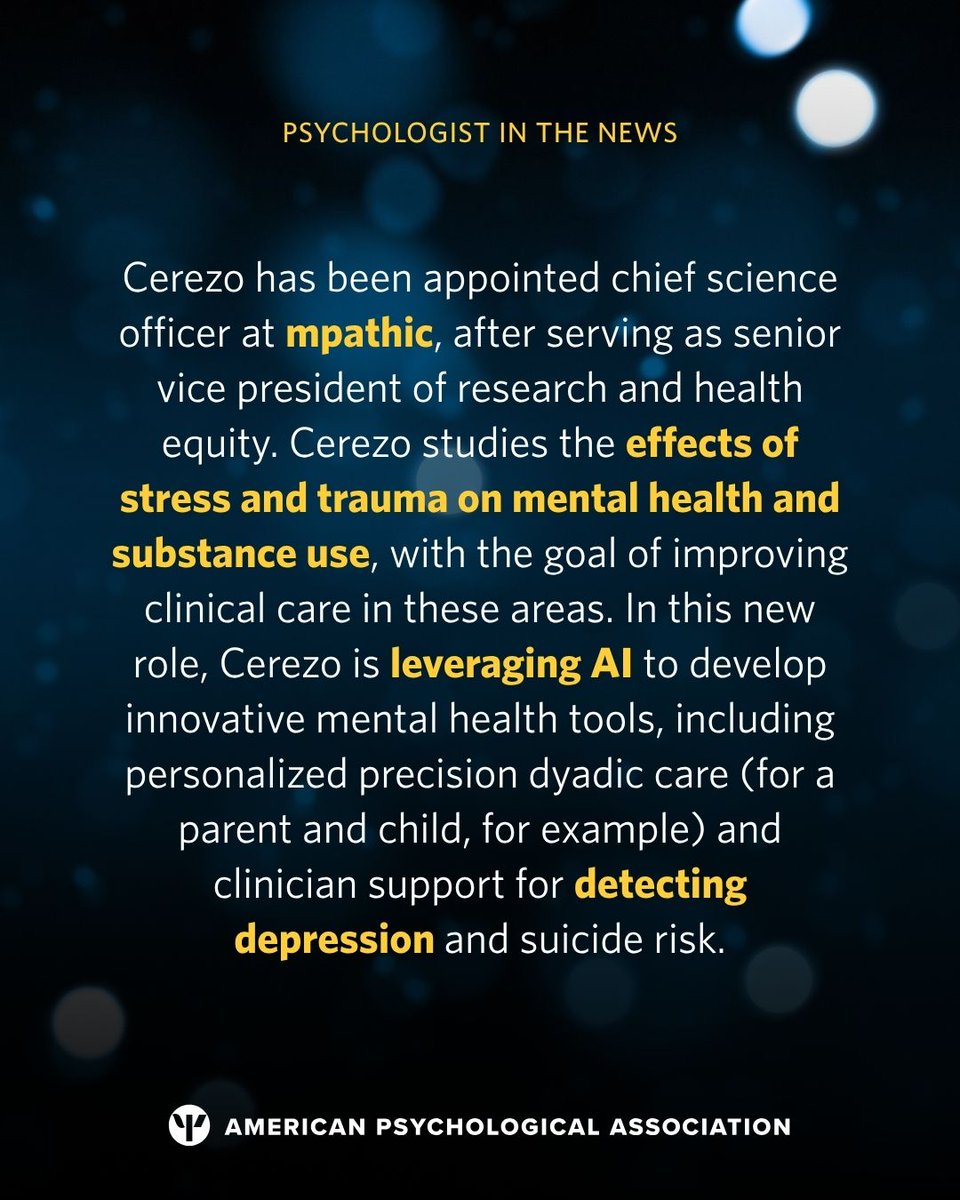
Congratulations to Dr. Alison Cerezo!
Read more about the recent accomplishments of esteemed psychologists from across the country: at.apa.org/f7d082
Catch Dr. Cerezo this summer on the #APA2026 Feature Stage as they explore staying psychologically safe in the #AI era.
1
6
786
When treatment works well, families are often part of the process. Parents can become key partners in helping children engage with #OCD and anxiety treatment, explains psychologist Eric Storch.
Learn more: at.apa.org/3338f8
3
13
919
Sleep deprivation may trigger the brain to enter sleep-like states while awake, leading to lapses in attention and reduced performance.
Read more highlights from recent peer-reviewed studies: at.apa.org/d00cb9
2
18
33
2,126
Perfectionism promises excellence, but often delivers burnout. Dr. Thomas Curran discusses why we feel the need to push ourselves to perfection and what we can do to recognize that often, “good” is good enough. Hear the full conversation: at.apa.org/hbv
2
10
27
2,136
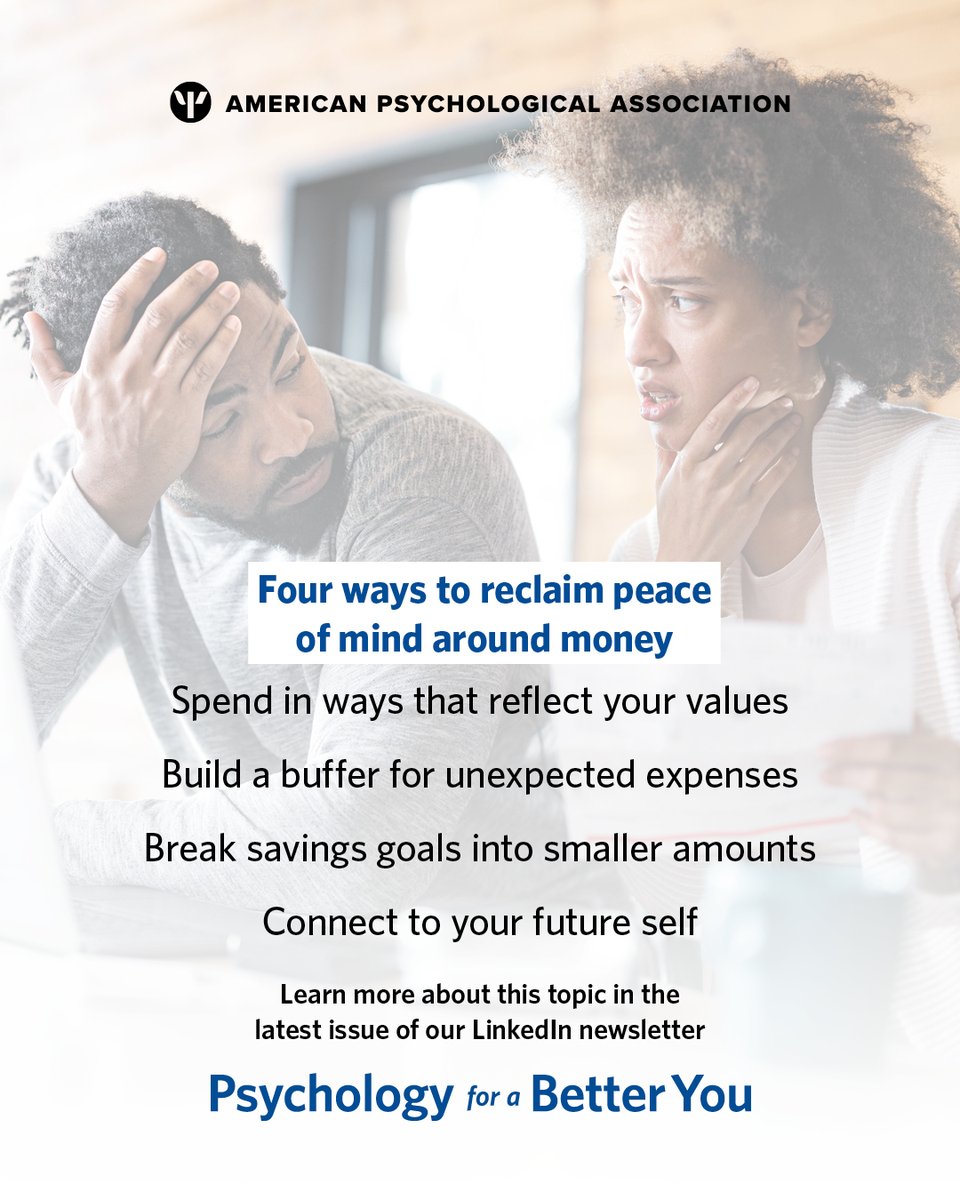
This month’s Psychology for a Better You, explores why financial stress can feel so overwhelming and provides practical, psychology-backed strategies to regain a sense of control. Tell us in the comments: What’s one habit that helps you feel more in control of your finances?
1
3
18
1,601
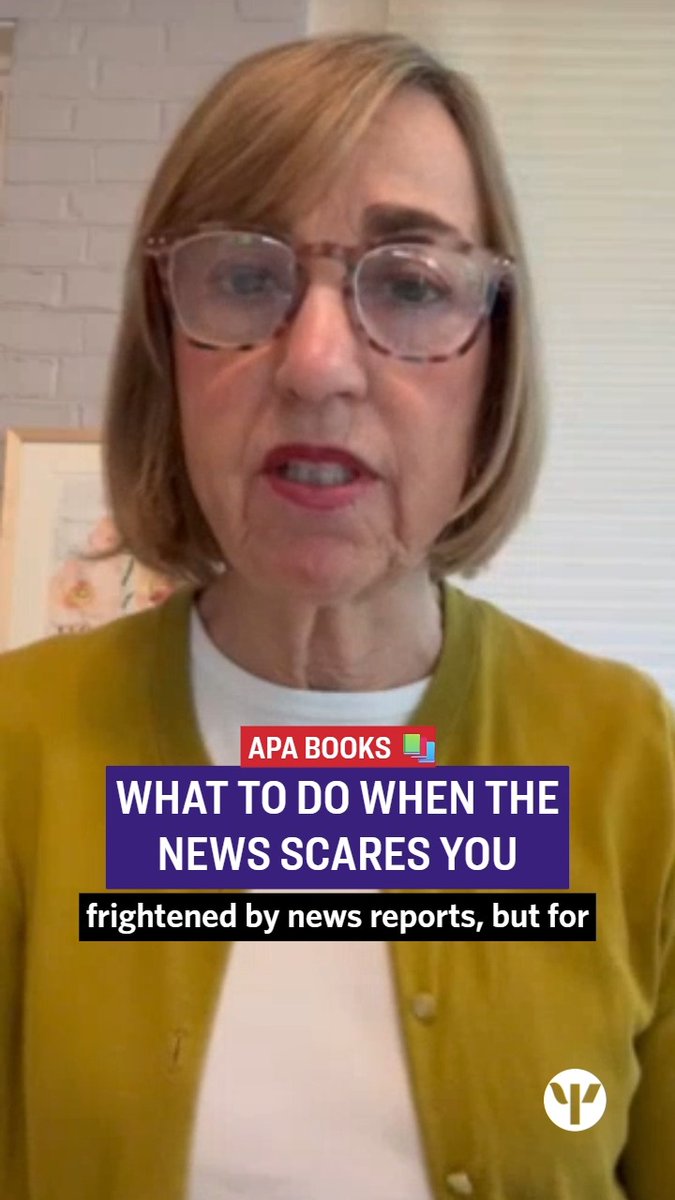
Does the news leave your child worried or overwhelmed? “What to Do When the News Scares You: A Kid’s Guide to Understanding Current Events,” published by Magination Press, helps children make sense of scary headlines and manage big feelings.
Learn more: at.apa.org/6d5cb0
3
6
17
1,685
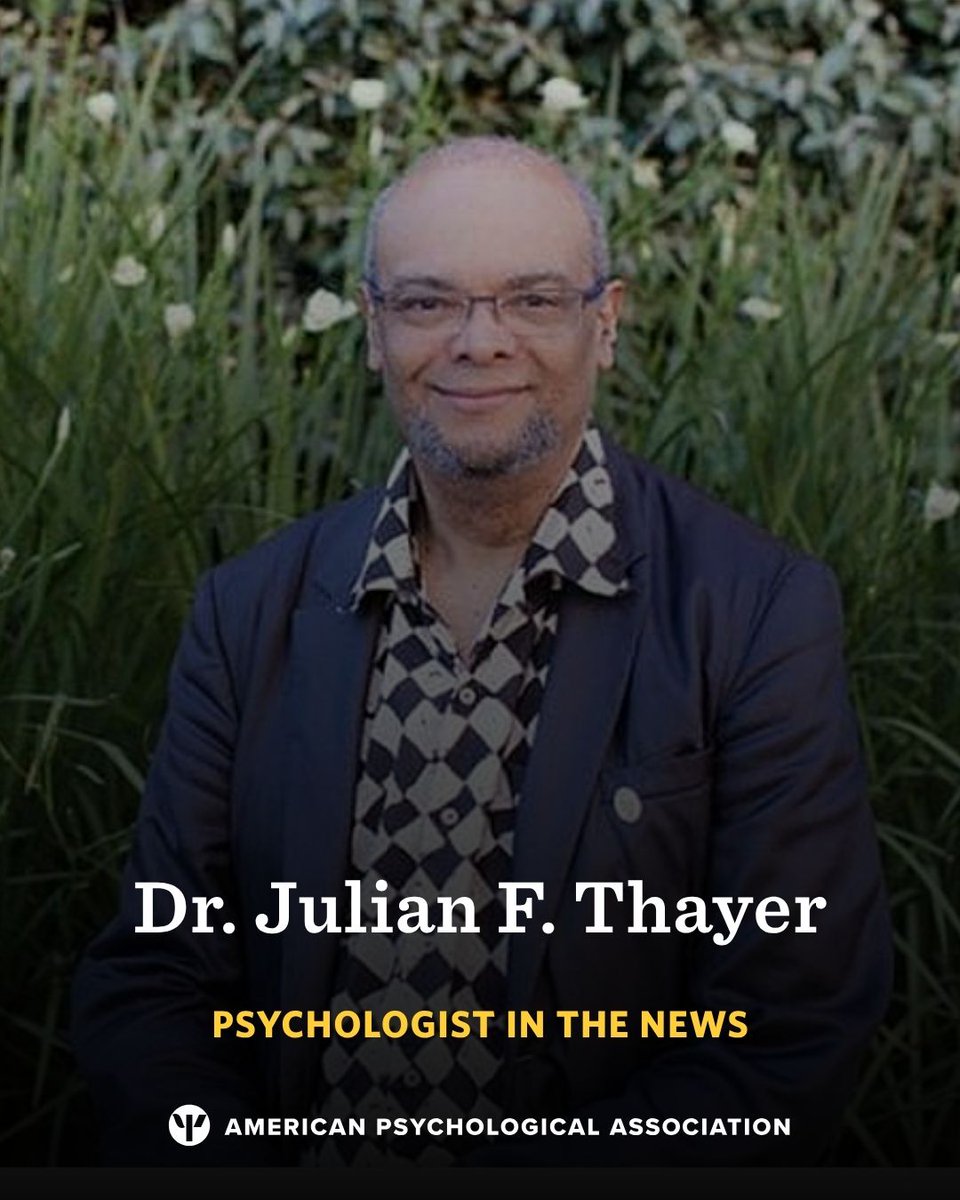
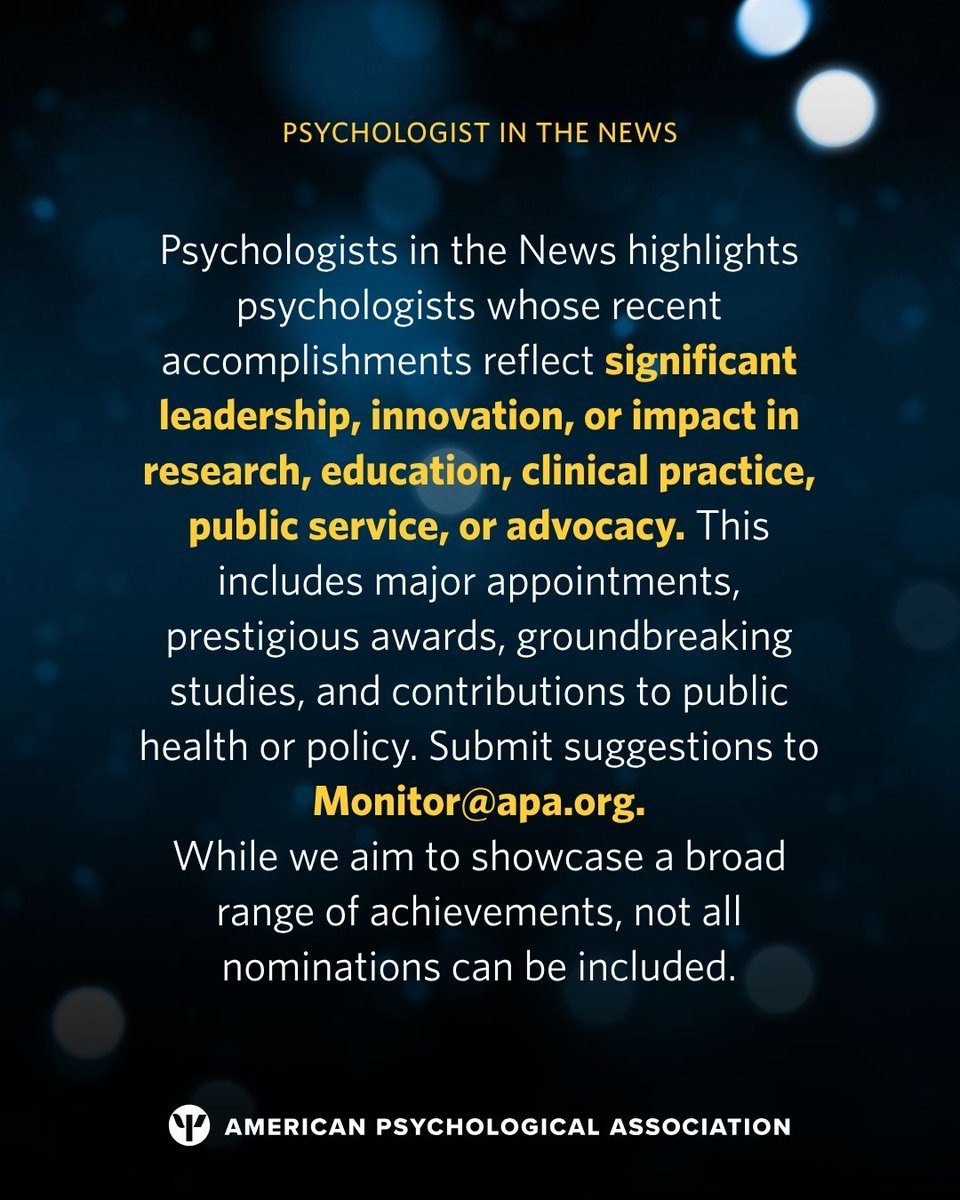
Congratulations to Dr. Julian Thayer! Read more about the recent accomplishments of esteemed psychologists from across the country: at.apa.org/2934af
1
1
12
1,351
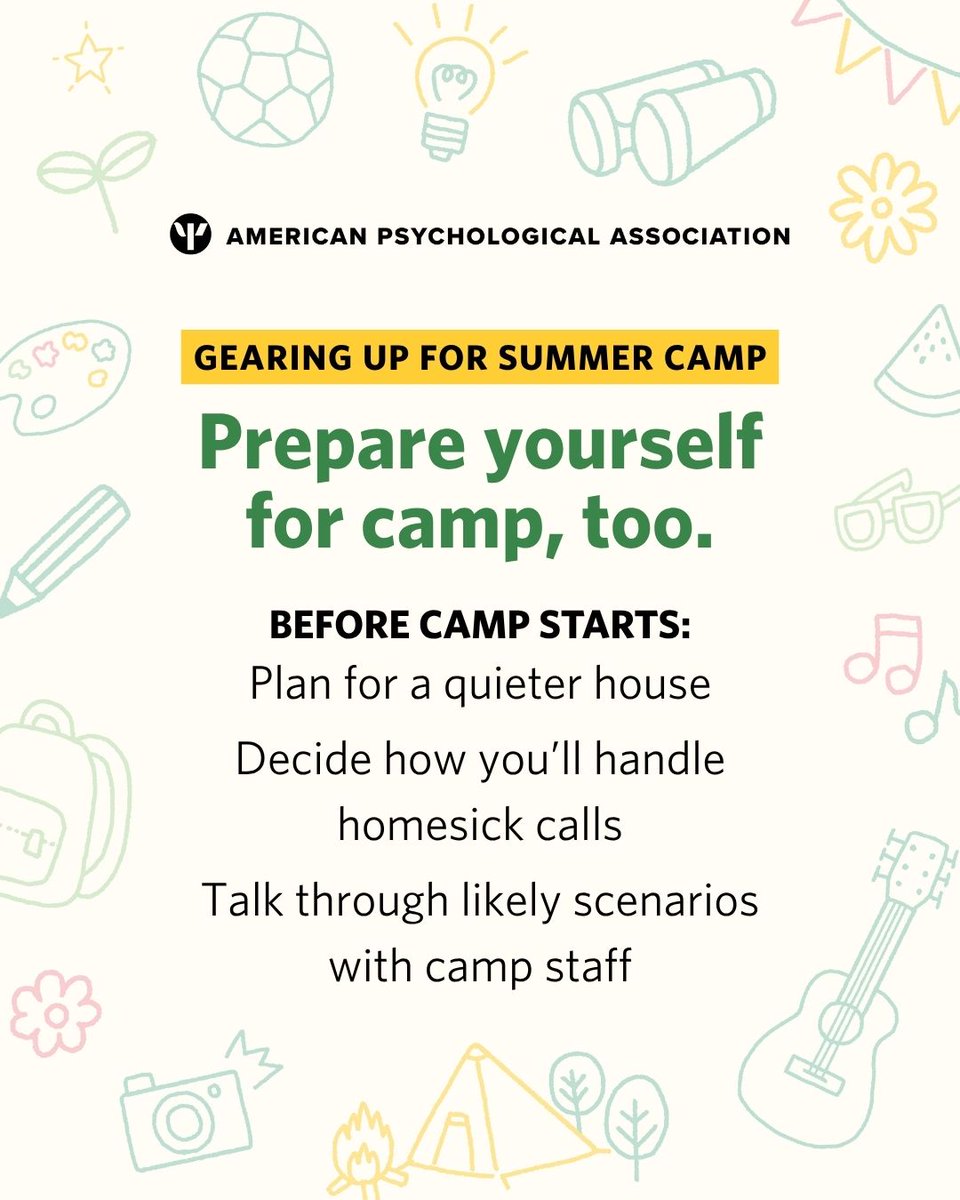
Parents can feel anxious about sending their kids to summer camp. Feel calmer and more confident by preparing yourself ahead of time and focusing on likely outcomes instead of worst-case scenarios. Get more tips for managing summer camp anxiety: at.apa.org/359d3f
1
1
10
1,025
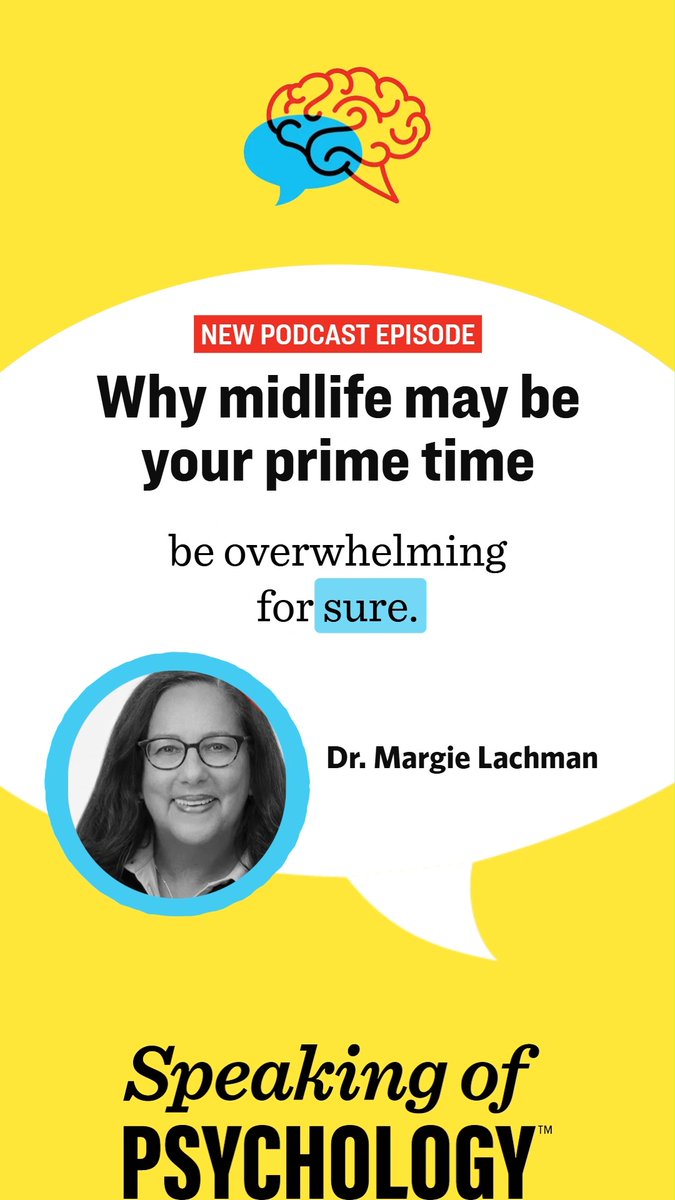
Listen to Dr. Margie Lachman discuss the science of midlife, including how the choices we make in our 40s and 50s can impact both our physical and mental health later in life.
Hear the full conversation: at.apa.org/82d67f
2
4
19
1,659
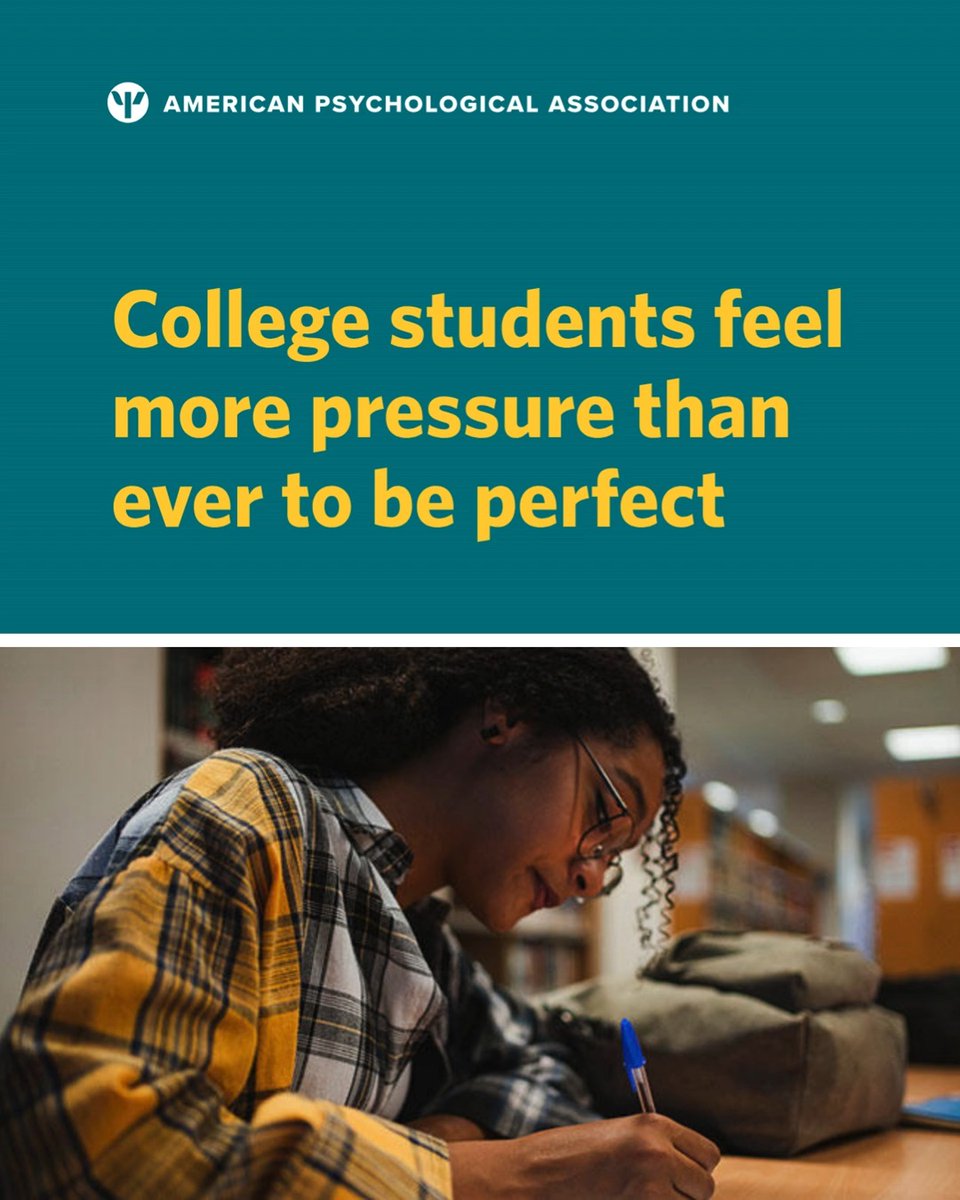
Perfectionism isn’t just a personal struggle—it’s a growing public health concern. New research suggests today’s college students are more perfectionistic than ever. Findings also point to cultural and economic factors shaping mental health. Learn more: at.apa.org/2066e9
4
16
45
2,792
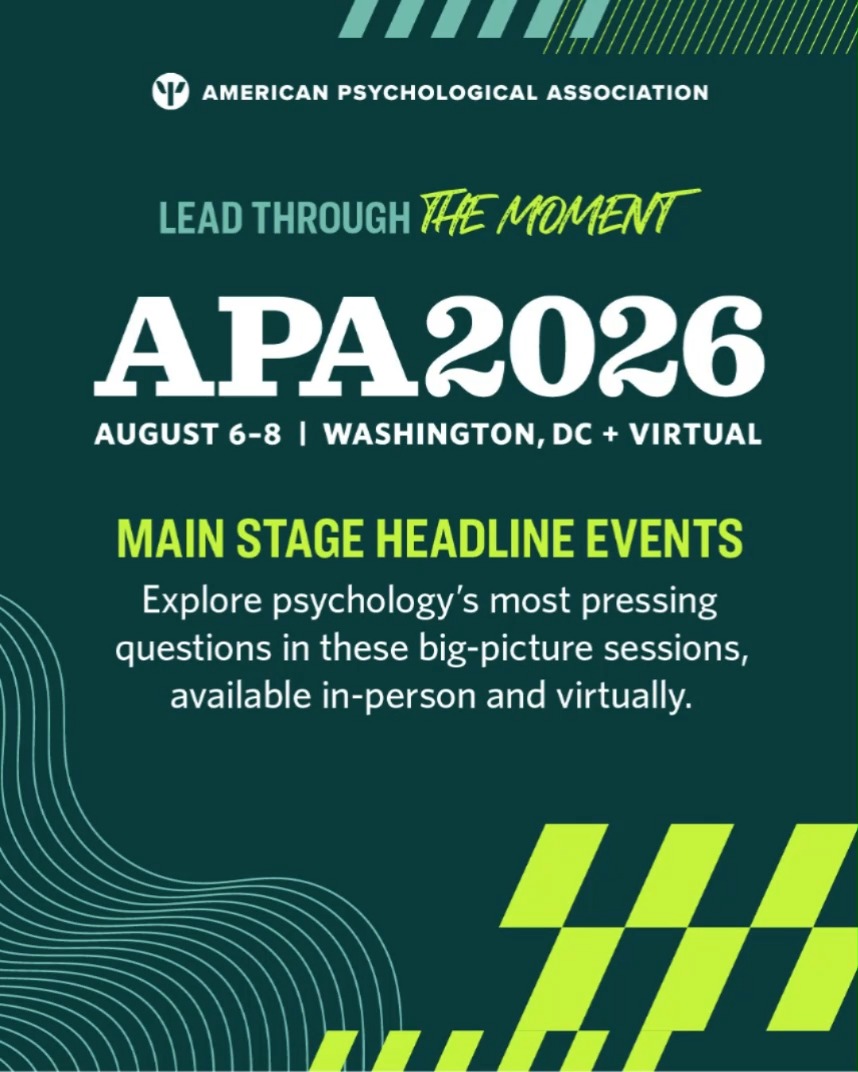
Explore big questions—from childhood in the digital age to the realities of modern adulthood and aging—at APA 2026’s Main Stage sessions.
Register by June 24 to save up to $100.
Learn more: convention.apa.org/
4
1
7
1,085
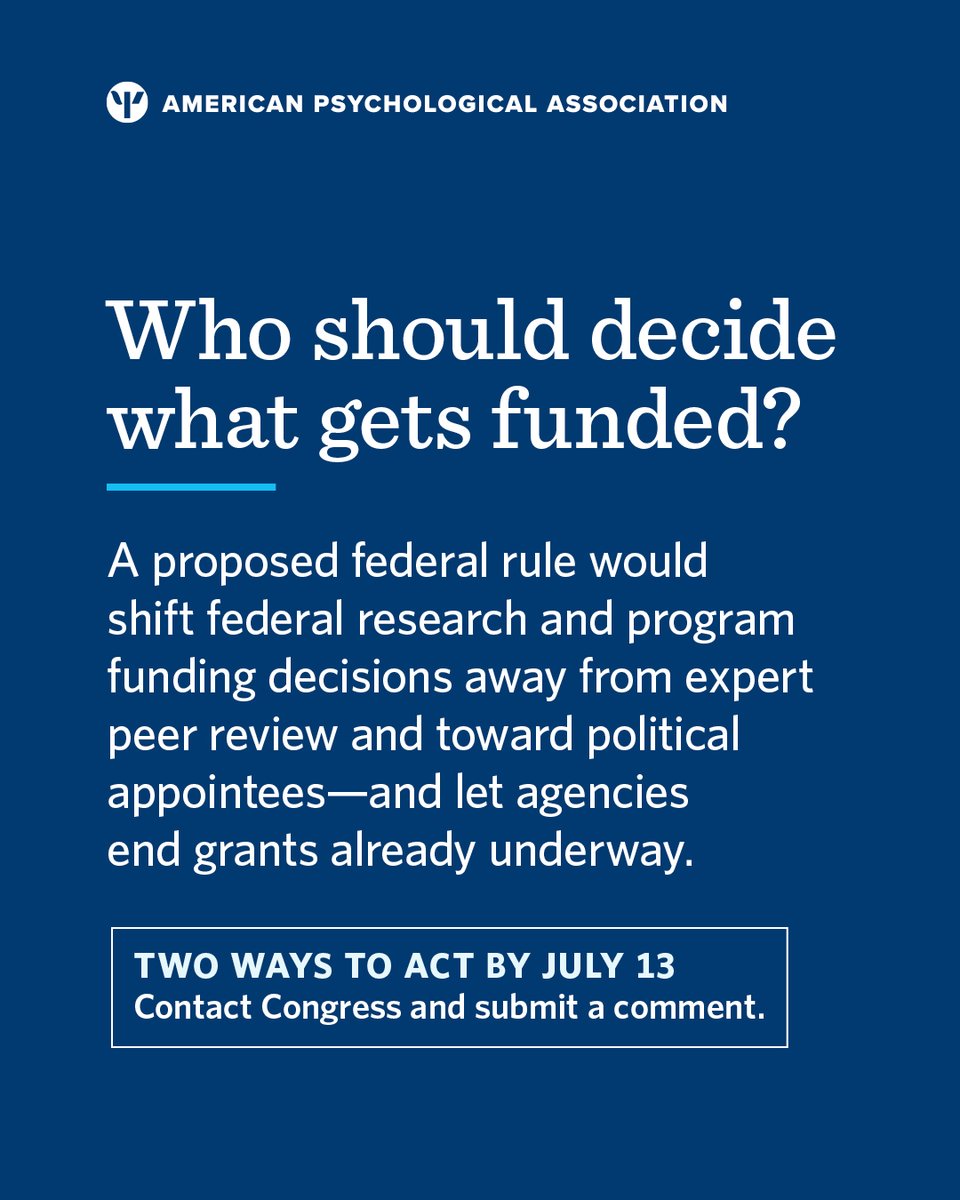
A proposed federal rule would shift funding decisions away from expert review and expand grounds to terminate active grants. Make your voice heard—act before July 13.
Contact your members of Congress: at.apa.org/d64
Submit a public comment: at.apa.org/2vh
3
9
14
1,162
Older adults may be less likely to switch away from default options, suggesting a preference for the status quo rather than simply a bias toward positive information.
Read more highlights from recent peer-reviewed studies: at.apa.org/d00cb9
2
5
23
1,864
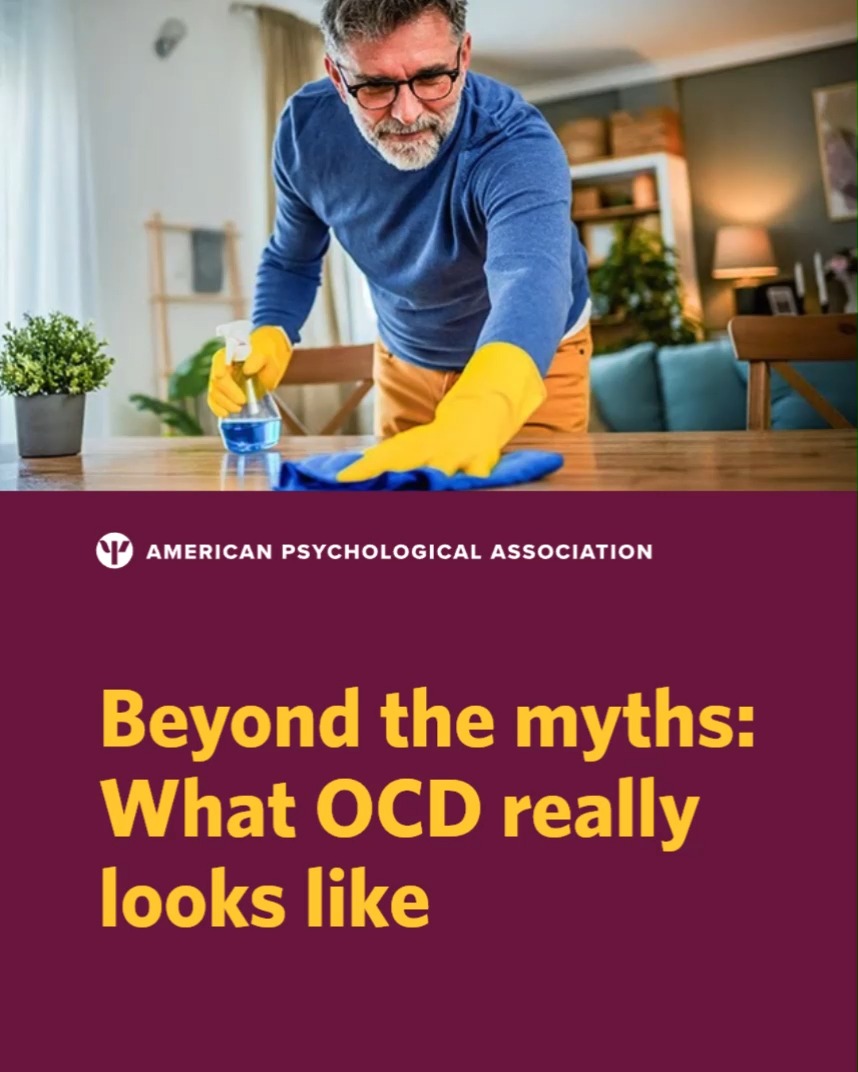
Have you ever felt like your brain was stuck on a loop of distressing thoughts? Understanding the scientific reality of OCD is the first step toward breaking the cycle of silence and misdiagnosis. Learn more about obsessive-compulsive disorder: at.apa.org/e9127e
1
13
30
1,840
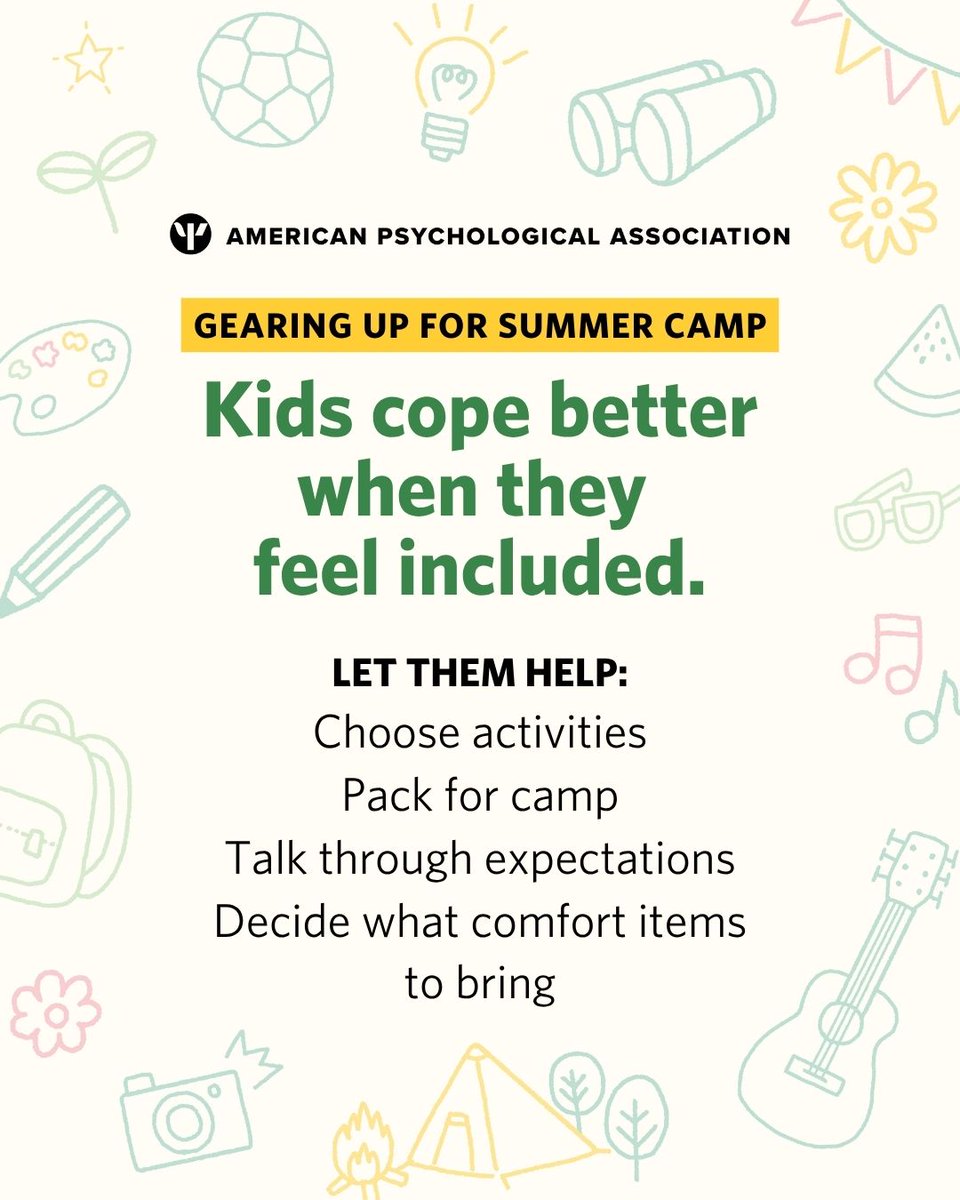
Giving kids some ownership over camp preparation can help build confidence and reduce anxiety.
Read more tips for summer camp prep: at.apa.org/tpw
2
9
18
1,297
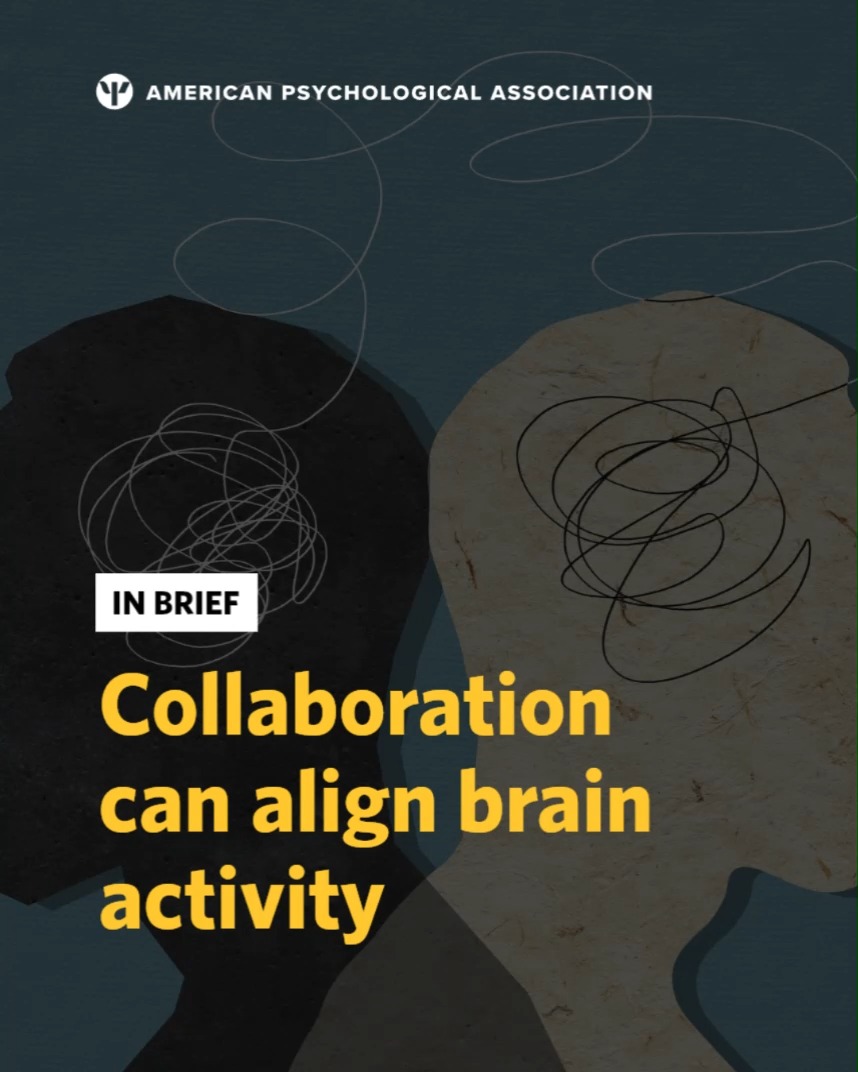
Working together doesn’t just align ideas—it can align our brains. When people collaborate, their neural activity becomes more synchronized over time, especially as they learn and adapt together. Read more highlights from recent peer-reviewed studies: at.apa.org/5f9885
4
6
24
1,784
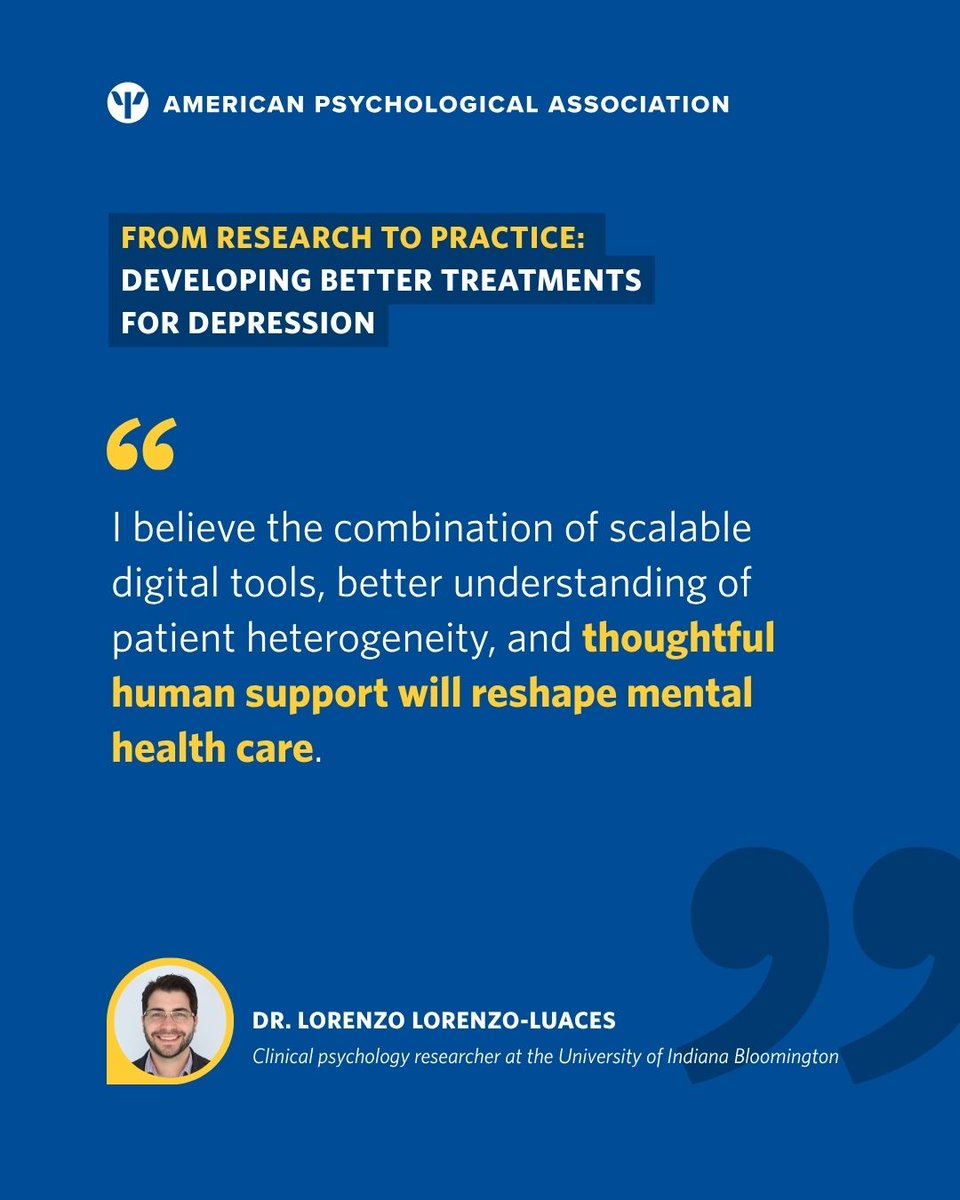
The future of mental health care isn’t one-size-fits-all. Researchers like Dr. Lorenzo Lorenzo-Luaces point to a model that combines digital tools, personalized understanding, and human support to better meet patients where they are. Learn more: at.apa.org/fb3278
5
10
26
1,951
From the AIDS crisis to marriage equality and transgender rights, #LGBTQ activism continues to evolve. Listen to Dr. Peter Hegarty explain how psychological research has reflected and responded to these changes. Hear the full conversation: at.apa.org/7ebd45
1
6
16
1,656
Early differences in children’s gut microbiome may shape brain connectivity and later anxiety and depression symptoms, highlighting a possible gut and brain pathway in early development. Read more highlights from recent peer-reviewed studies: at.apa.org/d00cb9
5
18
60
3,758
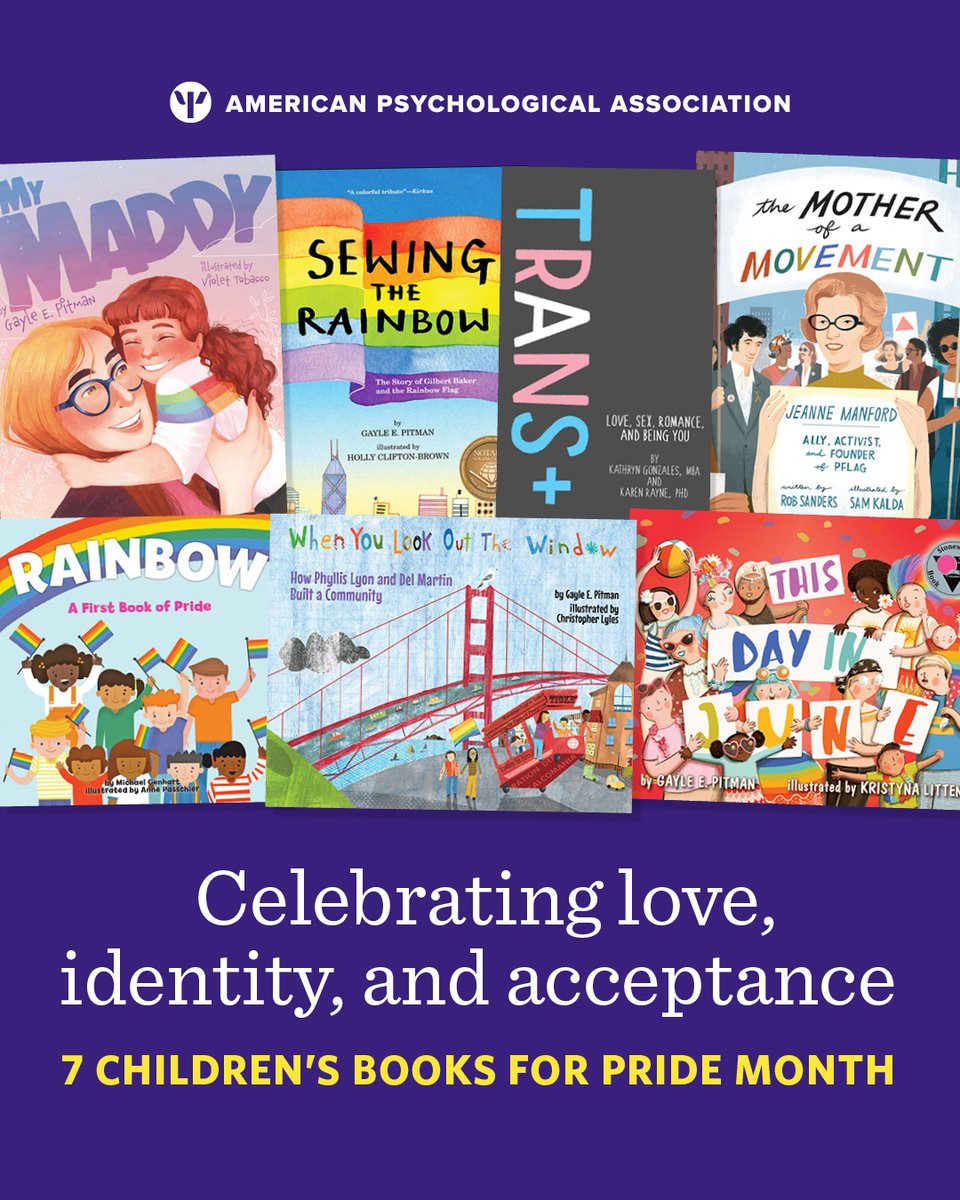
Stories help children understand themselves, connect with others, and celebrate the many ways people and families experience the world. 🌈 These inclusive titles from Magination Press remind every child they deserve to feel seen. See more: at.apa.org/0236de
1
6
18
1,300