
The Medical Futurist, Author of "Your Map to the Future", Global Keynote Speaker, and Futurist Researcher
Joined March 2007
- Tweets 71,983
- Following 93
- Followers 76,627
- Likes 1,047
18,282 Photos and videos


Pinned Tweet

9 Dec 2024
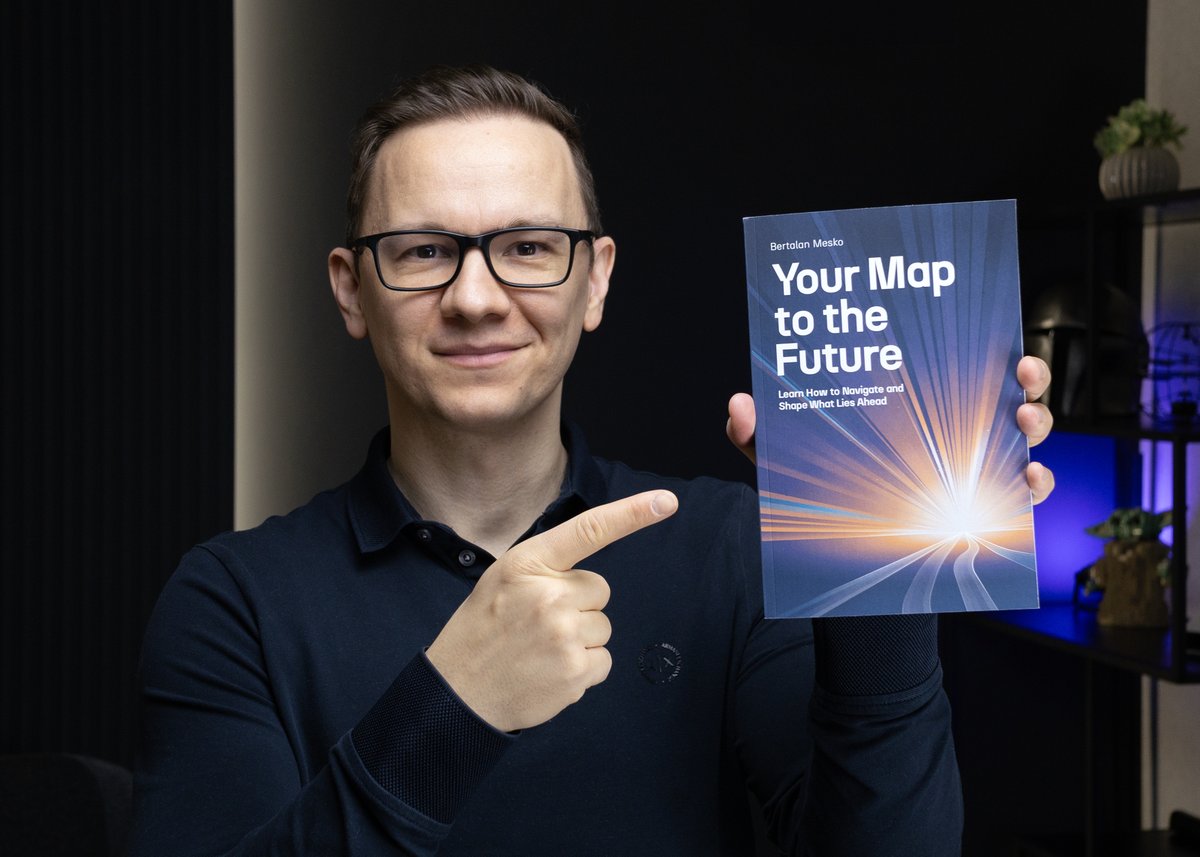
I cannot express my happiness and excitement about a book I’ve been working on for so long!
Here is Your Map to the Future: Learn How to Navigate and Shape What Lies Ahead!
In this book, I make science-based futures methods, that only experts including me at The Medical Futurist have been using for decades, accessible to everyone!
This heavily illustrated book describes how starting from the traps of short-term thinking and presentism, we can finally expand our time perspective and learn to observe and examine the future as we have been doing with the past.
Doing this is crucial in addressing today’s most pressing issues, from climate change to the rise of AI.
I cannot wait to hear what you think about it and if you could also leave an Amazon review, that would be fantastic! Thank you!
I’m looking forward to beginning this journey with you!
Here is the Amazon link: amzn.to/3ZyNHjd
14
20
86
14,727
Jun 12
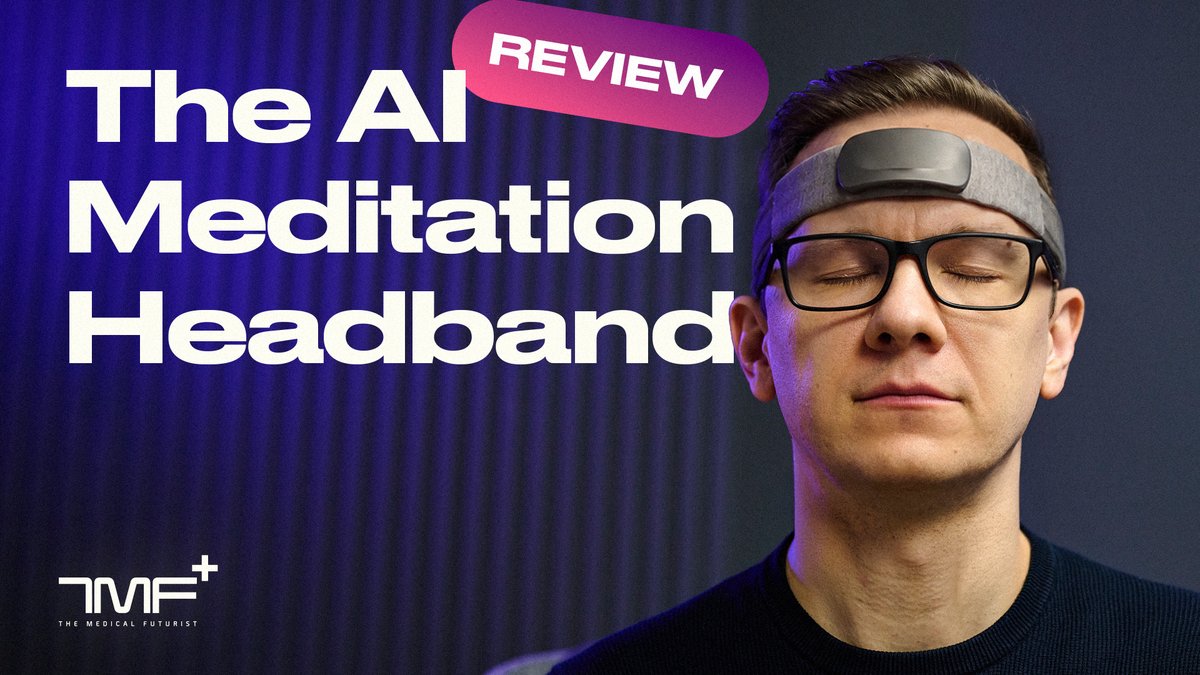
About a decade ago, I had a chance to test the first Muse Headband that claimed to measure EEG (essentially brain waves) at home and provide biofeedback while doing meditations.
Muse redesigned its device by 2026, and they sent me a device to test again to see how it has evolved in a decade. Here is what I found.
I understand that a device cannot help to achieve mindfulness, but if it helps get me on track towards it, sign me up!
Check out the video review: youtube.com/watch?v=YifvLHvL…
Disclaimer: As always, The Medical Futurist is not affiliated with the company, the review is not sponsored, and it reflects my opinion. Companies/service providers first read our reviews after publication.
6
300
Jun 12
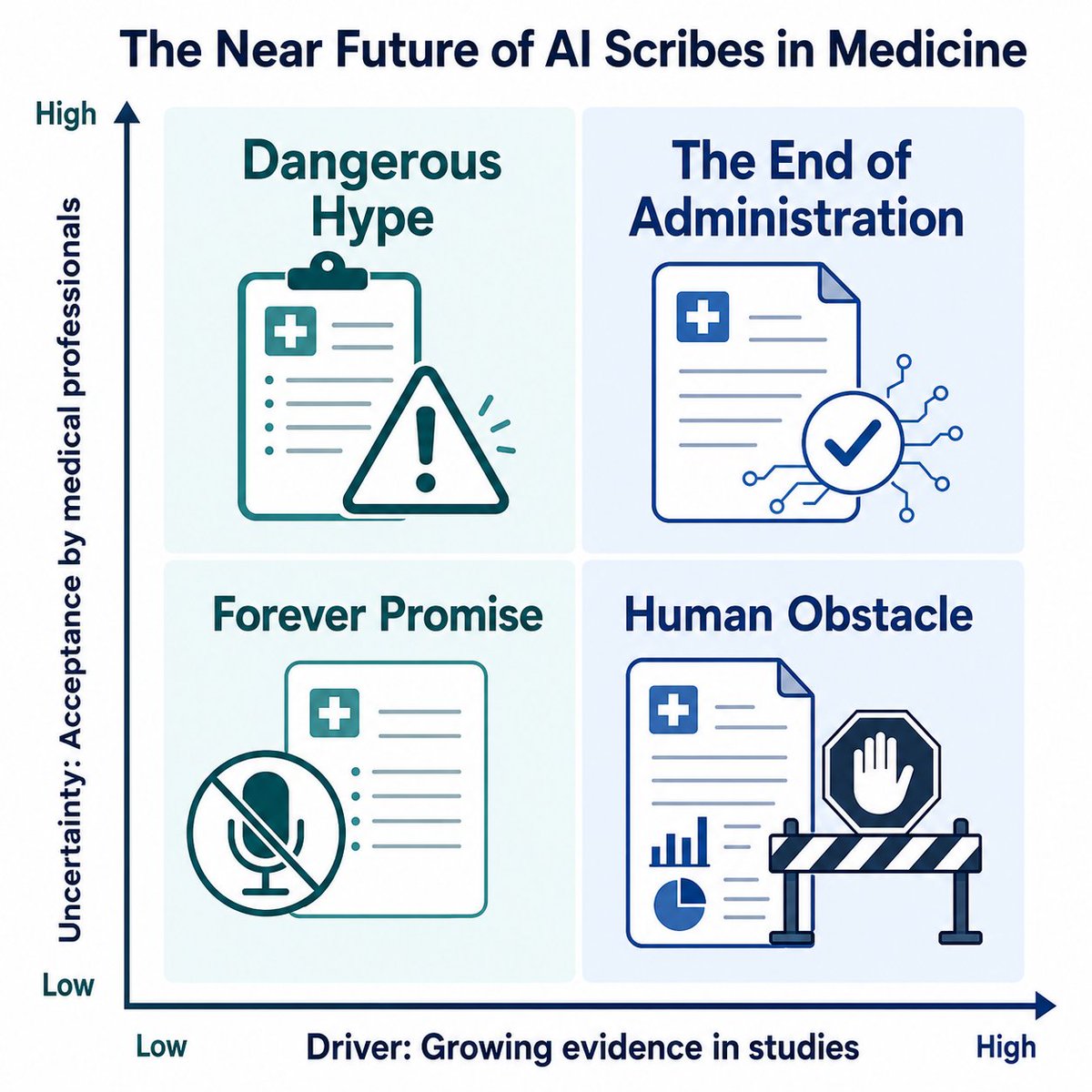
Four Scenarios of AI Scribe Adoption in Healthcare medicalfuturist.com/four-sce…
In my newest analysis, I turned to an established futures method, scenario analysis, to gain some insights about how we might want to think about the near future of AI scribes in healthcare.
We have to sensitize physicians about AI scribes, otherwise, we will face a long decade of adoption struggles and lag in using evidence-based and advanced technology for the benefit of patients.
2
4
4
325
Jun 11
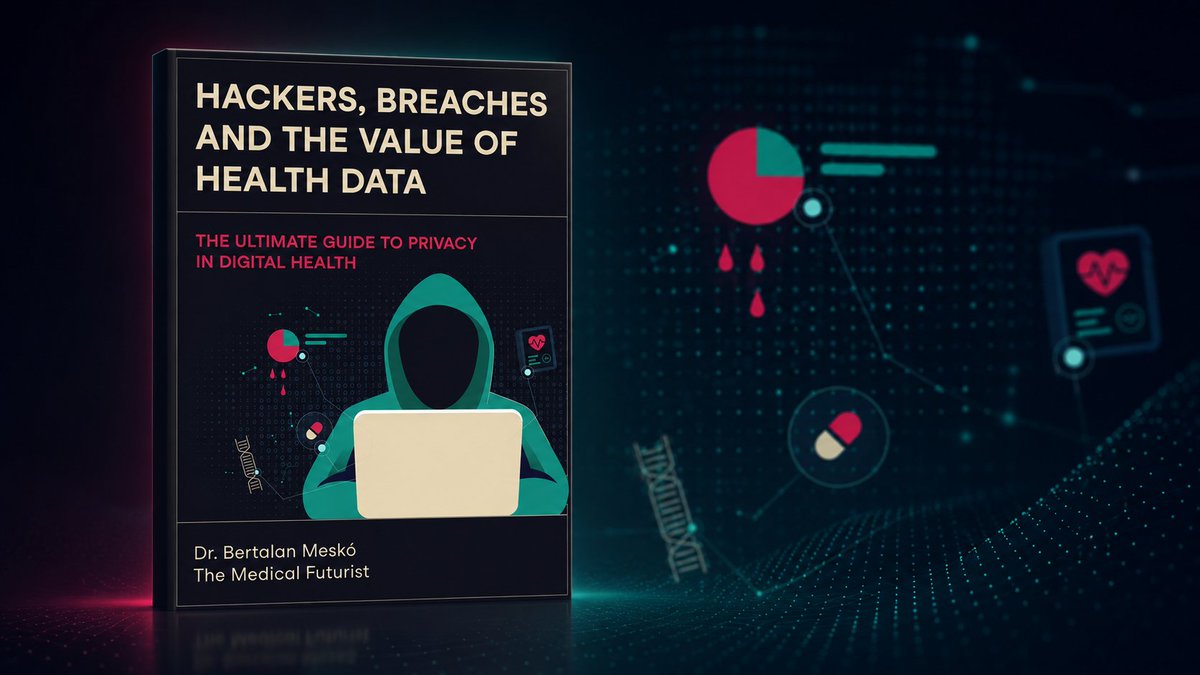
Along with the enhanced healthcare landscape that digital health brings along like remote care, AI tools or 3D printing, there is the pressing issue of privacy.
How secure is secure data? Is my health data on my smartphone/fitness device safe? Can Google, Amazon, or Facebook buy my health records from my hospital?
Can I have an influence on who in the hospital can see and read my records?
Today, everyone needs to understand that there is no digital health without sacrificing a part of our privacy. The advanced technologies fueling the transformation cannot improve without our data; and without it they can’t be implemented as part of regular medical care.
We analyze all these in our updated e-book: leanpub.com/privacy-in-digit…
2
2
3
362
Jun 11
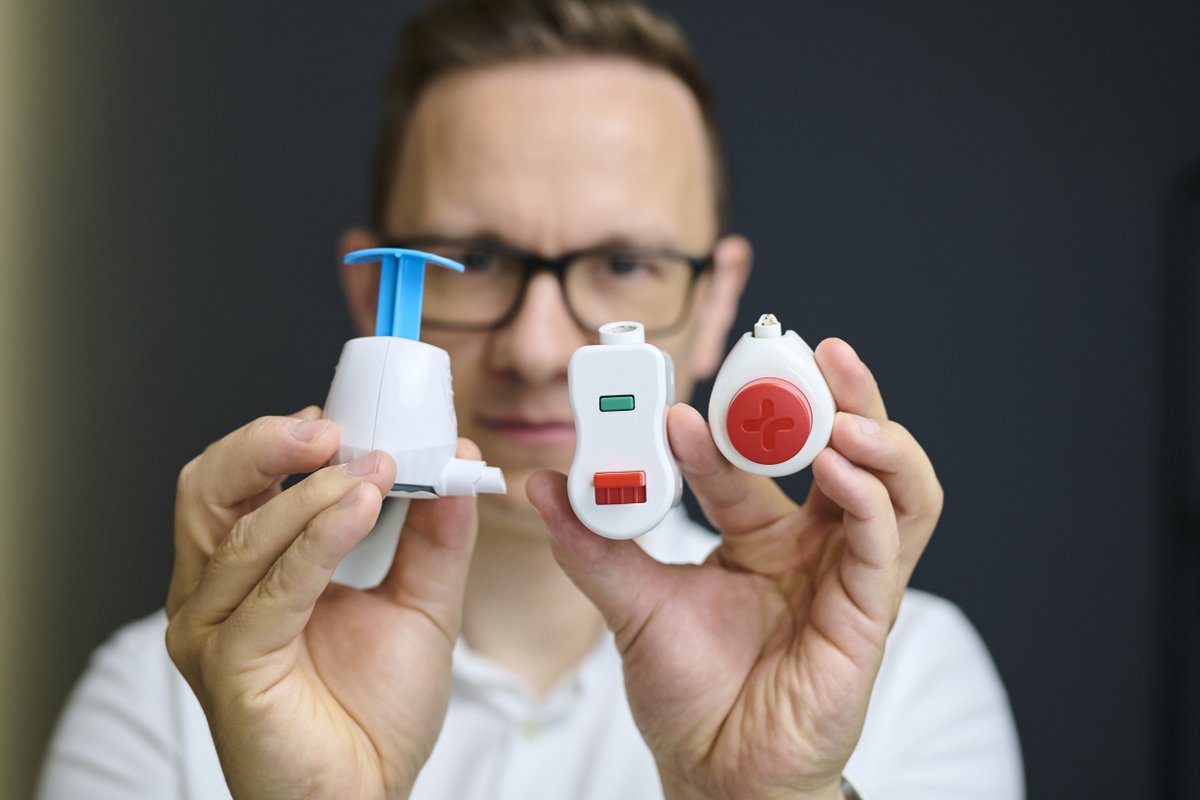
Imagine a world where routine blood tests no longer require a trip to the clinic.
No waiting rooms, no needles, no appointments. Just you, at home, taking control of your health. Today, we’re exploring the rise of at-home blood draw devices and testing leading innovations.
I analyzed the topic and the three main devices here: medicalfuturist.com/at-home-…
1
4
3
419
Jun 11
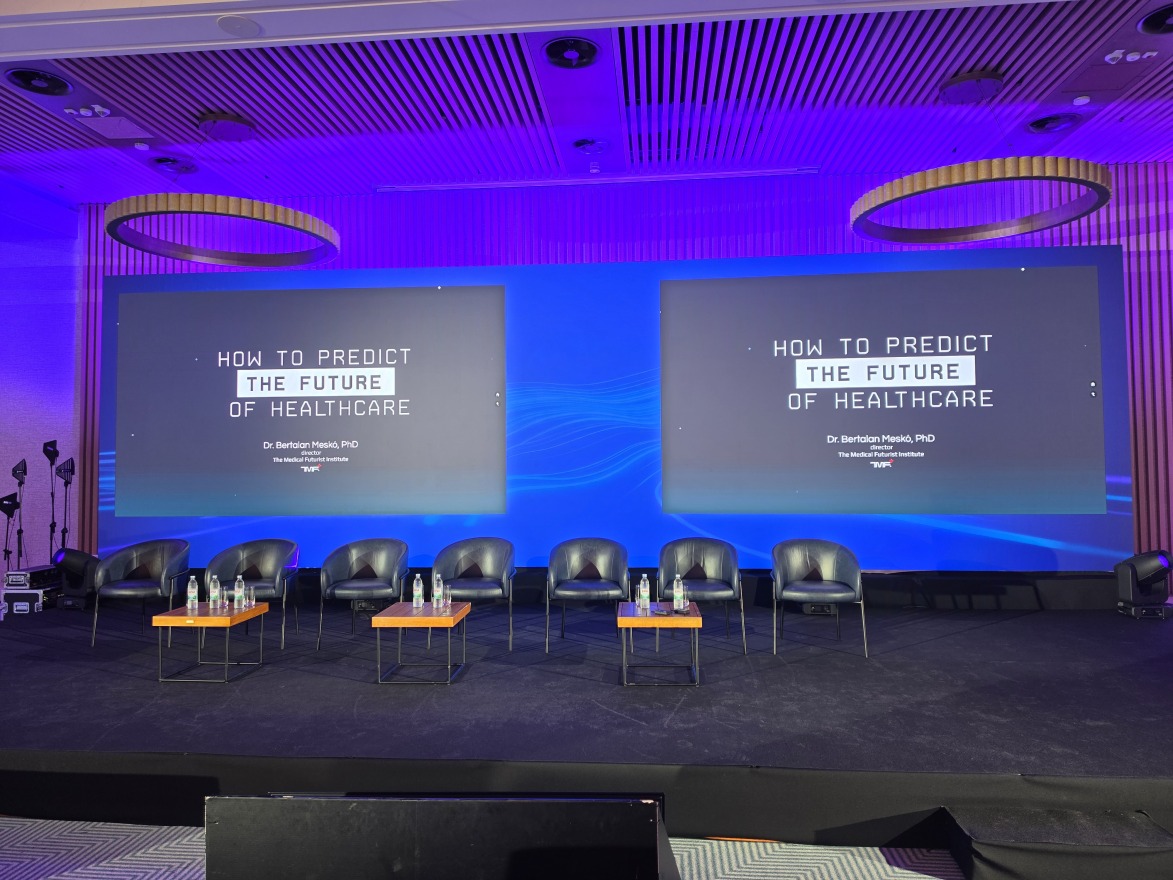
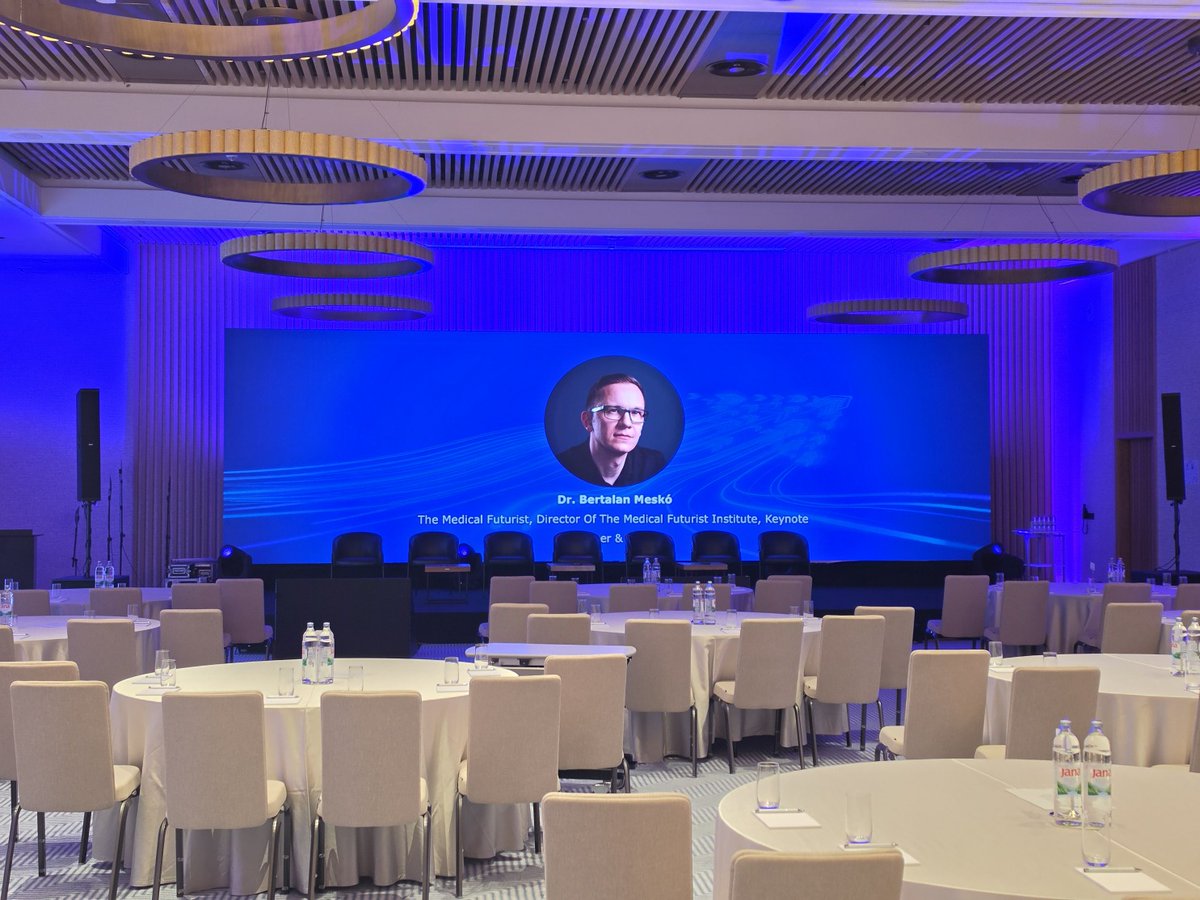
Just came back from the beautiful Zadar in Croatia, as I spoke at an event organised by a major pharma company.
They invited me to give a summary of all the major trends in digital health and healthcare AI, with an emphasis on how pharma company leaders can anticipate and deal with those changes. My favourite topic!
But the best part?
Meeting people who have been following me on LinkedIn for many years (one of them told me, for a decade!).
To be honest, sometimes going through so much news and many studies every day to share the context on my channels becomes exhausting, but then you meet people who tell you they find value in it day by day.
So new analyses are coming tomorrow, as usual! :)
More on this: medicalfuturist.com/healthca…

3
305
Jun 11
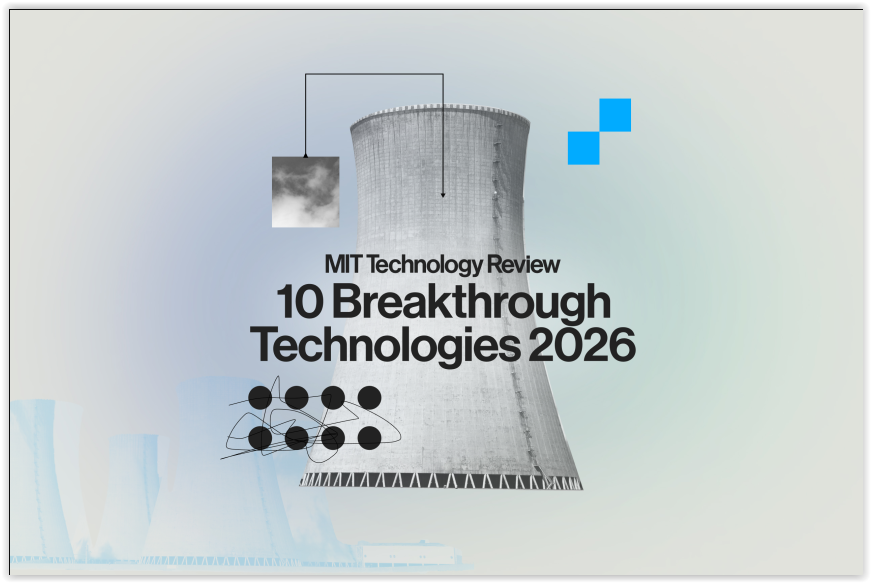
Every year, I check out what the reporters and editors of MIT Tech Review chose for the year's 10 technological breakthroughs. I also checked the past few years in medicine and healthcare:
2023:
CRISPR for high cholesterol: clinical trials took place in 2025!
Organs on demand: still no breakthrough.
2024:
Weight-loss drugs: Absolute hit!
The first gene-editing treatment: A few more followed, but still no breakthrough.
2025:
Long-acting HIV prevention meds: Ongoing.
Stem-cell therapies that work: Ongoing.
And for 2026?
AI companions millions of people live with.
Base-edited baby to receive a personalized gene-editing treatment.
Growing banks of gene information on extinct creatures are providing clues to new treatments.
Screening embryos to predict certain traits, including intelligence.
Source: technologyreview.com/2026/01…
1
5
8
959
Jun 11
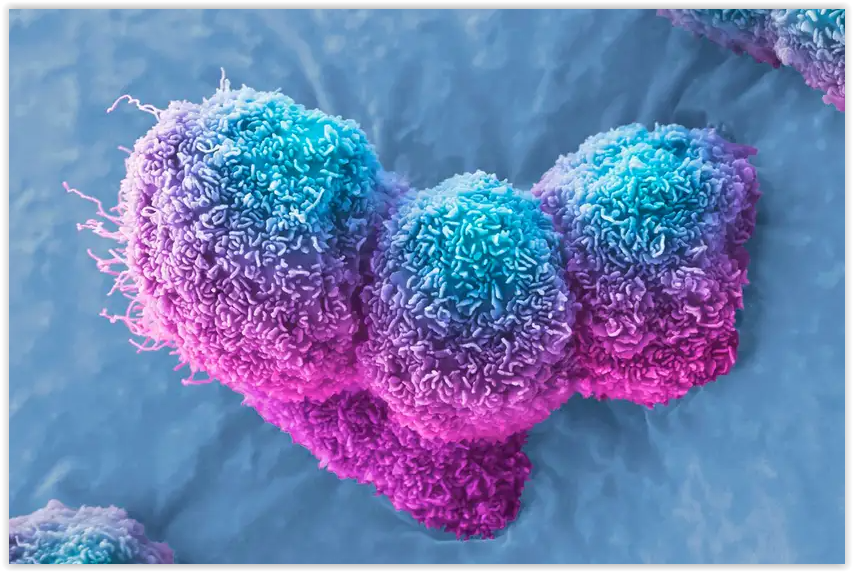
After the fantastic news last week about a new therapy for pancreatic cancer, which almost doubled survival rates, here is a new one!
A cancer-killing virus has stopped pancreatic tumours from growing and spreading in three people in an initial safety trial in the US!
Of course, further evaluation is needed in much larger trials, but these early results are really encouraging. And they haven't even used the full dosage yet:
“We only injected one-tenth of the dose we are eventually aiming at, so the efficacy is better than I expected, especially as this is pancreatic cancer,” says Masato Yamamoto at the University of Minnesota, who led the development of the viral treatment."
Maybe that's what the standing ovation at the recent annual meeting of the American Society of Clinical Oncology revealed: a new hope is coming to a deadly disease on many fronts.
Source: New Scientist: newscientist.com/article/252…
3
22
97
4,137
Jun 10
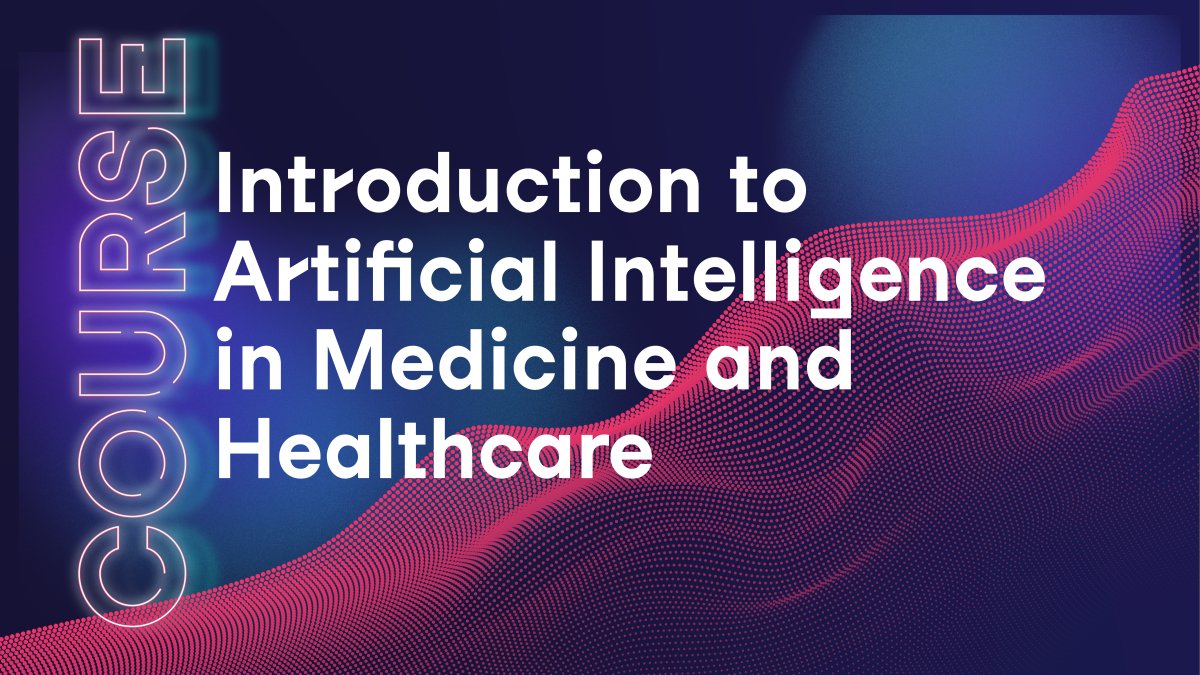
A digital course about what AI can really achieve in healthcare and what we can do about it to better prepare.
Check out "Introduction to Artificial Intelligence In Medicine And Healthcare" on Thinkific! medicalfuturist.thinkific.co…
This course provides an overview of the current applications and potential future uses of AI in medicine & healthcare. Through a combination of lectures and hands-on projects, you will gain a clear understanding of this breakthrough technology.
I hope you will find it useful. I put everything I know about the topic into it with a lot of energy and an objective point of view.
1
2
3
340
Jun 10
We tend to look at the rise of AI from a bird's-eye view with all its challenges and legal issues, while the perspectives of patients and physicians might paint a very different picture.
Based on a Philips report, Euronews just shared that patients and physicians complain that they would love to use AI for their benefit, but the healthcare systems behind it are struggling to keep pace with demand.
"Close to half of the clinicians (46%) said that thanks to AI, they save at least 132 hours annually, equivalent to more than three full working weeks.
Around 71% of medical professionals reported improved workflow efficiency, and 50% said AI has increased their capacity to see more patients.
The benefits extend beyond work itself. Around 50% said AI has improved their work-life balance and reduced their stress levels."
Excellent results, especially coming from the end users themselves.
Source: euronews.com/health/2026/06/…
2
4
10
584
Jun 10
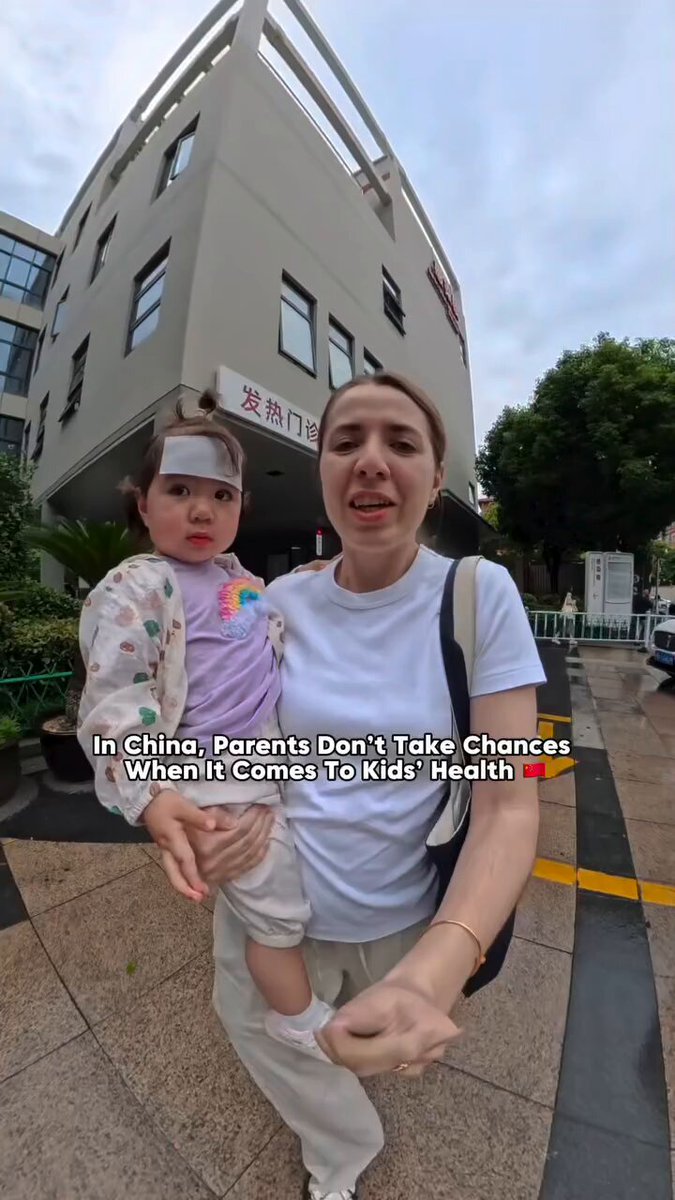
An IG influencer, juliiachina, who lives in Shanghai, China just demonstrated how the Chinese healthcare system works for kids.
Her kid was sick with a fever, and she went to a public hospital. She waited for a few minutes, paid 4 USD (!) for a doctor's appointment, which they scheduled on a kiosk, and waited for about 10 minutes.
After being examined by a doctor, they asked for additional lab results, which cost around 20 USD and took 15 minutes. Then they went back to the doctor with the results, got a prescription, which they could receive at the local pharmacy. They were out of the hospital after about 50 minutes.
No matter where you live in the world (whether in public or private healthcare), please tell me if you have the same healthcare experience, especially with kids.
How does China do it?
2
3
15
2,699
Jun 9
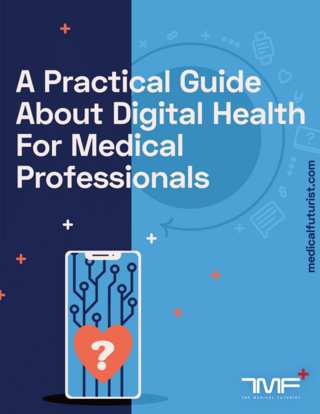
Practical Guide About Digital Health For Medical Professionals leanpub.com/guide-to-digital…
Today, when people Google their symptoms, ask ChatGPT and use digital health technologies even before going to the doctor, it is more important than ever to be updated on the digital developments in healthcare and navigate through questions of digital health-related issues.
That is why we created this short guide for medical professionals.
It helps for ways of listening and answering patients’ questions related to digital health issues and offers a framework on how to respond to the latest challenges in patient-doctor communication in the 21st century.
Grab your copy!
5
362
Jun 9
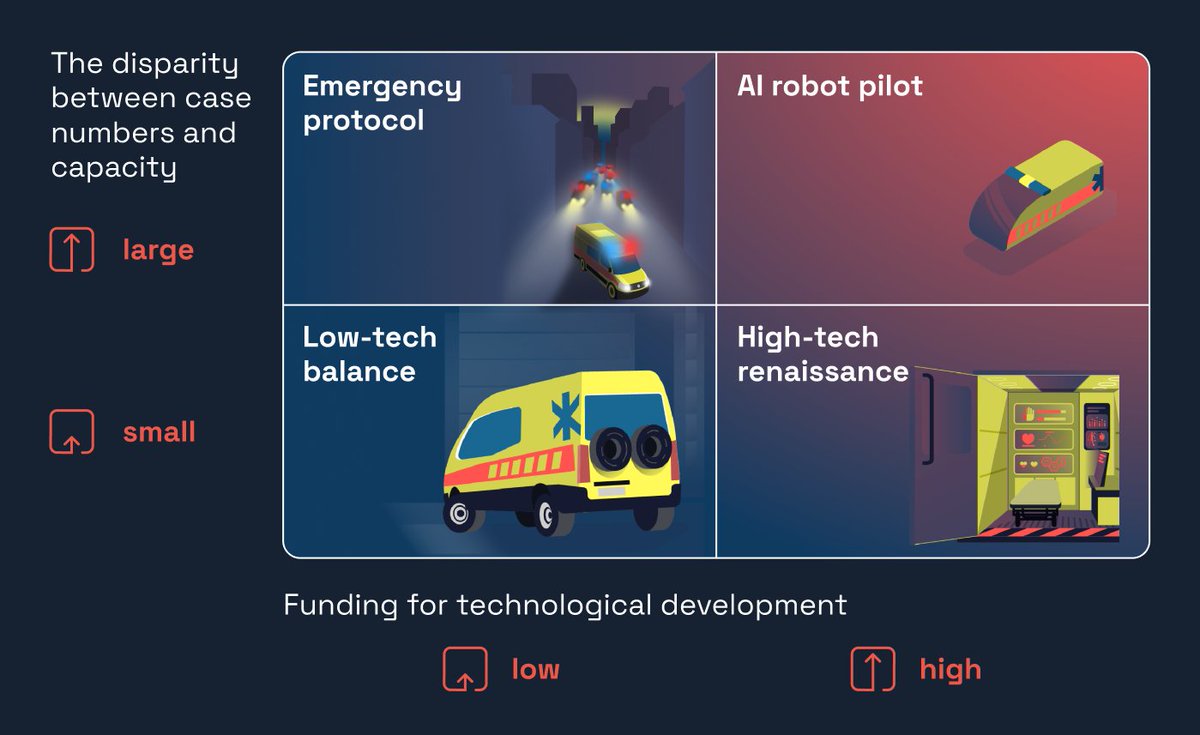
Our newest study just got published in the European Journal of Futures Research: "Advancing healthcare foresight: insights from the ‘National Ambulance Service 2040’ project".
Last year, I did a futures workshop with the interdisciplinary team of the Hungarian Ambulance Service, helping them prepare for 2040. With co-authors Tamás Kristóf and Gábor Csató, we now share the methodology and the results of that project.
Hopefully, it will help ambulance services worldwide better prepare for plausible futures.
The results of the scenario analysis below demonstrate that the future of the National Ambulance Service is influenced simultaneously by technological opportunities, the social environment, and the human factor.
The study: link.springer.com/article/10…
1
1
258
Jun 9
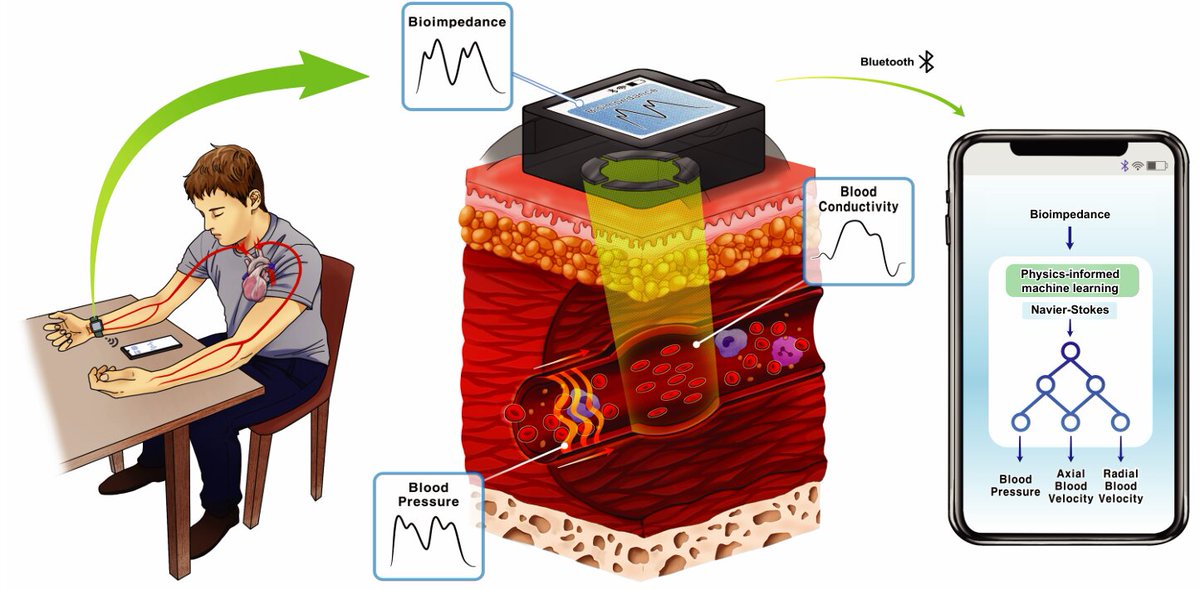
Mathematicians and engineers designed a new wearable device that can continuously monitor blood pressure without the cuffs, using AI, of course.
So from cuffs we went to PPG technology, smart patches started measuring blood pressure (I reviewed one already), but the technology's future might be even more comfortable for patients.
Just wear a standard smartwatch and enjoy clinical-grade measurements. It will bring blood pressure management to another level.
"𝑇ℎ𝑒 𝑠𝑐𝑖𝑒𝑛𝑡𝑖𝑓𝑖𝑐 𝑏𝑎𝑠𝑖𝑠 𝑜𝑓 𝑐𝑜𝑚𝑚𝑒𝑟𝑐𝑖𝑎𝑙 𝑤𝑒𝑎𝑟𝑎𝑏𝑙𝑒 𝑑𝑒𝑣𝑖𝑐𝑒𝑠 𝑡ℎ𝑎𝑡 𝑢𝑠𝑒 𝑙𝑖𝑔ℎ𝑡 𝑡𝑜 𝑒𝑠𝑡𝑖𝑚𝑎𝑡𝑒 𝑏𝑙𝑜𝑜𝑑 𝑝𝑟𝑒𝑠𝑠𝑢𝑟𝑒 𝑖𝑠𝑛'𝑡 𝑓𝑢𝑙𝑙𝑦 𝑢𝑛𝑑𝑒𝑟𝑠𝑡𝑜𝑜𝑑, 𝑎𝑛𝑑 𝑜𝑓𝑡𝑒𝑛 𝑟𝑒𝑙𝑦 𝑜𝑛 𝑚𝑎𝑐ℎ𝑖𝑛𝑒 𝑙𝑒𝑎𝑟𝑛𝑖𝑛𝑔 𝑎𝑠 𝑎 "𝑏𝑙𝑎𝑐𝑘 𝑏𝑜𝑥" 𝑡𝑜 𝑑𝑒𝑡𝑒𝑟𝑚𝑖𝑛𝑒 𝑏𝑙𝑜𝑜𝑑 𝑝𝑟𝑒𝑠𝑠𝑢𝑟𝑒, 𝑚𝑎𝑘𝑖𝑛𝑔 𝑡ℎ𝑒𝑖𝑟 𝑜𝑢𝑡𝑝𝑢𝑡𝑠 𝑑𝑖𝑓𝑓𝑖𝑐𝑢𝑙𝑡 𝑡𝑜 𝑖𝑛𝑡𝑒𝑟𝑝𝑟𝑒𝑡 𝑎𝑛𝑑 𝑐𝑙𝑖𝑛𝑖𝑐𝑎𝑙𝑙𝑦 𝑡𝑟𝑢𝑠𝑡, 𝑡ℎ𝑒 𝑙𝑎𝑡𝑡𝑒𝑟 𝑎 𝑚𝑎𝑗𝑜𝑟 𝑏𝑎𝑟𝑟𝑖𝑒𝑟 𝑓𝑜𝑟 𝑐𝑙𝑖𝑛𝑖𝑐𝑎𝑙 𝑎𝑑𝑜𝑝𝑡𝑖𝑜𝑛.
𝑈𝑛𝑙𝑖𝑘𝑒 𝑡ℎ𝑒𝑠𝑒 𝑑𝑒𝑣𝑖𝑐𝑒𝑠 𝑡ℎ𝑎𝑡 𝑚𝑒𝑎𝑠𝑢𝑟𝑒 𝑙𝑖𝑔ℎ𝑡 𝑡𝑜 𝑔𝑎𝑢𝑔𝑒 𝑏𝑙𝑜𝑜𝑑 𝑝𝑟𝑒𝑠𝑠𝑢𝑟𝑒, 𝑆𝑎𝑛𝑐ℎ𝑒𝑧 𝑇𝑒𝑟𝑟𝑜𝑛𝑒𝑠' 𝑢𝑠𝑒𝑠 𝑎 𝑝𝑎𝑖𝑛𝑙𝑒𝑠𝑠 𝑎𝑛𝑑 𝑖𝑚𝑝𝑒𝑟𝑐𝑒𝑝𝑡𝑖𝑏𝑙𝑒 𝑒𝑙𝑒𝑐𝑡𝑟𝑖𝑐𝑎𝑙 𝑐𝑢𝑟𝑟𝑒𝑛𝑡."
Source: medicalxpress.com/news/2026-…
2
11
21
2,452
Jun 9
In the future, could we get some benefits of sleep WITHOUT sleeping? Animal studies suggest so.
Because it seems that stimulating specific brain activity in awake mice leads to some of the same effects as deep sleep, including a boost in memory. Optogenetics helped find out how.
"𝐶𝑖𝑟𝑒𝑙𝑙𝑖 𝑎𝑛𝑑 ℎ𝑒𝑟 𝑐𝑜𝑙𝑙𝑒𝑎𝑔𝑢𝑒𝑠 𝑤𝑜𝑛𝑑𝑒𝑟𝑒𝑑 𝑖𝑓 𝑎 𝑠𝑚𝑎𝑙𝑙 𝑝𝑎𝑟𝑡 𝑜𝑓 𝑡ℎ𝑒 𝑐𝑜𝑟𝑡𝑒𝑥 𝑐𝑜𝑢𝑙𝑑 𝑏𝑒 𝑛𝑢𝑑𝑔𝑒𝑑 𝑖𝑛𝑡𝑜 𝑒𝑛𝑡𝑒𝑟𝑖𝑛𝑔 𝑡ℎ𝑖𝑠 𝑑𝑒𝑒𝑝 𝑠𝑙𝑒𝑒𝑝 𝑠𝑡𝑎𝑡𝑒 𝑤ℎ𝑖𝑙𝑒 𝑎𝑛 𝑖𝑛𝑑𝑖𝑣𝑖𝑑𝑢𝑎𝑙 𝑖𝑠 𝑠𝑡𝑖𝑙𝑙 𝑎𝑤𝑎𝑘𝑒. 𝑆𝑜𝑚𝑒 𝑎𝑛𝑖𝑚𝑎𝑙𝑠 𝑑𝑜 𝑡ℎ𝑖𝑠 𝑛𝑎𝑡𝑢𝑟𝑎𝑙𝑙𝑦, 𝑠𝑢𝑐ℎ 𝑎𝑠 𝑑𝑜𝑙𝑝ℎ𝑖𝑛𝑠, 𝑑𝑢𝑐𝑘𝑠 𝑎𝑛𝑑 𝑓𝑢𝑟 𝑠𝑒𝑎𝑙𝑠, 𝑖𝑛 𝑤ℎ𝑖𝑐ℎ 𝑜𝑛𝑒 ℎ𝑎𝑙𝑓 𝑜𝑓 𝑡ℎ𝑒 𝑏𝑟𝑎𝑖𝑛 𝑒𝑛𝑡𝑒𝑟𝑠 𝑁𝑅𝐸𝑀 𝑠𝑙𝑒𝑒𝑝 𝑤ℎ𝑖𝑙𝑒 𝑡ℎ𝑒 𝑜𝑡ℎ𝑒𝑟 𝑟𝑒𝑚𝑎𝑖𝑛𝑠 𝑎𝑙𝑒𝑟𝑡 𝑎𝑛𝑑 𝑣𝑖𝑔𝑖𝑙𝑎𝑛𝑡 𝑓𝑜𝑟 𝑝𝑟𝑒𝑑𝑎𝑡𝑜𝑟𝑠.
𝑇𝑜 𝑠𝑒𝑒 𝑖𝑓 𝑎 𝑠𝑖𝑚𝑖𝑙𝑎𝑟 𝑠𝑡𝑎𝑡𝑒 𝑐𝑜𝑢𝑙𝑑 𝑏𝑒 𝑖𝑛𝑑𝑢𝑐𝑒𝑑, 𝑡ℎ𝑒 𝑟𝑒𝑠𝑒𝑎𝑟𝑐ℎ𝑒𝑟𝑠 𝑔𝑒𝑛𝑒𝑡𝑖𝑐𝑎𝑙𝑙𝑦 𝑒𝑛𝑔𝑖𝑛𝑒𝑒𝑟𝑒𝑑 𝑚𝑖𝑐𝑒 𝑠𝑜 𝑡ℎ𝑒𝑖𝑟 𝑛𝑒𝑢𝑟𝑜𝑛𝑎𝑙 𝑎𝑐𝑡𝑖𝑣𝑖𝑡𝑦 𝑐𝑜𝑢𝑙𝑑 𝑏𝑒 𝑠𝑤𝑖𝑡𝑐ℎ𝑒𝑑 𝑜𝑓𝑓 𝑢𝑠𝑖𝑛𝑔 𝑙𝑖𝑔ℎ𝑡."
We will see if human trials follow these results. It might take over a decade, even if they do.
Source: New Scientist newscientist.com/article/252…
1
1
3
501
Jun 8
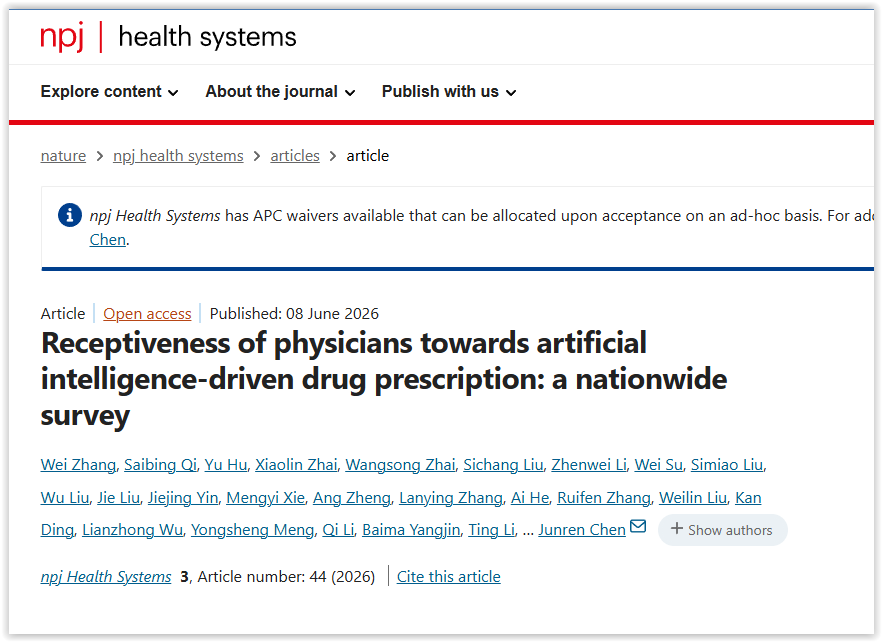
In a study, authors asked 2708 physicians throughout China to interrogate their opinions on drug-prescribing AI.
There seems to be a wide acceptance of conditional autonomous drug-prescribing AI. But only in a way that the physician remains the gatekeeper in the process.
Chinese physicians expect it to be implemented in less than 5 years. And if they do, it's probably coming.
"𝑀𝑜𝑠𝑡 𝑟𝑒𝑠𝑝𝑜𝑛𝑑𝑒𝑛𝑡𝑠 (𝟩𝟪%) 𝑎𝑟𝑒 𝑟𝑒𝑐𝑒𝑝𝑡𝑖𝑣𝑒 𝑡𝑜 𝑢𝑠𝑖𝑛𝑔 𝑑𝑟𝑢𝑔-𝑝𝑟𝑒𝑠𝑐𝑟𝑖𝑏𝑖𝑛𝑔 𝐴𝐼 𝑎𝑛𝑑 𝑎𝑛𝑡𝑖𝑐𝑖𝑝𝑎𝑡𝑒 𝑑𝑜𝑖𝑛𝑔 𝑠𝑜 𝑤𝑖𝑡ℎ𝑖𝑛 𝟧 𝑦𝑒𝑎𝑟𝑠. 𝑅𝑒𝑠𝑝𝑜𝑛𝑑𝑒𝑛𝑡𝑠 𝑠𝑢𝑔𝑔𝑒𝑠𝑡𝑒𝑑 𝑖𝑛𝑖𝑡𝑖𝑎𝑙 𝑠𝑒𝑡𝑡𝑖𝑛𝑔𝑠 𝑓𝑜𝑟 𝐴𝐼-𝑑𝑟𝑖𝑣𝑒𝑛 𝑑𝑟𝑢𝑔 𝑝𝑟𝑒𝑠𝑐𝑟𝑖𝑏𝑖𝑛𝑔 𝑖𝑛𝑐𝑙𝑢𝑑𝑒 𝑠𝑖𝑡𝑢𝑎𝑡𝑖𝑜𝑛𝑠 𝑤ℎ𝑒𝑟𝑒 𝑡ℎ𝑒𝑟𝑒 𝑎𝑟𝑒 𝑠𝑡𝑎𝑛𝑑𝑎𝑟𝑑 𝑔𝑢𝑖𝑑𝑒𝑙𝑖𝑛𝑒𝑠 (𝟩𝟦%), 𝑤ℎ𝑒𝑟𝑒 𝑡ℎ𝑒 𝑑𝑒𝑐𝑖𝑠𝑖𝑜𝑛 𝑖𝑠 𝑤ℎ𝑒𝑡ℎ𝑒𝑟 𝑡𝑜 𝑐𝑜𝑛𝑡𝑖𝑛𝑢𝑒 𝑎 𝑐𝑢𝑟𝑟𝑒𝑛𝑡 𝑝𝑟𝑒𝑠𝑐𝑟𝑖𝑝𝑡𝑖𝑜𝑛 𝑖𝑛 𝑠𝑜𝑚𝑒𝑜𝑛𝑒 (𝟧𝟧%), 𝑎𝑛𝑑 𝑤ℎ𝑒𝑟𝑒 𝑝𝑟𝑒𝑠𝑐𝑟𝑖𝑏𝑖𝑛𝑔 𝑑𝑒𝑐𝑖𝑠𝑖𝑜𝑛𝑠 𝑟𝑒𝑙𝑦 𝑜𝑛 ℎ𝑖𝑔ℎ-𝑐𝑜𝑚𝑝𝑙𝑒𝑥𝑖𝑡𝑦 𝑐𝑙𝑖𝑛𝑖𝑐𝑎𝑙 𝑑𝑎𝑡𝑎 (𝟦𝟦%).
𝑀𝑎𝑛𝑦 (𝟨𝟨%) 𝑖𝑛𝑑𝑖𝑐𝑎𝑡𝑒𝑑 𝑎 𝑝𝑟𝑒𝑓𝑒𝑟𝑒𝑛𝑐𝑒 𝑓𝑜𝑟 𝑐𝑜𝑛𝑑𝑖𝑡𝑖𝑜𝑛𝑎𝑙 𝑡𝑜 𝑓𝑢𝑙𝑙𝑦 𝑎𝑢𝑡𝑜𝑛𝑜𝑚𝑜𝑢𝑠 𝑑𝑟𝑢𝑔-𝑝𝑟𝑒𝑠𝑐𝑟𝑖𝑏𝑖𝑛𝑔 𝐴𝐼."
The study: nature.com/articles/s44401-0…
5
2
10
1,072
Jun 8
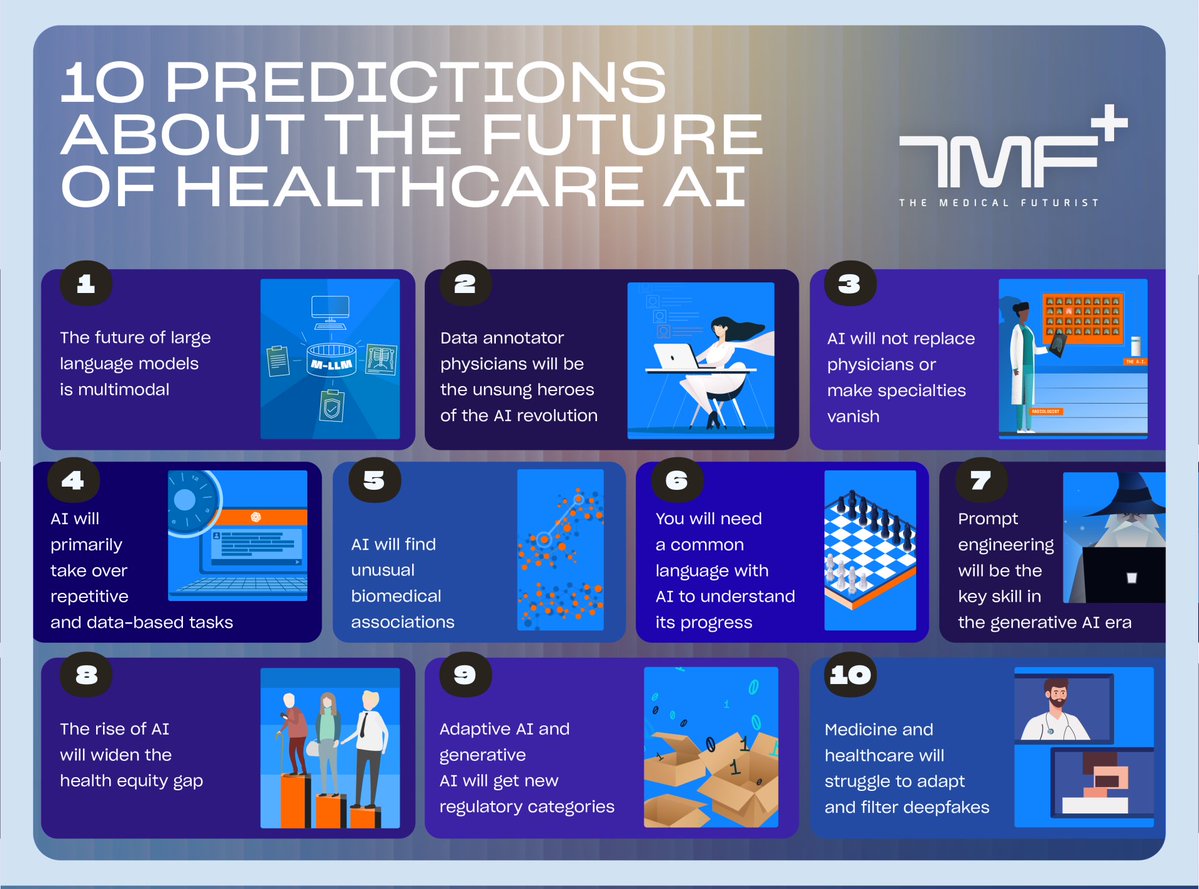
If you had to make 10 near-term predictions about the future of healthcare AI, what would those be?
Here is my attempt to separate the signal from the noise.
Briefly, here are mine:
1) The future of large language models (LLMs) is multimodal
2) Data annotators will be celebrated
3) AI will not replace physicians or make specialties vanish
4) AI will primarily take over repetitive and data-based tasks
5) AI will find unusual biomedical associations and biomarkers
6) You will need a common language with AI to understand its progress – and it’s not coding
7) Prompt engineering is the number one tech skill for medical professionals in the generative AI era
8) We need proper guidelines about health equity and fighting bias
9) Adaptive AI and generative AI will get new regulatory categories
10) Medicine and healthcare will struggle to adapt and filter deepfakes
And in more detail, read on here: medicalfuturist.com/10-thing…
5
6
10
619
Jun 8
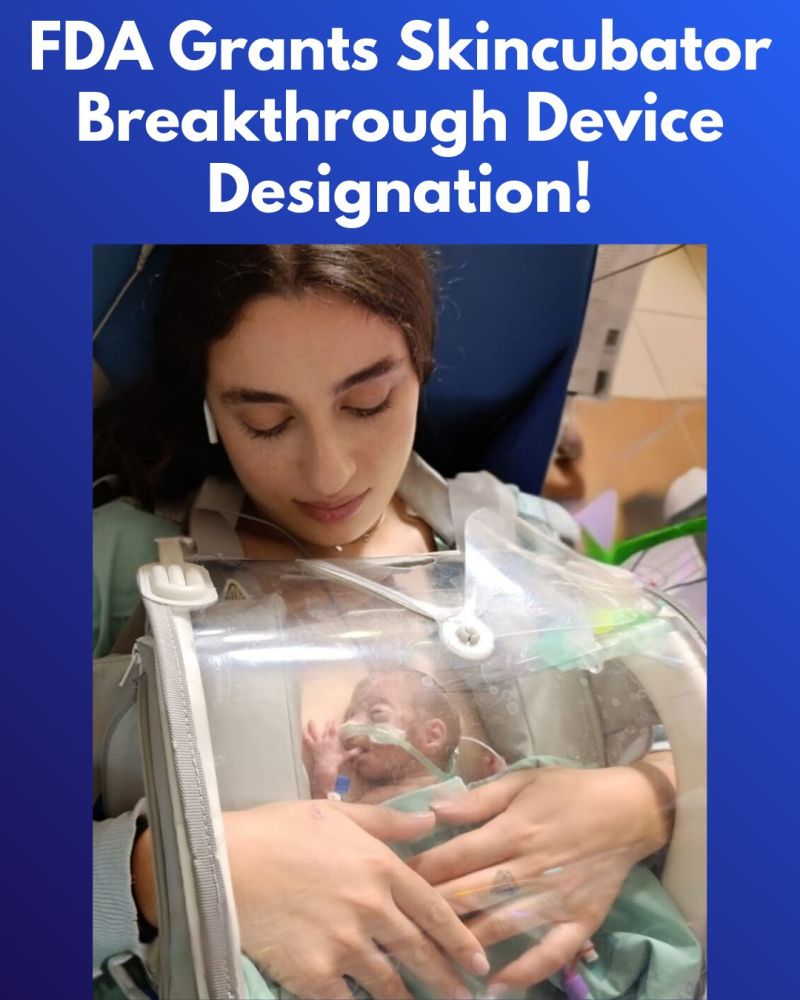
A few months ago, the CEO of the company, Alon Metrikin-Gold, just shared that the FDA has granted "Skincubator" a so-called Breakthrough Device Designation (BDD)!
They have developed a wearable device designed to enable immediate, prolonged, skin-to-skin care for the tiniest preterm infants in their first days of life.
"𝐼𝑡 𝑒𝑛𝑎𝑏𝑙𝑒𝑠 𝑐𝑜𝑚𝑝𝑙𝑒𝑡𝑒 𝑠𝑘𝑖𝑛-𝑡𝑜-𝑠𝑘𝑖𝑛 𝑐𝑎𝑟𝑒, 𝑤ℎ𝑖𝑙𝑒 𝑎𝑑𝑑𝑟𝑒𝑠𝑠𝑖𝑛𝑔 𝑘𝑒𝑦 𝑐𝑙𝑖𝑛𝑖𝑐𝑎𝑙, 𝑡𝑒𝑐ℎ𝑛𝑖𝑐𝑎𝑙 𝑎𝑛𝑑 𝑏𝑒ℎ𝑎𝑣𝑖𝑜𝑟𝑎𝑙 𝑐ℎ𝑎𝑙𝑙𝑒𝑛𝑔𝑒𝑠 𝑖𝑛 𝑡ℎ𝑒 𝑁𝑒𝑜𝑛𝑎𝑡𝑎𝑙 𝐼𝐶𝑈."
They have already had two clinical trials, with 20 and 9 preterm neonates, respectively.
Their story and how they worked with the FDA should be an example to follow for other companies working on novel technologies.
I interviewed them on our Patreon channel: patreon.com/posts/150568156
2
3
286
Jun 8
A wearable stethoscope?
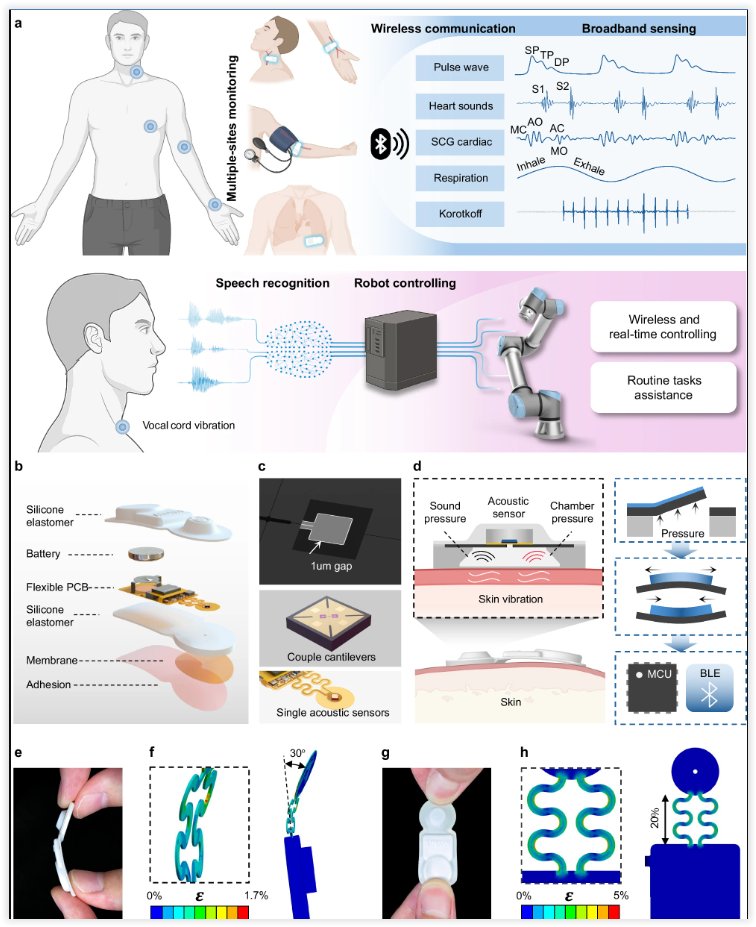
Stethoscopes have gone through an exciting evolution: first a wooden tube, then the stethoscope everyone knows today, and now the digital devices with built-in ECG and AI analysis. But how about wearing them as a patch for continuous cardiorespiratory monitoring and potentially sleep quality assessment?
This is what this new paper suggests.
Here is a wireless, flexible auscultation patch (AusculPatch) that employs a highly sensitive cantilever pressure transducer (CPT).
This way, it can detect multiple physiological mechano-acoustic signals, including pulse waves, Korotkoff sounds, cardiac signals, respiration patterns, and vocalizations.
"𝑇ℎ𝑒𝑠𝑒 𝑓𝑒𝑎𝑡𝑢𝑟𝑒𝑠 𝑟𝑒𝑝𝑟𝑒𝑠𝑒𝑛𝑡 𝑎 𝑠𝑖𝑔𝑛𝑖𝑓𝑖𝑐𝑎𝑛𝑡 𝑎𝑑𝑣𝑎𝑛𝑐𝑒 𝑖𝑛 𝑡ℎ𝑒 𝑑𝑒𝑣𝑒𝑙𝑜𝑝𝑚𝑒𝑛𝑡 𝑜𝑓 𝑙𝑜𝑤-𝑐𝑜𝑠𝑡 𝑎𝑛𝑑 𝑚𝑢𝑙𝑡𝑖𝑓𝑢𝑛𝑐𝑡𝑖𝑜𝑛𝑎𝑙 𝑤𝑒𝑎𝑟𝑎𝑏𝑙𝑒 𝑑𝑒𝑣𝑖𝑐𝑒𝑠 𝑐𝑎𝑝𝑎𝑏𝑙𝑒 𝑜𝑓 𝑚𝑢𝑙𝑡𝑖-𝑠𝑖𝑡𝑒 𝑎𝑢𝑠𝑐𝑢𝑙𝑡𝑎𝑡𝑖𝑜𝑛 𝑓𝑜𝑟 ℎ𝑜𝑚𝑒-𝑏𝑎𝑠𝑒𝑑 𝑤𝑒𝑙𝑙𝑛𝑒𝑠𝑠 𝑚𝑜𝑛𝑖𝑡𝑜𝑟𝑖𝑛𝑔 𝑎𝑠 𝑤𝑒𝑙𝑙 𝑎𝑠 𝐴𝑟𝑡𝑖𝑓𝑖𝑐𝑖𝑎𝑙 𝐼𝑛𝑡𝑒𝑙𝑙𝑖𝑔𝑒𝑛𝑐𝑒 (𝐴𝐼)-𝑎𝑠𝑠𝑖𝑠𝑡𝑒𝑑 𝑑𝑖𝑎𝑔𝑛𝑜𝑠𝑖𝑠 𝑎𝑛𝑑 𝐻𝑢𝑚𝑎𝑛-𝑀𝑎𝑐ℎ𝑖𝑛𝑒 𝐼𝑛𝑡𝑒𝑟𝑎𝑐𝑡𝑖𝑜𝑛 (𝐻𝑀𝐼) 𝑎𝑝𝑝𝑙𝑖𝑐𝑎𝑡𝑖𝑜𝑛𝑠."
Source: nature.com/articles/s41467-0…
6
8
587
Jun 5
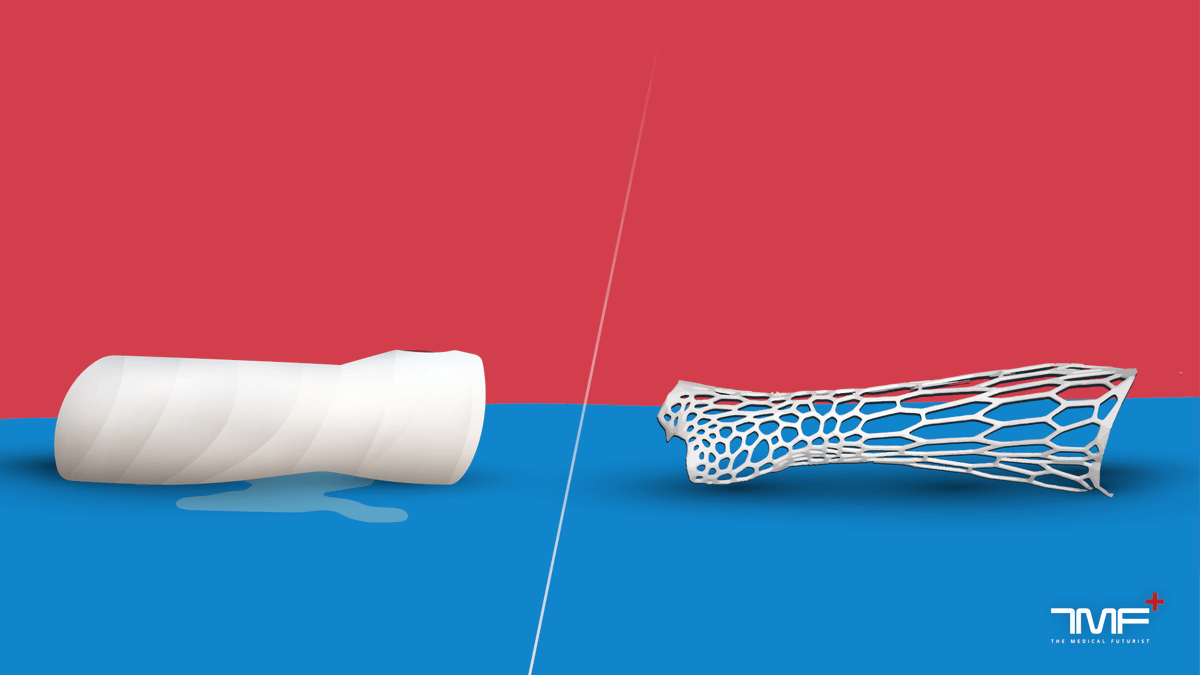
Where Are 3D-Printed Casts?
Finding out what happened to 3D-printed casts and why they haven’t broken into healthcare.
We analyze why this is the case and what companies and organizations are trying to change this.
Read on: medicalfuturist.com/where-ar…
3
3
495
Jun 5
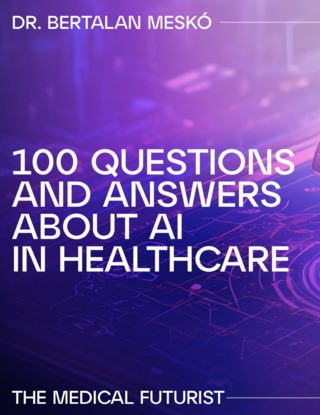
Introducing "100 Questions and Answers About Artificial Intelligence in Healthcare" - your essential guide to understanding the integration of AI and medicine.
- Explore 100 essential questions, each offering concise yet insightful answers supported by research and real-world examples.
- From the fundamentals of AI to ethical considerations, regulatory frameworks, and more, we cover a wide range of topics.
- Learn about AI's potential to transform patient diagnosis, treatment, and healthcare policy.
- Discover how AI-driven tools empower patients and their applications in medical research, drug discovery, and the future of healthcare technology.
It's available on Leanpub with a money-back guarantee: leanpub.com/100-questions-ab…
5
11
766