
Promoting global monetary & financial stability since 1930
Joined June 2010
- Tweets 22,631
- Following 865
- Followers 221,601
- Likes 2,016
8,103 Photos and videos






How do acquisitions of distressed banks impact lending? A new working paper on Banco Popular’s 2017 failure shows that well capitalised acquirers can stabilise credit, especially for riskier businesses, while limiting economic disruption bit.ly/4v2ei5x
#Banking #Finance
6
15
44
4,212
How do asset price bubbles and money market funds (MMFs) interact in determining systemic risk? Large and government MMFs are generally associated with lower systemic risk, while prime MMFs contribute more strongly to financial fragility. bit.ly/3SnKqlu
6
25
72
4,589
Digitalisation and social media are reshaping #DepositPricing. #DigitalBanks pay higher deposit rates and respond more strongly to policy rate changes, especially where social media activity is high. bit.ly/4uY6HoK
9
26
88
6,330
The Credit Suisse episode was the first major test of the post-crisis resolution framework for global banks. A working paper traces how investors repriced bail-in risk across 94 European banks the following year & what it means for bail-in credibility: bit.ly/4dPAZnx
8
21
85
5,197
Lower yields on domestic government bonds are associated with pension funds shifting to mutual fund shares, equities, and foreign assets bit.ly/4eexZB7
#BISPaper
8
8
50
4,515
Pension funds worldwide have shifted from holding debt securities towards holding mutual fund shares and other potentially riskier assets bit.ly/4eexZB7
#BISPaper
7
10
38
3,992
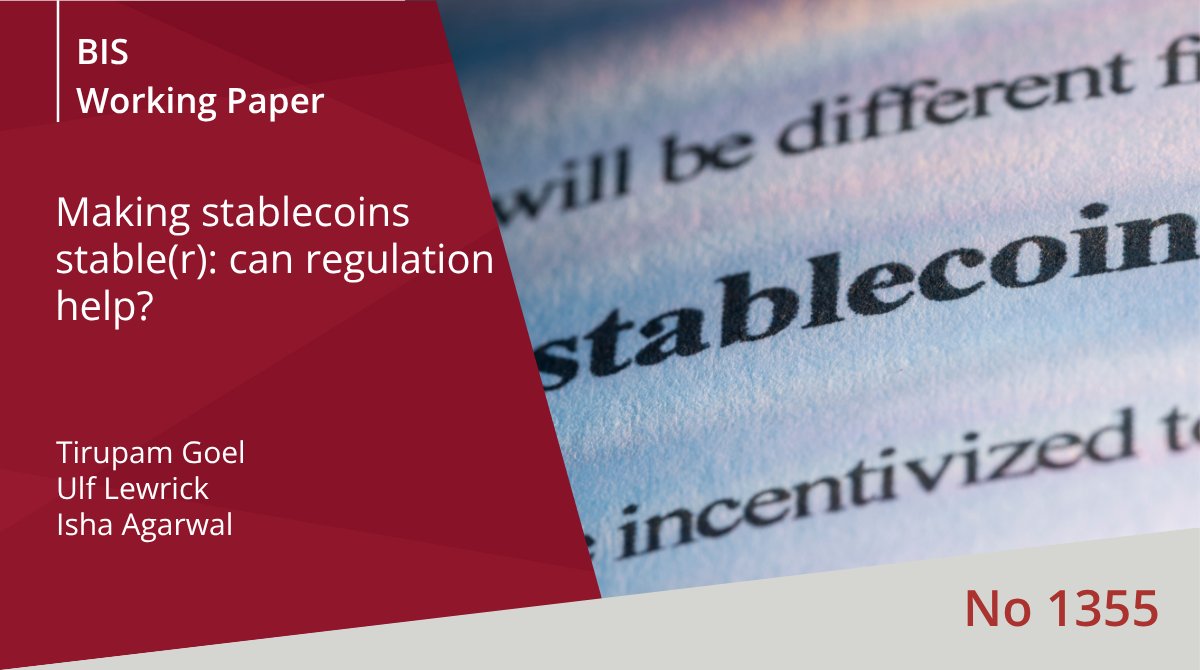
Stablecoins pose risks for their holders and for the financial system. New research shows that both liquidity and capital thresholds are needed to mitigate these risks. It also illustrates how to calibrate these thresholds to meet regulatory objectives.
bit.ly/4ve4R2q
20
68
226
20,682
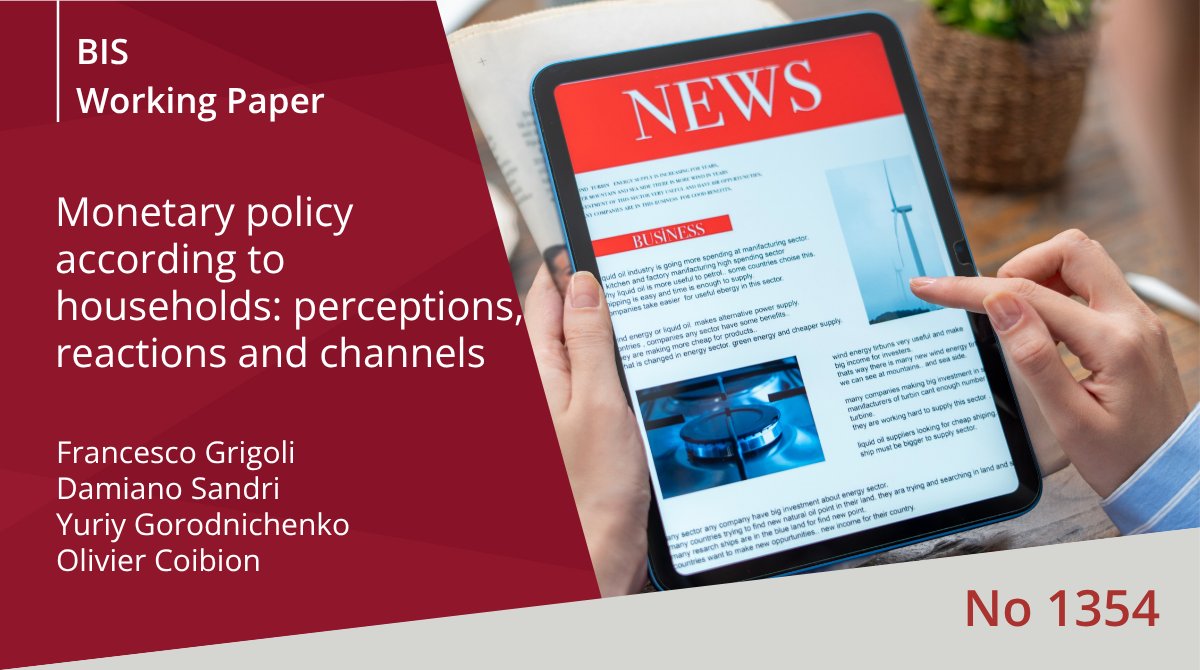
How do households react to monetary policy news? Results of a large-scale survey show that households curb spending after interest rate hikes. But transmission channels are different from standard theory, underscoring the role of #InflationExpectations
bit.ly/4tXWqr1
5
7
47
4,486
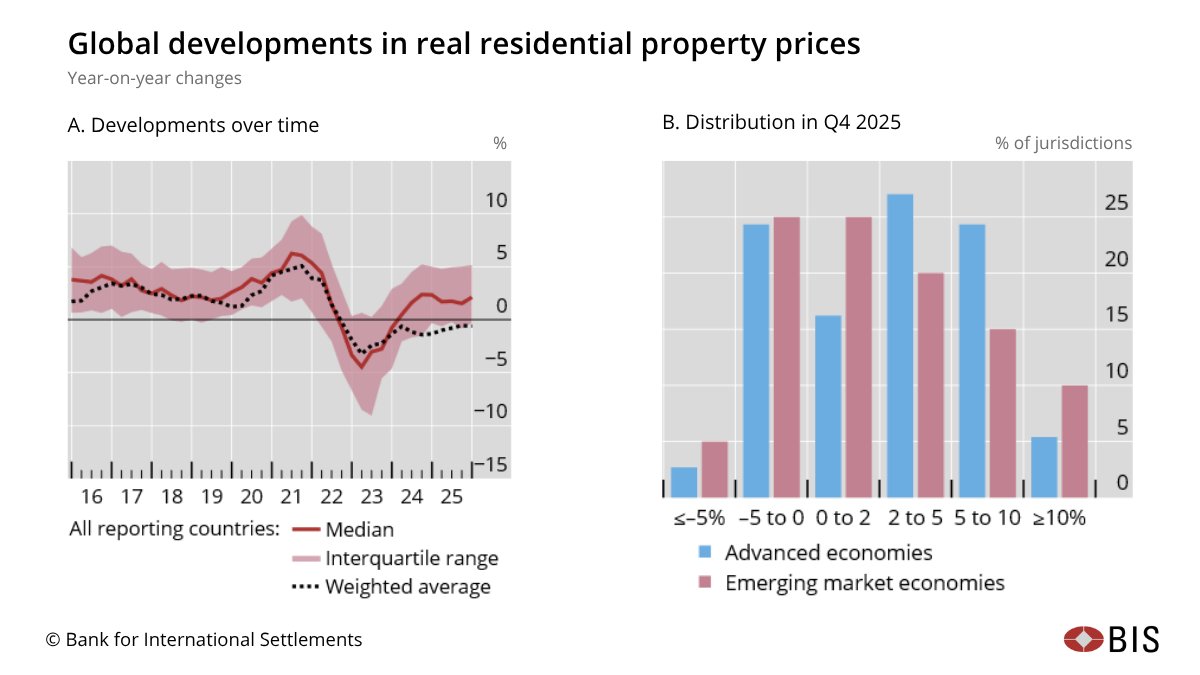
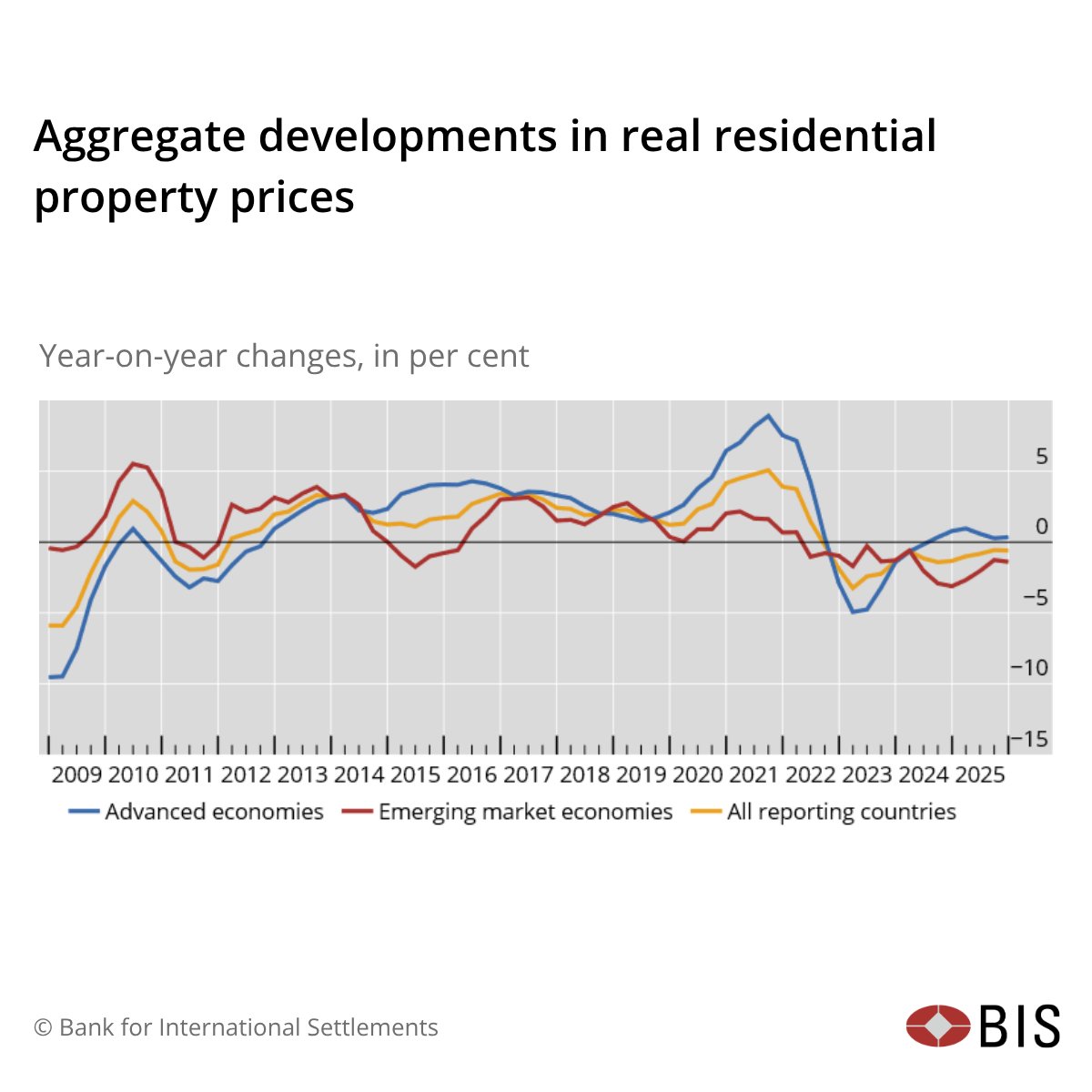
In Q4 2025, real house prices recorded positive year-on-year increases in the large majority of advanced and emerging market economies. However, sharp price declines in a few large economies continued to drag down global aggregate figures. Read more: bit.ly/4uA8eRp
3
13
56
4,403
Survey information and recent data show that activity and expectations explain most inflation moves in China, highlighting their importance for the monetary policy stance #China #Inflation #MonetaryPolicy bit.ly/4tSro45
3
13
53
4,174
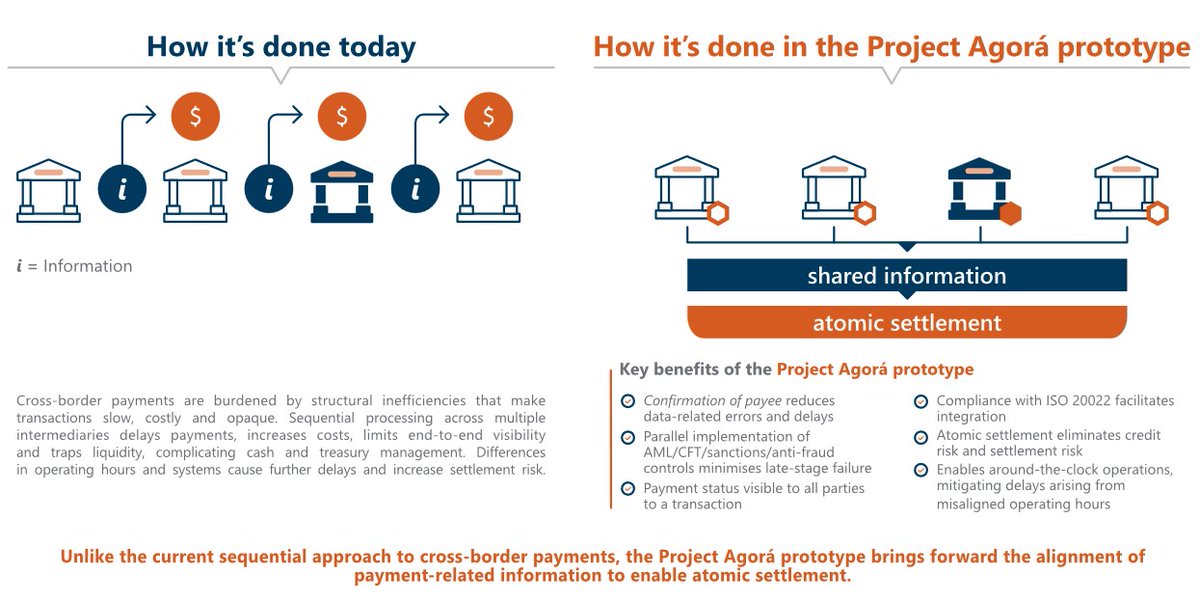
Project Agorá prototype illustrates the potential of #tokenisation to modernise wholesale cross-border payments, ensuring greater efficiency, security, and inclusivity in the global financial system. Read more bit.ly/4ar02cj
34
191
748
91,443
In Q4 2025, aggregated global house prices deflated by consumer prices declined by 0.6% from Q4 2024. While real house prices have now started to pick up somewhat in advanced economies, emerging market economies faced a fourth consecutive year of decline bit.ly/4uA8eRp
2
8
46
4,154
Project Agorá, from the #BISInnovatonHub, @IIF & 40 financial institutions, shows how #tokenisation & programmable technologies can enhance cross-border payments. Read: bit.ly/4ar02cj @bankofengland
@NewYorkFed
@banquedefrance
@Bank_of_Japan_e
@bok_hub
@Banxico
@SNB_BNS
38
137
438
50,969
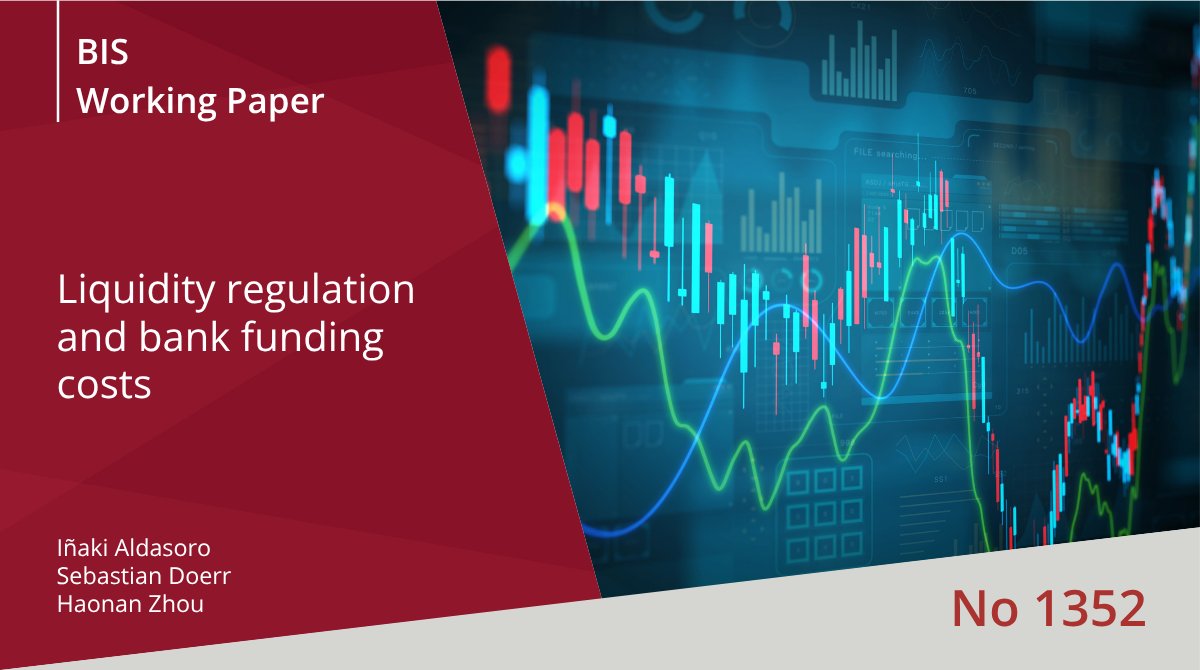
Do creditors reward safer banks with cheaper funding? The Liquidity Coverage Ratio, which forced banks to raise their share of liquid assets, materially lowered banks’ wholesale funding costs, especially at longer maturities bit.ly/3Ryv8Ks
5
12
52
4,587
The BIS provides extensive residential and commercial property price data sets, helping analysts and policymakers to better understand developments across jurisdictions and over time.
Watch the video and explore our data sets on the BIS Data Portal: bit.ly/4wP6mWr
2
12
69
5,172
Cyber risk is a growing threat to financial stability. The ECB’s cyber resilience stress test shows that supervisory scrutiny can boost banks’ cyber security investment, even without capital penalties or public disclosure. bit.ly/4f808uH #CyberRisk #Banking

6
21
66
4,995
#Liquidity is the lifeblood of #SupplyChains, enabling firms to make timely payments without waiting for cash inflows. How do changes in #MoneyElasticity affect firms and the economy? Explore our latest #BIS working paper: bit.ly/4dtWHMf

10
45
192
42,297
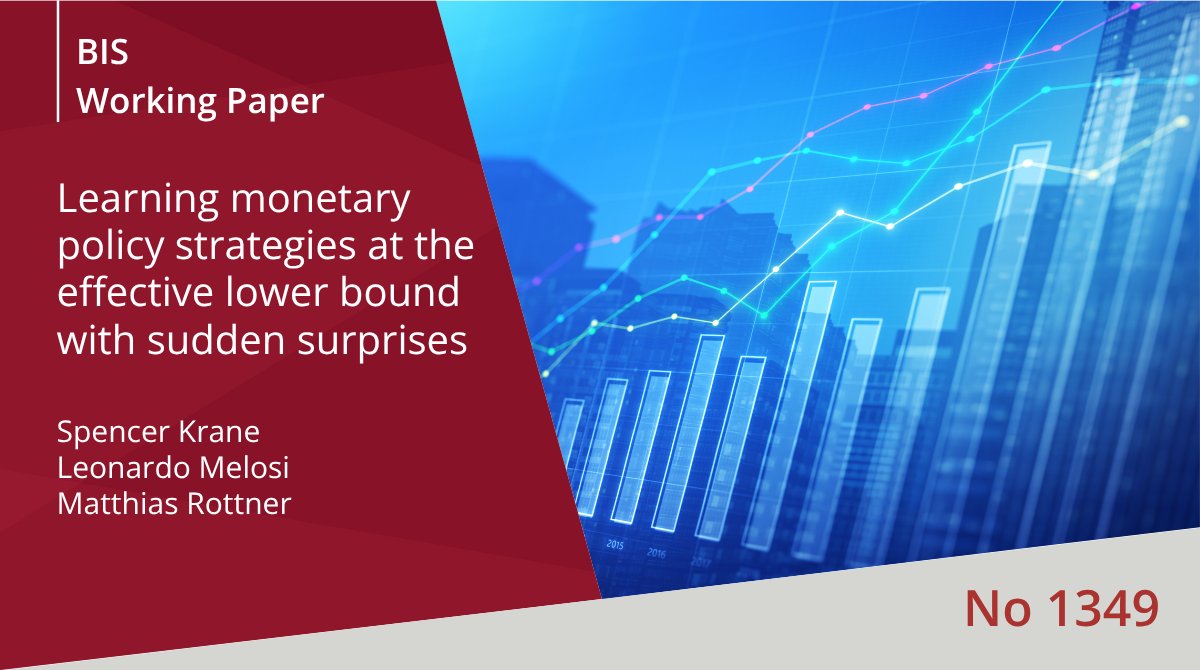
Central bank framework reviews have gained increasing prominence in recent years. But how do private agents learn new monetary policy strategies, especially amid significant inflationary and deflationary shocks? bit.ly/4tK5GiB
8
18
47
4,478
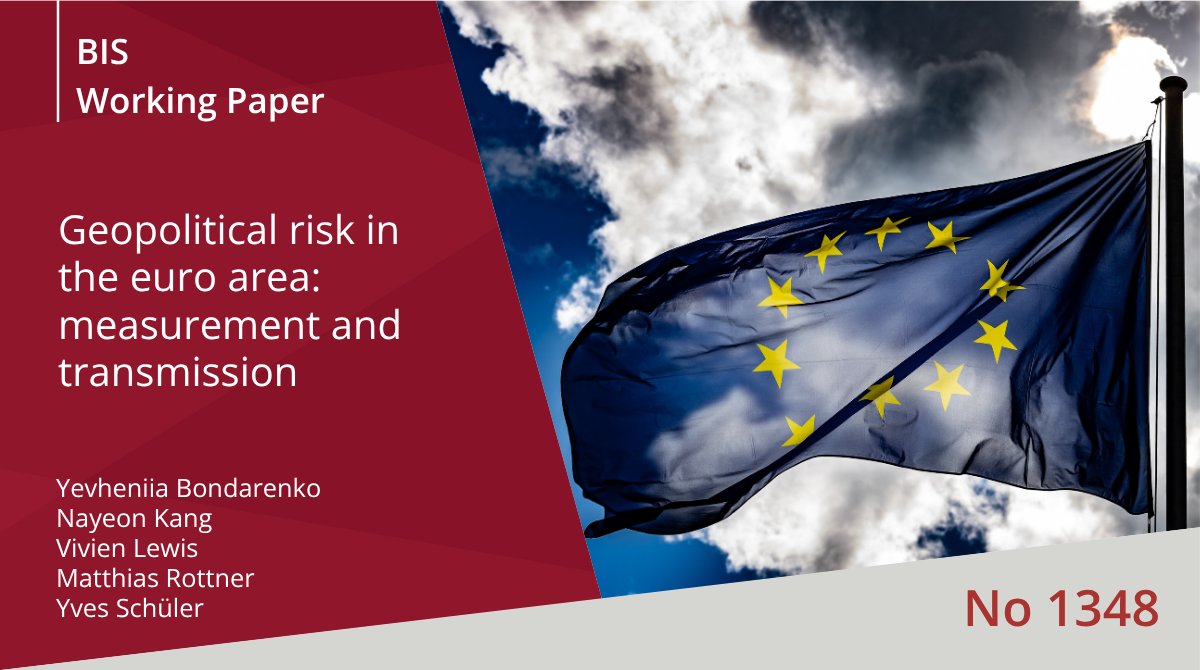
A new euro area-specific index of geopolitical risk indicates that geopolitical shocks are stagflationary for the euro area. Scenario analysis shows that the euro area economic outlook is highly sensitive to future geopolitical risk developments. bit.ly/4dDktGP
11
19
69
6,015
Kazuo Ueda, Governor of the @Bank_of_Japan_e, was appointed Chair of the Committee on the Global Financial System for two years
bit.ly/4dBjG9s

20
206
832
223,188
Correction: Kazuo Ueda, Governor of the @Bank_of_Japan_e, was appointed Chair of the Committee on the Global Financial System (CGFS) for three years, not two
5
2
16
2,636