
Building an integrated ecosystem where marginalised citizens are included as active participants in the political economy of our society. @GoRegisterNG advocate
Joined February 2016
- Tweets 3,926
- Following 1,743
- Followers 1,380
- Likes 5,100
898 Photos and videos



Pinned Tweet

8 Nov 2022
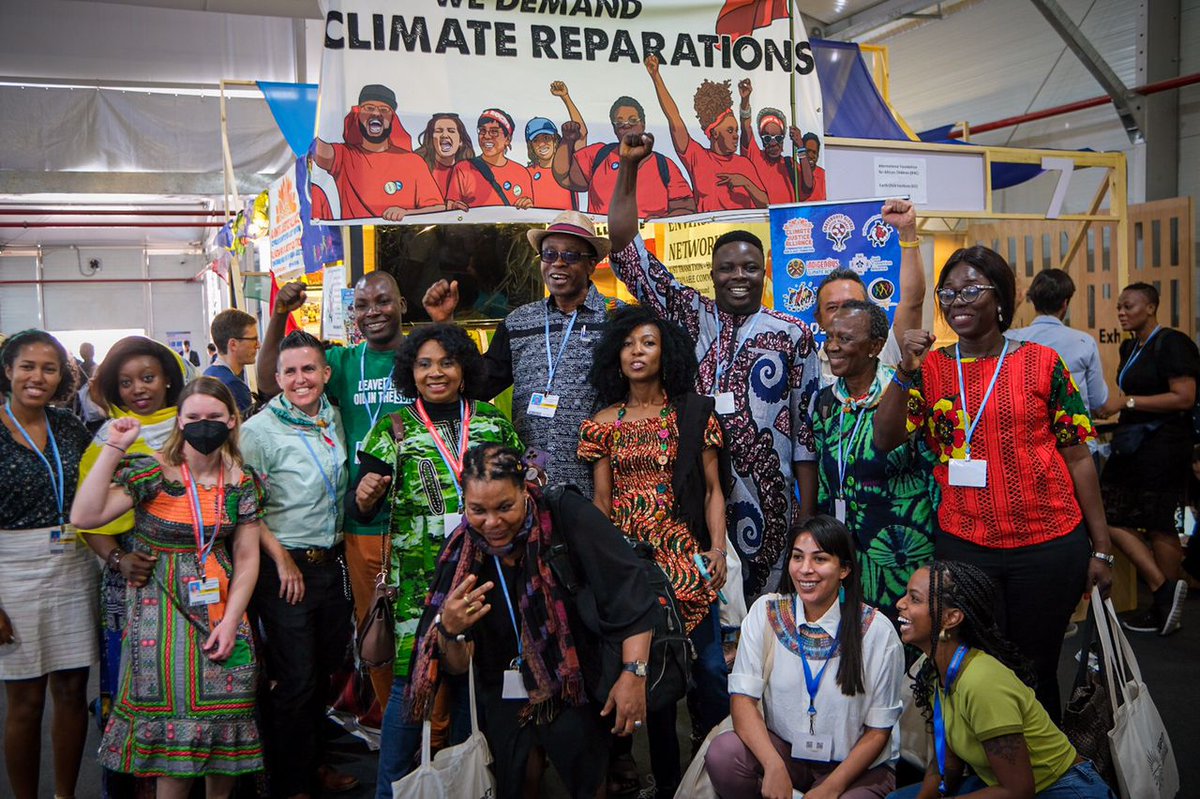
Pavilion action today by African communities pavilion action to demand climate reparations and real solutions to climate injustices devastating African communities and the Global south.@oilwatchafrica1 @EcoHomef @NnimmoB
1
7
“Voices from the Ground: Connected Advocacy C4C Climate and Environment Working Group call on all Parties and participants at SB64 that Life is Calling, How Far Can You Listen and Act? unfccc-events-api.azureedge.…
@Charter4Change
1
1
16
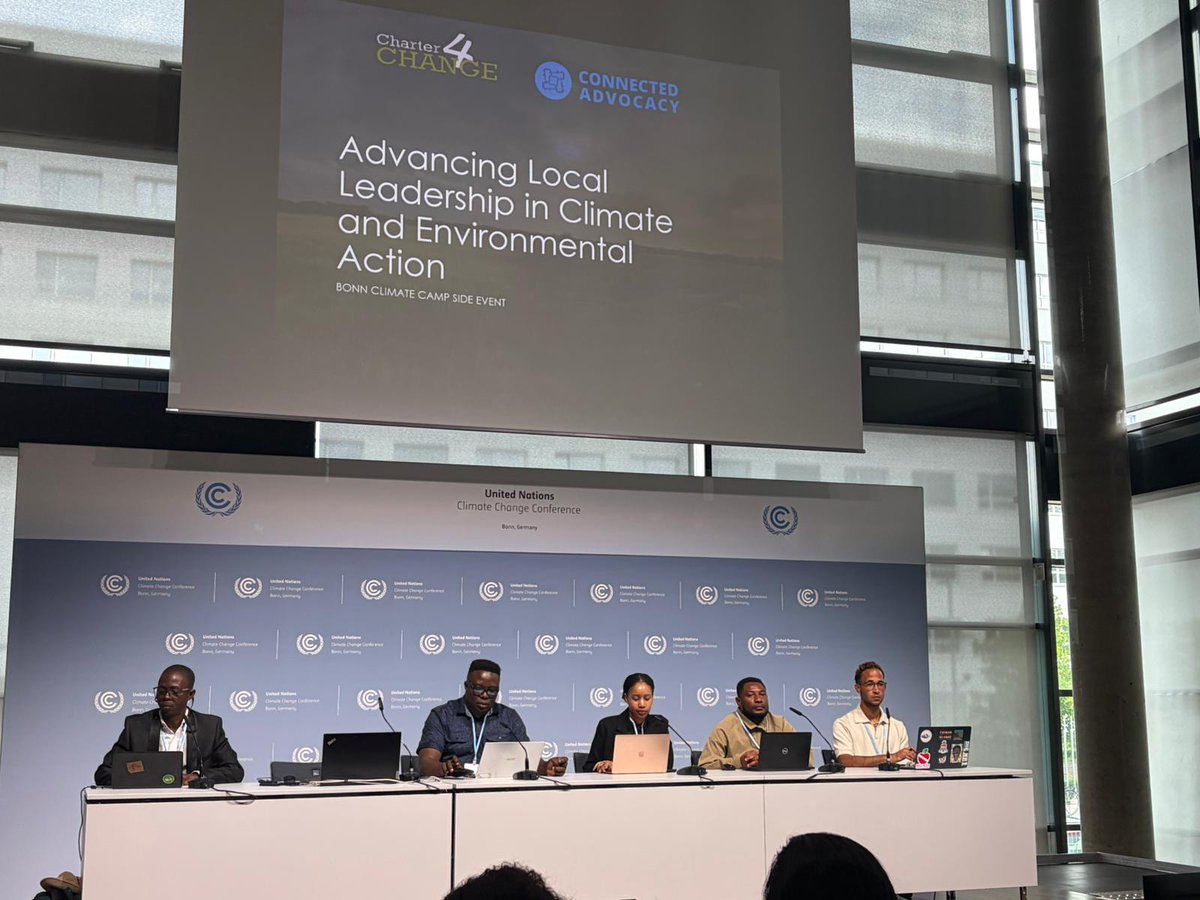
The need to ensure that climate engagement, policy development, financing mechanisms, and adaptation planning are inclusive of local priorities and responsive to the realities of communities on the frontlines of climate and environmental crises.
9
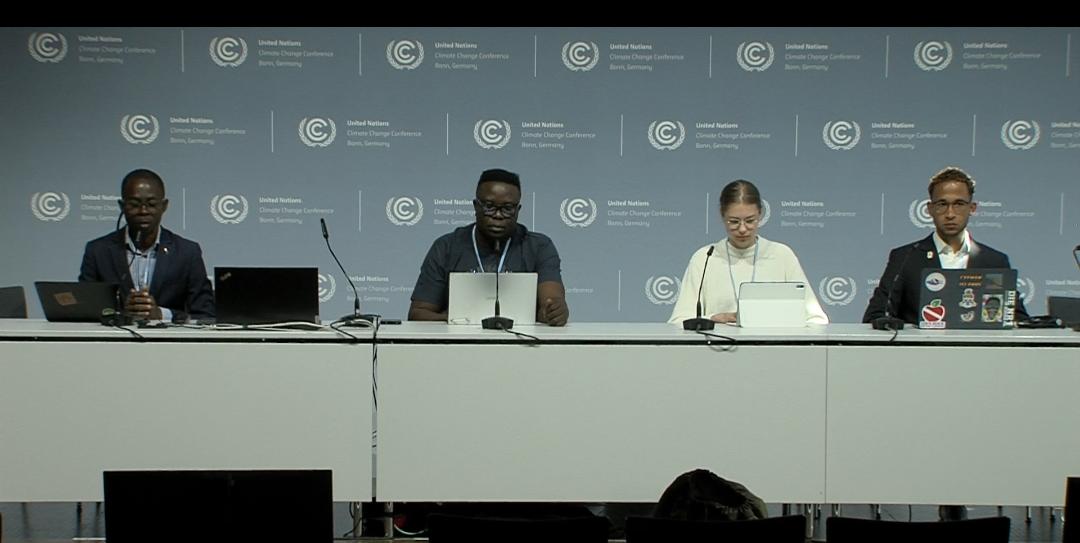
#C4C Climate and Environmental Working Group -Connected Advocacy (member) heard a Press Conference on Advancing Local Leadership in Climate and Environmental Action at the Ongoing UNFCC -SB64 at World Climate Conference Centre in Bonn Germany h
@Charter4Change
15
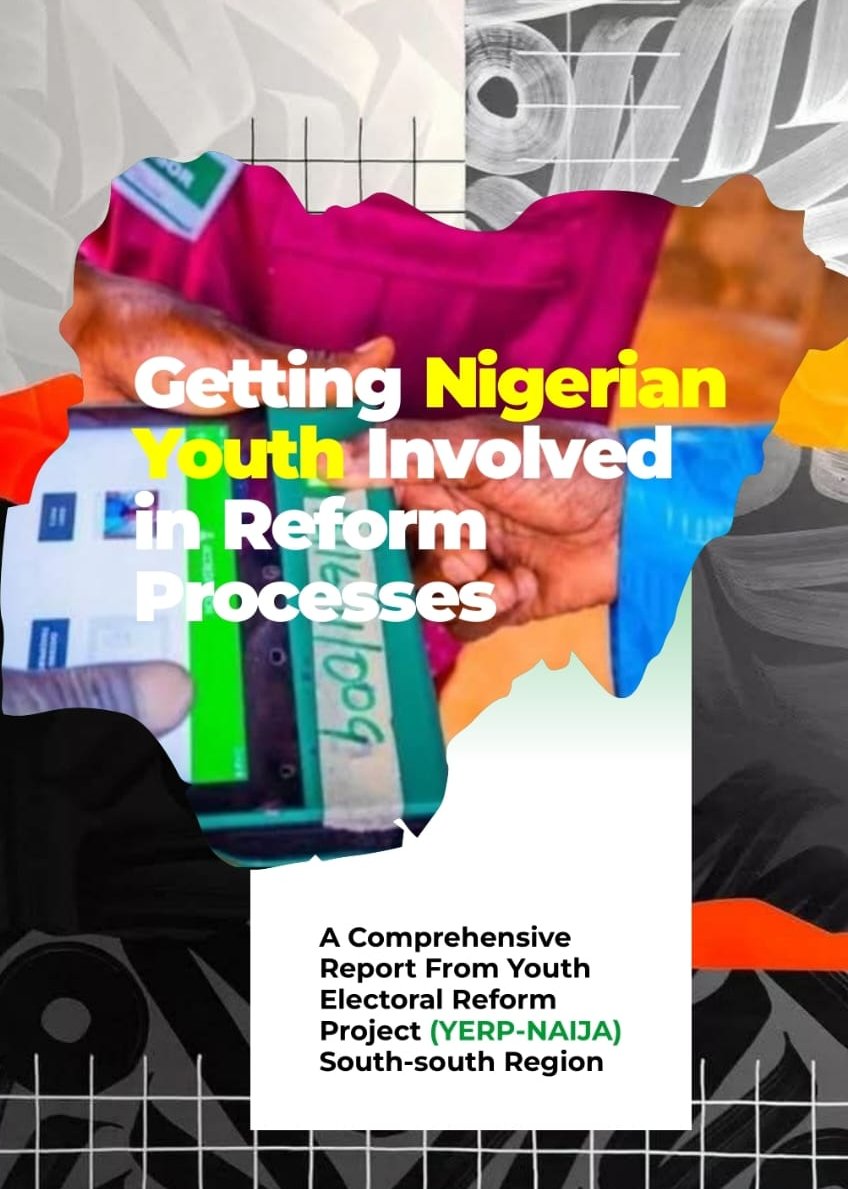
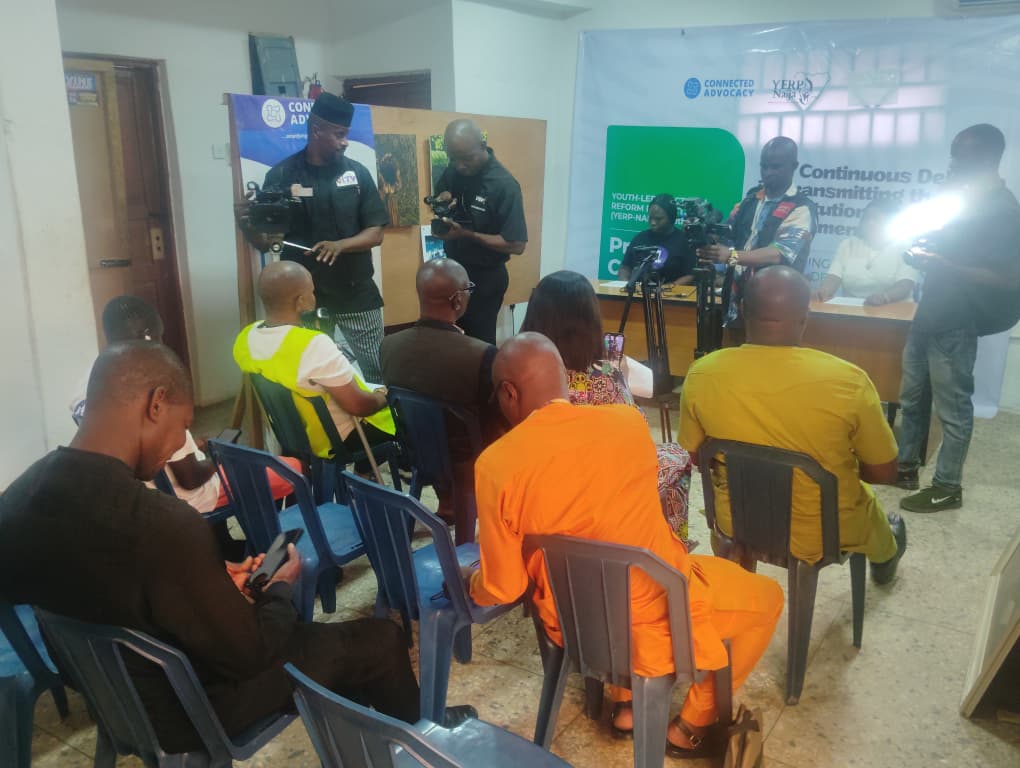
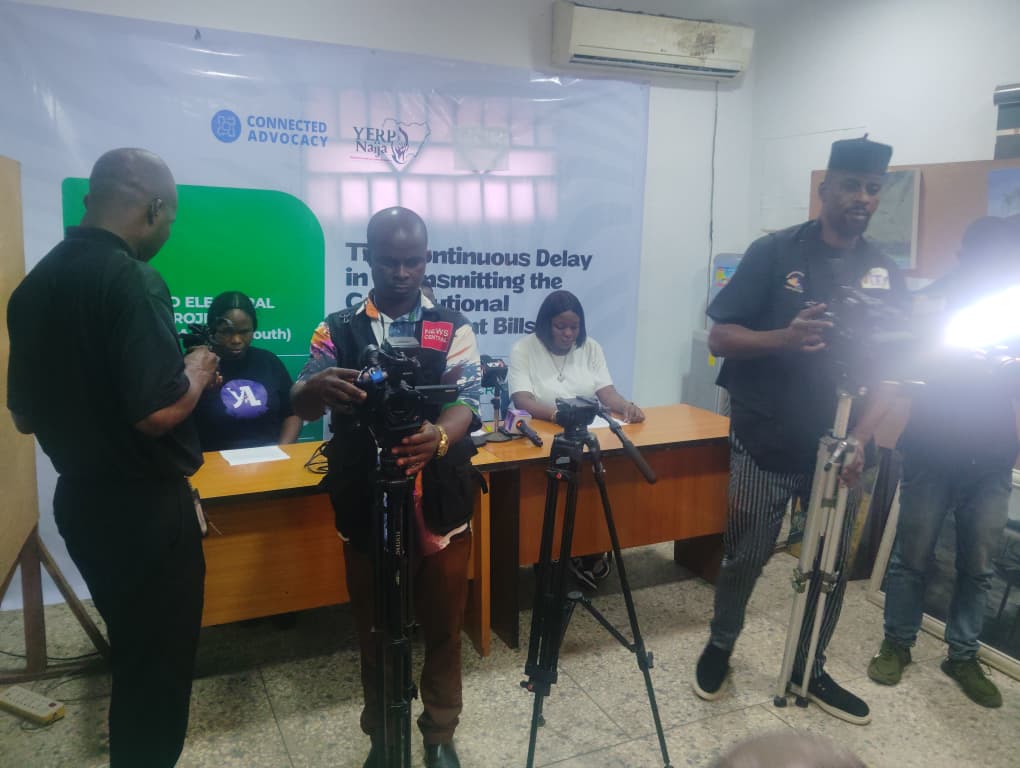
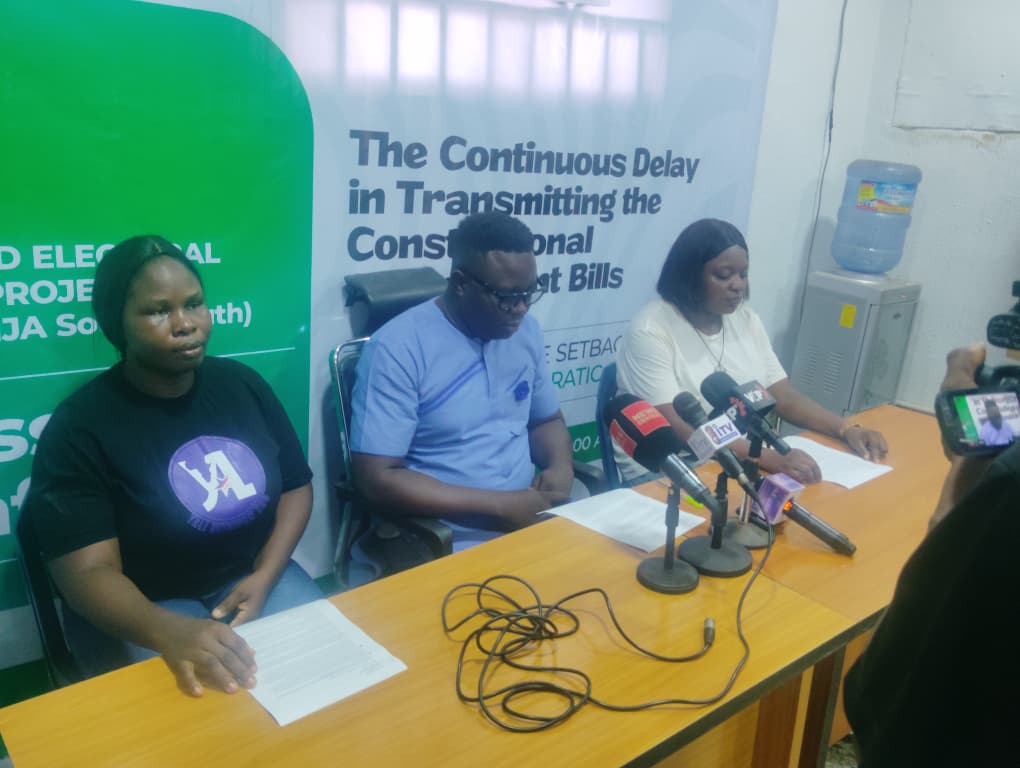
GETTING NIGERIAN YOUTH INVOLVED IN REFORM PROCESSES
A Comprehensive Report from the Youth Electoral Reform Project (YERP-Naija) – South-South Region
Empowering Youth Voices to Shape Nigeria's Democratic Future.drive.google.com/file/d/1_Vz… @NEDemocracy @NDI @USinNigeria @inecnigeria
3
17
We invite stakeholders and partners to join us in scaling these efforts, deepening civic participation, and building a democracy that reflects the aspirations, voices, and leadership of Nigeria's youth
7
it is essential. With over 70 percent of Nigeria’s population under 35, youth represent the largest constituency capable of shaping a more transparent, accountable, inclusive, and credible democratic future.
4
Nigeria stands at a defining moment in its democratic journey. As the nation prepares for future electoral cycles and deepens conversations on constitutional reform, the active participation of young people is no longer optional;
2
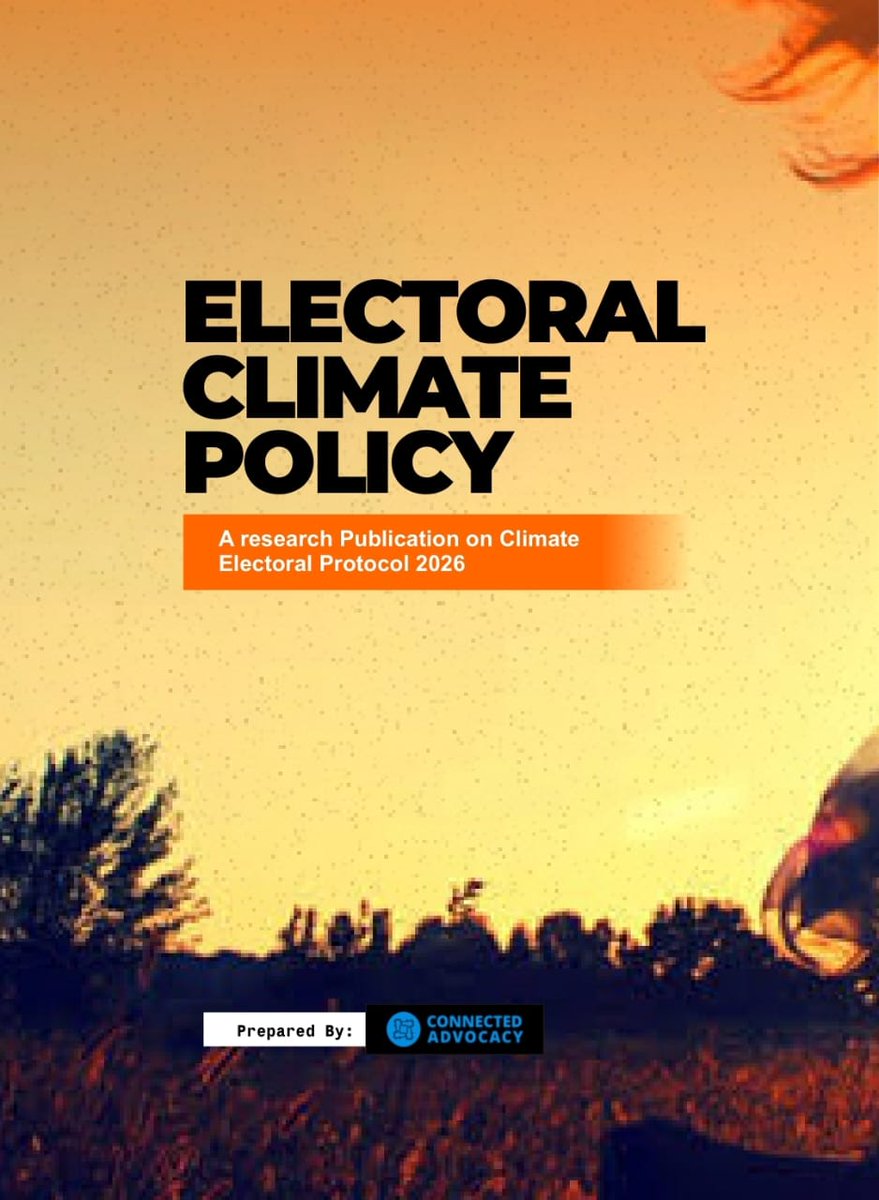
Our New Research reform publication on Electoral Climate Policy 2026.
Strengthening Democratic Accountability and Climate Governance through the Climate Electoral Protocol Framework (Here is the link lnkd.in/enmNT5Nt @inecnigeria @ECESeu @EU_ENV @Europarl_EN @nemanigeria
7
35
We look forward to your feedback, recommendations, and collaboration on the next-level reform engagement in this direction. (Here is the link again lnkd.in/enmNT5Nt to the new reforms policy brief)
12
climate-responsive leadership, and policy continuity beyond election cycles. The research calls for accelerated multi-stakeholder action, strategic financing, and localized implementation mechanisms to drive the next level of transformation in democratic and climate governance.
10
This publication therefore recommends stronger collaboration among policymakers, agencies, electoral stakeholders, grassroots actors, and international partners to institutionalize a Climate Electoral Protocol that promotes transparency, citizen participation,
4
As climate disasters increasingly affect vulnerable communities, we need to strengthen our electoral infrastructure to address voter disenfranchisement and the destruction of voting materials due to climate-related conditions.
2
The publication highlights the urgent need for political actors, electoral institutions, civil society, youth movements, and development partners to mainstream climate priorities into campaign agendas, policy debates, and governance commitments.
3
Electoral Climate Policy: Climate Electoral Protocol 2026, produced by Connected Advocacy, provides a forward-looking research framework that bridges electoral accountability with climate action, environmental justice, and inclusive governance.
4
The 2027 electoral cycle presents a defining moment for integrating climate governance reforms into democratic processes in Nigeria and across Africa.
4
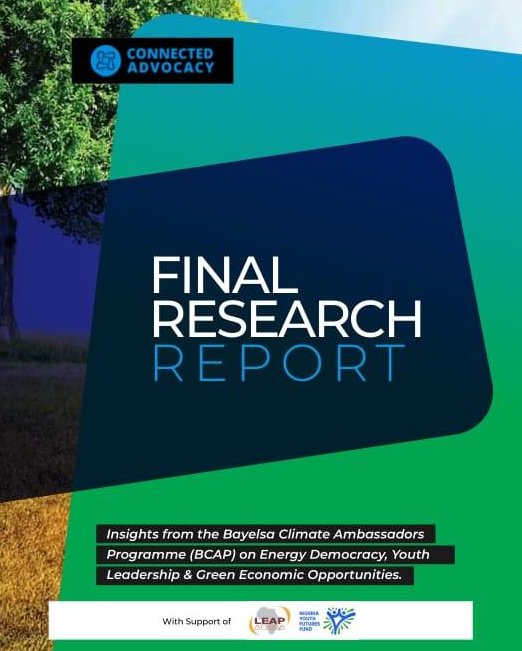
Can the Nigerian Energy Transition Tackle Youth Unemployment Amidst the Climate Catastrophe in the Niger Delta Region?.
A Final Research Report from the Bayelsa Climate Ambassadors Programme (BCAP) on Energy Democracy, Youth Leadership,. lnkd.in/eXP6h5Wu
1
2
54
The Summit of the People Communique “From Local Voices to Global Impact: Empowering Indigenous Youths to Tackle Climate-Humanitarian Crisis”
BayelsaState .
11
11
Humanitarian response must be localized, accountable, and anticipatory. We therefore commit to advancing these resolutions through partnerships, policy engagement, advocacy, and collective action at local, national, and global levels.
4
We declare that: Indigenous youths must be empowered as decision-makers, not spectators. Energy access must be treated as a human right and resilience infrastructure. Decent green jobs are essential for reducing youth vulnerability and insecurity.
4
sharing for resilience. DECLARATION We, the participants of the Summit of the People, reaffirm that the climate-humanitarian crisis requires urgent and coordinated action rooted in community dignity, justice, and sustainable development.
6
To Traditional Institutions & Community Leaders We call on traditional institutions to: Protect indigenous lands and strengthen youth inclusion in governance. Support community peacebuilding &climate adaptation mechanisms. Encourage intergenerational knowledge-
7