DVD Host & Mixtape Guru in South-East London. Poster Boy of The UK Street DvD Game. For Bookings/Features/Press Email: Mayhemtv@hotmail.co.uk ig:Darkerromello
Joined November 2011
- Tweets 15,965
- Following 1,750
- Followers 2,211
- Likes 2,977
12,676 Photos and videos
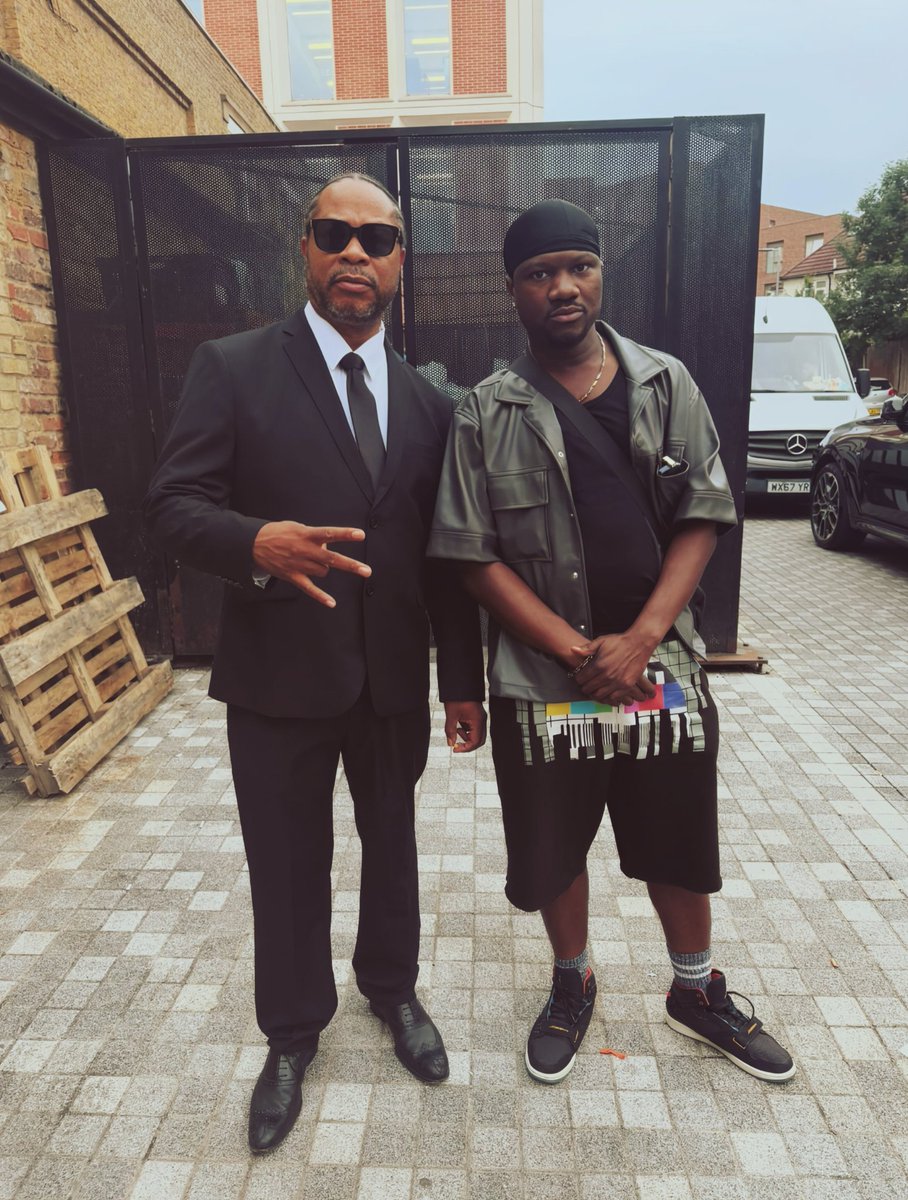
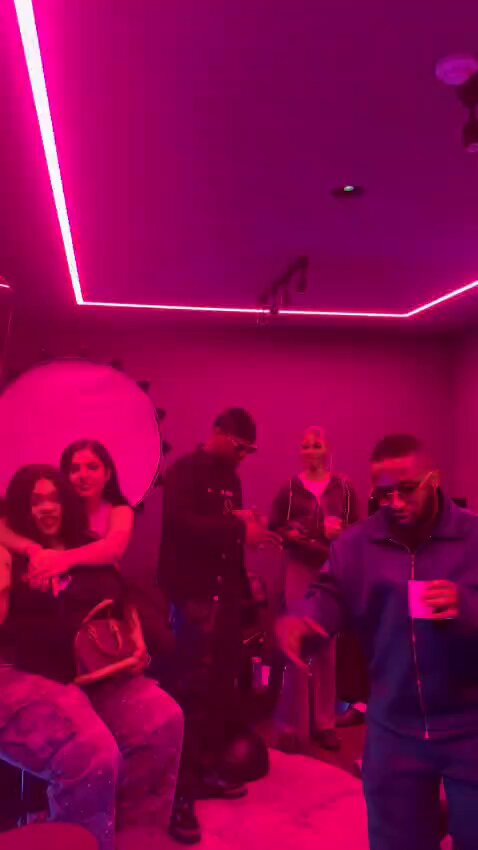
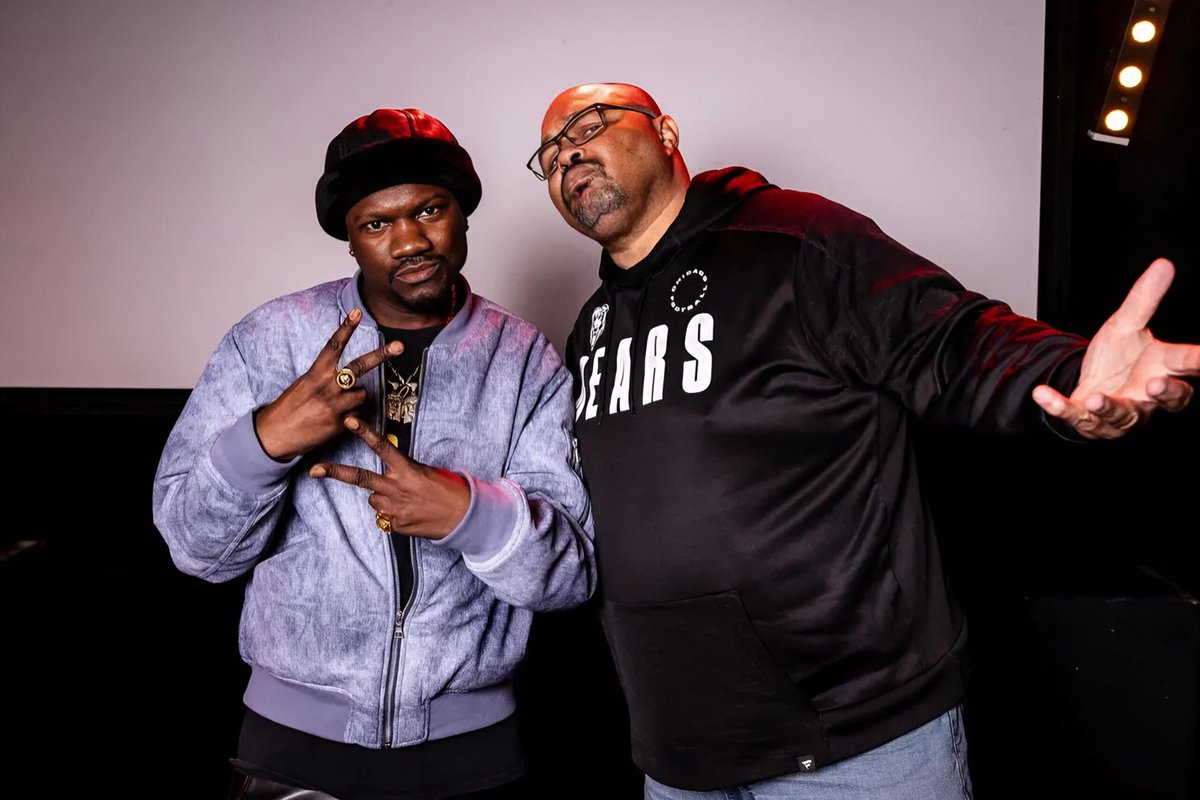
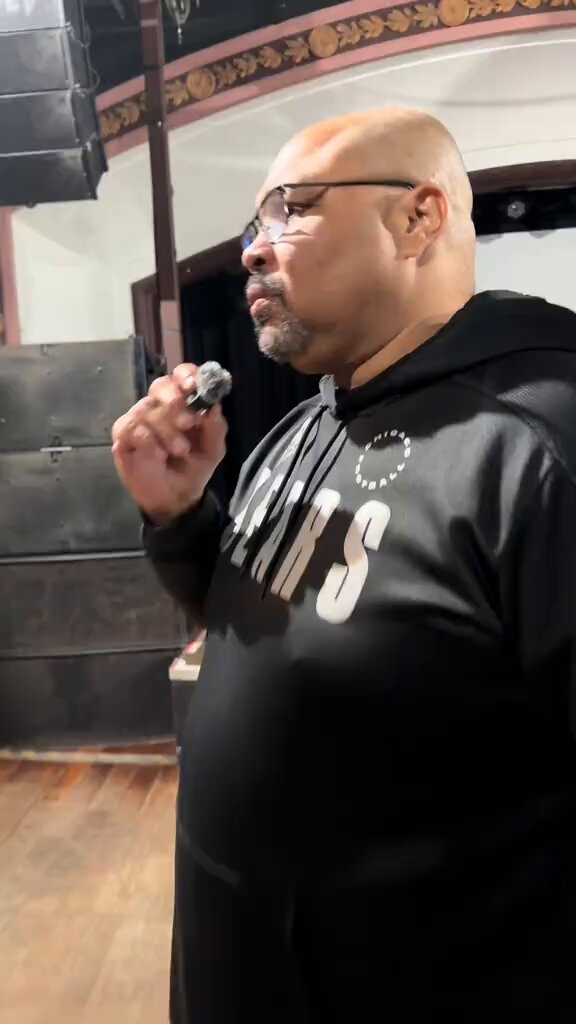
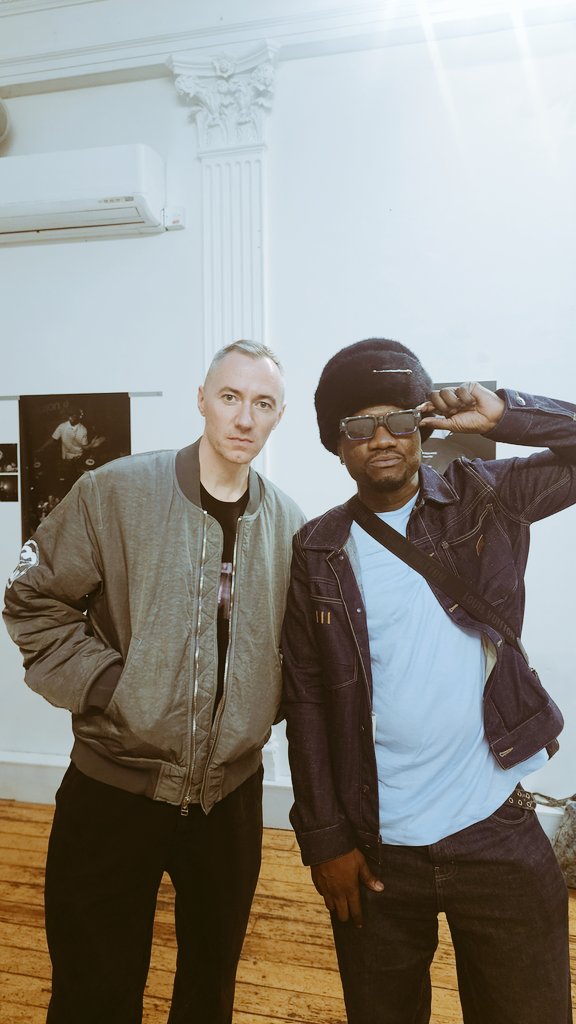
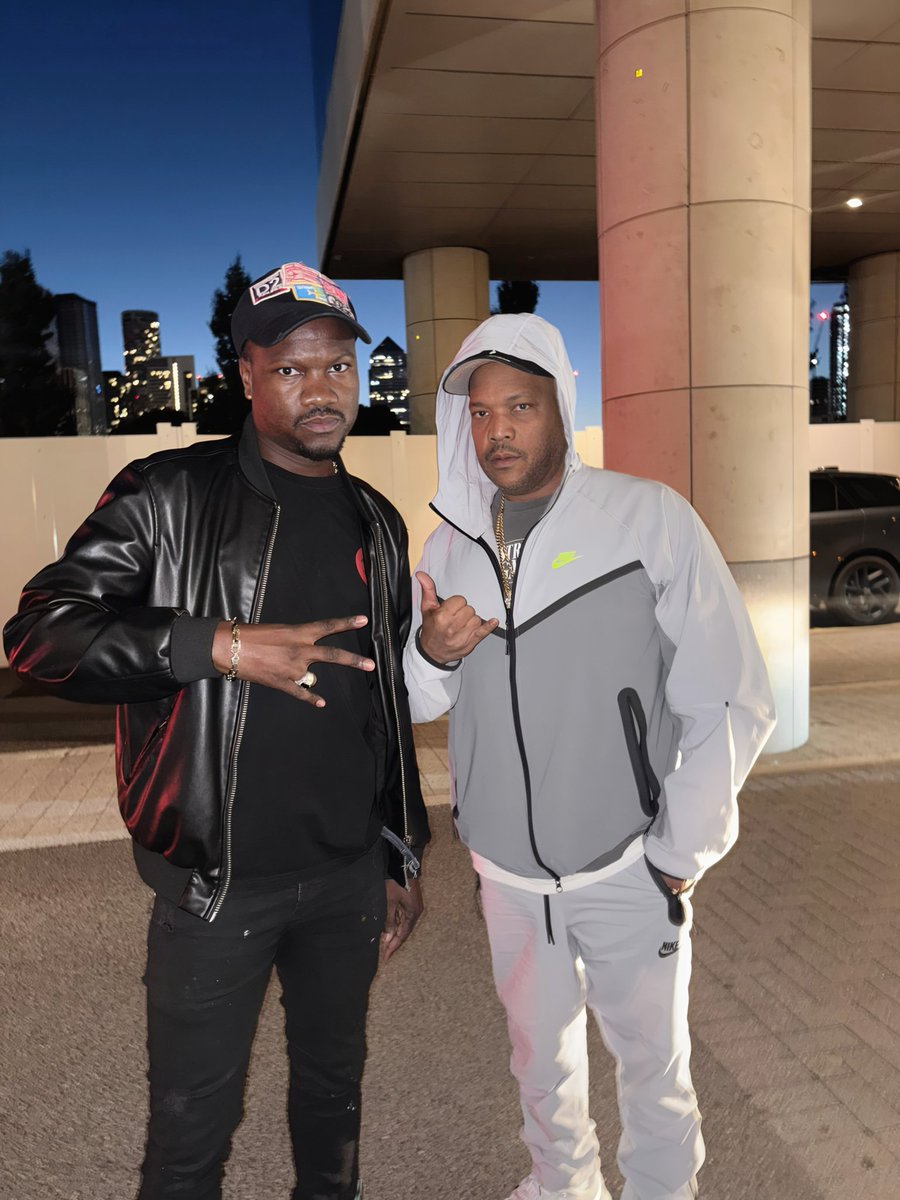
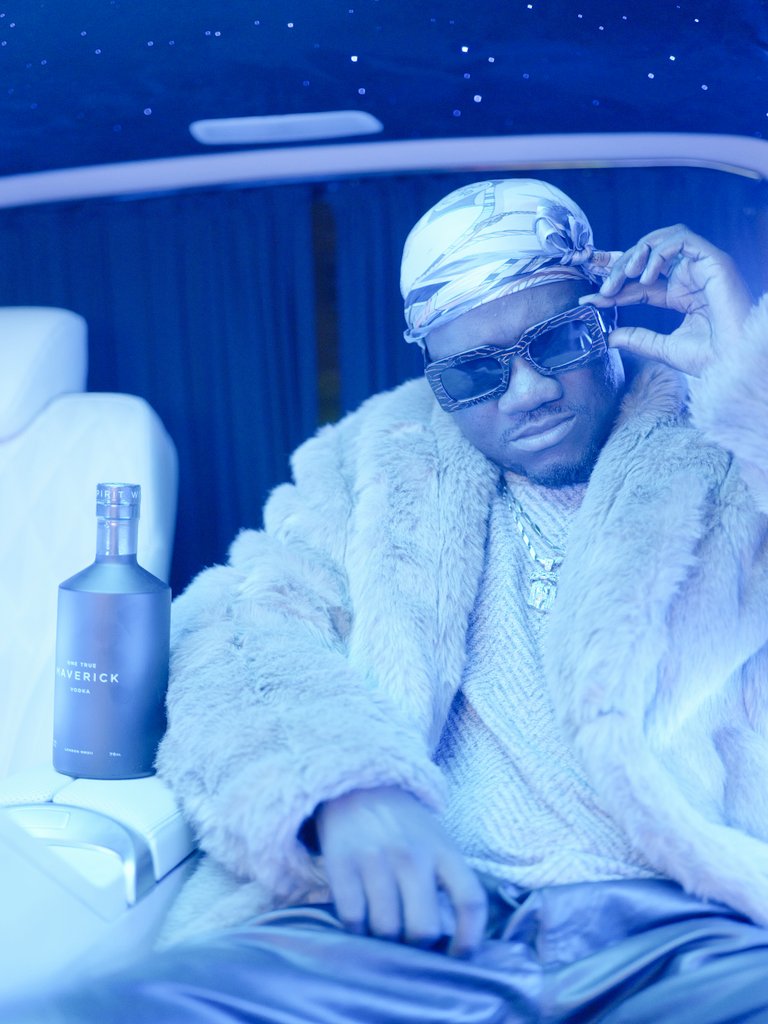
Outside Electric Brixton with the legendary Xzibit 🇬🇧🔥
London was on fire. Nothing but love, good energy real hip-hop. 🎤💯
#DarkerRomello #Xzibit #MayhemTV #ElectricBrixton #Kingmaker #London #HipHop #westcoast
1
31
King Darker Romello retweeted
I’m previewing my Summer demo “Bunda Pressure” 🔥
Strictly 4 da ladies — Amapiano x House fusion vibes.
How’s it sounding? #Amapiano #bunda #afroswing #ukmusic #fyp #worldwide #ghana #wizkid #newmusic
1
3
91
G4 Boyz & Darker Romello vibes in Eadn London last night 🍾 Azul & Casamigos on deck while the whole section was turnt all night 😮💨🌃
#G4Boyz #DarkerRomello #azul #casamigos #EadnLondon #LondonNightlife
1
135
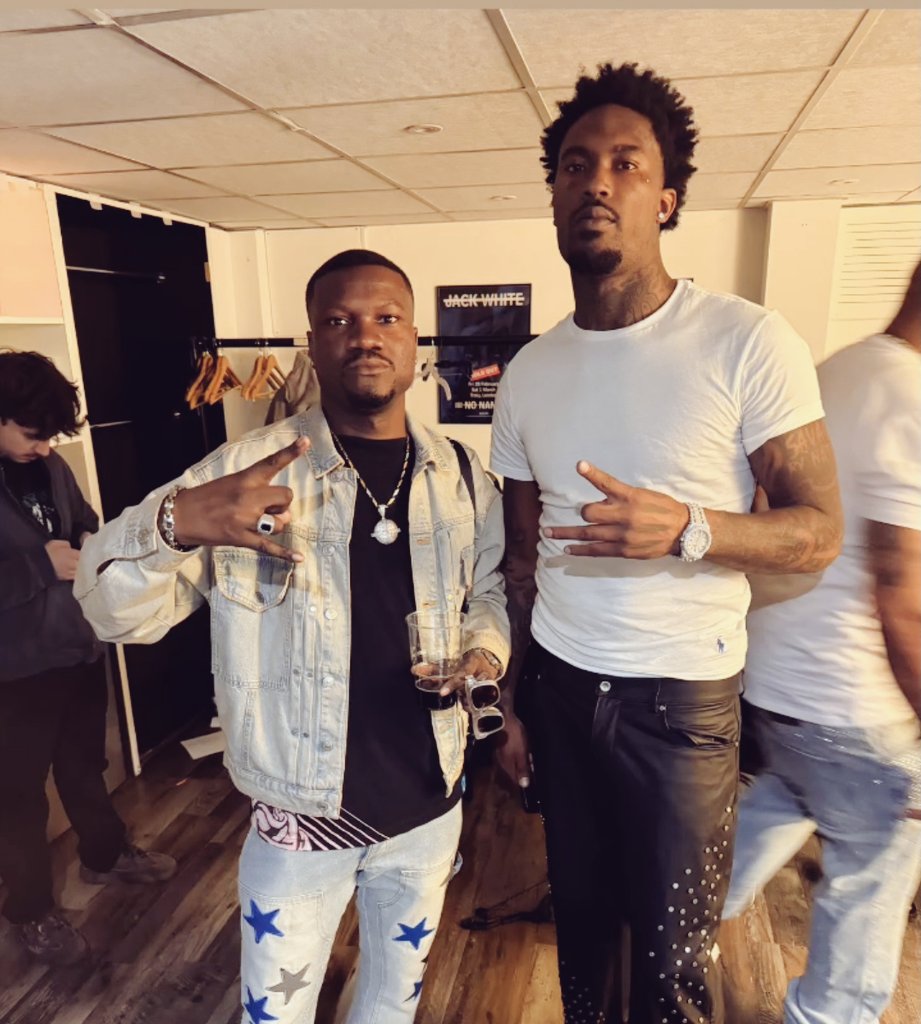
Backstage in London with Hunxho after a SOLD-OUT headline show 🇬🇧🔥 Real motion only.
#MayhemTV #DarkerRomello #Hunxho #LondonEvents #rap #motion #liveshow #livenation #soldout
73
King Darker Romello retweeted
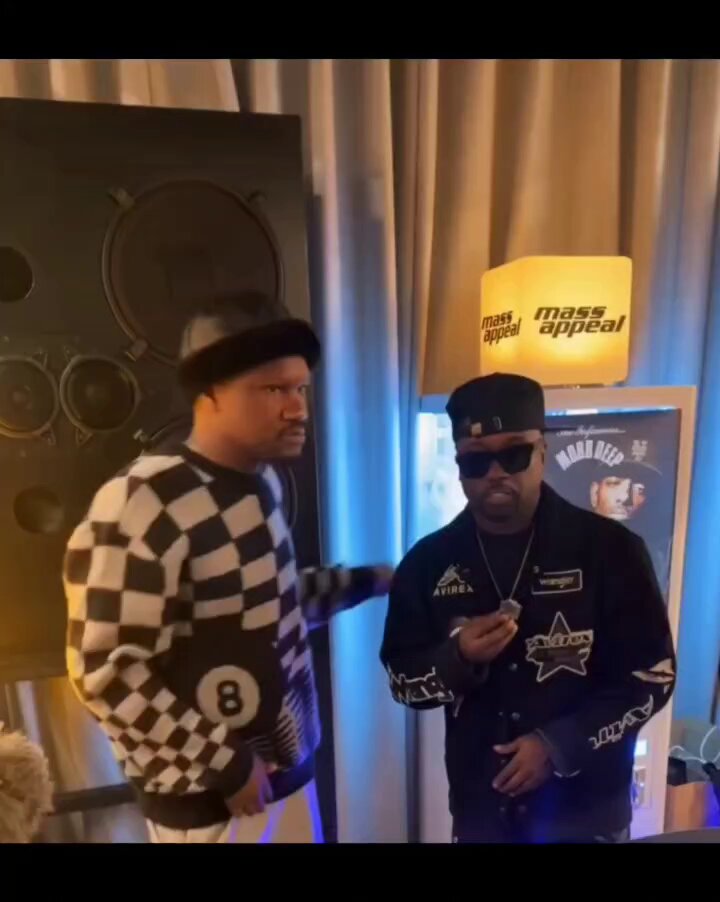
Nothing but love for my guy Havoc of Mobb Deep 🤝🏾🔥 Legendary Duties Only
#MobbDeep #Havoc #ripprodigy #HipHopLegends #MayhemTV #rap #theinfamous #queensbridge
2
2
104
King Darker Romello retweeted
Wrestling legend D'Lo Brown giving a shout out to Mayhem TV. From the grime DVD era to global culture moments, the legacy continues. Respect to a real one. Mayhem World. 🎥🔥
Hashtags:
#Dlobrown #wwe
#Smackdown
#WrestlingLegend
2
2
82
King Darker Romello retweeted
Great meeting the WWE legend D’Lo Brown 🤝🏾
One of them full circle moments
#WrestlingLegend #AttitudeEra #DLoBrown #SportsEntertainment #WrestlingFans #WrestlingLife #SquaredCircle #wwe #smackdown
4
8
855

50 Cent shut down Dear Darlings London last night
#50Cent #DearDarlingsLondon #MayhemTV #LondonNights #GUnit #UKCulture #LiveEvent #HipHopLegend #MayhemWorld #DarkerRomello
5
1
2
203

15 Nov 2025
Darker X @Benjib — CALEDONIAN RD BOOK LAUNCH TODAY. Two pioneers in the game connecting at one of the most anticipated launches of the year. #DarkerRomello #BenjiB #LondonCulture #UKMusicScene #MayhemTV #BookLaunch #CreatorsLinkUp #CultureConvo #InspirationDaily #UrbanLegacy
179

London girls went crazyyy for jeleel pure starstruck energy and nothing but vibes at the official after party 🎤🔥 #Jeleel #LondonVibes #MayhemTV #Starstruck #AfterPartyMadness #LondonNights #ViralMoments #UKScene #HypedEnergy #JeleelYeah #MayhemWorld #ConcertAfterParty
1
1
129
Backstage link-up — D’Banj & J Hus’ sis at Rema’s O2 takeover 🔥💫”
#DBanj #JHus #Rema #O2Arena #Afrobeats #LondonVibes #BackstageMoments #MayhemWorld #NaijaToTheWorld #MusicCulture #O2Takeover #LegendaryLinkUp
1
1
186
6 Nov 2025
Romello Live in Effect #DarkerRomello
#MayhemTV
#MayhemWorld
#UKMusicHistory
#UKUrbanCulture
#GrimeGoldenEra
#UKRapCulture
#CulturalArchitect
#MediaMogul
#MogulMindset
1
1
1
239
King Darker Romello retweeted
16 Oct 2025
2 x tickets available for the mercury music prize tonight in newcastle if anybody wants it them #mercurymusicprize2025 #tickets
2
1
471
16 Oct 2025
💫💫💫
4 Jan 2025

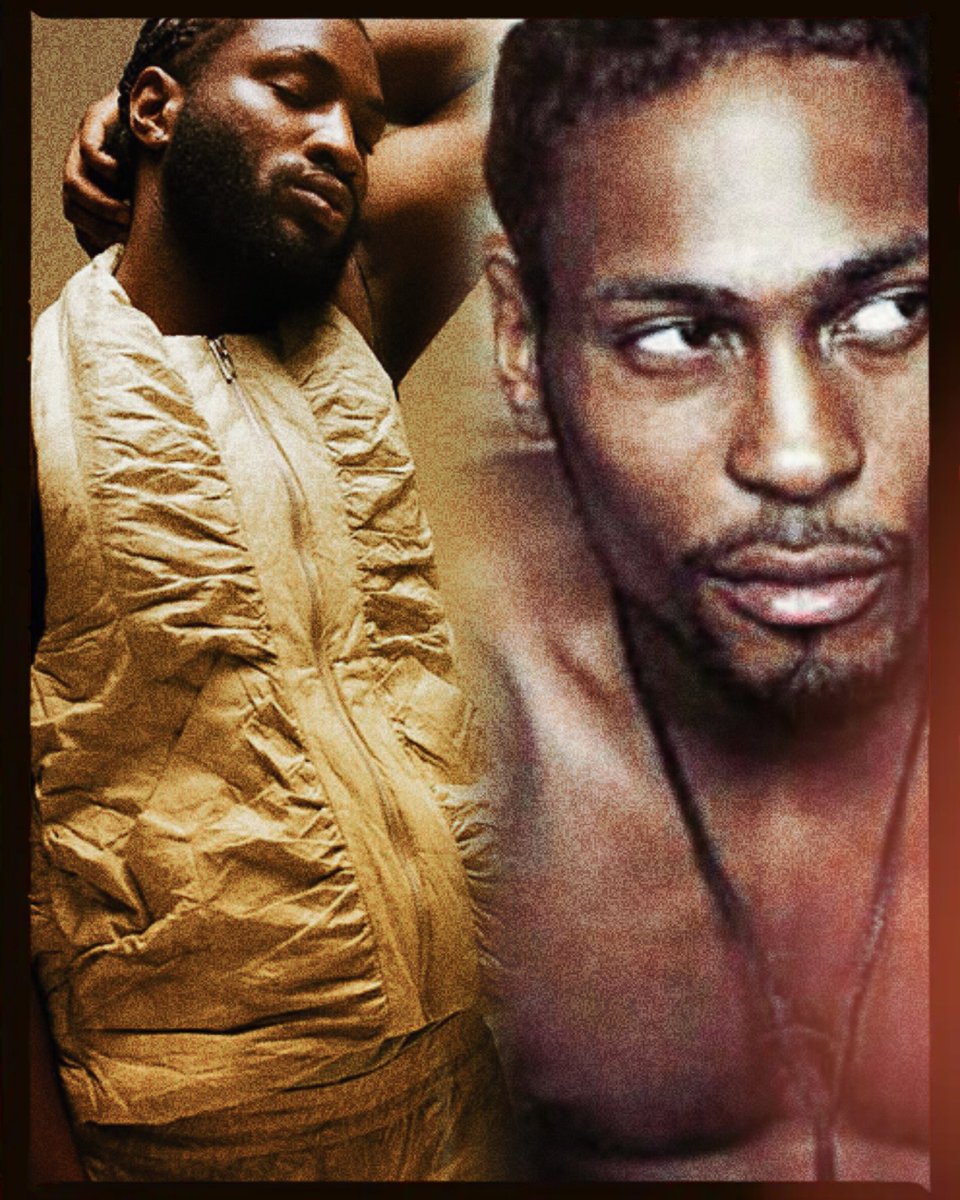
Odeal vs. D’Angelo: A Generational Contrast in Afro-Soul by CnC
The UK Afro-soul scene has witnessed the emergence of a new wave of talent, and few artists have captured its essence as vividly as Odeal. Rooted in his Nigerian heritage and London upbringing, Odeal has developed a sound that seamlessly blends Afrobeat, soul, and R&B, creating a unique musical identity. Comparisons to D’Angelo, the American neo-soul pioneer, are inevitable. Both artists share an ability to convey raw emotion through their music, yet their approaches to soul reflect contrasting cultural, stylistic, and generational perspectives. As Odeal builds his career, the shadow of D’Angelo’s legacy provides a rich context for understanding what makes him stand out and what the future may hold.
Cultural and Stylistic Context
D’Angelo emerged in the mid-1990s during the neo-soul renaissance, alongside icons like Lauryn Hill, Maxwell, and Erykah Badu. His sound, epitomized by albums like Brown Sugar (1995) and Voodoo (2000), was a revival of funk, jazz, gospel, and soul, infused with a raw, analog warmth. His music responded to the commercialized, heavily produced R&B of the time, offering something more intimate and organic. D’Angelo’s emphasis on live instrumentation and complex arrangements redefined modern soul, making it a deeply immersive experience.
Odeal, on the other hand, is a product of the globalized, digital age. His sound reflects the hybridity of the 2020s, merging Afrobeat rhythms, trap beats, and electronic textures. While D’Angelo’s music is steeped in African-American traditions, Odeal’s work is firmly rooted in the diaspora experience, blending his Nigerian heritage with the vibrant urban sounds of London. His genre-fluid approach aligns with the preferences of a contemporary audience that values innovation and cross-cultural exchange.
Vocals and Delivery
Both D’Angelo and Odeal excel at using their voices as instruments, conveying deep emotion through their delivery. D’Angelo’s vocals are bright, raw, and deeply evocative, often drawing comparisons to Marvin Gaye. His use of melisma and vocal improvisation evokes the gospel roots of his upbringing, creating a sense of spiritual intimacy. Tracks like "Untitled (How Does It Feel)" showcase his ability to make listeners feel every note.
Odeal’s vocal style, while equally emotive, is smoother and more polished, reflecting the influence of modern R&B stars. His controlled falsetto and layered harmonies, as heard in songs like "More Life" and the viral Soh Soh, convey vulnerability and introspection. While D’Angelo’s voice feels like a powerful cry from the soul, Odeal’s delivery is more contemplative, offering listeners a calm, reflective space to explore emotion.
Themes and Lyricism
D’Angelo’s lyricism often delves into themes of love, spirituality, and black identity. His work is deeply introspective, reflecting his personal struggles and broader societal issues. Tracks like "Africa" and "Devil’s Pie" from Voodoo grapple with questions of heritage and materialism, resonating with listeners on a profound level.
Odeal’s lyrics, while equally personal, focus more on love, heartbreak, and self-discovery. His songs reflect the experiences of a young African man navigating the complexities of identity and relationships in a globalized world. Tracks like "Na You" and "Be Easy" highlight his ability to weave universal themes with Afrocentric perspectives. His latest single, Soh Soh, has particularly taken on a life of its own. The track, buoyed by its catchy rhythm and heartfelt lyrics, has gone viral on social media, with fans using it as the soundtrack for countless reels, TikToks, and challenges.
168