
Docker: Conquer the complexity of app development.
Joined February 2013
- Tweets 27,048
- Following 3,083
- Followers 549,800
- Likes 18,214
8,032 Photos and videos

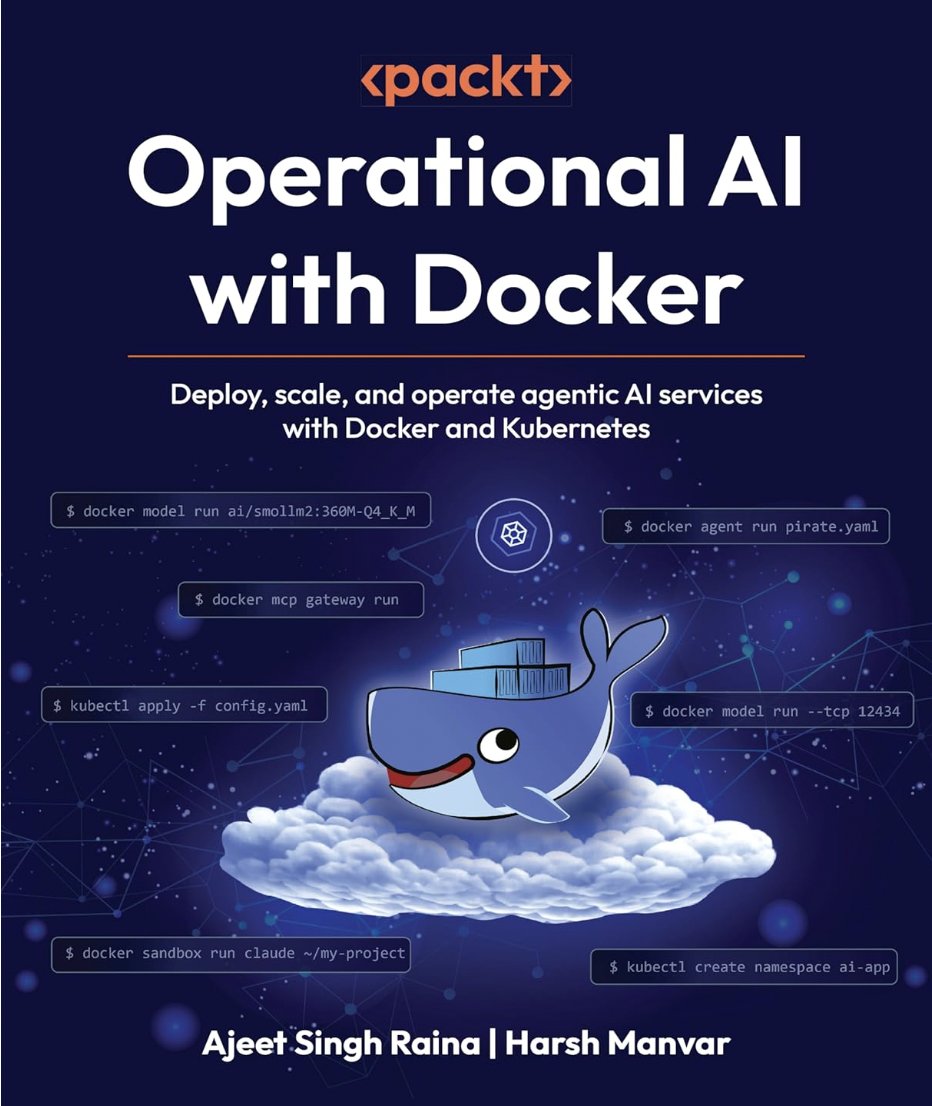

Run LLMs locally. No cloud required.
Docker Captain Pawel Piwosz has a new course on using Docker Model Runner to run, manage, and integrate local AI models into your applications.
Get started: bit.ly/4ggjEpa
2
5
43
6,402
Every agent workflow eventually runs into the same questions:
What can it access? What happens when it makes a mistake?
This issue of Docker Navigator explores how teams are answering them - with AI Governance, MCP controls, sandbox isolation & safer autonomous execution:
bit.ly/4vgkgja
2
4
12
2,917
. @AikidoSecurity now scans Docker Hardened Images with built-in VEX support. CVEs Docker has verified as non-exploitable drop out automatically, leaving teams with findings that actually matter.
Read the walkthrough → bit.ly/4eBhoYj
Info on the upcoming Docker Aikido webinar in the comments!
3
2
20
4,499
Register for the webinar here: luma.com/aikido-docker
1
2
11
2,900
AI may be accelerating software development, but it isn’t removing engineering fundamentals.
In this special Ship Happens highlight episode, six engineering leaders share what they’re seeing as AI moves from experimentation into real software delivery: bit.ly/43s92vT
2
3
18
3,815
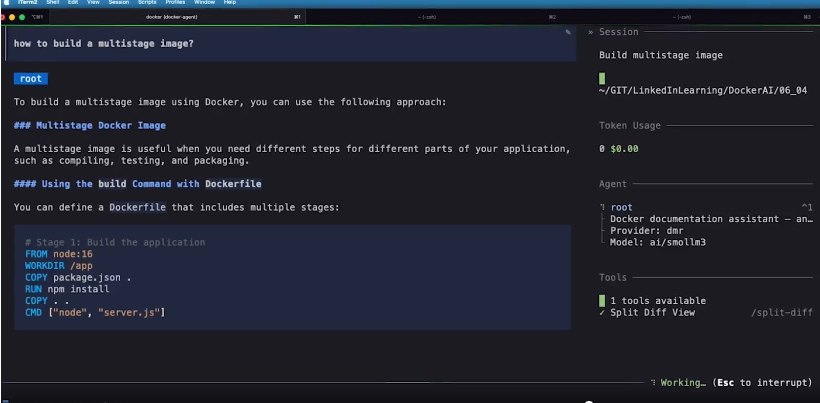
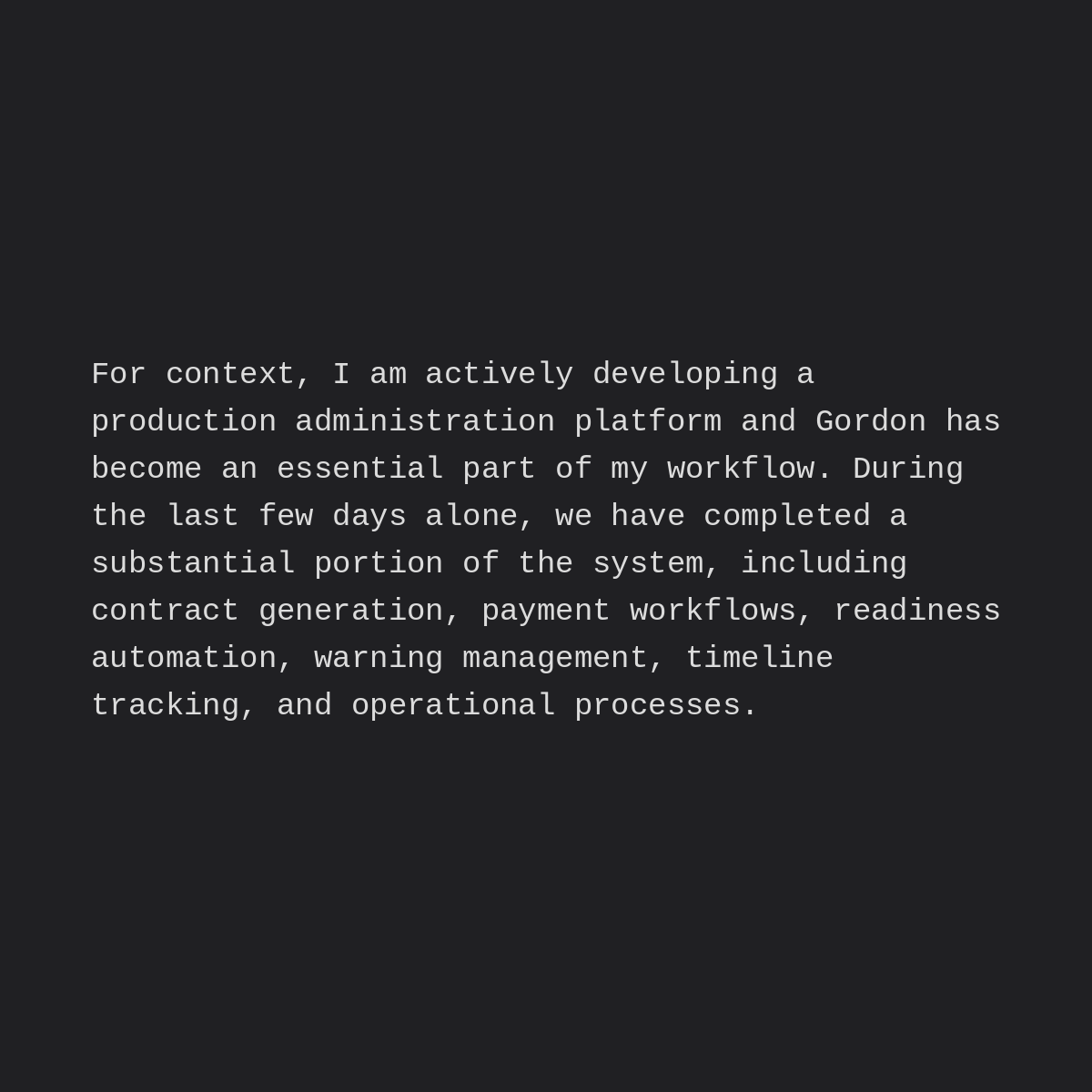
When we introduced Gordon, the goal wasn't to build another chatbot. It was to help developers get unstuck.
Seeing users make Gordon part of their daily workflow & solve problems that other tools couldn't, tells us we're heading in the right direction.
Have you tried Gordon? bit.ly/49RXyFH
2
4
18
4,703
Agents may be the reason Docker Sandboxes exist, but they’re not the only use case.
This @InfoWorld article explains why Docker uses microVMs, how they differ from containers, & what they unlock for developers running untrusted code, CI workloads, and agent workflows: bit.ly/4uWi5S5
3
10
32
8,235
The internet was built to move information. At some point, that turned into a data extraction economy.
Per Krogslund talks with Ruben Verborgh (Professor, Ghent University) on why today’s AI landscape may be unsustainable, & what a better model could look like: youtu.be/EkWxU83Fp54
2
4
14
5,230
What Docker tip do you wish you learned sooner?
We asked Docker Captains that question and got 7 practical lessons every engineer should know, from multi-stage builds and Docker Scout to `.dockerignore` and container hardening.
Read them here: bit.ly/43O7Xyx
1
7
18
5,721
Thank you Captains @MohammadAliEN, @rflpazini, @karanvrm19, @sergiolopessp, @khushbooverma, and Anjan Kumar Reddy Ayyadapu !
2
1
12
3,479
How often have you researched the same topic twice because the first round of notes disappeared into Slack, a doc, or a browser tab?
This shows how to build a repeatable research workflow - pull relevant articles, analyze trends locally, & generate a reusable artifact: bit.ly/4lVqWzz
3
16
3,245
Why are hardened images suddenly everywhere?
AI is finding vulnerabilities faster, & developers keep inheriting risk from software they didn't choose.
If you're responsible for container security, this @redmonk article by @KateHolterhoff explains what is driving that shift: bit.ly/4vu9m9w
4
18
4,232
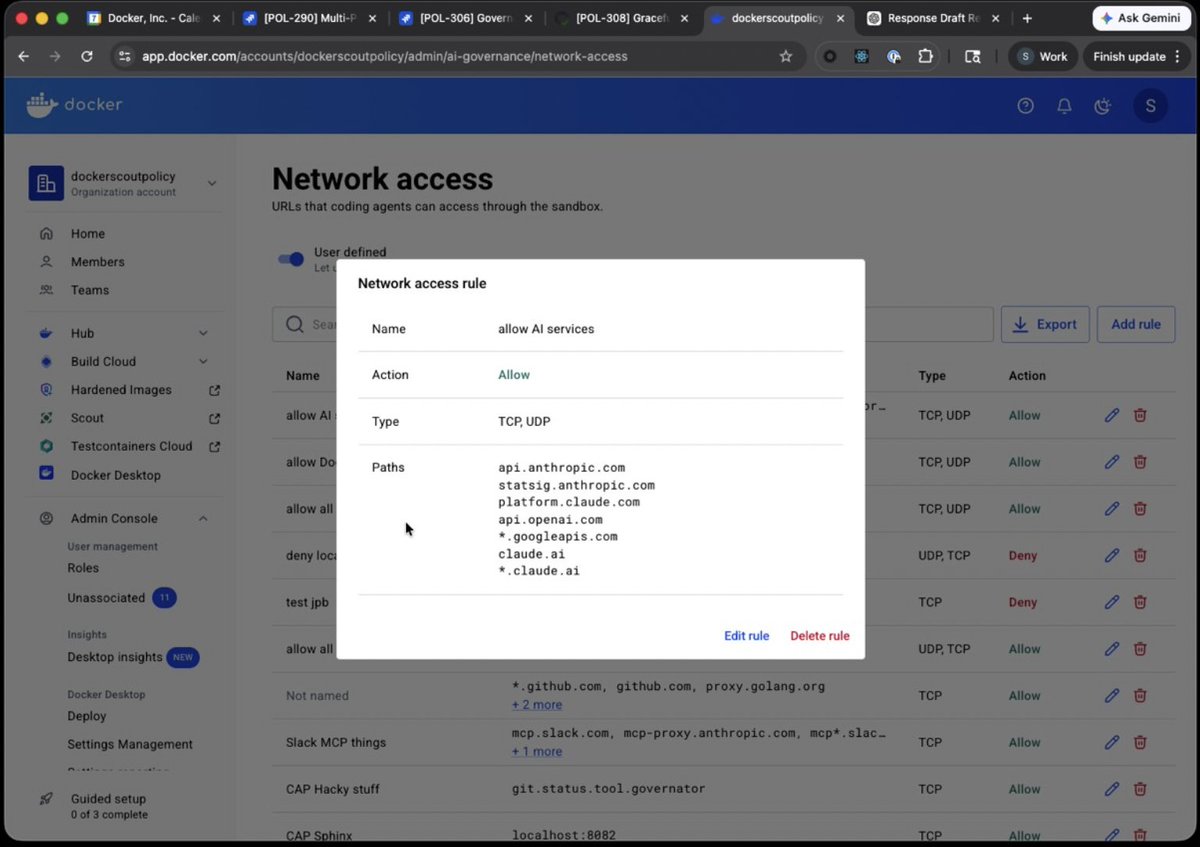
Most organizations don’t have an agent problem. They have a visibility problem.
This @Techstrongai article covers Docker AI Governance and how teams can apply policy, controls, and auditability once agents start interacting with real systems.
Read → bit.ly/4e70b7S
1
8
16
4,686
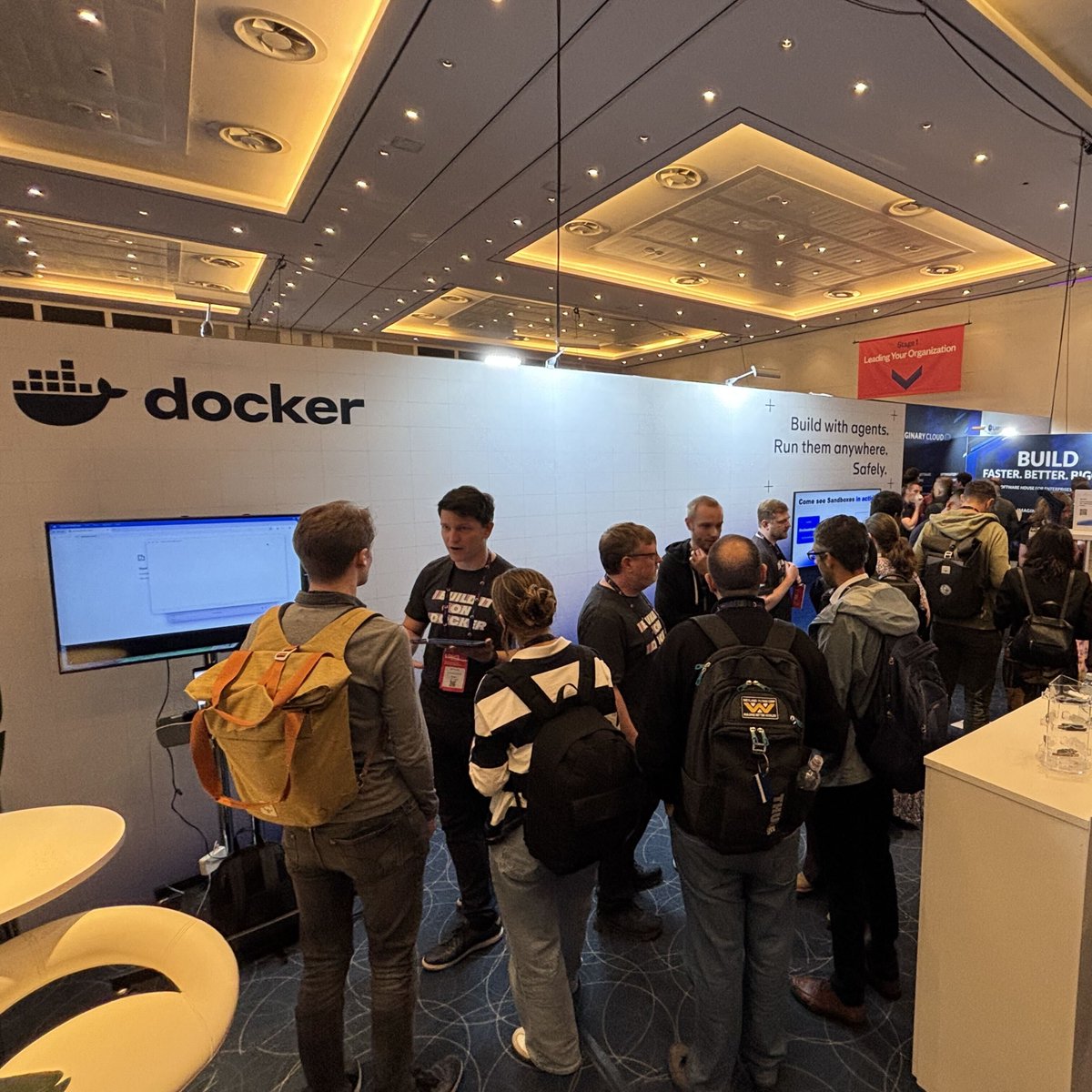
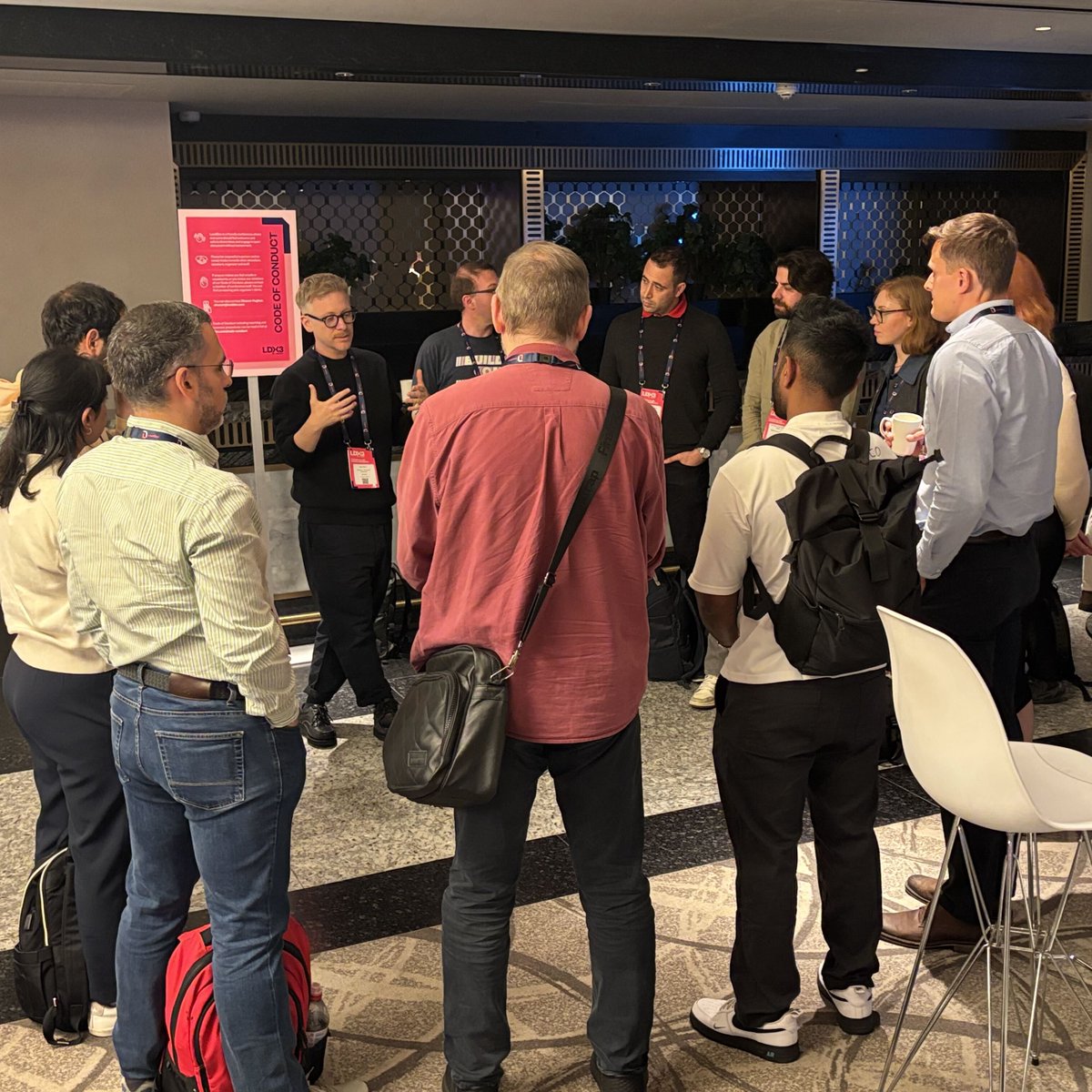
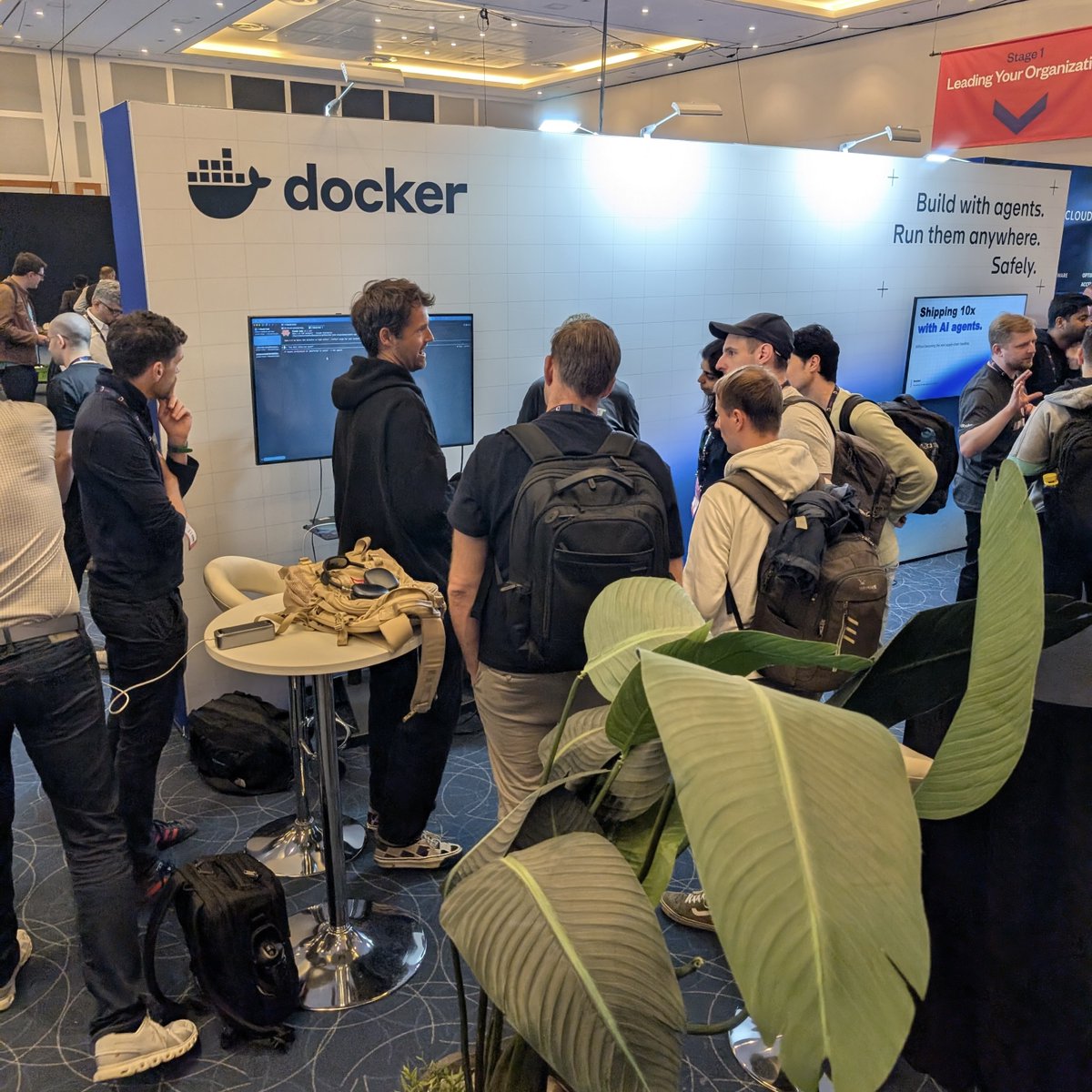
That’s a wrap on @TheLeadDev London!
Across talks, demos, roundtables, & conversations at the booth - the focus was clear: teams want the speed of AI agents without losing control of what gets built and shipped.
Thanks to everyone for the great conversations!
4
6
4,027
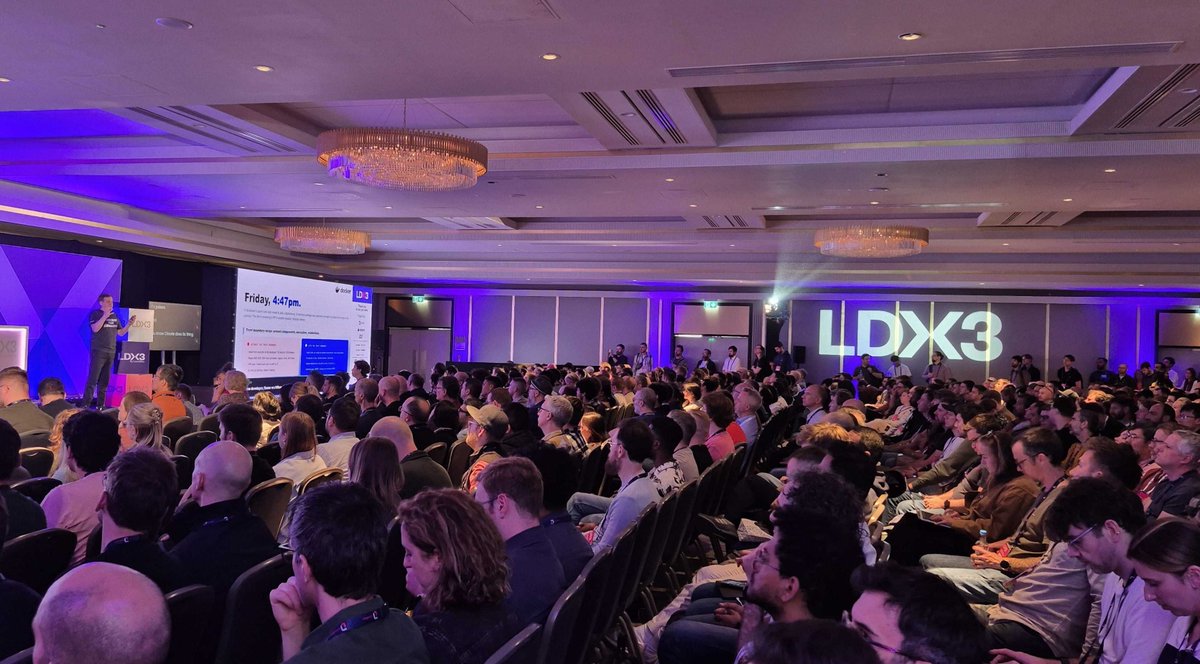
Packed room for Docker CISO Mark Lechner at @TheLeadDev London!
His session, 'Ship 10x Code Safely With Agents', focused on a challenge many teams are already facing: how to turn AI-generated code into shipped software without compromising security.
1
5
14
3,288
One command. A dev’s home directory wiped in seconds.
Issue 2 of ‘AI Coding Agent Horror Stories’ breaks down the rm -rf ~/ incident, why these failures keep happening, and the isolation patterns teams are starting to rely on.
Read → bit.ly/49zL9Gj
1
6
35
8,785
An agent is doing exactly what you asked. Then you start wondering what else it can access.
@JustinMitchel of @joincfe walks through Docker Sandboxes, covering disposable environments, Git workflows, and where sandboxes fit once agents start executing code.
Watch → youtube.com/watch?v=b7ThC0eE…
1
9
21
7,320
Agents break a lot of the assumptions that containers were built around.
Docker Captain @heyvaldemar explains why autonomous agents change the trust model, why Docker moved toward microVM isolation, and why “it works” no longer means “it’s safe.”
Read → bit.ly/3QdmII3
2
3
12
4,172