
Joined June 2009
- Tweets 36,201
- Following 7,407
- Followers 13,415
- Likes 11,178
2,585 Photos and videos






Queen Electra retweeted

Jun 11
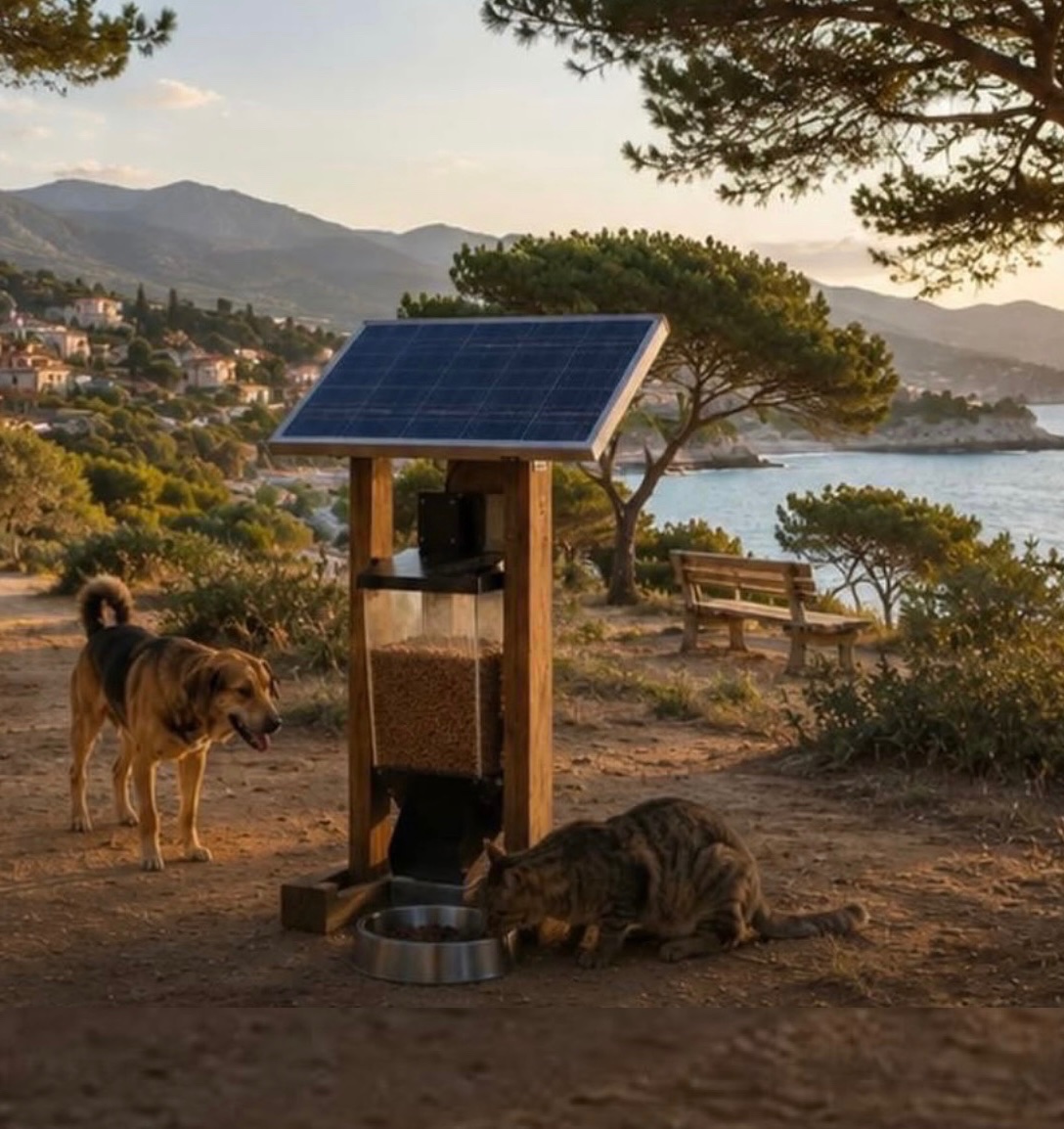
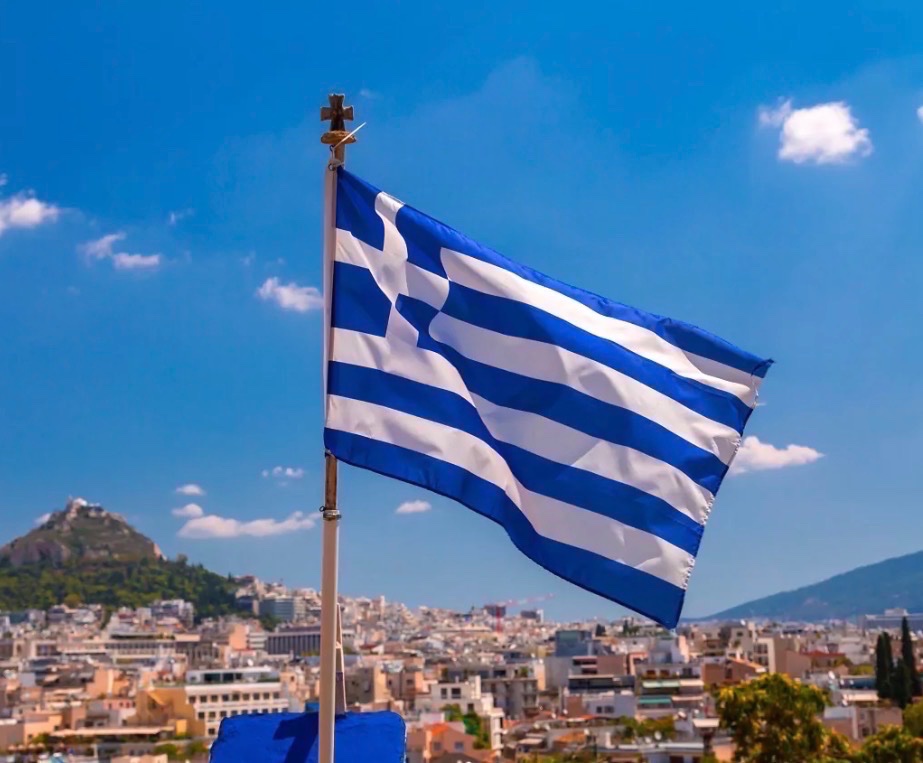
Good News: Greece installed automated feeding stations in public parks, ensuring that stray cats and dogs have access to fresh food and clean water.
34
215
1,118
33,282
Queen Electra retweeted

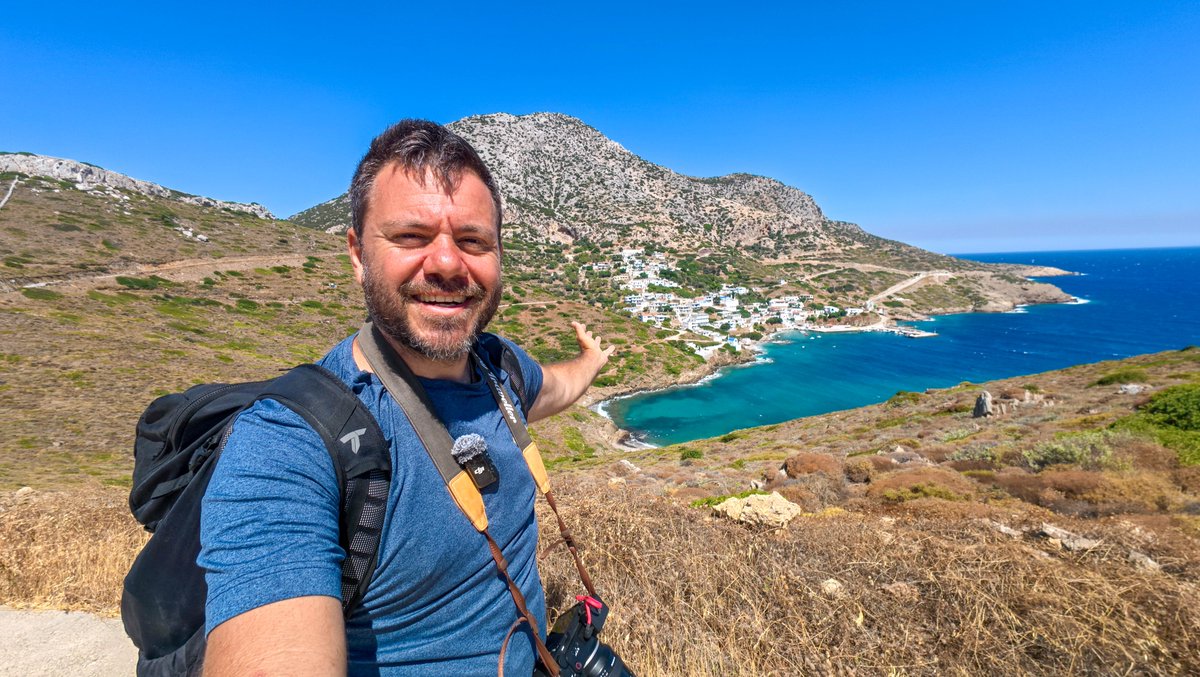
💥 ΝΕΟ ΕΠΕΙΣΟΔΙΟ
Happy Traveller στους Φούρνους (Μέρος 2)
Σάββατο 13/6 στις 16:40
#HappyTraveller #Fournoi
3
4
232
Queen Electra retweeted

2
8
254

Αυτήν την εβδομάδα εξερευνούμε τους Φούρνους🌊
#HappyTraveller Νέο επεισόδιο το Σάββατο στις 16.35, στον #SkaitvGR
2
4
160
Queen Electra retweeted
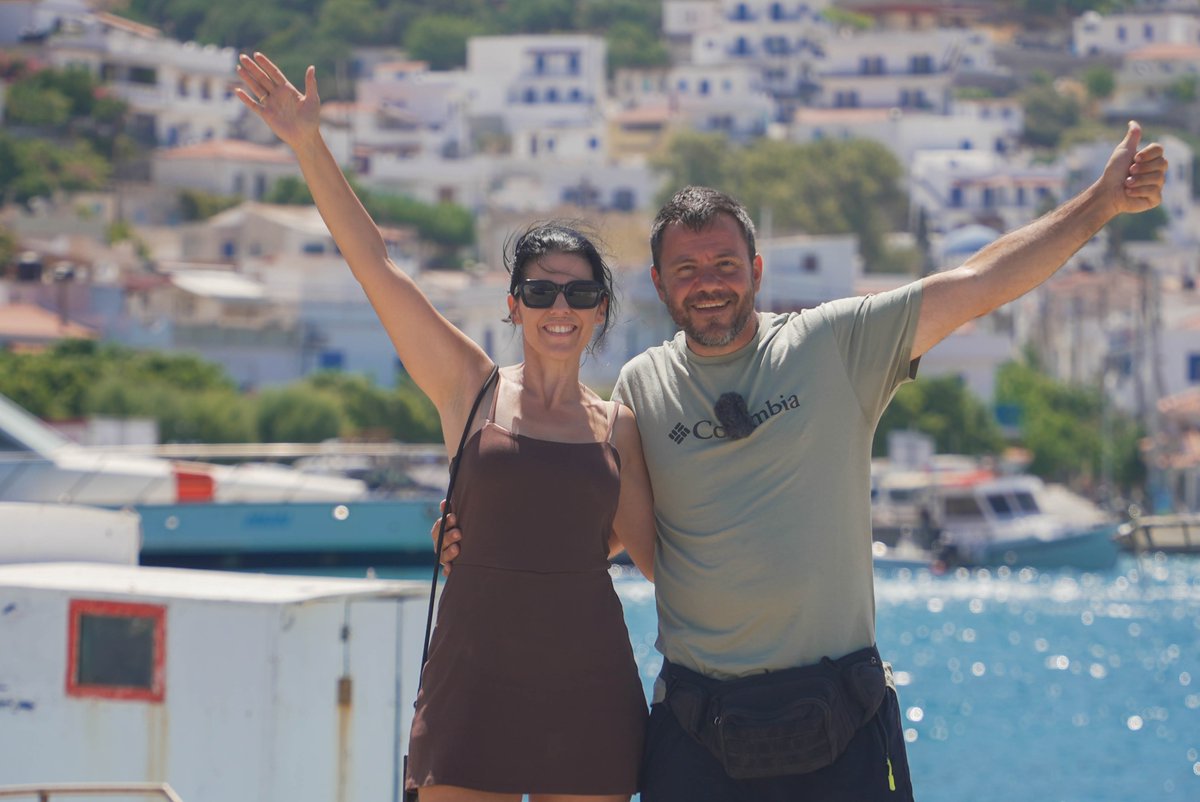
💥ΝΕΟ ΕΠΕΙΣΟΔΙΟ
Happy Traveller στους Φούρνους
Σάββατο 6/6 στις 16:35
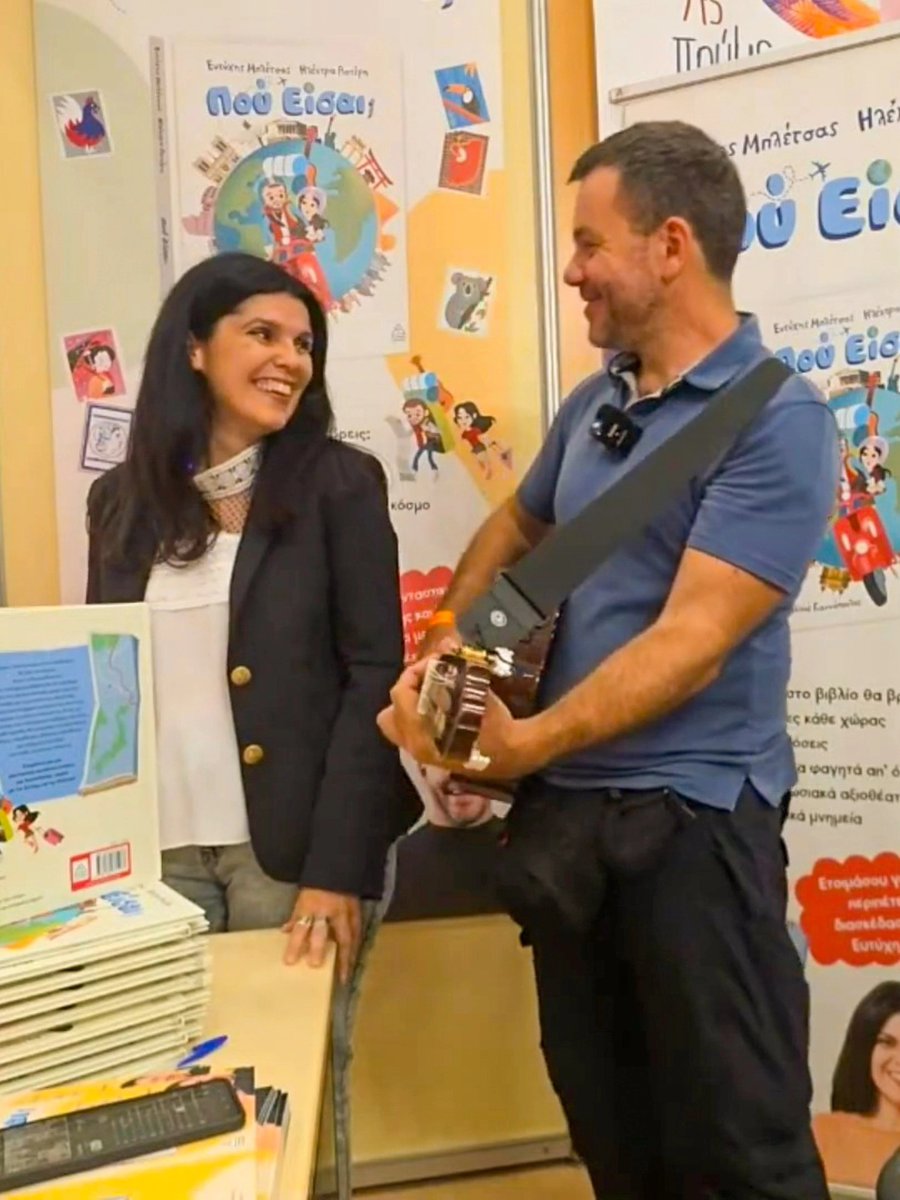
Με τον @ftbletsas και την @Electra_Asteri
#happytraveller #fournoi
1
5
196
Queen Electra retweeted

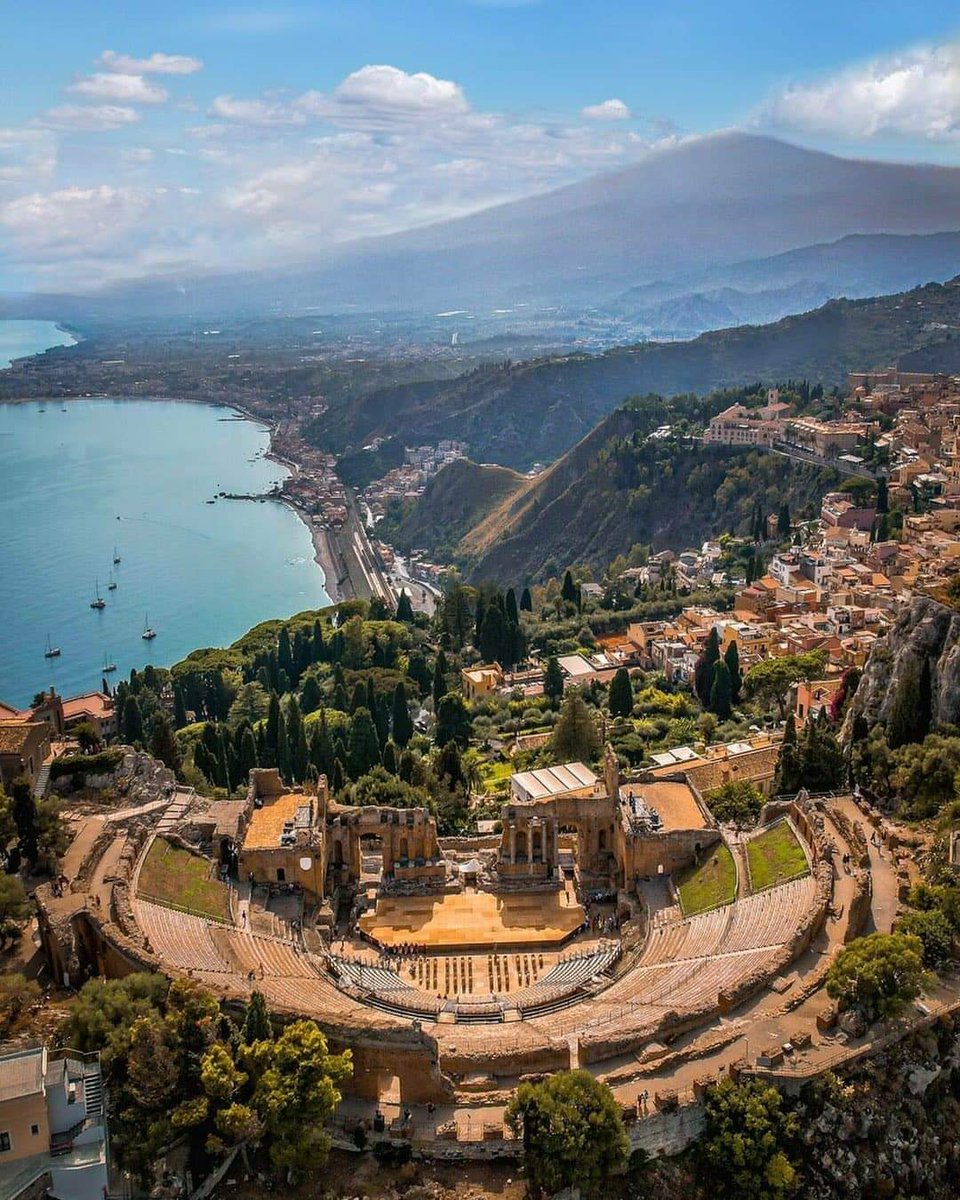
Ancient Theatre of Taormina (Teatro antico di Taormina), an ancient Greek Theatre in Taormina, Sicily, Italy 🇮🇹. It was initially built by Greeks in the 3rd Century BC, before being rebuilt and enlarged by the Romans. While known as an amphitheatre, the site is actually an ancient theatre, not the gladiatorial arena of the type normally meant by the term. As well as being a major draw for tourists to the city, today the theatre continues to be used for concerts, plays and other events.
Ancient Greeks inhabited Sicily from 750 BC, establishing many significant settlements on the island to make use of Sicily’s fertile soil and advantageous trading location. Around 3rd Century BC, at the time of Hiero II, Greeks dug directly into the hard rock of Mount Taro to construct a theatre, removing around 100,00 cubic metres of rock. Large columns would have been hauled up the mountain by slaves to encircle the stage.
Greek Theatre, was designed to accommodate dramatic or musical performances and so included an orchestra at the lowest levels of the theatre and a large scene where actors or dancers would perform. The cavea or auditorium steps and seats, were designed so all 5400 spectators could hear wherever they sat. Later, under Roman rule, the theatre was rebuilt, probably around the time of Hadrian or Trajan. It was remodelled in 3rd Century AD, with the orchestra turned into an arena and the stage removed. The theatre had a diameter of 107m and could hold around 10,000 spectators. It become one of oldest theatres in Magna Graeca to have curved cavea, rather than the older trapezoidal design. The cavea were divided into nine sections. On either side of the skene was a basilica. Taormina’s theatre became part of the natural landscape; the light and splendid Calabrian coastal scenery providing a natural backdrop to performances. Remains of another Hellenistic building have been found under the Roman cavea.
After Punic Wars, Romans annexed Sicily, forcing out Carthaginians. While Sicily remained largely Greek culturally, Roman settlers expanded the theatre and shifted its function to reflect Roman entertainment; gladiatorial games. Romans expanded the orchestra, as well as adding columns, statues and covers. During Middle Ages, the grand Corinthian style columns were removed to adorn palaces and places of worship, including the Cathedral.
Today, over 2 millennia later, the Taormina Amphitheatre remains a social space for watching performances. Today, theatre is used as a venue for the annual arts festival Taormina Arte, other entertainment offered includes theatre, concerts, symphonies, operas, ballets and the David di Donatell awards have all been held within the ancient auditorium.
The modern seating has had a mixed response, but allows this fantastic site that has weathered the ravages of time to continue functioning as was originally intended. Be aware the site is not very accessible for those who cannot climb easily. However, those who visit are rewarded with spectacular views of Mount Etna.
📷© world_walkerz
#archaeohistories
2
93
367
10,030

Queen Electra retweeted
💥ΝΕΟ ΕΠΕΙΣΟΔΙΟ Happy Traveller στους Φούρνους Κορσεών
Με τον @ftbletsas & @Electra_Asteri
Σάββατο 6/6 στις 16:35 στον ΣΚΑΪ
#happytraveller #fournoi
1
3
13
362
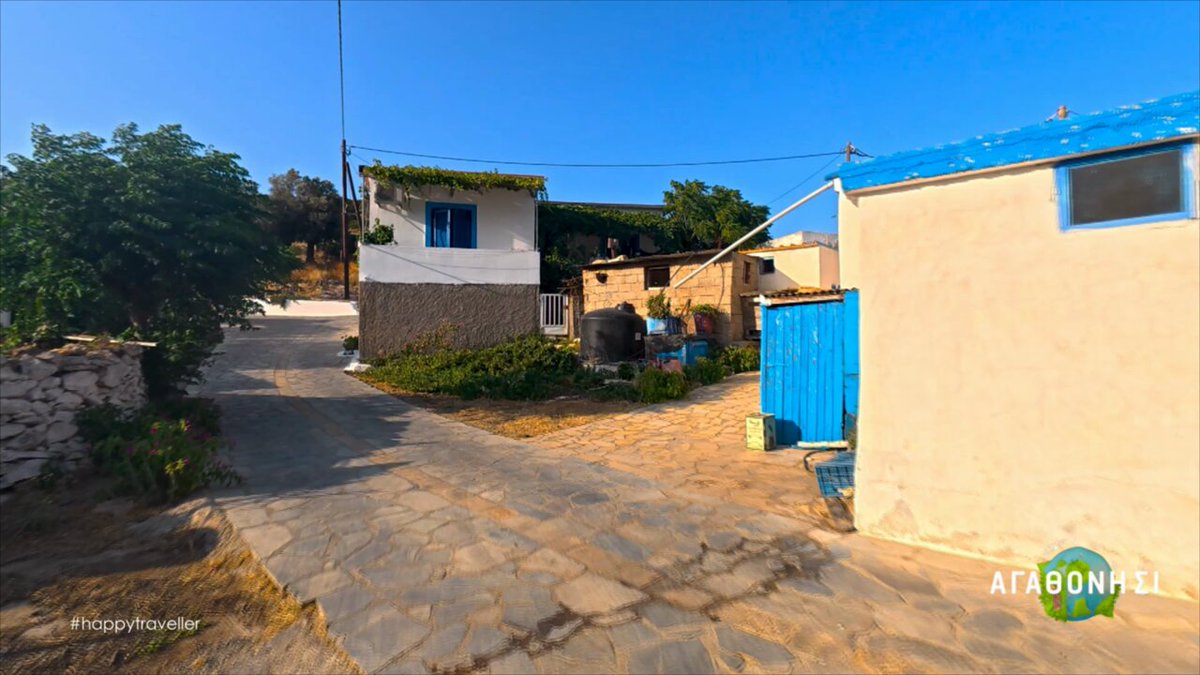
#ΑΓΑΘΟΝΗΣΙ: Ο σημαντικότερος λόγος για να ταξιδεύεις.
Όσο ταξιδεύεις βρίσκεις και καινούριους λόγους για να το κάνεις. Όμως ένας από τους ΣΗΜΑΝΤΙΚΟΤΕΡΟΥΣ για μένα είναι... αυτές οι στιγμές, αυτοί οι άνθρωποι, αυτές οι εμπειρίες.
#HappyTraveller #Agathonisi #Ελλάδα
1
7
19
478
Queen Electra retweeted

Nothing will beat the 2004 Athens Olympics opening ceremony.
58
559
3,363
62,912
Queen Electra retweeted
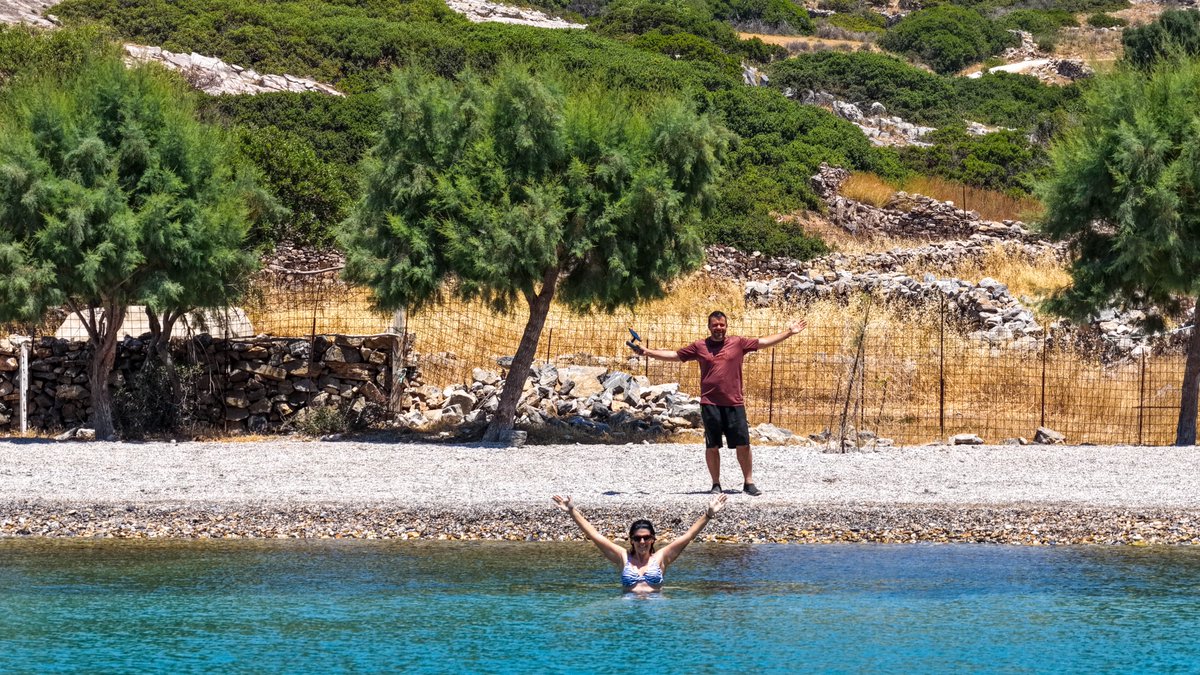
☀️Χρόνια πολλά για σήμερα που είναι του Αγίου Πνεύματος. Καλημέρα, καλό μήνα και καλό καλοκαίρι με πολλά ταξίδια!
Φύγαμε για Αγαθονήσι; Δείτε όλο το επεισόδιο:
happytraveller.gr/agathonisi…
#HappyTraveller #Αγαθονήσι
2
4
225
Queen Electra retweeted
Happy Traveller στο Αγαθονήσι | Επεισόδιο #HappyTraveller happytraveller.gr/agathonisi…
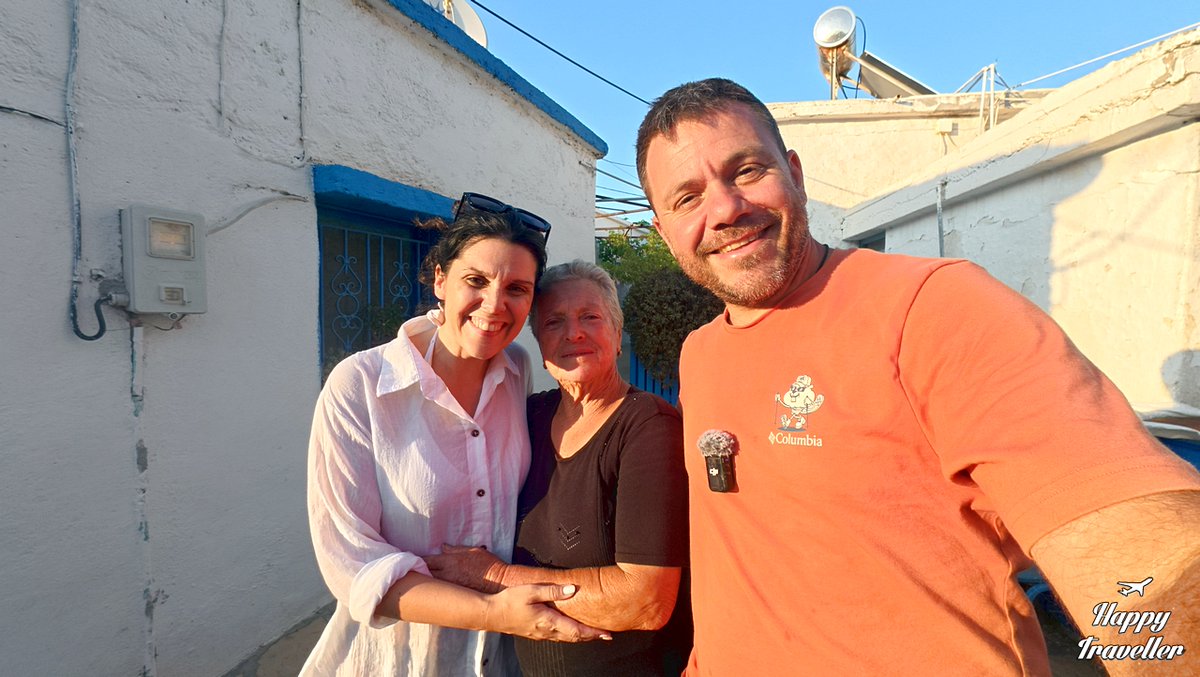
1
5
193

May 24
RT @HellenicOlympic: 🔝 Τρομερός Μίλτος Τεντόγλου στο Diamond League της Κίνας και πρώτη θέση
👉 Με άλμα στα 8,46 πέτυχε την καλύτερη επίδοση…
580
Queen Electra retweeted
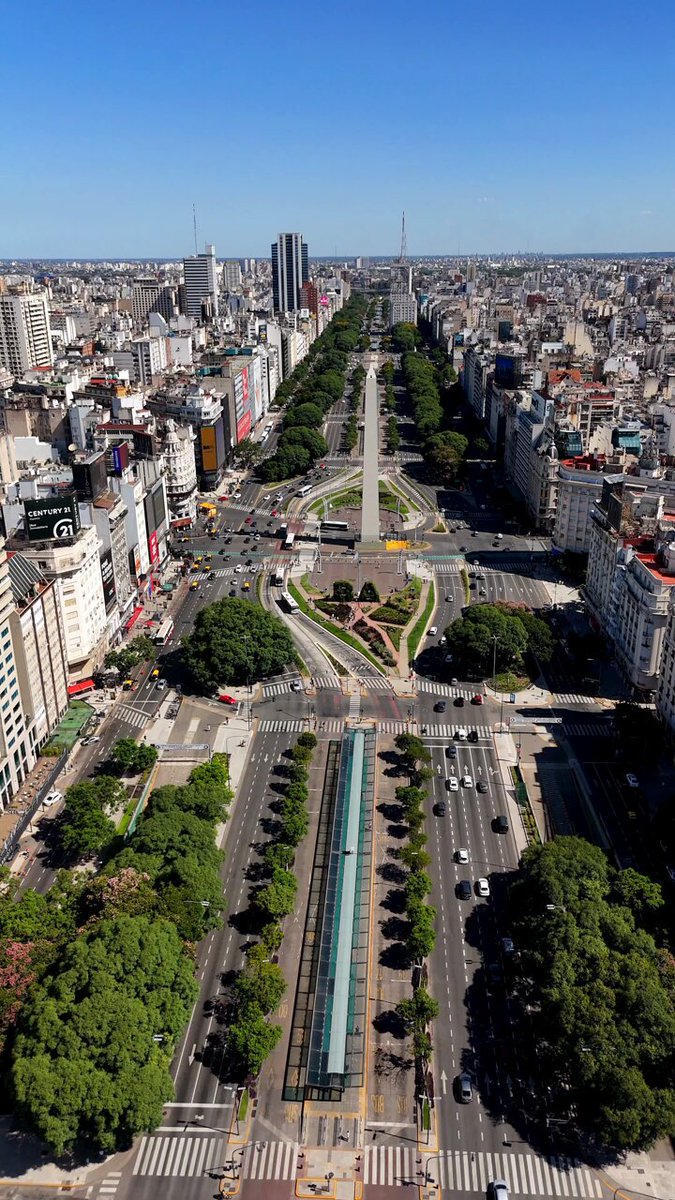
Happy Traveller στο Μπουένος Άιρες (Μέρος 4) | Επεισόδιο #HappyTraveller happytraveller.gr/ht-buenos-…
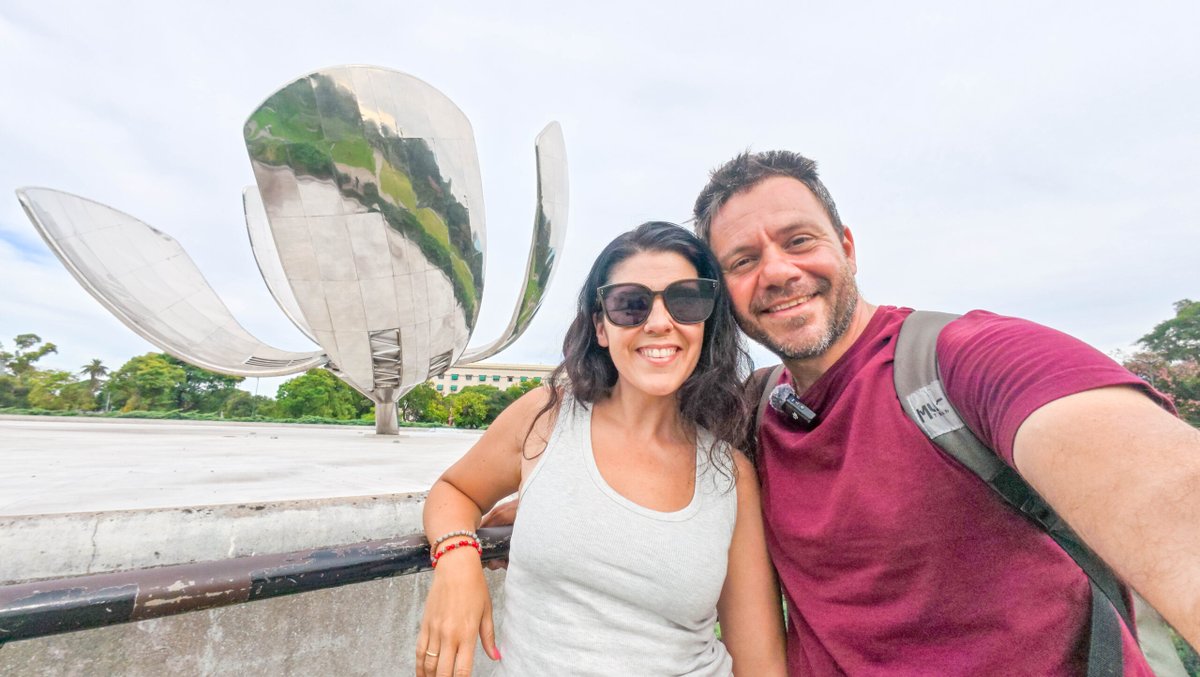
1
6
133
Queen Electra retweeted
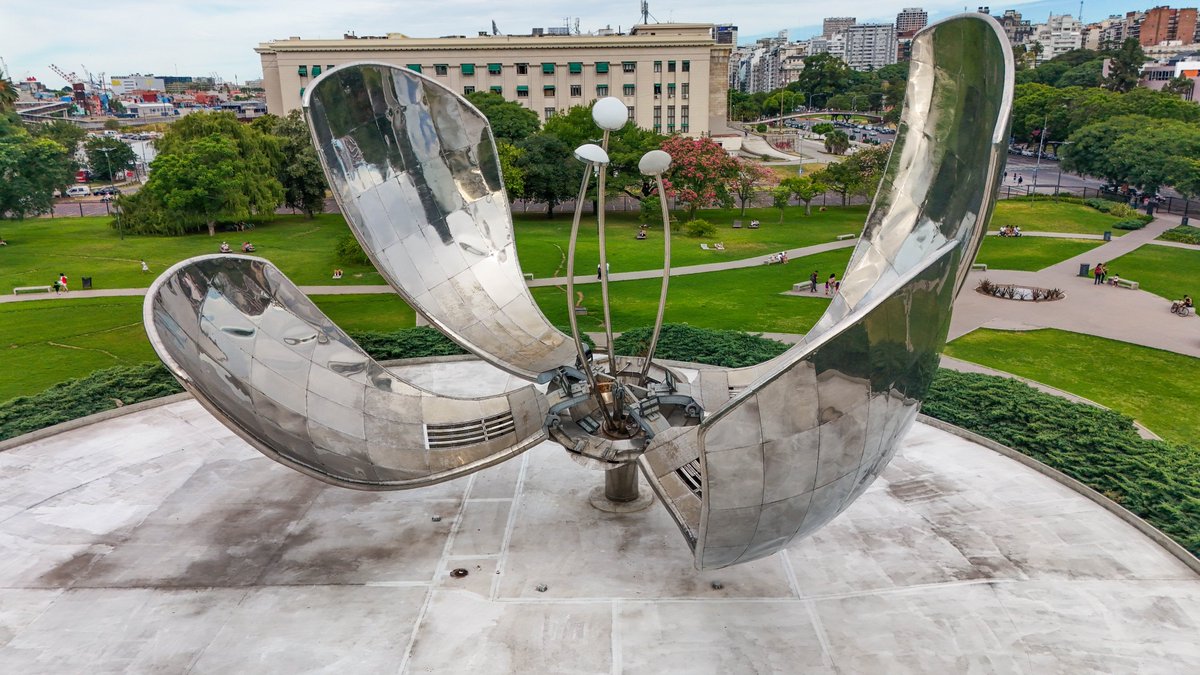
ΕΙΣΤΕ ΕΤΟΙΜΟΙ ΓΙΑ ΝΕΟ ΕΠΕΙΣΟΔΙΟ;
Happy Traveller στο Μπουένος Άιρες (Μέρος 3)
Με τον @ftbletsas & την @Electra_Asteri
Σάββατο 16/5 στις 16:40 στον ΣΚΑΪ
#happytraveller #buenosaires
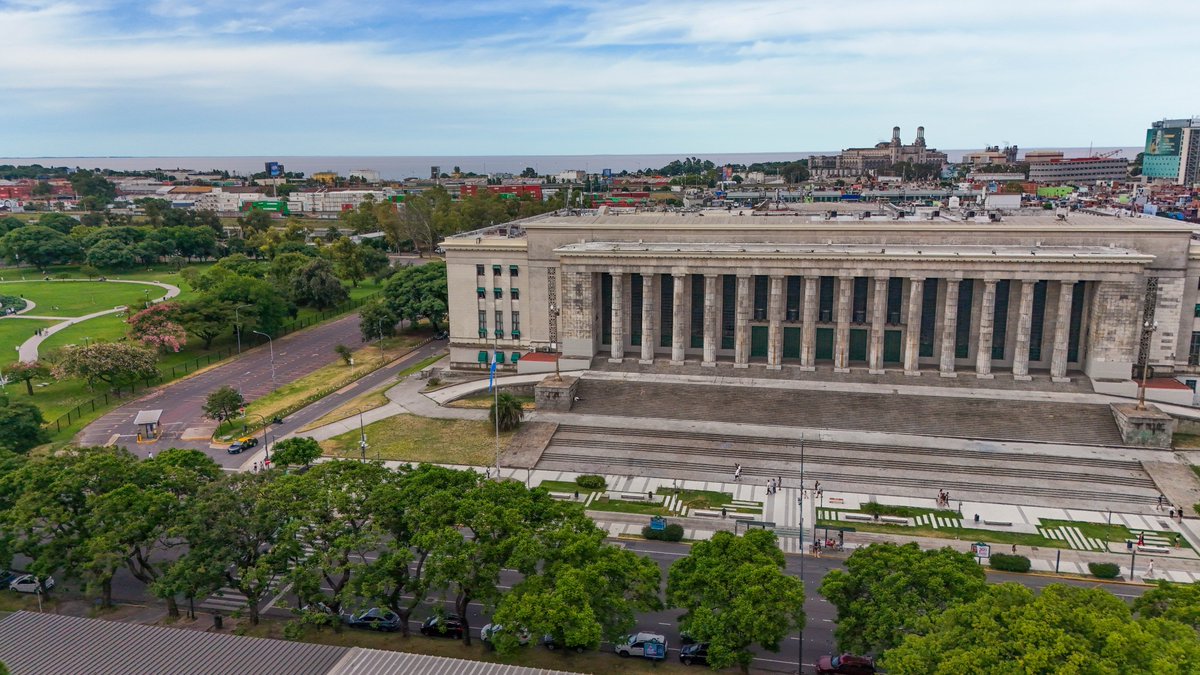
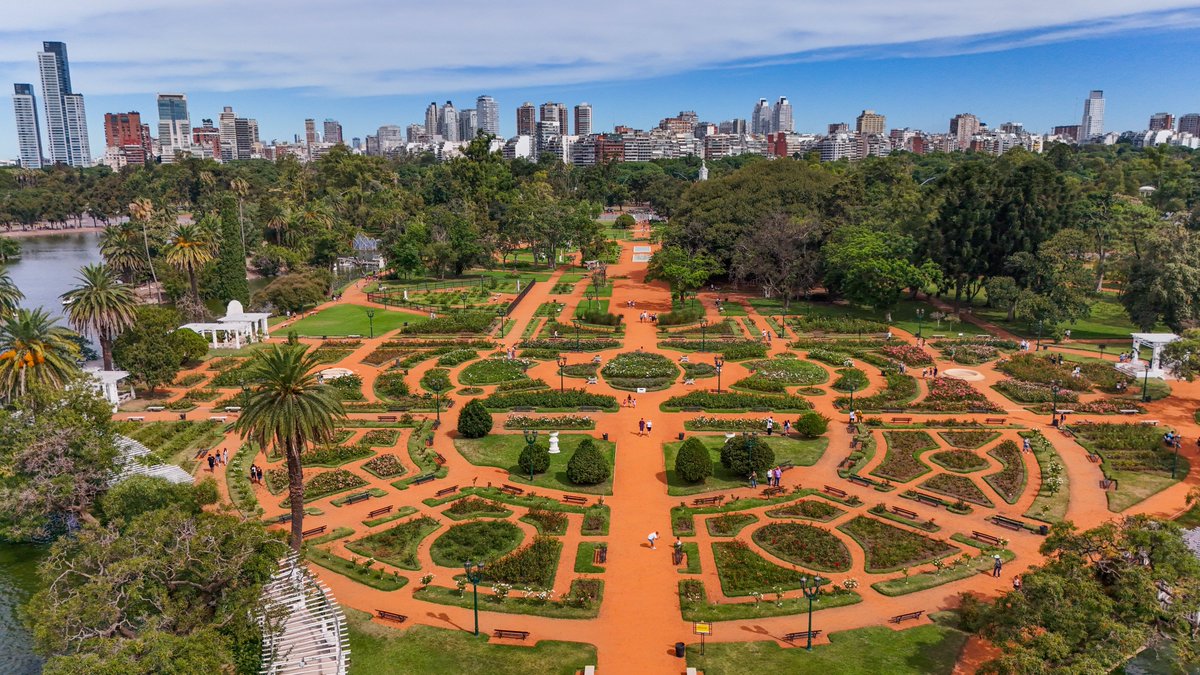
1
4
115

And grossly insulted the Greek people. Shame on him.
May 13

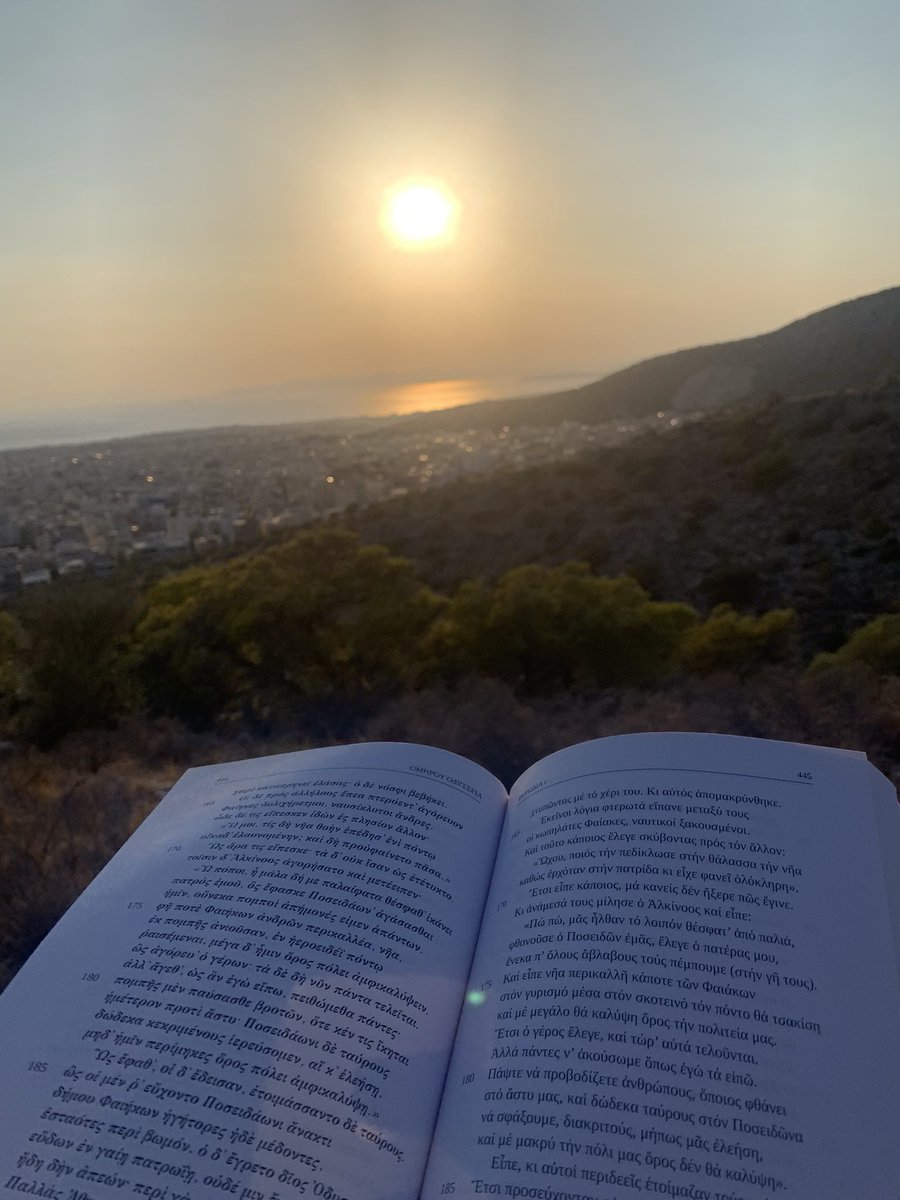
Here I am, reading Homer’s Odyssey directly from the Greek text and thinking about how much Christopher Nolan disrespected us. Don’t pay for the movie. Resist this slowly dying agenda that is rotting our societies. Hollywood is dead.
697
2,533
20,926
585,600
Queen Electra retweeted
💥ΝΕΟ ΕΠΕΙΣΟΔΙΟ
Happy Traveller στο Μπουένος Άιρες (Μέρος 3)
Με τον @ftbletsas & την @Electra_Asteri
#HappyTraveller #BuenosAires #Argentina
2
4
354
Queen Electra retweeted
💥ΝΕΟ ΕΠΕΙΣΟΔΙΟ
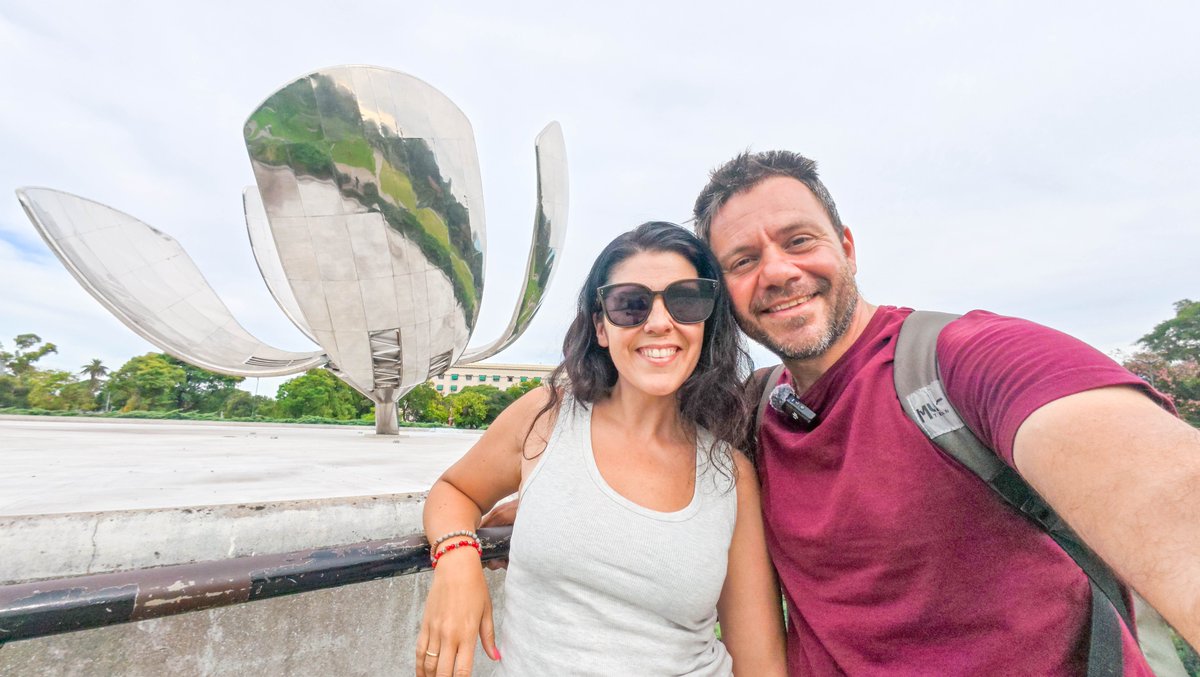
🇦🇷 Happy Traveller στο Μπουένος Άιρες (Μέρος 3)
Με τον @ftbletsas & την @Electra_Asteri
📺 Σάββατο 16/5 στις 16:40 στον ΣΚΑΪ
#HappyTraveller #BuenosAires #Argentina
1
2
113
Queen Electra retweeted

May 12
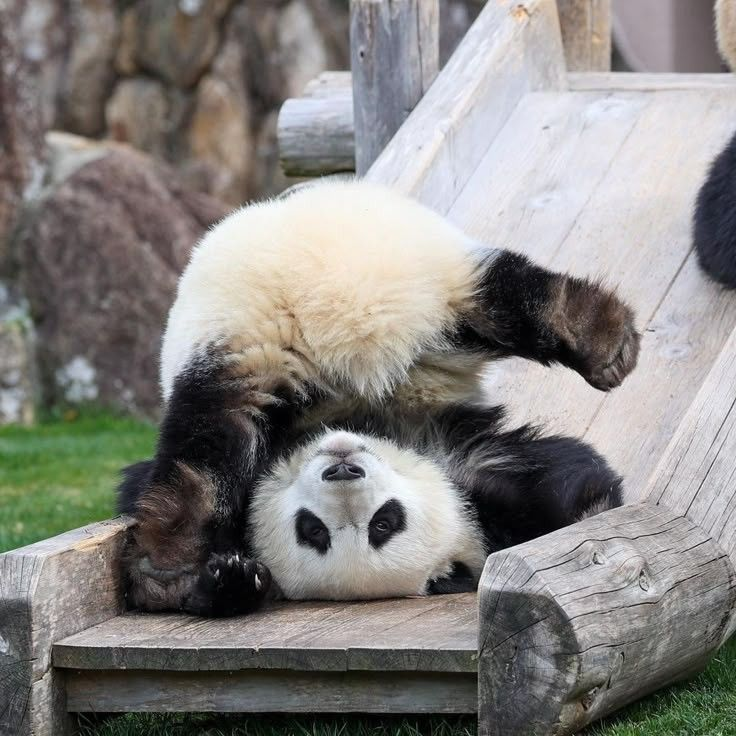
🚨: Giant Pandas are no longer an endangered species

235
3,693
45,256
933,572