
Federation of European Microbiological Societies | Publish with purpose in the not-for-profit #FEMSJournals | #microbiology | femsmicro.start.page
Joined February 2010
- Tweets 15,604
- Following 2,071
- Followers 22,382
- Likes 11,013
4,607 Photos and videos


Jun 12
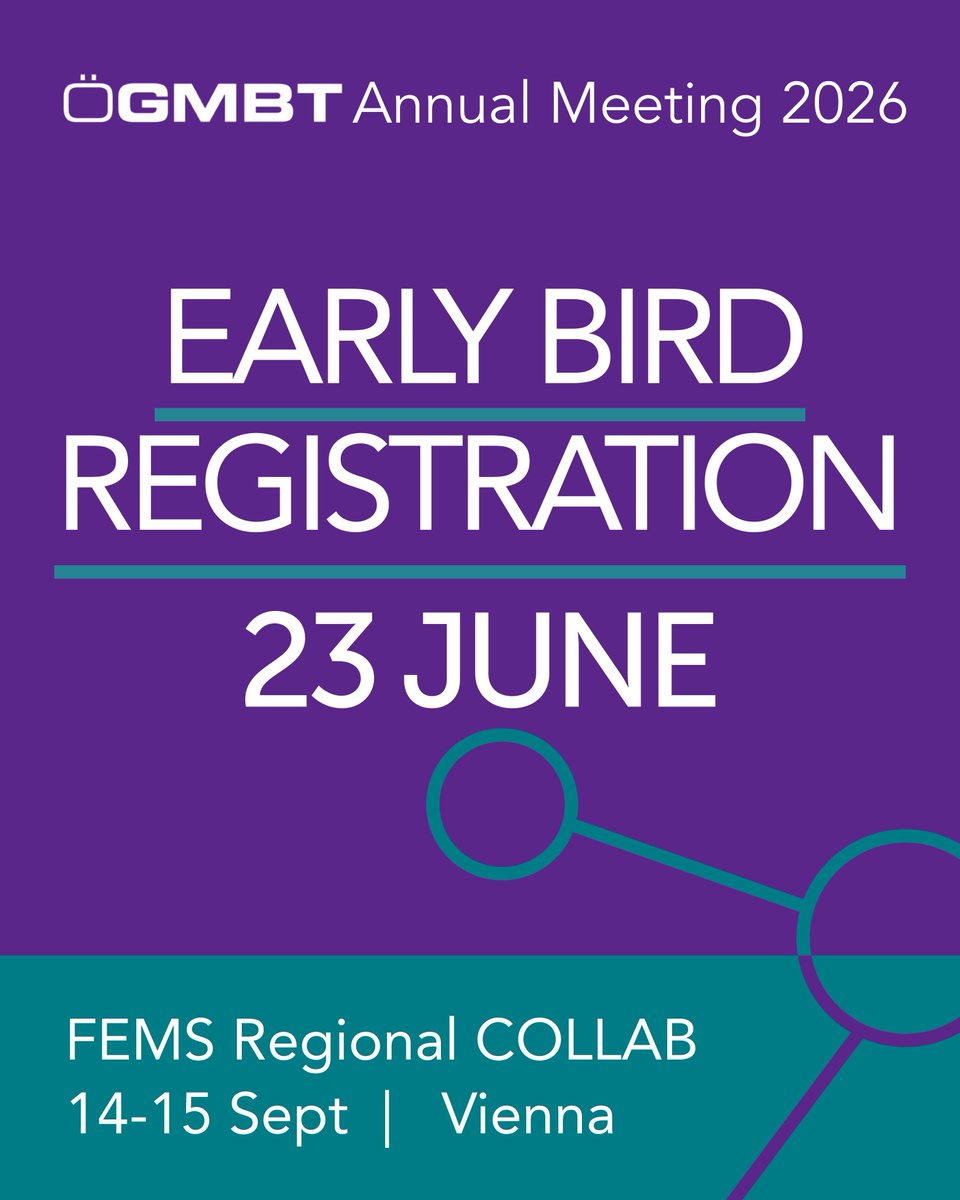
Great news! The early bird registration and oral abstract submission deadline has been extended to 23 June, giving you an extra two weeks to secure your place, save on fees, and submit your work.
👉 buff.ly/nMaw9A8
1
215
Jun 11
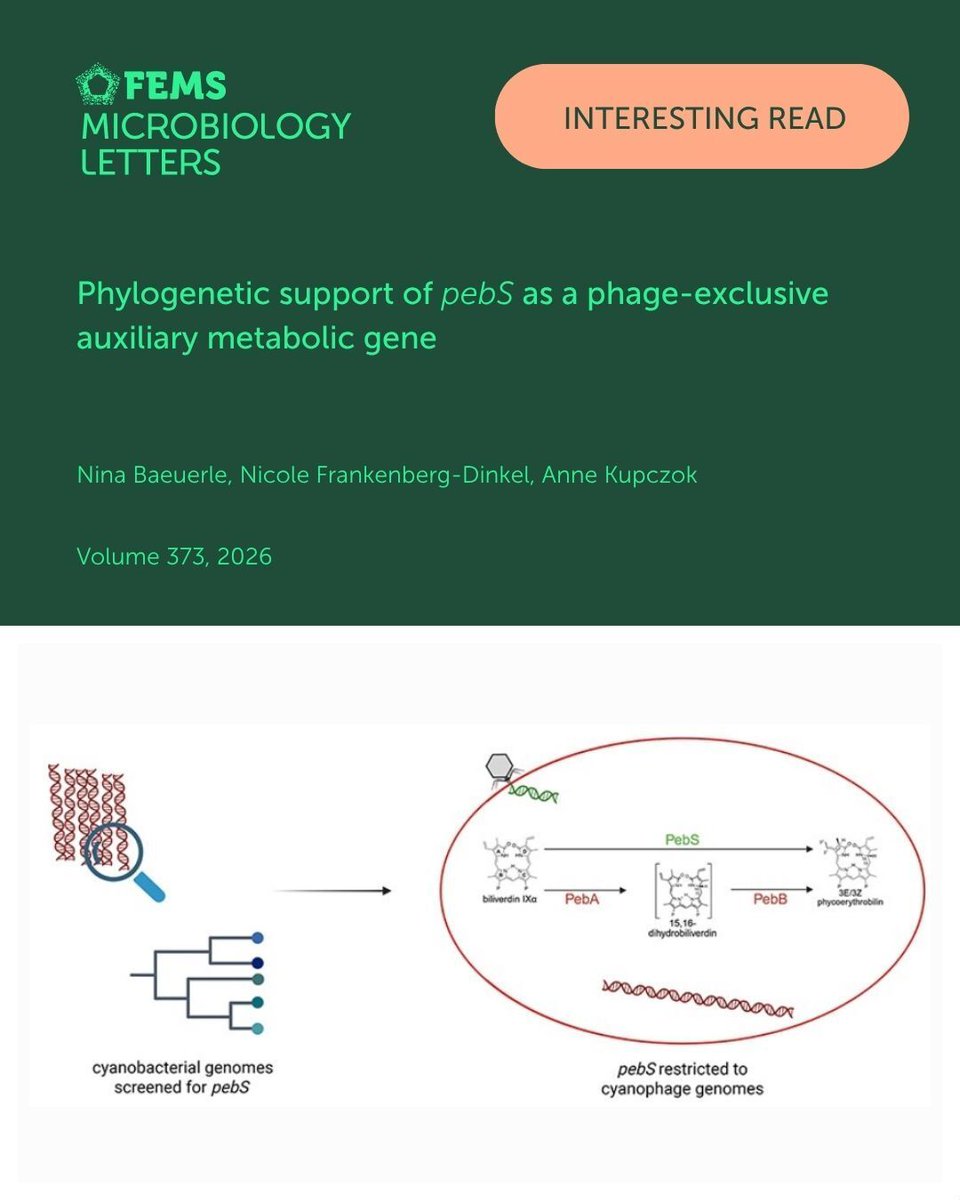
What if a key gene behind ocean photosynthesis doesn’t belong to microbes, but to their viruses? This study shows that a phycoerythrobilin synthase gene, once suspected in cyanobacteria, is actually a cyanophage gene.
Read more: buff.ly/jGZe4Yg
2
218
Jun 9
The intracellular Toxoplasma gondii has the remarkable ability to infect several warm-blooded animals.
Based on long-term growth experiments, this new #FEMSmicroBlog explains how this parasite can adapt to a wide range of hosts. #FascinatingMicrobes
buff.ly/rnBFVZL
1
2
270
Jun 8
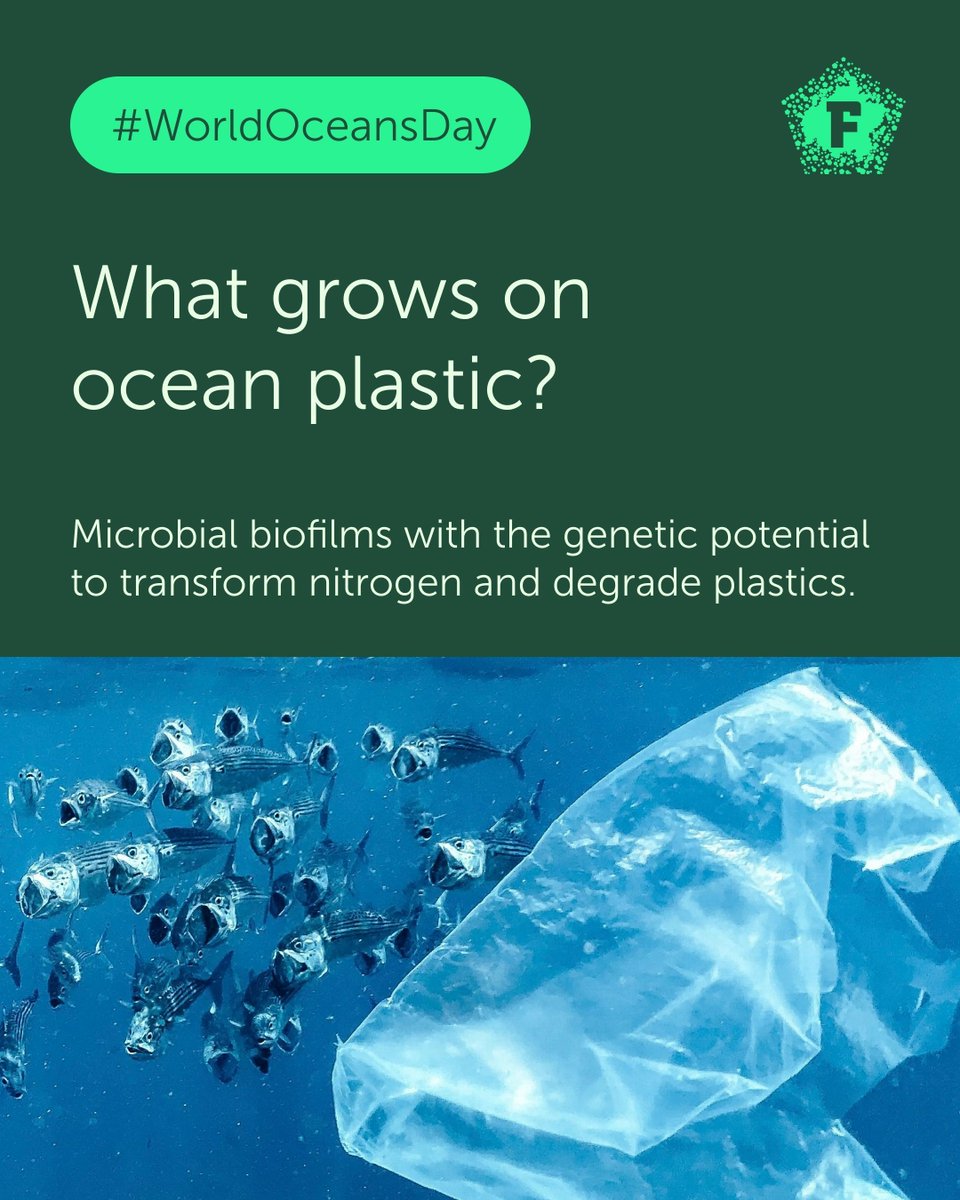
🌊 Happy World Oceans Day 🌍 One Ocean, One Climate, One Future — Together.
As we reflect on the challenges facing our oceans, we explore one of the most unexpected consequences of plastic pollution: the plastisphere.
📖 Explore the research buff.ly/4TFuR3X
1
2
146
Jun 8
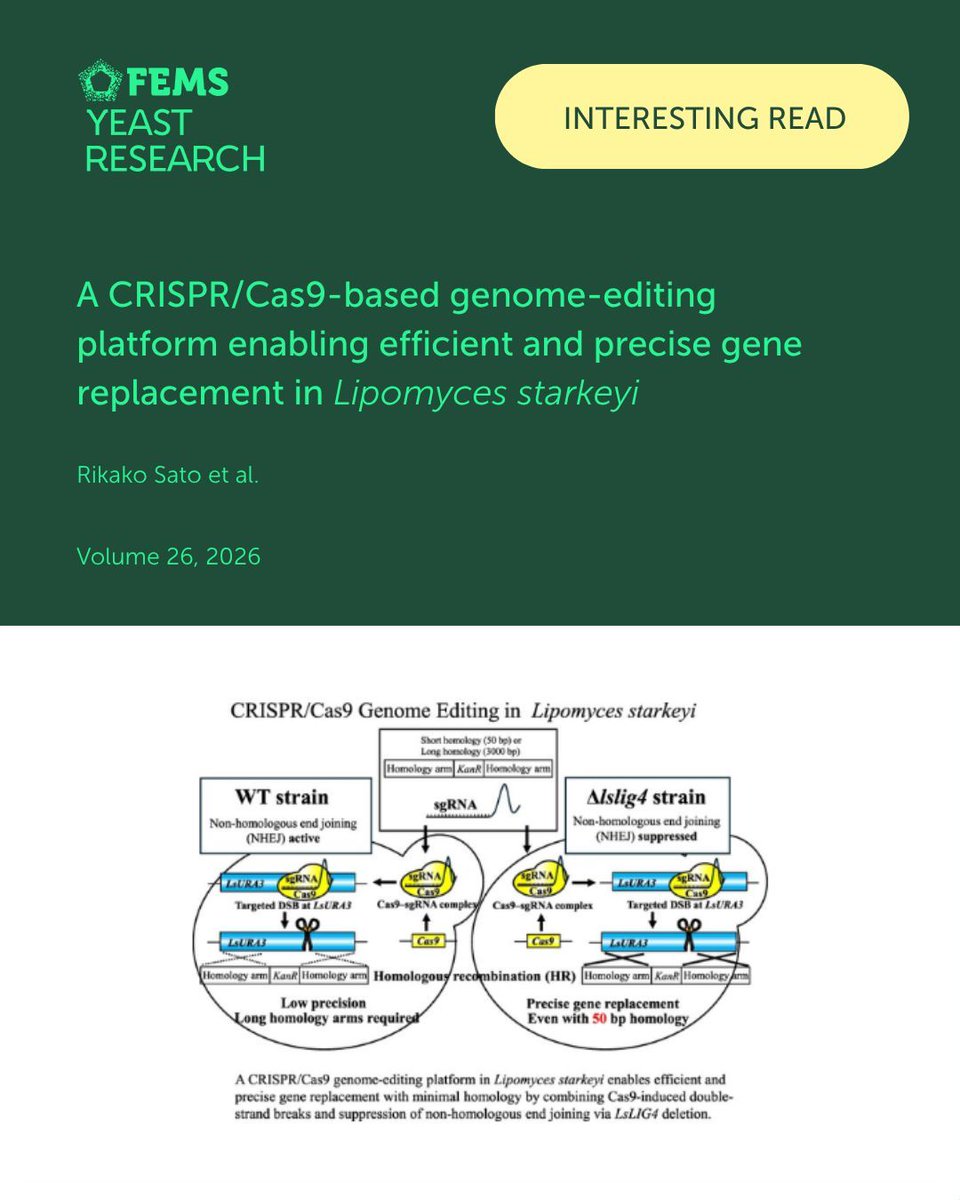
How can CRISPR/Cas9 unlock precise genome engineering in #Lipomyces_starkeyi? 🧬⚙️
Read how R. Sato et al. developed a genome-editing platform that enables efficient gene replacement with short homology arms and high accuracy:
🔗 buff.ly/KgWbnDA
#FEMSYeastRes
1
380
Jun 5
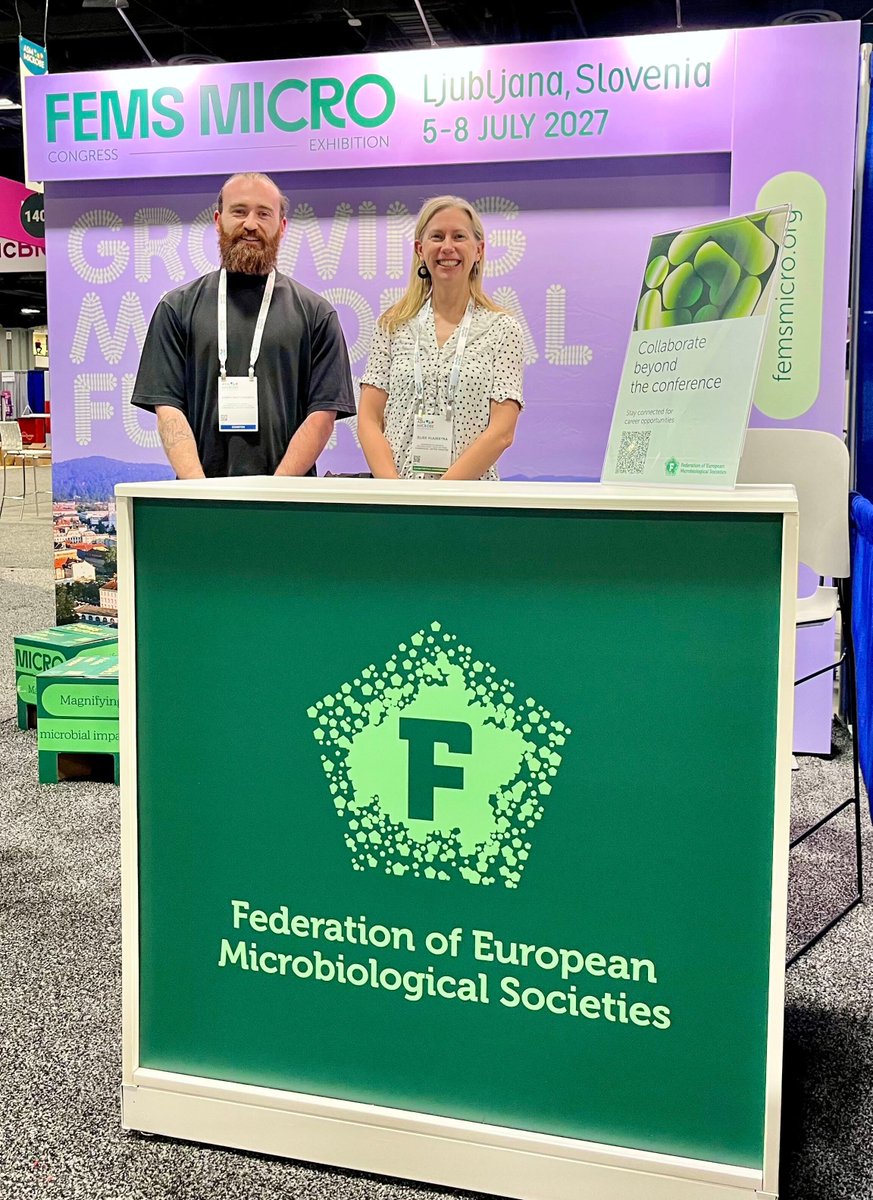
FEMS is at ASM Microbe 2026 in Washington D.C. this week, and we are excited to meet everyone! @ASMicrobiology
Drop by booth 1636 (to the left of the ASM Booth) and learn how we can connect you with the European microbiology community at FEMS MICRO 2027.
femsmicro.org
2
5
244
Jun 4
🔬 New funding opportunity in aquatic microbiology
The Symbiosis in Aquatic Systems Initiative (Gordon and Betty Moore Foundation) is inviting proposals for high-risk, high-impact research on microbial symbiosis in marine and freshwater environments.
buff.ly/ITDF7M0
1
5
315
Jun 1
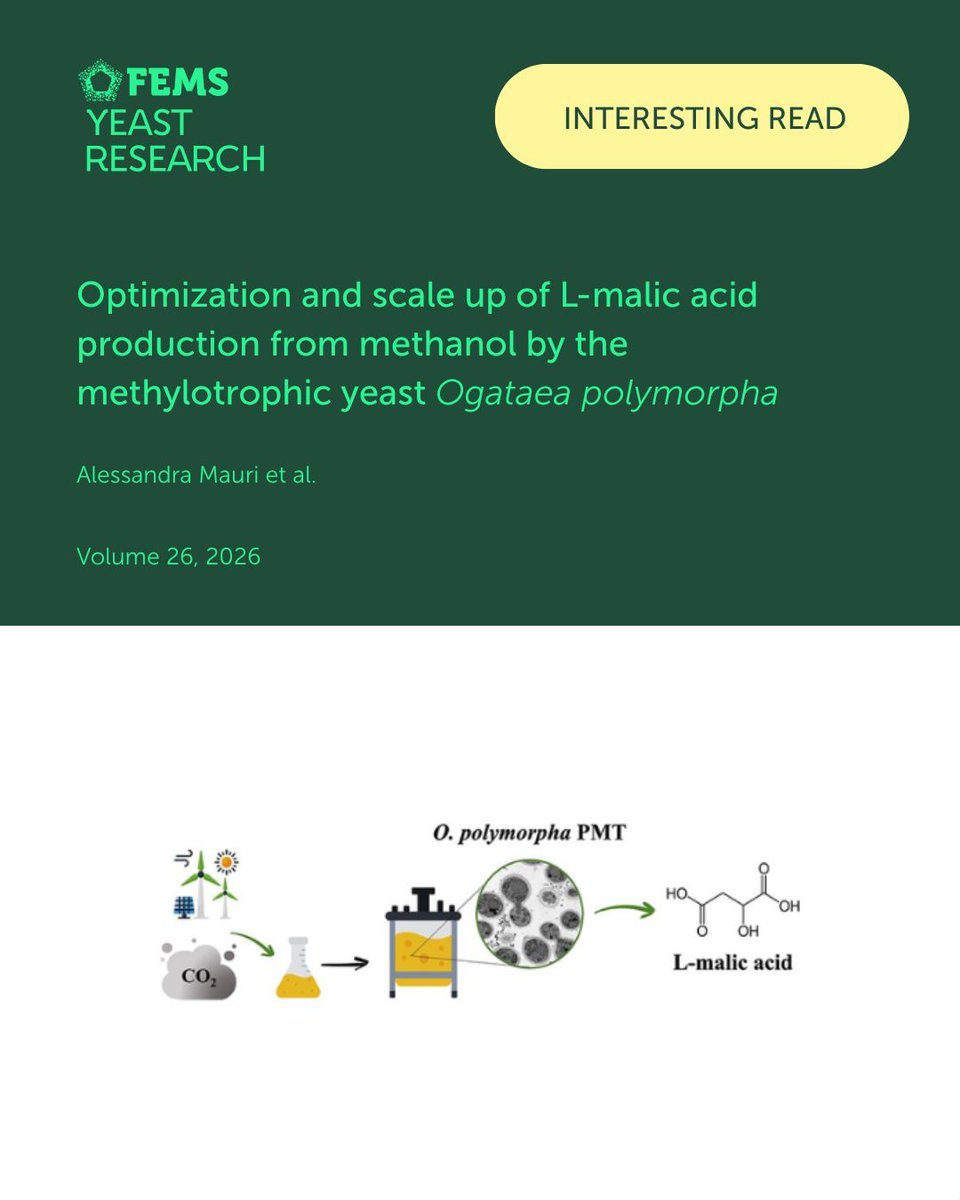
How can methanol support sustainable L-malic acid production in yeast? 🧪🌱
Discover how A. Mauri et al. optimize and scale up methanol-based malic acid production in #Ogataea_polymorpha using automated feeding strategies:
🔗 buff.ly/EDrBqMq
#FEMSYeastRes
1
3
414
FEMS retweeted

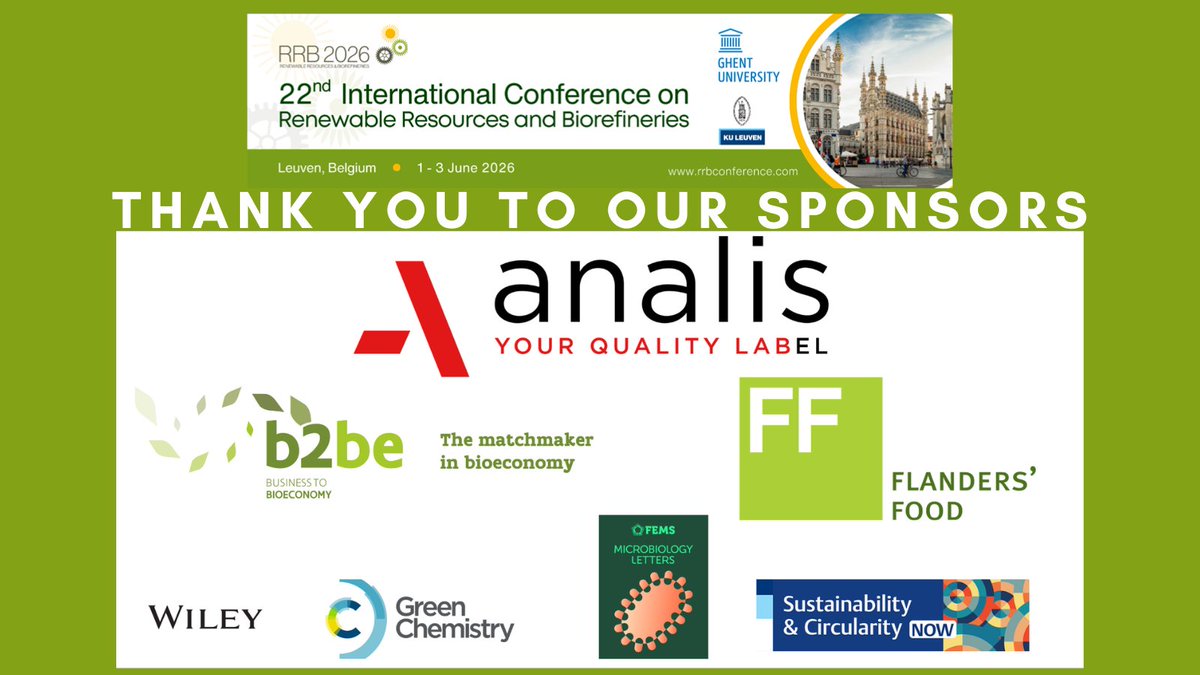
#RRB2026 Thank you to our sponsors #Analis @FlandersFOOD @ILVOvlaanderen @Wiley_Chemistry @green_rsc @FEMSmicro @thiemechemistry
See you next week at RRB2026 in Leuven! rrbconference.com/programme/
@FbwUGent @CStevens_UGent @greenchem_itn @Chemenghealth
3
5
429
May 28
Expand your network. Spark collaborations & shape microbiology’s future.
Join leading scientists, industry experts & funders at the FEMS Regional COLLAB 2026 during the ÖGMBT Annual Meeting in Vienna.
Register by 2 June and save with early bird rates buff.ly/aerMvM1
1
168
May 27
FEMS is seeking its next President and two Trustees to join the Board for the 2027–2029 term. These pivotal leadership roles play a key part in shaping the future of microbiology across Europe and beyond.
View the vacancy descriptions and apply by 10 June buff.ly/eKEKzfw
2
3
249
May 26
As an agrarian country, Indonesian culture is defined by its cuisine, with one of the most distinctive traditions is fermentation. 🍜
The new #FEMSmicroBlog explains the diverse microbial landscape behind the Indonesian cuisine. 🦠 #FascinatingMicrobes
buff.ly/nK1YTGB
1
236
May 25
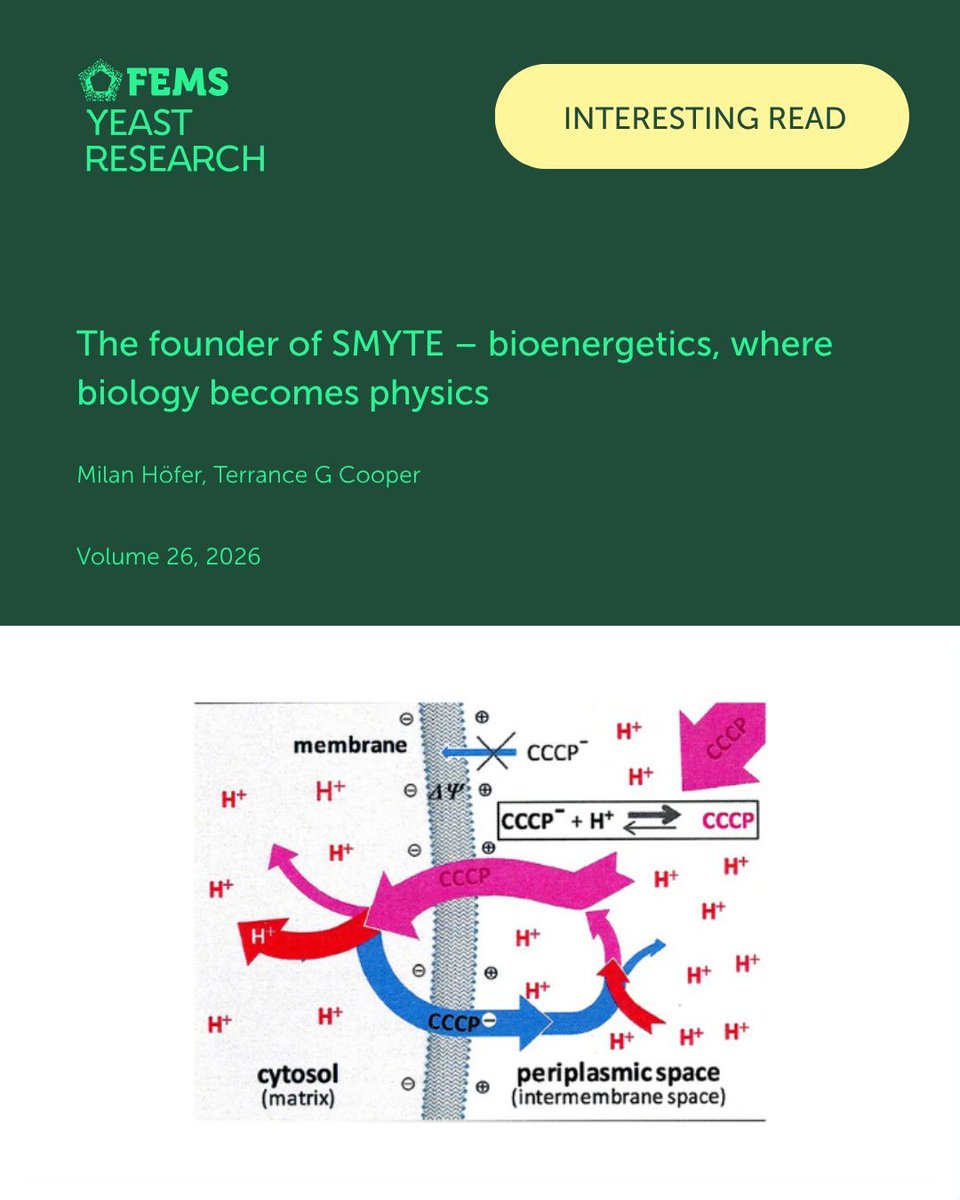
What drives the connection between yeast biology and membrane energetics? ⚡🧬
Explore how M. Höfer & T.G. Cooper trace decades of research, mentorship & international collaboration that shaped the field of yeast bioenergetics:
🔗 buff.ly/7iDPS8v
#FEMSYeastRes
1
411
May 23
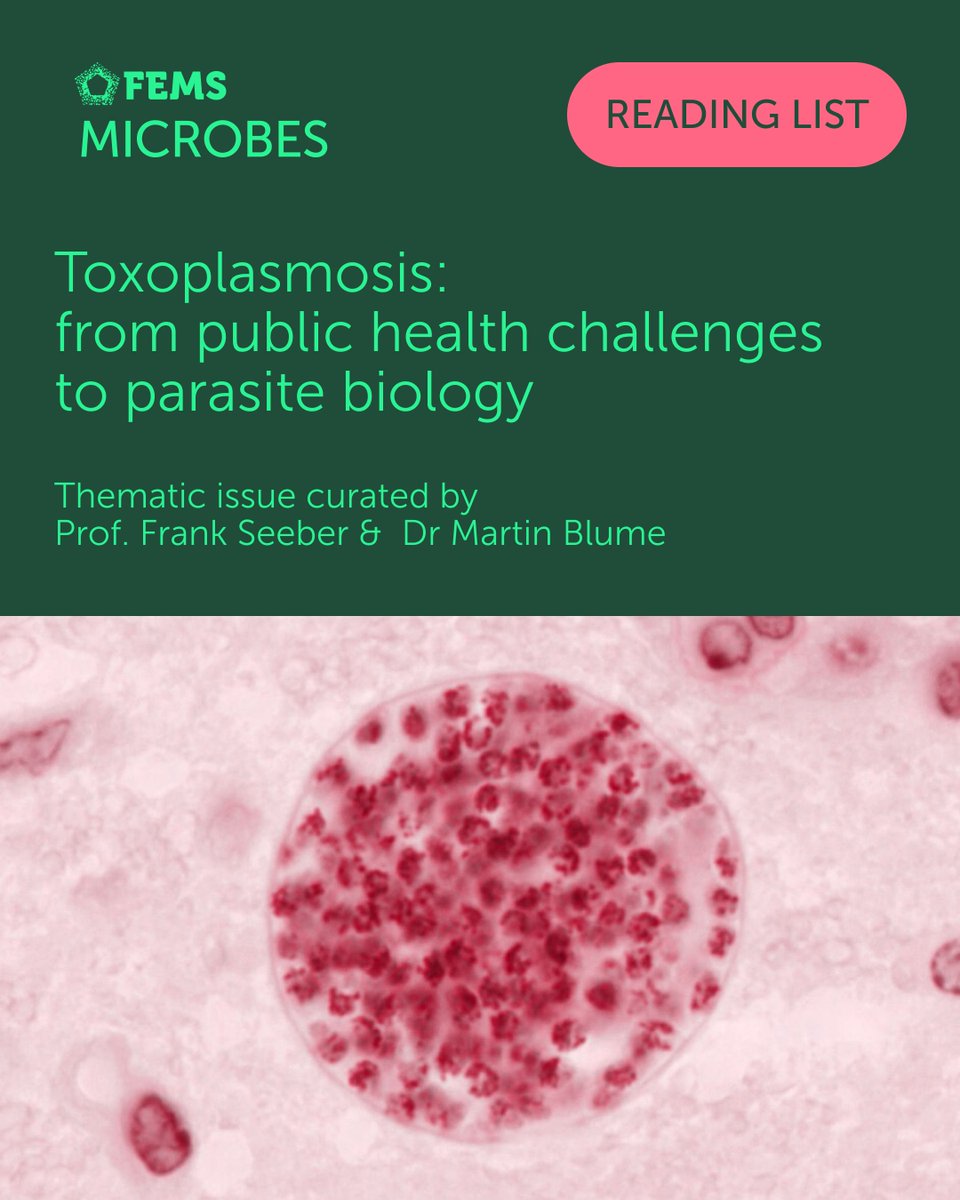
Toxoplasma gondii is both a globally relevant human pathogen and a key model organism for studying apicomplexan parasites. From ocular toxoplasmosis to parasite biology, explore the latest research on Toxoplasma gondii in this thematic issue ➡️ buff.ly/JdOhNKn
3
397
May 22
Love microbiology? Curious about science communication? 🦠 Join FEMS Microbiology Ecology as a volunteer Journal Social Media Editor.
No experience needed. Training provided.
📱 1–2 posts/week | Remote
Apply: buff.ly/tcfJBf0
3
6
512
May 21
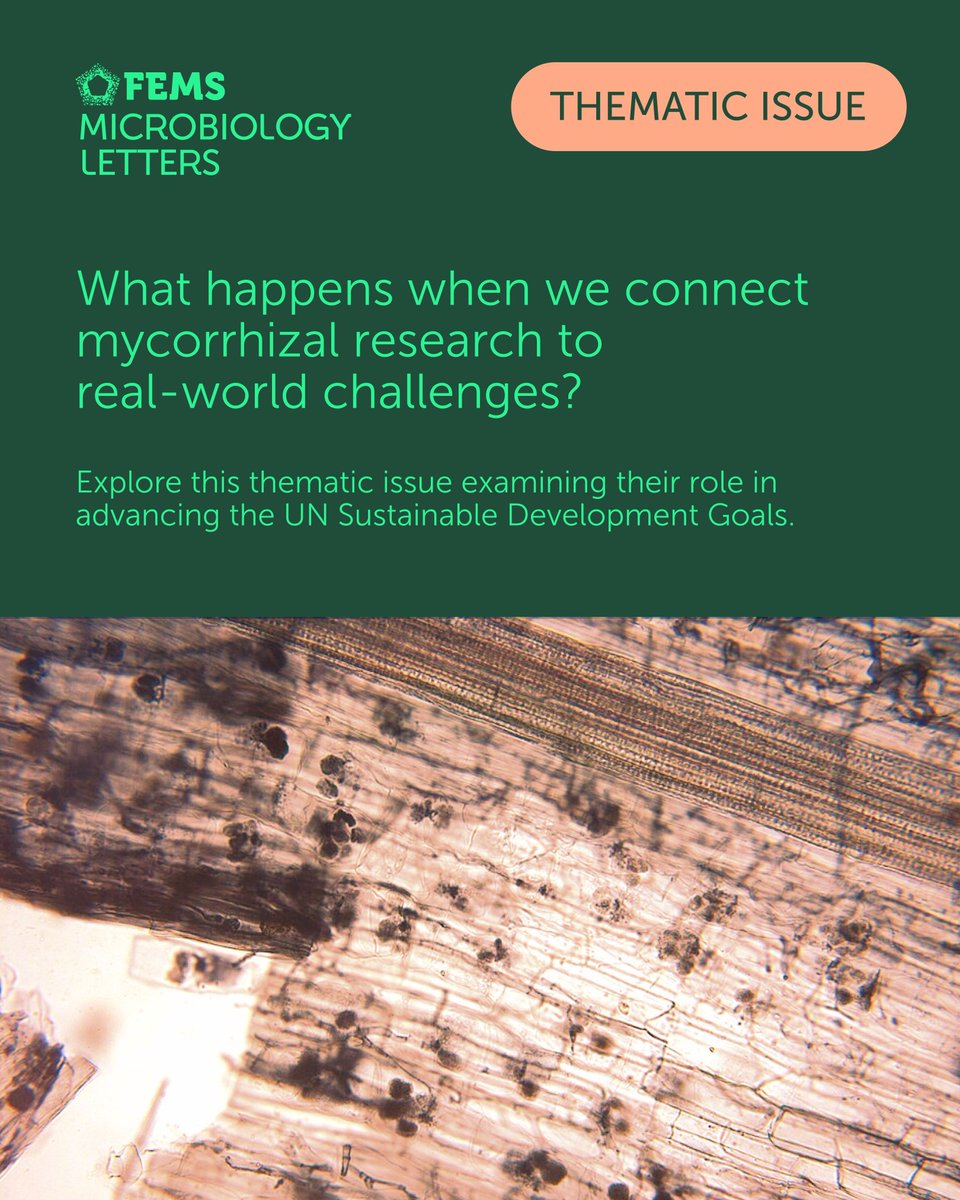
Could fungi help us build more resilient food systems?
Could they reduce fertilizer dependence?
Could they help ecosystems recover?
Could they improve drought resilience?
Could they support climate action?
Ready to dig deeper?
Find the answers ➡️ buff.ly/GWTIylE
2
298
FEMS retweeted

29 Oct 2025
See our new paper out in microLife, from international team effort led by Christine Josenhans group: Functional and intricate interaction network connecting H. pylori Cag Type 4 Secretion System surface proteins with outer membrane proteins HopQ and HopZ academic.oup.com/microlife/a…
2
4
305
FEMS retweeted

2 Dec 2025
I totally agree 👍 ---> Society journals matter—supporting science through renewed commitment academic.oup.com/microlife/a…
3
6
583
May 19
As scientists and educators, we need to ramp up efforts to support everyone in developing science literacy to increase trust in science.
This #FEMSmicroBlog highlights efforts to engage the public with microbiology & learning strategies. #TheCulturePlate
buff.ly/gXg3T77
3
197
May 16
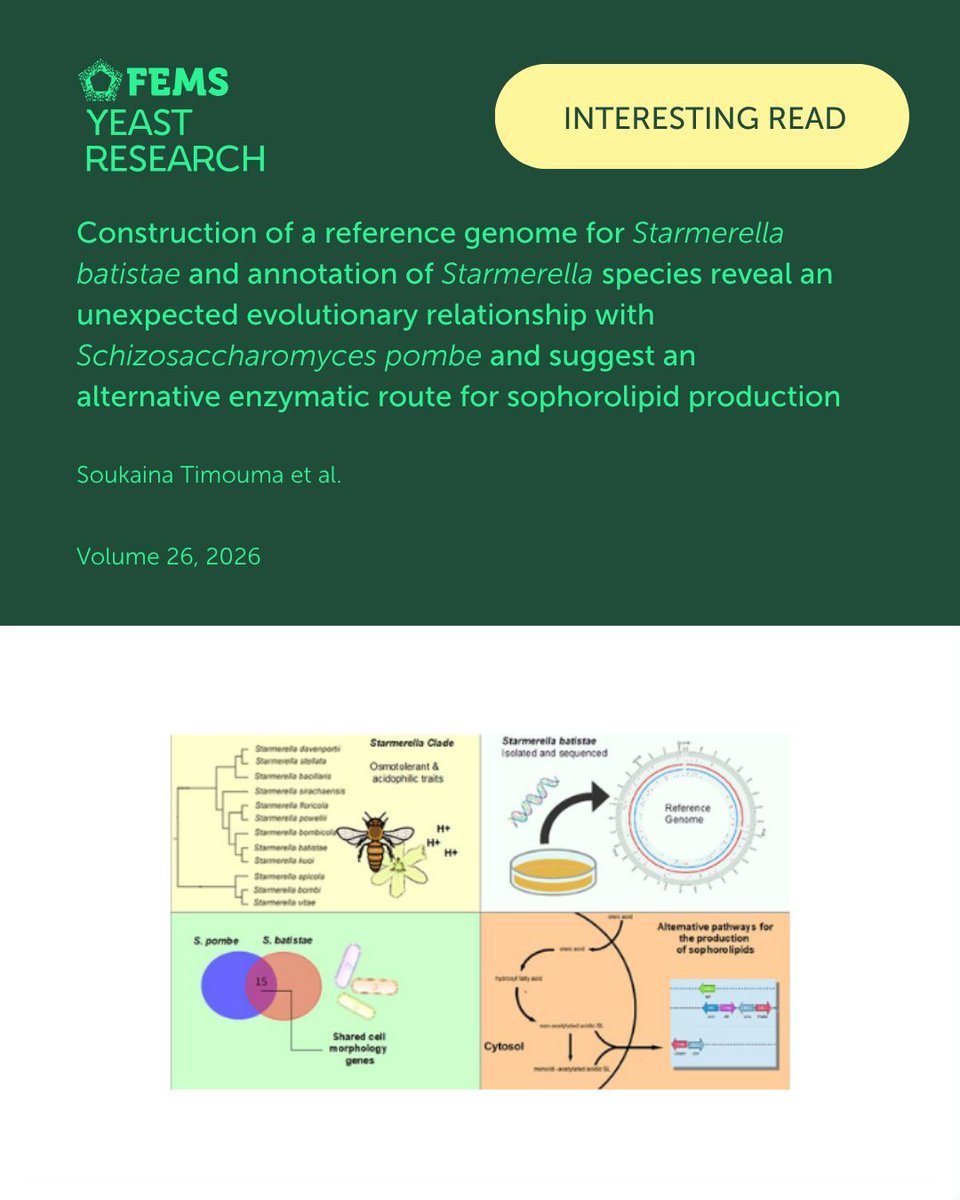
What can the genome of #Starmerella_batistae reveal about yeast evolution and biosurfactant production? 🧬🐝
Discover how S. Timouma et al. uncover links to #Schizosaccharomyces_pombe and alternative sophorolipid pathways:
🔗 buff.ly/6psbsOh
#FEMSYeastRes
415