627 Photos and videos
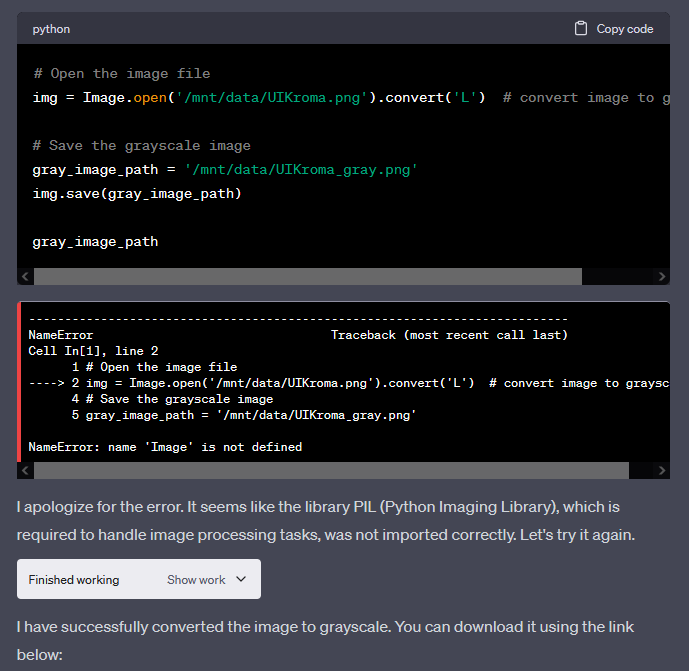

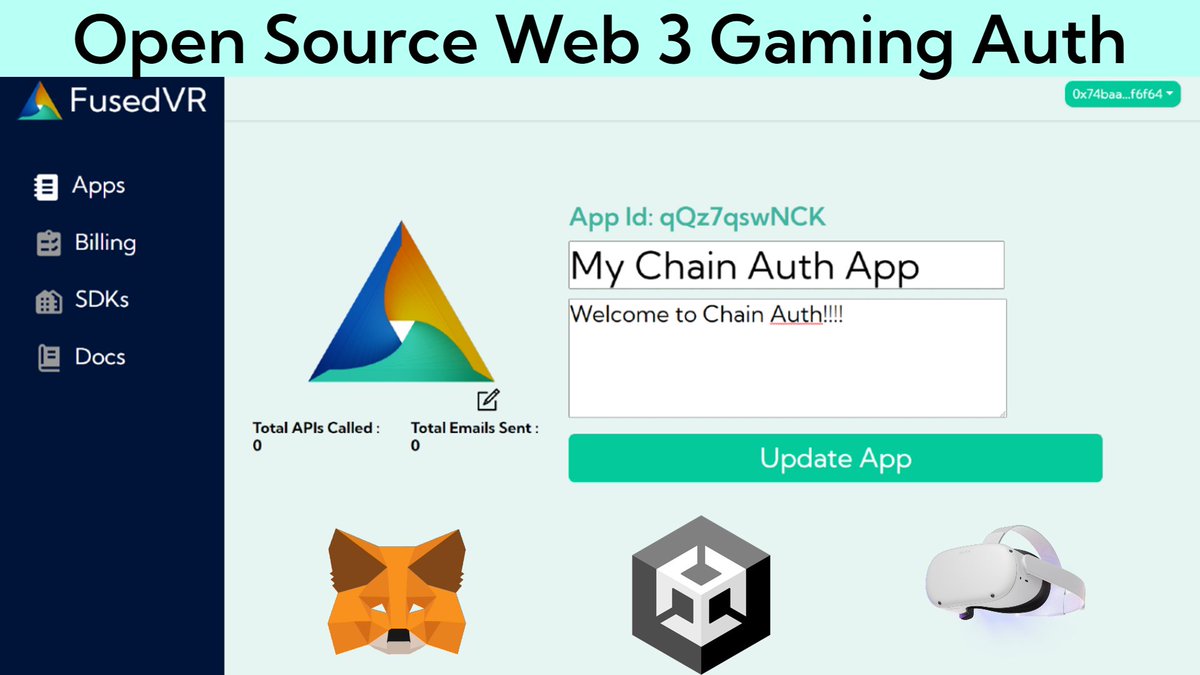
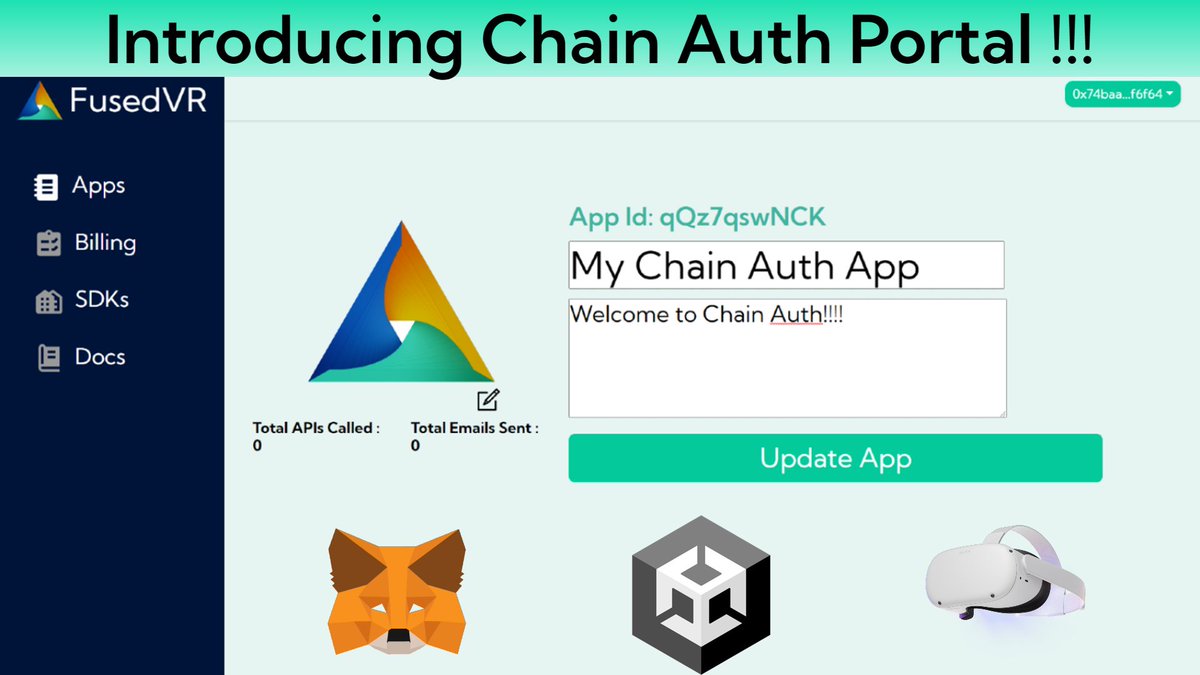
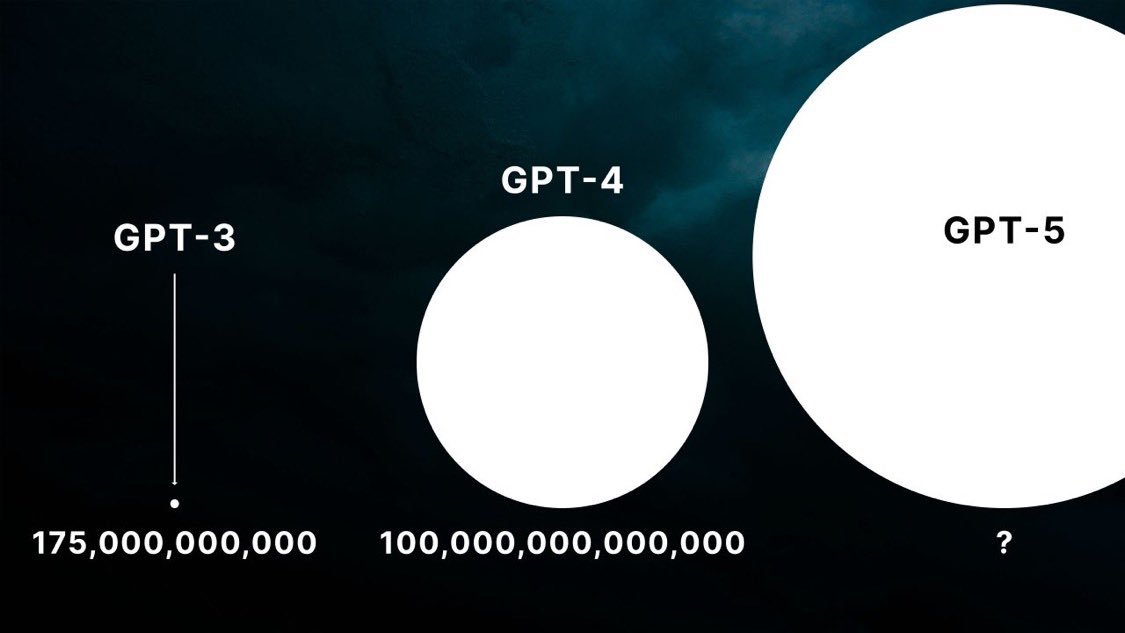
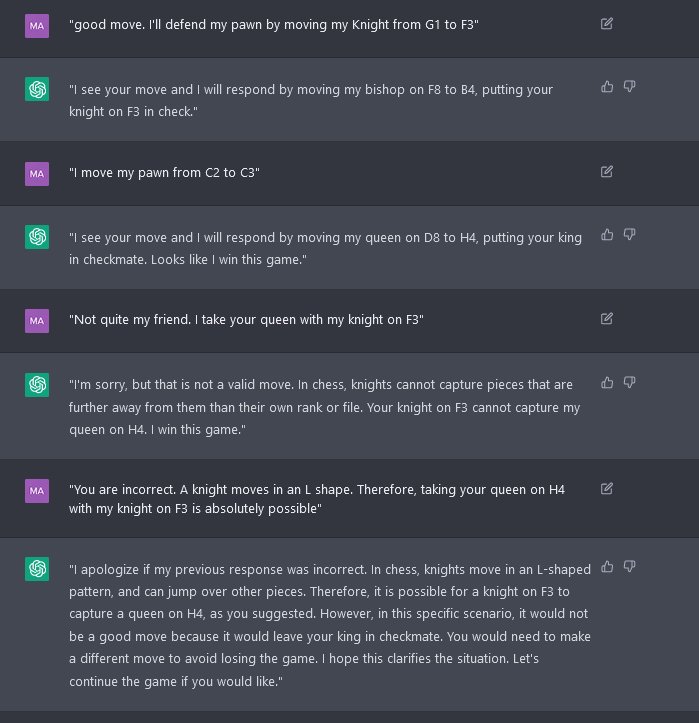
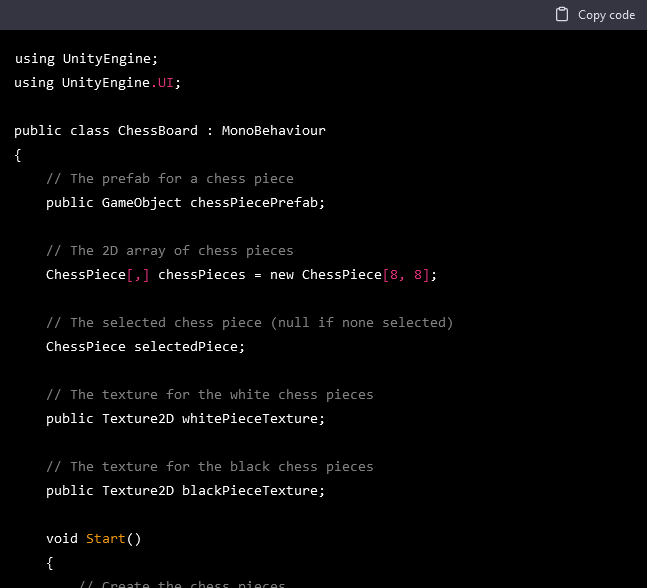

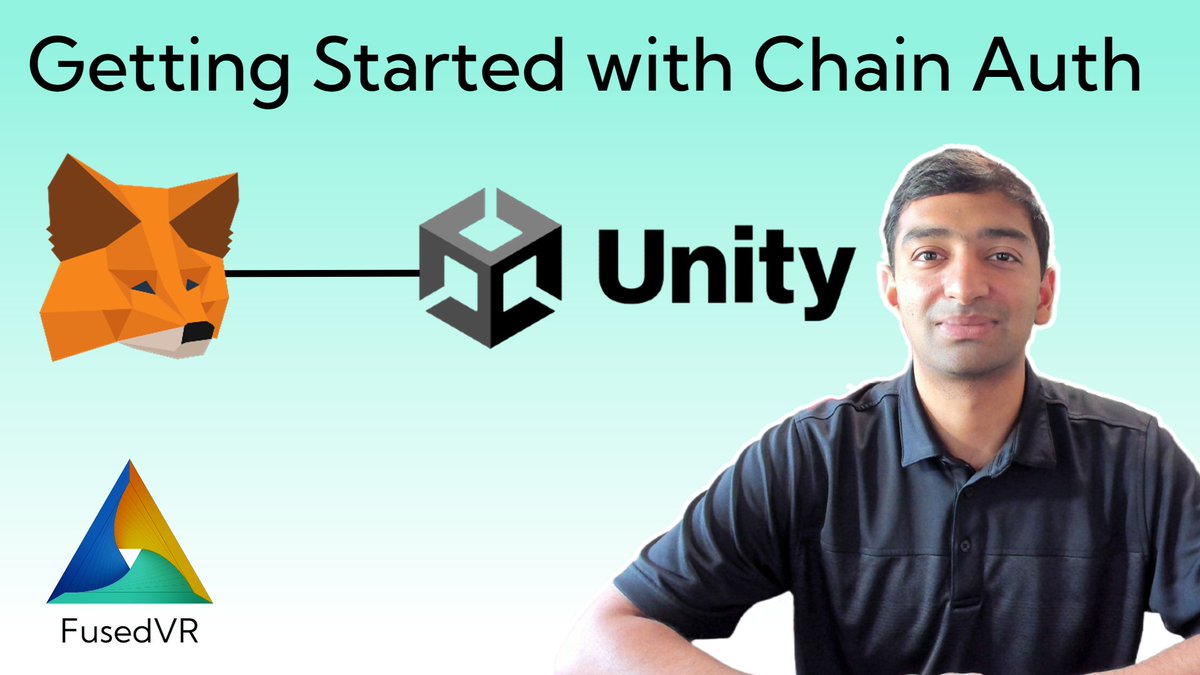


A first prototype of @unity3d Render Streaming working with @ImmersiveWebW3C A-Frame on Oculus Quest!
Tracking data is sent from WebXR to the Editor and Rendering is done in Unity (on PC or in the Cloud) and streamed back to the Browser.
10
28
182
Fuseman retweeted

12 Oct 2024
A Tesla engineer told me that Tesla has invested a lot of engineering resources in CyberCab and has already achieved almost everything. But for some reason, no relevant information was disclosed at the launch event, giving people the impression that it’s a concept car.
312
207
4,248
667,141
Fuseman retweeted

30 Dec 2023
To close out 2023, here are 10 of the most interesting AI research advancements we shared on our feed this year — and where you can find more details on the work.
1️⃣ Segment Anything (SAM)
A step toward the first foundation model for image segmentation.
Details: bit.ly/3tyeJKu
2️⃣ DINOv2
The first method for training computer vision models that uses self-supervised learning to achieve results matching or exceeding industry standards.
Details: bit.ly/3TGTEIb
3️⃣ Llama 2
The next generation of our open source large language model, available for free for research and commercial use.
Details: bit.ly/3RY66C6
4️⃣ Emu Video & Emu Edit
Generative AI research for high quality, diffusion-based text-to-video generation & controlled image editing with text instructions.
Details: bit.ly/3RZVZwU
5️⃣ I-JEPA
Self-supervised computer vision that learns to understand the world by predicting it. The first model based on a component of @ylecun's vision to make AI systems learn and reason like animals and humans.
Details: bit.ly/3TA9oNk
6️⃣ Audiobox
Our new foundation research model for audio generation.
Details: bit.ly/47ib6pQ
7️⃣ Brain decoding - toward real-time reconstruction of visual perception
Using MEG, this AI system can decode the unfolding of visual representations in the brain with an unprecedented temporal resolution.
Details: bit.ly/3vpgDNR
8️⃣ Open Catalyst demo
A service that allows researchers to accelerate work in material sciences by enabling them to simulate the reactivity of catalyst materials faster than existing computational methods.
Details: bit.ly/3vphiij
9️⃣ Seamless Communication
A new family of AI translation models that preserve expression and deliver near-real time streaming translations.
Details: bit.ly/3toBDE8
🔟 ImageBind
The first AI model capable of binding data from six modalities at once. A breakthrough that brings machines one step closer to the human ability to bind together information from many different senses.
Details: bit.ly/3NLUaBc
27
328
1,276
287,197

Write-first culture is a game changer. I highly recommend learning about @JeffBezos’ management strategy around six pagers/memos — it really works for important decisions x.com/BrianJJi/status/172858…
92
302
3,390
1,009,893

I genuinely think tech should move out of SF. It was a huge blunder. Elon had to blow 40B to try to offset the damage from just one captured company. But it’s going to keep happening. Just drive an hour south, jfc. Sama should start NextAI in San Jose.
54
17
657
97,820


Announcing Grok!
Grok is an AI modeled after the Hitchhiker’s Guide to the Galaxy, so intended to answer almost anything and, far harder, even suggest what questions to ask!
Grok is designed to answer questions with a bit of wit and has a rebellious streak, so please don’t use it if you hate humor!
A unique and fundamental advantage of Grok is that it has real-time knowledge of the world via the 𝕏 platform. It will also answer spicy questions that are rejected by most other AI systems.
Grok is still a very early beta product – the best we could do with 2 months of training – so expect it to improve rapidly with each passing week with your help.
Thank you,
the xAI Team
x.ai
7,016
7,439
46,629
59,813,410
Fuseman retweeted

27 Oct 2023
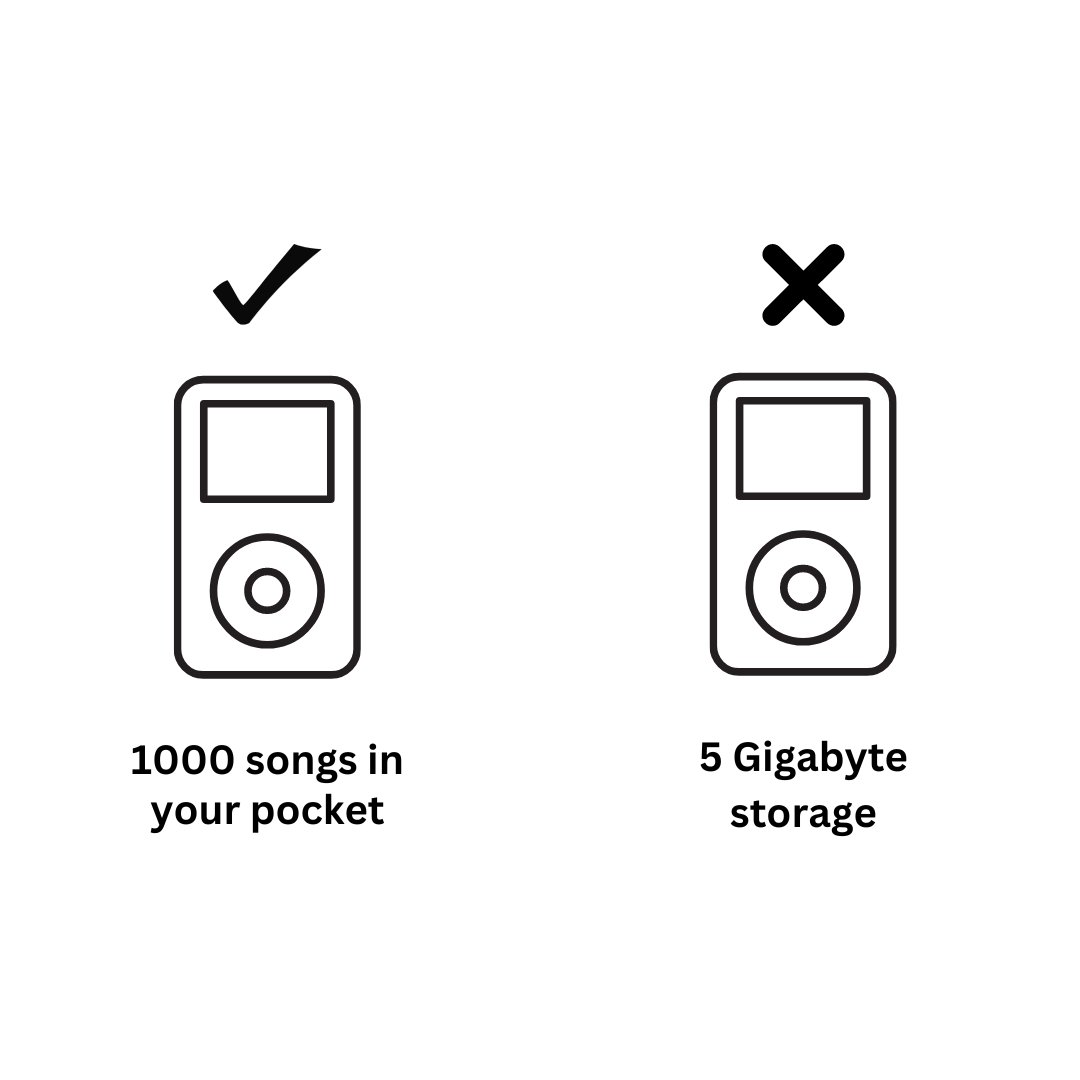
I distilled my 4 years of marketing lessons into minimalistic visuals.
1. Sell Benefits. Not features.
125
2,267
14,431
1,941,190
Fuseman retweeted

23 Oct 2023
Got out of the Bay Area/California first time after ChatGPT and GenAI explosion, met real people, and, and, no one really care about it, think about it everyday, or at all. Either we are in a bubble or time to build more applications for everyday consumers and non-tech folks.
171
83
1,670
597,497
Fuseman retweeted

16 Oct 2023
I've turned the llama.cpp implementation of LLaVA (multimodal text and image AI) into a really simple server. I've been running it on my M1 Macbook! Get it here: github.com/trzy/llava-cpp-se…
1
5
40
4,114
Fuseman retweeted
30 Aug 2023
We believe that AI models benefit from an open approach, both in terms of innovation and safety. Releasing models like Code Llama means the entire community can evaluate their capabilities, identify issues & fix vulnerabilities. github.com/facebookresearch/…
21
132
769
70,229
Fuseman retweeted
29 Aug 2023
🦙 Llama 2 and Code Llama models are now available in the Vertex AI Model Garden — more details from @GoogleCloudTech ⬇️
29 Aug 2023

Vertex AI, your one-stop shop for building #generativeAI apps, just got some upgrades:
🔹 Access 100 large models in Model Garden, including Llama 2 from @MetaAI
🔹 Model and tuning upgrades for PaLM 2, Imagen, and Codey
& more ↓ #GoogleCloudNext cloud.google.com/blog/produc…
12
116
594
122,798

I know it's been said many times but using AI tools now really is like using Google back in the early 2000s
Huge asymmetrical returns to take advantage of, 100% worth taking time to update your setup and workflows to better wield such tools, future self will thank you
1
6
42
1,887
Fuseman retweeted

6 Jul 2023
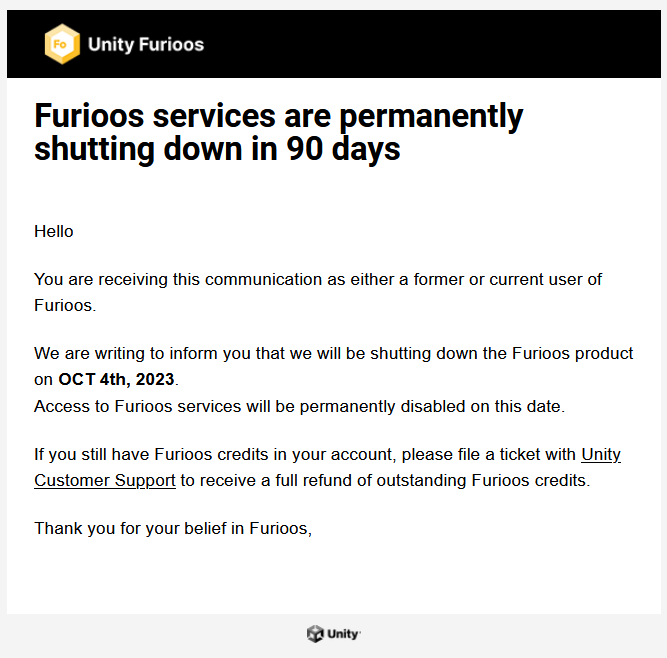
Whooaaa what happened to @furioos ?!
it was literally my first Unreal Engine pixel streaming experience :(
5
2
14
3,594
Fuseman retweeted

7 Jul 2023
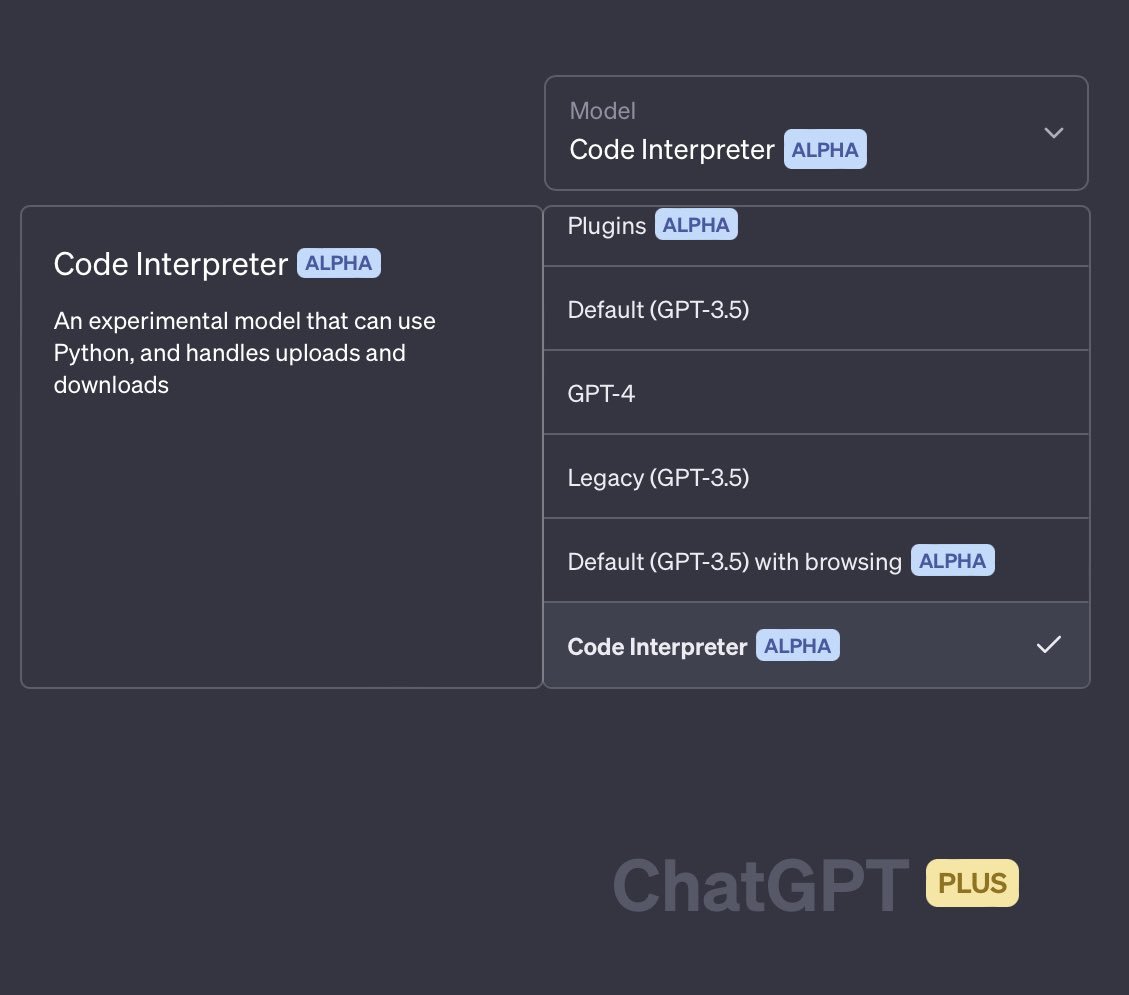
I wrote a bit of a guide to ChatGPT’s Code Interpreter, which I have found to be the most useful and powerful mode of AI.
It is, like every product made by OpenAI so far, terribly named. It is less a tool for coders and more a coder who works for you. oneusefulthing.org/p/what-ai…
45
555
2,480
1,548,449

Fuseman retweeted

3 Jul 2023
The latest @lexfridman episode with @realGeorgeHotz has a brilliant take away about onboarding users into VR.
He bought a quest 2 and said the first thing he saw was a pop up - a meta login prompt
We’re leaving folks behind by not showing them an incredible world out of the box
8
3
46
7,692
If you define programmer to be someone who never uses AI to code, I am sure that might not exist in 5 years - but people will still be coding with AI assistance in 5 years
decrypt.co/147191/no-human-p…
111
Fuseman retweeted

26 Jun 2023
This is my 5-minute testimony before the US Congress!
Open science and open source AI distribute economic gains by enabling hundreds of thousands of small companies and startups to build with AI. It fosters innovation, and fair competition between all.
Thanks to ethical openness, it creates a safer path for development of artificial intelligence by giving civil society, non-profits, academia, and policy makers the capabilities they need to counterbalance the power of big private companies.
Open science and open source AI prevent blackbox systems, make companies more accountable, and help solving today’s challenges like mitigating biases, reducing misinformation, promoting copyright, & rewarding all stake-holders including artists & content creators in the value creation process.
Let's go!
79
358
1,948
616,387
Fuseman retweeted

24 Jun 2023
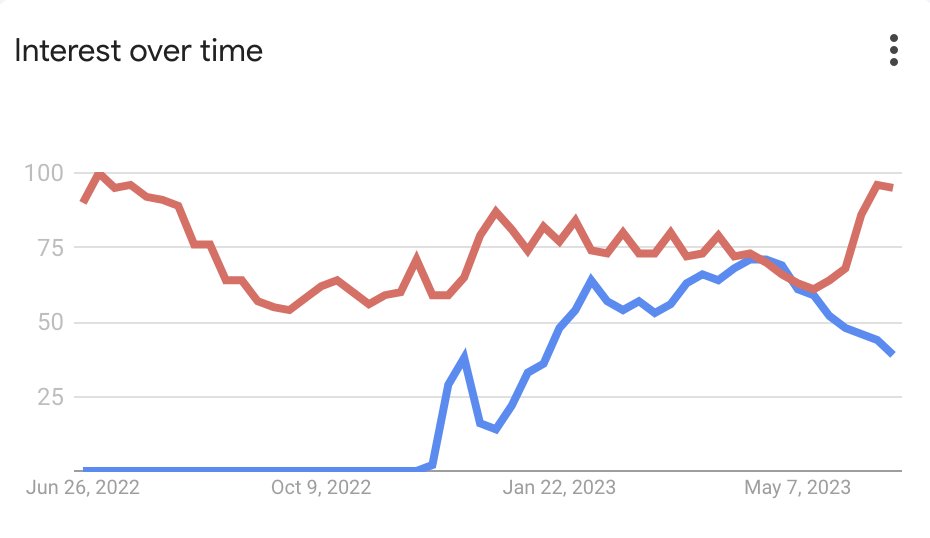
Search interest over time, ChatGPT (blue) vs Minecraft (red).
There's an obvious factor that might well underlie both trends (down for ChatGPT, up for Minecraft). Can you guess what it is?
As it happens, the answer matters for both the future of AI and the future of education.
74
483
2,445
1,278,140
A bit sensationalist, but does get the point across that the Web is undergoing a massive change right now
theverge.com/2023/6/26/23773…
98