One-stop shop for all your vehicle needs! Get comprehensive VIN history reports, use our free tools and browse car care articles.

Joined October 2022
255 Photos and videos
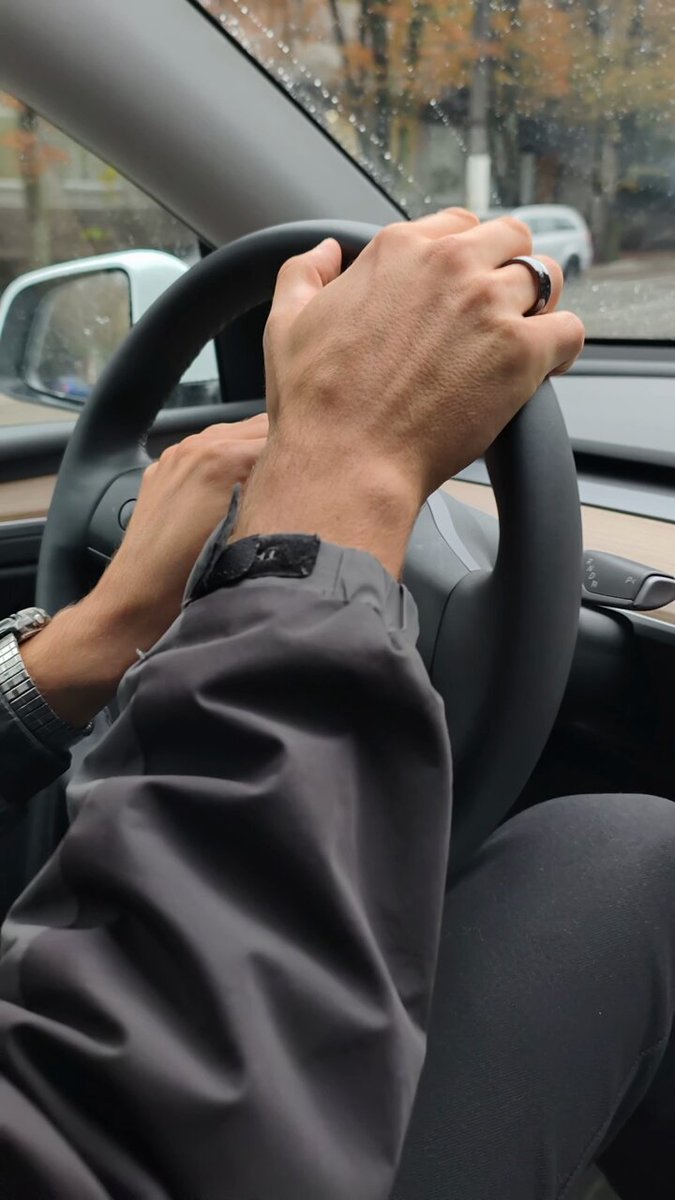
“Phantom braking” (driver-assist slows you suddenly): keep both hands on the wheel, hold your lane, and take over. Cancel driver-assist and slow smoothly—no panic swerves. Clean the camera/radar areas, and if it happens again, get it checked/calibrated.
2
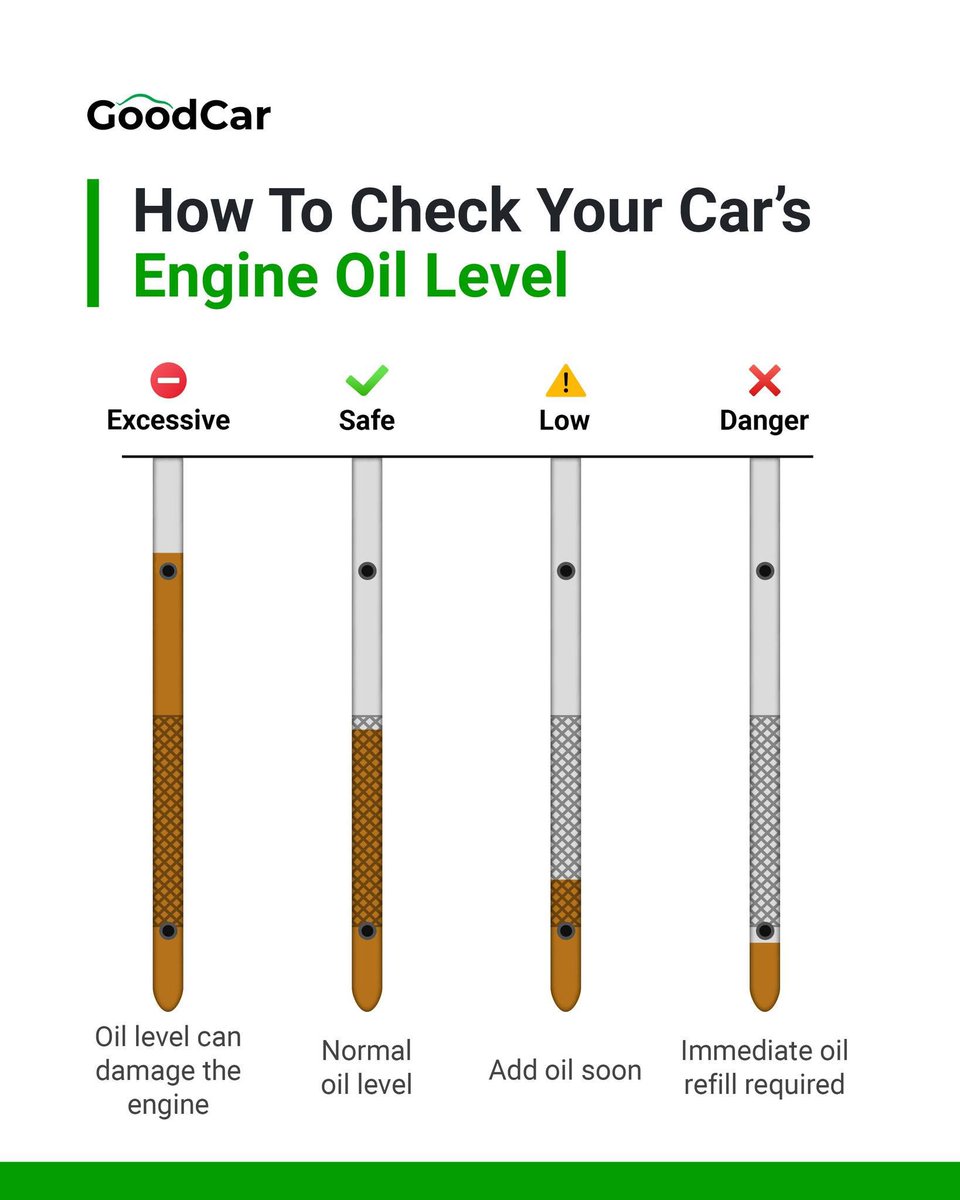
⚠️ Don’t wait for the warning light. Checking your oil level only takes a minute—and it could help prevent serious engine damage.
2
One missing key can get expensive fast. Modern fobs aren’t just “a key”—they’re programmed electronics, and some cars require dealer-level coding. If a used car comes with only one key, budget for a spare now, because losing the last one costs a lot more.
2
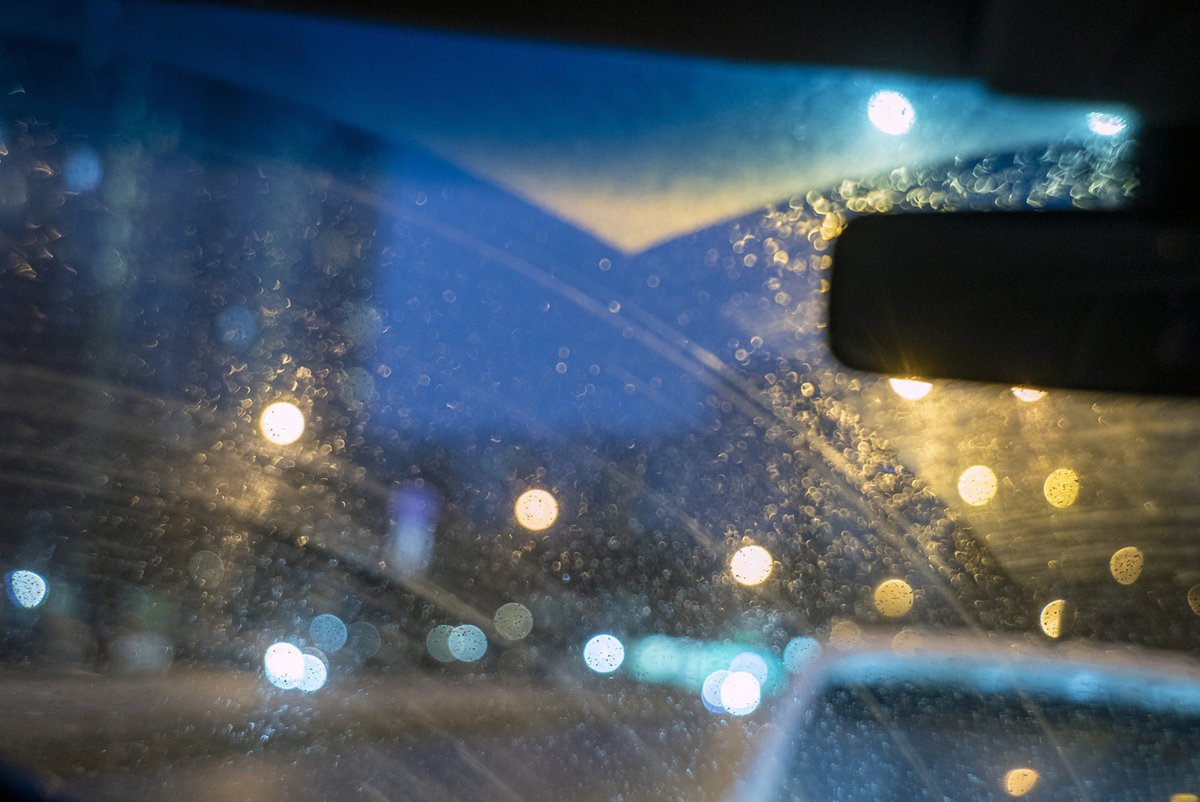
Dirty windshields make night glare way worse because the film of dust, oils, and haze scatters oncoming headlights into a bright smear. Clean the inside glass too (not just the outside) and replace worn wipers—visibility improves immediately.
5
If your steering wheel is off-center after a “quick tire change,” the tire swap didn’t cause it—your alignment was likely already off, or the new tires made it more noticeable. Check tire pressures first, then get an alignment (and make sure the shop centers the wheel during it).
8
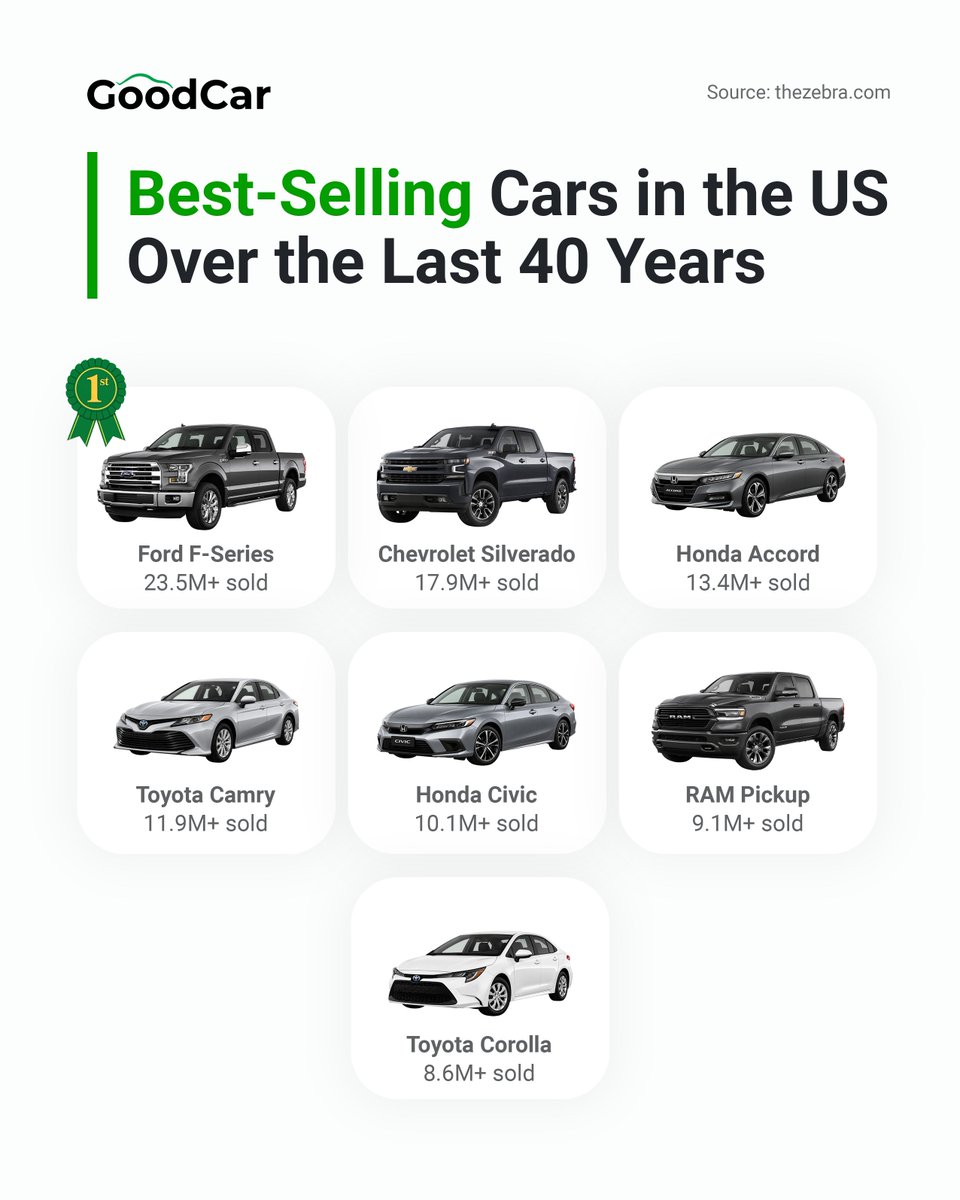
Which one deserves the crown—and which one is overrated?
5
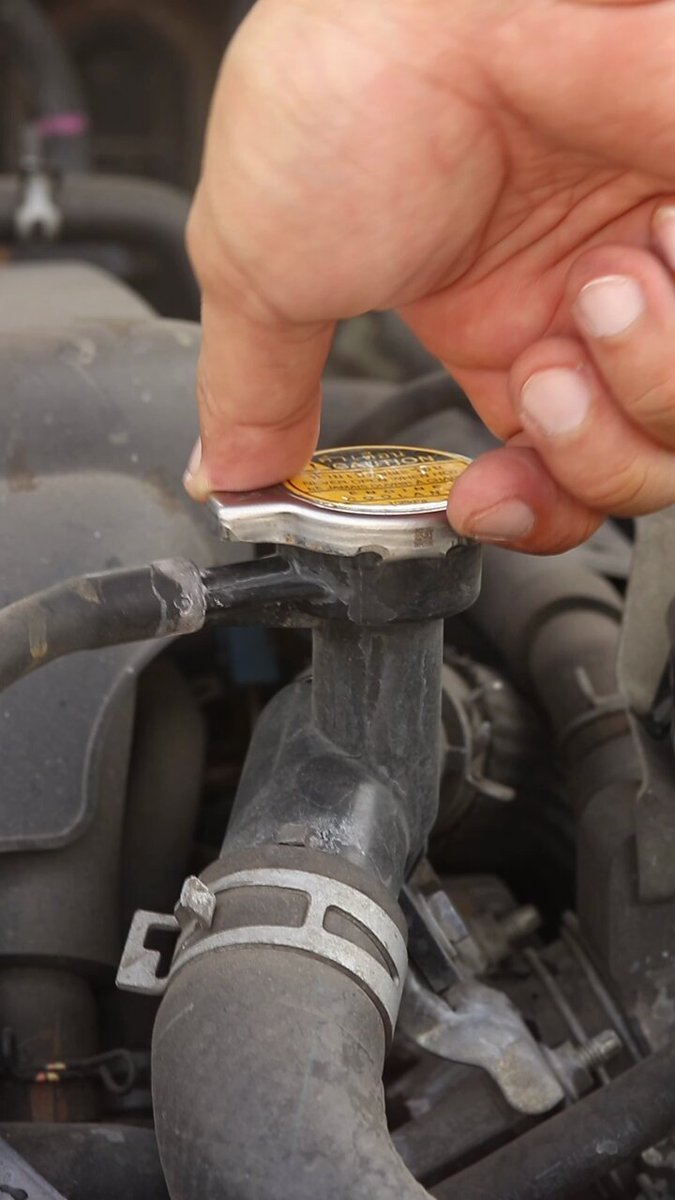
One of the cheapest fixes that can prevent expensive repairs: a bad radiator cap. If it can’t hold pressure, coolant boils sooner and temps spike—then “small issue” turns into an overheating/head-gasket bill. Tiny part, big consequences.
6
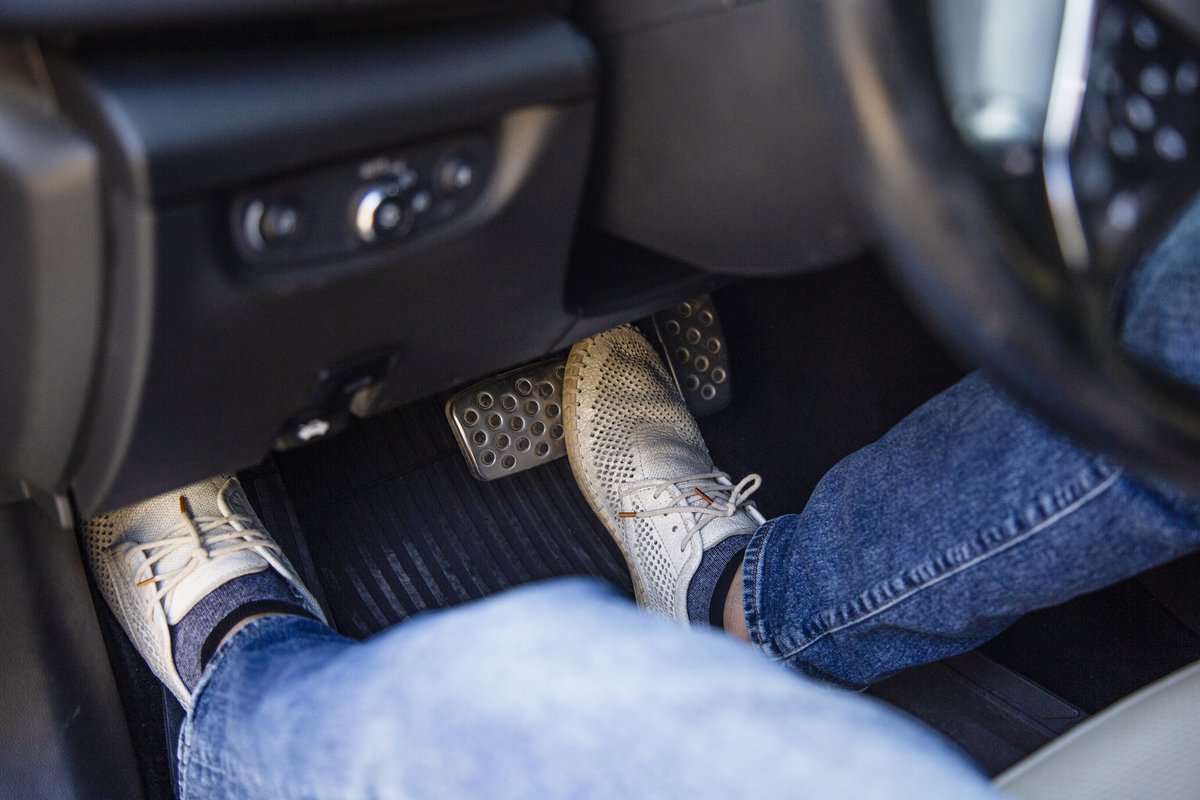
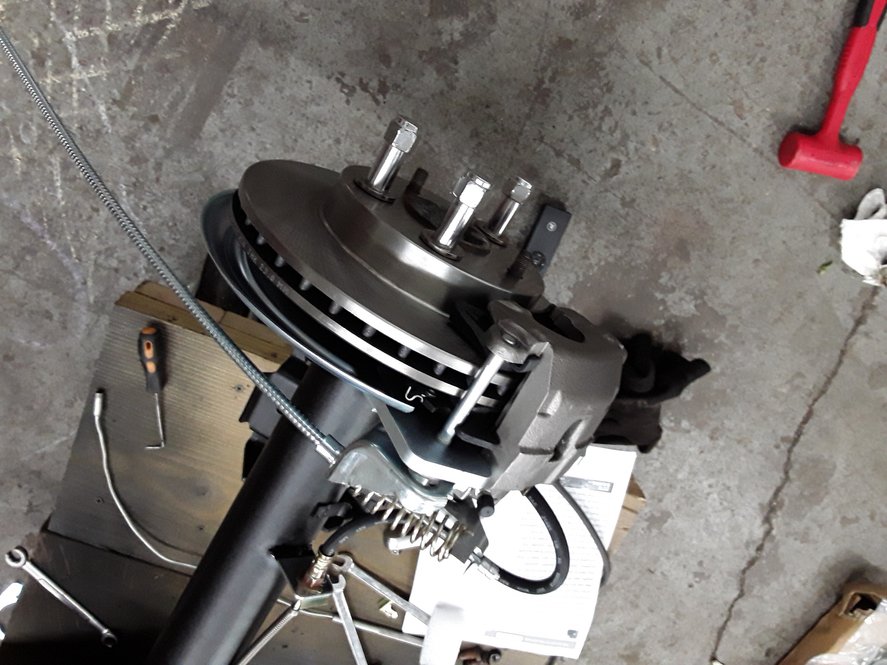
Brakes that squeal only in reverse is often caused by pad vibration, light glazing, or dust/rust on the rotors—reverse braking can make it show up more. If the noise is loud, constant, or you feel grinding/pulsing, it’s worth getting the pads and hardware checked.
1
18
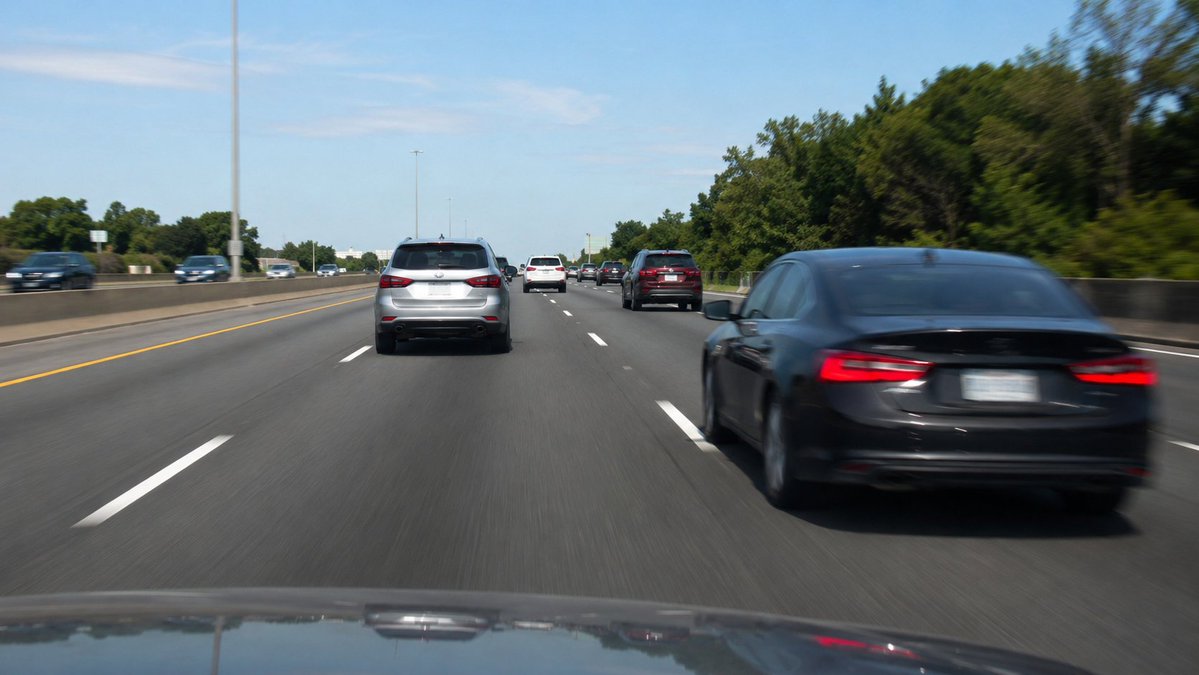
Speeding up to “match traffic” can backfire fast. It shortens your reaction time, shrinks following distance, and gives you fewer safe options if someone brakes, merges, or a hazard appears. The safer move is steady speed with space—not chasing the fastest lane.
8
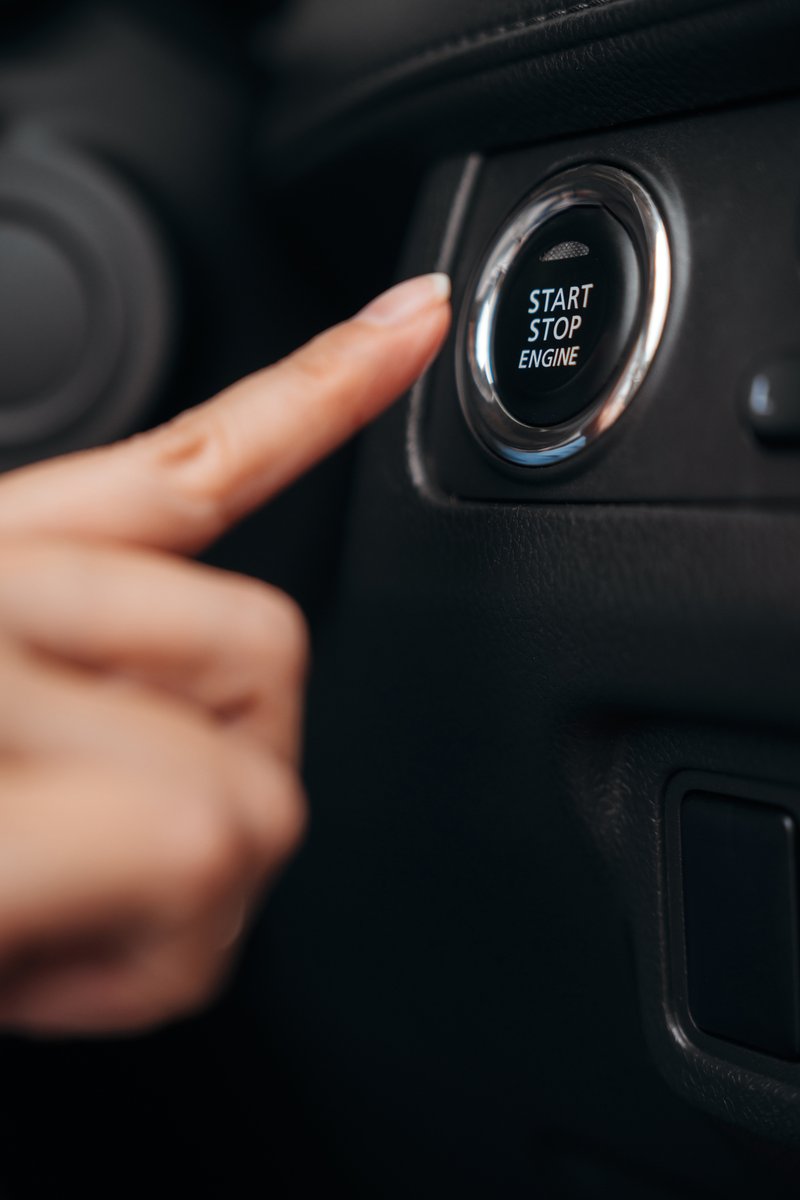
Clicking at startup: benign vs urgent Usually harmless: a few light clicks for 1–2 seconds (relays/actuators). Urgent: rapid clicking no start (weak battery/loose terminals), or one heavy click no crank (starter/solenoid). If it’s getting worse, don’t ignore it.
10
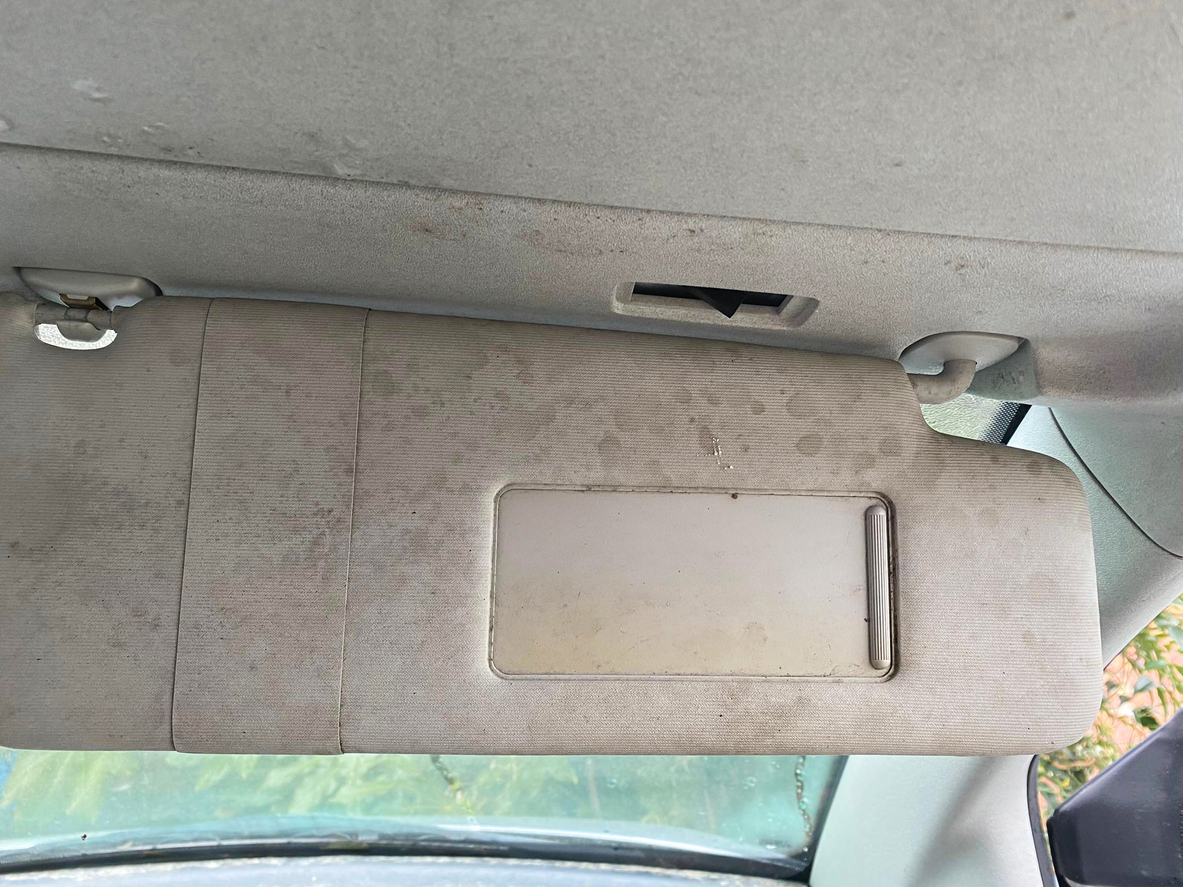
Headliner stains on a used car aren’t just cosmetic. They can point to a leaking sunroof seal, bad windshield seal, or past water intrusion. If you see stains, check for musty smells, damp carpets, and moisture in the trunk too.
8
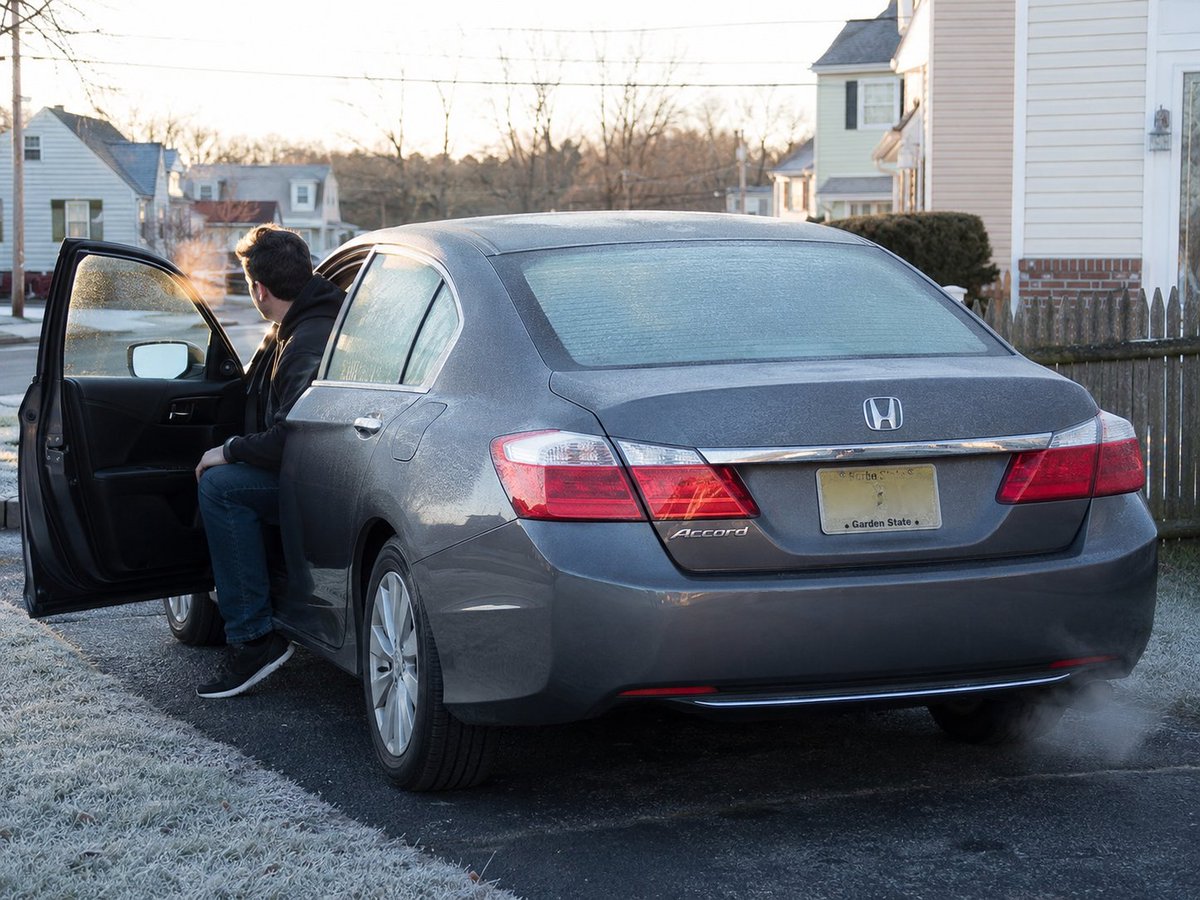
Warming up your car for 10 minutes is old advice. Start it, wait a few seconds, then drive easy for the first couple minutes. You’ll warm it up faster, waste less fuel, and avoid endless idling.
11
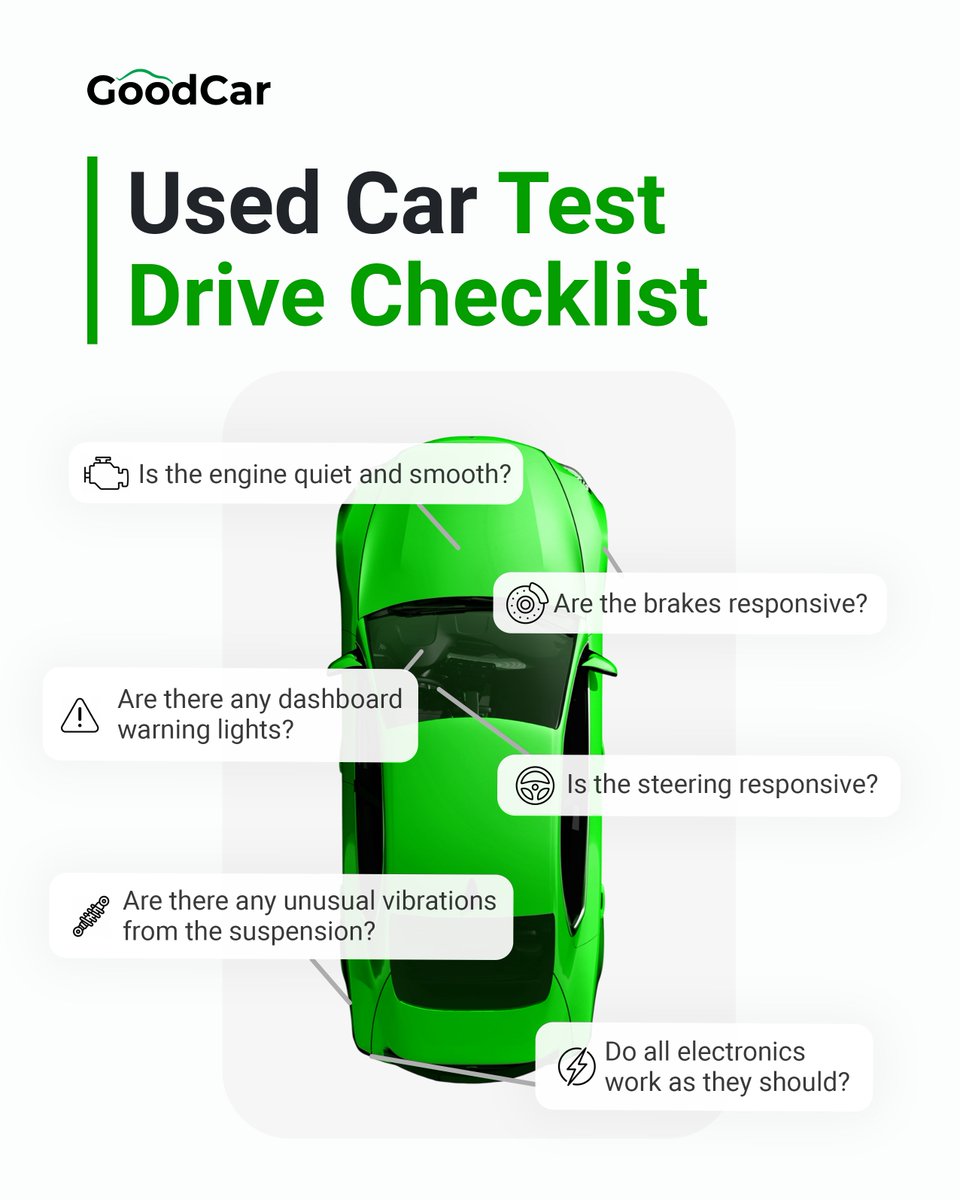
Don't just drive it—inspect it.
7
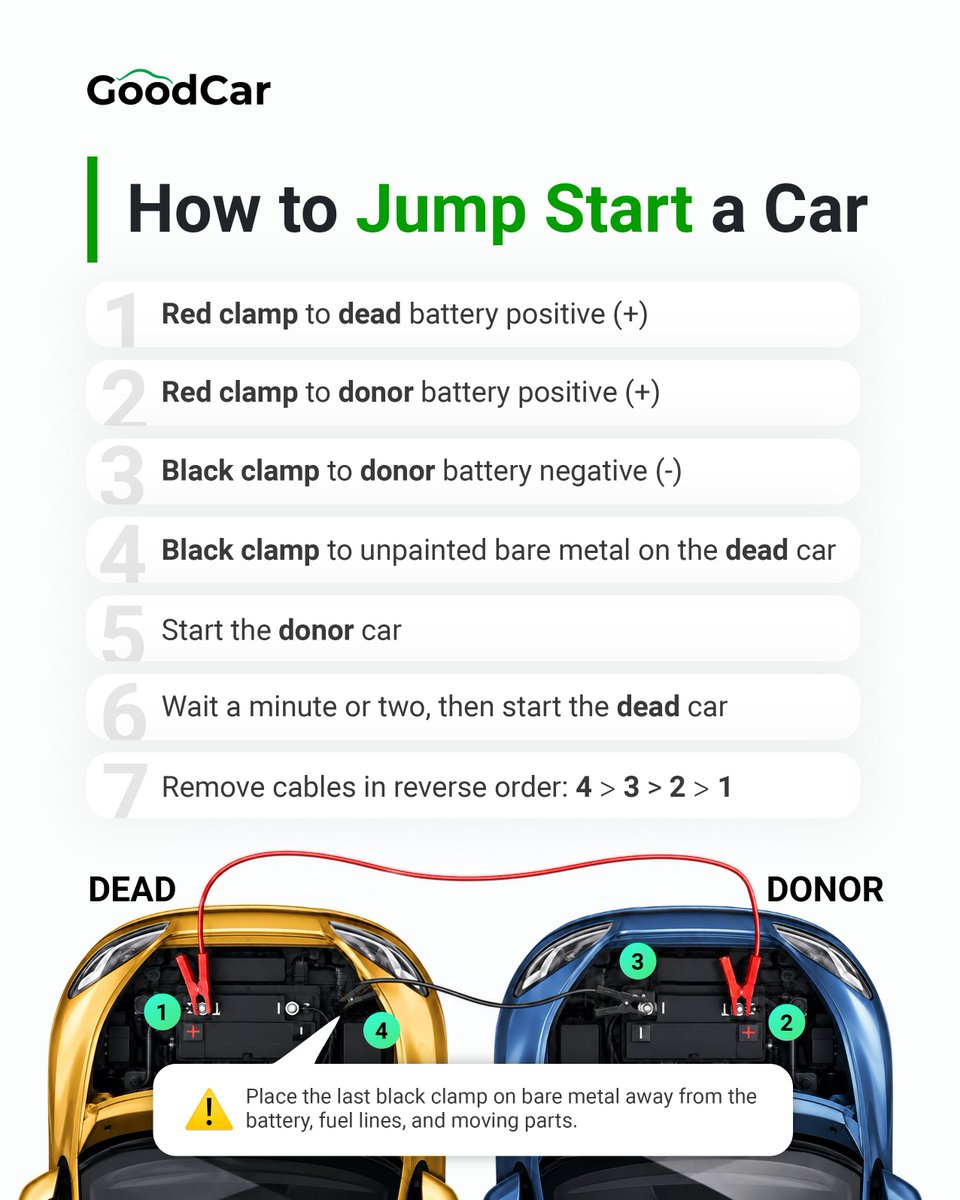
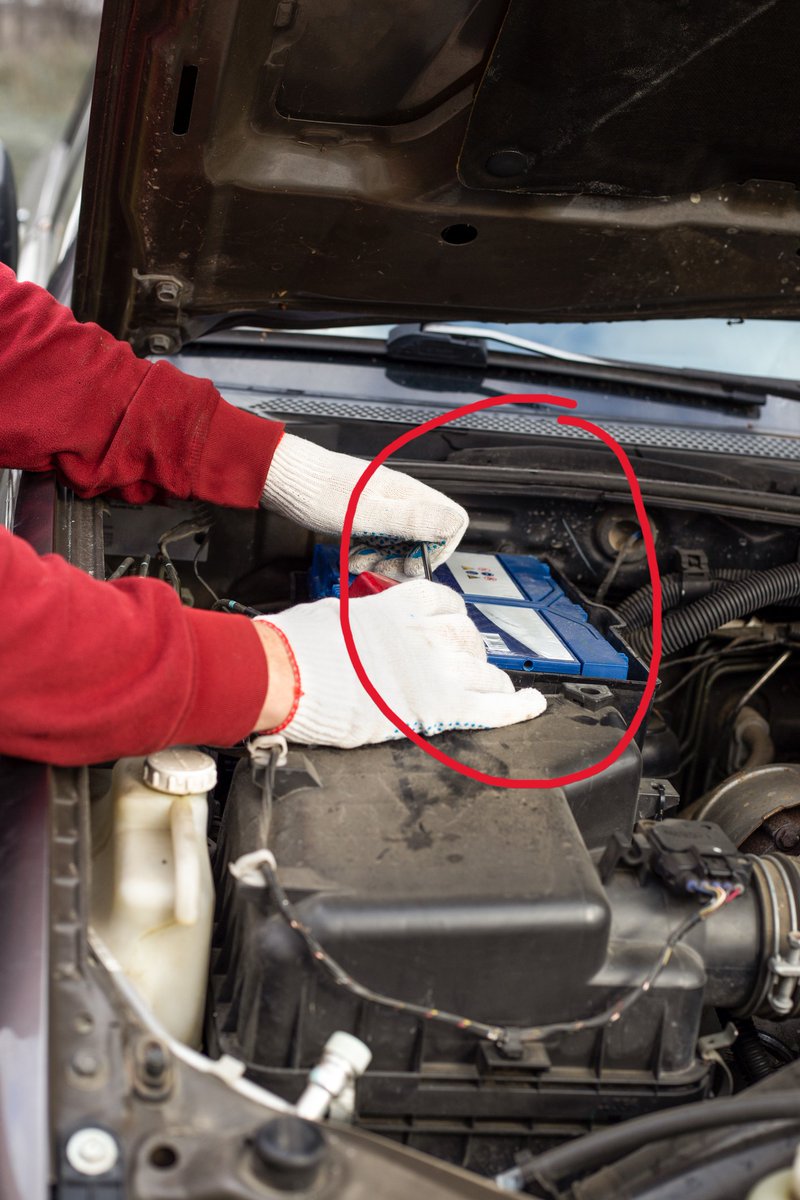
Dead battery? Save this quick jump-start guide so you know the correct cable order before you need it. ⚠️ Safety note: Never jump-start a leaking, swollen, frozen, or damaged battery.
34
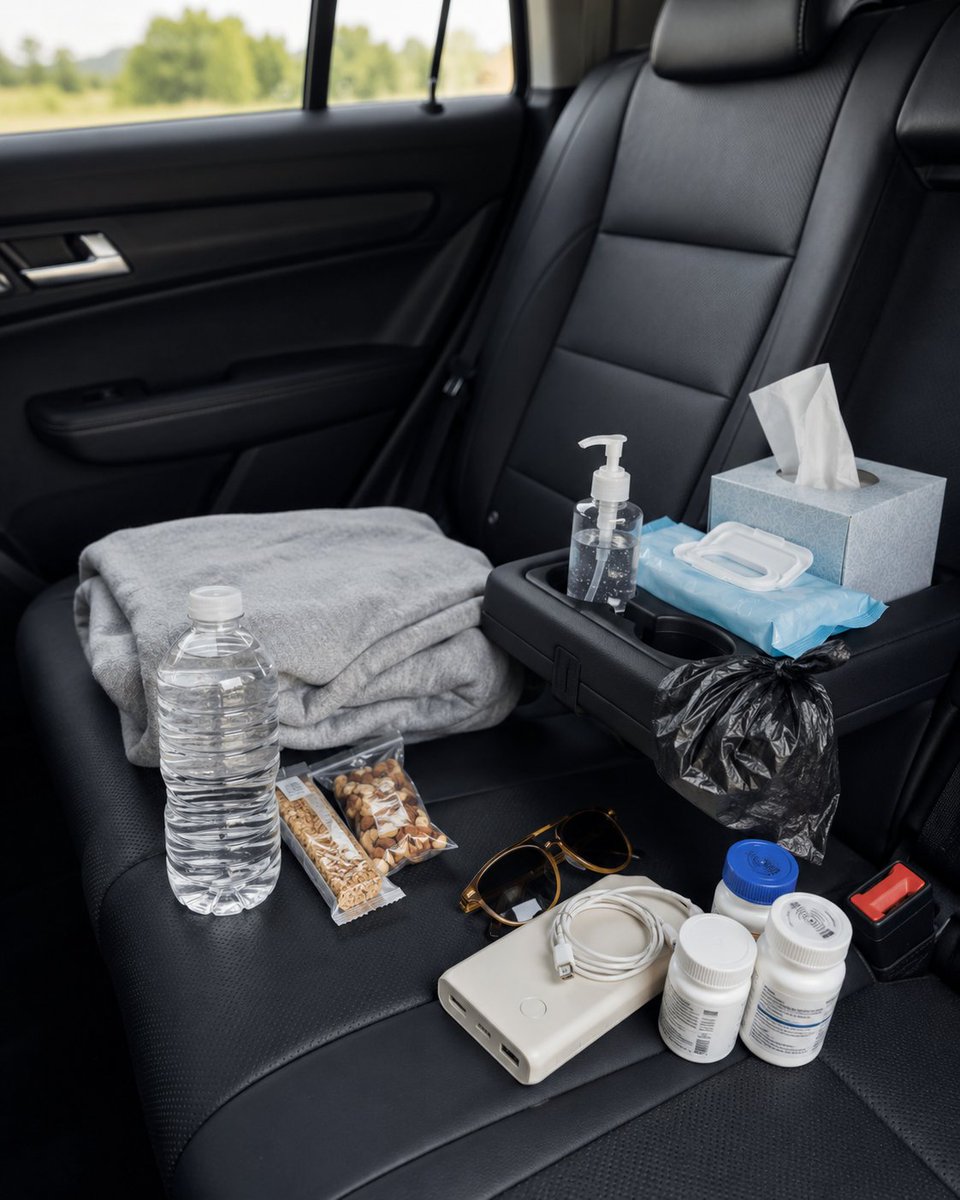
What to keep in the car for long drives (beyond an emergency kit): ✅ Water snacks ✅ Phone charger/power bank ✅ Sunglasses tissues/napkins ✅ Hand sanitizer wet wipes ✅ Trash bag ✅ Basic meds (painkillerr/allergy) ✅ Blanket or hoodie
40
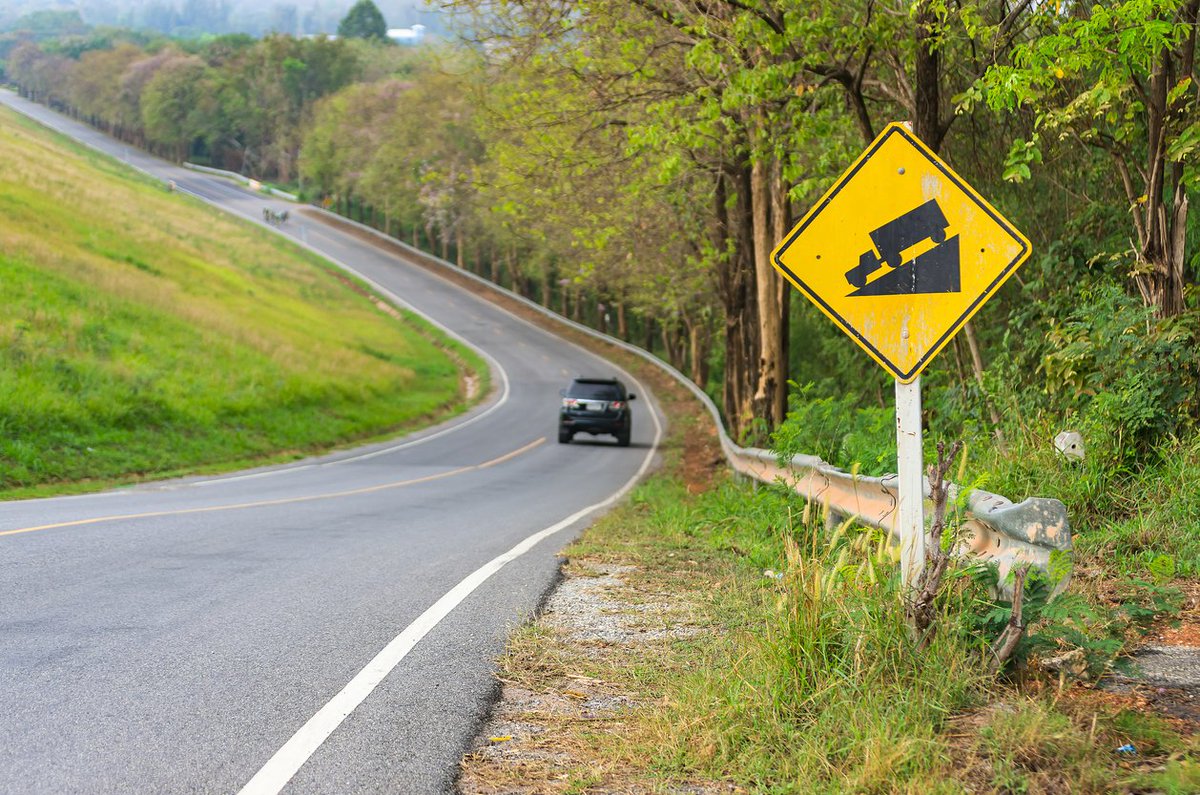
Don’t ride the brakes when driving downhill. It overheats the brakes, reduces stopping power (brake fade), and can warp rotors or glaze pads. Slow down early, use a lower gear for engine braking, and brake in short, firm intervals.
19
Summer battery myth: batteries don’t only die in winter. Heat actually wears them out faster, so the failure shows up later—often on a random hot day. If your battery is 3 years old, a quick test can save you a no-start.
8
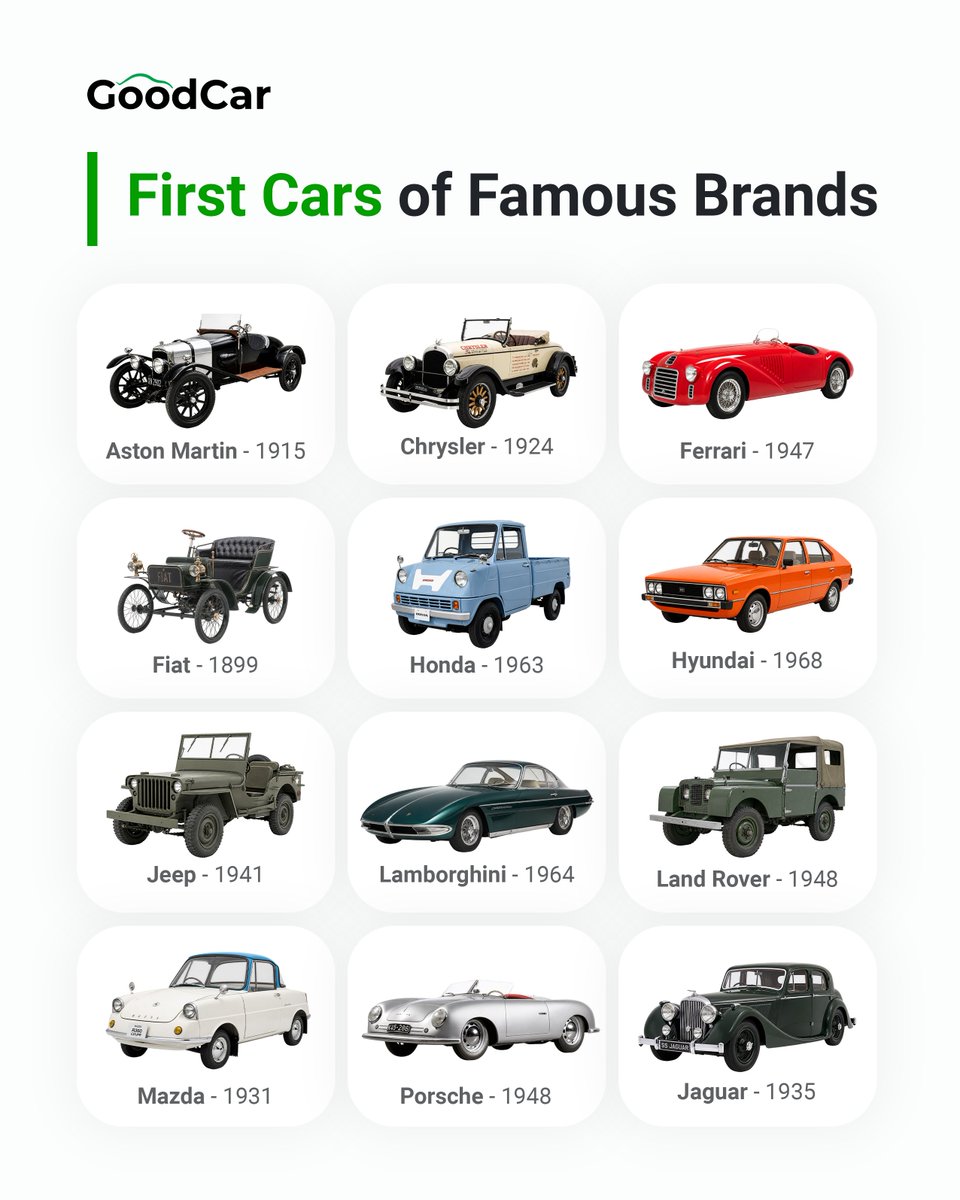
Every legend has a first chapter—here are the first cars from major brands.
4
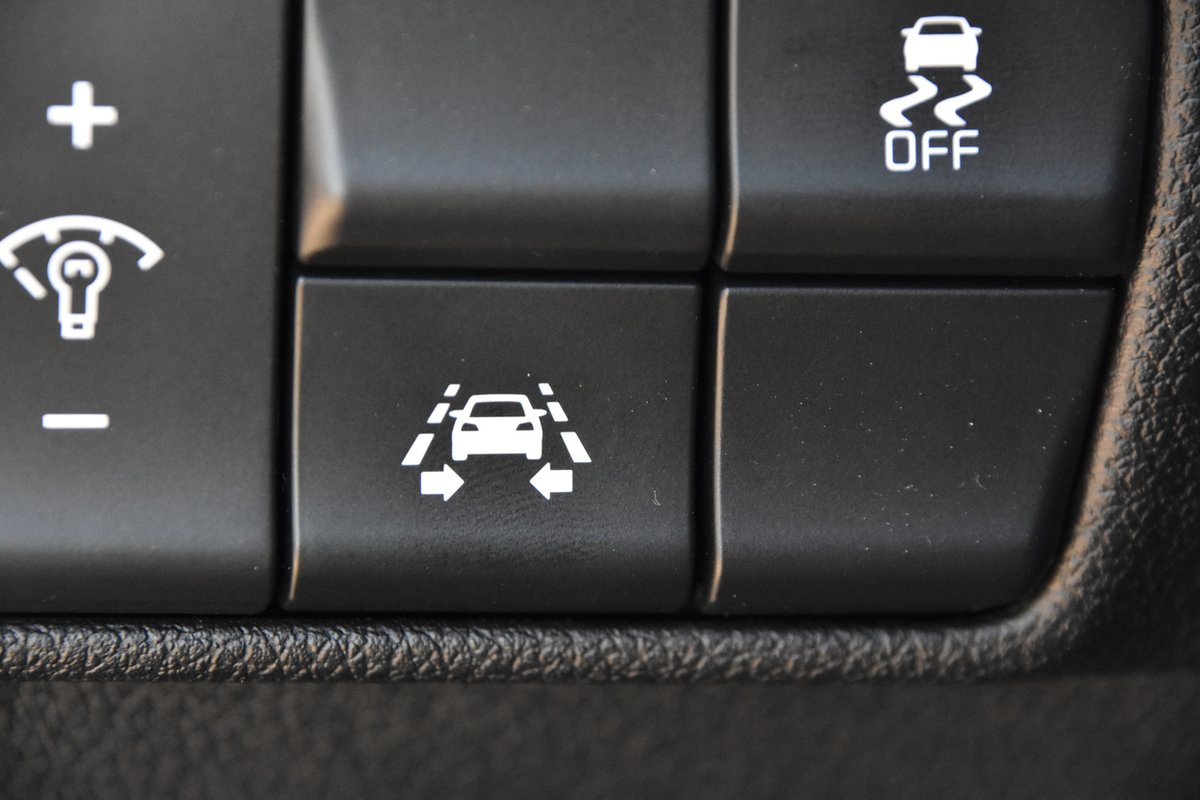
Reminder: lane-keep assist isn’t perfect. It can miss faded lines, struggle in heavy rain or glare, and get confused in construction zones or sharp curves. Treat it like a helper, not autopilot—stay alert and keep your hands on the wheel.
4
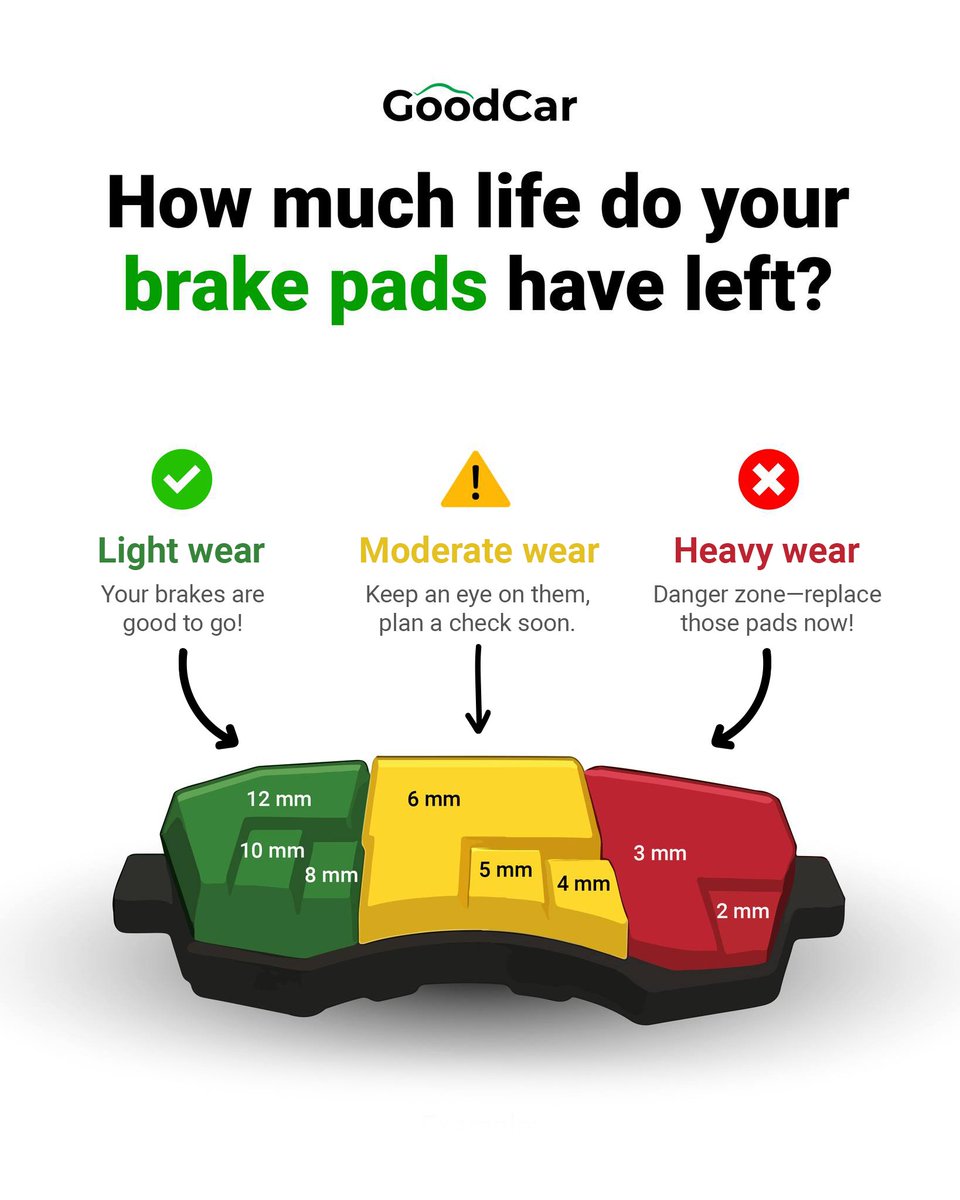
How much life is left in your brake pads? Thickness is the clue. ✅ 8–12 mm: good ⚠️ 4–6 mm: monitor / plan service 🚨 2–3 mm: replace now Safe stops start here.
12