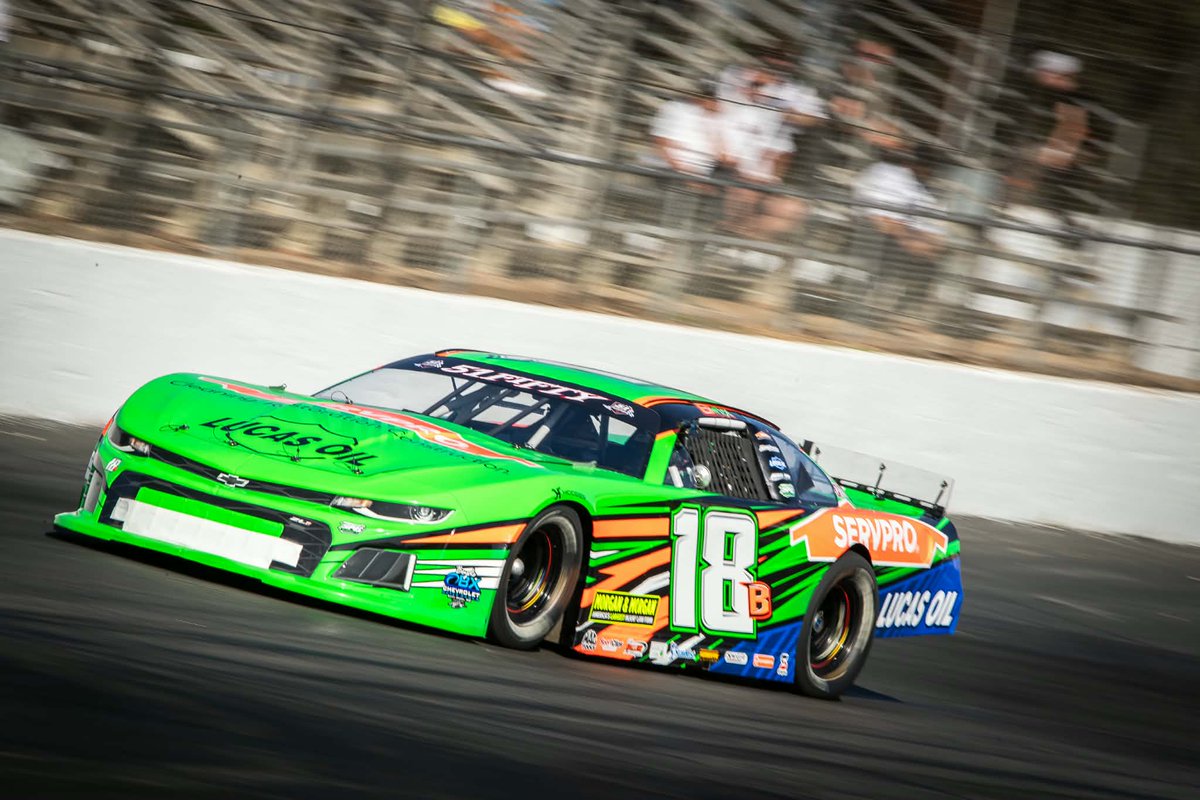
A summer full of 51FIFTY Jr. Late Model and Mission Pro Late Model racing kicks off this Saturday night at Madera Speedway for the third round of 2026! Meet me at Madera for nationally-televised stock car racing at the Madera Fairgrounds. More info at racemadera.com
1
79
Brexton Busch topped qualifying for tonight's 51FIFTY Jr. Late Models, taking on the one-third mile Madera Speedway in a time of 15.153 seconds. Jaxon Burnett and Wyatt Flowers rounded out the top-three. Photo by Joshua Rodriguez
3
2
267


11 Oct 2025
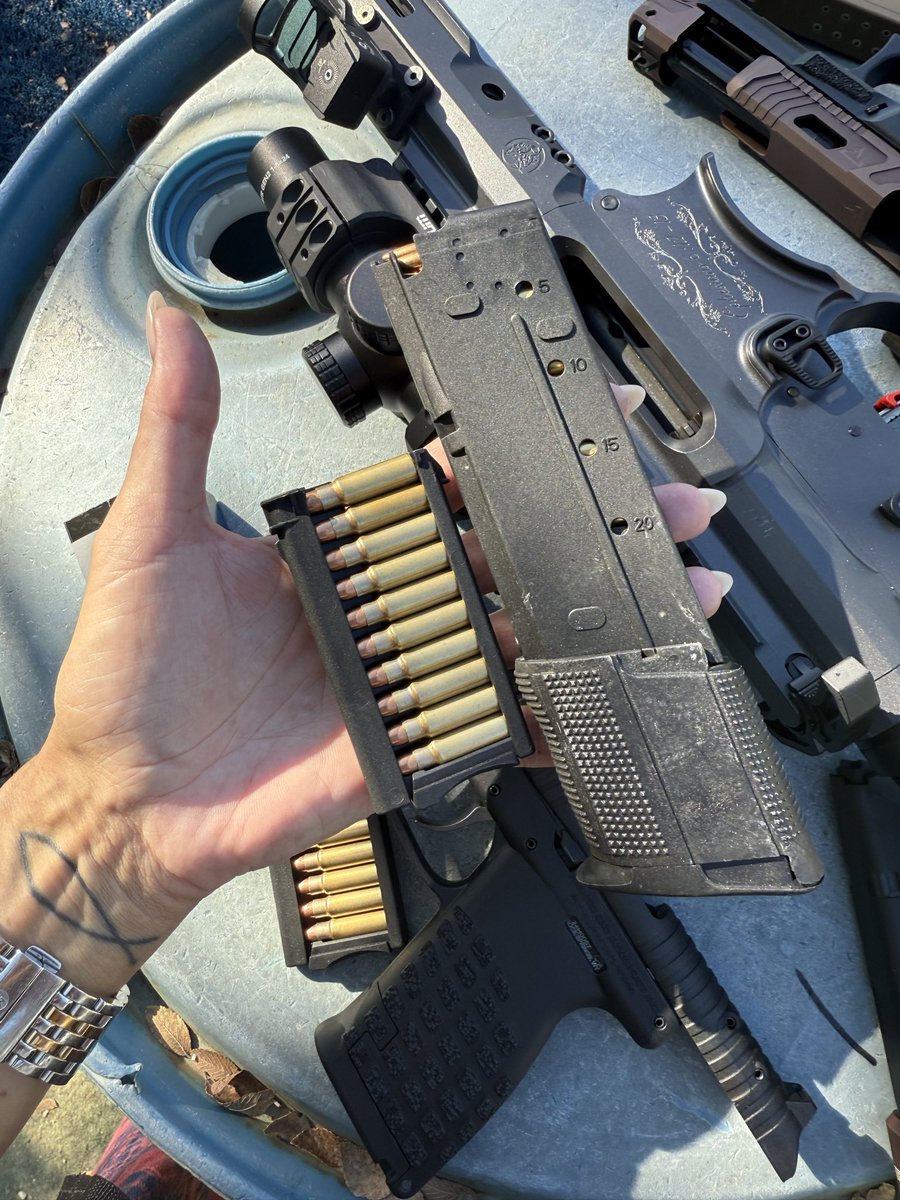
One of the most annoying when folks say clips and they mean magazines. @DLoesch Can you share more on the 51Fifty? Specs? What's "custom" about it to you?
3
51

11 Oct 2025
Difference between clips and mags for the reads-with-pictures crowd. Stripper clip is for my KelTec 5.7 (underneath) which loads from the top and is small enough to conceal. (Also pictured: my sweet custom 51Fifty AR.)
36
19
298
20,662

20 Aug 2025
Yeah, too many people think their "opinion" matters. It just doesn't. There's a lot of ways to look at it, I guess. But much of the debate is ultimately pointless.
If we simply view "mil-spec" as a standard as opposed to a conclusive qualifier, we'll be much better off.
But if I want a better understanding of how the industry utilizes milspec, I'd ask someone like @spikesguides who would actually have some idea.
Moreover, we can also do a little "research". Lol.
Some results I got:
In the context of AR-15s,
"mil-spec" is short for military specifications or standards. It refers to the standards set by the U.S. Department of Defense (DOD) for firearms. These standards ensure the suitability of firearms, like the M16 (the military version of the AR-15), for military use by outlining specific requirements for their components, materials, dimensions, and quality.
Key aspects of mil-spec AR-15s and their components
Standardization and interoperability: Mil-spec standards aim to create uniformity among military equipment, allowing for easier maintenance, repairs, and replacement of parts, reducing downtime and costs for the military.
Quality and durability: Components meeting military specifications are subjected to stringent quality control measures, including material selection, heat treatment, and testing. This leads to the use of strong and durable materials, such as 7075-T6 aluminum alloy for receivers and buffer tubes. Mil-spec barrels, for instance, are made from 4150 Chrome Moly Vanadium (CMV) steel and often feature a chrome lining for enhanced durability and corrosion resistance.
Performance: Mil-spec standards are designed to ensure consistent and reliable performance, meeting or exceeding accuracy and functionality requirements.
Compatibility: Mil-spec components are designed to be compatible and interchangeable with other parts meeting the same standards. This is particularly important for buffer tubes and stocks, where mil-spec and commercial-spec parts are not interchangeable due to diameter differences.
Important considerations
Civilian AR-15s are not technically mil-spec: A fully mil-spec AR-15 would be fully automatic, which is illegal for civilians.
"Mil-spec" can be used loosely: In the civilian market, the term "mil-spec" is often used to refer to parts and accessories manufactured to the same tolerances, materials, and dimensions as those required by the military. However, this doesn't automatically mean they are of military-issued quality or reliability, as there can be variations in materials or manufacturing processes.
Not always "best": Mil-spec represents a baseline of quality and performance, but some commercial components may surpass these standards in certain areas, such as improved accuracy or lighter weight, according to 51Fifty Rifles. For instance, stainless steel barrels often provide better accuracy than chrome-lined mil-spec barrels but may require more maintenance.
It's about knowing the details: When considering "mil-spec" parts, it's crucial to look beyond the label and understand the specific dimensions, materials, and quality control standards applied to the part, says Wing Tactical.
1
2
14
20 Aug 2025
Too many people think replying with their "opinion" means fuck all. It does not.
Doesn't hurt to actually try to fact find and THEN reply:
In the context of AR-15s,
"mil-spec" is short for military specifications or standards. It refers to the standards set by the U.S. Department of Defense (DOD) for firearms. These standards ensure the suitability of firearms, like the M16 (the military version of the AR-15), for military use by outlining specific requirements for their components, materials, dimensions, and quality.
Key aspects of mil-spec AR-15s and their components
Standardization and interoperability: Mil-spec standards aim to create uniformity among military equipment, allowing for easier maintenance, repairs, and replacement of parts, reducing downtime and costs for the military.
Quality and durability: Components meeting military specifications are subjected to stringent quality control measures, including material selection, heat treatment, and testing. This leads to the use of strong and durable materials, such as 7075-T6 aluminum alloy for receivers and buffer tubes. Mil-spec barrels, for instance, are made from 4150 Chrome Moly Vanadium (CMV) steel and often feature a chrome lining for enhanced durability and corrosion resistance.
Performance: Mil-spec standards are designed to ensure consistent and reliable performance, meeting or exceeding accuracy and functionality requirements.
Compatibility: Mil-spec components are designed to be compatible and interchangeable with other parts meeting the same standards. This is particularly important for buffer tubes and stocks, where mil-spec and commercial-spec parts are not interchangeable due to diameter differences.
Important considerations
Civilian AR-15s are not technically mil-spec: A fully mil-spec AR-15 would be fully automatic, which is illegal for civilians.
"Mil-spec" can be used loosely: In the civilian market, the term "mil-spec" is often used to refer to parts and accessories manufactured to the same tolerances, materials, and dimensions as those required by the military. However, this doesn't automatically mean they are of military-issued quality or reliability, as there can be variations in materials or manufacturing processes.
Not always "best": Mil-spec represents a baseline of quality and performance, but some commercial components may surpass these standards in certain areas, such as improved accuracy or lighter weight, according to 51Fifty Rifles. For instance, stainless steel barrels often provide better accuracy than chrome-lined mil-spec barrels but may require more maintenance.
It's about knowing the details: When considering "mil-spec" parts, it's crucial to look beyond the label and understand the specific dimensions, materials, and quality control standards applied to the part, says Wing Tactical.
2
53

18 Aug 2025
You’re a busy guy. Wish I could be at the event because those who fought at Benghazi are the most fierce, courageous warriors in recent history. I’ll be in California at an event on September 5 & 6 or I’d be there just to shake there hand.
2
16

18 Aug 2025
I'm actually at a different range event the next week
1
2
18

18 Aug 2025
Benghazi Range Day is back!
Join us September 5th & 6th at @51fifty for an unforgettable Warrior Weekend.
🔹 Led by Benghazi heroes @tigtiegen & @db_boon
🔹 Sponsored by @51fifty
🔹 Supporting the @warrior_shield_foundation & @cpl_chado_foundation
Warrior Weekend 2025 – Orlando, FL | Sept 5–6
Gear up for an action-packed fundraising weekend supporting veterans’ mental health hosted by the Warrior Shield Foundation and Cpl. Chad Eric Oligschlaeger Foundation.
What to Expect:
•Hero Fest Concert – Start with live music and patriotic vibes
•Hero Ride – An escorted motorcycle ride to honor our heroes
•Range Experience (additional fee) – Hone your marksmanship skills
•Hero Gala – Celebrate, network, and give back
(Bonus Day!) Airboat Gator Hunt (additional fee) – An unforgettable finale
Venue: Rosen Centre Hotel, Orlando, FL — All activities are hosted here except the Range Experience .
Secure your spot today and help make a difference:
Get Tickets ➡ [one.bidpal.net/ptsd/ticketin…]
This is your chance to train, connect, and honor the Warrior spirit while giving back to those who’ve sacrificed for our freedoms.
🎟️ Tickets are limited
1
30
110
3,614

20 Jul 2025
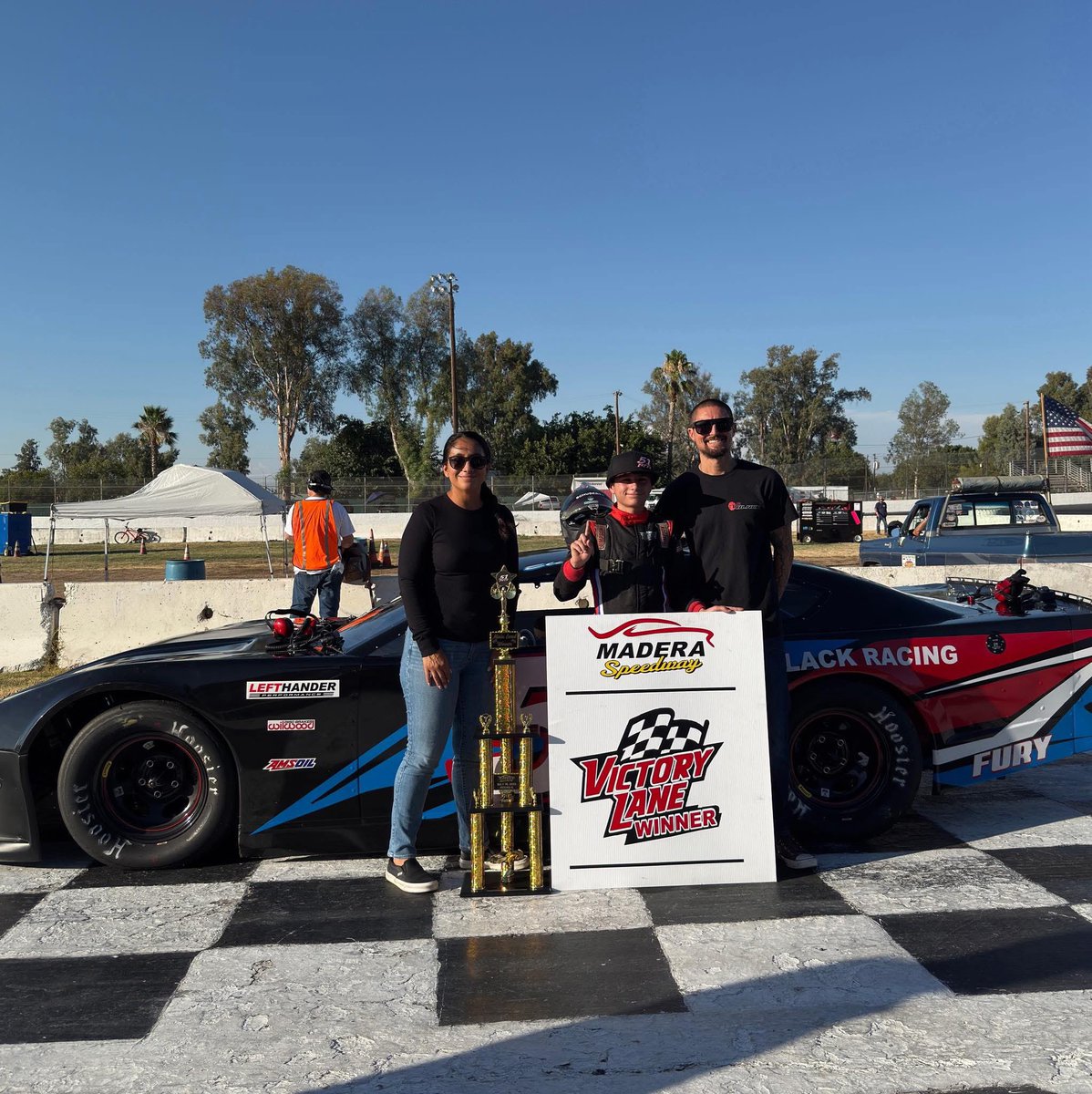
Team Hornaday Development’s Eli Black got the job done tonight and parked it in Victory Lane at Madera Speedway!
This marks the 12-year-old driver’s 2nd-career 51FIFTY Jr. Late Model Victory!
To follow his page: facebook.com/share/16f8Cg8N3…
#TeamHornaday | @SimpsonRacing
1
1
3
309
5 Jul 2025
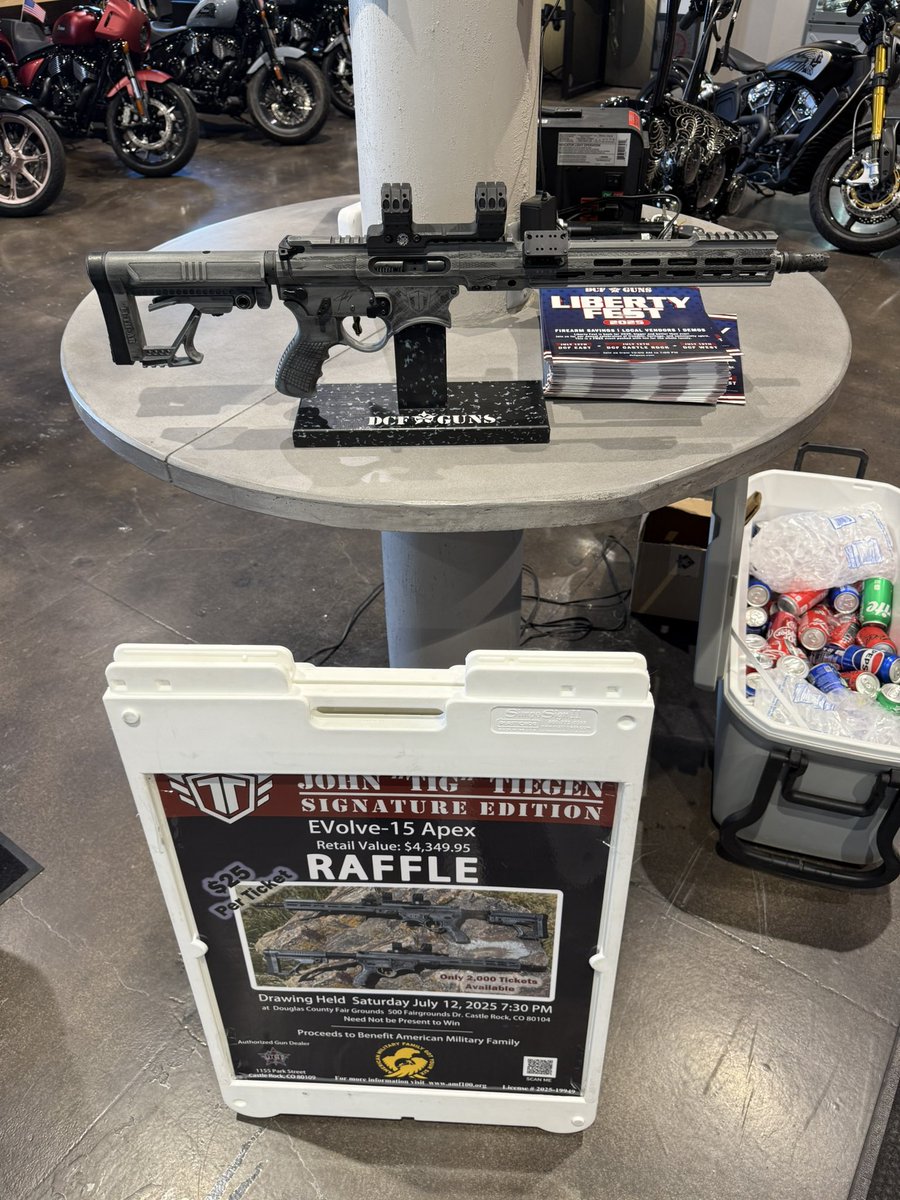
SUPPORT AMERICA’S HEROES & WIN BIG!
This is more than a raffle it’s a lifeline for our veterans and first responders. By purchasing a $25 raffle ticket, you get a chance to win amazing prizes and help American Military Family (#AMFGY6) continue their vital work in veteran/first-responder suicide prevention and crisis support
🎖️ $25 = A Lifeline for Heroes 🇺🇸
Support veteran suicide prevention through American Military Family—buy a raffle ticket today and stand with our warriors.
💥 I’ll be at @pikespeakindian until 2PM TODAY with the raffle rifle on display. Come check it out in person!
🎟️ $25 per ticket. Big prizes. Bigger purpose.
👉 americanmilitaryfamily.org
Thanks too
@dcf_guns @51fifty for donating the rifle
#SupportOurHeroes #VeteranStrong #AMFGY6 #RaffleForACause #PikesPeak #StandWithWarriors

2
3
16
1,116

16 Jun 2025
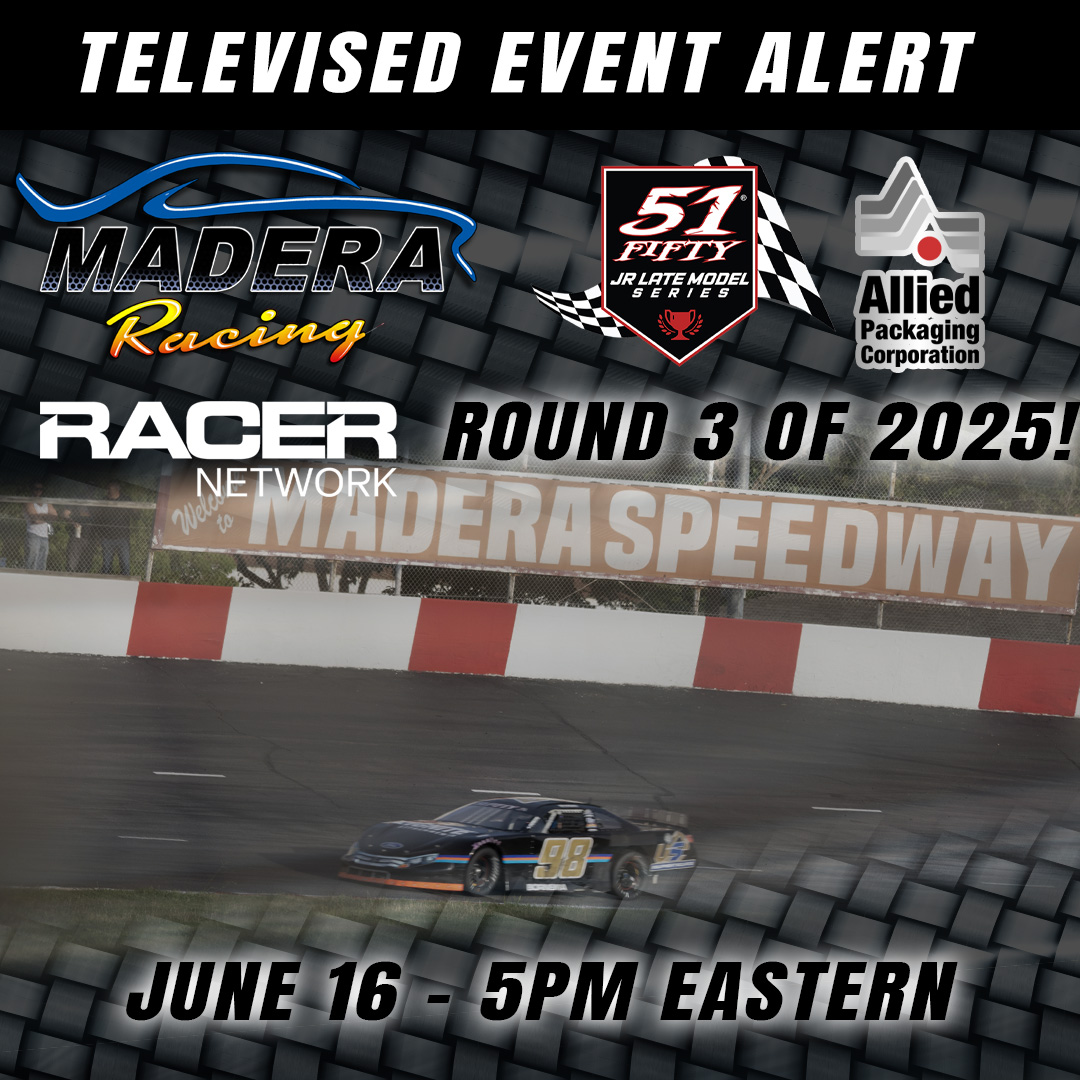
TUNE IN ALERT - Check out round three of the 2025 51FIFTY Jr. Late Model Series powered by Allied Packaging today on @RACER_Network ! Coverage airs at 5pm Eastern
1
2
102

23 May 2025
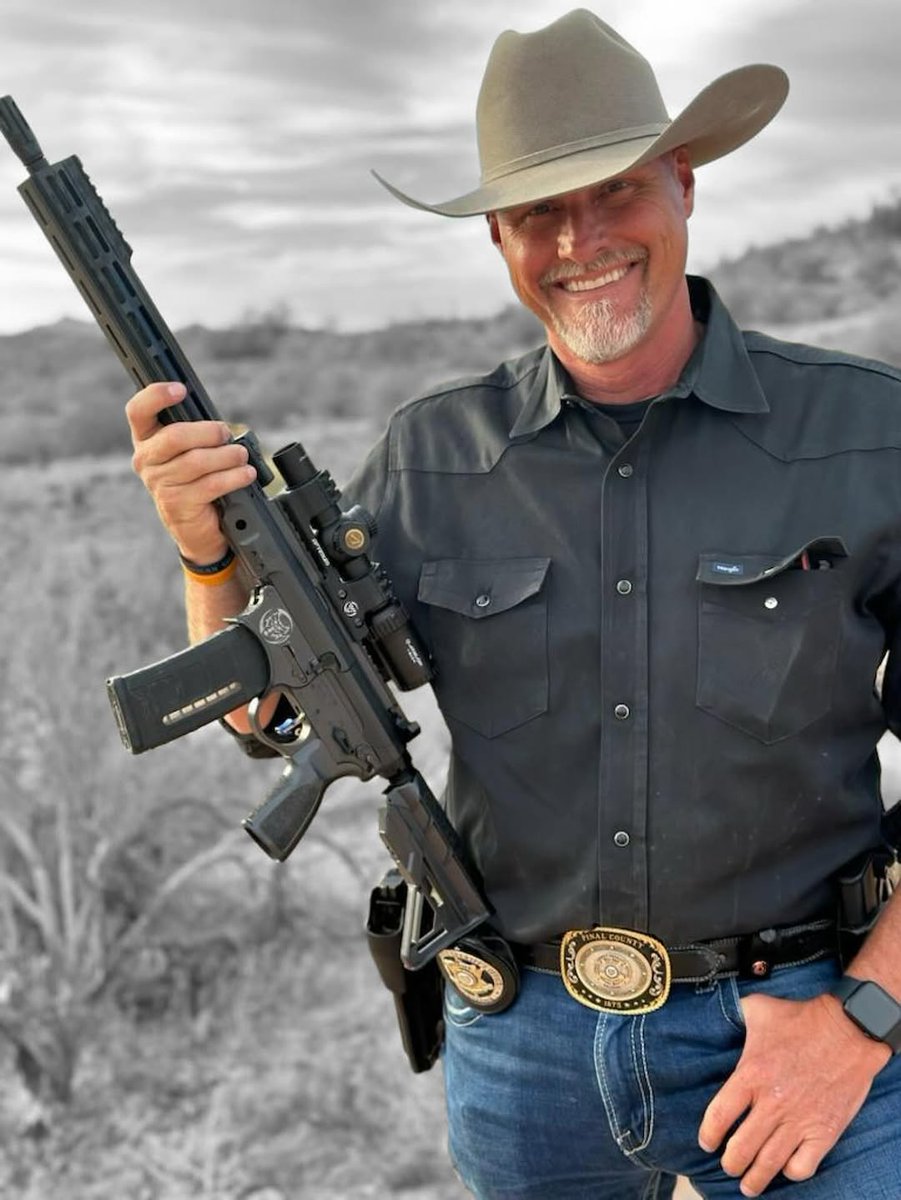
Own a One-of-a-Kind @51Fifty_USA — and Change a Veteran’s Life
We’re raffling off a custom #51fifty for just $25 a ticket — and only 2,000 tickets will be sold.
Why? Because $50,000 is all it takes to send one veteran suffering from traumatic brain injury (TBI) to receive life-changing treatment — or to send two veterans through hyperbaric therapy.
It’s not nearly enough for all who need it, but for one or two warriors, it means everything.
Every ticket helps. Every dollar matters.
This Memorial Day weekend, remember: Freedom isn’t free — for some, it’s become their personal hell.
Be the difference. Help them heal.
americanmilitaryfamily.org/r…
@amfgy6 #veteransuicideawareness #veteran #help #awareness
3
9
21
1,368

4 Apr 2025
Kickin off🏆weekend @photofinishgame. Our line-up LFG!!
Millésime🍾 -LD Kentucky Oaks 10F
51FIFTY -LD Juve Lucky Dash S 6F
Inhumanity -LD Juve Lucky Dash A 10F
Puledro Veloce -LD Juve Lucky Dash A 6F
Lace -RD Juve Royal Dynasty A 10F
Vespa Venice -RD Juve Royal Dynasty A 10F
10
190
20 Mar 2025
This Saturday night March 22nd is the 2025 season opener for Madera Speedway with the $5,000 to win Madera SpeedFest 100! See the opening night for @MAVTV televised Mission Pro Late Models and 51FIFTY Jr. Late Models. More info at RaceMadera.com
3
158

14 Mar 2025
Victory Junction, a NASCAR-themed youth camp facility founded by Kyle Petty and his family in honor of his son Adam, is the 2025 Knockin’ Doorz Down Philanthropist of the Year presented by 51FIFTY.
bit.ly/41IxkAk
2
71