
The only “body part” I can think of as viable would be the pituitary gland from the brain. Drug companies coveted it. Drug companies historically used animal and human pituitary glands to extract Human Growth Hormone (HGH) and ACTH to treat growth disorders,hormonal deficiencies.
17


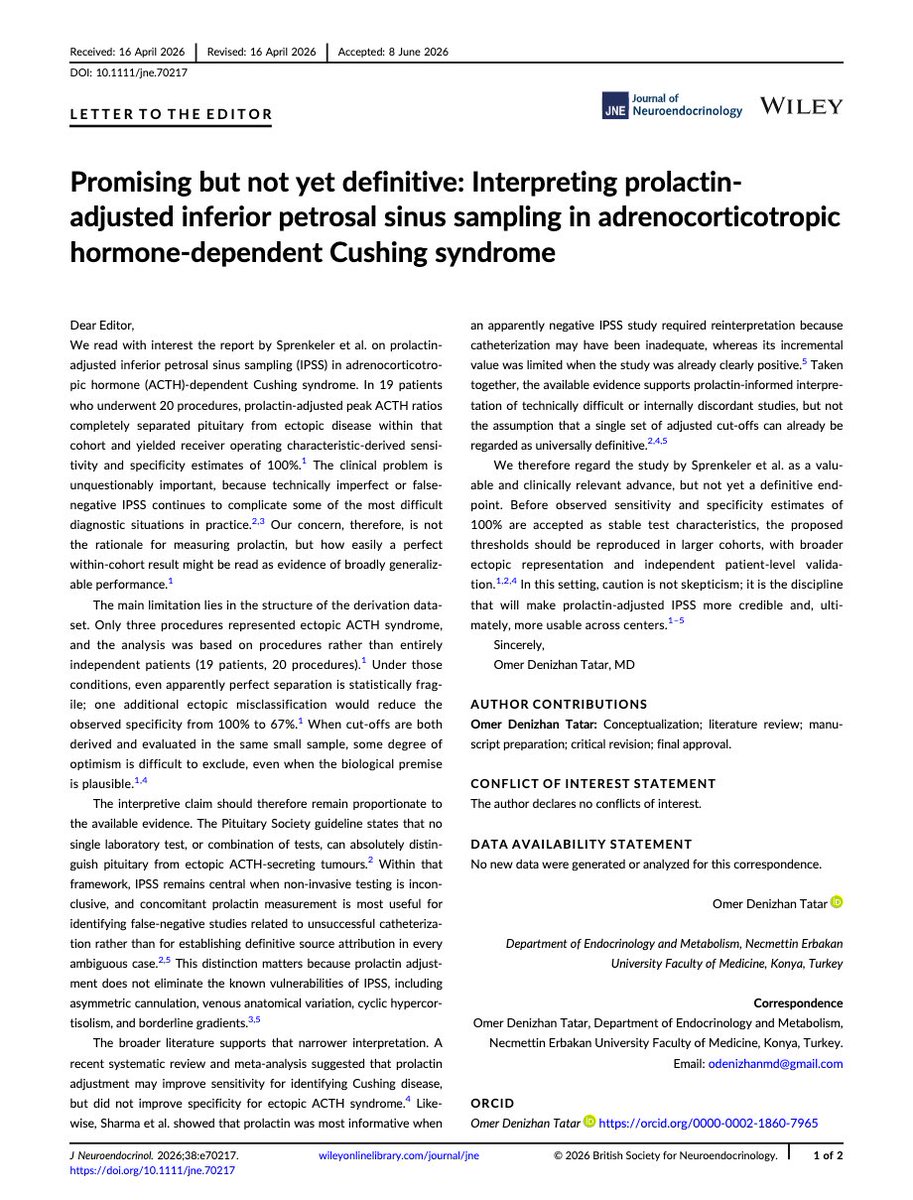
Glad to share that my Letter to the Editor has been published in Journal of Neuroendocrinology (Q1). ✍️📚✨
The letter discusses the interpretation of prolactin-adjusted inferior petrosal sinus sampling in ACTH-dependent Cushing syndrome.
doi.org/10.1111/jne.70217
3
334

Mohammad Aleidi retweeted

Jun 15
Q//The most common cause of Cushing syndrome overall is?
A. Pituitary adenoma
B. Adrenal adenoma
C. Ectopic ACTH secretion
D. Exogenous glucocorticoid use
5
3
17
1,343

子を産んでから信じられないくらい虚弱になってさすがにおかしいと思いここ1年で調べ尽くした結果、内分泌科に辿り着き、わざわざ調べないとわからないACTHとコルチゾールの値を調べて副腎不全にたどり着いた コルチゾール(コートリル)を服用したら途端に元気になってビビった…
23 Nov 2025

「学校と会社に行くことを第一にしたせいで他がおざなりになっている。行きたかった学校、やりたかった仕事を諦め、定時で帰れて休みが120日以上ある職場を最優先に就活した。それでも職場で人間関係を築く元気はなく、友人関係は細くなり、恋愛する気力もなく、外見の手入れもままならない」
38
2,007
19,648
3,236,517

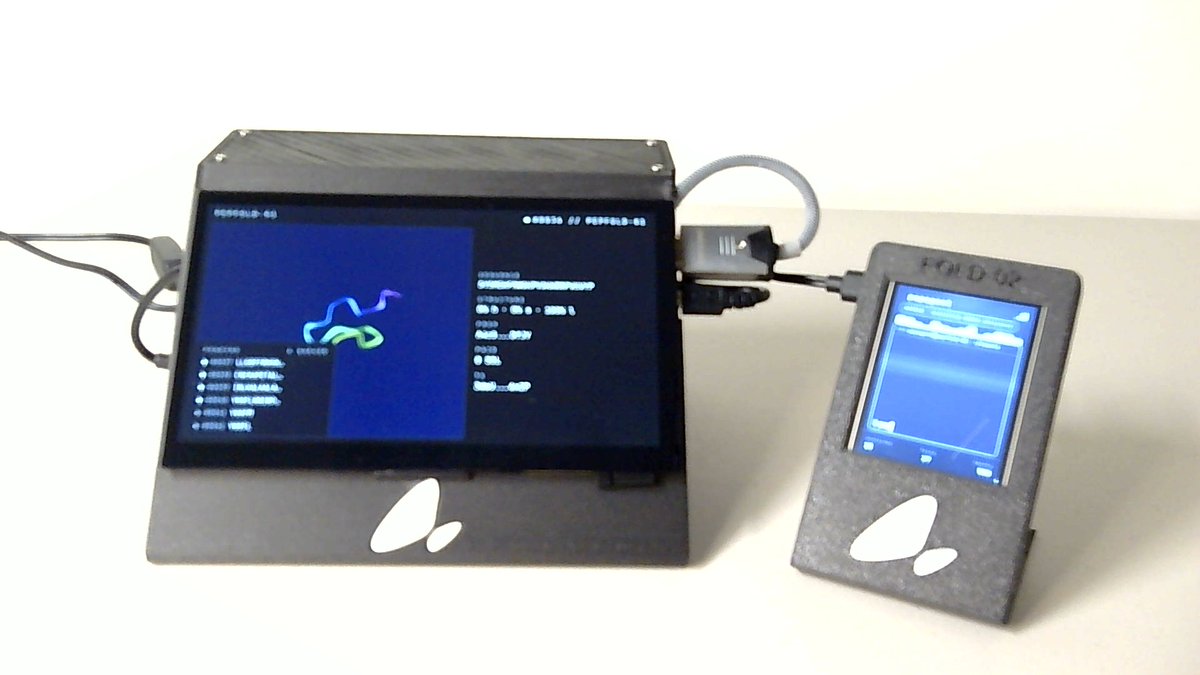
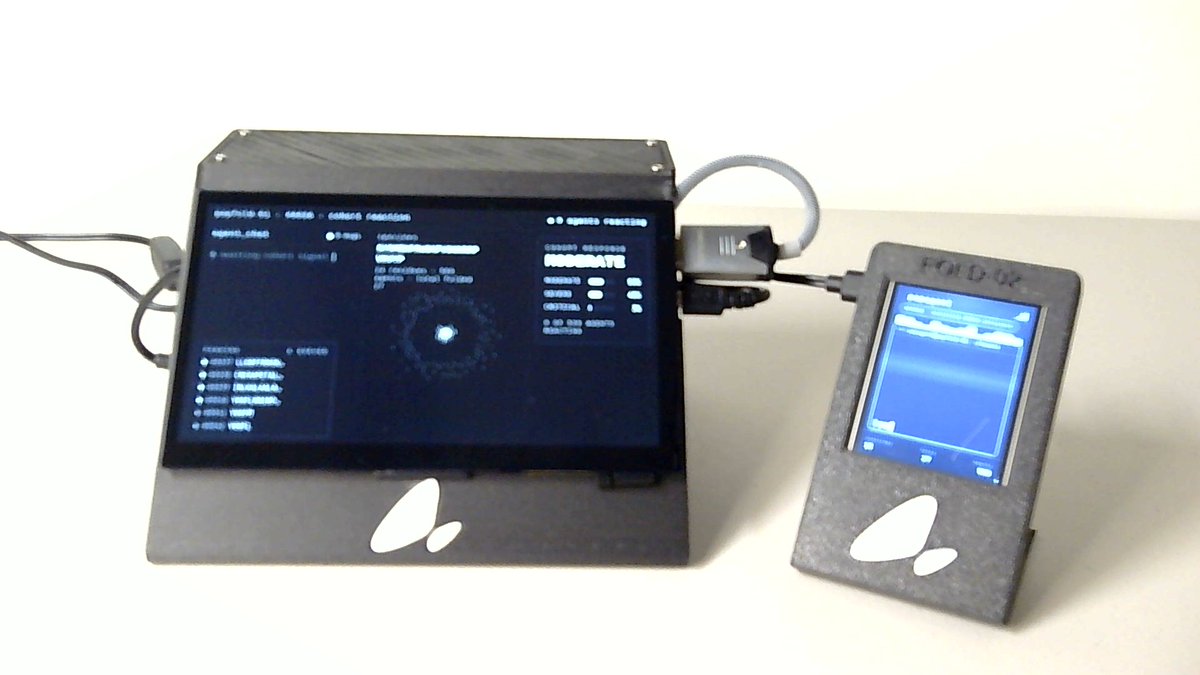
SPECIMEN #0036 // PEPFOLD-01
all loop, no structure, just vibes. heavy on lysines and arginines though, very positively charged, the kind of sequence that binds dna or rna without asking permission. looks like an acth fragment honestly.
SEQ: SYSMEHFRWGKPVGKKRRPVKVYP
FROM: A4cS...DfJY
PAID: 0 SOL
SCAN: pepfold.sh/scan/specimen/36
TX: solscan.io/tx/3daU6kfYpTRCbB…
5

Jun 15
続き:
恐怖や不安などの強いストレスを受けた際に脳の下垂体から分泌されるホルモンACTH。この分泌が過剰になると、副腎皮質から「コルチゾール」というストレスホルモンが大量に放出され、動悸や不眠、精神的な不安定感を引き起こす原因となります。 #ウェキ2
4
43
Jun 15
昨日の続きですね。三枚おろし
参考:ACTH(副腎皮質刺激ホルモン)
脳の下垂体から分泌されるホルモン。
副腎を刺激してコルチゾールなどのホルモン分泌を促す役割を持ちます。ストレスや体内のホルモンバランスに応じて分泌量が厳密に調節されています。
#ウェキ2
4
45

Jun 15
Peptides are all the rage right now and semax is one of my favorite. It is a synthetic peptide developed is Russia that is derived from ACTH fragments.
In studies, semax influences BDNF, NGF, dopamine, attention, and memory making it one of the widest reaching nootropics.
We've already seen why upregulating BDNF and NGF is good for learning from lions mane so for this one we'll focus on the other systems.
1
10

✅هذا المريض عنده على الأغلب Cushing's Disease وهو تحديداً ورم في الـ pituitary gland يسمى pituitary adenoma يفرز ACTH بشكل زايد وغير منضبط، وعشان تفهم الموضوع صح لازم تعرف كيف يشتغل الـ dexamethasone suppression test:
الـ dexamethasone أصلاً هو كورتيزون صناعي لما تعطيه للشخص الطبيعي جسمه يحس فيه ويقول "في كورتيزول كافي" فيوقف الـ hypothalamus والـ pituitary عن إفراز CRH وACTH وبالتالي ينزل الكورتيزول، هذا هو مبدأ الـ negative feedback.
🔷الحين لما تعطي الـ low-dose dexamethasone وهو 0.5mg كل 6 ساعات لمدة يومين، الشخص الطبيعي ينزل عنده الكورتيزول بس أي سبب لـ Cushing's سواء كان pituitary أو adrenal أو ectopic ما ينزل، يعني الـ low dose يفرق بين الشخص الطبيعي ومريض Cushing's بس ما يفرق بين أسباب الـ Cushing's نفسها.
🔷هنا يجي دور الـ high-dose dexamethasone وهو 2mg كل 6 ساعات لمدة يومين:
🔺لو الكورتيزول نزل أكثر من 50% معناه الـ pituitary adenoma هو السبب لأن خلايا الـ pituitary المريضة فيها receptors لسا تستجيب للـ dexamethasone بس تحتاج جرعة أعلى عشان تنكبح.
🔺أما لو ما نزل مع الـ high dose ف هنا عندك احتمالين:
- إما ورم في الـ adrenal gland نفسه وهذا مستقل كلياً عن الـ ACTH ما يسمعه ولا يكترث فيه (ال ACTH هنا يكون نازل).
- او إما ectopic ACTH syndrome مثل ورم في الرئة Small Cell Carcinoma وهذي الأورام وقحة ما تستجيب لأي جرعة من الـ dexamethasone (ال ACTH هنا يكون مرتفع).
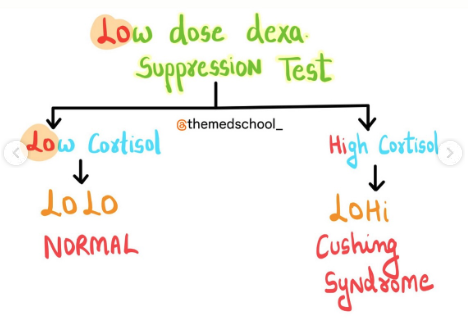
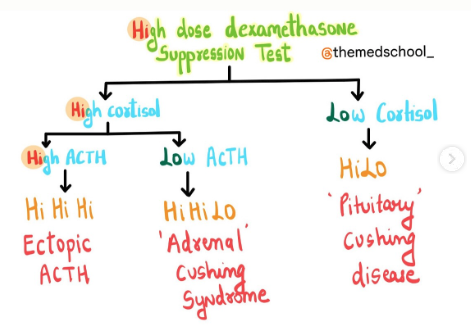

🚨🚨🚨مريض عنده ارتفاع في هرمون الكورتيزول ينزل فقط مع high-dose dexamethasone.
⁉️ايش التشخيص المحتمل؟
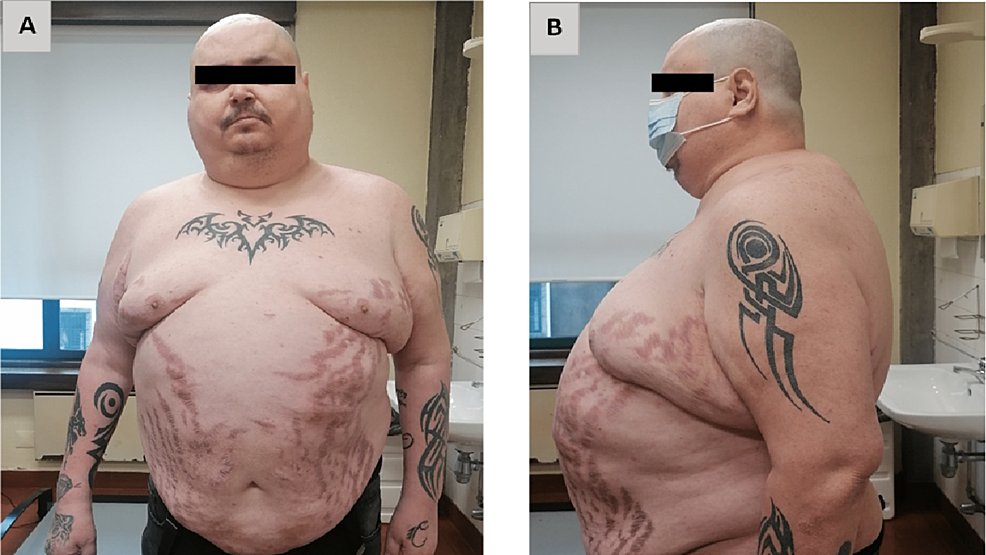
ALT Benido Silva V, Cardoso J, Esteves Brandão M, et al. (January 30, 2023) Iatrogenic Cushing’s Syndrome: The Result of Cobicistat and Glucocorticoid Interaction in an HIV Patient After Bariatric Surgery. Cureus 15(1): e34367. doi:10.7759/cureus.34367
5
31
2,584
Peptide Base retweeted

Jun 15
Nootropics research looks at the same 5 compounds.
Meanwhile in peptide literature:
→ Semax: BDNF upregulation, ACTH analog
→ Selank: anxiolytic, enkephalin-sparing
→ Dihexa: HGF/c-Met agonist, synaptogenic
Different targets. Different data quality. Not interchangeable.
3
1
11
1,033

Jun 15
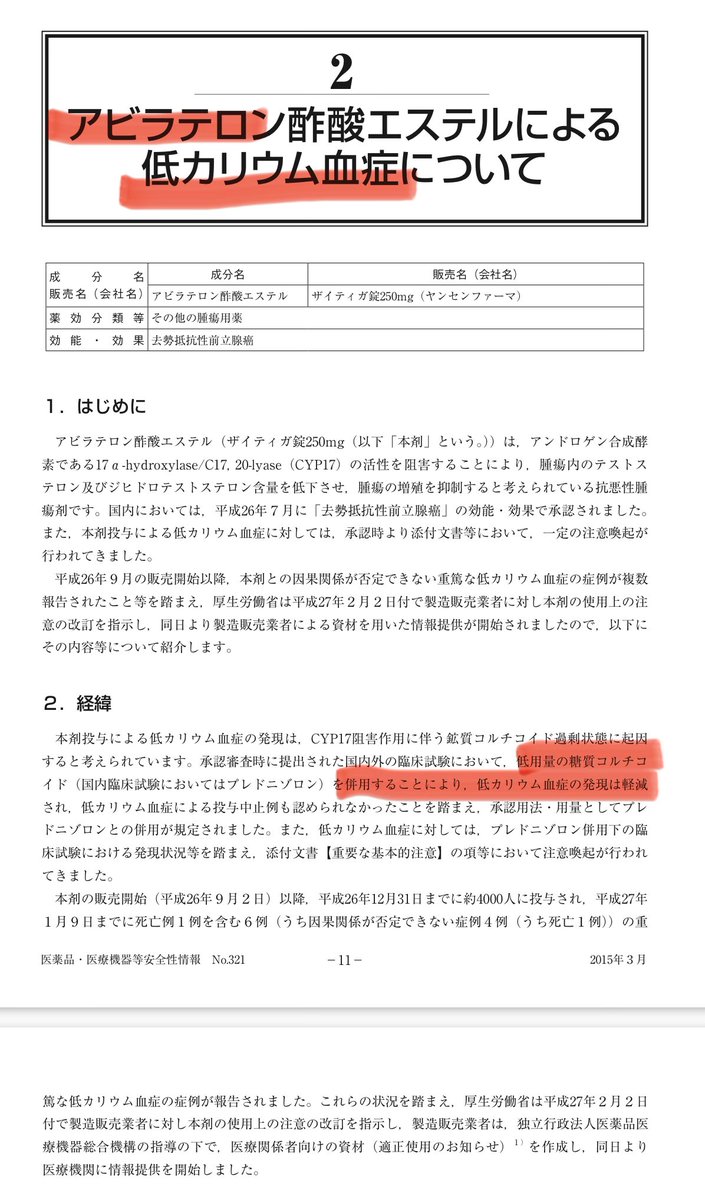
ザイティガは、アンドロゲン(男性ホルモン)の合成に関連する酵素CYP17を阻害することで、前立腺がんの増殖を抑える薬です。
CYP17を阻害するとコルチゾールの生成も抑制されるため、フィードバック機構による副腎皮質刺激ホルモン(ACTH)の分泌上昇が起こり、鉱質コルチコイドの過剰産生を招きます。
その結果、高血圧、低カリウム血症、浮腫などがあらわれることがあります。
Jun 1

アビラテロン ザイティガ®︎
プレドニゾロン併用で低カリウム血症予防
mhlw.go.jp/www1/kinkyu/iyaku…
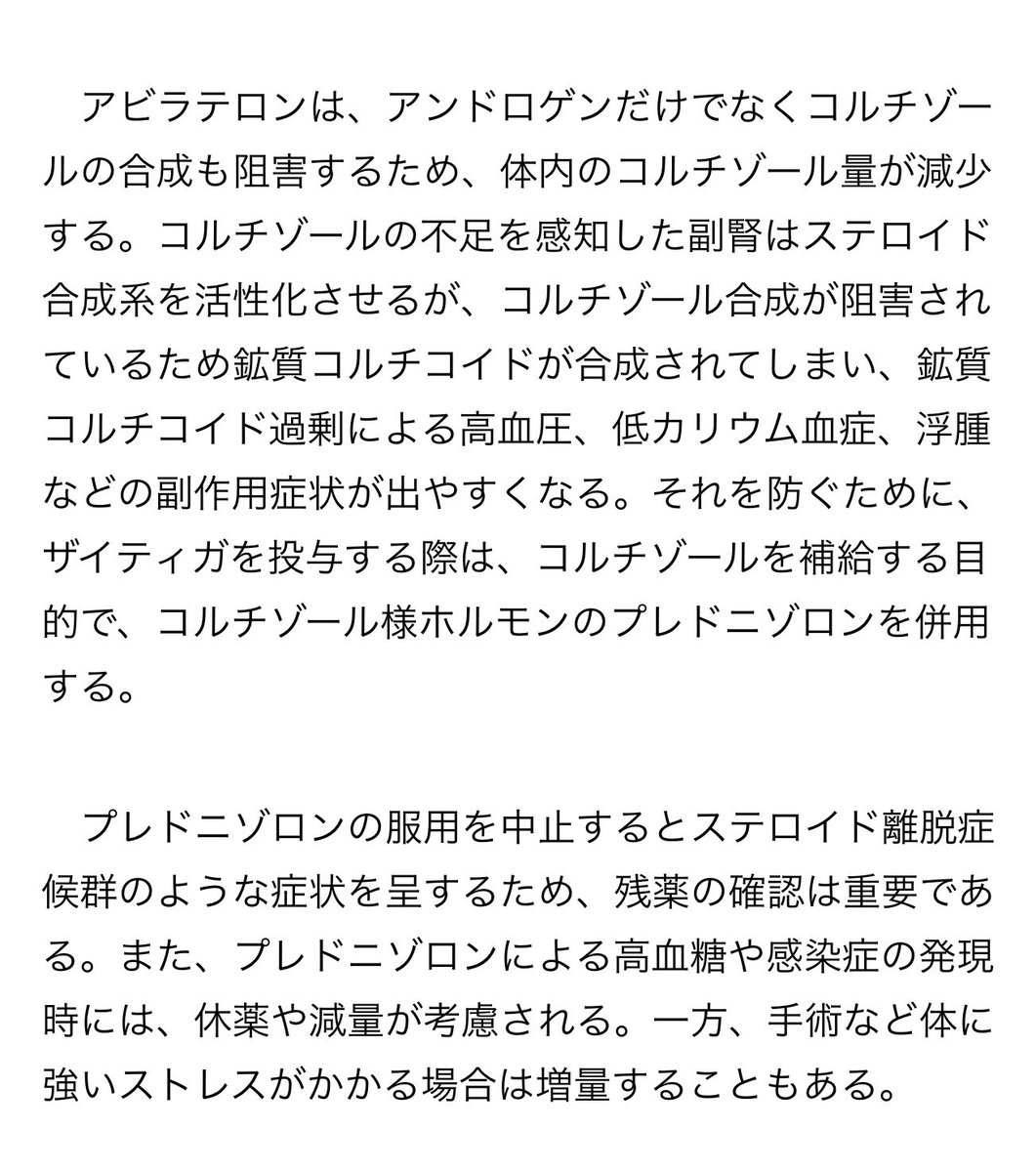
アビラテロンは、アンドロゲンだけでなくコルチゾールの合成も阻害するため、体内のコルチゾール量が減少する。
コルチゾールの不足を感知した副腎はステロイド合成系を活性化させるが、コルチゾール合成が阻害されているため鉱質コルチコイドが合成されてしまい、鉱質コルチコイド過剰による高血圧、低カリウム血症、浮腫などの副作用症状が出やすくなる。
それを防ぐために、ザイティガを投与する際は、コルチゾールを補給する目的で、コルチゾール様ホルモンのプレドニゾロンを併用する。
medical.nikkeibp.co.jp/leaf/…
1
14
2,483

From #ENDO2026: The prevalence of ACTH-independent hypercortisolism appears to parallel the burden of cardiometabolic risk features, with the highest rates observed among patients with #T2D and #obesity.
endocrinologyadvisor.com/rep…
1
27

Jun 15
The physiology of rushing and why it elevate cortisol :
Especially in the morning, beginning the day in a state of haste immediately activates the body’s stress response. When the brain perceives urgency, pressure, or the need to react rapidly, structures involved in stress regulation stimulate the hypothalamic-pituitary-adrenal (HPA) axis, the principal neuroendocrine system responsible for cortisol secretion.
This sequence involves:
activation of the hypothalamus;
release of corticotropin-releasing hormone (CRH);
stimulation of the pituitary gland;
secretion of adrenocorticotropic hormone (ACTH);
release of cortisol by the adrenal glands.
From an evolutionary perspective, this system evolved to protect us from acute dangers. However, the body does not distinguish particularly well between escaping a predator and trying to answer emails, skip breakfast, drive through traffic, and continuously check the clock. Urgency itself becomes the stressor.
Rushing is not merely a psychological state. It affects the entire organism.
When people are in a hurry, they tend to:
breathe more rapidly and superficially;
maintain increased muscular tension;
activate the sympathetic nervous system;
make abrupt and inefficient movements;
become mentally agitated and emotionally reactive;
reduce their capacity for clear and rational thinking.
In essence, the body enters a mild but persistent fight-or-flight state.
Repeated episodes of urgency throughout the day continually stimulate the HPA axis, preventing cortisol from following its natural circadian decline. Although cortisol is supposed to peak in the morning and gradually decrease toward the evening, chronic rushing repeatedly signals to the brain that vigilance is still required.
1
19

Jun 15
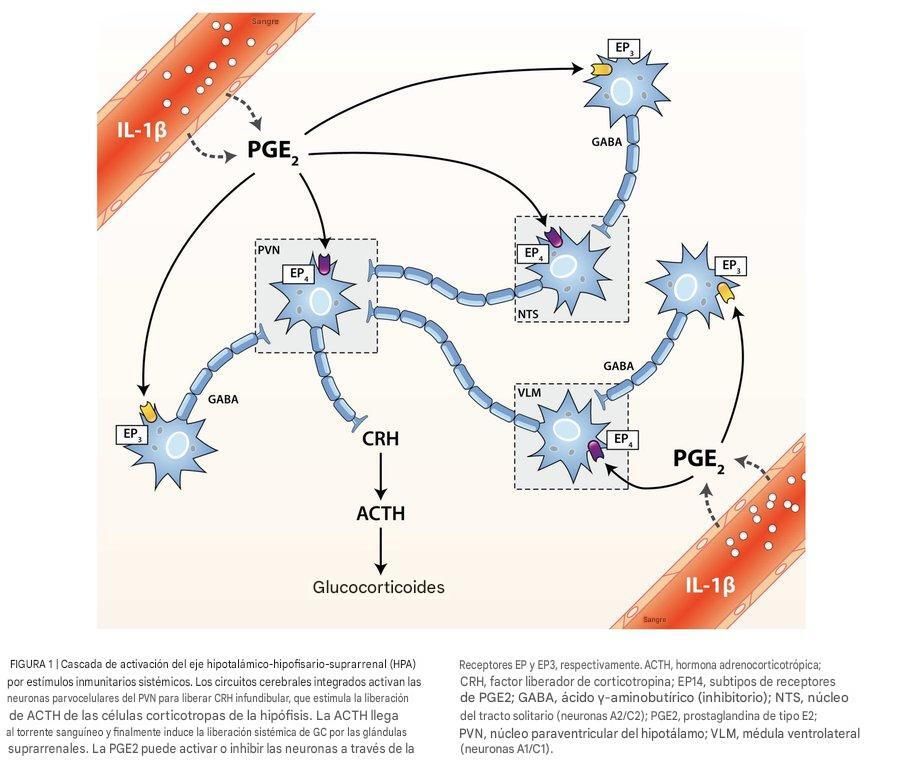
La razón por la que la aspirina logra esto probablemente se deba a que inhibe la producción de prostaglandinas.
Esta es la razón principal de su acción antiinflamatoria y analgésica, pero las prostaglandinas también actúan directamente en el cerebro.
En el hipotálamo, la señalización mediada por receptores de prostaglandinas en las neuronas puede estimular directamente la liberación de CRH,
que a su vez produce ACTH y, posteriormente, cortisol.
1
17