






Domenico Rock 11 retweeted

Mick Jagger with Heart's, Ann and Nancy Wilson in Boulder, Colorado, when Heart opened for The Rolling Stones at Folsom Field, October 1981. Photo by Michael Goldman.

3
11
115
7,300
Mt. Darwin Native retweeted

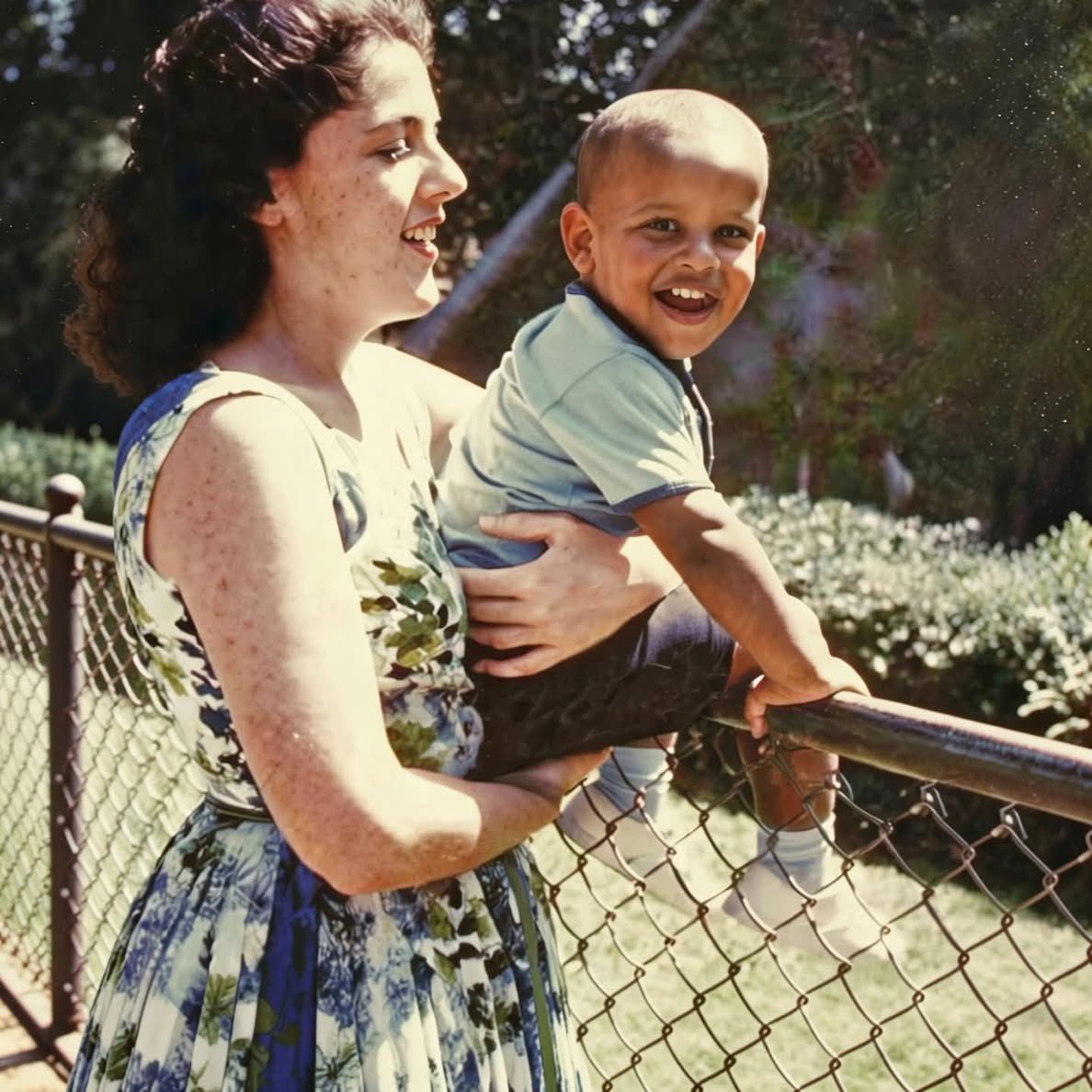
Stanley Ann Dunham holding her son, Barack Obama.
4
43
380
6,493
Maryann Miller retweeted

I just looked out the window and saw a chicken running through my yard. I decided to name it Wally Ann. My neighbors have chickens. They might be a few zoning ordinance violations in my neighborhood. Welcome to Hillbilly Land. 😂
12
3
29
256

Tks Ann ! Was great ! Hope you are having an amazing day ✨♥️


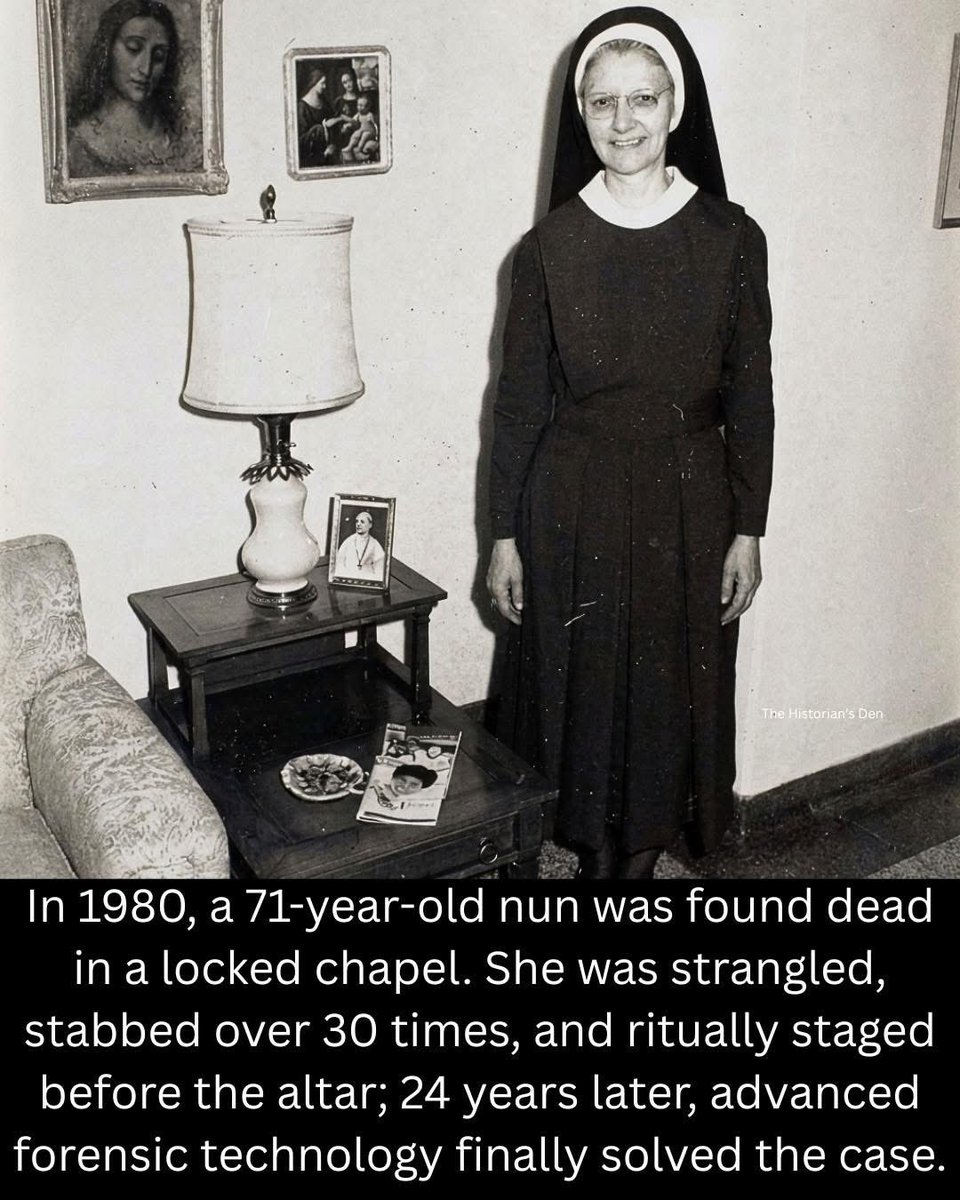
On Holy Saturday in April 1980, the body of Sister Margaret Ann Pahl was discovered in the sacristy of Mercy Hospital's chapel in Toledo, Ohio. The 71-year-old nun had been choked until she was nearly unconscious and then stabbed 31 times in a pattern that resembled a cross. Her body was stripped, covered with an altar cloth, and ritually smudged with blood in a manner that deeply unsettled the community and investigators alike, pointing to a highly personal or symbolically driven crime.
Suspicion immediately fell upon Father Gerald Robinson, a Catholic priest who served as the hospital chaplain and had clashed with Sister Margaret Ann over chapel procedures. Investigators found a unique letter opener shaped like a sword in Robinson's quarters, and bloodstains on the altar cloth seemed to match its shape. However, forensic science in 1980 was not advanced enough to definitively link the item to the crime or isolate critical DNA evidence, and because of a lack of airtight proof and potential institutional pressure, the investigation went cold without charges being filed.
The breakthrough came 24 years later, in 2004, when the cold case was reopened. Utilizing modern forensic technology, experts used advanced bloodstain pattern analysis to precisely match the unique geometric transfer patterns on the altar cloth to the specific dimensions of Father Robinson’s sword-shaped letter opener. This renewed evidence, combined with a fresh look at the original timeline and testimonies, led to Robinson's arrest. In 2006, he was convicted of murder, making him one of the very few American Catholic priests ever convicted of killing a nun.
35

RT @CrookshankKaren: They’re going to be very lucky people if they’re wise enough to vote for Ellie-Ann. She’s a strong, powerful, no nonse…
16

HOW LONG JUNIOR BLAKE
WAIT FOR THAT GIRL
AGAIN
FOR NO REASON AGAIN
40 YEARS STR8
FOR NO REASON
RIIIIGHT
HOW LONG DID SLINGZ
SMALLZ
ZABRINA DACRES
JOHNNIQUE JOHNSON
ROLAND BLAKE
ROCKELL BLAKE
ROSIE-ANN BLAKE
LIANA HOMEWARD
2 SECS THOSE GET MAN & WOMAN THOSE WANT

1
4
singingdentist retweeted

Good evening Merseyside! Ann Marie, Michaela & Lucy from team 3 with you this evening until 7am. Please message with any enquiries or non-urgent reports. Always remember to dial 999 in an emergency. Stay Safe and enjoy your evening 🙂

1
2
3
132

_ retweeted

2
5
115
Anntensityx retweeted

Jun 13
Karmelo Sentenced, Knicks Miracle Comeback, J6 Pentagon Hire & More | UNSAFE w/ Ann Coulter rumble.com/v7b53v8-karmelo-s…
2
3
154

@fhfhaiti aprè mondyal la efase Sébastien Migné nan figi moun, epi egzije moun k ap ranplase l la minimòm final nan KOUP LÒ a ( Gold Cup). Ann apran egzijan #Mignéout @IsidorWilson @Bellegarde_Jr #Mignéenkonpetan
3
Marco Blouin retweeted

Ann Wilson absolutely nails it her voice is strong as it’s ever been great ness.
6
53
293
7,729

What's better than 1 MILF? How about the 2 that gave me my MILF addiction 😩🥵😩 The lovely Kendra Lust and Lisa Ann ❤️ Time to enjoy the show with my toys 😈
pornhub.com/view_video.php?v…
1
35
Carol retweeted

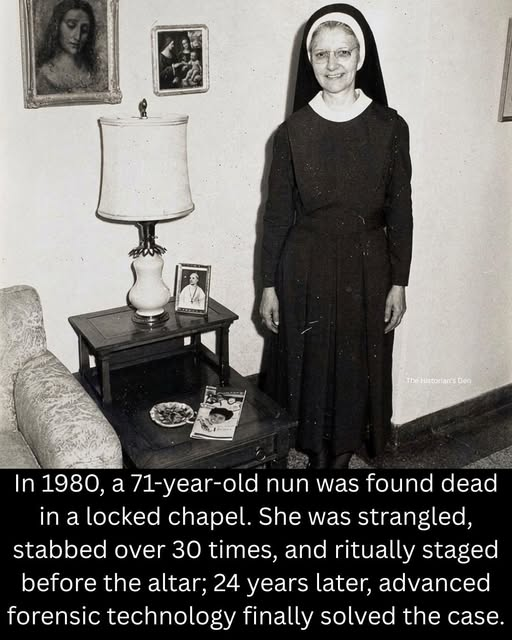
On Holy Saturday in April 1980, the body of Sister Margaret Ann Pahl was discovered in the sacristy of Mercy Hospital's chapel in Toledo, Ohio. The 71-year-old nun had been choked until she was nearly unconscious and then stabbed 31 times in a pattern that resembled a cross. Her body was stripped, covered with an altar cloth, and ritually smudged with blood in a manner that deeply unsettled the community and investigators alike, pointing to a highly personal or symbolically driven crime.
Suspicion immediately fell upon Father Gerald Robinson, a Catholic priest who served as the hospital chaplain and had clashed with Sister Margaret Ann over chapel procedures. Investigators found a unique letter opener shaped like a sword in Robinson's quarters, and bloodstains on the altar cloth seemed to match its shape. However, forensic science in 1980 was not advanced enough to definitively link the item to the crime or isolate critical DNA evidence, and because of a lack of airtight proof and potential institutional pressure, the investigation went cold without charges being filed.
The breakthrough came 24 years later, in 2004, when the cold case was reopened. Utilizing modern forensic technology, experts used advanced bloodstain pattern analysis to precisely match the unique geometric transfer patterns on the altar cloth to the specific dimensions of Father Robinson’s sword-shaped letter opener. This renewed evidence, combined with a fresh look at the original timeline and testimonies, led to Robinson's arrest. In 2006, he was convicted of murder, making him one of the very few American Catholic priests ever convicted of killing a nun.
1
14
47
768