

Democrație lentă??? Nu știam ca democrația are și un astfel de atribut!! Părerea mea este că doamna a ars cartofii și s a apucat de politică!! Nu toți cismarii sunt cismarii așa cum nu toți politicienii sunt hoți!!! 😉😉
1


one of the best anime ars of all time !!!!!!!!!


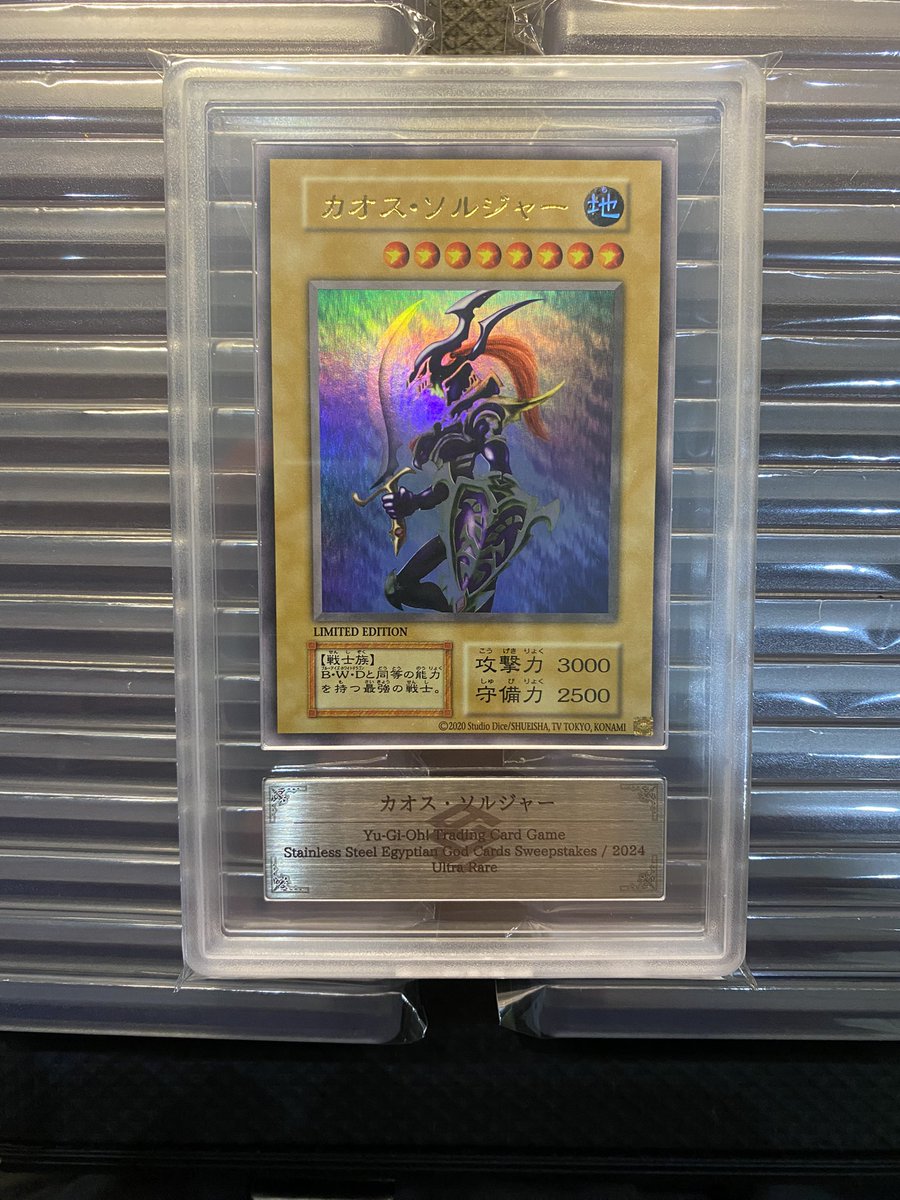


前回冬コミ、今度の夏コミで出す『TRPGシナリオ作成ガイド』は3部作くらいの予定ですが、次の冬コミで Vol.3を出すのはたぶん無理なので、次の冬コミでは(当選したら) Ars Magica 日本語版でも出そうかなと思います(これも準備号になるかもですが)。
7

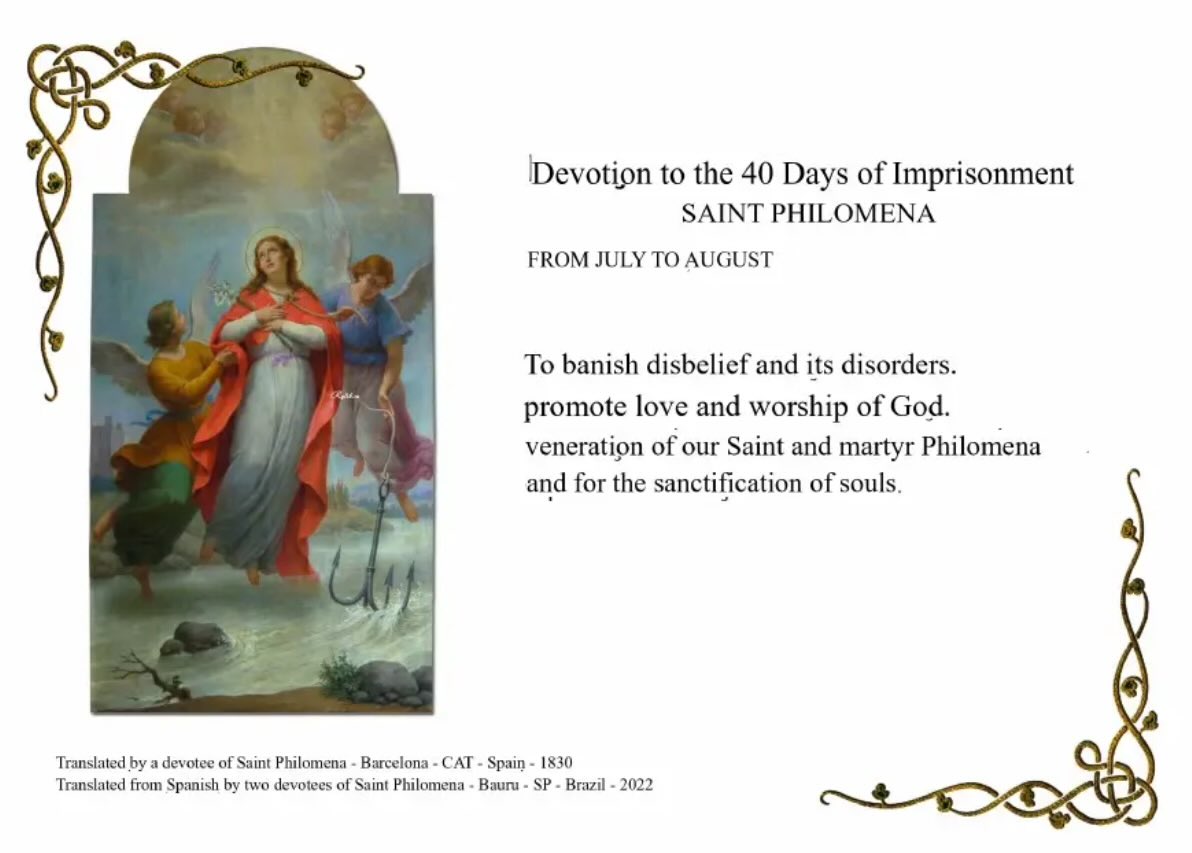
LENT OF SAINT PHILOMENA
Saint John Vianney, the Holy Curé of Ars, said of Saint Philomena:
"She is the 'Princess of Paradise ,' to whom nothing is denied.Great is her power before the Thrones of Jesus and Mary. Have faith in her."
✨It starts on July 1st.✨
1
9


とりあえず新刊のサンプル置いときます……今回のはtksが正規ルート、izmとrtがめんどくさい彼女、loとarsが湿度びちゃびちゃって感じの内容(主観)
23
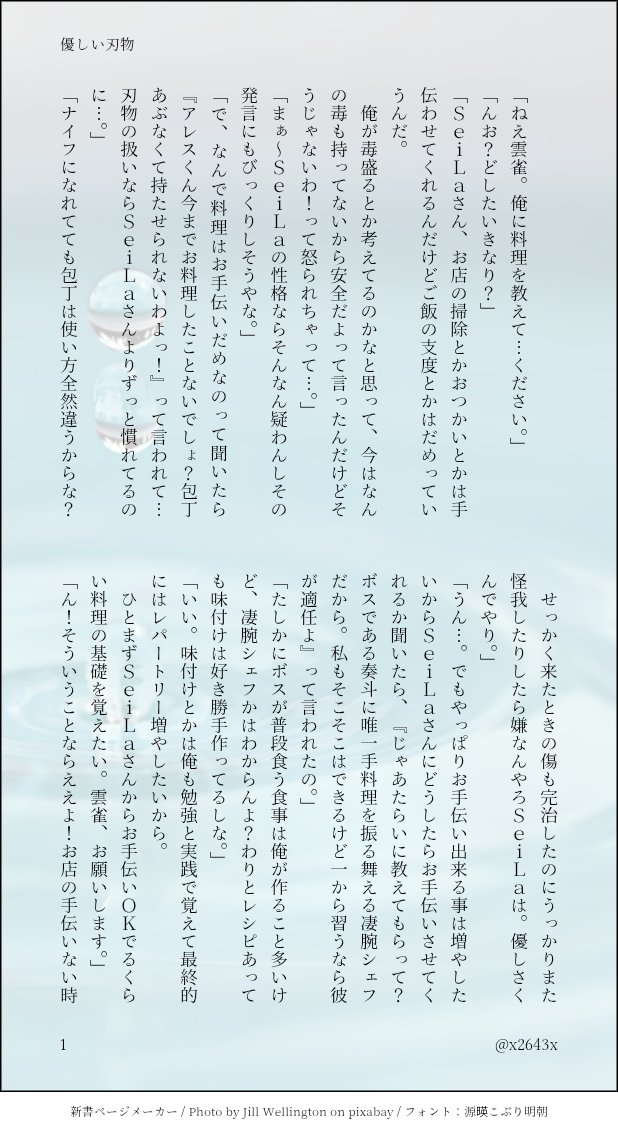
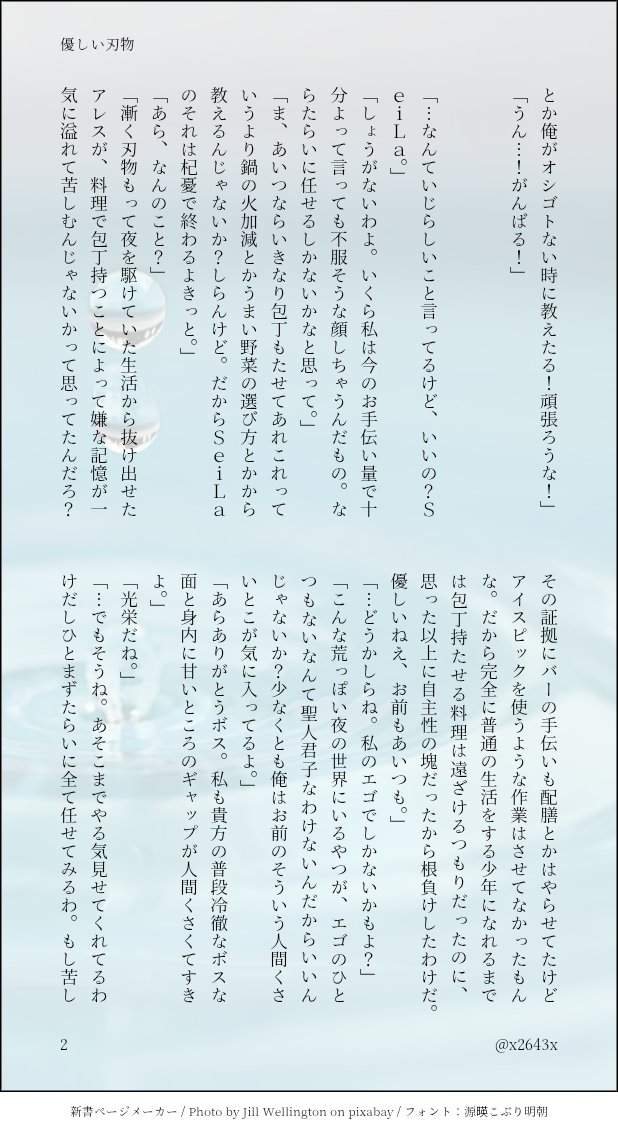
【二次創作】※全部妄想捏造※
⚠ars sil マフィシャン混在軸シリーズ⚠
⚠今回会話文のみ⚠
『優しい刃物』
arsがhbに料理を教わりたい話。
そしてそれを見守るfrとsilの話。
会話文のみにしたのに長いです、ご容赦を。

21 Nov 2025

ちょっと今日色々一気に仕上げたいので、代わりじゃないけどタグ置いていきます!短い話とか話のハイライト書く練習させてください🙏
流れ防止に画像はっときます
#いいねの数だけ存在しない小説の一節を書く

2
18
70

Yeah I don't like the rpgs, the only other guns I didn't like were some marksmans and some shitty ars
1
1
まこと🍊 retweeted

〖Cosplay〗ars/O🎣
君の叫びで 僕は目覚める
今宵の闇へ 君をいざなう
M.o.n.s.t.e.r

11
13
184
10,147
Big615fx retweeted

Jun 12
Rivals 🗣️ "Arsenal won the league but all the attention went to World Cup"
-- Bosnia scores from a corner
Them 🗣️"Arsenal ruined the beautiful game"

2
53
687
5,608
ピピン@2c retweeted

あー、こういう描写のあるファンタジーものTRPGを遊んでみたい、とか思ったり。Ars Magicaとか混沌の渦とかなら?
D&Dだとついつい、Goodberryで良いじゃんとかBag of Holdingあるからとか、Alchemy Jugから塩水とかそういう話になりがち。

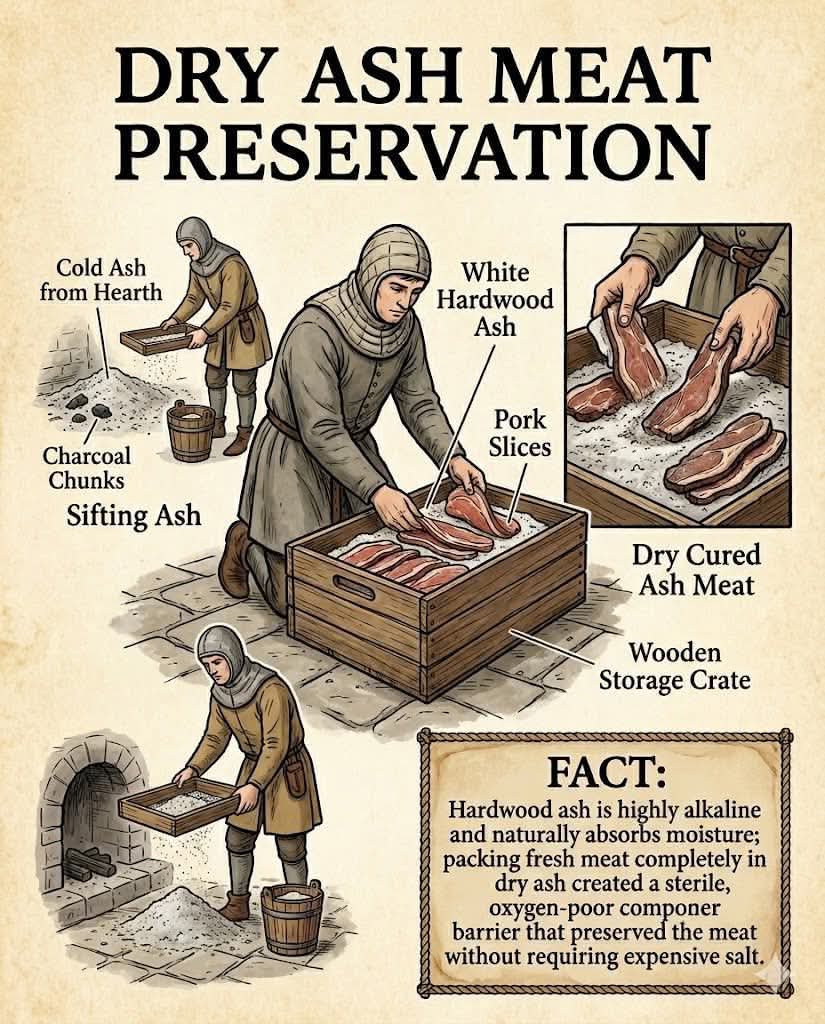
When salt was scarce or too expensive, medieval soldiers relied on a clever camp-craft technique to preserve fresh meat using clean, dry wood ash from their campfires. Hardwood ash is highly alkaline and naturally hygroscopic, meaning it absorbs moisture rapidly while creating an environment where bacteria and mold cannot survive. By sifting the cold ash to remove large charcoal chunks and packing fresh meat slices completely inside crates of the powder, soldiers created a sterile, oxygen-poor shield. This dry-curing process preserved the meat for weeks on the march, allowing the men to maintain their protein rations without relying on salt wagons.
© Medieval England
#archaeohistories
2
2
88