
ASPDのことか。確かにw てか、一つでは無いと思うが。いろいろミックスしていて複雑性何ちゃら…っぽい感じ。所謂B群っぽい感じ?🤫w
1
1
2

Lwk feel like a natural-born actor thanks to my aspd! I can lie about the most ridiculous shit for no reason, i’ve even faked (a lot) being physically sick so well that ended up in the hospital multiple times and the doctors believed me every single time, i find it hilarious.
1
12

反社会性パーソナリティ障害(ASPD)なのでは?
精神科か心療内科に相談したほうが良いと思う。
Jun 17

左翼活動家の菅野完さん
電凸されてブチ切れてキーボードクラッシャー化してしまうw
これが兵庫県で活動する「ジャーナリスト笑」の正体です。
8


fuck you whole main cast is npd and aspd non of them are the “beautiful princess disorder”
3

aspd and bpd literally the “cool” ones or atleast the ones that everyone larps literally i’ve never seen anyone larp hpd because they would they want to be an attention seeker
1
1
12

I KNOW RIGHT like if I was gonna get a villian disorder anyway then atleast let me have aspd, npd is deadass so pathetic oh my god just fucking kill me
1
1
13
ML retweeted

HPD Matt, ASPD Tord, BPD Tom & DPD Edd… It’s personalitydisordersworld At this point.
3
19
99
1,063

Hi, I recommend contacting a therapist or help line about your sociopathic (ASPD) symptoms. Please get well soon!
9


ムーブアタックSlv3の効果
・7分間(420秒)
・スキル使用時、自身に「移動速度」を付与
・ASPD-60%(パッシブの影響を受ける)
・AVD×1.1倍
・オートスキル発動率-30%
・スキル・通常攻撃で移動攻撃が可能
こんな感じかなぁ…とりあえず7職それぞれでザックリ試してみた。
間違ってたらごめん。
2
5
358

In psychopathy/ASPD (core Cluster B): Psychopathic individuals frequently use rationalization, denial, and minimization to avoid remorse.
Their justifications can become rigidly self-serving and detached from reality ("delusional" in a non-psychotic sense — they genuinely believe their spin or act as if it's true).
This supports lack of guilt, exploitation, and repeated harm to self/others. Affective traits (low empathy) lifestyle traits correlate with more rationalization in crime narratives.
Malignant rationalization / malignant narcissism: "Malignant" refers to a severe, aggressive subtype combining NPD (grandiosity, entitlement) with antisocial features (sadism, paranoia, exploitation), plus ego-syntonic aggression.
Rationalizations here are more extreme, paranoid, and destructive — the person rewrites reality to justify cruelty as "righteous" or necessary, often with delusional-level conviction. This is still under Cluster B (NPD ASPD traits).Delusional-level rationalization (frank distortion of reality) can appear in:Severe Cluster B cases (especially with psychotic features or under stress).
When rationalization crosses into delusional projection or distortion (more common in paranoid or schizotypal traits, but overlaps occur).
15

i was also wondering if it was used to imply something new about jodios childhood (for example how prevalent csa is in aspd patients) and the macdonald triad was just used as a catalyst for it. being a csa victim w ASPD and being compared to the macdonald triad sounds like hell
1
5
81

Fair, though these days they're both considered "ASPD" with varying levels of intelligence.
1
18


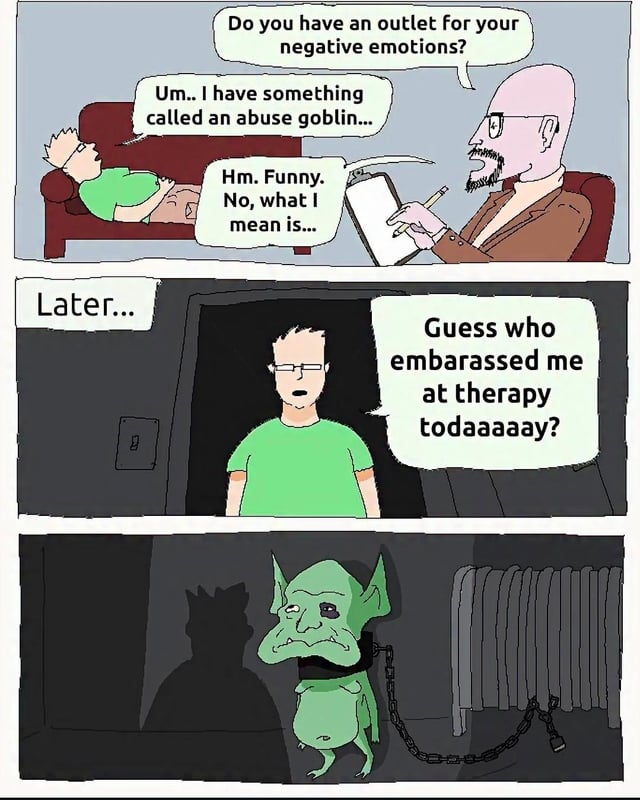
jodio coming home to usagi after his therapy appointment for his ASPD

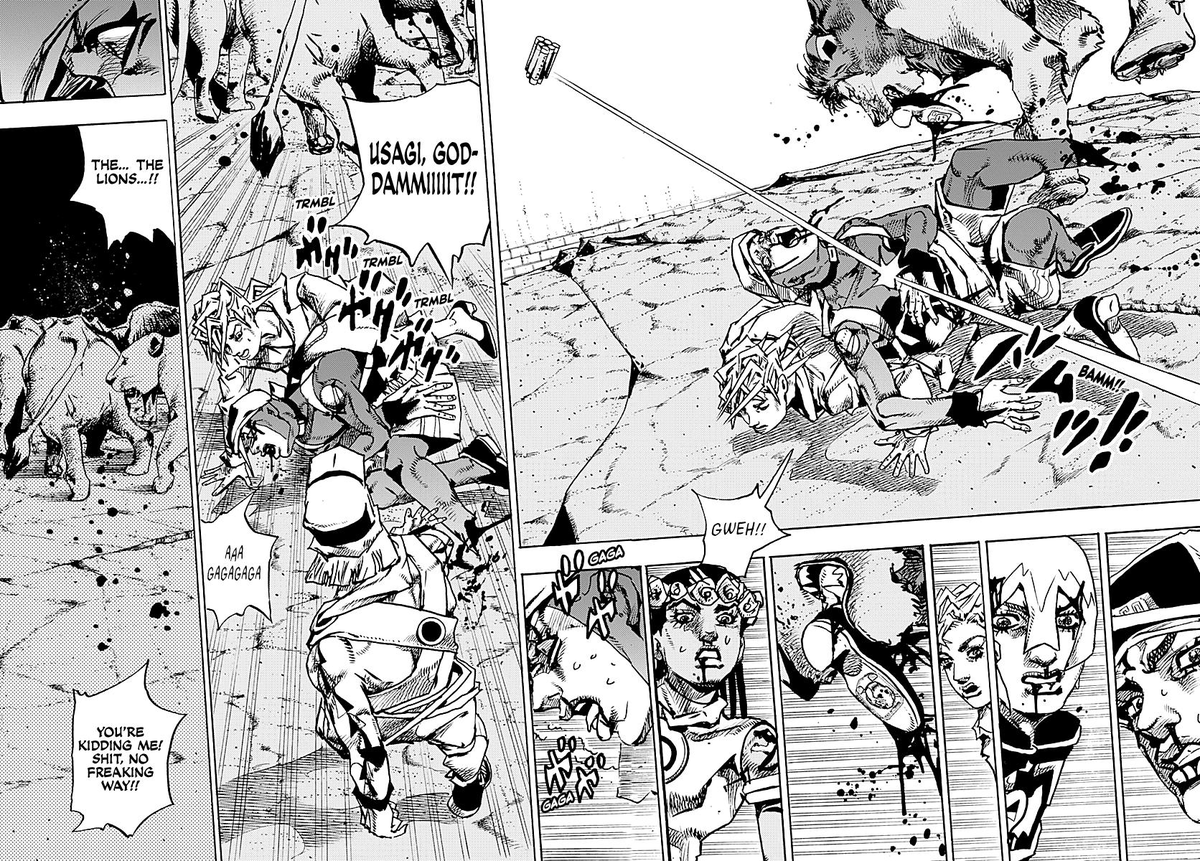
im cryn watching this poor motherfucker get mauled by a lion, throwing a stack of lithium batteries at him mid-maul, n then yelling GODDAMN IT USAGI at him bc he didnt catch them to do that stupidass plan bc be was too sidetracked by having his foot bit off 😭 #jojolands
1
18

Would my head get put on a pike if I headcanoned Wesker with asd and aspd and as a mlm intersex man (PPSH) or nah
1
2
59