
And what they don’t tell you is Agflow boost is around 85% MAP blended with Agras. Agras, Macropro Extra & K-Till extra plus are the only true 100% compounded products. The rest are “Compound Blends”
1
2
140

Apr 2
CSBP drop us from AgNP to Agflow Boost xtra. Fair enough
Price calculator shows they have kept their compounded product margin. Ie they charge 20-30% more for same nutrition for fully compounded
I feel like they should have taken the hit on that. What’s everyone else think?
10
1
13
5,090

22 Sep 2025
1. Faire - lnkd.in/gYRNr9VM
2. Renaissance Learning - lnkd.in/gesiM_Dw
3. Rec Room - lnkd.in/gErDuTNa
4 AgFlow : agflow.com
5. Quest Software - lnkd.in/gqaB5RTN
(2/n)
#remotejobs #remotework #remotecareer #remoteopportunities #WorkFromHome
1
3
748

23 Jun 2025
Learning Human T Cell Behaviors through Generative AI Embeddings of T Cell Receptors
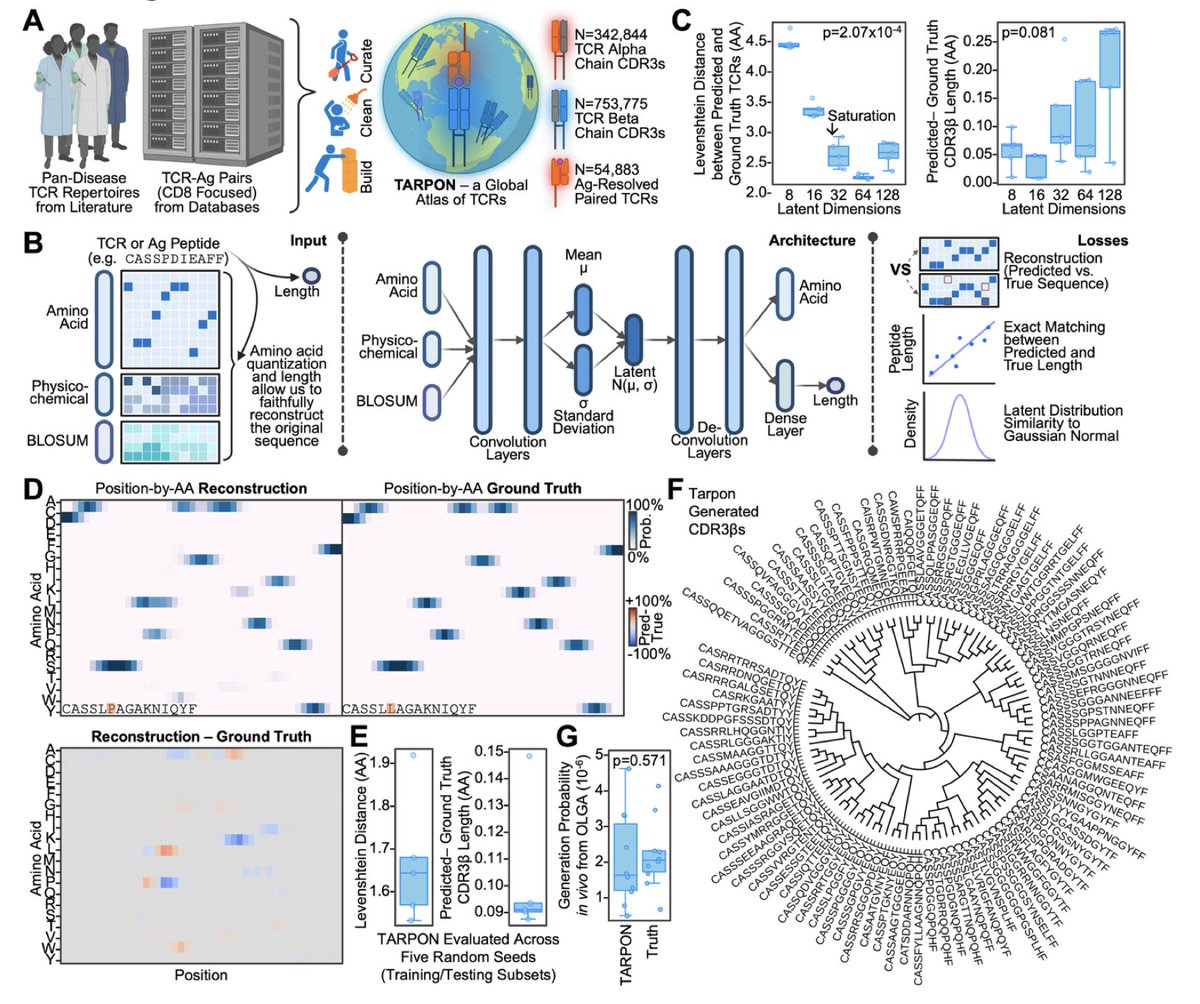
1.This paper introduces Tarpon, a generative AI model trained on over one million human TCR sequences, that creates interpretable embeddings capturing T cell behaviors across development and disease.
2.Tarpon embeddings can stratify CD4 and CD8 T cell fates across fetal and adult stages using only CDR3 sequences, independent of V/J gene identity, revealing physicochemical signatures that track developmental trajectories.
3.Using Tarpon, the authors developed AgFlow, a flow-based generative model that learns antigen-specific TCR distributions and can generate de novo, physiochemically realistic TCRs specific to antigens like SARS-CoV-2 YLQPRTFLL.
4.AgFlow generated YLQ-specific TCRs that matched experimentally validated activation profiles and even reproduced dominant public TCRs absent from training data, demonstrating potential for in silico TCR discovery.
5.Tarpon’s embeddings correlate with physicochemical properties, enabling interpretable latent dimensions; TCRs cluster by hydrophobicity, aromaticity, and charge, supporting downstream biological insights and mining efforts.
6.Embeddings also reflect antigen specificity: different viral antigens (e.g., CMV, IAV) occupy distinct, learnable regions in latent space, with shared features across immunogenic TCRs suggesting a conserved “immunogenicity signature.”
7.Cross-dataset mapping revealed that CD4/CD8 TCR distinctions learned in fetal thymus generalized to adult cancer and COVID-19 cohorts; fetal-trained models even outperformed adult-trained ones on fetal data.
8.Atypical adult CD8 T cells with “CD4-like” TCRs were associated with severe COVID-19 and higher inflammation markers, suggesting that deviations from fetal-like TCR rules may relate to disease susceptibility.
9.Tarpon uncovered hidden heterogeneity within fetal type I innate T cells, mapping them to adult MAIT and KIR T cell subsets. Transcriptomic analyses confirmed this dual identity, highlighting new developmental links.
10.The model outperforms traditional CDR3-based distance metrics like TCRdist in identifying biologically meaningful distinctions and is computationally efficient (100M embeddings in under 20 minutes on a single GPU).
11.By generating de novo, antigen-specific TCRs and offering interpretable latent features, Tarpon provides a scalable, open framework for TCR repertoire analysis, synthetic TCR design, and cross-cohort immune profiling.
💻Code: github.com/danielgchen/Tarpo…
📜Paper: biorxiv.org/content/10.1101/…
#Immunology #TCR #GenAI #DeepLearning #SingleCell #SyntheticBiology #CD4 #CD8 #COVID19 #CancerImmunology
4
842
23 Jun 2025
Learning Human T Cell Behaviors through Generative AI Embeddings of T Cell Receptors
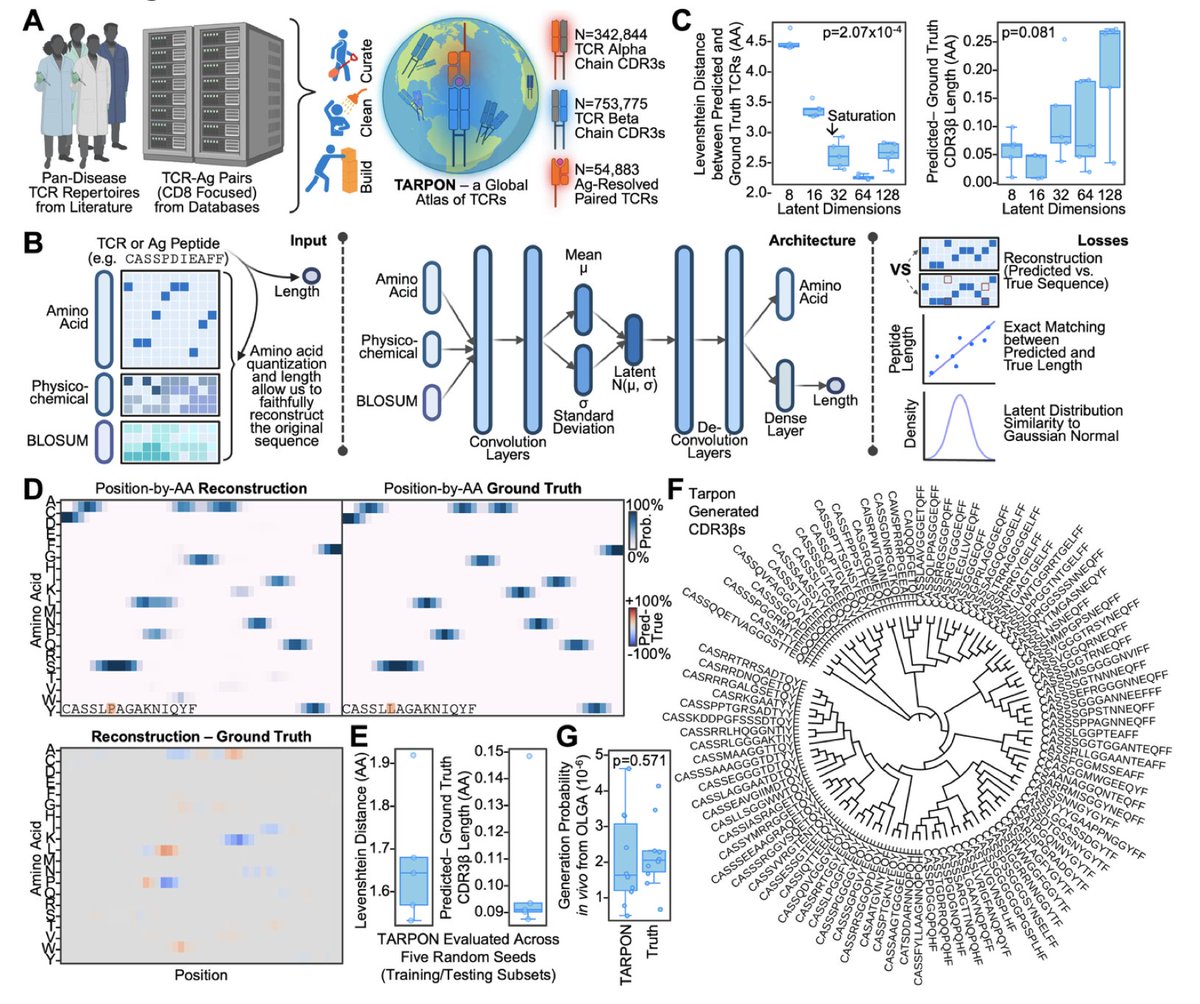
1.This paper introduces Tarpon, a generative AI model trained on over one million human TCR sequences, that creates interpretable embeddings capturing T cell behaviors across development and disease.
2.Tarpon embeddings can stratify CD4 and CD8 T cell fates across fetal and adult stages using only CDR3 sequences, independent of V/J gene identity, revealing physicochemical signatures that track developmental trajectories.
3.Using Tarpon, the authors developed AgFlow, a flow-based generative model that learns antigen-specific TCR distributions and can generate de novo, physiochemically realistic TCRs specific to antigens like SARS-CoV-2 YLQPRTFLL.
4.AgFlow generated YLQ-specific TCRs that matched experimentally validated activation profiles and even reproduced dominant public TCRs absent from training data, demonstrating potential for in silico TCR discovery.
5.Tarpon’s embeddings correlate with physicochemical properties, enabling interpretable latent dimensions; TCRs cluster by hydrophobicity, aromaticity, and charge, supporting downstream biological insights and mining efforts.
6.Embeddings also reflect antigen specificity: different viral antigens (e.g., CMV, IAV) occupy distinct, learnable regions in latent space, with shared features across immunogenic TCRs suggesting a conserved “immunogenicity signature.”
7.Cross-dataset mapping revealed that CD4/CD8 TCR distinctions learned in fetal thymus generalized to adult cancer and COVID-19 cohorts; fetal-trained models even outperformed adult-trained ones on fetal data.
8.Atypical adult CD8 T cells with “CD4-like” TCRs were associated with severe COVID-19 and higher inflammation markers, suggesting that deviations from fetal-like TCR rules may relate to disease susceptibility.
9.Tarpon uncovered hidden heterogeneity within fetal type I innate T cells, mapping them to adult MAIT and KIR T cell subsets. Transcriptomic analyses confirmed this dual identity, highlighting new developmental links.
10.The model outperforms traditional CDR3-based distance metrics like TCRdist in identifying biologically meaningful distinctions and is computationally efficient (100M embeddings in under 20 minutes on a single GPU).
11.By generating de novo, antigen-specific TCRs and offering interpretable latent features, Tarpon provides a scalable, open framework for TCR repertoire analysis, synthetic TCR design, and cross-cohort immune profiling.
💻Code: github.com/danielgchen/Tarpo…
📜Paper: biorxiv.org/content/10.1101/…
#Immunology #TCR #GenAI #DeepLearning #SingleCell #SyntheticBiology #CD4 #CD8 #COVID19 #CancerImmunology
1
9
1,078

16 May 2025
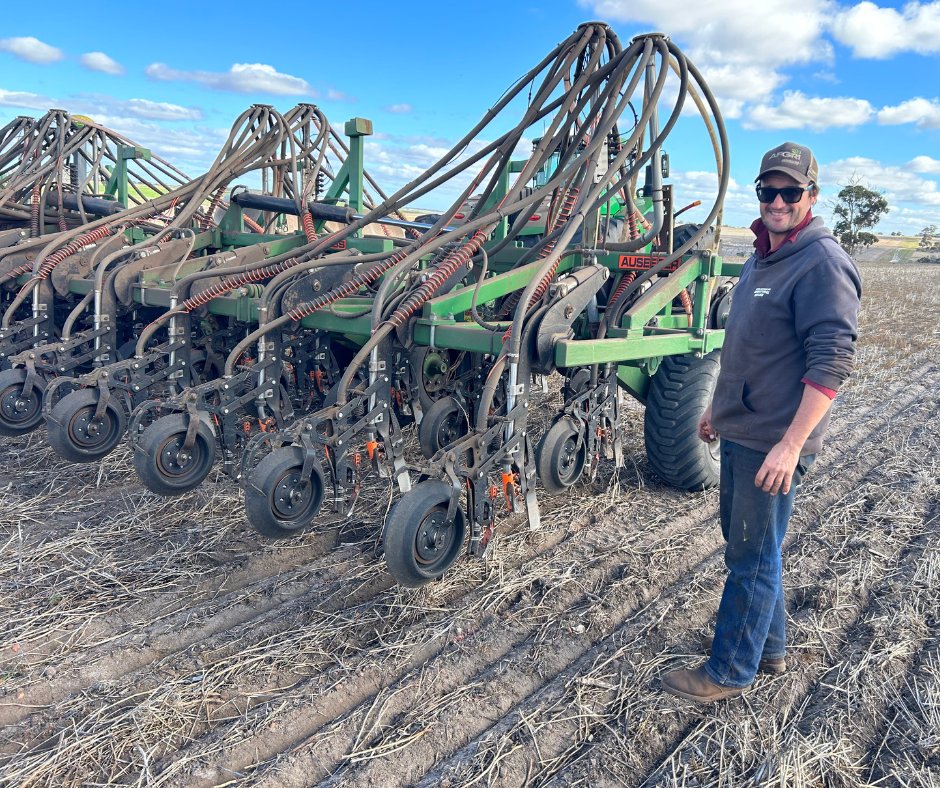
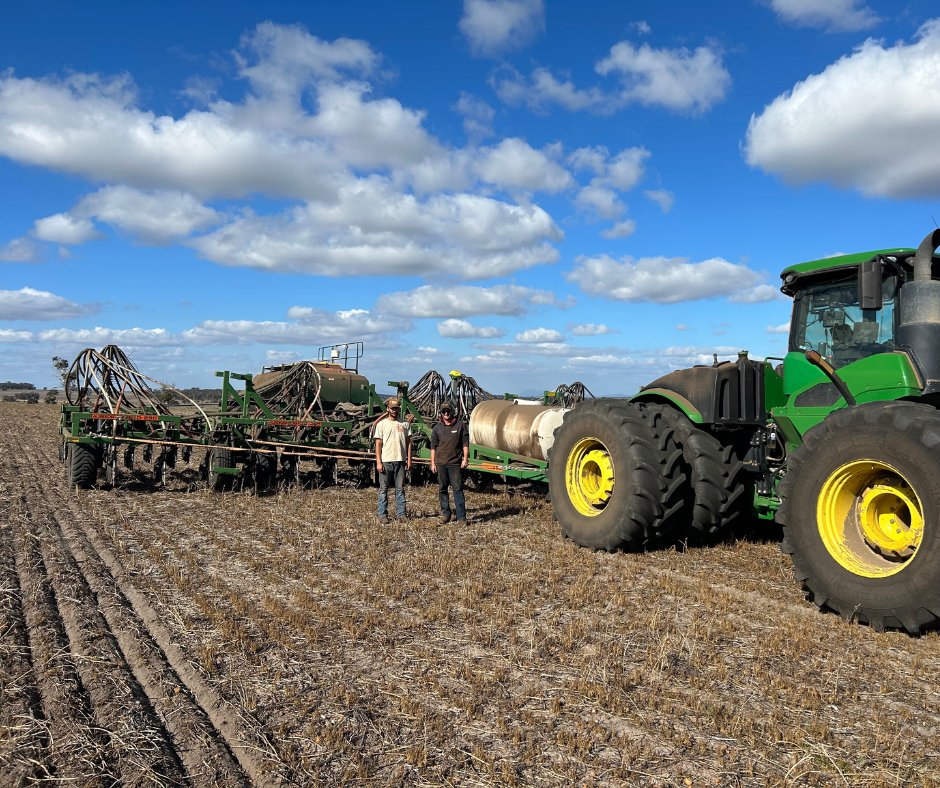
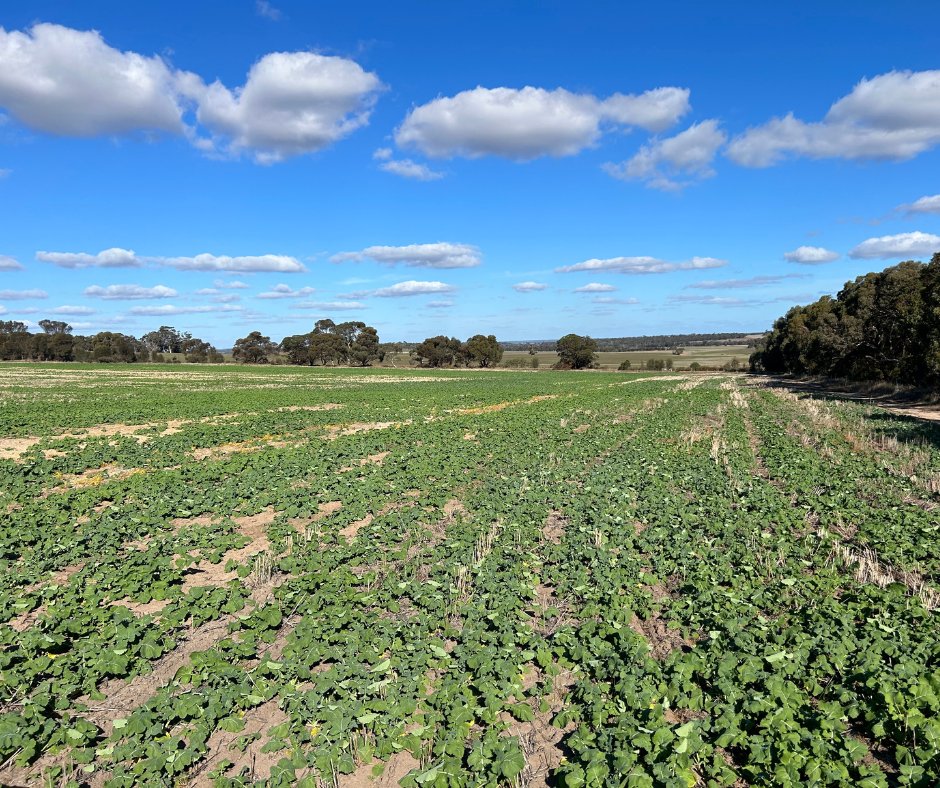
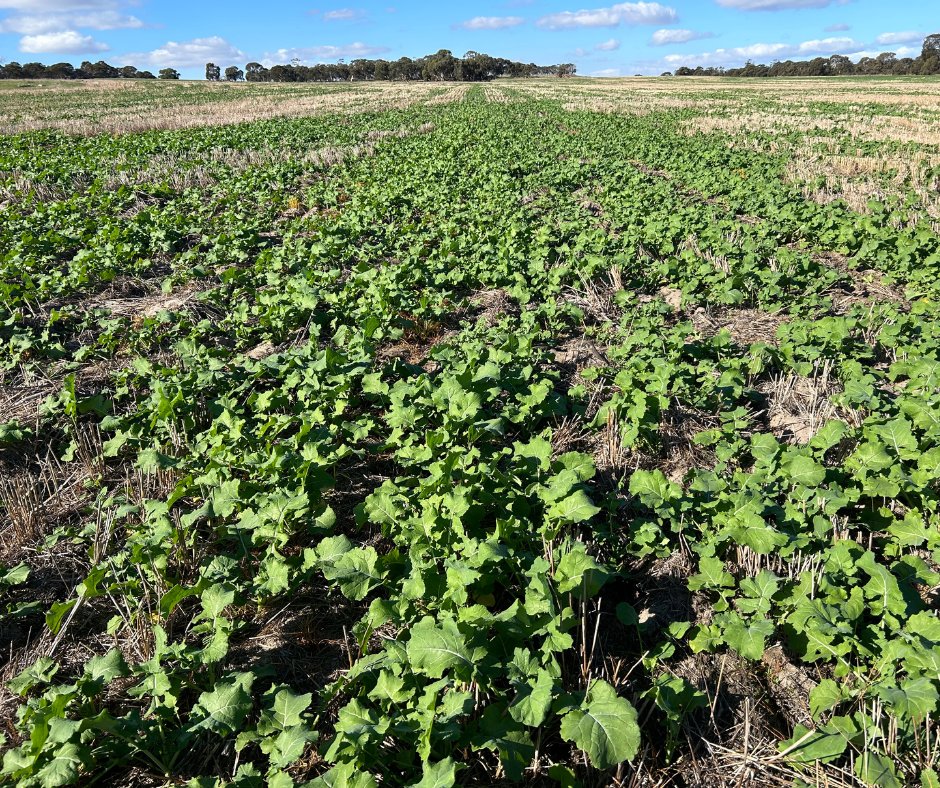
We love seeing our fertilisers in action!
Theo and his team are north of Cranbrook, powering through the final 1,400 hectares of wheat seeding with Agflow Mn and banded Flexi-N. 🌾
Their early-sown canola is coming through nicely. 💪🌱
6
627

28 Feb 2025
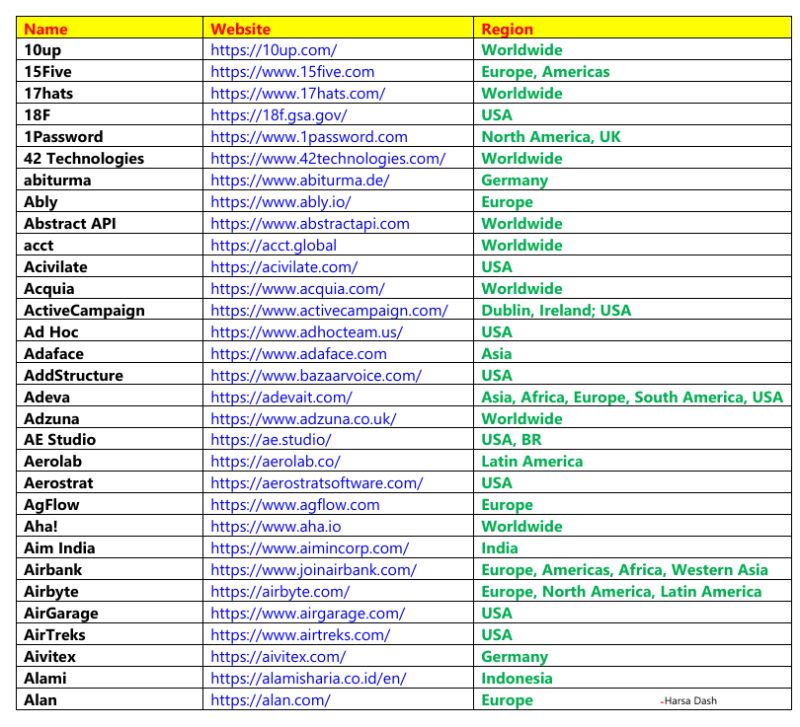
1000 Remote Companies List currently Hiring🚨
Completely Free !!
- 10up
- 15Five
- 17hats
- 1Password
- abiturma GmbH
- Ably
- ActiveCampaign
- Ad Hoc LLC
- Adaface
- AddStructure Sweden
- Adzuna
- AE Studio
- Aerolab
- AgFlow
- Airbank
- AIVITEX
- ......
- .......
- ......
- ......
- 984 more..
𝑻𝒐 𝑮𝒆𝒕 𝒕𝒉𝒆 𝒇𝒖𝒍𝒍 𝒍𝒊𝒔𝒕 ,
1. Like & Reply “ 𝑹𝒆𝒎𝒐𝒕𝒆 ”
2. Repost (much appreciated☺)
3. Follow me, Harsa Dash (so that I can DM)
#Hiring #Job #Placement #RemoteCompanies #RtemoteJobs
7
4
11
779


28 Feb 2024
1. Faire - lnkd.in/gYRNr9VM
2. Renaissance Learning - lnkd.in/gesiM_Dw
3. Rec Room - lnkd.in/gErDuTNa
4 AgFlow : agflow.com
5. Quest Software- lnkd.in/gqaB5RTN
(2/n)
#remotejobs #remotework #remotecareer #remoteopportunities #WorkFromHome
1
4
245

25 Feb 2024
1. Faire - lnkd.in/gYRNr9VM
2. Renaissance Learning - lnkd.in/gesiM_Dw
3. Rec Room - lnkd.in/gErDuTNa
4 AgFlow : agflow.com
5. Quest Software - lnkd.in/gqaB5RTN
(2/n)
#remotejobs #remotework #remotecareer #remoteopportunities
1
3
446

23 Feb 2024
1. Faire - lnkd.in/gYRNr9VM
2. Renaissance Learning - lnkd.in/gesiM_Dw
3. Rec Room - lnkd.in/gErDuTNa
4 AgFlow : agflow.com
5. Quest Software - lnkd.in/gqaB5RTN
(2/n)
#remotejobs #remotework #remotecareer #remoteopportunities #WorkFromHome
1
4
34
21,305

Explore trends and seize opportunities on African agricultural markets! 🚀 Our latest data expansion offers unparalleled insights into #Rice & #Sugar commodities.
Grow with AgFlow: hubs.ly/Q02cPwRQ0
#Agribusiness #MarketIntelligence

1
2
241
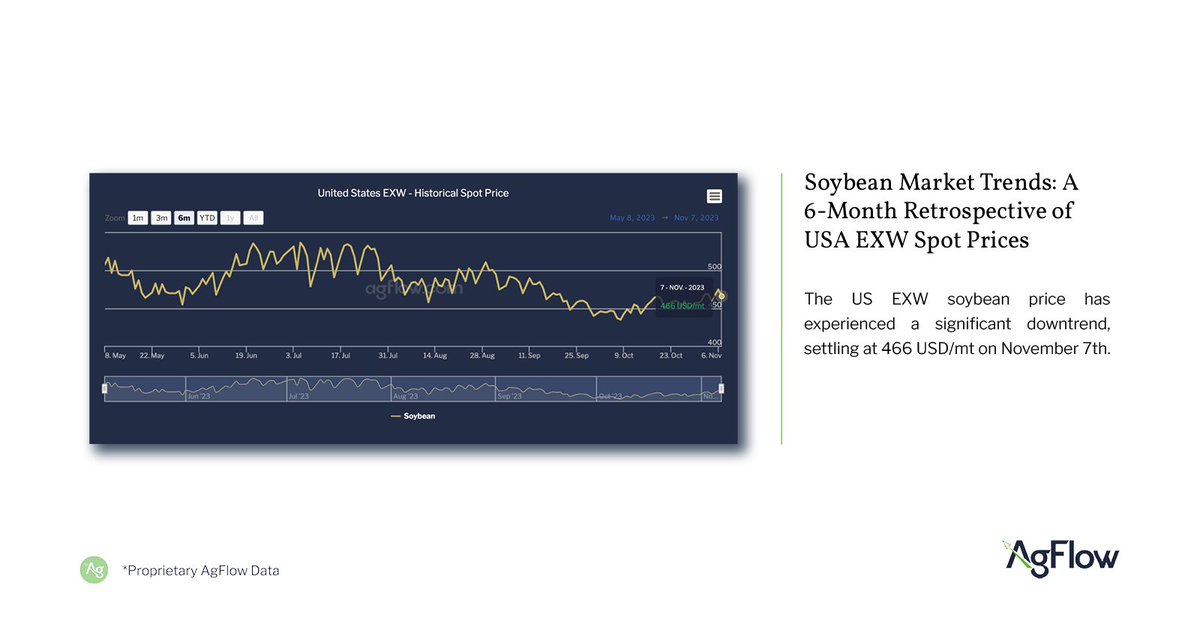
US soybean prices have shown an interesting trajectory over the last six months. Initial rise, mid-year dip, stabilization, and autumn decline. 📉🌱
Find out more on AgFlow: hubs.ly/Q0280S-M0
#SoybeanMarket #TradeTrends #AgriculturalEconomics
2
314

19 Oct 2023
👉 Aerolab : aerolab.co
👉 Aerostrat : aerostratsoftware.com
👉 AgFlow : agflow.com
👉 Aha! : aha.io
👉 Algorithmia : algorithmia.com
👉 ALICE : aliceplatform.com
👉 Alight Solutions : alight.com
1
5
13
4,700

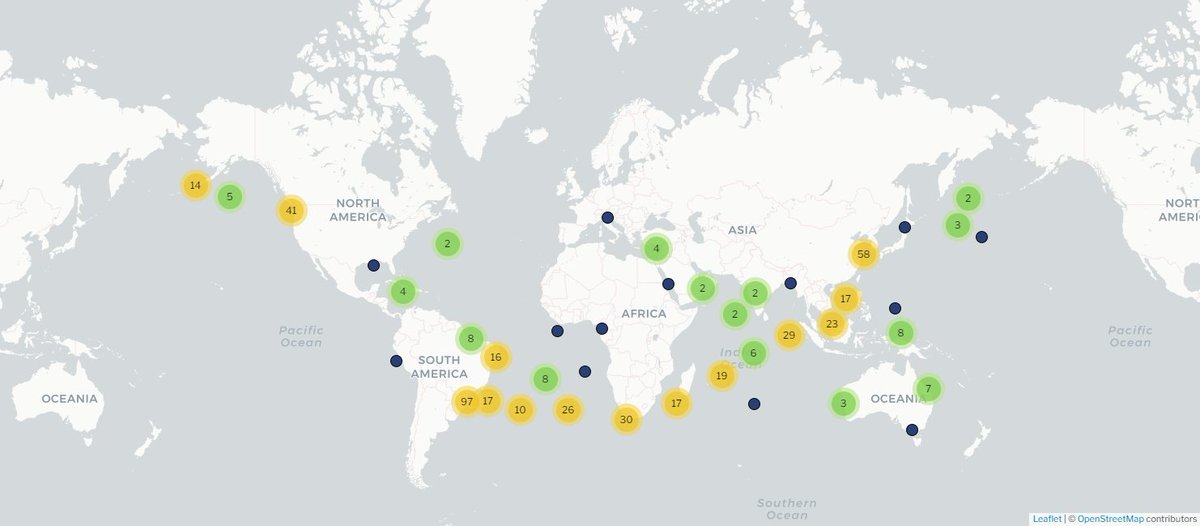

28 Aug 2023
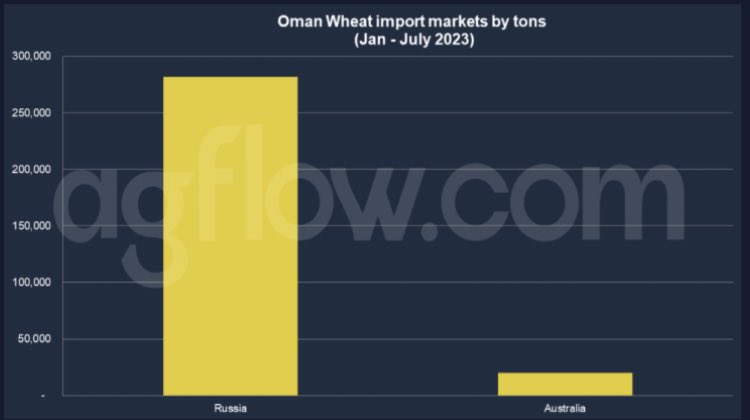
تقارب #العصابة_الأنجلوسلطانية مع #روسيا 🇷🇺 مؤخراً وزيارة قائد الجيش السلطاني لمعرض آرميا العسكري قبل أيام، ومنح الأوسمة وغيرها من المظاهر،ليست سياسة نأي عن #بريطانيا 🇬🇧حاشا لله فالعصابة يستحيل أن تفعل ذلك.
لكن السبب هو الخبز 👇🏻
#عُمان
#الامارات_تدنس_جزيره_سقطرى
[@agflow 📊]
1
2
6
3,626

28 Aug 2023
▶️#AgriDZ
[MAÏS]
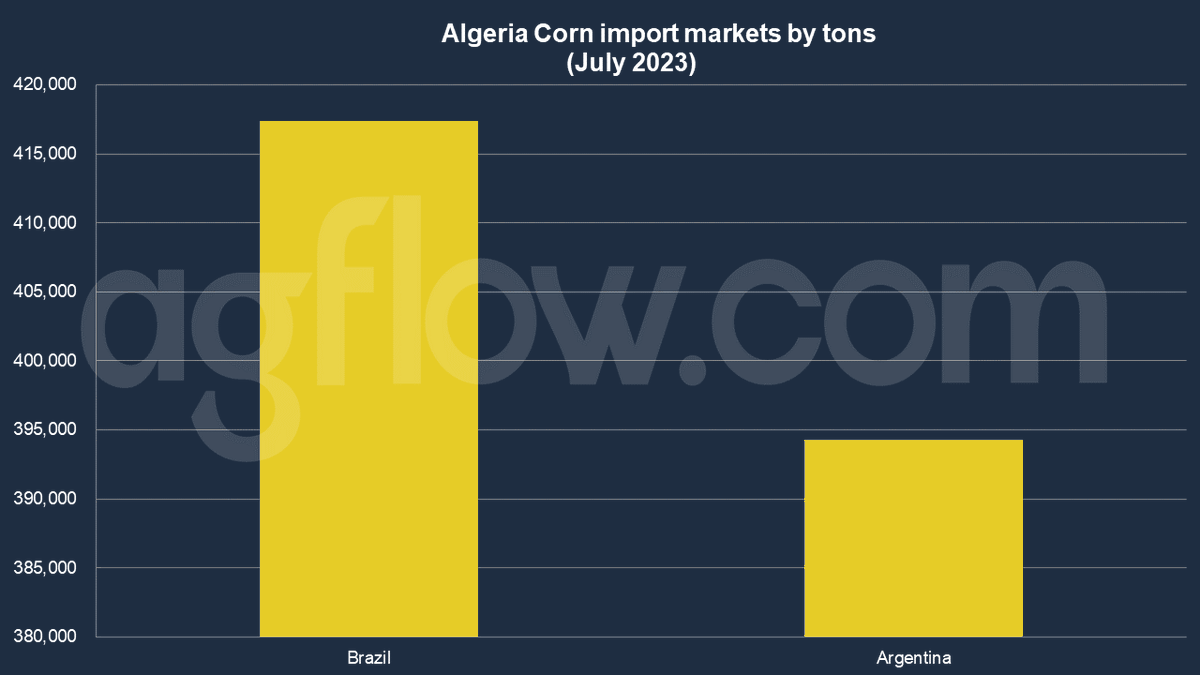
Pour @agflow,l'#Algérie a importé du #maïs:
Bresil 0,41 million de tonnes en juillet 2023,
Argentine 0,39 million de tonnes.
Les importations ont atteint 2,1 millions de tonnes entre janvier et juillet 2023.
Les fournisseurs: Brésil,Argentine et la Roumanie,

#Algeria's rising #corn demand in 2023 highlights the balance between national food security and economic stability, prompting diverse import sources amidst global climate anomalies and shipping disruptions. 🌽🇩🇿 #CornTrade #oatt
[Read More] agflow.com/agricultural-mark…
2
2
393
10 Aug 2023
👉 Aerolab : aerolab.co
👉 Aerostrat : aerostratsoftware.com
👉 AgFlow : agflow.com
👉 Aha! : aha.io
👉 Algorithmia : algorithmia.com
👉 ALICE : aliceplatform.com
👉 Alight Solutions : alight.com
2
2
14
4,503

1 Aug 2023
👉 Aerolab : aerolab.co
👉 Aerostrat : aerostratsoftware.com
👉 AgFlow : agflow.com
👉 Aha! : aha.io
👉 Algorithmia : algorithmia.com
👉 ALICE : aliceplatform.com
👉 Alight Solutions : alight.com
1
1
571
29 Jul 2023
👉 Aerolab : aerolab.co
👉 Aerostrat : aerostratsoftware.com
👉 AgFlow : agflow.com
👉 Aha! : aha.io
👉 Algorithmia : algorithmia.com
👉 ALICE : aliceplatform.com
👉 Alight Solutions : alight.com
2
10
30
11,629