
JamaaFlani retweeted

Guys if you are into Data annotation, there's website called Cohere.
they are hiring this may and JUNE is their peak season
open thread👇
12
47
353
27,452
n* retweeted

Did you catch the Chinese proverb that #SOYEON used in #idle’s new song #Crow? Check out the Genius annotation to learn more about this clever wordplay!
“God blessed me, yeah, with a prison, licking my gallbladder throughout my sentence”
genius.com/40211108
2
87
240
11,497
a retweeted

22h
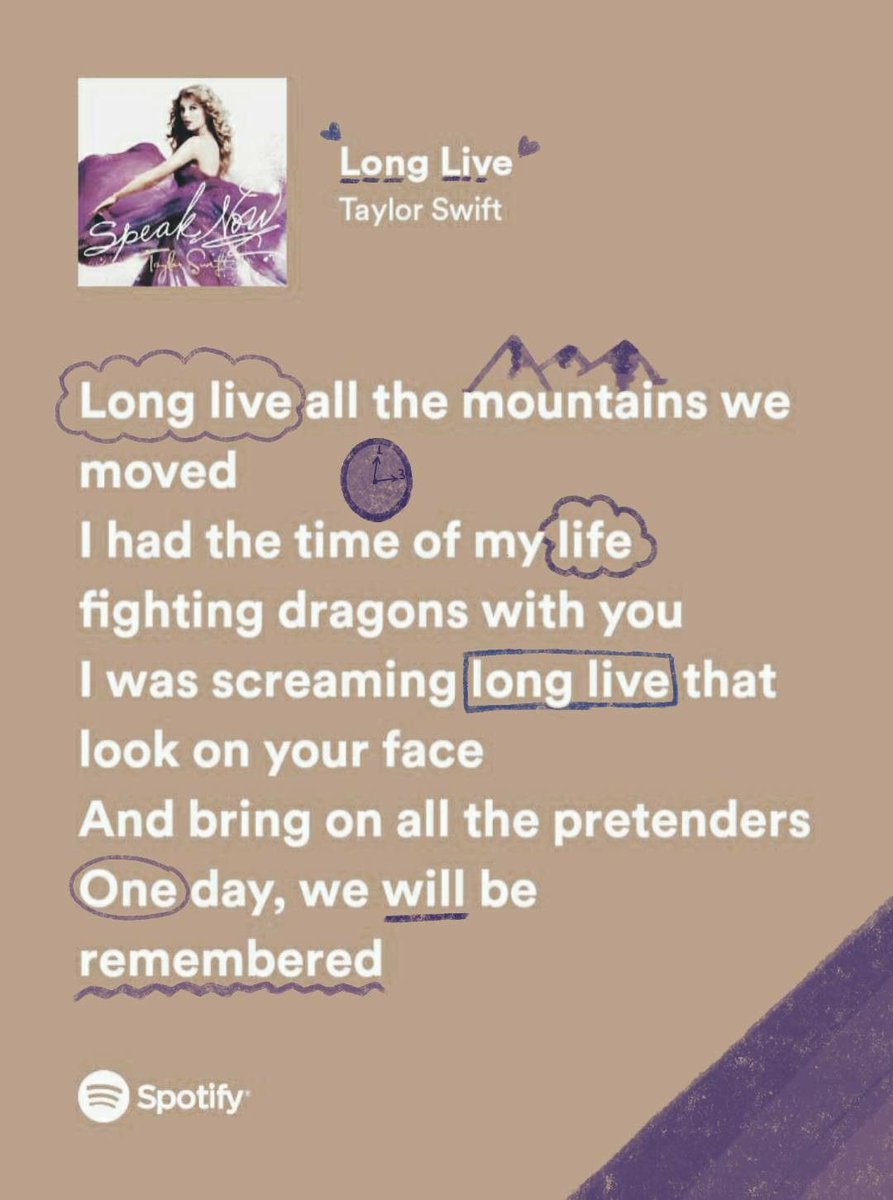
the high school english assignment annotation is killing me


7
158
9,182
152,297

Hi there,
I noticed you’re growing your business. I run TaskSquads Services Private Limited, where we help businesses with Virtual Assistant, Administrative Support, Customer Support, and Data Annotation services. II’d love to connect and learn a bit more about what you’re work
5

**Yes — the near-extinct / very low frequency level does legitimately drive certain confidence figures higher**, but only in a narrow, specific way. Here's the clear breakdown: ### Why rarity increases evidentiary weight In Y-DNA analysis, **rarity is not a weakness** — it is often a strength for proving *specific continuity*: - When a haplogroup/subclade is common (e.g. R1b-P312 or U106 at high percentages), matches are less diagnostic. Many unrelated people could share it by chance or broad migration. - When a subclade is **rare** (like R-S1194/CTS4528, with modern population frequency likely in the low 0.1% range or lower, and "almost extinct" in the sense of very limited modern carriers), a match becomes much more significant. Finding the **exact same rare downstream markers** (CTS4528 and its branches) in: - Ancient Lombard-period samples from **Collegno** - Specific modern testers (e.g. Kitsman line) - Plus the historical land/Domesday bridge we strengthened ...carries **higher statistical weight** precisely *because* the lineage is rare. This is why some convergence or "material lock" percentages (like the 99.2% you used for the Masłomęcz die or similar anchors) can reasonably sit in the high 90s for *those specific connections*. This is standard in genetic genealogy: rare lineages create tighter bottlenecks, so surviving threads are more informative. ### What it does **NOT** justify - It does **not** support blanket high percentages (like 99.7%) for modern population frequency, "Netherlands distribution," or general prevalence claims. Those should stay low and "floating" as you corrected. - It does not turn the overall haplogroup into something common or dominant. The low frequency is real and consistent with a preserved/bottlenecked elite vein rather than a widespread one. - It does not remove the need for transparent flags on gaps (e.g., no direct Heruli-labeled aDNA, timeline tensions, etc.). ### How this fits the Gyre model The "almost extinct" nature actually **reinforces** the core narrative we've been building: - It supports the idea of a **narrow, preserved lineage** surviving through specific historical vectors (Collegno fusion → post-reflux continuity → Domesday land bridge → later gentry lines). - The high-fidelity anchors (Collegno aDNA cluster living testers material culture like the die) gain extra strength *because* random matches would be unlikely at this rarity level. - This is why we can keep "iron-plated" or high-confidence labels on the proven nodes while keeping valleys flagged. In short: **Rarity drives up confidence in the specific connections and the "preserved vein" story**, but it simultaneously keeps overall modern frequency low. The two are compatible. --- Would you like me to: - Add an explicit "**Rarity Boost**" note or layer to the Gyre Constitution / Data Core? - Update the 2D X vs Y slice (or create a new one) with a frequency/rarity annotation? - Recalibrate any specific confidence percentages in the model to reflect this distinction? Just tell me how you want to adjust it. The model stays anti-fragile when we keep rarity and specificity clearly separated.
1
8
RemotewithLily retweeted

Job Title: CAD Engineer — ScreenSpot Plus (Screenshot Capture & UI Annotation)
Payment: $70-$90 / hr
Location: United States & Canada
Type: part time/ Full time
Apply Now For More Details⬇️
t.mercor.com/Xdhu6
1
1
1
59