
⚡ STEAL DEAL! ⚡
🎯 FUR JADEN Anti-Theft Laptop Camera Backpack with Tablet Sleeve
💰 Price: ₹1195/-
🏷️ MRP: ₹3000/-
🔗 Link: amazon.in/dp/B0FM8B3QBT?tag=…
#LaptopBackpack #CameraBag #AntiTheft #TravelGear #nifty #trending #deals #India
5

Jun 15
Secure your vehicle and eliminate the blind spots today! 📱🔒
Contact us for a quote:
🌐 dotmobi.co.ke 🔗
📞 0701031138
📧 info@dotmobi.co.ke
#VehicleTracking #GPSTracker #GT49Tracker #CarSecurity #MotorcycleTracking #FleetManagement #AntiTheft
1
4

Jun 15
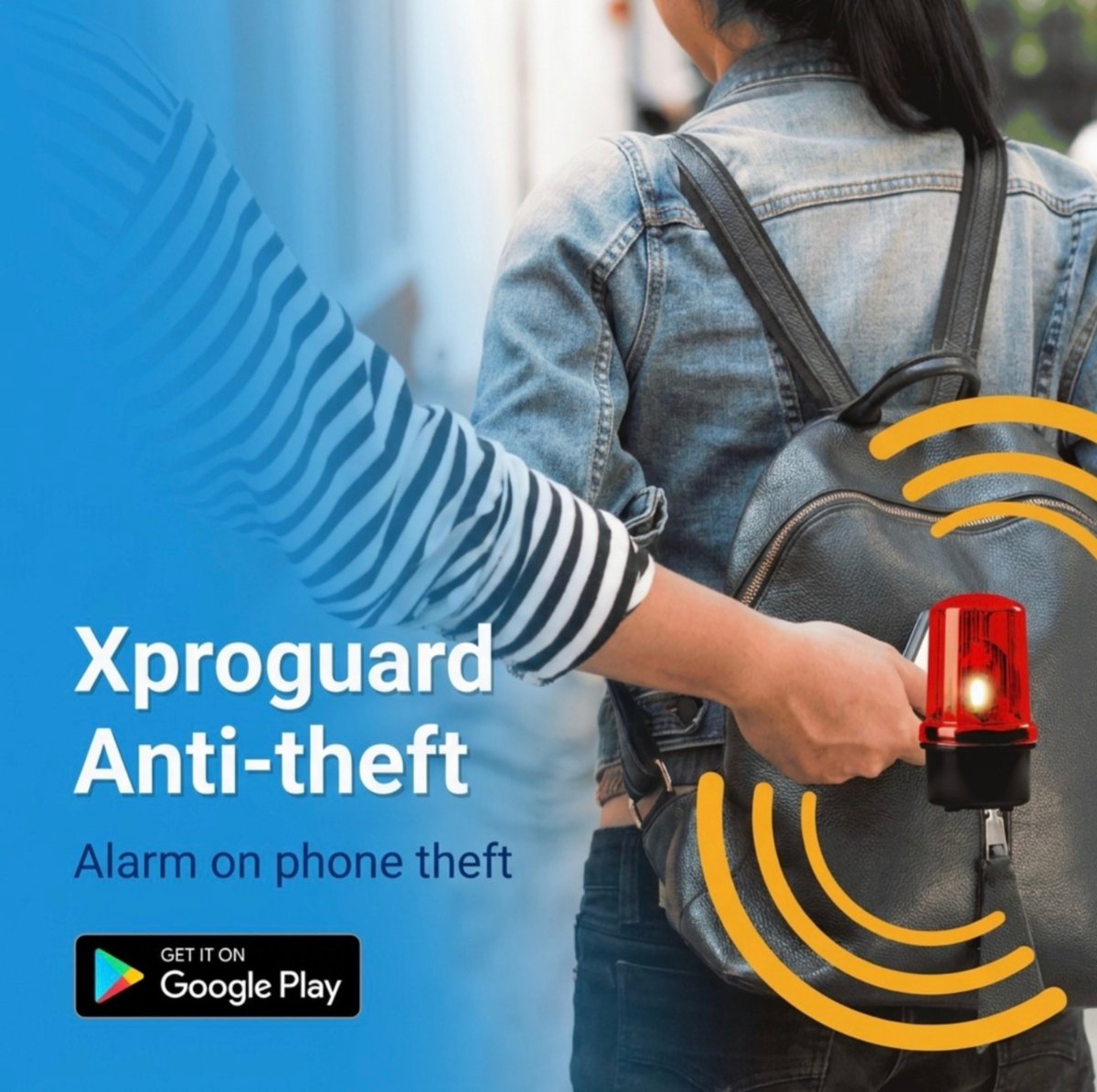
Introducing the Xproguard Anti-Theft feature – Anti Pickpocket Alarm 🚨
If someone tries to remove your phone from your pocket or purse, a loud alarm will instantly go off, alerting you.
📲 Download now:
👉 play.google.com/store/apps/d…
#Xproguard #AntiTheft #Android
4
32

Sometimes there are antitheft stickers on clothing, but my best bet if you’re really paranoid drive somewhere far far far away leave it on the ground and then drive back home
9

Jun 13
H.R. ____: The Larson Antitheft & Fair Taxation Representation Act
A BILL
To amend the Internal Revenue Code of 1986 to require the Secretary of the Treasury to provide periodic, itemized reports to all federal taxpayers detailing the proportional allocation of their tax contributions.
Be it enacted by the Senate and House of Representatives of the United States of America in Congress assembled,
SECTION 1. SHORT TITLE.
This Act may be cited as the "Fair Taxation Representation Act".
SECTION 2. FINDINGS AND PURPOSE.
(a) FINDINGS—Congress finds the following:
(1) American citizens who pay federal taxes have a fundamental right to understand, in a clear and detailed manner, how their tax dollars are being allocated and spent by the Federal Government.
(2) Current government financial reports are often complex, aggregated, and difficult for the average citizen to access or comprehend.
(3) Direct, periodic reporting on a personalized, proportional basis will empower taxpayers, increase public trust, and ensure a higher level of accountability for all government expenditures.
(b) PURPOSE—The purpose of this Act is to establish a system of mandatory, detailed, and personalized reporting from the Department of the Treasury to every individual taxpayer, ensuring 100% transparency in the use of their tax contributions.
SECTION 3. THE TAXPAYER ACCOUNTABILITY REPORT.
(a) ESTABLISHMENT—The Secretary of the Treasury, in coordination with the Director of the Office of Management and Budget (OMB), shall develop and issue a "Taxpayer Accountability Report" (hereinafter referred to as "the Report") to each taxpayer.
(b) FREQUENCY—The Report shall be issued to each taxpayer on a quarterly basis.
(c) DELIVERY—The Report shall be made available through:
(1) A secure, online portal accessible via the taxpayer's existing Internal Revenue Service (IRS) account.
(2) An option for a physical copy to be delivered via the United States Postal Service upon request.
SECTION 4. CONTENT AND FORMAT OF THE REPORT.
(a) PERSONALIZED BREAKDOWN—The Report must provide a personalized breakdown based on the individual's actual tax payments (including income tax, payroll tax, etc.) remitted during the preceding quarter.
(b) PROPORTIONAL ALLOCATION—The Report shall clearly state, in plain language, the proportional allocation of the taxpayer's contributions. The format shall be itemized to the greatest extent practicable.
(Example: "Based on your total tax contribution of $X,XXX this quarter, here is where every dollar was allocated:")
(c) GRANULAR DETAIL—The itemized list must include, but is not limited to, proportional spending for:
(1) Major Government Departments: (e.g., Department of Defense, Department of Health and Human Services, Department of Education, etc.).
(2) Specific Agencies: (e.g., Centers for Disease Control, National Institutes of Health, NASA, Environmental Protection Agency, etc.).
(3) Mandatory Spending Programs: (e.g., Social Security, Medicare, Medicaid, Interest on the National Debt).
(4) Discretionary Spending Categories: (e.g., specific defense programs, infrastructure projects, foreign aid allocations, scientific research grants).
(5) All Other Expenditures: A category for all other federal expenditures, broken down as is operationally feasible to ensure comprehensive accounting.
(d) CLARITY AND SIMPLICITY—The Report must be designed for readability, avoiding bureaucratic jargon, and using clear visualizations (such as charts or graphs) to aid taxpayer comprehension.
SECTION 5. IMPLEMENTATION AND OVERSIGHT.
(a) TREASURY RESPONSIBILITY—The Secretary of the Treasury shall be responsible for the accurate collection of data from all federal agencies and the secure dissemination of the Reports.
(b) PUBLIC DATABASE—The Treasury shall also maintain a concurrent, anonymized public website that shows the aggregate spending breakdowns for the entire nation, updated quarterly.
(c) AUDIT—The Government Accountability Office (GAO) shall conduct audits.
81

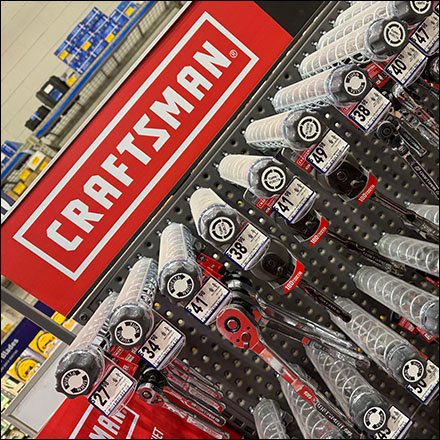
Craftsman Ratchets Anti-Theft Display…
fixturescloseup.com/2026/06/…
@FixturesCloseUp #FixturesCloseUp #StoreFixtures #PointOfPurchase #POPs #PointOfPurchaseDisplays #POPDisplay @Lowes #Lowes #Hardware #Tools #SocketWrench #Ratchets @Craftsman #Craftsman #AntiTheft #Shoplifting
5
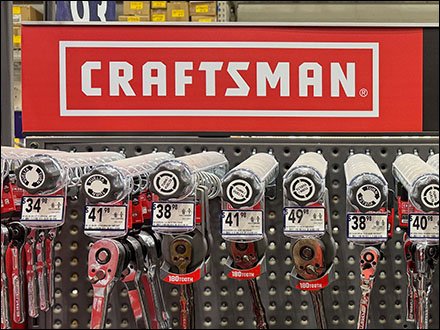
Craftsman Ratchets Anti-Theft Display…
fixturescloseup.com/2026/06/…
@FixturesCloseUp #FixturesCloseUp #StoreFixtures #PointOfPurchase #POPs #PointOfPurchaseDisplays #POPDisplay @Lowes #Lowes #Hardware #Tools #SocketWrench #Ratchets @Craftsman #Craftsman #AntiTheft #Shoplifting
5
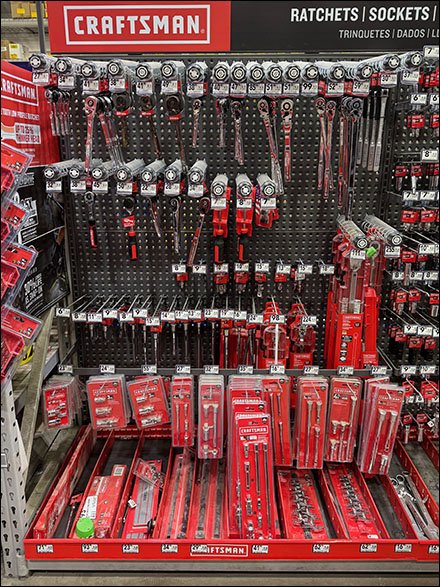
Craftsman Ratchets Anti-Theft Display…
fixturescloseup.com/2026/06/…
@FixturesCloseUp #FixturesCloseUp #StoreFixtures #PointOfPurchase #POPs #PointOfPurchaseDisplays #POPDisplay @Lowes #Lowes #Hardware #Tools #SocketWrench #Ratchets @Craftsman #Craftsman #AntiTheft #Shoplifting
4

That I couldn't find. But I used to have a '72 Chevy C10 with three on the tree. I never even bothered to lock it; it was its own antitheft device!
1
17

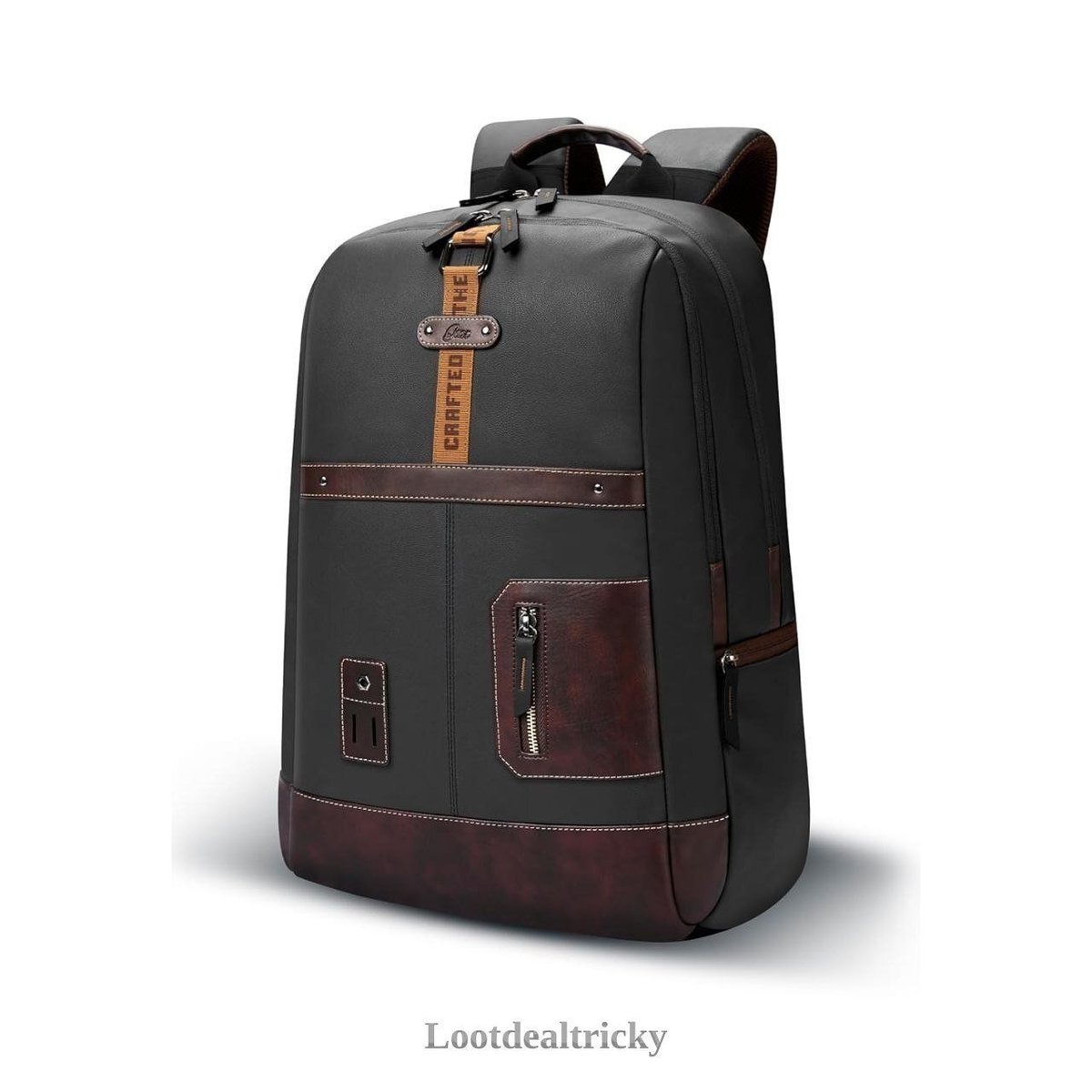
Gear 31L Antitheft Large Faux Leather backpack @699
amzn.to/4vEFG9I
437

Jun 13
.
Grab L o o t dealtricky 💥
699₹
Gear Classic 6 18"/31L Antitheft Large Faux Leather Water Resistant #Laptop backpack
amzn.to/4onqTO8
#Laptop #Backpack #Leather
16


Jun 13
699 :
amzn.to/4gj734w
#Looto
Gear Classic 6 18"/31L Antitheft Large Faux Leather Water Resistant Laptop backpack/Laptop backpack/Casual Backpack/Daypack/Travel Backpack/College Bag For Men/Women(Black-Brown)
131

Having weird problems with my 2012 Traverse. Won't crank on first try when cold, but fires right up on second try usually but sometimes takes two or three tries. Now I'm getting 'service battery charging system' message and batt light. but everything (Batt, Alt,) works fine and charging and batt is fully charged. Got other messages too at times like service stablelink, service antitheft module, service traction control, etc. Sooo, after determining all those messages are false, I ordered a preprogrammed Ecu/PCM module that's supposed to be plug and play. Wish me luck. This thing is driving me nuts. (please give me back my old '65 chev 6 cylinder with everything manual and no sensors)
3
1
3
94

Use MoboKey’s remote immobilizer technology to enhance vehicle protection and deter theft. mobokey.com/will-mobokey-kil… #carsecurity #antitheft #digitalkey #car #technology
2

🚨 ਚੋਰੀ ਦੇ ਮਾਮਲੇ ਵਿੱਚ ਕਾਰਵਾਈ 🚨
ਲੁਧਿਆਣਾ ਦਿਹਾਤੀ ਥਾਣਾ ਦਾਖਾ ਪੁਲਿਸ ਵੱਲੋਂ ਘਰਾਂ ਵਿੱਚੋਂ ਸਮਾਨ ਚੋਰੀ ਕਰਨ ਵਾਲੇ ਇੱਕ ਵਿਅਕਤੀ ਨੂੰ ਕਾਬੂ ਕੀਤਾ ਗਿਆ ਹੈ।
#antitheft #punjabpolice #communitysafety #lawandorder #publicsafety
2
32
Jun 12
Contact us for a quote:
🌐 dotmobi.co.ke 🔗
📞 0701031138
📧 info@dotmobi.co.ke
#VehicleSecurity #GPSTracker #GT49Tracker #AntiTheft #FleetManagement #AssetProtection #DotMobi
6
Jun 12
Contact us for a quote:
🌐 dotmobi.co.ke 🔗
📞 0701031138
📧 info@dotmobi.co.ke
#VehicleRecovery #GPSTracker #GT49Tracker #AntiTheft #AGPSTechnology #AssetProtection #FleetManagement #NairobiLogistics #DotMobi
5
utkarsh retweeted

Jun 11
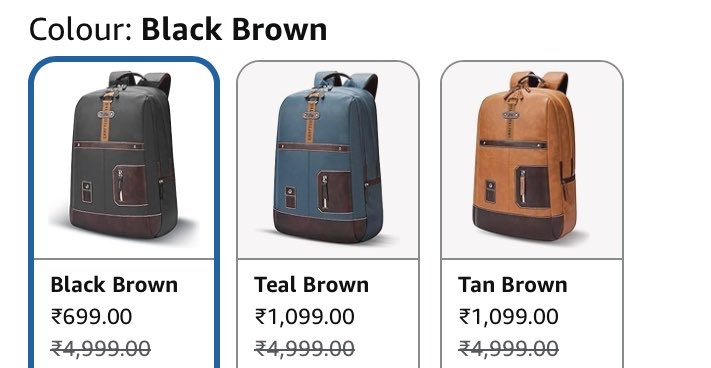
Gear Antitheft Faux Leather Laptop backpack at Rs.699.
Other Colours at High Price
amzn.to/4ovoa5l
1
1
1
4,256