𓂋 🏴☠️ retweeted

ทุกคนเชื่อทฤษฎี The broken bone theory มั้ย ทฤษฎีนี้บอกว่า คนที่ไม่เคยกระดูกหักเลยสักครั้ง หรืออาจจะเคยแค่ร้าวๆ มีสิ่งศักดิ์สิทธิคุ้มครองดีมากๆ ทำให้คุณไม่เคยเจ็บตัวตากการกระดูดหัก แต่จะได้รับความเจ็บปวดทางจิตใจอย่างสาหัสแทน 🤔
94
13,466
9,756
529,969

Purdue Institute for Cancer Research member David Thompson (@PurdueScience ) co-led new research with collaborators at @IUMedSchool that advances a nanoparticle delivery strategy for targeted therapies in multiple myeloma.
Using lipid nanoparticles, researchers improved targeting of multiple myeloma cells in the bone marrow.
Read more about the findings below.
Read the paper ➡️ purdue.link/nanopub.26.DT

New research co-led by IU School of Medicine scientists developed a nanoparticle delivery system that targets multiple myeloma cells while avoiding healthy cells.
The findings could help advance safer, more effective blood cancer treatments.
bit.ly/4g9ublZ

Ko ke tsqqng go kala teng today ba re bone ga ba itse sepe




Bellers retweeted

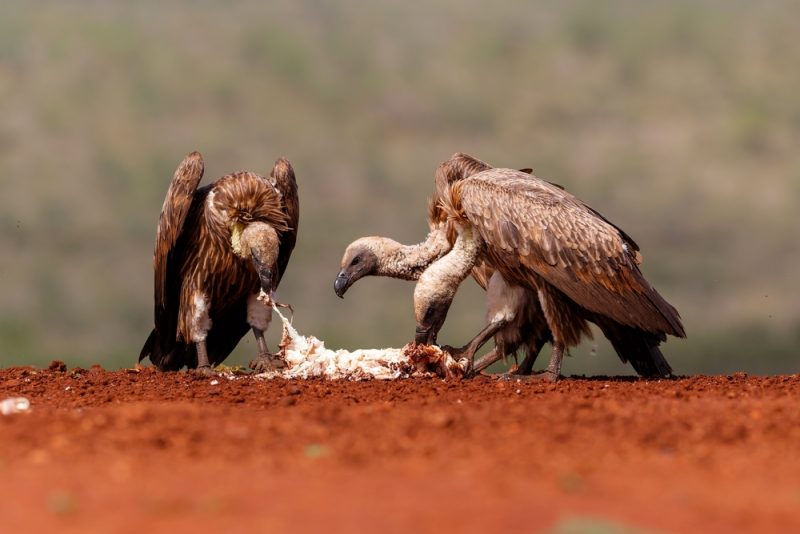
A vulture's stomach runs at a pH of around 1. That is roughly battery acid. It dissolves bone and sterilises the anthrax, botulism and cholera in a rotting carcass on the way down. The bird eats three-day-old roadkill for breakfast and feels nothing, because its gut is a furnace built to handle death.
Here comes the uncomfortable bit for the salad crowd.
Your stomach runs at about 1.5. Not quite vulture grade, but in the same brutal postcode. It is roughly level with a possum and a hawk. Meanwhile a gorilla, an actual dedicated plant-eater, sits far higher, up around 4 to 5, and a chimp, your nearest living cousin, has a gut noticeably gentler than yours.
You did not evolve that acid to break down spinach. Spinach does not fight back. That savage, flesh-melting pH is the calling card of an animal that ate meat, often meat well past its best, and needed to kill whatever was living in it first.
Scientists have a polite phrase for this. They reckon scavenging carcasses mattered far more in human evolution than the tidy nut-and-berry story admits, because only a viciously acidic gut lets you raid a kill and survive the bacteria that come with it.
So you wander about with the stomach of a scavenger and the dietary advice of a rabbit. The stomach was issued by two million years of evolution. The advice was issued by a committee in the seventies.
6
59
237
3,592
Isiego.. retweeted

A picture of my 18 years old patient’s hand because he had a dislocation and his parents took him to a traditional bone setter.
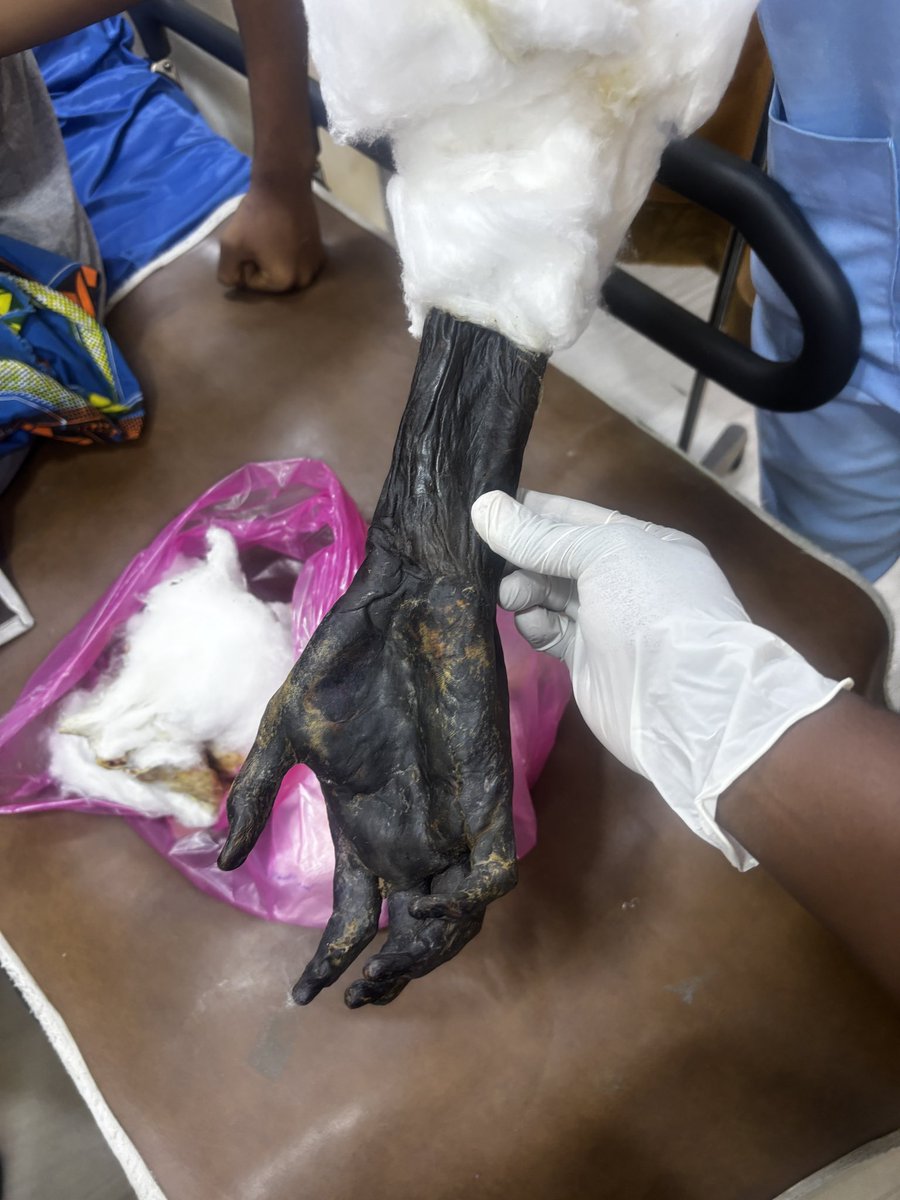

We need to end quackery!
27
15
32
4,442

A friend of mine used to do that all the time except in Afghanistan. He just wore a turban and none of the retarded locals even noticed him. Then he crashed one day and that’s how he found out he had bone cancer. So one gets you shot, but the other gives you cancer, your choice.
1

You can isolate phagocytic cells from blood (and indeed bone marrow). Phagocytosis can be demonstrated by ingestion of latex beads, yeast or bacterial cells. Or if you are very fancy these can be labelled with a fluorochrome or engineer bacteria to express GFP 1/2
2



Savage to the bone⛓️ Now also on ETH.


1
6

“White Bone” is hall of fame level lightskin cry baby music 🤣🤣…. My GOAT was hurt lol 🦉


2