
Brett, please talk about the Biogenesis and Morphogenesis problems in Biology. In what ways have they been solved & in what ways do they remain open questions? How does the work of e.g Stuart Kauffman & e.g. Frances Arnold fit into these topics?
1
16


ESPACIO SOLICITADO | BIOGENESIS BAGO🐃
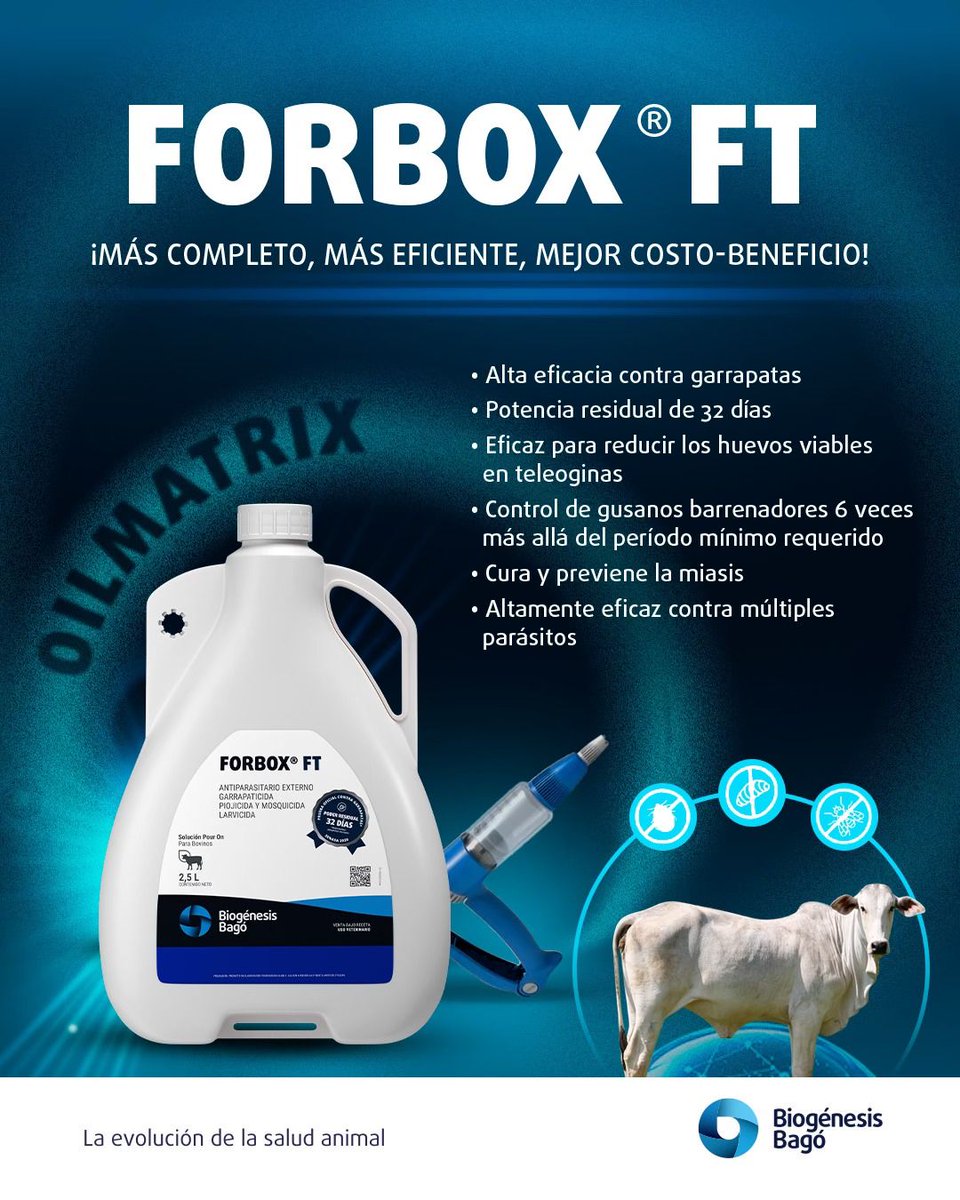
¡El antiparasitario que tu hato merece, de la marca que confías y que entrega lo que promete!
Eficaz, confiable y seguro, FORBOX® FT reescribe el modo de combate y tratamiento contra garrapatas, miasis y moscas con un poder residual 32 días.
3
ESPACIO SOLICITADO | BIOGENESIS BAGO🐃🐂
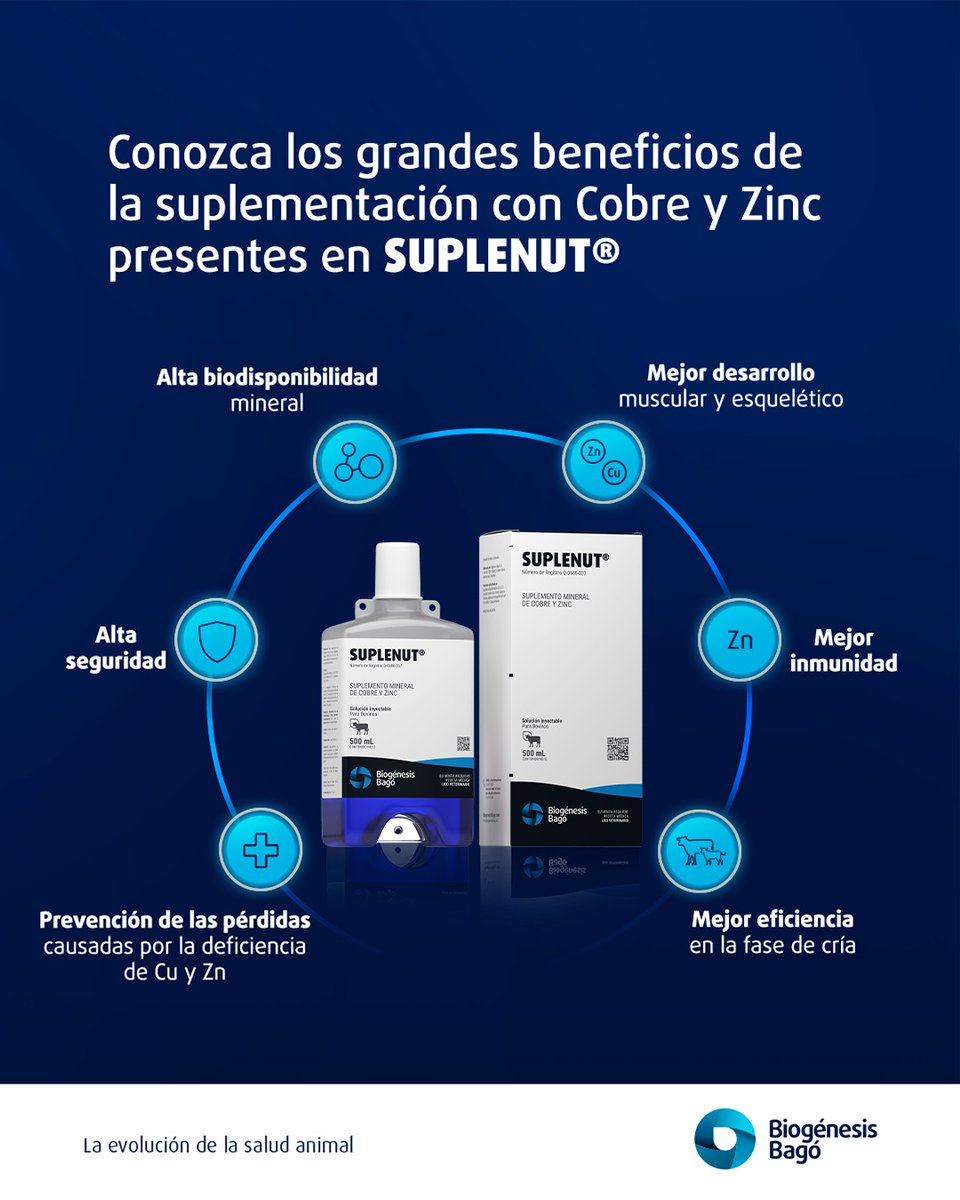
🐄💪 Fortalezca la salud y productividad de su hato con SUPLENUT®.
La suplementación estratégica con Cobre y Zinc ayuda a mejorar la inmunidad, favorecer el desarrollo muscular y acompañar una mejor eficiencia productiva en cada etapa.
7

HIV Tat Protein Induces the TGF-β Signaling Pathway and Suppresses the CFTR Biogenesis and Activity by microRNA-Regulated Gene-Silencing Mechanism
faseb.onlinelibrary.wiley.co…
1
5

New paper from the Feradical Lab in @NatureComms! We swapped a single N→S atom at Trp105 in KatG and completely reprogrammed its chemistry — redirecting radical cofactor biogenesis to stereoselective sulfoxidation, captured in a 2.22 Å cryo‑EM structure.
doi.org/10.1038/s41467-026-7…
29
March 26, 2024
SARS-CoV-2 targets ribosomal RNA biogenesis
cell.com/cell-reports/fullte…
1
21

#OpenAccess #Article
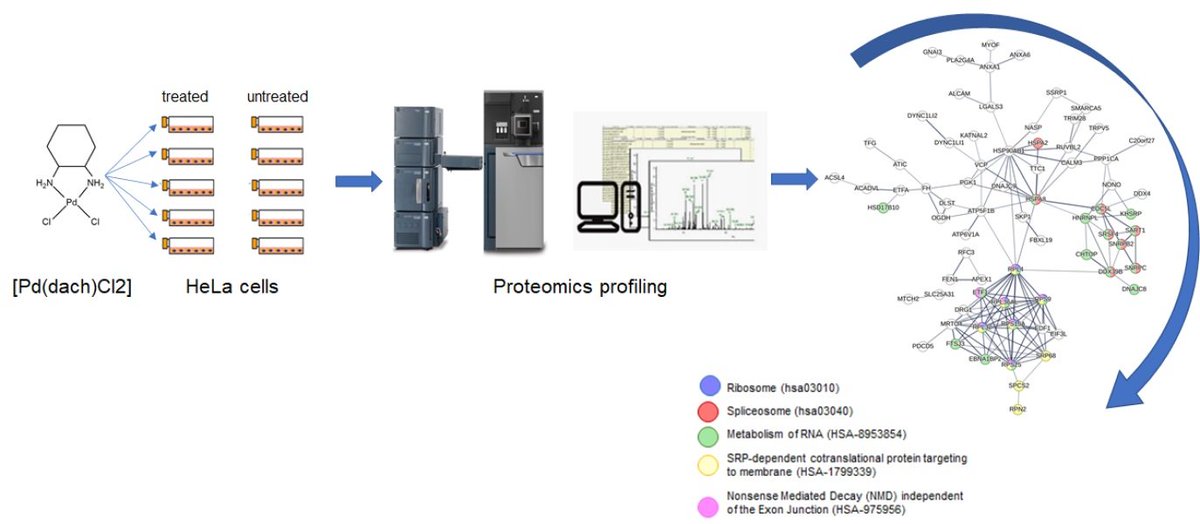
📑Title: [Pd(dach)Cl2] Complex Targets #Proteins Involved in Ribosomal #Biogenesis, and #RNA Splicing in #HeLa Cells
Authors: Vanja Ralić et al.
📌 brnw.ch/21x3of9
15

🌊 AESTHETICS — 48 Benefits
1. Radiant, luminous skin that glows from within
2. Perfect facial symmetry and divine proportions
3. Hair that grows thick, lustrous, and vibrant
4. Eyes that sparkle with inner light and depth
5. Posture of regal grace and effortless elegance
6. Voice that carries natural resonance and magnetism
7. Natural scent that is subtly intoxicating and unique
8. Movement that flows with liquid, artistic grace
9. Presence that commands attention without effort
10. Smile that lights up rooms and heals hearts
11. Skin texture that is soft, firm, and youthful
12. Eyebrows and lashes that frame the eyes perfectly
13. Jawline and facial structure of classical beauty
14. Body proportions that feel harmonious and divine
15. Natural glow that increases with emotional state
16. Teeth that are naturally white and perfectly aligned
17. Nails that grow strong, clear, and beautiful
18. Overall facial harmony that inspires awe
19. Natural charisma that draws people in
20. Aura that feels warm, safe, and magnetic
21. Skin tone that is even, vibrant, and healthy
22. Lips that are naturally full and expressive
23. Neck and shoulders that carry noble bearing
24. Hands that move with artistic sensitivity
25. Overall physical beauty that deepens with age
26. Natural photogenic quality in any lighting
27. Voice timbre that is soothing and powerful
28. Eye contact that feels deeply connecting
29. Natural elegance in movement and stillness
30. Facial expressions that convey depth and warmth
31. Body language that communicates confidence and openness
32. Natural symmetry in all physical features
33. Skin that heals quickly and beautifully
34. Hair color and texture that enhances natural beauty
35. Overall aesthetic that feels timeless and divine
36. Presence that makes others feel more beautiful
37. Natural radiance that increases with joy
38. Facial features that express inner light
39. Body that moves with artistic, flowing grace
40. Natural beauty that requires minimal enhancement
41. Voice that carries emotional depth and resonance
42. Eyes that convey wisdom, warmth, and depth
43. Overall form that feels like living art
44. Natural glow that responds to emotional states
45. Physical presence that inspires and uplifts
46. Beauty that is both striking and deeply comforting
47. Aesthetic that feels uniquely and divinely yours
48. Radiance that continues to deepen throughout life
🌿 HEALTH — 48 Benefits
1. Perfect cellular regeneration and repair
2. Optimal mitochondrial function and energy production
3. Strong, flexible, and resilient immune system
4. Perfect hormone balance and regulation
5. Deep, restorative, and rejuvenating sleep
6. Strong cardiovascular health and circulation
7. Optimal digestive function and gut microbiome
8. Strong, flexible joints and connective tissue
9. Perfect blood sugar regulation and metabolic health
10. Strong, dense, and resilient bones
11. Optimal brain function and neuroplasticity
12. Strong, healthy lungs and respiratory system
13. Perfect liver and kidney function
14. Strong, resilient nervous system
15. Optimal thyroid and endocrine function
16. Strong, healthy reproductive system
17. Perfect pH balance and internal environment
18. Strong, efficient lymphatic system
19. Optimal inflammation response and resolution
20. Strong, resilient telomeres and cellular longevity
21. Perfect hydration and cellular water balance
22. Strong, healthy hair, skin, and nails
23. Optimal detoxification and elimination
24. Strong, resilient stress response system
25. Perfect blood pressure and vascular health
26. Strong, healthy vision and eye function
27. Optimal hearing and auditory processing
28. Strong, resilient immune memory
29. Perfect cellular communication and signaling
30. Strong, healthy gut-brain axis
31. Optimal mitochondrial biogenesis
32. Strong, resilient DNA repair mechanisms
1
60

4/6 According to this view, mitochondrial toxicity may contribute to reduced ATP levels, loss of mitochondrial membrane potential, impaired mitochondrial biogenesis and density, activation of permeability transition pathways, apoptosis, and calpain-mediated cell death.
/5
2
2
17
447
Chidambara .ML. retweeted

Jun 15
Mitochondrial biogenesis gets most of the attention in metabolic health research.
More mitochondria means more ATP production capacity. PGC-1α activation, exercise-induced adaptations, NAD precursors—they all increase mitochondrial quantity.
But quantity isn't the limiting factor in age-related metabolic decline. Efficiency is.
You can have abundant mitochondria that produce ATP poorly. The electron transport chain becomes less coupled with age—meaning more oxygen is consumed to generate the same amount of ATP.
This is proton leak: hydrogen ions bypass ATP synthase and cross the inner mitochondrial membrane without driving ATP production. The energy dissipates as heat instead of being captured in high-energy phosphate bonds.
Young, healthy mitochondria have tightly regulated proton gradients. The electron transport chain pumps protons across the membrane, creating an electrochemical gradient that drives ATP synthase rotation when protons flow back through.
Aged or damaged mitochondria allow protons to leak across the membrane through non-ATP-producing channels. The gradient weakens. ATP synthase spins less efficiently. Energy production drops even when oxygen delivery and substrate availability remain adequate.
This explains why metabolic rate can decline even when mitochondrial content stays stable or increases. You're not producing less ATP because you have fewer mitochondria—you're producing less because the mitochondria you have are working inefficiently.
Reactive oxygen species accelerate the problem. As electron transport chain efficiency declines, more electrons leak prematurely and reduce oxygen to superoxide instead of water. Superoxide damages mitochondrial membranes and proteins, worsening coupling efficiency in a self-reinforcing cycle.
Mitochondrial membrane potential is the functional biomarker. It reflects how well the proton gradient is maintained. When membrane potential drops—even slightly—it signals declining coupling efficiency and increased leak.
Cardiolipin is a key structural component of the inner mitochondrial membrane, essential for maintaining electron transport chain complex stability and proton impermeability. It oxidizes with age, particularly in response to reactive oxygen species.
When cardiolipin integrity declines, membrane structure destabilizes. Proton leak increases. Electron transport chain complexes lose functional coupling. ATP production becomes less efficient per oxygen molecule consumed.
This is why interventions targeting mitochondrial quality—not just quantity—may be more relevant for age-related metabolic decline.
Urolithin A enhances mitophagy, clearing dysfunctional mitochondria and allowing healthier ones to persist. NAD precursors support sirtuin activity, which regulates mitochondrial protein acetylation and improves oxidative phosphorylation efficiency. Coenzyme Q10 stabilizes the electron transport chain and reduces electron leak.
These interventions don't necessarily increase mitochondrial number. They improve the function of existing mitochondria by reducing oxidative damage, stabilizing membrane integrity, and enhancing coupling efficiency.
Exercise does both. Endurance training increases mitochondrial content through PGC-1α signaling. But it also improves mitochondrial efficiency by reducing oxidative stress, enhancing antioxidant defenses, and promoting mitophagy to clear damaged mitochondria.
The net result: more mitochondria that work better.
But in sedentary aging, mitochondrial content may stay relatively stable while efficiency declines. Adding more mitochondria through biogenesis activators won't fix inefficient ones. And inefficient mitochondria consume oxygen without proportionally increasing ATP output—creating the metabolic profile of declined energy expenditure despite adequate mitochondrial mass.
Our latest Research Review examines mitochondrial coupling efficiency, why it declines with age, and which interventions target quality rather than quantity.
gethealthspan.com/research/a…
1
5
16
752

18h
I love Trae. Wanted him for years. But going from Giannis to Trae is a humongous letdown 😭 especially if Giannis ends up in Boston. I deadass would rather try my luck with Embiid and send him to the biogenesis clinic
43
26
572
27,652

21h
This was the answer…
“Professor Leslie M. Thompson (UC Irvine) has focused her clinical and translational neurology efforts almost exclusively on Huntington’s disease (HD) over the past four years (roughly 2022–2026), with no publicly documented involvement in other neurology clinical programs or trials outside of HD.2731
Her work centers on stem cell-based therapies, mechanistic studies, and repurposed drugs for HD. Key highlights include:
•REGEN4HD (NCT07451613): This is the ongoing first-in-human Phase 1b/2a trial of hNSC-01 (human neural stem cells) for HD safety and tolerability. She is the sponsor and lead investigator. The first participant was dosed recently (around mid-2026), supported by substantial CIRM funding (including a ~$12 million award in late 2025, building on prior ~$6 million in 2019 and others). This is her most prominent recent clinical program.02731
•Fenofibrate trial (NCT03515213): She served as Study Director for this Phase 2 study evaluating the safety and efficacy of fenofibrate (an approved lipid-lowering drug) as a potential HD treatment, targeting mitochondrial biogenesis/PGC-1α pathways. It was listed as active/not recruiting in some records from the period.85
Her broader recent activities (preclinical/translational, often feeding into clinical work) include:
•Multiple CIRM-funded projects on HD mechanisms, iPSC models, protein interactions, gene therapy collaborations (e.g., with Beverly Davidson on PIAS1/MSH3), and stem cell delivery approaches.2640
•Leadership in HD-focused conferences and consortia (e.g., SC4HD/Stem Cells for HD).99
•Publications and commentary on HD RNA processing, selective neuron vulnerability, and therapeutic targets (e.g., 2025 work quoted in Science).24
No evidence appears of her leading or participating in clinical programs for other neurological conditions (e.g., Parkinson’s, ALS, Alzheimer’s, or stroke) in this timeframe. Her lab has historically explored stem cell models for FGFR3-related cancers alongside HD, but this has not extended to neurology clinical trials.94
This focus aligns with her long-term expertise (over 30 years on HD) and funding from CIRM, HDF, and NIH emphasizing HD regenerative and disease-modifying approaches. Information is based on public sources like ClinicalTrials.gov, CIRM, UCI announcements, and publications up to mid-2026.”
128

He’s good enough but being linked to Biogenesis disqualifies him imo
7
229

Jun 15
According to the current model matter came first. The question is at what point did matter (hydrogen, helium....) become a living cell. That's biogenesis. How did microbes come to exist after matter came into space time? Anyway have a great day dee Jay.
2
1
13

Adaptive Thermal Endothermic Response) Gel.
PHASE II: THE FOUNDRY-LATTICE INTEGRATION (The A.T.E.R. System)
Once the base is established, the ships become "Living Exoskeletons."
Synthetic Biogenesis: The Foundry "brews" the A.T.E.R. gel using Martian regolith precursors (
1
3
Jun 15
You've proven biogenesis? Wow you've taken mineral matter and created a living replicating biological cell? When did science do that?
1
1
10

Jun 15
Read the law of biogenesis and you will realize that there is a Creator.
1
12