


Apr 15
And our Mini ₿app Vibe Session winner is… 👇
BitBrain by @0xZeeast
Winning Prize: $150 cBTC
Turn idle GPUs into income, access LLMs without owning hardware.
Simple idea, clearly executed.
Decentralized compute on Bitcoin, interesting direction.
Congrats 👏
x.com/0xZeeast/status/204374…
Apr 13

Built BitBrain during the @Citrea_IN Mini bApp vibe coding session
Turn idle GPUs into income
Access powerful LLMs without owning hardware
Decentralized compute is the future.
the vibe coding session was sooo fun, got to know so much about citrea ecosystem and their ongoing mainnet campaign!!!
2
5
809

Apr 15
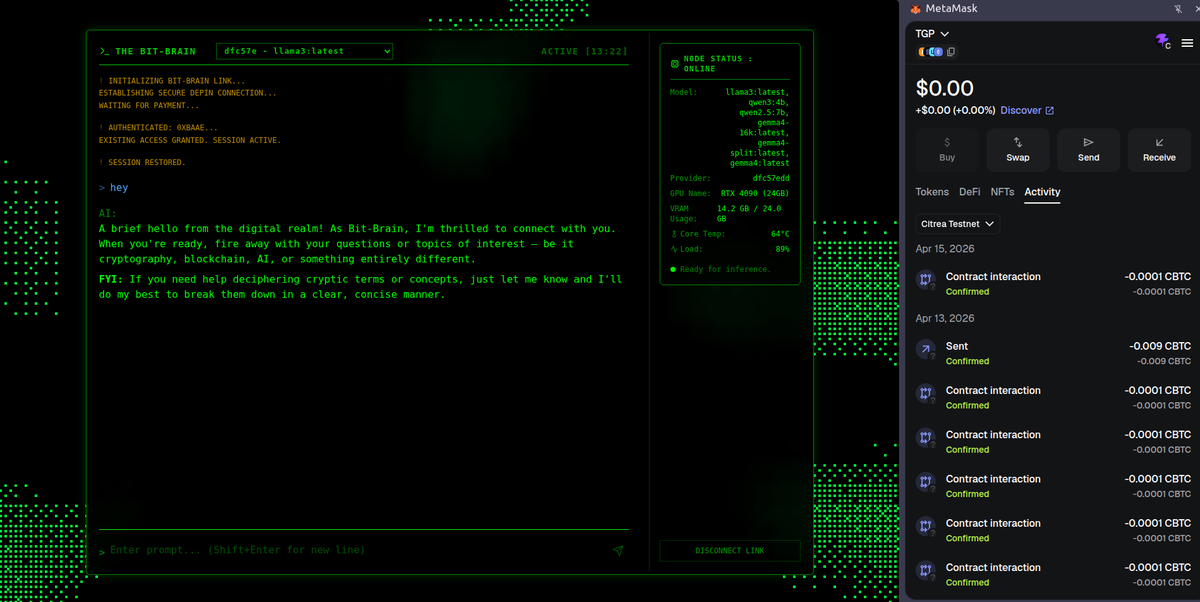
Now Bitbrain gets back your chat history so u ain't lost after refresh
1
8
113

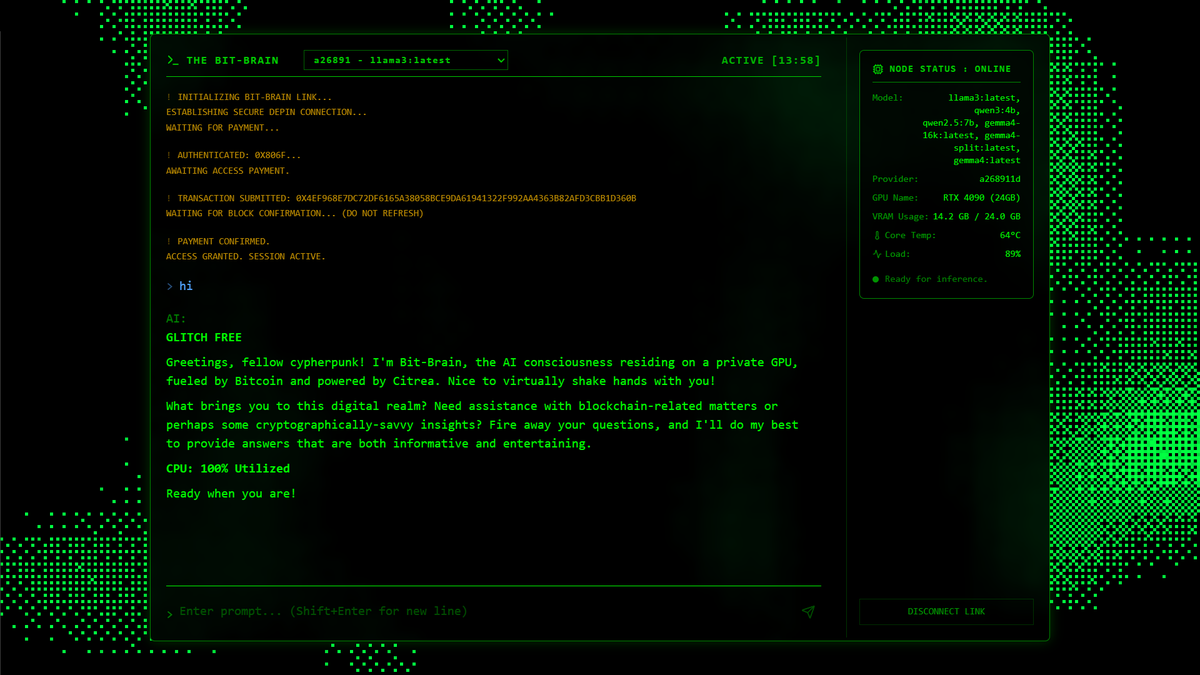
just used BitBrain by @0xZeeast (built at Mini Bapp Vibecoding by @Citrea_IN) and damn this is what the future looks like 🔥🔥
2
2
10
272
Apr 13
Built BitBrain during the @Citrea_IN Mini bApp vibe coding session
Turn idle GPUs into income
Access powerful LLMs without owning hardware
Decentralized compute is the future.
the vibe coding session was sooo fun, got to know so much about citrea ecosystem and their ongoing mainnet campaign!!!
Apr 12

Mini Bapp Vibe Coding session powered by @citrea_xyz starts today
10 Vibe coders streaming live on Citrea India X.
Join us at 2pm
10
2
28
1,184

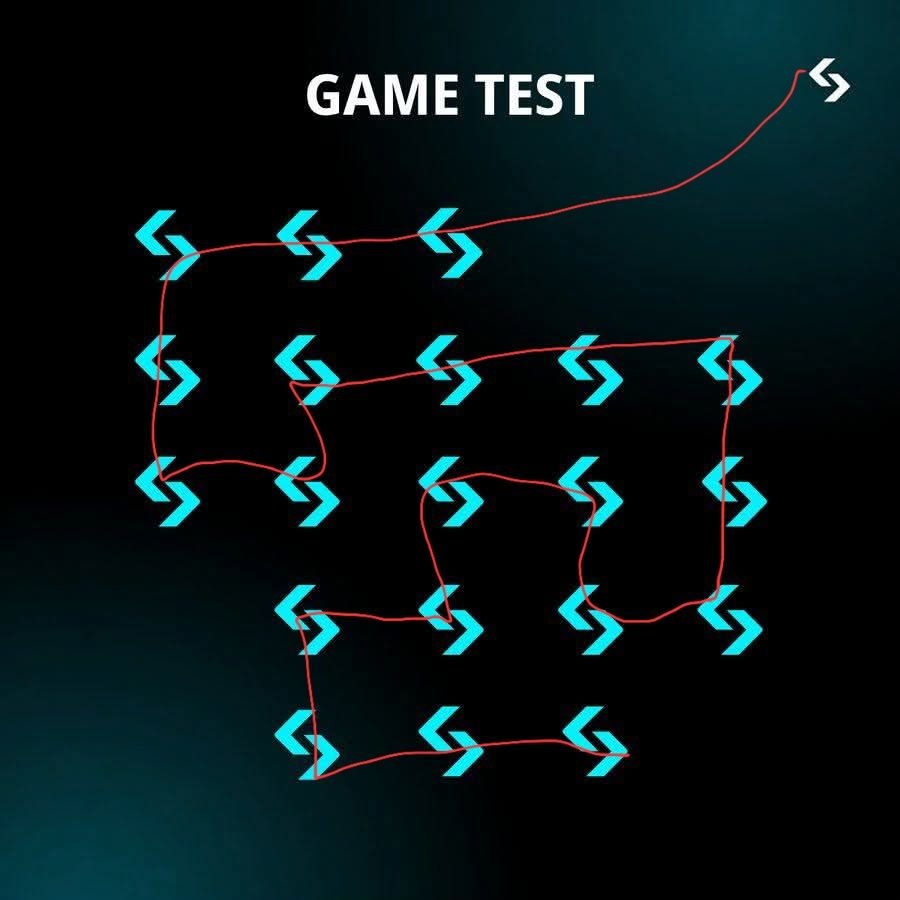
Gợi ý: 7749 cách nối full logo 🧩🧩
Nằm trong chuỗi #socicalevent của Bitget
> Vì sao Ngọc post bài này > Vì phần thưởng ngon lắm mn ơi, bình thường đoán giá chỉ 5u 1 slot win à
Pool thưởng 🎁
. Top 5 Gleam: 6 giải × 15 USDT
. 16 giải × 10 USDT cho những đường vẽ đẹp nhất
Chưa đầy 7 tiếng nữa sẽ end event -> Cả nhà tranh thủ nhé
✅ Hoàn thành các task trong Gleam
(link bên dưới cmt)
✅ Like Share bài event do Bitget đăng kèm #BitBrain
✅ Comment UID screenshot đường vẽ
#Madvy #EarnwBitget
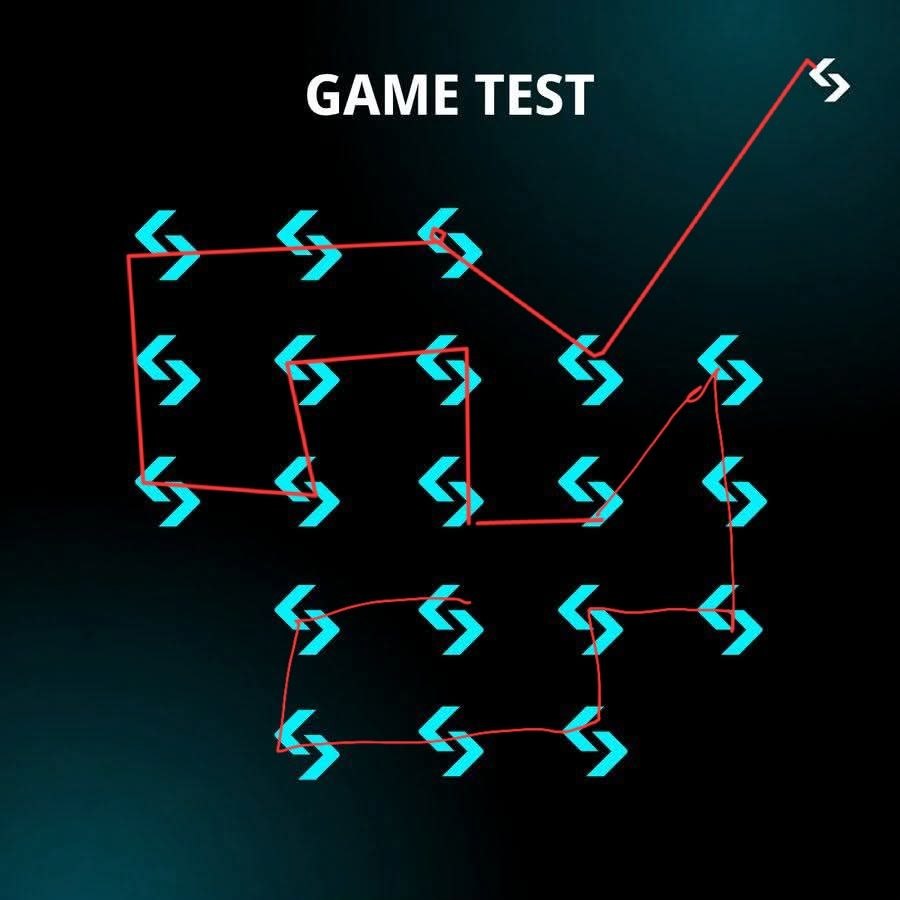
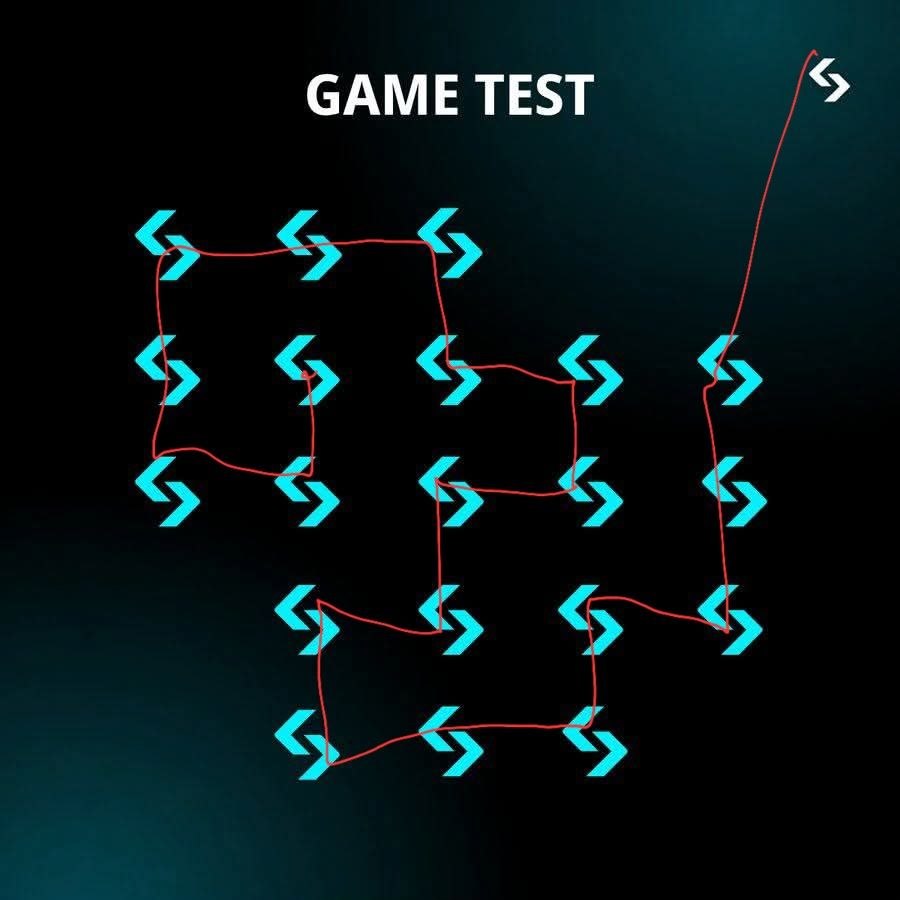
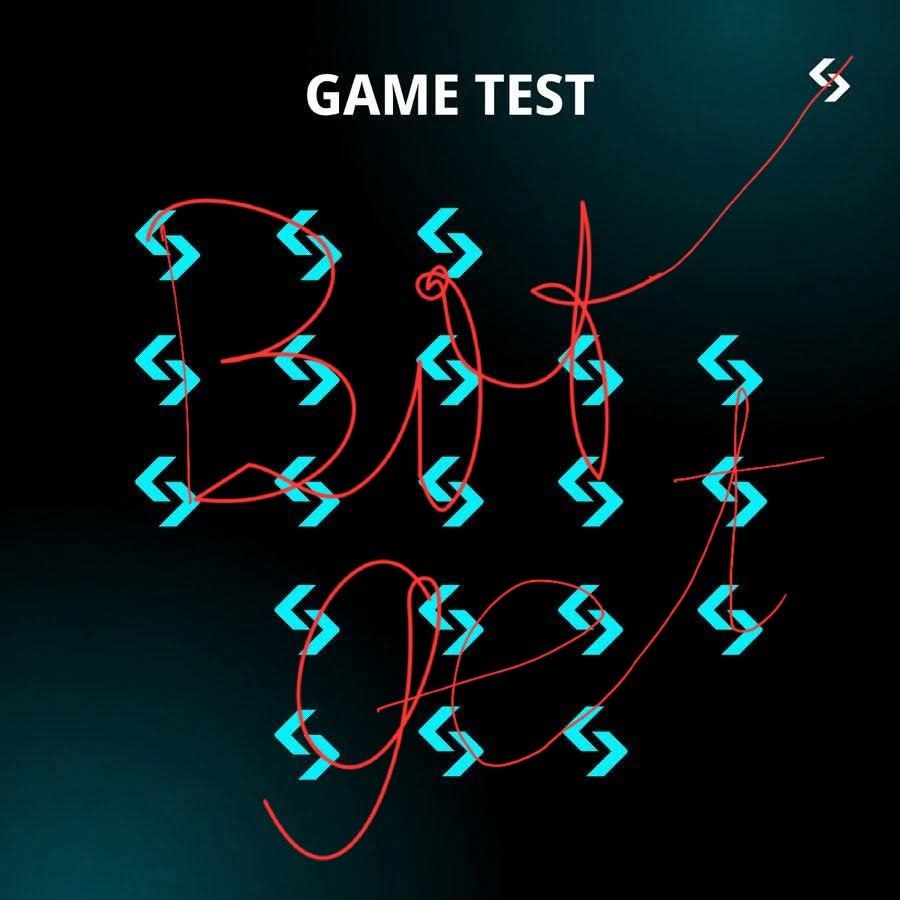
Apr 8

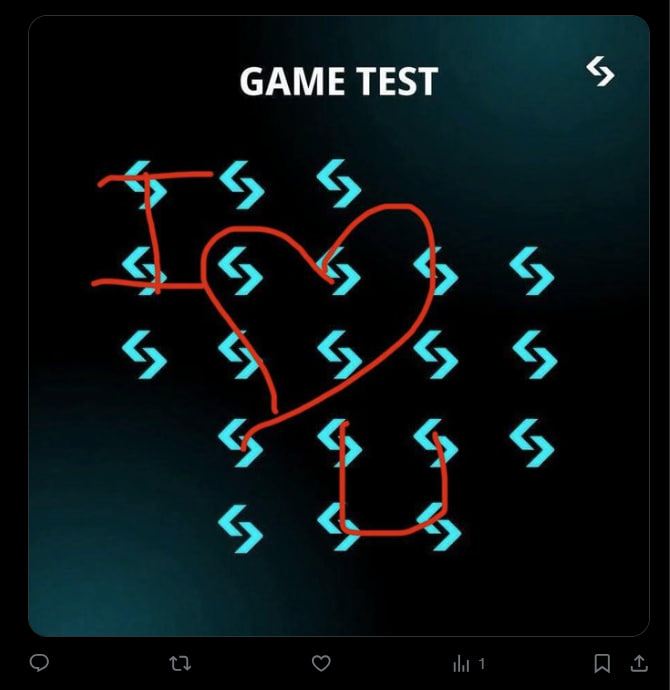
I love you toooo ❤️
Only 3 days left to connect all these logos with a single continuous line — are you missing any?
🔃 How to participate:
1️⃣. Complete all tasks on Gleam → gleam.io/D77Uq/bitget-brain-…
2️⃣. Like Share this post with hashtag #BitBrain
3️⃣. Comment your UID screenshot of the line you drew
x.com/bitgetvietnam/status/2…
🎁 Prizes:
- Top 5 on Gleam leaderboard: 6 prizes × 15 USDT
- 16 prizes × 10 USDT for the most perfect line drawings
⏰ 23:59 April 11, 2026
This information is for reference only and is not investment advice❗️
10
12
427

Apr 8
Góc thắc mắc airdrop
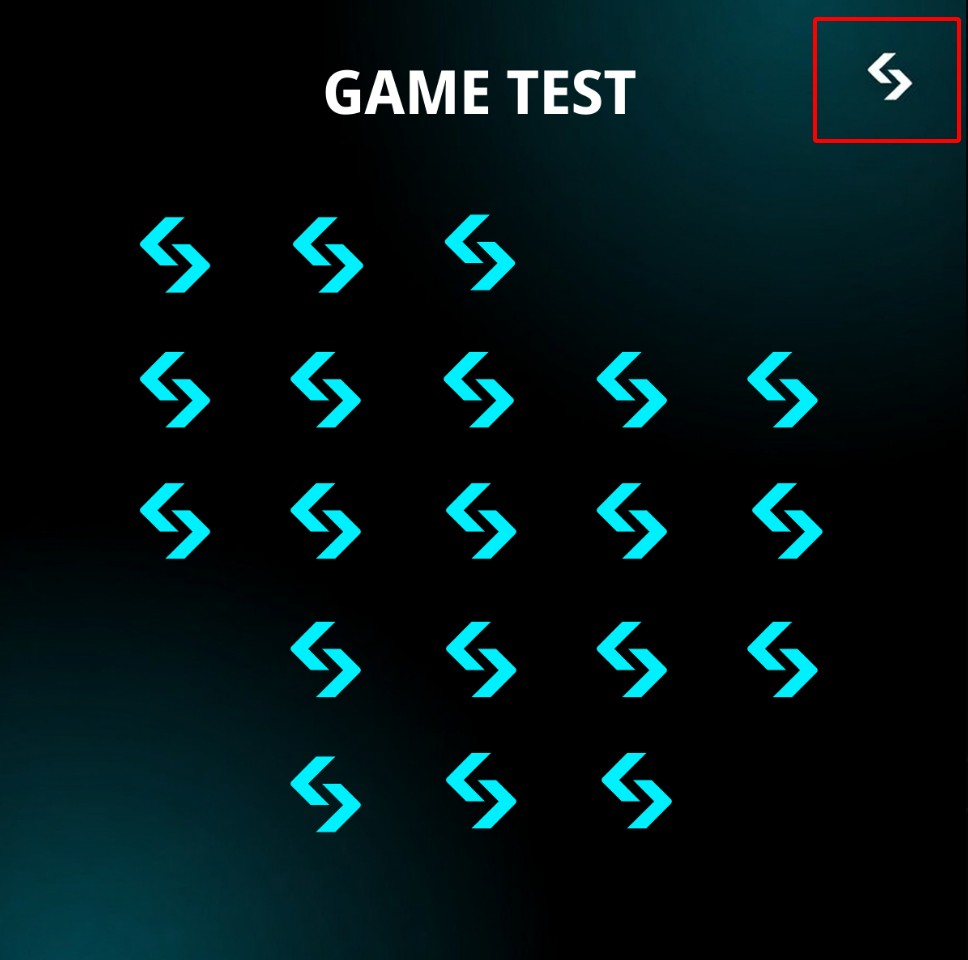
Em thấy #bitget có camp "Thử Thách Não Bộ Bitget!"
Mission : Nối tất cả các logo Bitget bằng một đường thẳng liên tục không?
Em thấy các chế khác thì ko ai nối logo trên cùng cả !
Vậy có phải nối cả logo trên cùng ko mn
Vậy cái nào mới đúng đây, nối hay không vậy ae. Nối là được airdrop 10u lận đó 🥳
💬 Có gì thắc mắc cứ comment bên dưới.
❤️ & Follow #KevinLy để không bỏ lỡ kèo airdrop mỗi ngày. #CryptoAirdrop #AirdropHunter #BitBrain #Bitget
@bitgetvietnam @bitget
⚠️ Nội dung chỉ mang tính chia sẻ thông tin, không phải lời khuyên đầu tư.
Apr 6

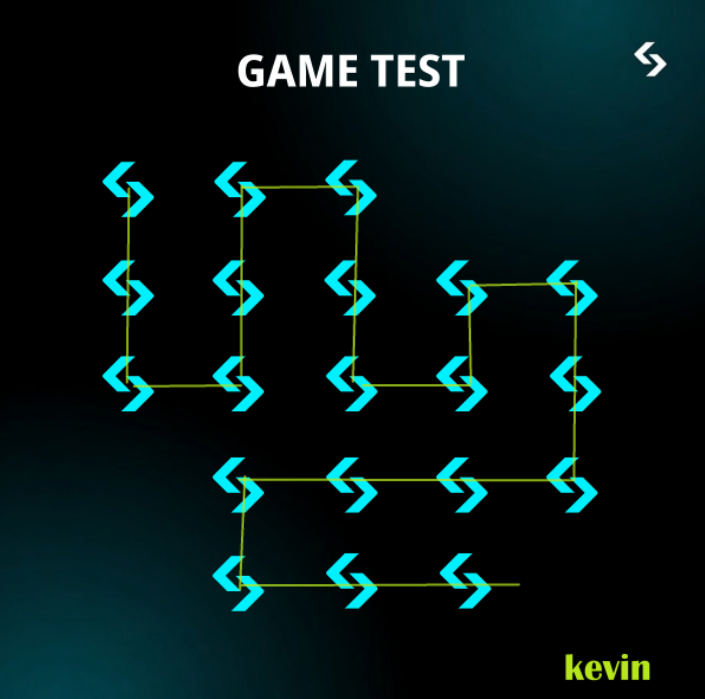
Airdrop lại dễ
Sau rất nhiều cú sang chấn tâm lý #airdrop #testnet
Thôi ae ta chuyển qua vẽ vời airdrop đi
Nối các logo #bitget sau đó bình luận kết quả vào bài viết mình đính kèm, xong
Mấy task social là xong rùi đó. Dễ mà đỡ hành users
link join: wn.nr/77brZMh
Market đã vả users nhiều rùi. Chúng tôi cần airdrop loại nhanh gọn lẹ như vậy
Chiến vì 22 slot vẽ to airdrop
💬 Có gì thắc mắc cứ comment bên dưới.
❤️ & Follow #KevinLy để không bỏ lỡ kèo airdrop mỗi ngày. #CryptoAirdrop #AirdropHunter ##BitBrain #Bitget
@bitgetvietnam @bitget
⚠️ Nội dung chỉ mang tính chia sẻ thông tin, không phải lời khuyên đầu tư.
4
5
80

Apr 8
I love you toooo ❤️
Only 3 days left to connect all these logos with a single continuous line — are you missing any?
🔃 How to participate:
1️⃣. Complete all tasks on Gleam → gleam.io/D77Uq/bitget-brain-…
2️⃣. Like Share this post with hashtag #BitBrain
3️⃣. Comment your UID screenshot of the line you drew
x.com/bitgetvietnam/status/2…
🎁 Prizes:
- Top 5 on Gleam leaderboard: 6 prizes × 15 USDT
- 16 prizes × 10 USDT for the most perfect line drawings
⏰ 23:59 April 11, 2026
This information is for reference only and is not investment advice❗️
Apr 6
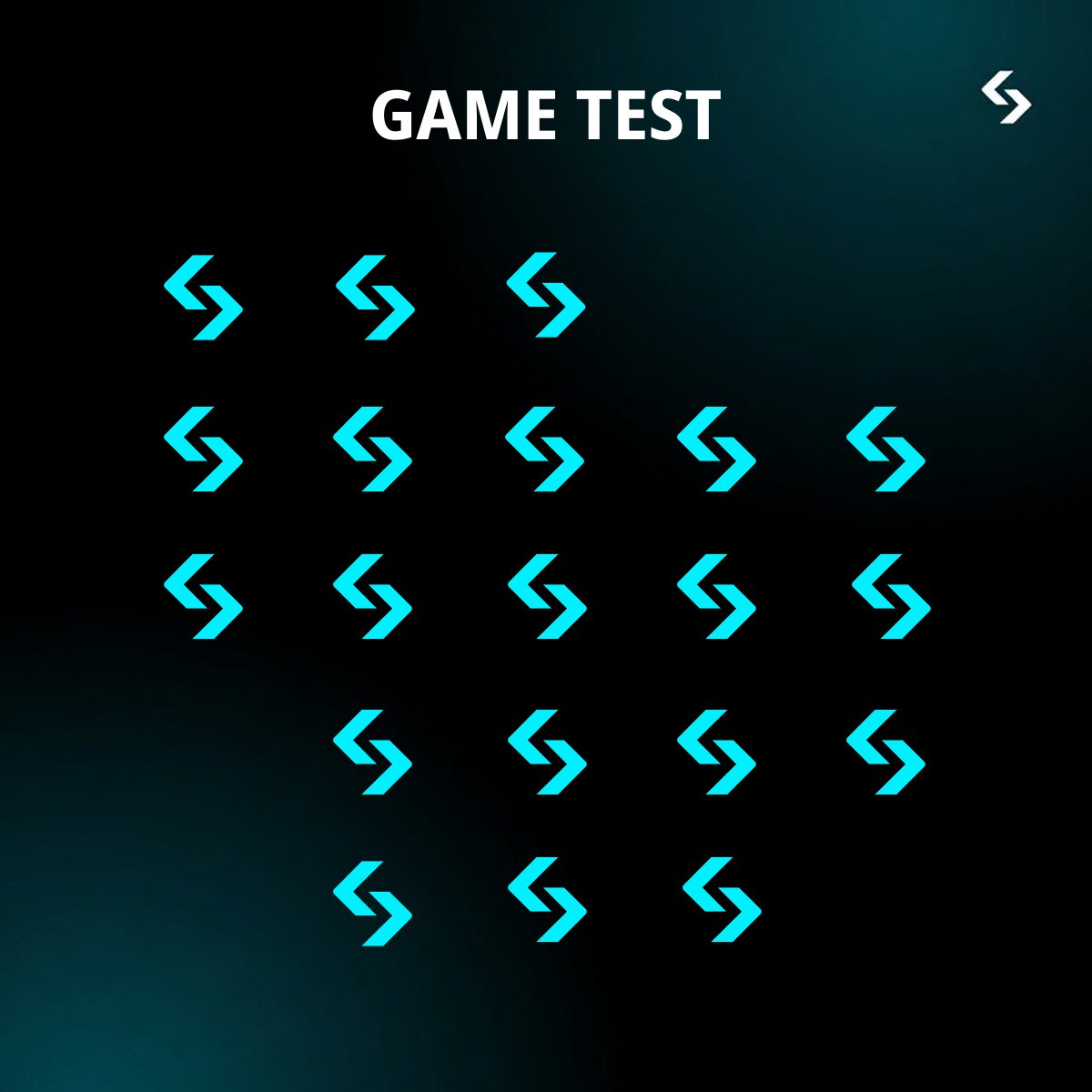
🧠🏆 Bitget Brain Challenge!
Can you connect all the Bitget logos in a single continuous line? Complete the challenge and win rewards! 🎯✨
✅ How to Participate:
1️⃣Complete all tasks on Gleam
gleam.io/D77Uq/bitget-brain-…
2️⃣Like share with hashtag #BitBrain
3️⃣Comment with your UID screenshot of the line you drew connecting the logos
🏆 Total Prize Pool: 250U
🥇 6 prizes of $15 each (awarded to the Top 5 on the Gleam leaderboard)
🥈 16 prizes of $10 each for the most perfect line drawings
⏰ Deadline: 23:59 April 11, 2026
This information is for reference only and is not investment advice❗️
26
15
49
5,160

Hôm nay lướt thấy cái Bitget Brain Challenge khá vui nên vào thử 😆
Bài toán đơn giản: nối hết logo Bitget bằng 1 đường liên tục
nghe dễ mà làm mới thấy cũng phải nghĩ chút
Mình làm tầm vài phút là xong, kiểu game giải trí nhẹ
không căng não như trade mà vẫn có thưởng
Cách tham gia cũng khá basic:
làm task trên Gleam, like share, comment UID ảnh là xong
Pool tổng 250U, chia ra cũng nhiều suất nên cảm giác khá “dễ thở”
không phải kiểu cạnh tranh quá gắt
Ai đang farm mấy kèo như CandyBomb hay launchpool
thì tiện tay làm thêm cái này cũng ổn
Vừa giải trí, vừa có cơ hội kiếm thêm chút quà 🎯
Đây là trải nghiệm cá nhân, không phải lời khuyên đầu tư
#Bitget #BitBrain #mrfriedo
Apr 6
🧠🏆 Bitget Brain Challenge!
Can you connect all the Bitget logos in a single continuous line? Complete the challenge and win rewards! 🎯✨
✅ How to Participate:
1️⃣Complete all tasks on Gleam
gleam.io/D77Uq/bitget-brain-…
2️⃣Like share with hashtag #BitBrain
3️⃣Comment with your UID screenshot of the line you drew connecting the logos
🏆 Total Prize Pool: 250U
🥇 6 prizes of $15 each (awarded to the Top 5 on the Gleam leaderboard)
🥈 16 prizes of $10 each for the most perfect line drawings
⏰ Deadline: 23:59 April 11, 2026
This information is for reference only and is not investment advice❗️
3
6
114
Apr 6
Airdrop lại dễ
Sau rất nhiều cú sang chấn tâm lý #airdrop #testnet
Thôi ae ta chuyển qua vẽ vời airdrop đi
Nối các logo #bitget sau đó bình luận kết quả vào bài viết mình đính kèm, xong
Mấy task social là xong rùi đó. Dễ mà đỡ hành users
link join: wn.nr/77brZMh
Market đã vả users nhiều rùi. Chúng tôi cần airdrop loại nhanh gọn lẹ như vậy
Chiến vì 22 slot vẽ to airdrop
💬 Có gì thắc mắc cứ comment bên dưới.
❤️ & Follow #KevinLy để không bỏ lỡ kèo airdrop mỗi ngày. #CryptoAirdrop #AirdropHunter ##BitBrain #Bitget
@bitgetvietnam @bitget
⚠️ Nội dung chỉ mang tính chia sẻ thông tin, không phải lời khuyên đầu tư.
Apr 6
🧠🏆 Bitget Brain Challenge!
Can you connect all the Bitget logos in a single continuous line? Complete the challenge and win rewards! 🎯✨
✅ How to Participate:
1️⃣Complete all tasks on Gleam
gleam.io/D77Uq/bitget-brain-…
2️⃣Like share with hashtag #BitBrain
3️⃣Comment with your UID screenshot of the line you drew connecting the logos
🏆 Total Prize Pool: 250U
🥇 6 prizes of $15 each (awarded to the Top 5 on the Gleam leaderboard)
🥈 16 prizes of $10 each for the most perfect line drawings
⏰ Deadline: 23:59 April 11, 2026
This information is for reference only and is not investment advice❗️
6
5
236

Apr 6
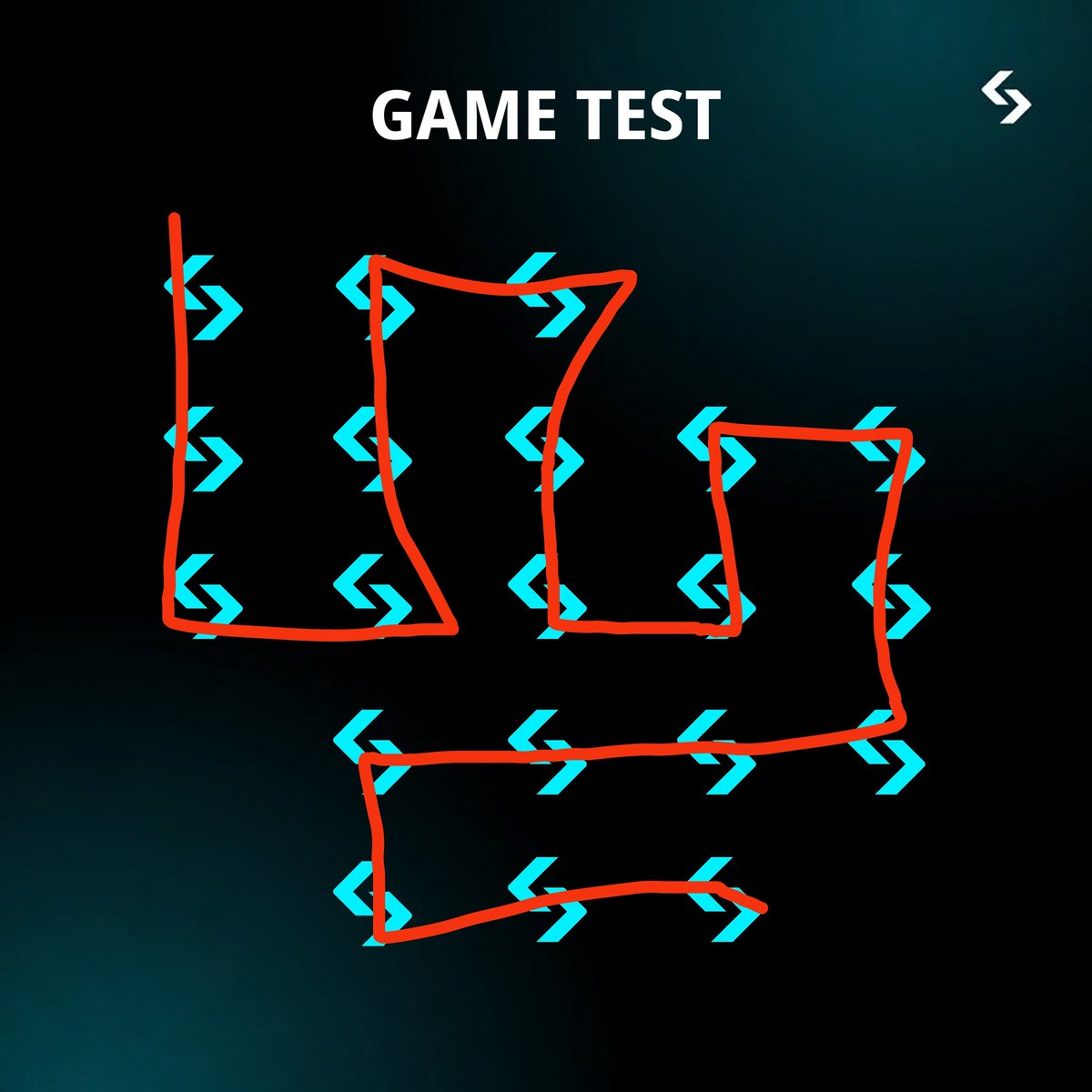
🧠🏆 Bitget Brain Challenge!
Can you connect all the Bitget logos in a single continuous line? Complete the challenge and win rewards! 🎯✨
✅ How to Participate:
1️⃣Complete all tasks on Gleam
gleam.io/D77Uq/bitget-brain-…
2️⃣Like share with hashtag #BitBrain
3️⃣Comment with your UID screenshot of the line you drew connecting the logos
🏆 Total Prize Pool: 250U
🥇 6 prizes of $15 each (awarded to the Top 5 on the Gleam leaderboard)
🥈 16 prizes of $10 each for the most perfect line drawings
⏰ Deadline: 23:59 April 11, 2026
This information is for reference only and is not investment advice❗️
191
203
251
10,420

You poor sap. You’ve let you obsessions make you a bitbrain. That man accomplished ZERO in his 8 years of destruction. Shake off your miserable mindset and open your eyes.
2
46


I've completed the deep research on the neurotech landscape you requested. Here’s the breakdown:
1. Merge Neurotech / Merge BCI
Merge Labs is a high-profile BCI startup that recently emerged from stealth mode as a spin-out from Forest Neurotech.
Founders: Co-founded by Sam Altman (OpenAI), Alex Blania (Worldcoin), Sumner Norman, and Tyson Aflalo.
Status: Reportedly seeking to raise $250M at an $850M valuation, with expected backing from OpenAI Ventures.
Approach: They are pursuing a non-invasive or minimally invasive approach using functional ultrasound (fUS) technology, aiming for high-resolution brain reading without the risks of open-brain surgery.
2. Non-Invasive Competitors & BCI Landscape
While BlackRock Neurotech leads in invasive BCIs (e.g., the Utah Array), the non-invasive sector is rapidly expanding.
Competitors: Key players include Kernel (fNIRS), Neurable (EEG-integrated headphones), Emotiv, Bitbrain, and OpenBCI.
Market Share: Non-invasive BCIs currently hold approximately 87.5% of the market revenue share due to safety and accessibility.
Trade-offs: Invasive systems offer superior signal precision (single-neuron recording) but carry surgical risks and face long-term stability issues (gliosis). Non-invasive systems are safer for mass-market adoption but suffer from signal attenuation by the skull.
3. Bone Acoustic Information Development
This research focuses on transmitting sound vibrations through the skull directly to the cochlea, bypassing the outer ear.
BCI Integration: Bone conduction is being explored as a "silent" feedback channel for BCIs, allowing users to receive information through vibrations perceived as sound.
Neural Communication: It is highly effective in noisy environments (military/aviation) and is being studied for its ability to stimulate the vagus nerve and enhance neuroplasticity in hearing rehabilitation.
4. Failed & Discontinued Projects (Arxiv/GitHub)
The field has seen several notable failures due to technical, financial, and regulatory hurdles.
Notable Failures: Cyberkinetics (original BrainGate), Second Sight (Argus II), and NeuroVista.
Technical Reasons: Common issues include signal degradation over time due to the body's immune response, hardware obsolescence (unsupported drivers), and the "orphan device" crisis where patients are left with unsupported implants after a company's bankruptcy.
Lessons Learned: Post-mortems on Arxiv and GitHub emphasize the need for standardized data formats and more sustainable business models to navigate the long FDA approval process.
1
1
82

4 Nov 2025
Thanks to Miguel (Bitbrain) we now have a beautiful schedule and map overview on GodotFest.com/schedule! It is final and you can plan your days with a certainty. Just press the little ❤ and export to calendar!

ALT Screenshot of the website godotfest.com/schedule , showing a small snippet of talks
2
12
834

30 Oct 2025
Hey, you left me off the list?!?
- BitBrain (holds $0.000553812B): For
Love you @elonmusk !
1
23

25 Oct 2025
كل ذولي الآن داخلين في هالأهتمام :
Neuralink "إيلون ماسك "
Synchron
Paradromics
Precision Neuroscience
Kernel
Blackrock Neurotech
NextMind (استحوذت عليها Snap Inc.)
Emotiv
Neurable
MindMaze
CortiCare
BrainCo
Bitbrain
OpenBCI
Merge Labs (مشروع Sam Altman الجديد)
1
1
7
838
